
Should I open or buy a Lightbridge Academy franchise in 2027?
 Curated byKory White · Fractional CRO · Maryland
 PULSEKNOWLEDGE LIBRARY
Quality
Certified
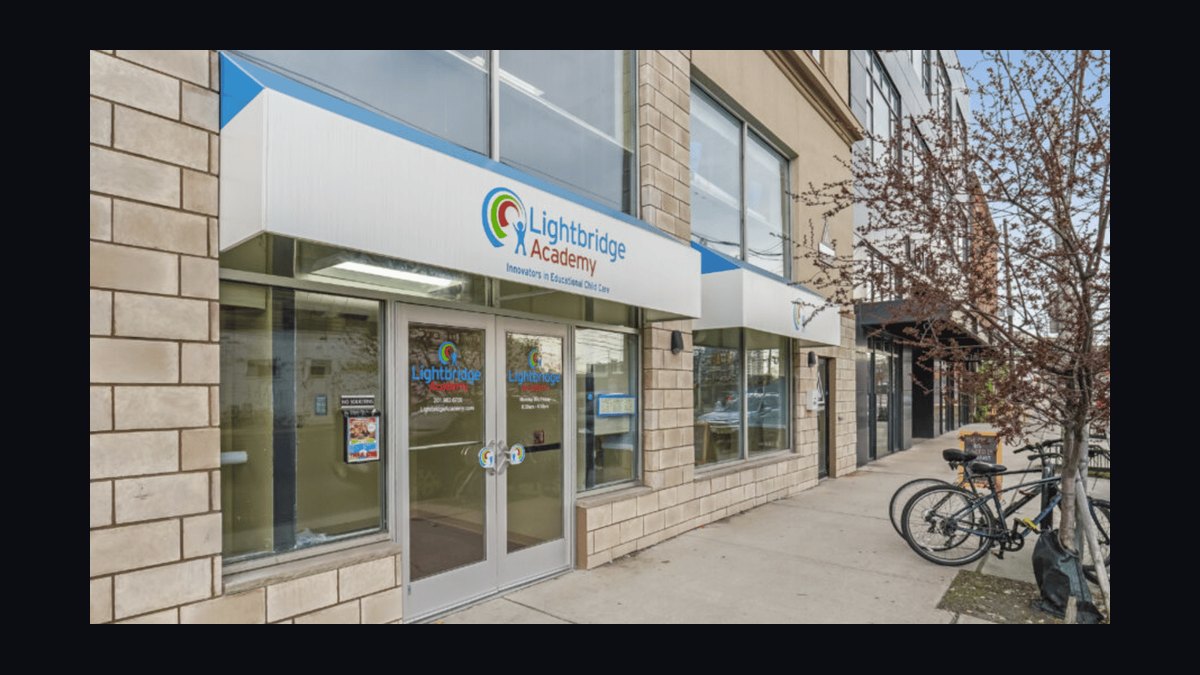
Opening a Lightbridge Academy franchise in 2027 is a sound move only for operators who can fund a real-estate-heavy investment of $500,000 to over $6,000,000, survive a 1–3 year enrollment ramp, and manage a workforce with 30–50% annual turnover. In exchange, mature centers gross $1.5M–$4M and owners clear $200K–$650K, inside a recession-resilient, recurring-tuition category. Thinner capital stacks should look at lower-tier concepts first.
A Concrete Scenario That Frames the Problem
Consider an operator in a growing suburban corridor outside a mid-sized metro — new housing permits climbing, a school district rated above average, and two employers that just announced expansions. Local infant-care waitlists already run 12–18 months deep, and the two existing centers in a five-mile radius are both charging premium tuition with no capacity to spare. That gap is exactly the market signal Lightbridge Academy franchise development looks for, and it's also the moment a prospective franchisee needs to move from "this seems like a good market" to underwriting an actual deal.
The operator pulls the 2026 Franchise Disclosure Document and skips past the brand story straight to Item 7 (initial investment) and Item 19 (financial performance representations). The franchise fee itself — $100,000 to $150,000 — is almost a rounding error against the real driver of cost: real estate. A retrofitted 8,000-square-foot space inside an existing strip development can open near the low end of the investment range. A ground-up 12,000-to-15,000-square-foot standalone building, with a dedicated fenced playground and a secure car-line drop-off loop, pushes the project toward $5,000,000 or more before a single child is enrolled. Before signing the franchise agreement, the operator needs a real answer to one question: which end of that spread does this specific site force them into? That answer determines whether the deal is financeable through a conventional SBA 7(a) loan or requires an equity partner and commercial construction financing — two fundamentally different fundraising processes with different timelines, different personal guarantees, and different risk exposure if the center underperforms in its first eighteen months.

This is also where a lot of first-time buyers self-select out, and appropriately so. A childcare center isn't a low-capital service franchise where a founder can bootstrap with savings and a small loan. It behaves more like a commercial real estate development with a licensed operating business layered on top, and treating it as anything less rigorous is the first mistake that compounds every later decision.
How the Franchise Economics Actually Work
Strip away the branding and a Lightbridge Academy center is a licensed facility collecting recurring monthly tuition from enrolled families, paying a legally mandated and expensive staff-to-child ratio, and keeping what's left after occupancy costs, royalties, and operating expenses. Understanding the order in which money leaves the business — long before an owner sees a dollar of profit — is the single most useful underwriting exercise available to a prospective buyer.
Start at the top: gross revenue is driven by enrollment (up to 100–200+ children across age groups) multiplied by monthly tuition, which for comparable premium childcare brands runs roughly $1,200–$2,500 per child depending on age and market. Infant care sits at the top of that range because ratios are strict — commonly near 4:1 — while preschool and school-age tuition sits lower because ratios loosen, often to 10:1 or higher. That's also why a center's revenue mix shifts meaningfully as it fills different age bands over its first few years; an infant-heavy roster generates more revenue per classroom but costs more in staffing per classroom too.
From gross revenue, payroll is by far the largest deduction. A fully staffed center employing 12–25 people, with lead teachers earning $35,000–$55,000 and assistants at $28,000–$38,000, typically pushes annual payroll to $500,000–$1,200,000 — often 40–45% of revenue. Occupancy, whether rent or debt service on owned real estate, commonly runs another 10–15%. Royalty to Lightbridge lands near 7% of gross, with an additional marketing fee near 2%. What survives food costs, classroom supplies, liability insurance, and general operating expenses is owner earnings, and that's precisely why the $200K–$650K profit range at maturity is so sensitive to two variables: how close the center runs to full enrollment, and how well the operator controls the teacher line.

This flow explains why experienced franchisees obsess over exactly two levers above all others: filling enrollment as fast as possible and keeping teacher turnover down. Every seat sitting empty in a classroom that's already fully staffed is pure fixed cost with no offsetting revenue — the single biggest threat to a pro forma in year one and two, and the reason pre-opening marketing to build a waitlist before doors open matters as much as the buildout itself.
Real Numbers, Ranges, and Benchmarks for a 2027 Opening
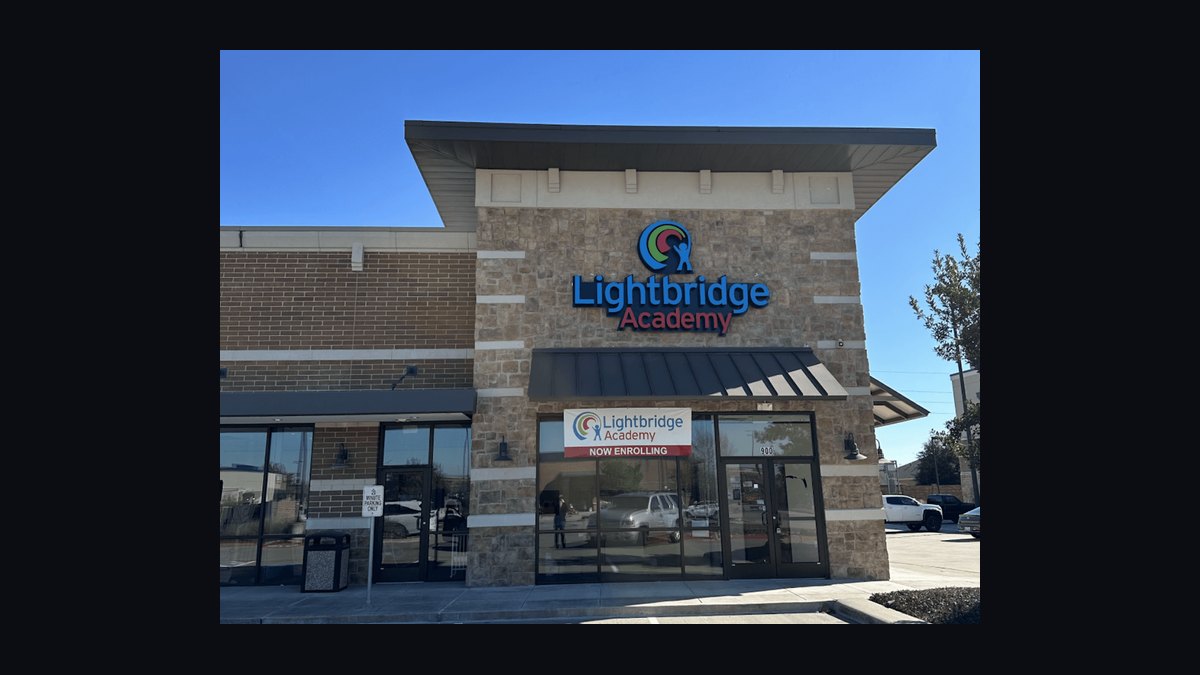
Breaking the Item 7 investment into its components makes the "$500K to $6M+" spread concrete rather than abstract. The franchise fee sits at $100,000–$150,000. Real estate and buildout is the dominant swing factor, ranging from roughly $300,000 for a well-priced leased retrofit up to $5,000,000+ for ground-up construction in an expensive market. Equipment and playground costs run $150,000–$500,000, covering classroom furnishings, age-appropriate learning materials, and outdoor play structures that meet state licensing standards. Signage and interior branding add $30,000–$120,000. Initial educational supplies run $25,000–$80,000, and initial marketing — critical for pre-selling enrollment before opening day — runs $30,000–$80,000. Training and travel for the operator and center director costs $15,000–$45,000. Working capital needs to cover the enrollment ramp period, when the center runs at partial capacity but full staffing cost, and should be budgeted at $150,000–$400,000 on its own.

Ongoing costs matter just as much for a 2027 underwriting model: the roughly 7% royalty and 2% marketing fee apply to gross revenue indefinitely, not just in year one. Liquidity requirements for financing typically call for $300,000–$700,000 in accessible capital even before counting what a bank or SBA loan will finance. On the real estate side, Class A commercial lease rates in suburban growth corridors are running $18–$35 per square foot annually in 2026–2027; for a 10,000–15,000-square-foot facility, that alone is a six-figure annual occupancy cost before the first teacher is hired. Securing a site with correct zoning, proximity to schools, and demographic density of 2,000+ households within a 3-mile radius commonly takes 6–18 months — a timeline first-time buyers routinely underestimate when they assume they'll be open within a year of signing.
On the revenue side, mature centers gross $1,500,000–$4,000,000+, with the width of that range reflecting differences in center size, local tuition ceilings, and how quickly enrollment filled. Owner earnings of $200,000–$650,000 describe centers that have worked through the ramp and stabilized staffing; a first- or second-year center should expect earnings well below that band while occupancy and payroll run near full cost against partial enrollment. Industry-wide, the broader child care and early learning services sector has grown steadily as dual-income households remain the norm, and Bureau of Labor Statistics wage data shows preschool and childcare worker pay has climbed in recent years — a trend that pushes payroll assumptions upward for any 2027 opening and should be built into the pro forma rather than assumed away.
Trade-Offs Against Comparable Childcare Concepts and Adjacent Paths
Lightbridge Academy competes in a field that includes Kiddie Academy, The Learning Experience, Primrose Schools, The Goddard School, and KinderCare, and by 2027 nearly all of them offer some version of parent-communication technology — meaning Lightbridge's live parent-cam feature is no longer a standalone differentiator. What franchisees more often point to as the durable edge is the "Circle of Care" operating philosophy itself, a model built to support staff retention as well as family experience, which correlates with reported parent retention of 80–90% annually and referral rates of 30–40% that meaningfully lower paid marketing spend over time. Still, a buyer evaluating Lightbridge against the field should weigh the alternatives honestly rather than assume brand loyalty alone carries a center through its ramp.
Kiddie Academy and The Learning Experience occupy a similar footprint and price point, so a market already served by one of them may be oversaturated for a third premium entrant. Celebree School and Kids R Kids often run at a lower investment tier, which can be the better fit for an operator whose liquid capital sits nearer $300,000 than $700,000. Primrose Schools and The Goddard School frequently compete at the premium end alongside Lightbridge, meaning a territory already anchored by one of those brands demands a genuinely sharp local differentiation strategy, not just the corporate marketing deck. An independent, unbranded center is the highest-control, highest-risk alternative — no royalty, no marketing fee, but also no proven curriculum, no disclosed unit economics to underwrite against, and no franchisor site-selection support. For capital-constrained buyers who still want exposure to the education sector without real-estate intensity, lower-capital tutoring or supplemental-education franchise concepts offer a fundamentally different risk profile: smaller footprint, lighter staffing burden, but a much lower revenue ceiling per location. Some operators also look sideways at adjacent categories — after-school enrichment franchises, pediatric therapy clinics, or youth sports concepts — which share the family-services customer base but carry lighter licensing and real estate burdens than a full-day licensed childcare center.
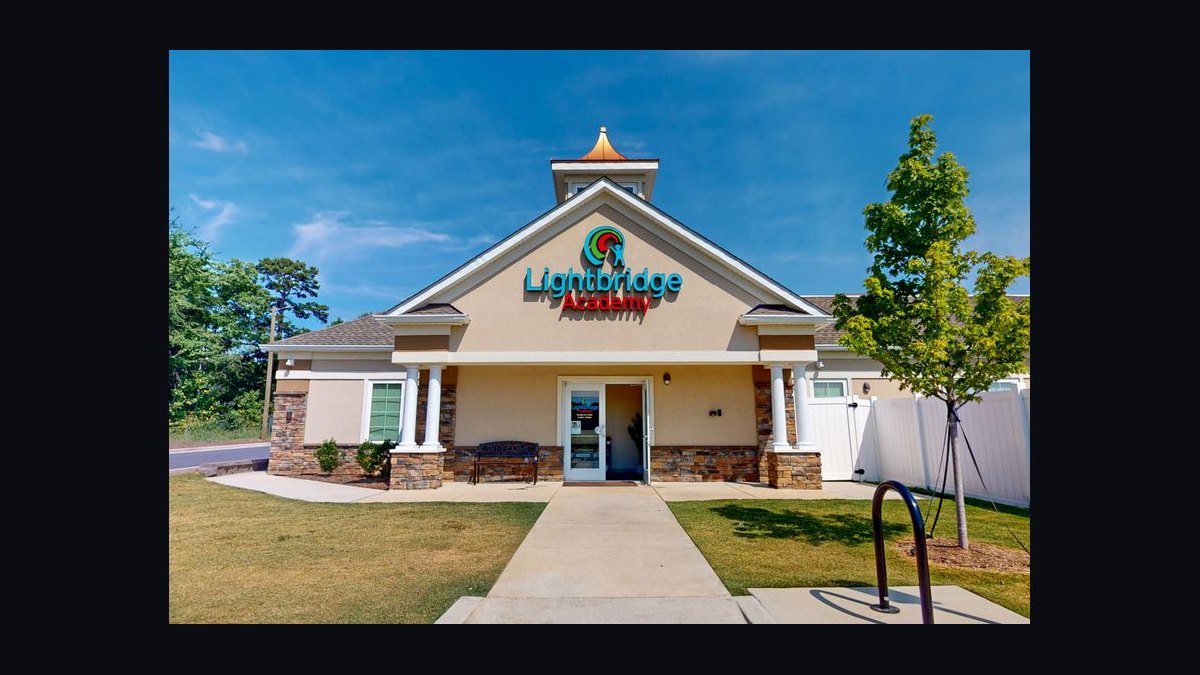
The practical takeaway is that "should I open" isn't purely a question of whether Lightbridge is a strong brand — it's whether a specific territory has room for a premium-positioned center, and whether the buyer's capital stack matches a real-estate-driven investment size versus a lower-capital or lower-risk adjacent path.
Common Pitfalls and How to Avoid Them
The single most common mistake is underestimating the real estate timeline. Buyers who assume they'll open within 12 months of signing routinely discover that zoning approval, playground permitting, and childcare-specific building code compliance stretch site selection and buildout to 18–24 months, during which pre-opening costs — lease payments, staff hired ahead of opening, marketing to build a pre-enrollment waitlist — accumulate with zero revenue to offset them. The fix is straightforward but disciplined: underwrite the deal assuming the long end of the timeline, and hold enough working capital in reserve to survive it without a mid-construction capital call.
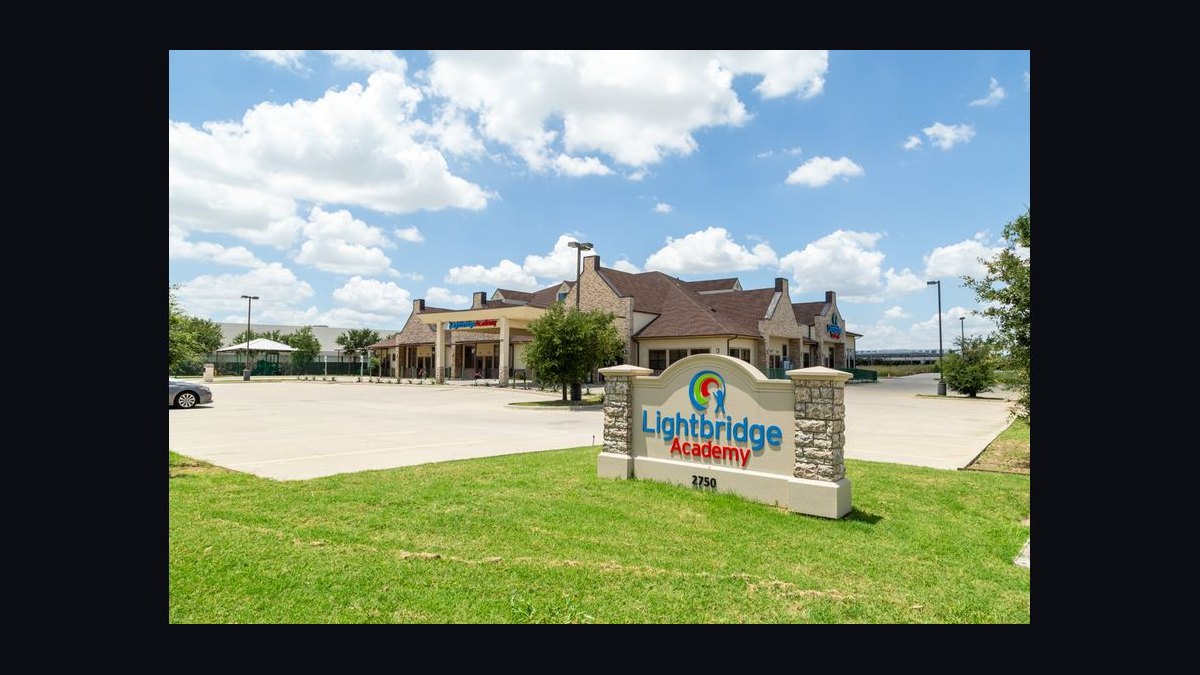
Second is understaffing against licensing ratios. Because child-to-staff ratios are legally mandated — commonly near 4:1 for infants, loosening to roughly 10:1 for preschool-age children — a center that can't hire fast enough literally cannot enroll more children regardless of demand, turning a marketing win into a capped, frustrated waitlist. Building a recruiting pipeline months before opening, not weeks, is the practical countermeasure. Third, turnover in this sector commonly runs 30–50% annually, and franchisees who don't budget a genuine contingency — realistically $50,000–$100,000 a year for wage inflation, temp agency costs, and recruiting fees at $2,000–$5,000 per hire — get blindsided when a wave of departures forces classroom closures mid-quarter.
A fourth pitfall is treating Item 19 figures as guaranteed rather than as a range shaped heavily by local tuition ceilings and time-to-fill. Buyers who interview only two or three existing operators, instead of eight or more across different market types, tend to anchor on the best-performing examples and underestimate their own ramp. Fifth, some assume the franchisor's site-selection support removes real estate risk entirely — it does not; the franchisee bears the lease or construction financial exposure regardless of how much guidance Lightbridge provides during the search. Finally, in markets already saturated with Kiddie Academy, Goddard, Primrose, or strong independents, franchisees who don't build a locally specific value message beyond "we have a nicer app" tend to compete on price in a category where price sensitivity is rising — eroding the premium tuition position the entire model depends on.
Related questions
How long does it take a Lightbridge Academy franchise to reach full enrollment?
Most centers take 1–3 years to fill to capacity, based on franchisee reports. Location density, local competition, and how aggressively pre-opening marketing builds a waitlist before doors open all affect where in that range a given center lands.
What child-to-staff ratios does a Lightbridge Academy center have to maintain?
State licensing mandates ratios that vary by age group, commonly near 4:1 for infants and loosening to roughly 10:1 for preschool-age children. These ratios directly cap how many children a center can enroll regardless of available space or demand.
Is childcare franchising actually recession-resistant?
Childcare demand holds up better than many consumer categories during downturns because working parents need care regardless of economic conditions, but no business is fully insulated — local layoffs or population shifts can still reduce enrollment.
How does Lightbridge Academy compare to Kiddie Academy or The Goddard School financially?
All three occupy a similar premium price tier with comparable investment ranges, so the deciding factor is usually territory saturation and which brand's culture or technology differentiation resonates more with local operators and families, rather than a large gap in unit economics.
Should I consider a lower-capital childcare-adjacent franchise instead?
If liquid capital sits well under $300,000, a tutoring, enrichment, or supplemental-education concept offers a lighter real estate and staffing burden, though with a materially lower revenue ceiling per location than a full licensed center like Lightbridge.
FAQ
What is the total investment needed to open a Lightbridge Academy franchise in 2027? The total investment ranges widely, typically between $500,000 and over $6,000,000, depending heavily on real estate costs, center size, and build-out approach. The franchise fee alone runs $100,000–$150,000, on top of significant capital for licensing, equipment, and staffing.
How much can I expect to earn as a Lightbridge Academy franchise owner? Mature centers generally generate gross annual revenue of $1,500,000 to $4,000,000 or more, with owner profits typically in the $200,000–$650,000 range. Actual earnings depend heavily on location, enrollment fill rate, and staffing efficiency.
Is Lightbridge Academy a recession-proof business to open? The model is considered recession-resilient because families prioritize childcare and early education even during downturns, supporting steady recurring tuition revenue. It isn't fully immune, though — local economic shocks can still soften enrollment.
What are the biggest challenges in opening a Lightbridge Academy franchise? The main hurdles are very high capital requirements, dependence on securing suitable real estate, navigating state childcare licensing, and staffing a labor market with persistent teacher shortages. The 1–3 year ramp to full enrollment compounds all of these.
How does Lightbridge Academy support franchisees during the opening process? The company provides site-selection guidance, the "Circle of Care" operating philosophy, parent-engagement technology like live parent-cams, and training and marketing support. Franchisees still bear local real estate, hiring, and licensing execution.
What kind of franchisee background is ideal for opening a Lightbridge Academy? A well-capitalized operator with business management experience — ideally in childcare, education, or multi-unit operations — fits best. Comfort with high upfront capital, commercial real estate decisions, and running a heavily regulated, staff-intensive business is essential.
Sources
- Lightbridge Academy Franchise Disclosure Document (2026 filing), Items 5, 6, 7, 19, 20
- Entrepreneur.com Franchise Directory — Lightbridge Academy
- IBISWorld — Child Care and Early Learning Services in the US, 2026 industry report
- Statista — US Childcare and Early Education Market, 2025-2026
- Child Care Aware of America — childcare demand and workforce data
- Franchise Business Review — childcare franchisee satisfaction surveys
- International Franchise Association (IFA) — 2027 Franchise Economic Outlook
- U.S. Census Bureau — dual-income household and childcare demand demographics
- U.S. Bureau of Labor Statistics — Occupational Employment and Wage Statistics, childcare workers and preschool teachers
Related on PULSE
- Should I open or buy a Kiddie Academy franchise in 2027?
- Should I open or buy a The Learning Experience franchise in 2027?
- Should I open or buy a Primrose Schools franchise in 2027?
- Should I open or buy a Celebree School franchise in 2027?
- Should I open or buy a La Petite Academy franchise in 2027?
This page will be disappearing soon. Save it to your device for $1 — or read it free while it is here.
@Kory-White- · if Venmo asks, the last 4 of my number are 2012
This page is gone.
This one is off the shelf now. $1 keeps it on your phone for good — the whole page, pictures and diagrams included.
 franchiseShould I open or buy a Cheba Hut franchise in 2027?
 franchiseShould I open or buy a Whataburger franchise or open an independent sandwich shop in 2027?
 franchiseShould I open or buy a Raising Cane’s franchise or open an independent sandwich shop in 2027?
 franchiseShould I open or buy a Big O Tires franchise in 2027?
 franchiseShould I open or buy a Public Storage franchise in 2027?
 franchiseShould I open or buy a PJ's Coffee of New Orleans franchise in 2027?
 franchiseShould I open or buy a Taco Cabana franchise in 2027?
 franchiseShould I open or buy an iCRYO cryotherapy franchise in 2027?
 franchiseShould I open or buy a Rainbow Restoration franchise in 2027?
 franchiseShould I open or buy a Your Pie Pizza franchise in 2027?