
Should I open or buy a Blaze Pizza franchise or open an independent sandwich shop in 2027?
 Curated byKory White · Fractional CRO · Maryland
 PULSEKNOWLEDGE LIBRARY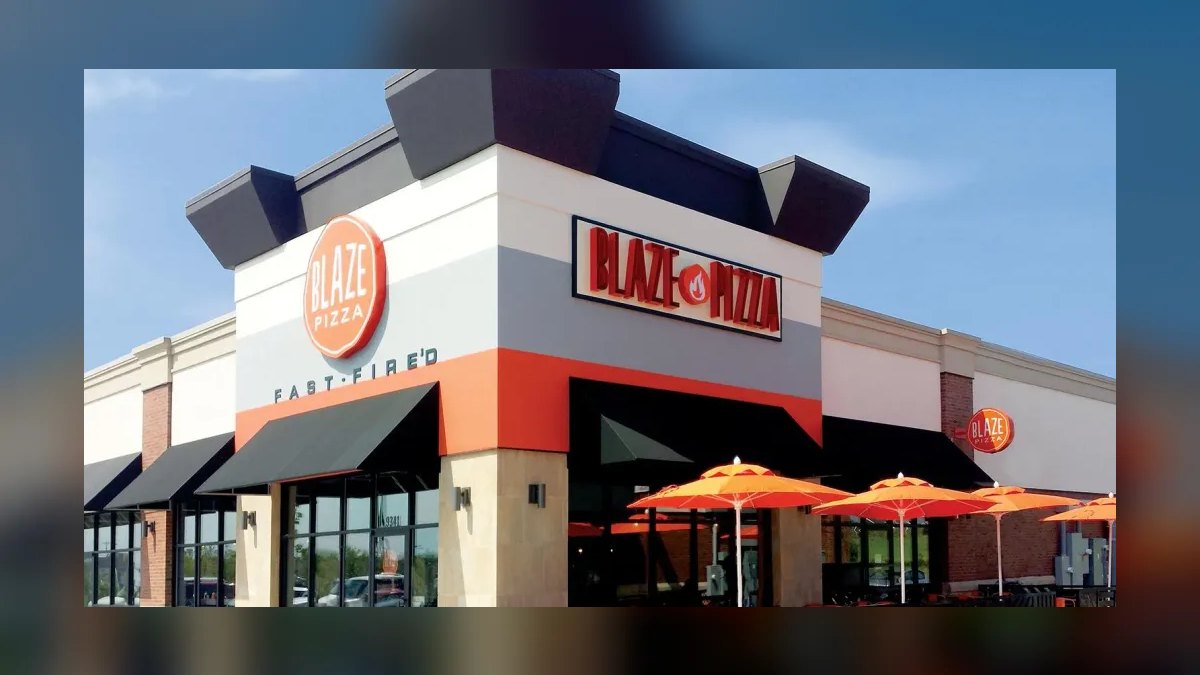
Neither path is automatically better in 2027 — they fail and succeed for different reasons. Buying a Blaze Pizza franchise buys a proven build-your-own-pizza model, national brand recognition, and a franchisor playbook, but costs far more upfront and locks you into royalties and standards. Opening an independent sandwich shop costs a fraction as much and gives you total control, but you build the brand, systems, and supplier relationships from zero. Match the choice to your capital, risk tolerance, and appetite for operating rules.
The two options compared
The Blaze Pizza franchise and the independent sandwich shop sit at opposite ends of nearly every trade-off that matters to a first-time or second-time operator in 2027. Understanding those differences in concrete terms is the only way to make a rational decision rather than an emotional one.
What you are actually buying with a Blaze Pizza franchise. Blaze Pizza built its reputation on a fast-casual, assembly-line pizza format: customers choose toppings as they move down the line, and the pizza cooks in a high-temperature oven in roughly three minutes. When you buy a franchise, you are purchasing the right to operate under that brand and format. What you get in return is a known name, a tested menu, a documented operating system, site-selection criteria, training, ongoing support, and — critically — a supply chain and marketing apparatus you would otherwise have to build yourself. You are also buying into a national advertising fund and a set of brand standards you must follow. The trade-off is that you do not own the brand, you cannot freely change the menu or pricing, and a meaningful share of your top-line revenue leaves the business every month in royalties and marketing contributions.
What you are building with an independent sandwich shop. An independent sandwich shop is exactly what it sounds like: your concept, your name, your menu, your rules. You might run a deli, a banh mi counter, a cheesesteak window, a breakfast-and-lunch sub shop, or a specialty sandwich concept built around one signature item. The upside is total control and no royalty payments. You keep every dollar of margin after your own costs. You can pivot your menu weekly, chase a trend, add a catering arm, or sell beer and wine if local licensing allows. The downside is that everything the franchisor would have handed you — brand awareness, proven recipes, a tested build-out, vendor contracts, a marketing playbook, and a peer network — you now have to create or source on your own, usually while cash is tight and you are learning the business in real time.
The structural difference that drives everything else. A franchise is a business-in-a-box with a recurring fee attached. An independent shop is a blank canvas with no fee attached but no safety net either. The franchise reduces execution risk and increases cost and constraint. The independent route reduces cost and constraint and increases execution risk. Almost every other difference — capital required, time to break even, failure rate, flexibility, exit value — flows from that single structural fact.
Why 2027 specifically matters. Both paths are being reshaped by the same forces: food and labor costs that remain elevated relative to the pre-2020 era, a customer base that is highly deal-sensitive and increasingly orders through third-party delivery apps that take a meaningful commission, and a labor market where reliable hourly staff are hard to find and expensive to retain. Franchise systems tend to absorb some of this shock through national supply contracts and brand-level marketing, while independents tend to absorb it through pricing power and menu agility — but only if they have the margin cushion to do so. A 2027 decision should assume that delivery commissions, wage pressure, and ingredient inflation are permanent features of the landscape, not temporary ones.
How to decide between them
The decision is not really "which is better" — it is "which risk can I actually carry, and which business fits the operator I am." Work through the following logic in order, because each step narrows the field.

Step 1: Honest capital accounting. Write down your total liquid capital available for this venture, then subtract a personal emergency reserve of at least six months of living expenses. What remains is your true investment capacity. If that number is under roughly $150,000, a Blaze Pizza franchise is likely out of reach once you account for the franchise fee, build-out, equipment, opening inventory, and working capital — and trying to force it with heavy borrowing is how new franchisees get into trouble. If your true capacity is $400,000 or more and you are comfortable with debt, the franchise becomes viable. The independent sandwich shop can often be launched for a fraction of that, which is precisely why it is the more common entry point.
Step 2: Operator self-assessment. Ask yourself three blunt questions. Do you have direct experience running a food operation — hiring, scheduling, food safety, inventory, and handling a Friday lunch rush? Do you have a concept or a culinary point of view that customers would actually seek out? Do you have the temperament to follow someone else's system without chafing? If you answered no to the first two and yes to the third, a franchise is the better fit. If you answered yes to the first two and no to the third, the independent route suits you better.
Step 3: Market reality check. Look at your specific trade area. Is there already a strong pizza presence and a weak sandwich presence, or the reverse? A Blaze Pizza franchise in a market already saturated with fast-casual pizza will struggle regardless of brand strength, and the franchisor may or may not grant you protected territory. An independent sandwich shop in a market with three beloved delis and no differentiation will struggle too. The concept has to fit the neighborhood.
Step 4: Model the downside first. Before you model the upside, model what happens if revenue comes in 30% below your base case for the first eighteen months. Can you still service debt, pay rent, and pay yourself something? If the answer is no on the franchise path because of debt load, that is a signal. If the answer is no on the independent path because you have no cash buffer, that is also a signal. The path that survives a bad first year is usually the right one.

Concrete numbers behind each option
Numbers vary enormously by market, real estate, and build-out condition, so treat everything below as planning ranges rather than quotes. The point is to show the *shape* of the economics, not to predict your exact P&L.
Blaze Pizza franchise — cost side. Fast-casual pizza franchises in this tier typically require a total investment in the range of roughly $500,000 to $1,000,000 or more once you include the initial franchise fee, leasehold improvements, equipment, signage, POS, opening inventory, training, and working capital. The initial franchise fee for a concept at this scale commonly runs in the tens of thousands of dollars, and ongoing royalties typically sit in the range of 5% to 6% of gross sales, with an additional brand marketing or advertising fund contribution often around 2% to 4% of gross sales. Some agreements also impose a minimum advertising spend on top of the fund contribution. On top of that, you will usually pay a percentage-based or flat renewal fee at the end of the term, and you may face transfer fees if you sell.

Blaze Pizza franchise — revenue side. A well-located fast-casual pizza unit with strong lunch and dinner dayparts might target annual sales in the range of roughly $900,000 to $1.5 million, with the best urban and high-traffic suburban locations exceeding that. But the royalty and marketing contributions come off the top, so on $1.2 million in sales, a 6% royalty plus a 3% marketing fund is roughly $108,000 per year leaving the business before you have paid rent, labor, food cost, utilities, or debt service. That is the single most important number to internalize: the franchise model taxes your revenue, not your profit.
Independent sandwich shop — cost side. A leased storefront sandwich shop can often be opened for roughly $80,000 to $300,000 depending on whether you take over an existing restaurant space, how much build-out is required, and whether you buy used or new equipment. A small counter-service deli in a second-generation restaurant space with existing hood, grease trap, and utilities can land at the low end. A ground-up build with a full kitchen, walk-in cooler, and custom millwork lands at the high end. There is no franchise fee, no royalty, and no mandatory marketing fund, which means every dollar of gross profit stays in the business.
Independent sandwich shop — revenue side. A single independent sandwich shop doing strong lunch volume might generate roughly $400,000 to $900,000 annually, with standout locations in dense office or campus districts pushing higher. Food cost for sandwiches typically runs in the range of 28% to 35% of sales, and labor another 25% to 35%, depending on how much you prep in-house and how efficient your counter flow is. Because there is no royalty, a sandwich shop at $700,000 in sales with a 30% food cost and 30% labor cost can retain meaningfully more operating margin than a franchise unit at the same revenue — but it also has no national brand pulling customers through the door.
The break-even comparison. Franchise units carry higher fixed costs (royalties, marketing fund, often higher rent because the brand wants premium locations), so they need higher revenue to break even. Independent shops carry lower fixed costs but must generate their own traffic, so their break-even depends heavily on whether the operator can build a local following quickly. A useful rule of thumb: the franchise needs to hit a higher sales number to survive, while the independent needs to hit a lower sales number but has a much wider variance around whether it hits it at all.
Exit and resale value. Franchise units often sell at a multiple of earnings that reflects the transferability of the brand and the franchisor's approval process, and the franchisor typically takes a cut of the transfer. Independent shops can be harder to sell because the value is tied to the founder's recipes, relationships, and reputation — but a well-known local sandwich shop with a strong catering book and a documented operating manual can command a solid multiple too. Neither path is automatically better for exit; documentation and transferable systems are what create value in both cases.
Implementation details and sequencing
Whichever path you choose, the sequencing of the first eighteen months determines whether you ever reach profitability. The order of operations differs substantially between the two.
Sequencing the Blaze Pizza franchise path. First, complete the franchisor's discovery process and validate the franchise disclosure document carefully — read the item on litigation, the item on bankruptcy, and the financial performance representations if any are provided, and never rely on a verbal sales pitch. Second, talk to at least six to ten existing franchisees, including at least two who are struggling, and ask them specifically about royalty pressure, marketing fund effectiveness, supply chain markups, and how much support they actually receive after opening. Third, secure financing and confirm your total capitalization, including a working capital reserve. Fourth, work with the franchisor on site selection using their criteria — do not fall in love with a cheap space that fails their model. Fifth, complete the build-out and training program, hire and certify your opening team, and run a soft opening before a full launch. Sixth, once open, track your prime cost (food plus labor) weekly, not monthly, because franchise margins are thin and drift compounds fast.
Sequencing the independent sandwich shop path. First, define the concept narrowly — one or two signature sandwiches done exceptionally well beat a sprawling menu every time for a new operator. Second, write a simple business plan with a realistic sales ramp and a cash-flow forecast that assumes you hit only 60% of your base case in months one through six. Third, find a second-generation restaurant space to minimize build-out cost and permitting friction. Fourth, lock in supplier relationships early — a broadline distributor for staples plus one or two specialty purveyors for your signature ingredients — and negotiate pricing tiers before you open. Fifth, build a documented recipe book with exact gram weights and yields so your product is consistent whether you or a new hire is on the line. Sixth, invest in local marketing from day one: a loyalty program, a strong Google Business Profile, relationships with nearby offices for catering, and a delivery strategy that does not surrender all your margin to third-party apps. Seventh, review your food cost and labor cost weekly and adjust portioning or pricing immediately when they drift.
The shared sequencing discipline. Both paths require the same core operating disciplines: a weekly prime-cost review, a daily cash reconciliation, a documented hiring and training process, and a habit of firing underperforming staff quickly rather than hoping they improve. The franchise gives you templates for these; the independent path requires you to build them. Operators who fail on either path usually fail because they neglect these disciplines, not because they picked the wrong concept.
Related questions
Is a Blaze Pizza franchise or an independent sandwich shop cheaper to start?
The independent sandwich shop is almost always cheaper to start. A leased sandwich shop can often open for roughly $80,000 to $300,000, while a fast-casual pizza franchise typically requires $500,000 to $1,000,000 or more including the franchise fee, build-out, equipment, and working capital. Lower cost, however, means you carry more of the brand-building risk yourself.
Which option has a higher chance of surviving the first three years?
Neither is guaranteed. Franchise units benefit from a proven system, national marketing, and supply chain support, which reduces execution risk. Independent shops benefit from lower fixed costs and pricing flexibility, which reduces break-even risk. Survival usually comes down to the operator's discipline, location quality, and whether they maintain a cash reserve through the slow ramp.
Can I open an independent sandwich shop and later buy a franchise?
Yes, and some operators do exactly that. Running an independent shop teaches you food cost control, labor scheduling, and local marketing with far less capital at risk. Once you have proven you can run a profitable food operation and built a cash reserve, transitioning into a franchise becomes a much lower-risk decision because you already understand the underlying business.
Does Blaze Pizza grant exclusive territory?
Franchise agreements vary, and territory terms are negotiated in the franchise disclosure document and the franchise agreement itself. Some systems grant protected territories, some grant only a right of first refusal on nearby sites, and some grant no exclusivity at all. You must read the specific agreement and ask the franchisor directly in writing before signing anything.
What is the biggest mistake new operators make on either path?
Underestimating working capital. New food businesses almost always take longer to ramp than the pro forma suggests, and the operators who fail are usually the ones who spent their entire reserve on build-out and had nothing left to cover the first six to twelve months of rent, payroll, and inventory while sales climbed.
FAQ
How much does a Blaze Pizza franchise cost to open? Total investment for a fast-casual pizza franchise at this tier commonly falls in the range of roughly $500,000 to $1,000,000 or more, covering the initial franchise fee, leasehold improvements, equipment, signage, POS, opening inventory, training, and working capital. Ongoing costs include royalties typically around 5% to 6% of gross sales and a marketing fund contribution often around 2% to 4%. Exact figures vary by market, real estate, and agreement terms, so the franchise disclosure document is the only reliable source.
How much does it cost to open an independent sandwich shop? A leased sandwich shop can often be opened for roughly $80,000 to $300,000, depending on whether you take over an existing restaurant space, how much build-out is required, and whether you buy new or used equipment. Taking over a second-generation restaurant space with existing hood, grease trap, and utilities pushes you toward the low end. There is no franchise fee, no royalty, and no mandatory marketing fund, which is the core financial advantage of the independent route.
Do I need restaurant experience to buy a franchise? Most franchisors do not require prior restaurant ownership, but they do expect you to complete their training program and often prefer operators with some management or customer-service background. What matters more is your willingness to follow the system, manage cash tightly, and hire and retain reliable staff. Franchisors typically evaluate your financial capacity and your operating temperament during the discovery process.
How long until either business becomes profitable? It varies widely by location, concept, and cost control. Many new food businesses take twelve to twenty-four months to reach consistent profitability, and the first six months are frequently cash-negative while sales ramp. Franchise units often take longer to break even because of higher fixed costs, while independent shops can break even at lower revenue but have less brand pull. The operators who survive are the ones who plan for a slow ramp and keep a working capital reserve.
Should I buy an existing sandwich shop instead of opening one? Buying an existing independent sandwich shop can be a strong middle path. You inherit a customer base, a trained staff, established supplier relationships, and a proven location, often at a lower total cost than a ground-up build. The risks are hidden problems — deferred maintenance, lease issues, declining sales, or a seller who inflated the numbers — so you must verify the financials with your own review of POS data, tax returns, and bank statements before signing.
What should I check before signing a franchise agreement? Read the entire franchise disclosure document, especially the sections on litigation, bankruptcy, fees, territory, renewal, transfer, and any financial performance representations. Interview at least six to ten existing franchisees, including some who are struggling, and ask about royalty pressure, marketing fund effectiveness, supply chain markups, and post-opening support. Have a franchise attorney review the agreement before you sign, and confirm your total capitalization including a working capital reserve.
Sources
- U.S. Small Business Administration — https://www.sba.gov
- Federal Trade Commission, Franchise Rule and disclosure guidance — https://www.ftc.gov/business-guidance/resources/franchise-rule-compliance-guide
- Blaze Pizza official site — https://www.blazepizza.com
- International Franchise Association — https://www.franchise.org
- U.S. Bureau of Labor Statistics — https://www.bls.gov
- National Restaurant Association — https://restaurant.org
- SCORE small business mentoring and templates — https://www.score.org
- U.S. Department of Agriculture, food price outlook — https://www.ers.usda.gov
Related on PULSE
- How to evaluate a franchise disclosure document before signing
- Fast-casual franchise vs independent restaurant: capital and risk compared
- Building a weekly prime-cost review for a single-unit food business
- Third-party delivery commission math for independent restaurants
- Site selection criteria for counter-service food concepts
- Working capital reserves every new restaurant operator should hold
 franchiseWhat is the step-by-step process for buying an existing franchise resale instead of building a new location in 2027?
 franchiseWhat are the exact steps to buy a franchise, from first inquiry to opening day in 2027?
 franchiseShould I open or buy Bruegger’s Bagels franchise or open an independent sandwich shop in 2027?
 franchiseShould I open or buy McAlister’s Deli franchise or open an independent sandwich shop in 2027?
 franchiseShould I open or buy Scooter’s Coffee franchise or open an independent sandwich shop in 2027?
 franchiseShould I open or buy Charleys Philly Steaks franchise or open an independent sandwich shop in 2027?
 franchiseShould I open or buy Potbelly franchise or open an independent sandwich shop in 2027?
 franchiseShould I open or buy Firehouse Subs franchise or open an independent sandwich shop in 2027?
 franchiseShould I open or buy Clean Juice franchise or open an independent sandwich shop in 2027?
 franchiseShould I open or buy Jimmy John’s franchise or open an independent sandwich shop in 2027?