
How do you build the GTM playbook for a specialty or artisan food brand in 2027?
 Curated byKory White · Fractional CRO · Maryland
 PULSEKNOWLEDGE LIBRARY
Specialty + artisan food brand GTM in 2027 is a multi-channel hybrid built on five revenue channels: wholesale grocery (~52% of revenue at scale), DTC e-commerce (~22%), foodservice + restaurant (~14%), Amazon marketplace (~9%), and farmers markets + events (~3%). The dominant motion: launch DTC + Shopify + Amazon → ladder into Whole Foods + Sprouts + Erewhon + Bristol Farms → expand into regional grocery (Wegmans, Publix, HEB, Kroger, Ahold Delhaize) → national grocery when velocity justifies (Target, Walmart, mass Kroger). 2027 unit economics: artisan food brands run 35-58% gross margin at DTC, 22-38% at wholesale grocery after slotting + retailer margin + broker, and 8-22% net margin at scale ($8M-$50M). The category churn rate is high — industry estimates put the multi-year failure rate for new specialty food brands well above half within the first three years, because slotting fees ($4K-$40K per SKU per chain per region) + slow turn + retailer pricing pressure kill margin before brand-equity builds. Top accelerators + venture programs: Big Idea Ventures, SKU, Techstars Farm to Fork, Chobani Incubator, PepsiCo Greenhouse Accelerator, Mondelez SnackFutures, Kraft Heinz Springboard + retailer programs (Sprouts' Innovation Center, Target's Forward Founders (with Techstars), Whole Foods Local Forager, Walmart Open Call). Top operator KPIs: velocity (units sold per store per week, target 4-12), gross margin >35% post-promotion, CAC under 25% of LTV on DTC, broker commission spend 4-7% of wholesale sales, slotting investment payback under 24 months per chain. Strategic exits: General Mills, Unilever, Nestlé, PepsiCo, Conagra, Hormel, McCormick, B&G Foods, J.M. Smucker, Mondelez acquire established specialty brands at 2x-5x revenue or 12x-20x EBITDA for premium-segment brands.
1. The Specialty Food Brand Founder Profile + Unit Economics

1.1 The Three Brand Stages

Stage 1 — Pre-Velocity ($0-$3M revenue): Founder + 1-4 employees. DTC + farmers markets + 4-25 specialty retailer wholesale accounts. Investment $80K-$420K (initial production runs + brand + e-com). ~65% of category by count.
Stage 2 — Regional Velocity ($3M-$20M revenue): 6-25 employees. Distribution into Whole Foods + Sprouts + 2-6 regional chains via UNFI or KeHE. Investment $1.4M-$8M (working capital + slotting + broker network). ~25% of category but ~45% of revenue.
Stage 3 — National Brand ($20M-$200M+ revenue): 25-180 employees. Distribution into mass grocery (Target, Walmart, mass Kroger) + foodservice + multiple regional chains. Examples: Siete Family Foods, RXBar (sold to Kellogg's), Halo Top (sold to Wells Enterprises), Liquid Death, Magic Spoon, Olipop, Poppi, Goldbelly, Spindrift, BelliWelli. ~10% of category but ~55% of revenue.
1.2 Unit Economics For An Emerging Specialty Food Brand
Production cost (cost of goods sold): 22-38% of retail price for specialty food (vs 10-22% for mass food). Higher COGS due to premium ingredients, smaller production runs, and copacker fees. DTC margin: 35-58% gross margin after shipping ($6-$14 per order). Wholesale to grocery margin: 22-38% after retailer margin (30-40%) + broker commission (4-7%) + slotting amortization. Net margin: -5% to +8% at sub-$3M revenue, +8% to +22% at $20M+ revenue.
1.3 The Slotting + Trade-Spend Math

Slotting fees: $4K-$40K per SKU per chain per region. A national rollout (Target, Walmart, national Kroger, Whole Foods, Sprouts, Albertsons-Safeway, Ahold Delhaize) costs $250K-$1.4M in cumulative slotting. Trade-spend (promotional discounts, end-cap fees, demos, shopper-marketing) runs 8-22% of gross sales for emerging brands vs 4-8% for established brands. Total channel cost (retailer margin + broker + slotting + trade-spend) typically consumes 55-72% of wholesale price — brands need 40-55% gross margin at the manufacturing level to survive.
2. The Channel Mix For A Specialty Food Brand
2.1 DTC E-Commerce — The 22% High-Margin Channel

Shopify + Klaviyo + Postscript SMS is the dominant DTC stack. CAC: $24-$58 per new customer via Meta + Google + Reddit + TikTok ads. LTV: $85-$340 over a 24-month horizon. Subscription DTC (Recharge) drives 38-58% of repeat DTC revenue for snack + coffee + supplement-adjacent categories. AOV: $32-$78 typical for specialty food DTC.
2.2 Wholesale Grocery — The 52% Volume Channel

The grocery ladder in 2027: (1) Independent specialty retailers (1-50 doors via Faire), (2) Whole Foods Market (the entry point for most premium-segment brands), (3) Sprouts Farmers Market, (4) Erewhon + Bristol Farms + Mollie Stone's (LA/SF specialty premium), (5) Regional chains: Wegmans, HEB, Publix, Hy-Vee, Meijer, Giant Eagle, ShopRite, (6) National grocery: Kroger, Albertsons-Safeway, Ahold Delhaize, Target, Walmart.
2.3 Foodservice + Restaurant — The 14% Premium Channel

Restaurant + cafe + coffee shop + hotel placement drives brand-awareness + premium positioning. Sysco, US Foods, Performance Food Group, and Dot Foods are the major broadline distributors. Foodservice volumes are 2-5x the case-equivalent of grocery shelf, but margin is squeezed (broadline distributor takes 12-22% + the operator takes 25-40%).
2.4 Amazon — The 9% Acceleration Channel

Amazon as a third-party seller drives meaningful new-customer acquisition for emerging food brands because of Amazon search visibility. Amazon Subscribe & Save drives roughly 2.5x repeat-rate vs one-time purchases. Amazon Vendor Central (1P) vs Seller Central (3P) — most emerging brands start 3P (control over pricing + branding) and move to 1P when scale justifies.
2.5 Farmers Markets + Direct Events
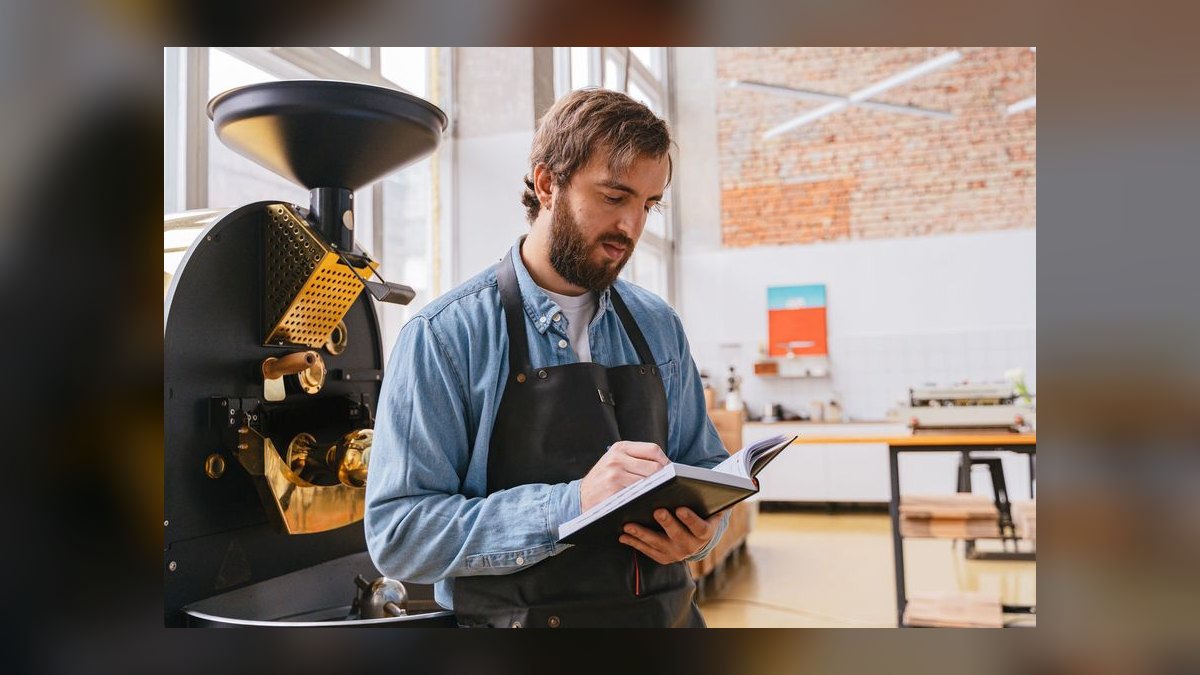
Farmers markets, festival pop-ups, and in-store demos drive brand-awareness + email-list building. Successful brands run 20-90 farmers-market days/year + 100-300 in-store demos/year at Whole Foods, Sprouts, and Erewhon. Demo cost: $250-$800 per demo + product samples + demo-staff pay. Demo ROI: typically 22-58% conversion to first-time purchase + email capture.
3. The Sales Motion — Wholesale Grocery Ladder
3.1 The Faire + Independent Retailer Launch
Faire is the dominant 2027 wholesale marketplace for specialty food into independent retailers — hundreds of thousands of retailers, 4-12 week order-cycle. Faire's risk-free trial (free returns on first orders, NET-60 terms) lowers the retailer-trial barrier. Brand commission: 25% on first order, 15% on reorders.
3.2 Whole Foods Local Forager → Regional → National
The Whole Foods Local Forager program is the brand-accelerator entry point. Local Foragers (regional buyers) identify emerging local brands and pilot them in 4-22 stores. Successful Local Forager brands graduate to regional buyers (Northeast, Mid-Atlantic, Southwest, etc.) at 22-72 stores per region, then to a national Whole Foods rollout. The full ladder takes 18-36 months typically.
3.3 The Broker Channel
Specialty food brokers like Presence Marketing, Acosta, Advantage Solutions, and Crossmark — plus the brand-building services of KeHE and UNFI — handle buyer relationships + slotting paperwork + in-store retail-execution. Broker commission: 4-7% of net sales. Top brokers are worth 10-30x their commission through buyer access + retail-execution depth.
3.4 The Buyer Pitch Cycle
Category reset calendars drive buyer-pitch timing. Whole Foods category resets: roughly 2x annually (Spring + Fall). Sprouts: 2-3x annually. Kroger: 1-2x annually depending on category. Target: ~1x annually. Walmart: ~1x annually. Pitch cycle: 4-9 months from broker introduction to first PO. PO size: $4K-$220K depending on chain + SKU breadth + initial door count.
4. The Marketing + Brand Build Motion
4.1 The PR + Press Launch
Specialty food brands launch with PR campaigns through specialist food-and-beverage firms such as Wagstaff Worldwide and Magrino, alongside category-focused boutique agencies. Key press: FoodNavigator, NOSH, BevNET, Bon Appétit, Cherry Bombe, The New York Times Food, and Eater. PR campaign cost: $4,500-$15,000/month for 6-12 months at launch.
4.2 Influencer + Social
Instagram + TikTok dominate specialty food brand-building. Food influencers run $800-$15,000 per post depending on follower count + niche. TikTok food creators drive 22-38% of new customer trial for snack + beverage + supplement-adjacent categories. Recipe-content creators drive 25-44% of viral organic reach for cooking-applicable brands.
4.3 Affiliate + Partnership
Affiliate platforms (ShareASale, Impact, Refersion, and Levanta for Amazon affiliate management) drive 8-18% of DTC revenue at established brands. Newsletter sponsorships (Bon Appétit, NYT Cooking, and independent Substack food writers) drive niche premium-customer acquisition.
5. Hiring Sequencing For A Specialty Food Brand
5.1 Pre-Velocity ($0-$3M)
Founder + 1-2 sales hires (specialty + Whole Foods/Sprouts focus) + 1 ops hire managing copacker + warehouse + 3PL. Outsourced bookkeeping + CPA + broker network.
5.2 Regional Velocity ($3M-$20M)
VP Sales ($120K-$185K + commission) owns broker + national-account relationships. VP Operations ($110K-$165K) owns supply chain + copacker + 3PL + quality. VP Marketing ($110K-$160K) owns brand + PR + DTC + content. Director of Finance + Controller. Trade-marketing manager.
5.3 National Brand ($20M-$200M)
CEO + COO + CFO + CMO + CRO (often an investor-backed structure). National Account Managers (one per major chain: Whole Foods, Sprouts, Target, Walmart, Kroger, Albertsons). Regional Sales Managers for grocery + foodservice. Supply-chain leadership (S&OP, demand planning, copacker management).
6. The Launch Playbook For A New Specialty Food Brand
6.1 The Pre-Launch Foundation (Months 1-9)
Months 1-3: Product R&D + recipe development + initial copacker outreach (PartnerSlate for co-manufacturer matching, the Specialty Food Association member directory, and KeHE/UNFI supplier networks are useful sourcing resources). Months 4-6: FDA facility registration, food-safety plan, GFSI certification (SQF, BRC, FSSC 22000), packaging design + nutrition-facts panel + ingredient compliance. Months 7-8: First production run, photography, brand assets, Shopify build, Klaviyo setup. Month 9: Soft launch DTC + Faire.
6.2 The First-Year GTM
Months 1-6 post-launch: DTC + Faire + farmers markets (build an email list to 8K-25K subscribers, prove sell-through). Months 7-12: Whole Foods Local Forager pitch + regional specialty retailer expansion (target 25-150 independent retail accounts).
6.3 First-Year KPI Targets
Revenue: $400K-$2.4M year 1 (varies by category — beverage launches typically run 2-4x the first-year revenue of pantry-shelf brands). DTC orders/month: 1,200-6,400. Wholesale accounts: 30-180. Whole Foods doors: 0-22 (Local Forager pilot). Subscribers (DTC + Amazon Subscribe & Save): 800-4,500. Email list: 8,000-32,000.
7. Common Specialty Food Failure Modes
7.1 Slotting Over-Investment
Brands that pay $250K-$1M in slotting before proving velocity at smaller specialty channels go broke. 2027 best practice: prove sell-through at 4-12 units/store/week at a Whole Foods Local Forager pilot BEFORE expanding to broader grocery.
7.2 Cost-Of-Goods Sins
COGS at 38-45% of retail price destroys margin. Brands generally need 22-32% COGS to survive the wholesale grocery channel (retailer margin + broker + slotting + trade-spend consume 55-72% of wholesale price).
7.3 Underestimating Working Capital
Specialty food brands typically need 9-18 months of working capital between production runs and retailer terms (NET-30 to NET-90 means a revenue lag). Plan for 6-12 months of inventory + 3-6 months of receivables.
7.4 No Velocity At Sample Stores
Buyers cut SKUs that don't hit 4-12 units/store/week velocity within 90 days. Velocity depends on: (a) shelf position, (b) trade-spend / promotion, (c) demo activity, and (d) brand-awareness in the trade area.
7.5 Wrong Copacker Choice
A bad copacker means inconsistent product + delivery delays + brand damage. Vet copackers thoroughly on capacity, quality systems (SQF/BRC), reference customers, and financial stability. Use PartnerSlate, the Specialty Food Association directory, and broker networks to source and vet copackers.
8. The 2027 Operating Cadence
Daily: DTC orders + Shopify dashboard, Amazon Seller Central, customer service. Weekly: retail-velocity reports through SPINS and Circana, by-account performance, copacker production schedule, broker check-ins. Monthly: national-account business reviews, financial close, trade-spend ROI analysis, new-SKU pipeline. Quarterly: buyer category-reset meetings, marketing campaign reviews, S&OP forecast updates, fundraising milestone tracking (if VC-backed). Annually: trade-show planning (Expo West, Sweets & Snacks, Natural Products Expo East, Fancy Food Show), broker contract renewals, copacker contract reviews, brand-strategy reset.
FAQ
Q: How much money do I need to launch a specialty food brand in 2027? $280K-$1.4M total for the first 18 months. Breakdown: first production run $40K-$280K, packaging + design + branding $40K-$140K, FDA + food-safety setup $20K-$80K, Shopify + Klaviyo + photography $20K-$60K, trade-show + PR + marketing $40K-$180K, working-capital reserve $120K-$680K for the first 12-18 months. VC-backed brands raise $2M-$8M seed for an accelerated multi-channel launch.
Q: Whole Foods or Sprouts first? The Whole Foods Local Forager program is the more common entry point because Whole Foods brings a national PR halo + a premium-customer base. Sprouts is an excellent second step (a large door count + an entrepreneurial buying team via its Innovation Center). Bristol Farms, Erewhon, and Mollie Stone's are LA/SF premium specialty plays that drive viral brand-discovery for trend-forward categories.
Q: Do I need a broker for grocery distribution? Yes for chains with 20+ doors; no for independents. Brokers handle: buyer-relationship management, slotting paperwork, retail-execution (in-store), and trade-spend planning. Brokers are worth their 4-7% commission because they multiply your buyer access + retail-shelf compliance. Top specialty food brokers in 2027: Presence Marketing, Acosta, Advantage Solutions, and Crossmark, plus the brand-building arms of KeHE and UNFI.
Q: How important is DTC for a specialty food brand? Critical for emerging brands ($0-$5M), important at $5M-$20M, decreasing share at $20M+. DTC is the only channel where the brand owns the customer relationship + data. For emerging brands, DTC + Faire + independents drive brand-narrative + email-list growth + product-feedback velocity that grocery alone won't provide. Target DTC mix: 28-42% at $0-$5M, 22-32% at $5M-$20M, 14-22% at $20M+ (grocery dominates at scale).
Q: When should I sell to a strategic acquirer? $25M-$120M revenue with sustained 22-44%+ YoY growth + 12-22% EBITDA margin + clear category leadership is the sweet spot for General Mills, Unilever, PepsiCo, Nestlé, Conagra, Hormel, McCormick, B&G Foods, J.M. Smucker, Mondelez, and Kellanova acquisition. Acquisition multiples: 2x-5x revenue or 12x-20x EBITDA. Recent comps: RXBar to Kellogg ($600M, 2017), Halo Top to Wells Enterprises (2019, terms undisclosed), and Siete Family Foods to PepsiCo ($1.2B, 2024).
Q: How are GLP-1 weight-loss drugs (Ozempic, Wegovy, Mounjaro) affecting specialty food brands? Significantly — it's a major shift in 2025-2027 consumer-food spending. GLP-1 users (an estimated ~12M+ U.S. adults by 2027) tend to eat meaningfully less by volume but spend more per calorie on premium protein, fiber, and nutrient-dense brands. Winners: protein bars, Greek yogurt, plant protein, low-calorie functional beverages, supplement-adjacent products. Losers: sugary snacks, alcohol, and high-calorie pantry-shelf brands. Specialty food brands should position around protein density, fiber, satiety, and low-calorie functional value to ride the trend.
Q: What's the right Shopify + DTC technology stack for an emerging specialty food brand? Shopify ($105-$399/month) + Klaviyo email + Postscript SMS + Recharge subscription + Yotpo Reviews + Loop Returns + a loyalty platform (Smile.io, Yotpo Loyalty, or Stamped) + Triple Whale analytics + Northbeam attribution. Total monthly DTC tech spend: $800-$4,800 for emerging brands, $5K-$25K for $10M+ brands. Don't underinvest — DTC margin requires sophisticated retention + attribution infrastructure.
Bottom Line
Specialty + artisan food brand GTM in 2027 is a multi-channel hybrid combining ~52% wholesale grocery (22-38% margin) + ~22% DTC e-commerce (35-58%) + ~14% foodservice + ~9% Amazon marketplace + ~3% farmers markets + events. Operators win on velocity discipline (4-12 units/store/week target), broker partnership (4-7% commission for buyer access), and a Whole Foods Local Forager → Regional → National → Mass Grocery ladder over 18-48 months. Unit economics: $400K-$2.4M revenue year 1, $3M-$20M at the regional-velocity stage, $20M-$200M+ as a national brand. Capital required: $280K-$1.4M for a first-18-months bootstrap, or $2M-$8M seed for a VC-backed launch. Slotting + trade-spend math: $250K-$1.4M cumulative slotting for a full national rollout — brands must prove velocity at smaller channels BEFORE expanding. Technology + supply stack: Shopify + Klaviyo + Postscript + Recharge for DTC, Faire for independent wholesale, UNFI + KeHE for natural-grocery distribution, PartnerSlate for copacker sourcing, and SPINS + Circana for retail-velocity data. The exit market is robust — General Mills, Unilever, PepsiCo, Nestlé, Conagra, Hormel, J.M. Smucker, Mondelez, and Kellanova pay 2x-5x revenue or 12x-20x EBITDA for established brands with velocity + brand-equity + category leadership. The 2027 winners build a DTC-customer-data moat + Whole Foods/Sprouts shelf-share + a multi-channel revenue mix + 22-44% YoY growth while protecting 35%+ manufacturing-level gross margin to survive the grocery-channel margin squeeze.
Related on PULSE
- [How do you build the GTM playbook for a DTC hair care brand in 2027?](/knowledge/gp0139)
- [How do you build the GTM playbook for a DTC skincare brand in 2027?](/knowledge/gp0138)
- [How do you build the GTM playbook for a DTC cosmetics brand in 2027?](/knowledge/gp0137)
- [Pet food DTC GTM playbook 2027 — fresh human-grade wedge, vet credibility, subscription replenishment engine, and the $1B The Farmer's Dog operator path](/knowledge/gp390)
- [GTM Playbook for Food Trucks in 2027](/knowledge/gp0293)
- [Food Truck GTM Playbook 2027 — Routes, Brewery Partnerships, Catering Pivot, and the Operator Path](/knowledge/gp0180)
Sources
- SPINS — Natural & Specialty Food category data and wellness reporting (spins.com)
- Specialty Food Association — State of the Specialty Food Industry report (specialtyfood.com)
- Circana (formerly IRI) — Natural + Specialty Food channel performance data (circana.com)
- Whole Foods Market — Local Forager / Local & Emerging Brands program (wholefoodsmarket.com)
- Sprouts Farmers Market — Annual Report (10-K) and Innovation Center program (investors.sprouts.com)
- United Natural Foods, Inc. (UNFI) — Annual Report (10-K) and brand-builder programs (unfi.com)
- KeHE Distributors — Trends and supplier/brand programs (kehe.com)
- Faire — Wholesale marketplace for independent retailers (faire.com)
This page will be disappearing soon. Save it to your device for $1 — or read it free while it is here.
@Kory-White- · if Venmo asks, the last 4 of my number are 2012
 pulse-recentWhat go-to-market playbook works best for Cleaning & Facilities in 2027?
 pulse-recentWhat go-to-market playbook works best for Dental in 2027?
 pulse-recentWhat are the concrete steps to build a GTM playbook for an auto glass repair service in 2027?
 pulse-recentWhat go-to-market playbook works best for Battery & Energy Storage in 2027?
 pulse-recentWhat is the step-by-step GTM playbook for launching a sneaker DTC brand in 2027?
 gtm-playbookGTM Playbook for Dance Schools (Adult) in 2027
 pulse-recentWhat go-to-market playbook works best for AI & Data in 2027?
 pulse-recentWhat go-to-market playbook works best for Senior Care & Home Health in 2027?
 pulse-recentWhat are the concrete steps to build a GTM playbook for a professional services firm in 2027?
 gtm-playbookGTM Playbook for Home Inspectors in 2027