
How do you build the GTM playbook for a DTC hair care brand in 2027?
 Curated byKory White · Fractional CRO · Maryland
 PULSEKNOWLEDGE LIBRARY
Quality
Certified

Build a DTC hair care playbook around one texture or hair-need niche, a 6–12 SKU regimen, and a stylist-endorsement flywheel. Anchor DTC revenue in subscription (35–50% mix), then layer Sephora, Ulta, Sally Beauty, and Amazon on top. Add professional salon distribution for clinical brands, and keep CAC under 30% of 24-month LTV.
The revenue problem a hair care playbook has to solve
The core problem in DTC hair care is that a shampoo-and-conditioner order is heavy, cheap to replace, and easy to abandon — so a brand that wins the first purchase still loses money unless it converts that buyer into a repeating, multi-SKU customer. Product weight alone compresses DTC margin by 4–8 points versus color cosmetics, because a liquid regimen costs $6–$14 to ship a single order rather than $3–$8. On top of that, the U.S. hair category is roughly $22B+ at retail growing only 4–7% a year, which means the flat mass segment is a knife fight against Pantene, Head & Shoulders, TRESemmé, and Dove. The revenue actually available to a new brand sits in the fast lanes: textured and curly hair growing 12–22%, and premium clinical (bond-building, peptide, scalp health) growing 8–14%. So the playbook's job is to route capital away from the commodity aisle and into a positioning that earns pricing power, then to build a purchase cadence that survives the shipping tax. Concretely, the brand must solve three linked failures at once: acquiring a buyer for less than the lifetime value justifies, holding that buyer past the first replenishment cycle, and expanding the basket from one hero product to a full regimen. Hair is uniquely favorable here because a routine is a 15–45 minute process with 8–22 natural SKUs, so cross-sell is native rather than forced — but only if the brand launches with enough regimen breadth to sell it. A one-SKU launch that works for a lipstick brand starves a hair brand of both credibility on shelf and expansion revenue in the cart.
Root-cause map: where hair care GTM breaks
Most stalled hair brands fail for a small number of structural reasons, not for lack of effort. The dominant root cause is diluted positioning — a brand that claims to serve "all hair types" gives retail buyers and creators no reason to feature it, so it never earns the texture-specific or clinical-specific narrative that drives 12–22% growth. The second is undersized SKU breadth: launching with one or two products makes the line look like an accessory rather than a regimen, capping basket size and blocking a Sephora or Ulta planogram slot. The third is ignoring the shipping-weight economics until they eat the DTC contribution margin. The fourth is skipping the professional salon channel when the positioning is clinical, which forfeits the single strongest trust signal in the category — a working stylist recommending the product to a paying client, which historically drives 2.4x–4.8x downstream retail purchases per endorsing stylist.

Reading the map backward gives the playbook. To clear the sub-$20M plateau, the brand fixes positioning first (own a texture or a clinical mechanism), then breadth (6–12 SKUs so the cart and the shelf both fill), then unit economics (bundles and free-shipping thresholds to offset the weight penalty), then the endorsement engine (stylist deals and, for clinical brands, salon distribution). Each fix is cheap to state and expensive to skip — a brand that nails paid media but launches one SKU with a generic "for all hair" claim will spend efficiently into a ceiling. The sequencing matters as much as the components: positioning and breadth are launch-gate decisions that are painful to retrofit, while the endorsement flywheel and channel expansion are additive layers you can scale after DTC proves the economics.
Benchmarks and ranges an operator should hit
Numbers keep the playbook honest. On unit economics, hair care runs a blended gross margin of 58–72% — real but below skincare because COGS is 22–32% of retail and the products are heavy. Wholesale to Sephora and Ulta lands at 50–55% of retail; the professional distributor price is 30–40% of retail, leaving the salon owner a 35–55% margin. Marketing spend runs 22–40% of revenue at the emerging stage and settles to 18–26% at scale, with operating margin moving from roughly −8% to +5% under $5M up to +12% to +24% past $50M. On DTC, the standard stack is Shopify plus Recharge plus Klaviyo plus Postscript; expect a 24-month LTV of $220–$880 against a CAC of $28–$72 through Meta, Google, YouTube, and TikTok. Subscription should carry 35–50% of DTC revenue at a well-run brand, with monthly churn under 6% and month-12 repeat-purchase rate above 42%. In retail, Sephora and Ulta velocity for an emerging hair brand runs 6–18 units per door per week, and Sally Beauty over-indexes for textured and professional-grade lines. For professional brands, staff one field rep per 25–80 salons and target 2,000+ salon partners at scale. First-year targets for a new brand: $400K–$5M revenue, 1,200–9,000 DTC orders a month, a 12,000–65,000 email list, and subscription reaching 22–38% of DTC by month 12.
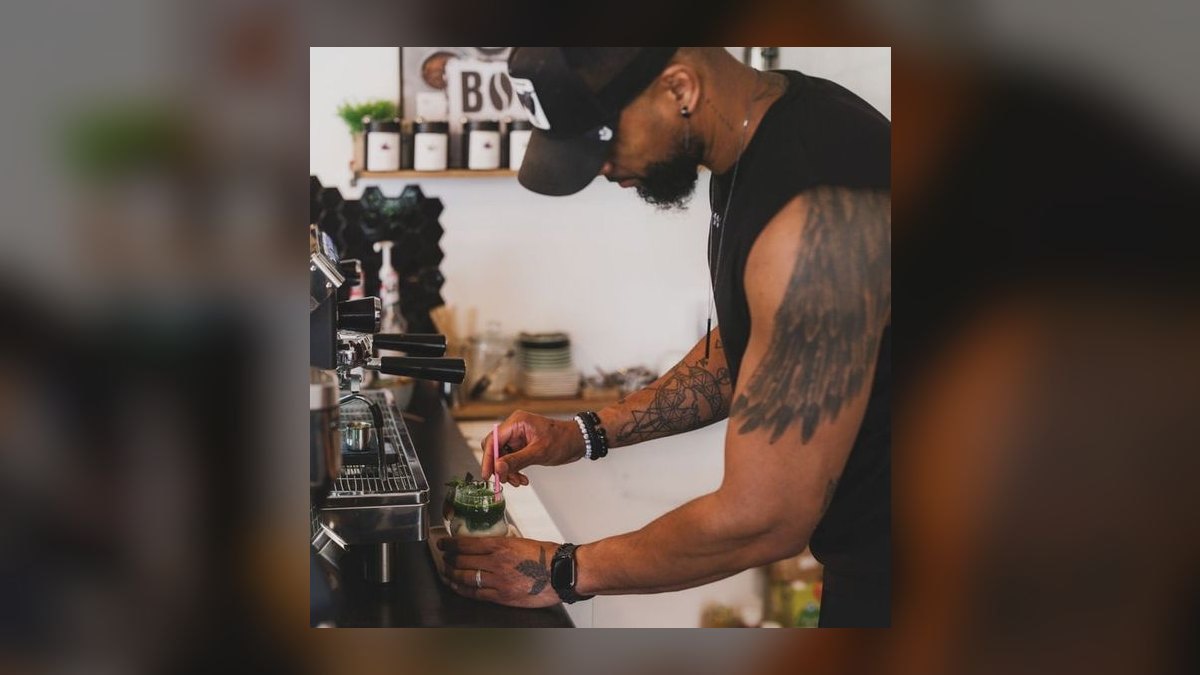
Capital sizing is its own benchmark. Budget $380K–$3.8M for the first 18 months: formulation and first production run $80K–$420K (you need 6–12 SKUs for a credible launch), packaging and branding $60K–$280K, FDA compliance $20K–$120K (cosmetic registration for shampoo and conditioner, OTC-drug pathway if you make dandruff or anti-thinning claims), video and photo content $40K–$180K, and paid-media plus influencer launch $80K–$1.4M, with $200K–$1.4M in working capital to fund inventory against retail terms. Content spend skews higher than skincare because hair sells on demonstration — plan a YouTube-heavy content mix at roughly a 60/40 YouTube-to-TikTok split for established brands, with an annual content budget of $80K–$680K depending on stage.
Trade-offs and alternatives in channel and positioning
Every hair care playbook forces a few explicit bets. The first is channel: DTC-and-retail versus a professional salon build. If the positioning is texture-inclusive and consumer-facing, skip professional distribution and concentrate on DTC subscription, Sally Beauty, Ulta, Target, and Walmart at $14–$45 retail — you avoid the cost and drag of a field sales force. If the positioning is clinical or bond-building, the salon channel is not optional: it can be 35–55% of revenue and it manufactures the credibility that lets you charge an 18–28% premium, but it requires 8–32 field reps, ongoing stylist education, and distributor relationships with CosmoProf, SalonCentric, State Beauty Supply, and Beauty Systems Group, who take 18–32% of wholesale. You are trading margin and simplicity for trust and defensibility.

The second trade-off is discovery mix. YouTube and TikTok do different jobs and are not substitutes. YouTube carries the 15–45 minute tutorials that build trust and educate on a multi-step routine; TikTok drives viral, short-form transformation discovery that YouTube can't match in reach. Over-indexing on TikTok gets cheap trials that churn; over-indexing on YouTube builds loyalty slowly. The third bet is endorsement: a celebrity-stylist deal ($2K–$150K annual retainer plus product royalties and content) buys instant category credibility but concentrates brand equity in a person, while a broad micro-stylist and creator program spreads risk but builds slower. The fourth is SKU strategy — launch narrow to control inventory risk, or launch a full 6–12 SKU regimen to win shelf and basket. For hair specifically, the regimen bet usually wins because the category rewards breadth, but it raises launch capital and formulation timelines. The honest read is that these are not universal answers: a founder-stylist with a texture audience should lean consumer-DTC and regimen-broad, while a clinical-mechanism brand with a chemistry story should accept the salon-channel cost because that channel is where its differentiation is legible.
Rollout plan: pre-launch through national scale
Sequencing the build over time keeps capital efficient. The pre-launch year is formulation and infrastructure; the first post-launch year is DTC-and-Amazon proof plus retail pitching; scale years add professional distribution, retail expansion, and an education team.

In practice, months 1–4 are formulation with a contract manufacturer (major U.S. hair copackers include Cosmetic Group USA, KDC/One, RPG Industries, and Mana Products); months 5–7 are FDA registration, packaging, and sustainable-packaging design; months 8–9 build the content library and the Shopify-Recharge-Klaviyo-Postscript stack; months 10–12 soft-launch DTC and Amazon. The first six months post-launch focus on DTC, Amazon Subscribe & Save, and a Sally Beauty pitch; months 7–12 pursue Sephora Accelerate or Ulta MUSE alongside stylist partnerships and creator campaigns. Hiring tracks the same curve. Pre-velocity ($0–$5M): founder plus one marketing hire and one ops hire, with outsourced chemistry and manufacturing. Retail velocity ($5M–$50M): VP Sales ($140K–$200K plus commission), VP Marketing ($120K–$170K), a Director of Professional Channel ($110K–$155K), a Director of DTC and Subscription ($100K–$140K), and a field force of 8–32 salon reps at $70K–$110K. National brand ($50M–$500M): a Chief Brand Officer, VP International, VP Salon Channel, VP DTC, plus a traveling education team of 4–12 stylist trainers and in-house cosmetic chemists for proprietary formulation. The operating cadence at scale is daily DTC and Amazon dashboards, weekly churn and field-sales and content-engagement reviews, monthly Sephora/Ulta/Sally and distributor business reviews, quarterly SKU launches and campaigns, and an annual trade-show calendar anchored by ISSE Long Beach in January, Premiere Orlando in June, Cosmoprof Las Vegas in July, and Bronner Bros in Atlanta for textured hair. The endgame most brands underwrite is a strategic acquisition by L'Oréal, P&G, Unilever, Henkel, Coty/Wella, Kao, or Helen of Troy at roughly 2.5x–6x revenue or 12x–22x EBITDA, reached by pairing a clear texture or clinical narrative with multi-channel scale past $80M in revenue.
Related questions
Do I need a salon channel to succeed?
Only if your positioning is clinical or professional-grade. Bond-building and scalp-health brands earn 35–55% of revenue and their strongest trust signal from salons, but the channel needs field reps and stylist education. Texture-inclusive consumer brands can skip it and win on Sally Beauty, Ulta, DTC, and mass.
How many SKUs should I launch with?
Six to twelve. Hair sells as a regimen — shampoo, conditioner, leave-in, mask, oil, serum, heat-protectant, styling — so a one- or two-SKU launch caps basket size and loses shelf planogram slots. Breadth also signals credibility to Sephora and Ulta buyers evaluating whether you can hold a section.
What subscription mix should I target?
Aim for 35–50% of DTC revenue from subscription at a mature brand, and 22–38% by month 12 for a launch. Pair it with monthly churn under 6% and month-12 repeat rate above 42%. Replenishment is the mechanism that offsets hair care's heavier shipping cost.
Is YouTube or TikTok more important?
Both, for different jobs. YouTube's long-form tutorials build trust and teach a multi-step routine; TikTok drives viral short-form discovery and cheap trials. Established brands typically run roughly a 60/40 YouTube-to-TikTok content mix, budgeting $80K–$680K a year across the two.
How is texture-inclusivity changing the category?
It is the primary growth engine. Textured and curly lines grew 12–22% in 2024–2026 versus 4–7% for general hair care. A clear point of view on which texture types you serve — even for a "general" brand — is now a positioning requirement, not a niche.
FAQ
How much capital do I need to launch a hair care brand in 2027? Plan $380K–$3.8M for the first 18 months. That covers formulation and a first production run of 6–12 SKUs ($80K–$420K), packaging and branding ($60K–$280K), FDA compliance ($20K–$120K), video and photo content ($40K–$180K, higher than skincare because hair sells on demonstration), paid-media and influencer launch ($80K–$1.4M), and $200K–$1.4M in working capital against retail payment terms.
Should I distribute through salons or focus on DTC and Sephora? It depends on positioning. Clinical and bond-building brands should pursue salons, where distribution can be 35–55% of revenue and stylist endorsement drives premium pricing — but it requires 8–32 field reps and continuous stylist education. Texture-inclusive consumer brands should skip professional distribution and concentrate on Sally Beauty, Ulta, DTC, and mass at $14–$45 retail.
What gross margin should a hair brand expect? A blended 58–72%, lower than skincare because COGS is 22–32% of retail and the products are heavy and expensive to ship. Marketing runs 22–40% of revenue while emerging and 18–26% at scale, producing operating margin from roughly −8% at sub-$5M to +12% to +24% past $50M. Bundles and free-shipping thresholds recover the shipping penalty.
What role does bond-building and clinical hair care play? It is the largest and fastest-growing premium segment. Bond-building chemistry created the clinical hair category, and peptide and OFPMA-style innovations sustain 18–28% pricing power. A new brand competing here needs a clear, single clinical mechanism — peptide, amino acid, bond repair, protein, or scalp-microbiome — backed by a study supporting the claim, or the premium won't hold.
How are GLP-1 weight-loss drugs affecting hair care? They are a tailwind for the hair-loss and thinning subcategory, because many GLP-1 users report shedding as a side effect. That is pushing strong growth in thinning and regrowth products and in telehealth brands offering minoxidil and finasteride. If your brand touches this space, the anti-thinning claim likely triggers an OTC-drug regulatory pathway rather than simple cosmetic registration.
What's the realistic exit path? Strategic acquisition by L'Oréal, P&G, Unilever, Henkel, Coty/Wella, Kao, or Helen of Troy, typically at 2.5x–6x revenue or 12x–22x EBITDA. Buyers pay up for a defensible texture or clinical narrative combined with multi-channel scale and durable subscription revenue, which is why the playbook treats positioning and channel breadth as the assets being built toward exit.
Sources
- https://www.circana.com/intelligence/press-releases/
- https://www.loreal-finance.com/en/annual-report-2024/
- https://us.pg.com/annualreport2024/
- https://www.unilever.com/investors/annual-report-and-accounts/
- https://www.olaplex.com/investor-relations
- https://www.ulta.com/investor
- https://www.mintel.com/industries/beauty-and-personal-care/
- https://www.ibisworld.com/united-states/industry/hair-care-product-manufacturing/
- https://www.sallybeautyholdings.com/investors/
Related on PULSE
- [How do you build the GTM playbook for a DTC skincare brand in 2027?](/knowledge/gp0138)
- [How do you build the GTM playbook for a DTC cosmetics brand in 2027?](/knowledge/gp0137)
- [How do you build the GTM playbook for a specialty or artisan food brand in 2027?](/knowledge/gp0136)
- [How do you build the GTM playbook for a hair salon operator in 2027?](/knowledge/gp0153)
- [How do you build the GTM playbook for a tree care and gutter services operator in 2027?](/knowledge/gp0165)
- [How do you build a vertical SaaS for lawn care and landscaping go-to-market motion in 2027?](/knowledge/gp0084)
This page will be disappearing soon. Save it to your device for $1 — or read it free while it is here.
@Kory-White- · if Venmo asks, the last 4 of my number are 2012
This page is gone.
This one is off the shelf now. $1 keeps it on your phone for good — the whole page, pictures and diagrams included.
 gtm-playbookEyewear DTC GTM Playbook 2027 — Vision Insurance Integration, Hybrid Retail, and the $885M Warby Parker Operator Path
 gtm-playbookGTM Playbook for Pool Cleaning Services in 2027
 gtm-playbookGTM Playbook for Energy and Utilities — The Complete Operator Guide in 2027
 gtm-playbookHow do you build a vertical SaaS for pest control (PestPac / FieldRoutes) go-to-market motion in 2027?
 gtm-playbookHow do you build the GTM playbook for a Quick-Service Restaurant (QSR) operator in 2027?
 gtm-playbookHow do you build a fraud detection (e-commerce and payments) software go-to-market motion in 2027?
 gtm-playbookGTM Playbook for Senior Living Communities in 2027
 gtm-playbookWhat is the go-to-market playbook for competitive displacement in 2027?
 gtm-playbookGTM Playbook for Manufacturing — The Complete Operator Guide in 2027
 gtm-playbookHow do you build the GTM playbook for a craft brewery or microbrewery operator in 2027?