
Food Truck GTM Playbook 2027 — Routes, Brewery Partnerships, Catering Pivot, and the M Operator Path
 Curated byKory White · Fractional CRO · Maryland
 PULSEKNOWLEDGE LIBRARY
Quality
Certified
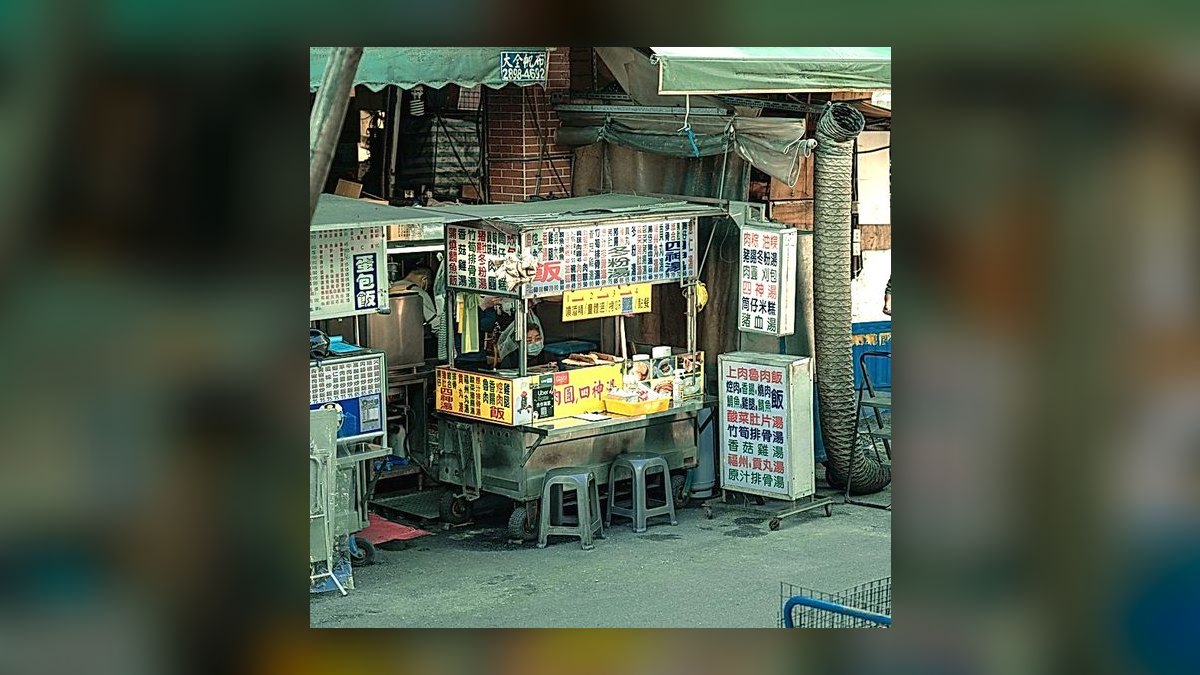
The food truck GTM playbook for 2027 is route density + private events as the dual revenue engine, with Instagram + Yelp + Toast Online Ordering as the always-on customer-acquisition stack, and the breakeven hurdle at $850-$1,400 daily revenue for a single truck. IBISWorld pegs US food trucks at $2.1B in 2027 growing 6.8% CAGR, with avg ticket $14.20, gross margin 32-41% (after food cost 28-34%, labor 22-28%, fuel + maintenance 4-7%), and 40-65% of mature operator revenue from private catering rather than walk-up traffic per NFTA National Food Truck Association 2027.
The 2027 winning motion is a 3-tier revenue mix: (1) recurring lunch routes at office parks + breweries 5 days/week ($580-$1,200/day, predictable, low marketing cost), (2) weekend public events + festivals ($1,400-$4,800/day gross but $185-$680 in permit + commissary fees), (3) private catering ($1,800-$8,400 per event at 48-58% gross margin, the highest-margin segment). Per Roaming Hunger 2027 Operator Survey of 1,840 food trucks, operators clearing $480K+ annual revenue derive 52% from catering, 28% from routes, and 20% from public events.
Software stack drives the operational leverage: Toast POS + Online Ordering + Loyalty ($175-$365/month), Square for Restaurants ($89-$165/month alternative), Roaming Hunger or BookYourTruck for catering lead-gen (commission 12-18% on booked events), Instagram + Facebook ($800-$2,400/month ad spend, CAC $4-$11 per new customer), and Trucker Path or Fleetio for vehicle maintenance tracking ($24-$79/month). Permits + insurance vary by city: NYC $4,800/year health permit + $3,200 commissary; Austin/Nashville/Portland $480-$1,400/year; LA $2,400 + commissary $850-$1,400/month.
Three GTM mistakes destroy 64% of food trucks in year one per NFTA 2027: (1) launching without a confirmed weekly route — operators who try to wing it on public events alone average $240-$420/day vs route operators averaging $780-$1,200/day, (2) underpricing the menu to compete with brick-and-mortar (food trucks need 38-44% gross margin not 32% restaurant margin because of higher per-unit costs), and (3) skipping the catering pivot — operators who don't actively pitch private events cap at $180-$240K annual revenue while operators who build catering hit $420-$720K from a single truck.
1. Market Sizing and 2027 Demand Drivers

US food truck industry hit $2.1B in 2027 per IBISWorld Food Trucks 2027, growing 6.8% CAGR on three drivers:
Driver 1: Return-to-office hybrid catalyzes weekday demand. 52% of US office workers were on hybrid schedules in 2027 per Census + BLS American Time Use Survey 2027, with Tuesday-Wednesday-Thursday peaks generating 38% higher foot traffic than Monday/Friday at downtown office parks. Food trucks capture the cohort that wants $12-$18 lunch in 8 minutes rather than $24-$38 sit-down meals.
Driver 2: Brewery + winery + distillery food partnerships. 8,200+ US breweries + 11,400+ wineries in 2027 per Brewers Association + Wine Institute 2027 mostly don't operate kitchens. Food truck rotation contracts at breweries pay $0-$200/day site fee in exchange for guaranteed evening + weekend foot traffic, generating $680-$1,800 per evening for popular concepts.
Driver 3: Wedding + corporate catering shift. The Knot 2027 reports 18% of US weddings now feature food trucks vs 7% in 2022, especially at rustic/farm/outdoor venues. Corporate catering grew 28% per Mintel Corporate Catering 2027 as brands replace beige sandwich platters with food-truck activations at $4,800-$22,000 per event.
1.1 Operator Segments

| Segment | Trucks | Annual revenue | Operator role | EBITDA margin |
|---|---|---|---|---|
| Solo launch | 1 | $180K-$340K | Owner cooks + drives | 8-14% |
| Established solo | 1 | $420K-$720K | Owner + 2 W-2 employees | 14-22% |
| Mini-fleet | 2-3 | $980K-$2.4M | Owner CEO + GM per truck | 16-24% |
| Multi-truck commissary | 4-8 | $3.2M-$8.4M | CEO + COO + commissary | 18-26% |
| Brick-and-mortar + truck | 1-2 trucks + 1 restaurant | $1.4M-$3.8M | Multi-concept operator | 12-18% |
Operator-role specificity: the owner-operator at $180-$340K runs everything personally — cooks, drives, sources, books — and NFTA 2027 reports this segment burns out at 3.4 year average. The established solo at $420-$720K has graduated to a manager role with 2 W-2 employees and clears $85-$165K owner draw with 22% EBITDA.
2. Channel Mix and Customer Acquisition

2027 channel mix for a profitable food truck operator at $480K+ annual revenue:
2.1 Private Catering Lead-Gen

The highest-LTV channel and where mature operators concentrate effort:
- BookYourTruck / Roaming Hunger — 12-18% commission on booked events, $28-$94K annual booked revenue per truck
- The Knot Pro Featured — $4,200-$8,800/year, 22-48 wedding catering inquiries
- WeddingWire bundle — $5,800/year, captures both wedding + corporate inquiries
- LinkedIn outbound to Office Managers + Corporate Event Coordinators at $50M-$500M companies, CAC $480-$880, LTV $4,800-$22K per relationship
2.2 Route + Public Event Discovery

- Instagram + Facebook organic + paid — $800-$2,400/month spend, $4-$11 CPC, 38-58 new customers/month
- Yelp Business Plus — $325/month, 22-58 new customer inquiries/month
- Google Business Profile with weekly location updates — the highest-converting free channel
- TikTok content — food truck videos average 18-48× engagement vs static images per Mintel Food Service Social 2027
- Eventbrite + local festival applications — $180-$880 vendor fees, $1,400-$4,800 gross/event
2.3 Channel CAC and LTV

3. Pricing Architecture

The 2027 winning pricing structure balances walk-up speed + catering value-add.
3.1 Menu Pricing for Walk-Up

Food trucks need 38-44% gross margin (not 32% restaurant margin) because of higher per-unit ingredient costs at small commissary scale, fuel/maintenance, and limited daily revenue ceiling. Per NFTA 2027 Operator Survey, profitable trucks price 2-3 menu items at $9-$14 (volume drivers), 4-6 mid-tier items at $14-$18, and 1-2 premium items at $18-$24. Average ticket lands $13.80-$15.20.
3.2 Catering Pricing

| Catering size | Per-person price | Total | Gross margin |
|---|---|---|---|
| 25-50 people | $28-$38 | $700-$1,900 | 48% |
| 50-100 people | $24-$32 | $1,200-$3,200 | 52% |
| 100-200 people | $22-$28 | $2,200-$5,600 | 55% |
| 200-400 people | $20-$26 | $4,000-$10,400 | 58% |
| 400+ people | $18-$24 | $7,200-$22,000+ | 61% |
Catering minimums: most operators set $1,800-$2,800 minimum for off-site delivery, $2,400-$4,200 minimum for full-truck service with crew. Per Roaming Hunger 2027: operators with strict minimums capture 52% higher revenue per catering hour than operators who accept small orders.
3.3 Premium Add-Ons

- Truck branding wrap for corporate events — $480-$1,200
- Custom menu for client — $280-$680 development fee
- Premium proteins (wagyu, lobster, specialty) — 22-32% margin uplift
- Bartending service add-on — $580-$1,400
- DJ/music truck partnership — referral fee 10%
4. Tech Stack and Operations
2027 food truck operations stack runs $485-$985/month for a single-truck operator. Real vendor pricing:
- Toast POS + Online Ordering + Loyalty — $175-$365/month + 2.49% + $0.15 in-person card fee
- Square for Restaurants — $89-$165/month alternative
- Clover Mini — $49-$95/month + 2.3% + $0.10 card fee
- Roaming Hunger — 12-18% commission on booked catering
- BookYourTruck — 12% commission alternative
- Best Food Trucks — 10% commission on routes + bookings
- Toast Marketing — $75/month (email + SMS to repeat customers)
- Instagram + Meta Ads Manager — $800-$2,400/month spend
- Yelp Business Plus — $325/month
- Trucker Path — $24/month (route + truck stops + fuel pricing)
- Fleetio — $79/vehicle/month (maintenance tracking — pays back at multi-truck)
- QuickBooks Online — $65/month
- Gusto payroll — $40/month + $6/employee
- NEXT Insurance commercial auto + GL + product liability — $145-$385/month per truck
- Commissary kitchen rental — $480-$1,800/month depending on city
4.1 Daily Operations Workflow
Per Toast 2027 Restaurant Operator Benchmark: food trucks using integrated POS + online ordering + loyalty systems average 28% higher revenue per labor hour vs disconnected tools.
5. Route + Brewery + Catering BD Motion
The 3-channel BD playbook that takes a truck from launch to $480K+ revenue:
5.1 Office Park Routes
Target: corporate campuses with 400-1,500 office workers but limited cafeteria options. BD sequence:
- Identify 20-30 candidate office parks in 30-mile radius (campus search via LinkedIn employer pages)
- Cold email Office Manager / Facilities Director — offer weekly free lunch sample for HR team
- Pitch 2-day/week recurring lunch route at no cost to the building
- Promote internally via property management Slack/email
- Goal: 2-3 recurring office park stops/week at $680-$1,200/day each
5.2 Brewery + Winery Partnerships
Target: breweries booking 3-7 food trucks/week to drive evening foot traffic. BD sequence:
- Identify 30 breweries within 60-mile radius via Untappd + Yelp
- Cold email Operations Manager or Owner with concept overview + Instagram
- Offer first night free (no site fee, you keep all sales)
- Negotiate ongoing slot: typical 1-2 nights/week per brewery
- Goal: 3-5 brewery slots/month generating $680-$1,800/night
5.3 Catering Outbound
Target: corporate event planners + wedding planners + HR teams at 100+ employee companies. BD sequence:
- Build target list via Apollo (Office Manager, HR Director, Event Planner titles)
- Send 7-touch sequence via Smartlead with truck branding video + sample menu
- Goal: 2-4 catering events/month averaging $4,800-$12,500 per event
6. Unit Economics and 3-Year Financial Model
Realistic 3-year P&L for a food truck operator building from solo to mini-fleet:
| Metric | Year 1 (1 truck, owner + 1 PT) | Year 2 (1 truck, owner + 2 W-2) | Year 3 (2 trucks, owner + 5 W-2) |
|---|---|---|---|
| Walk-up revenue | $148K | $240K | $385K |
| Catering revenue | $84K | $245K | $645K |
| Total revenue | $232K | $485K | $1.03M |
| Food COGS (32% blended) | $74K | $155K | $330K |
| Labor (W-2 + payroll tax) | $48K | $128K | $312K |
| Owner draw / salary | $52K | $85K | $145K |
| Truck + commissary | $24K | $32K | $58K |
| Software + insurance | $11K | $14K | $24K |
| Fuel + maintenance | $14K | $22K | $48K |
| Marketing + catering platform fees | $18K | $32K | $68K |
| Permits + commissary | $8K | $11K | $24K |
| EBITDA | $19K (8%) | $72K (15%) | $226K (22%) |
Year 1: breakeven plus owner draw, typical food truck reality. Year 2 inflection: catering grows from 36% to 51% of revenue mix, driving EBITDA from 8% to 15%. Year 3: second truck deployed + catering at 63% of revenue mix delivers $226K EBITDA at 22% margin.
6.1 Truck + Buildout Capex
| Component | Cost |
|---|---|
| Used truck (5-7 years old) | $48K-$85K |
| New truck (custom build) | $145K-$240K |
| Equipment package (commercial range, fryer, refrigeration, prep tables) | $32K-$58K |
| Generator + propane setup | $8K-$14K |
| Wrap + branding | $4K-$11K |
| Permits + commissary first 6 months | $14K-$28K |
| Insurance first year | $4K-$8K |
| Initial inventory + marketing | $8K-$18K |
| Total launch capex | $118K-$262K |
Per NFTA 2027: operators who buy used trucks ($48-$85K) and lease commissary kitchens reach profitability 8-14 months faster than operators who buy new trucks and build their own commissary.
7. 30/60/90 Day Launch Plan
Days 1-30 — Setup phase. Form LLC + EIN, secure used truck or finalize new build (most ops choose used at $48-$85K), pass health inspection in target jurisdiction, lease commissary kitchen ($480-$1,800/month), set up Toast POS + Square Online Ordering, register on Roaming Hunger + BookYourTruck + Best Food Trucks, launch Instagram + Facebook + Google Business Profile. Goal: first service day completed, 1 brewery slot booked.
Days 31-60 — Route + brewery acquisition phase. Cold-pitch 25 office parks + 30 breweries, work festivals + public events on weekends ($1,400-$3,200/day), build 300-500 Instagram followers, hit first 10 catering inquiries. Goal: 2 office park routes + 2 brewery slots locked.
Days 61-90 — Catering pivot phase. Launch The Knot Pro Featured ($6,200/year), LinkedIn outbound to 100 Office Managers + Event Planners, secure first 2 catering events, refine menu pricing based on COGS data. Goal: $32-$48K monthly revenue, 22% catering revenue mix.
Frequently Asked Questions
Q: What's the realistic startup cost for a food truck in 2027? $118K-$262K all-in: $48-$85K used truck OR $145-$240K new build, $32-$58K equipment, $14-$28K permits + first 6 months commissary, $4-$8K insurance year-one, $8-$18K marketing + inventory launch. Operators who try to launch under $80K typically skip insurance or buy unreliable trucks that fail within 18 months.
Q: How long until I'm profitable? Cash-flow positive at month 4-8 for disciplined operators with confirmed routes pre-launch. Net-income positive at month 14-22 once truck loan + commissary + insurance are baked into pricing. Year-3 EBITDA target: 18-24% for owner-operators, 22-28% for established operators with catering mix above 50%.
Q: Should I serve at festivals or focus on routes? Mix both, but routes are the foundation. Festivals generate $1,400-$4,800/day but cost $185-$680 in vendor fees and 12-16 hour days. Routes generate $580-$1,200/day at 8-9 hour days with predictable customer flow. Mature operators run 4 route days/week + 1-2 festival days/month + 1-3 catering events/month.
Q: What's the most profitable food truck concept? Less about concept, more about execution. Per NFTA 2027 operator margin data: tacos/Mexican (38-44% GM), BBQ (34-42%), grilled cheese/sandwiches (44-52%), poke/healthy bowls (38-44%), Asian fusion (36-42%), and pizza (40-48%) all hit profitable benchmarks when operators control food cost and labor. Avoid: fried-everything menus (high oil cost), seafood-heavy (high spoilage), and ultra-niche concepts that limit catering appeal.
Q: How do I find a commissary kitchen? Search "shared kitchen" or "commissary" on Yelp + Google + Foodbevy in your city. Cost: $480-$1,800/month for storage + prep + cleaning access (most cities require commissary registration to operate legally). Some hotels and churches rent commercial kitchens to food trucks at $280-$640/month off-hours — under-marketed option.
Q: What's the biggest hidden cost of operating a food truck? Vehicle breakdowns + permit renewals. Food trucks average $4,200-$8,800/year in unplanned mechanical repairs per NFTA 2027 + $1,400-$4,800/year in permit + commissary fee escalations. Budget 12-15% of revenue for vehicle + compliance, not the 6-8% beginners assume.
Q: When should I add a second truck? When catering events outnumber available days (operator turning away 4+ events/month) AND you have a manager or GM ready to operate truck 2 without the owner. Typical timeline: month 22-36. Adding a second truck too early creates a 2-truck cash drag; adding too late caps the business at $480-$720K revenue.
Bottom Line
The food truck GTM playbook for 2027 rewards operators who treat the truck as a mobile catering business with walk-up retail attached, not a restaurant-on-wheels. Lock 2-4 recurring office park routes + 2-4 brewery slots that deliver $580-$1,800/day at near-zero CAC, layer catering through Roaming Hunger + The Knot Featured + LinkedIn corporate outbound, and price the menu at 38-44% gross margin not 32% restaurant margin. The operator who runs 2 trucks at 63% catering revenue mix clears $226K EBITDA on $1.03M revenue by year three — a 22% EBITDA business that compounds because every catering event generates 2-4 referrals and the route customers become catering inquiries through Instagram + repeat exposure.
Related on PULSE
- [How do you build the GTM playbook for a craft brewery or microbrewery operator in 2027?](/knowledge/gp0133)
- [Ice Cream Shop GTM Playbook 2027 — Premium Scoop Shop Economics, Catering Pivot, and the M Path](/knowledge/gp0181)
- [Ramen Shop GTM Playbook 2027 — Signature Broth Moat, Premium Bowl Pricing, and the Corporate Catering Pivot](/knowledge/gp0187)
- [Bagel Shop GTM Playbook 2027 — Kettle-Boiled Authenticity, Corporate Catering Engine, and Lunch Sandwich Pivot](/knowledge/gp0184)
- [Pet food DTC GTM playbook 2027 — fresh human-grade wedge, vet credibility, subscription replenishment engine, and the $1B The Farmer's Dog operator path](/knowledge/gp390)
- [GTM Playbook for Restaurants and Food Service in 2027 — The Complete Operator Guide](/knowledge/gp0015)
Sources
- IBISWorld — Food Trucks in the US, 2027 Industry Report
- NFTA National Food Truck Association — 2027 Operator Survey
- Roaming Hunger — 2027 Operator Benchmark Report (n=1,840)
- The Knot — 2027 Real Weddings Study (Catering Trends)
- Mintel — Corporate Catering and Food Service 2027
- Brewers Association — 2027 US Brewery Statistics
- Wine Institute — 2027 US Winery Statistics
- Toast — 2027 Restaurant and Mobile Food Operator Benchmark
- Census Bureau + BLS — 2027 American Time Use Survey (Hybrid Work)
- Pavilion — Local Food Service GTM Council 2027
- Forrester — Restaurant Technology Stack 2027
- Gartner — Mobile Commerce and Food Service Tech 2027
This page will be disappearing soon. Save it to your device for $1 — or read it free while it is here.
@Kory-White- · if Venmo asks, the last 4 of my number are 2012
This page is gone.
This one is off the shelf now. $1 keeps it on your phone for good — the whole page, pictures and diagrams included.
 gtm-playbookGTM Playbook for Food Trucks in 2027
 gtm-playbookGTM Playbook for Chiropractic Practices in 2027
 gtm-playbookHow do you build a vertical SaaS for HVAC and plumbing contractors go-to-market motion in 2027?
 gtm-playbookHow do you build a transportation management system (TMS) go-to-market motion in 2027?
 gtm-playbookGTM Playbook for EdTech — The Complete Operator Guide in 2027
 gtm-playbookHow do you build a hospital revenue cycle management (Epic / Cerner adjacent) go-to-market motion in 2027?
 gtm-playbookHow do you build the GTM playbook for a fine-dining or upscale restaurant in 2027?
 gtm-playbookGTM Playbook for Auto Body Shops in 2027
 gtm-playbookGTM Playbook for Massage Therapy Practices in 2027
 gtm-playbookHow do you build a CAFM and IWMS facility management software go-to-market motion in 2027?