
Bakery GTM Playbook 2027 — Wholesale Layer, Custom Cakes, and the $1.8M Independent Operator Path
 Curated byKory White · Fractional CRO · Maryland
 PULSEKNOWLEDGE LIBRARY
The 2027 bakery go-to-market playbook centers on a multi-channel revenue stack: morning walk-in retail, wholesale to cafes and restaurants, custom celebration cakes, corporate breakfast catering, and DTC e-commerce shipping. Independent operators can compound margins by layering these channels on a shared production base.
The US bakery market, per IBISWorld, spans retail bakeries and bakery cafes in the low-double-digit billions, with craft independent segments outpacing supermarket bakeries as consumers seek chef-driven sourdough, croissants, and laminated pastry. Datassential MenuTrends and Mintel research confirm sourdough and laminated pastry have moved from niche to mainstream menu staples.
For an independent operator, the channel mix typically includes:
- Morning walk-in retail — highest margin, lower volume
- Wholesale to cafes/restaurants/hotels — scalable, uses excess oven capacity
- Custom cakes — high-ticket, strong social media driver
- Corporate breakfast catering — recurring B2B revenue
- DTC e-commerce shipping — national reach via Goldbelly and Shopify
Real-world operators like Levain Bakery (New York), Tartine Bakery (San Francisco), Sullivan Street Bakery (New York), and Acme Bread (Berkeley) demonstrate that pairing a strong retail brand with a meaningful wholesale layer creates durable economics.
---
1. Market Sizing and 2027 Demand Drivers
The US bakery cafe and retail bakery market, per IBISWorld's industry coverage, represents a low-double-digit-billion-dollar industry growing at mid-single-digit CAGR. The craft independent segment is the growth engine, outpacing commodity supermarket in-store bakery as consumers shift spend toward chef-driven product.
Demand Drivers in 2027
The sourdough wave is durable. Chad Robertson's *Tartine Bread* (2010) seeded the modern sourdough movement, and the 2020 home-baking surge trained millions of palates that now expect bakery-grade sourdough. Mintel research shows a steadily rising share of US adults buying craft sourdough monthly.
Laminated pastry has premiumized. Marquee products — Dominique Ansel's DKA, the Mr. Holmes Bakehouse cruffin, Lune Croissanterie's high-fold croissants — pulled per-pastry pricing from roughly $3.25 a decade ago to $5.50–$8.50 today in premium urban markets.
Custom cakes ride social. Instagram and TikTok wedding and birthday content keep custom celebration-cake demand growing. The wedding-cake market is dominated by independents, since chains can't deliver bespoke craft at scale.

Corporate breakfast catering rebounded with return-to-office. ezCater's catering data shows strong breakfast-catering growth and high annual reorder rates once an office adds a preferred bakery vendor.
DTC shipping matured. Goldbelly and bakery-direct Shopify stores opened a national channel for shelf-stable product. Levain ships cookies nationwide via Goldbelly and direct; Tartine, Sullivan Street, and Hot Bread Kitchen all run DTC alongside retail and wholesale.
---
2. Channel Mix and Customer Acquisition
Channel 1 — Instagram + TikTok Pastry Content
Bakery content overindexes heavily on visual platforms. The reel formats that perform are croissant-lamination time-lapses, sourdough scoring and oven-spring reveals, custom-cake decoration POV, and kouign-amann caramelization. Real audience benchmarks span Levain, Tartine, Lune Croissanterie, and Mr. Holmes Bakehouse — each built six-figure followings on craft visuals.

Channel 2 — Local SEO + Google Maps
"Bakery near me," "best croissant [city]," and "wedding cake [city]" queries drive the majority of new-customer discovery. Bakeries with strong star ratings and high review counts capture the top map-pack results — so review velocity and photo uploads are the core local-SEO levers.
Channel 3 — Wholesale BD (Cafes + Restaurants + Hotels)
Wholesale bread and pastry distribution is the scalable revenue layer. Per-unit pricing carries lower gross margin than retail but uses excess oven capacity during off-peak production windows, so incremental contribution is strong. The motion is direct outreach to independent cafes, hotel F&B directors, and restaurant chefs within an 8-mile delivery radius. Sullivan Street Bakery's restaurant wholesale base is a widely cited example of this layer carrying a large share of total revenue.
Channel 4 — Corporate Breakfast Catering BD
ezCater anchors B2B breakfast catering, with high annual reorder rates at a meaningful average order value. Direct enterprise BD targets corporate offices within a 5-mile radius, where offices maintain preferred-vendor breakfast rosters.
Channel 5 — DTC E-Commerce Shipping
Goldbelly (commission-based, nationwide cold-chain) is the default specialty marketplace; a direct Shopify store captures repeat buyers at standard payment-processing cost. Cookies, brownies, banana bread, and cinnamon rolls ship best; custom cakes and fresh bread don't. Levain's Goldbelly cookie business is the canonical proof point.
---

3. Pricing Architecture
Bakery pricing follows a tiered architecture: walk-in retail, wholesale per-unit, custom cake, and catering bundles.
Tier 1 — Retail Walk-In Pricing
- Croissant (plain): $5–$6.50
- Croissant (almond, chocolate): $6.50–$8.50
- Sourdough loaf: $9–$14
- Country loaf: $7–$11
- Baguette: $4.50–$6.50
- Kouign-amann: $5.50–$7.50
- Cookie (chocolate chip): $4–$6
- Brownie: $4.50–$6
- Cinnamon roll: $5.50–$7.50
- Bagel: $2.85–$4
- Muffin: $4–$5.50
Coffee + espresso bar:
- Drip coffee: $3.50–$4.50
- Latte/cappuccino: $5.50–$6.85
- Cortado/macchiato: $4.85–$5.85
- Cold brew: $5.50–$7

Tier 2 — Wholesale Pricing (per unit to cafes/restaurants)
- Croissant: $2.85–$3.85
- Sourdough loaf: $5.85–$8.50
- Baguette: $2.85–$3.85
- Cookie: $1.85–$2.85
- Bagel: $1.45–$2.25
Tier 3 — Custom Cake Pricing
- Birthday cake (6", serves 8–10): $85–$148
- Birthday cake (9", serves 18–22): $148–$248
- Tiered celebration cake (10–12" + 6" tiers): $285–$485
- Wedding cake (3–4 tiers, serves 75–150): $585–$1,485
- Sheet cake (12×18 quarter sheet): $148–$248
Tier 4 — Catering Pricing
- Breakfast catering ($14–$22 per person): croissants + danishes + muffins + coffee
- Pastry platter ($85–$185): assorted 20–30 pastries
- Sandwich catering ($14–$18 per person): bakery-fresh sandwiches + sides
---

4. Tech Stack and Operations
A bakery runs a five-layer stack: POS + KDS, online ordering and custom cake, wholesale order management, catering/B2B, and marketing/DTC.
Core POS + KDS
- Toast POS — dominant in independent bakeries
- Square for Restaurants — strong for counter + coffee-bar combinations
Online Ordering + Custom Cake
- Toast Online Ordering — direct, low marketplace commission
- Calendly / Acuity — cake-consultation scheduling
Wholesale Order Management
- BlueCart — wholesale B2B order portal
- BentoBox — restaurant-direct B2B platform

Catering + B2B
- ezCater — catering marketplace
- ezCater Relish — enterprise/employee meal programs
Marketing + DTC E-Commerce
- Shopify — DTC shipping store
- Goldbelly — specialty DTC marketplace with nationwide cold-chain
- Klaviyo — segmented email + SMS for operators over $1M revenue
Production Equipment
- Hobart planetary mixer (20–60 qt) — dough and batter
- Deck oven (3–5 deck) — artisan sourdough and bread
- Convection/rack oven — croissants, pastries, cookies
- Dough sheeter — high-volume croissant lamination
- Walk-in proofer + retarder — overnight cold ferment
---

5. Wholesale BD + Custom Cake Conversion Motion
Two GTM motions separate operators: building a book of wholesale cafe/restaurant/hotel accounts, and converting social custom-cake inquiries into booked orders.
Wholesale BD — The Account-Stacking Model
Wholesale to cafes, restaurants, and hotels within an 8-mile delivery radius is the scalable layer. A book of ~20+ accounts averaging tens of thousands in annual revenue each can add a seven-figure wholesale line, with no incremental retail rent and only marginal labor allocation. The account tiers:
- Tier 1 — Independent coffee shops (fresh croissants, scones, cookies)
- Tier 2 — Restaurant bread (sourdough, baguettes, dinner rolls)
- Tier 3 — Hotel breakfast pastry (croissants, danishes, muffins)
- Tier 4 — Office-building cafes / corporate dining subcontractors
Sullivan Street Bakery (NYC) and Acme Bread (SF Bay Area) are the canonical examples of restaurant-wholesale books carrying a large share of total revenue.

Custom Cake Conversion — Inquiry-to-Order Funnel
Social content drives the custom-cake inquiry pipeline; consistent custom-cake reels generate a steady weekly inquiry flow. The playbook:
- Calendly cake-consultation scheduling (15-minute phone or in-person)
- Transparent pricing tiers posted in Instagram bio and Highlights
- 50% deposit collected at booking
- 3–7 day minimum lead time
- Local delivery for tiered cakes; pickup for sheet and birthday cakes
---
6. Unit Economics and 3-Year Financial Model
A ~30-seat bakery cafe stacking retail, wholesale, custom cake, and catering tends to follow this trajectory, consistent with Toast and Square vertical benchmarks:
Year 1 — Buildout + Ramp
- Buildout capex: $185K–$685K (deck oven, mixer, sheeter, walk-in, counter, seating)
- Revenue: $680K–$1.1M
- Walk-in retail: ~50%
- Coffee bar: ~10%
- Wholesale: ~19%
- Custom cake: ~11%
- Catering: ~7%
- DTC: ~3%
- COGS: ~31%
- Labor: ~41%
- Rent + utilities: ~13%
- Marketing: ~4%

Year 2 — Wholesale + Custom Cake Scale
- Revenue: $1.1M–$1.4M
- Wholesale scales toward 22–28% revenue mix; custom cake toward 14–18%
Year 3 — Steady-State Operator
- Revenue: $1.4M–$1.85M
- Wholesale ~28–32%; custom cake ~18–22%; catering ~12–14%
Bakeries outperform many adjacent QSR/casual formats on three-year EBITDA precisely because the wholesale, custom-cake, and DTC layers compound on top of walk-in retail rather than cannibalizing it.
---

7. 30/60/90 Day Launch Plan
Days 1–30 — Pre-Open Foundation
- Concept positioning — French laminated, sourdough artisan, Levain-style cookies, custom celebration cakes, or deliberate hybrid
- Equipment procurement — deck oven + mixer + sheeter + walk-in
- Flour supply — King Arthur Baking, Central Milling, Cairnspring Mills, Bay State Milling, Janie's Mill
- POS stack live — Toast POS + Online Ordering + Shopify (DTC) + Calendly (cake consults)
- Wholesale pipeline — pre-launch outreach to 24–48 cafes/restaurants in 8-mile radius
Days 31–60 — Soft Open + Brand Build
- Friends-and-family soft open (counter calibration over several weekends)
- Pastry-content reels (lamination, scoring, cake POV)
- First 8–12 wholesale accounts onboarded
- Yelp + Google profiles with 80+ photos
- ezCater enrollment + first corporate breakfast orders
- First custom cakes booked via Instagram + Calendly
Days 61–90 — Capacity Lock + Wholesale Ramp
- Morning-rush retail toward ~60% capacity
- Wholesale toward ~$18K/month (8–12 active accounts)
- Custom cake toward ~$8K/month; catering toward ~$4K/month
- DTC launch on Goldbelly + Shopify (cookies, brownies, banana bread, gift boxes)
- First press push — local food critic and national outlet pitches
---
FAQ
Should I open a retail-only bakery or include wholesale from day one?
Build wholesale into the plan from the day-30 launch window. Wholesale uses excess oven capacity, and switching costs are real once a cafe locks in a sourdough supplier — so first-mover outreach matters. Pre-launch contact with 24–48 cafes/restaurants in an 8-mile radius lets you fill production capacity early. Sullivan Street, Acme Bread, and Tartine all built their largest revenue tiers on a wholesale layer atop a retail base.
What's the right product mix for a profitable bakery?
A Pareto mix wins: roughly 8–14 hero items should drive the large majority of revenue — a signature croissant, signature sourdough, one signature pastry (kouign-amann, cinnamon roll, or scone), a signature cookie, a rotating seasonal special, coffee/espresso, a bagel or sandwich line if you run a cafe format, and a custom-cake category. Avoid a 60+ SKU menu; it fragments labor, raises waste, and dilutes brand identity.
Should I offer custom cakes or skip them?
Offer them. Custom cakes can drive 12–22% of revenue and are the single strongest social-virality engine for a bakery. The wedding/celebration segment is dominated by independents because chains can't deliver bespoke craft. The constraint is decorator labor (4–8 hours per tiered cake), so plan to train two or three decorators or hire a pastry chef with cake-decoration experience.
How should I price wholesale versus retail?
Price wholesale at roughly 42–52% of retail. A $5.50 retail croissant maps to $2.85–$3.85 wholesale. Margin compresses versus retail, but the wholesale line carries no retail rent and only marginal counter-labor allocation, and volume plus delivery efficiency make it economical despite the lower per-unit margin.
Should I put a coffee bar inside the bakery?
Yes. A coffee/espresso bar lifts the morning-rush average ticket from pastry-only to pastry + coffee, adding 10–14% to total revenue at industry-leading margin. The espresso-machine investment plus barista labor typically pays back within several months to a bit over a year.
What wholesale revenue mix should I target?
Aim for a 22–32% wholesale mix by year two and 28–38% by year three for operators with spare oven capacity, since wholesale runs on excess production with no retail rent or labor allocation. At scale, operators like Sullivan Street, Acme Bread, Tartine, and Hot Bread Kitchen run wholesale at or above a third of total revenue.
---
Sources
- IBISWorld — *Retail Bakeries in the US* industry report — https://www.ibisworld.com/united-states/industry/retail-bakeries/1042/
- Mintel — Bakery market and consumer research — https://www.mintel.com/
- Datassential — MenuTrends and foodservice flavor/pricing data — https://datassential.com/
- Toast — Restaurant industry resources and POS benchmarks — https://pos.toasttab.com/resources
- Square — Restaurant industry trends and operator benchmarks — https://squareup.com/us/en/townsquare
- ezCater — Corporate catering platform and catering trend data — https://www.ezcater.com/
- Goldbelly — Specialty food DTC marketplace — https://www.goldbelly.com/
- King Arthur Baking — Professional flour sourcing and baking reference — https://www.kingarthurbaking.com/
- Levain Bakery — Official site — https://www.levainbakery.com/
- Tartine Bakery — Official site — https://tartinebakery.com/
---
Related on PULSE
- [Inbound demand-capture GTM playbook in 2027](/knowledge/gp0511)
- [Sales-assisted PLG for mid-market in 2027](/knowledge/gp0510)
- [Reseller and VAR channel GTM playbook in 2027](/knowledge/gp0509)
- [International and geo-expansion GTM playbook in 2027](/knowledge/gp0508)
- [Vertical SaaS go-to-market playbook for healthcare in 2027](/knowledge/gp0507)
---
Bottom Line
The 2027 bakery GTM playbook rewards operators who run the bakery as a craft retail brand with a stacked revenue model — morning walk-in, wholesale, custom cake, corporate catering, and DTC — rather than a single-channel pastry shop. Commit to a clear concept; invest in the deck oven, sheeter, and proofer as the production-capacity moat; build a book of wholesale accounts inside an 8-mile delivery radius; layer corporate catering through ezCater; convert custom-cake inquiries through an Instagram-plus-Calendly funnel; and over-invest in pastry-content reels because bakery content overindexes on social engagement.
This page will be disappearing soon. Save it to your device for $1 — or read it free while it is here.
@Kory-White- · if Venmo asks, the last 4 of my number are 2012
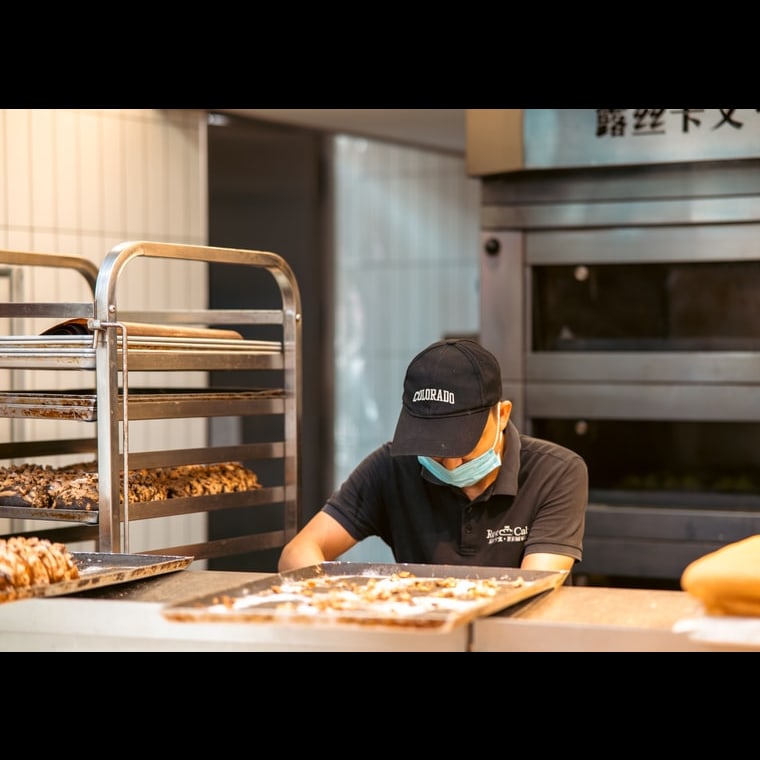 gtm-playbookGTM Playbook for Bakeries in 2027
 gtm-playbookGTM Playbook for Healthcare Tech — The Complete Operator Guide in 2027
 gtm-playbookGTM Playbook for Used Car Dealerships in 2027
 gtm-playbookGTM Playbook for House Cleaning Services in 2027
 gtm-playbookGTM Playbook for OB-GYN Practices in 2027
 gtm-playbookGTM Playbook for Home Inspectors in 2027
 gtm-playbookGTM Playbook for Media and Entertainment — The Complete Operator Guide in 2027
 gtm-playbookGTM Playbook for Construction Tech — The Complete Operator Guide in 2027
 gtm-playbookHow do you build the GTM playbook for an independent specialty retailer in 2027?
 gtm-playbookGTM Playbook for Independent Restaurants in 2027