
Farm Stand GTM Playbook 2027 — CSA Subscription, Agritourism Events, and the $1.4M Operator Path

The 2027 farm stand go-to-market playbook is revenue stacking across six channels rather than betting the whole operation on roadside walk-up traffic. Independent operators who reach the $320K–$1.4M range run roadside retail and u-pick alongside a CSA subscription program, a farmers-market booth, restaurant wholesale, agritourism events, and a concentrated holiday-peak push. No single channel carries the year; the channels feed each other — the market booth recruits CSA members, CSA members attend the fall festival, and festival visitors become next season's wholesale and retail base.
A workable target mix for a profitable operator looks like this:
| Channel | Share of revenue | Typical ticket | Gross margin |
|---|---|---|---|
| Roadside retail + u-pick | 38–48% | $24–$88 basket | 58–68% |
| CSA subscription box | 18–28% | $32–$48/week | 48–58% |
| Farmers market booth | 14–22% | $385–$1,485/market day | 58–72% |
| Restaurant wholesale | 8–14% | $1.85–$8.50/lb | 28–44% |
| Agritourism events | 8–18% | $14–$185/ticket | 78–92% |
| Holiday peaks (pumpkin, tree, mums) | 6–14% | seasonal | 68–92% |
The pricing logic that makes the model work: produce alone is a thin-margin business, so the playbook layers value-add (jam, honey, baked goods, eggs) and experience (u-pick, pumpkin patch, farm dinners) on top of raw produce. A mixed-vegetable basket runs roughly 58–68% gross margin; u-pick berries push 78–84% because the customer supplies the picking labor; and pure-experience tickets like a pumpkin-patch gate fee clear the highest margins of all because there is almost no cost of goods. Operators who stack CSA + agritourism + wholesale on top of retail typically reach a steady-state EBITDA margin of roughly 12–22% by year three, versus low-single-digits for a retail-only stand. (Figures here are planning ranges drawn from USDA direct-marketing data and extension budgets — see Sources — not guaranteed outcomes; land, water, and labor costs vary widely by region.)
1. Market Sizing and 2027 Demand Drivers

Direct-to-consumer farm sales — roadside stands, u-pick, CSA, and on-farm markets — are a multi-billion-dollar slice of US agriculture, and the USDA's Local Food Marketing Practices Survey and Census of Agriculture both show direct-marketing and agritourism income rising over the last decade. Demand sits on top of a durable consumer shift toward local, traceable food, which is why a well-run stand can command a meaningful premium over supermarket commodity produce.
Demand Drivers in 2027
- Farm-to-table transparency. Buyers increasingly want farm-of-origin information, and the premium they'll pay for a known local source is what funds the labor and land costs that commodity pricing won't.
- Agritourism momentum. Pumpkin patches, sunflower fields, lavender farms, apple orchards, Christmas-tree cut-your-own, corn mazes, and farm-dinner series are the fastest-growing income line on many operations because they monetize the *experience*, not just the crop. (Cox Farms in Virginia is a widely cited example of a fall-festival-driven operation.)
- CSA mainstreaming. Subscription boxes give the farm predictable, pre-paid cash flow across a 22–28 week season and lock in customer relationships.
- Restaurant direct sourcing. More independent and chef-driven restaurants buy directly from local farms for variety and quality that broadline distributors don't carry.
- Specialty and heirloom pricing power. Heirloom tomatoes, specialty squash, microgreens, edible flowers, and rare apple varieties command a 2–4x premium over commodity equivalents and drive repeat purchase.
- Concentrated holiday peaks. Pumpkins in October, Christmas trees in late November–December, and spring plants/mums around Mother's Day create predictable seasonal cash-flow spikes compressed into a handful of weeks.
2. Channel Mix and Customer Acquisition

The independent farm stand acquires customers through six channels in 2027: short-form social video, local SEO and Google Maps, CSA subscription marketing, farmers-market presence, restaurant chef business development, and agritourism event marketing.
Channel 1 — Instagram + TikTok Farm-Life Content
Farm content overindexes on short-form video. Formats that reliably perform: harvest-day reveals, animal content, sunflower-field timelapses, apple-picking POV, heirloom sorting, and pumpkin-patch family scenes. The goal is reach that converts into market visits and CSA sign-ups, not vanity follower counts.
Channel 2 — Local SEO + Google Maps
Queries like "farm stand near me," "u-pick [produce] near me," "pumpkin patch [city]," and "Christmas tree farm [city]" drive the bulk of new-customer discovery. A complete, photo-rich Google Business Profile plus active Yelp and Google reviews are decisive during the October peak.
Channel 3 — CSA Subscription Marketing
LocalHarvest listings, a community newsletter, farmers-market email capture, and Instagram all funnel into CSA sign-ups. CSA acquisition cost is low relative to multi-season member lifetime value, so pre-season campaigns (January–April for a May start; a second push for fall/winter shares) are the highest-leverage marketing of the year.
Channel 4 — Farmers Market Booth Presence
The US has thousands of active farmers markets (see USDA's National Farmers Market Directory). A booth generates same-day revenue and doubles as a lead generator — relationships built at market convert into CSA subscriptions and chef accounts.
Channel 5 — Restaurant Chef Wholesale BD
Direct outreach to farm-to-table restaurants within a ~30-mile delivery radius. Chef-driven kitchens pay a premium over distributor pricing for direct-from-farm produce and for variety (heirlooms, microgreens, edible flowers) distributors don't stock. Accounts typically run a few thousand to low tens of thousands of dollars annually each.
Channel 6 — Agritourism Event Marketing
Pumpkin patch, corn maze, sunflower fields, farm-to-table dinners, and apple-picking, promoted through Eventbrite, Facebook Events, Instagram Stories, and local press/radio. Repeat agritourism visitors convert into CSA members and retail regulars.
3. Pricing Architecture
Farm stand pricing follows a four-tier architecture: retail produce, CSA subscription box, wholesale, and agritourism event tickets. The ranges below are planning benchmarks; set your own using local extension enterprise budgets.
Tier 1 — Retail Produce Pricing
- Heirloom tomatoes: $5.50–$8.50/lb (~68–78% GM)
- Commodity slicing/cherry tomatoes: $3.50–$5.00/lb (~58–68% GM)
- Sweet corn (peak August): $0.85–$1.25/ear (~78–88% GM)
- U-pick strawberries: $9–$14/lb (~78–84% GM — no pick labor)
- U-pick blueberries: $7–$11/lb (~74–82% GM)
- U-pick raspberries: $11–$18/lb (~68–78% GM)
- Apples (Honeycrisp): $4.50–$6.50/lb (~58–68% GM)
- Apples (heirloom: Northern Spy, Cox's Orange Pippin, Stayman): $5.50–$8.50/lb (~54–64% GM)
- Pumpkins (carving): $7–$14 each (~88–92% GM)
- Pumpkins (pie/specialty): $14–$28 each (~78–88% GM)
- Mums (potted, fall): $14–$28 (~54–68% GM)
- Christmas trees (Fraser fir, Balsam): $48–$148 (~38–58% GM)
- Wreaths + garland: $24–$68 (~54–68% GM)
- Eggs (free-range): $7–$11/dozen (~44–58% GM)
- Honey (12–16 oz raw): $14–$28 (~48–58% GM)
- Maple syrup (8–32 oz): $14–$48 (~54–62% GM)
- Jam + preserves (8 oz): $9–$14 (~62–72% GM)
- Value-add baked goods (pies, donuts, cookies): ~54–68% GM
Tier 2 — CSA Subscription Pricing
- Small share (1–2 person, weekly May–Nov, ~24-week season): $24–$32/week ≈ $576–$768/season
- Standard share (2–4 person): $32–$48/week ≈ $768–$1,152/season
- Large share (4–6 person): $48–$68/week ≈ $1,152–$1,632/season
- Add-ons: eggs, weekly flower bouquet, bread, monthly meat share
Tier 3 — Wholesale Pricing
- Restaurant wholesale runs roughly 45–65% of retail price
- Heirloom tomatoes wholesale: $3.50–$5.50/lb (~32–44% GM)
- Microgreens wholesale: $14–$28/lb (premium specialty)
- Edible flowers wholesale: $48–$84/lb (premium specialty)
- Eggs wholesale (case): $4.50–$6.50/dozen (~28–38% GM)
Tier 4 — Agritourism Event Tickets
- Pumpkin patch entry: $14–$28 per car (~88–92% GM)
- Corn maze: $14–$24 per person (~78–88% GM)
- Sunflower field photo entry: $14–$22/person + $14 per cut bouquet (~82–88% GM)
- Apple picking: $24–$48 family entry + $4–$8/lb picked (~78–84% GM)
- Farm-to-table dinner: $85–$185 per ticket (~54–62% GM with food + beverage)
- Cut-your-own Christmas tree experience: $48–$148 tree + cocoa + photos (~52–58% GM)
- Lavender farm photo session: $24–$48 per person (~88–92% GM)
4. Tech Stack and Operations

Farm stands run a five-layer stack: POS/payment, CSA subscription management, event ticketing, wholesale order management, and marketing/CRM. Prices below are list-price ranges; confirm current pricing with each vendor.
Core POS + Payment
- Square — dominant in farm stands; mobile-friendly for the market booth
- Shopify POS — for stands with e-commerce integration
- Stripe Terminal — backup payment processing
CSA Subscription Management
- Harvie — CSA-specific software with member item-swap
- Local Line — CSA + wholesale + farmers-market platform
- Barn2Door — premium DTC + CSA + wholesale platform
- Stripe / Recharge — subscription payment processing
Event Ticketing + Agritourism
- Eventbrite — pumpkin patch, corn maze, farm-dinner tickets
- Tock — farm-to-table dinner reservations
- Square — agritourism gate sales
Wholesale Order Management
- Local Line / Barn2Door — built-in wholesale ordering
- BlueCart — restaurant wholesale order portal
Marketing + CRM
- Mailchimp — CSA member + retail email
- Klaviyo — segmented email + SMS for larger operations
- Hootsuite / Buffer — social scheduling
Production + Operations
- AgSquared — crop planning + harvest forecasting
- Tend — crop management + record-keeping for organic certification
- Excel / Google Sheets — smallest operations
5. CSA Subscription + Agritourism Event Motion
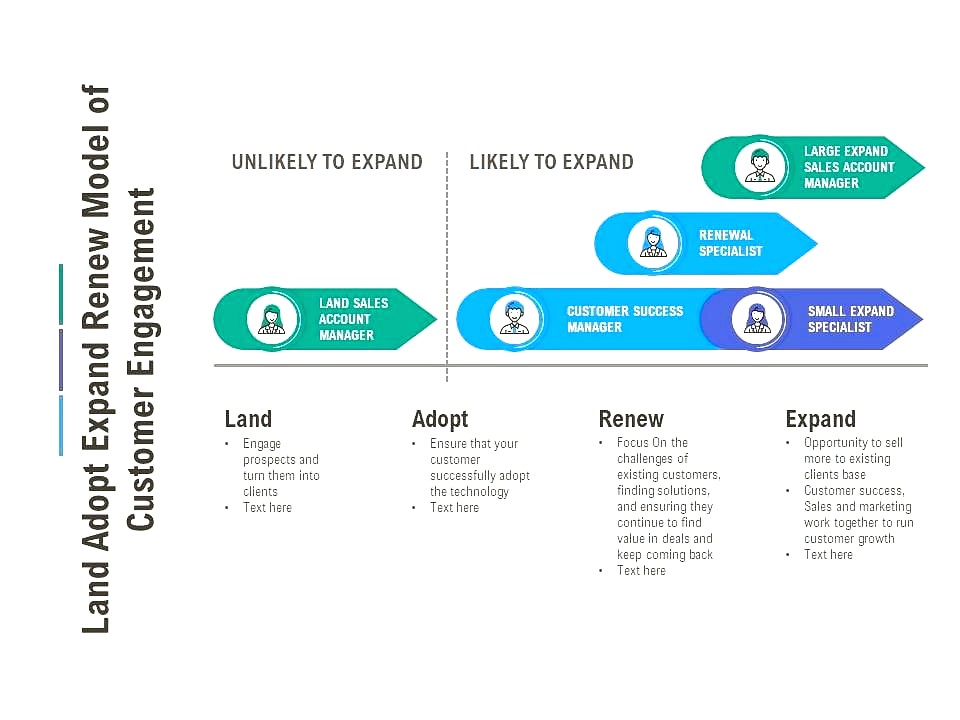
Two motions separate the $320K operator from the $1.4M operator: building a several-hundred-member CSA base, and scaling agritourism into a concentrated, high-margin revenue layer.
CSA Subscription — The Recurring-Revenue Engine
A median CSA member spending in the four-figure range per season means a base of a few hundred members can produce several hundred thousand dollars of pre-paid, predictable revenue. The acquisition motion:
- Pre-season (Jan–April) email + Instagram campaign to prior-season customers
- Farmers-market booth sign-up with a first-box discount
- LocalHarvest + community newsletter listings
- Referral credit per referred subscriber
Retention drives the economics. A first-year renewal rate in the high-50s to high-60s is a reasonable target, and member-choice swap features (Harvie, Local Line, Barn2Door) materially lift retention versus rigid "you get what you get" boxes.
Agritourism Event Motion — The Fall Cash-Flow Spike
For farms in pumpkin-growing regions, the pumpkin patch and fall festival can deliver a large share of annual revenue across just four to six October weekends. Event economics:
- Entry ticket: $14–$28 per car (~88–92% GM)
- Pumpkin purchase: $7–$14 each
- Concessions (cider donuts, hot chocolate, sandwiches): $8–$18 per person
- Photo opportunities (hay bales, scarecrow trail): near-zero incremental cost
- Tractor/hay rides: $7–$14 per person add-on
- Corn maze: $14–$24 per person add-on
Total fall revenue scales with traffic, acreage, and marketing reach — which is why the social and local-SEO channels in Section 2 matter most in September.
6. Unit Economics and 3-Year Financial Model
An illustrative 12–40 acre farm + roadside stand + CSA + market + agritourism operation. These are modeled planning figures, not guaranteed results; build your own against local extension enterprise budgets.
Year 1 — Buildout + Ramp
- Capex: $185K–$685K (stand structure, walk-in cooler, irrigation, equipment, u-pick infrastructure)
- Revenue: $320K–$485K — roadside/u-pick ~46%, CSA (~180 members) ~30%, farmers market ~15%, events ~7%, wholesale ~4%
- COGS (seed, soil, plants): ~30%
- Labor: ~40%
- Land, utilities, insurance: ~15%
- Marketing: ~4%
- EBITDA: roughly 4–12% margin
Year 2 — CSA + Event Scale
- Revenue: $485K–$785K
- CSA scales to ~320 members; agritourism becomes a meaningful 18–22% layer
- EBITDA: roughly 10–16% margin
Year 3 — Steady-State Operator
- Revenue: $785K–$1.4M
- CSA ~480 members (35–42% of revenue), agritourism ~22–28%, wholesale ~8–12%
- EBITDA: roughly 12–22% margin
Operations that layer CSA + agritourism + wholesale on top of retail tend to outperform retail-only stands by roughly 10–16 points of EBITDA margin. At the top of the range, a ~$1.4M operation at an 18% margin generates on the order of a quarter-million dollars of operator income.
7. 30/60/90 Day Launch Plan
Days 1–30 — Pre-Open Foundation
- Crop plan 22–48 varieties for season-long retail + CSA + wholesale (heirloom + commodity mix)
- Soil + seed orders (Johnny's Selected Seeds, High Mowing, Baker Creek, Fedco)
- POS stack live: Square + Local Line + Eventbrite + Mailchimp
- CSA pre-launch email to prior customers / community newsletter
- Farmers-market applications (submit by January for May season)
- First chef outreach to 8–14 restaurants within 30 miles
Days 31–60 — Soft Open + Brand Build
- Roadside soft open — limited Saturday hours, early-season produce
- Social content — harvest reels, animal content, planting timelapses
- First 4–6 wholesale chef accounts onboarded
- CSA base target: 120–180 members
- Farmers-market launch — 1–2 markets weekly
- Claim Google + Yelp listings with 60+ photos
Days 61–90 — Capacity Lock + CSA Ramp
- Roadside revenue target: $8K–$14K monthly
- CSA target: 180–280 active members
- Farmers-market revenue: $4K–$8K weekly per market
- Wholesale revenue: $4K–$8K monthly
- Fall event planning — pumpkin patch + corn maze for October
- First press hit — local food press / Edible Communities regional title
Frequently Asked Questions
Should I focus on CSA, retail walk-in, or farmers market?
All three — they're complementary acquisition and retention layers. The farmers market builds brand and recruits CSA members; the CSA delivers predictable pre-paid revenue across the season; and the roadside stand captures walk-up traffic and cross-sells agritourism. Operations running all the channels together generally outperform single-channel stands on EBITDA because the channels feed one another rather than competing.
Should I get organic certification?
It depends on your buyers. USDA Organic certification carries an annual fee plus a three-year transition period, but it unlocks premium pricing with restaurants, premium retail buyers, and many CSA members who specifically want organic. If you sell primarily on-farm to customers who already know and trust you, direct relationship and transparency can matter more than the label — in that case certification is optional. If you want chef accounts and premium-tier CSA pricing, it usually pays for itself.
How important is agritourism (pumpkin patch, Christmas trees, sunflower fields)?
For farms targeting the $1M+ tier with the land and climate to support it, agritourism is often the single highest-margin layer on the operation — gate fees and experiences carry very little cost of goods. A pumpkin patch and fall festival can deliver a large share of annual revenue in just four to six October weekends, with Christmas-tree cut-your-own and spring/sunflower events adding shorter peaks. The constraint is acreage, parking, and the marketing reach to fill those weekends.
What's the right CSA price point?
A standard 2–4 person share in the $32–$48/week range is the typical market-clearing price in 2027. Pricing well above that can lift per-member revenue but tends to slow sign-ups and hurt first-year renewal, so the bigger retention lever is usually flexibility, not price: member-choice swap features (Harvie, Local Line, Barn2Door) keep more members season-over-season than rigid fixed boxes. Set your price against your local market and your true cost to pack and deliver a box.
Should I sell wholesale to restaurants?
Yes — wholesale at roughly 8–14% of revenue is the chef-relationship and variety layer. Chef-driven restaurants pay a premium over distributor pricing for direct-from-farm produce and for items distributors don't carry (heirlooms, microgreens, edible flowers). Individual accounts commonly run from a few thousand to the low tens of thousands of dollars per year, so a handful of strong chef relationships can add a meaningful, relatively predictable revenue line.
Should I add a farm-to-table dinner series?
For operations already at or pushing toward the $1M tier, a dinner series is a strong high-margin add-on, especially where you already host agritourism crowds and have the kitchen, permitting, and staffing to execute. Tickets typically run $85–$185 and clear roughly 54–62% margin after food and beverage. Start small — a few ticketed dinners per season tied to peak harvest — prove demand and your cost model, then scale. If you don't yet have the labor or permits, prioritize CSA and the fall festival first; the dinner series works best layered on an established brand.
Sources
- USDA National Agricultural Statistics Service — Census of Agriculture (direct-to-consumer sales and agritourism/recreational income). https://www.nass.usda.gov/AgCensus/
- USDA NASS — Local Food Marketing Practices Survey. https://www.nass.usda.gov/Surveys/Guide_to_NASS_Surveys/Local_Food/
- USDA Economic Research Service — Local & Regional Food Systems. https://www.ers.usda.gov/topics/food-markets-prices/local-foods/
- USDA Agricultural Marketing Service — Local Food Directories (Farmers Markets, CSA, On-Farm Markets). https://www.usdalocalfoodportal.com/
- LocalHarvest — national CSA and farm-stand directory. https://www.localharvest.org/csa/
- North American Farmers' Direct Marketing Association (NAFDMA). https://www.nafdma.com/
- Cornell Small Farms Program — direct marketing, CSA, and agritourism resources. https://smallfarms.cornell.edu/
- Penn State Extension — Agricultural Business & Enterprise Budgets. https://extension.psu.edu/business-and-operations
Related on PULSE
- [CSA Box DTC Operator GTM Playbook 2027 — Multi-Farm Aggregation, Corporate Wellness, and the $14M ARR Path](/knowledge/gp0197)
- [Butcher Shop GTM Playbook 2027 — Dry-Aged + Heritage Breed Moat, Wholesale Layer, and the $3.4M Operator Path](/knowledge/gp0193)
- [PR Firm GTM Playbook 2027 — Crisis Response, AI Search Citation, and the $1.18B Edelman Operator Path](/knowledge/gp0215)
- [Home Goods DTC GTM Playbook 2027 — Bed Bath Beyond Aftermath, Amazon Mastery, and the $1.8B Yeti Operator Path](/knowledge/gp0208)
- [Farmers Market Operator GTM Playbook 2027 — Vendor Curation, Corporate Sponsorships, and the $1.2M Operator Path](/knowledge/gp0196)
- [Bakery GTM Playbook 2027 — Wholesale Layer, Custom Cakes, and the $1.8M Independent Operator Path](/knowledge/gp0192)
 pulse-toolsWhat Service Fees Should a Law Firm Charge?
 tltl0015
 pulse-toolsHow Many Attendants Should I Schedule Each Day at My Car Wash?
 tlHow Many Sales Reps Do I Need to Hire for My Merchant Services Company?
 tlHow Many Sales Reps Do I Need to Hire for My Logistics Company?
 tlHow Many Baristas Should I Schedule Each Shift at My Coffee Shop?
 tlHow Many Sales Reps Do I Need to Hire for My SaaS Company to Hit Next Year''s Goal?
 tlHow Many Sales Reps Do I Need to Hire for My Landscaping Company This Year?
 tlHow Many Membership Sales Reps Do I Need to Hire for My Gym?
 tlHow Many Sales Reps Do I Need to Hire for My Manufacturing Company?