
Paid-Media Agency GTM Playbook 2027 — Percentage-of-Spend Model, Attribution Stack, and the $385M Tinuiti Operator Path

The winning 2027 go-to-market motion for a paid-media agency is performance-first, vertically specialized, and measurement-led. Concretely, that means: pick a vertical you can dominate (DTC/e-commerce, B2B SaaS, healthcare, etc.), earn certified-partner status across the channels your clients actually buy (Google, Meta, TikTok, Amazon, LinkedIn, plus retail media), bring creative production in-house, and own attribution in a post-cookie, server-side-tracking world. You then monetize through a stacked revenue model:
- Percentage-of-spend management fee — the core line, typically the largest share of revenue.
- Flat-fee retainer — predictable revenue for smaller accounts or enterprise budgets.
- Embedded creative production — static, video, and UGC-style assets billed per asset or on a monthly creative retainer.
- One-time audit, account setup, and tracking implementation — high-margin project work that also opens retainer relationships.
- Attribution and measurement consulting — a standalone add-on as brands wrestle with iOS privacy changes and cookieless tracking.
Clients are acquired primarily through founder thought-leadership, platform-partner referrals, and targeted outbound to e-commerce and SaaS operators — not paid acquisition, which carries the worst CAC for a services business.
On the scale example named in the title: Tinuiti is the canonical large independent performance agency. It is backed by New Mountain Capital, which made its investment in 2018 (in Elite SEM, which merged with CPC Strategy and rebranded to Tinuiti), and it grew through acquisitions including 3Q Digital and Bliss Point Media. Tinuiti is privately held and does not publicly disclose financials, so any specific revenue figure (the "$385M" sometimes cited in trade press) is an outside estimate, not a confirmed number. What is documented is that it is consistently described as one of the largest independent performance-marketing firms in North America — which is the operator path this playbook maps to.
1. Market Sizing and 2027 Demand Drivers

US digital advertising spend runs well into the hundreds of billions of dollars annually and continues to grow, with the largest shares flowing to Google, Meta, and Amazon, and the fastest growth in retail media networks and connected TV (per the IAB Internet Advertising Revenue Report and eMarketer/Insider Intelligence forecasts). The digital advertising agencies that manage that spend are, per IBISWorld's US industry report, a multi-billion-dollar services market — fragmented across a handful of large independents and thousands of boutiques.
Exact 2027 figures are not yet published, so treat any single number with caution. The structural demand drivers, however, are clear and well-documented:
Privacy changes and server-side measurement. Apple's App Tracking Transparency and the broader move away from third-party cookies broke last-click attribution. Brands have shifted budget toward first-party data, server-side tracking (Meta Conversions API, Google server-side GTM, TikTok Events API), and attribution platforms such as Triple Whale, Northbeam, and Rockerbox. Agencies that built genuine measurement expertise can defend higher fees because they solve a problem the platforms alone do not.
Retail media and marketplace channels. Walmart Connect, Amazon DSP/Sponsored Ads, Target Roundel, and TikTok Shop have created entirely new ad surfaces. Agencies with hands-on retail-media and Amazon expertise are scarcer than Google/Meta generalists, which supports premium pricing.
AI bidding shifts the job. Google Performance Max, Meta Advantage+, and TikTok Smart Performance now automate much of the manual bid management that older agencies billed for. The defensible work has moved up the stack to strategy, creative, feed/data hygiene, and measurement.
Creative as the performance lever. With bidding automated, creative quality is the primary remaining lever on paid-media performance. Agencies that embed creative production (rather than outsourcing it) tend to ship more iterations faster, which is why so many of the well-known shops built in-house creative teams.
Vertical specialization. Niche-focused agencies generally command better pricing and retention than generalists. Tinuiti is broad (enterprise + DTC); Common Thread Collective leans e-commerce/DTC; KlientBoost is known for B2B SaaS; Power Digital spans DTC, e-commerce, and beyond.
2. Channel Mix and Customer Acquisition

Paid-media agencies tend to win through five acquisition channels, and the strongest operators run several at once.
Channel 1 — Founder Thought-Leadership
Many of the best-known agencies were built on a visible founder. Common Thread Collective's Taylor Holiday (content, podcast, frameworks), Disruptive Advertising's Jacob Baadsgaard, KlientBoost's Johnathan Dane, and Single Grain's Eric Siu (the *Marketing School* podcast with Neil Patel, and *Leveling Up*) all generate inbound demand through teaching in public. For services firms, founder-attributed pipeline is usually the cheapest and highest-converting source.
Channel 2 — Certified-Partner Programs
Google Premier Partner status, Meta Business Partners, TikTok Marketing Partners, Amazon Ads Partners, LinkedIn Marketing Partners, and Microsoft Advertising Partner programs all generate referral pipeline. Higher tiers generally require a threshold of managed spend, certified team members, and demonstrated client outcomes — so they double as a credibility signal in sales conversations.
Channel 3 — Outbound to Operators
Outbound SDR motions targeting Shopify Plus, BigCommerce, Klaviyo, HubSpot, and Salesforce users are common. The standard tooling stack is Apollo.io, ZoomInfo, or LinkedIn Sales Navigator for sourcing, layered with Clay, Smartlead, or Lemlist for sequencing.
Channel 4 — Podcast, Newsletter, and Community
Owned media compounds. *Marketing School* (Patel + Siu), DTC-focused newsletters, and demand-gen communities such as Refine Labs' audience are examples of agencies turning content into a durable top-of-funnel asset.
Channel 5 — Events and Conferences
Industry events — Affiliate Summit, MarTech, SaaStr, DMEXCO, Programmatic I/O / AdExchanger Industry Preview, and eTail — provide concentrated access to in-market buyers and partnership opportunities.
3. Pricing Architecture

The figures below are typical market ranges observed across the industry (Credo's agency pricing resources are a useful public reference point), not numbers from any single proprietary report. Use them as a starting frame and calibrate to your own delivery costs.
Tier 1 — Percentage-of-Spend Management Fee
The dominant model. The fee percentage falls as managed spend rises:
- Smaller accounts (roughly under ~$150K/month spend): commonly 12–20% of spend.
- Mid accounts (~$150K–$500K/month): commonly 8–14%.
- Large accounts (~$500K+/month): commonly 6–10%, often with a stepped or capped structure.
The risk: percentage-of-spend can create a client-perceived conflict ("you're incentivized to grow my budget, not my efficiency"), which is why many agencies pair it with efficiency guarantees or a hybrid floor.
Tier 2 — Flat-Fee Retainer
- SMB / single-platform: low-thousands per month.
- Mid-market / multi-platform (Google + Meta + LinkedIn): mid-four to low-five figures per month.
- Enterprise / full-channel: high-five figures and up per month.
Retainers trade upside for predictability and remove the spend-conflict optics. A common compromise is a hybrid: a flat-fee floor plus a percentage-of-spend overage above a threshold.
Tier 3 — Embedded Creative Production
- Static assets: priced per asset.
- Video/UGC assets: meaningfully higher per asset.
- Monthly creative retainer: a fixed monthly fee for a defined volume of assets.
Creative is the lowest-margin line because it is labor-intensive (designers, editors, UGC creators), but it is increasingly non-optional given creative's outsized effect on performance.
Tier 4 — Audit, Setup, and Attribution Projects
- Paid-media audit: one-time project fee — high margin and a natural lead-in to a retainer.
- Account setup, pixel, and server-side tracking implementation: project-priced.
- Attribution/measurement consulting (Triple Whale, Northbeam, Rockerbox, Wicked Reports rollouts): project-priced, and increasingly sold as a recurring monthly add-on.
4. Tech Stack and Operations

A modern paid-media agency runs roughly five layers of tooling.
Ad platform management. The native managers (Google Ads, Meta Ads Manager, TikTok Ads Manager, Amazon Ads, LinkedIn Campaign Manager, Microsoft Advertising) plus cross-platform tools such as Skai, Marin, Optmyzr, Adalysis, or Pacvue (the latter for retail media).
Attribution and analytics. Triple Whale, Northbeam, Rockerbox, and Wicked Reports for DTC attribution; Google Analytics 4, Looker Studio, and Tableau for reporting; Stape and server-side GTM, plus Meta CAPI, Google server-side tagging, and the TikTok Events API for first-party data.
Creative production. Figma, Canva, and Adobe Creative Cloud for design; CapCut, Descript, Riverside, and Adobe Premiere for video; AI tools such as Midjourney, Runway, and Pebblely where appropriate; and CreatorIQ/Aspire or similar for UGC and influencer sourcing.
Project delivery and reporting. ClickUp, Asana, Monday, or Notion for project management; AgencyAnalytics, Whatagraph, or Swydo for client dashboards; Slack, Loom, and Zoom for communication.
Sales and outbound. HubSpot, Salesforce, or Pipedrive for CRM; Apollo.io, ZoomInfo, or Sales Navigator for prospecting; Smartlead, Lemlist, Outreach, or Salesloft for sequencing; and Clay or Clearbit for enrichment.
5. Sales Motion and Compensation Model
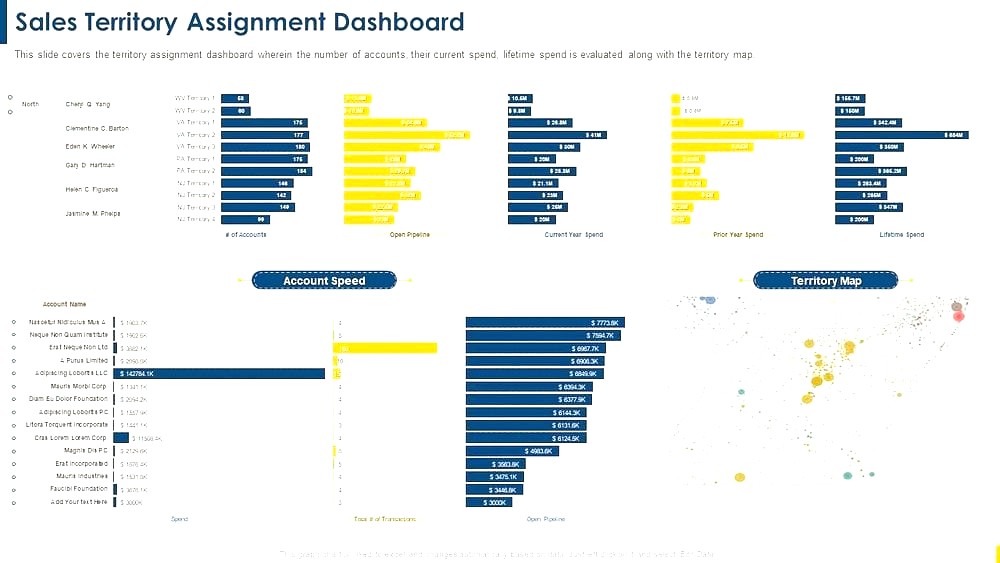
A typical revenue org has four roles. Compensation varies widely by geography and stage; the structures below describe the *shape* of pay, not guaranteed figures.
Founder / principal. Owns brand, thought-leadership, and the largest share of early pipeline. In the founder-led phase, the majority of new logos are founder-attributed.
Sales Development Representative (SDR). Modest base plus commission, OTE weighted toward activity. Owns outbound prospecting and qualification; measured on qualified meetings booked.
Account Executive (AE). Higher base plus uncapped commission. Owns the demo-to-close motion; measured on new revenue closed.
Customer Success / Senior Media Buyer. Base plus retention/expansion bonus. Owns the client relationship, retention, and upsell; measured on net revenue retention and expansion. In a services business this role is where most of the lifetime value is protected or lost, so it should be staffed and compensated accordingly.
6. Path to Scale

Marketing-services agencies generally exit at a multiple of revenue (or EBITDA), with profitable, differentiated firms that own proprietary tooling or a defensible vertical commanding the higher end, and undifferentiated boutiques the lower end (per PitchBook marketing-services M&A data and standard agency M&A practice).
Year 1. Founder plus one or two media buyers; bootstrap, founder-led sales; revenue heavily weighted to percentage-of-spend with some audit work.
Year 2. Add buyers, an analyst, and creative; earn Google Premier and Meta Business Partner status; begin layering retainer and creative revenue.
Year 3. Build the SDR/AE engine and add multi-platform certifications; stand up an embedded creative line and begin selling attribution.
Year 4. Move upmarket to enterprise accounts and deepen vertical specialization; operating margin should turn meaningfully positive as overhead leverages.
Year 5. Pursue a strategic or PE outcome. Real precedents for this path include New Mountain Capital's investment in Tinuiti (2018) and Court Square Capital Partners' investment in Power Digital, alongside the holding companies (WPP, Omnicom, Publicis, IPG) and PE firms that routinely acquire performance agencies.
FAQ
What blended gross margin should a paid-media agency target?
A healthy operator typically runs in the 45–60% blended gross-margin range. Percentage-of-spend and flat-fee retainer work tends to sit in the low-to-mid range; project/audit work is higher; embedded creative is the lowest because it is labor-heavy. Agencies running below ~35% blended margin generally cannot afford senior media buyers, a real creative team, and the tooling stack at the same time. These are industry-typical ranges — calibrate to your own fully loaded delivery costs.
Percentage-of-spend or flat-fee retainer — which should I use?
Both have a place, and many profitable agencies use both. Percentage-of-spend captures upside as a client scales but can create a perceived conflict of interest at higher budgets. Flat-fee retainers give you and the client predictability but cap your upside. A hybrid — a flat floor plus a percentage on spend above a threshold — is increasingly common precisely because it balances the two. Default to percentage-of-spend for growth accounts and flat fees for fixed-budget or enterprise relationships.
How much do platform-partner certifications actually matter?
A lot, for two reasons. First, the higher tiers (Google Premier Partner, Meta Business Partner, TikTok Marketing Partner, Amazon Ads Partner, LinkedIn Marketing Partner) generate referral pipeline directly from the platforms. Second, they function as third-party credibility in sales conversations. The tradeoff is that the top tiers require sustained managed spend, certified staff, and documented results — so they reward agencies that already have momentum rather than brand-new shops.
What does customer acquisition realistically cost for a services agency?
It varies enormously by channel, but the ranking is consistent: founder-content and platform-partner referrals are usually the cheapest sources of new logos, outbound SDR is moderate, and paid acquisition (e.g., paid LinkedIn) is typically the most expensive — which is why few agencies acquire clients primarily through paid media despite selling it. The practical rule is to make sure projected lifetime value comfortably exceeds acquisition cost with a payback period you can finance, rather than chasing a single benchmark number.
Should I embed creative production or outsource it?
For most agencies above a modest revenue base, embedding wins. With bidding largely automated, creative is the dominant remaining lever on performance, and an in-house team can iterate faster and stay tightly coupled to the data. Outsourcing can work early or for specialized formats, but the well-known scale agencies (Tinuiti, Common Thread Collective, Disruptive, KlientBoost, Power Digital) all built substantial in-house creative capability for a reason.
How has the move away from cookies reshaped agency value?
It shifted measurement from a solved commodity to a genuine problem. Brands now invest in first-party data, server-side tracking (Meta CAPI, Google server-side GTM, TikTok Events API), and attribution platforms (Triple Whale, Northbeam, Rockerbox, Wicked Reports). Agencies that built real expertise here can charge for it — attribution and measurement consulting has become a standalone, often recurring, add-on rather than a free part of reporting.
Who actually owns Tinuiti, and is the "$385M revenue" figure reliable?
Tinuiti is backed by New Mountain Capital, which invested in 2018 (in Elite SEM, which became Tinuiti after merging with CPC Strategy); it later acquired firms including 3Q Digital and Bliss Point Media. It is privately held and does not disclose financials, so any specific revenue figure circulating in trade press — including the ~$385M sometimes quoted — is an external estimate, not a confirmed number. What is well-documented is its position as one of the largest independent performance-marketing agencies in North America.
Bottom Line
The 2027 paid-media agency playbook wins on a stacked, performance-first model: percentage-of-spend management as the core, with flat-fee retainers, embedded creative, audit/setup projects, and attribution consulting layered on top — sold through founder thought-leadership, partner referrals, and targeted outbound rather than expensive paid acquisition. The structural tailwinds are real and durable: automated bidding pushing value toward strategy and creative, retail media and TikTok Shop opening new surfaces, and post-cookie measurement turning attribution into a billable specialty. The operator path that Tinuiti illustrates — vertical depth, certified-partner credibility, embedded creative, and a PE or strategic outcome (New Mountain's 2018 investment being the documented anchor) — is repeatable, provided you hold healthy blended margins and resist the temptation to quote precise figures for private companies that have never disclosed them.
Related on PULSE
- [Affiliate Tracking Software GTM Playbook 2027 — Enterprise Partnership Management, AI-Augmented Partner Discovery, and Fraud-Detection Attribution](/knowledge/gp0254)
- [Supplement DTC GTM Playbook 2027 — GLP-1 Stack Positioning, Amazon Mastery, and the AG1 Operator Path](/knowledge/gp0200)
- [Web-Design Agency GTM Playbook 2027 — Webflow Enterprise, AI-Assisted Development, and the Huge Operator Path](/knowledge/gp0219)
- [Kitchenware DTC GTM Playbook 2027 — Chef Endorsement, Williams-Sonoma Wholesale, and the Our Place Operator Path](/knowledge/gp0209)
- [Ceramics and Pottery Shop GTM Playbook 2027 — Wait-List Drop Model and Workshop Revenue](/knowledge/gp0210)
- [Event Rentals GTM Playbook 2027 — Inventory Utilization and Venue Preferred-Vendor BD](/knowledge/gp0179)
Sources
- IBISWorld — *Digital Advertising Agencies in the US* (industry market research report): https://www.ibisworld.com/united-states/industry/digital-advertising-agencies/
- IAB — *Internet Advertising Revenue Report* (US digital ad spend, produced with PwC): https://www.iab.com/insights/internet-advertising-revenue-report/
- eMarketer / EMARKETER (Insider Intelligence) — US digital and retail media ad spending forecasts: https://www.emarketer.com/
- Tinuiti — company newsroom and acquisition history (3Q Digital, Bliss Point Media): https://tinuiti.com/about/news/
- New Mountain Capital — firm site and portfolio (Tinuiti investment, 2018): https://www.newmountaincapital.com/
- Credo (gocredo.com) — public agency pricing and benchmarking resources: https://www.gocredo.com/
- Google Ads Partners program (Premier Partner requirements): https://support.google.com/google-ads/answer/7281612
- Meta Business Partners directory and program: https://www.facebook.com/business/partner-directory
- Triple Whale and Northbeam — attribution platform documentation (post-cookie measurement): https://www.triplewhale.com/ · https://www.northbeam.io/
- PitchBook — marketing-services M&A and private-company coverage: https://pitchbook.com/
 pulse-toolsWhat Service Fees Should a Law Firm Charge?
 tltl0015
 pulse-toolsHow Many Attendants Should I Schedule Each Day at My Car Wash?
 tlHow Many Sales Reps Do I Need to Hire for My Merchant Services Company?
 tlHow Many Sales Reps Do I Need to Hire for My Logistics Company?
 tlHow Many Baristas Should I Schedule Each Shift at My Coffee Shop?
 tlHow Many Sales Reps Do I Need to Hire for My SaaS Company to Hit Next Year''s Goal?
 tlHow Many Sales Reps Do I Need to Hire for My Landscaping Company This Year?
 tlHow Many Membership Sales Reps Do I Need to Hire for My Gym?
 tlHow Many Sales Reps Do I Need to Hire for My Manufacturing Company?