
GTM Playbook for Veterinary Clinics in 2027
 Curated byKory White · Fractional CRO · Maryland
 PULSEKNOWLEDGE LIBRARY
Quality
Certified

In 2027, the owner-operator small-animal veterinary clinic wins by building a bonded-client engine: route every new puppy/kitten onboarding into a $45–$65/mo wellness plan, drive a 30%+ wellness-plan attach rate, and sign a pet-insurance partnership (Trupanion or Pets Best) to neutralize the Chewy + Amazon pharmacy raid. With the AVMA projecting a roughly 15,000-DVM shortfall by 2030, the practices that survive will hit $800K–$1M production per DVM, run a 3:1 tech-to-DVM ratio, and hold pricing in line with the corporates (Mars VCA, Thrive, NVA) without selling to them. The whole playbook below is one connected system — acquire bonded clients, lock in recurring revenue, staff to protect the doctor, defend the pharmacy margin, and execute it on a 30-60-90 plan.
---
1. New Client Acquisition: Build the Bonded Funnel Before the Corporates Find Them
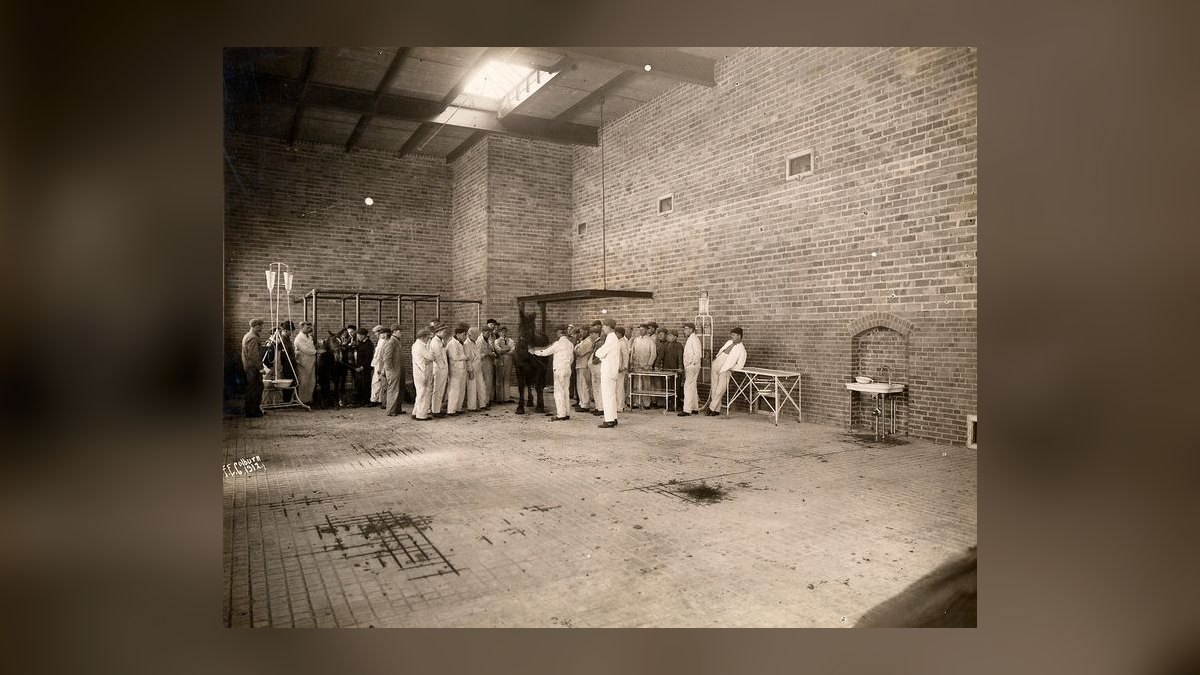
The 2027 acquisition reality for a 1–3 DVM general practice: AVMA economic data shows active clients per practice have softened since 2019, and the corporates (Banfield in PetSmart, Petco's Vetco Total Care, Chewy Vet Care, Modern Animal) are catching new pets at adoption. Independents must intercept earlier in the journey.
1.1 Where new clients actually come from in 2027

- Google Business Profile (largest single source for most GPs) — strong star average, a steady stream of recent reviews, photos of every DVM and tech, and hours that match working-pet-parent reality (e.g. Tues/Thurs until 7pm, two Saturdays per month).
- Yelp Pet Health vertical — paid Yelp ads typically run a few dollars per qualified click and are only worth it in dense metros.
- Nextdoor neighborhood recommendations — often the highest-converting channel for suburban practices because pet parents trust neighbor referrals more than ad copy.
- Breeder + groomer + pet-store referral partnerships — bring the local AKC breeder, grooming salons, and the independent feed store a modest thank-you gift card per referred new-client visit.
- Petco / PetSmart adoption-event presence — sponsor monthly adoption days at the closest Petco; offer a first-visit incentive for any pet adopted that weekend.
- Healthgrades for Pets, vet directories, PetDesk Marketplace — claim profiles, no paid spend needed.
1.2 First-visit conversion — the moment that decides lifetime value

The first puppy/kitten visit is where lifetime value is won or lost. Average practices convert a small fraction of first visits into a wellness plan; top-quartile practices convert a much larger share by treating the first visit as the start of a relationship, not a single transaction. Because a bonded client returns for a decade or more, failing to convert the puppy/kitten visit is a multi-thousand-dollar lost-revenue event, not a missed upsell.
1.3 Local SEO and AI-search visibility

A growing share of new-pet-parent searches now begin in ChatGPT, Perplexity, or Google AI Overviews rather than classic Google. Win this with schema.org/VeterinaryCare markup, a Why-Us page that directly answers "best vet near me," and AAHA accreditation cited prominently — accreditation is one of the few quality signals AI models reliably surface.
---
2. Pricing, Wellness Plans, and the Pet-Insurance Attach

2.1 Realistic 2027 transaction benchmarks

- Average client transaction (ACT), general practice: roughly $280–$450 per visit.
- Senior pet ACT (age 7+): $850–$1,500 per visit (bloodwork, dental, imaging).
- Visits per active patient per year: 1.6–2.1 (target 2.4 for bonded clients).
- Average revenue per active patient per year: $520–$880.
- Production per DVM per year: ~$700K (struggling) / ~$850K (healthy) / $1.0M+ (top quartile).
2.2 Wellness plans — the recurring-revenue moat

Wellness plans (not insurance — these are practice-owned subscriptions) bundle annual exams, vaccines, fecal, heartworm test, dental cleaning, and select discounts. Indicative 2027 pricing:
- Puppy/kitten plan: $65–$85/mo for year one (includes spay/neuter discount + multiple puppy visits).
- Adult dog/cat plan: $45–$65/mo.
- Senior plan: $75–$95/mo (includes semi-annual bloodwork).
Target attach rate: 30%+ of active patients. A 600-patient practice at 30% attach × ~$55/mo blended is roughly $9,900/mo (~$118,800/yr) in predictable subscription revenue before any visit fees. This is the single highest-leverage move an independent can make.
2.3 Pet-insurance partnership (not competition)

US pet-insurance penetration remains far below the UK's, so the headroom is real and the market continues to grow at a double-digit pace. The independent vet should:
- Recommend Trupanion for accident/illness — its direct-pay-to-practice option at checkout removes the client-reimbursement delay.
- Recommend Pets Best when the client wants routine-care/wellness riders bundled with insurance.
- Mention Embrace and Nationwide for multi-pet households.
- Hand every puppy/kitten visit a 30-day insurance trial certificate — insured pets visit meaningfully more often than uninsured pets, which compounds wellness-plan value.
2.4 Holding pricing while the corporates compress

AVMA data shows clients have grown more cost-sensitive. The independent's pricing defense is stop discounting: hold posted prices for spay, dental, and bloodwork in line with the Mars VCA / Thrive / NVA comps that pet parents already see through aggregators, and differentiate on same-DVM continuity, same-day urgent slots, and 30-minute appointments instead of 15.
---
3. DVM and Tech Hiring + Retention in a Shortage Market

3.1 The 2027 hiring reality
The AVMA projects a substantial unfilled-DVM gap by 2030, with Texas, Florida, the Mountain West, and the rural Midwest among the tightest markets. Indicative associate DVM comp in 2027:
- New-grad GP DVM: $135K–$165K base + production bonus.
- 3–5 year associate: $165K–$210K.
- Medical director / partner-track: $220K–$280K + equity.
- Sign-on bonuses of $25K–$75K are now common, and student-loan paydown has become one of the most effective retention levers.
3.2 The 3:1 tech ratio is non-negotiable
Top-quartile practices run roughly 3.0–3.5 credentialed/qualified techs per DVM. Under-staffed at ~1.5:1, the DVM ends up doing tech work, production drops, and burnout accelerates. Credentialed Veterinary Technician (CVT/LVT/RVT) pay sits around $24–$36/hr + benefits. Build a tech career ladder — Tech I / Tech II / Lead Tech / Surgery Tech / Anesthesia Tech — with step increases so the best techs don't leave for the corporates.
3.3 Retention beats recruitment
- 4-day work week (10-hour days) is now table-stakes — recruitable associates increasingly filter for it.
- No on-call for GP — refer after-hours to a local ER (BluePearl, VCA, MedVet).
- Mental-health benefit — a Not One More Vet (NOMV) partnership plus paid therapy (Lyra or Spring Health); the well-being crisis in the profession is well documented.
- CE budget ~$3,500–$5,000/yr + paid CE days.
- Production-bonus transparency — share the production report monthly, no black-box math.
---
4. Tech Stack: PIMS, Diagnostics, Communication, Telehealth
4.1 Practice-management software (PIMS) — pick the right tier
- ezyVet (IDEXX, cloud): best for growth-minded multi-location independents; integrates with IDEXX VetLab.
- Cornerstone (IDEXX, server-based): best for high-volume practices already locked into IDEXX in-house lab.
- eVetPractice (Covetrus, cloud): best for 1–2 DVM solo independents who want low overhead.
- AVImark (Covetrus, server-based): large legacy install base, stable for incumbents.
- Provet Cloud (cloud): fast-growing challenger, strong in multi-location.
- Digitail (cloud, AI-native): best for practices that want AI scribing built in.
- Shepherd Veterinary Software (cloud): clean UX, rapid adoption among new owners.
Pricing varies by user count and modules; get current quotes directly from each vendor before budgeting.
4.2 Online scheduling + reminders + telehealth
- Vetstoria online booking — increasingly required because many millennial/Gen-Z pet parents will not call to book.
- PetDesk client reminders + 2-way SMS.
- Weave unified phone + SMS + reviews.
- GuardianVets after-hours triage — cheaper than losing the client to a corporate ER's marketing funnel.
4.3 Diagnostics + AI radiograph reads
- IDEXX in-house lab (Catalyst Dx, ProCyte Dx, SediVue) — bundled or standalone rental.
- Antech / Zoetis Reference Lab outside send-out — typical 12–24 hour turnaround.
- SignalPET AI radiograph reads — fast results with optional board-certified overread.
- Vetology AI radiograph reads — similar workflow and value.
- Heska / Antech in-house lab as an IDEXX alternative for non-IDEXX shops.
4.4 Payment + financing
- CareCredit patient financing — captures the large surgical bills that would otherwise become economic euthanasias.
- Scratchpay alternative financing — better for clients with thin credit.
- Stripe Terminal / Square — integrates with most cloud PIMS.
---
5. Retention and Bonded-Client Economics
5.1 The bonded client is worth several times a transactional client
A bonded client (visits 2+ times per year for the same pet AND has 2+ pets OR a wellness plan OR pet insurance) generates several times the annual revenue of a transactional client. The implication: focus operational energy on converting transactional → bonded, not just chasing more new clients.
5.2 Reactivation of the lapsed patient
One of the highest-ROI campaigns in 2027 is lapsed-patient reactivation. Pull every patient with no visit in 18–24 months and send a personalized SMS via PetDesk ("Hi — Bailey is due for her dental, here are 3 open slots this month"). SMS cost is pennies; revenue per reactivation runs into the hundreds of dollars, so even a modest reactivation rate pays for itself many times over.
5.3 Curbside and hybrid exam rooms
A meaningful share of visits remain curbside — a pandemic habit that stuck because dog-reactive dogs and shy cats are calmer without lobby chaos. Build a few curbside-eligible parking spaces with car-side check-in via a Vetstoria QR code and a tech-handoff protocol. Same-day capacity rises with it.
5.4 Dental, senior wellness, end-of-life — the three margin pillars
- Dental: a large share of dogs over age 3 have periodontal disease (AAHA). Run a Dental Awareness Month every February — discounted pre-anesthetic bloodwork and a dental-package offer. Average cleanings run $650–$1,400.
- Senior wellness (pets 7+): semi-annual exam + senior bloodwork + urinalysis + thyroid at $320–$480/visit; bonded senior clients average well over a thousand dollars a year.
- End-of-life and in-home euthanasia: charge fairly for in-clinic euthanasia + cremation coordination, and partner with Lap of Love or a local mobile vet for in-home referrals — the goodwill produces referral business for the family's next pet.
---
6. Failure Modes That Kill Independent Vet Clinics
- Surrendering the pharmacy to Chewy by default — most pet parents still prefer to buy Rx from their own vet. Independents that match Chewy on flea/tick/heartworm (Bravecto, Simparica Trio, NexGard, Heartgard, Interceptor) and run auto-ship through their own VetSource or Covetrus storefront keep the per-pet pharmacy margin instead of donating it.
- Selling to a PE consolidator at a compressed multiple — the 2024 rate cycle pressured valuations and several consolidators slowed M&A; don't panic-sell at the bottom.
- Under-staffing techs at ~1.5:1 — production craters, DVMs burn out, the practice spirals.
- Ignoring online reviews — a weak Google profile loses a large share of prospect clicks to the higher-rated corporate down the street.
- No wellness plan, no insurance pitch — accepting 0% recurring revenue while Mars VCA, Banfield, and Petco Vetco run subscriptions on every active patient.
- Pricing on feelings instead of cost-plus-margin — independents undercut themselves relative to corporate posted prices, then can't fund competitive associate comp.
- No after-hours triage — clients churn to BluePearl, VCA, MedVet the moment they get voicemail at 8pm on a Saturday.
- DEA controlled-substance compliance gaps — missed log entries carry real fines and registration risk.
---
7. The 30-60-90 Day Operator Plan
7.1 Days 0–30: Diagnose
- Pull the 12-month P&L and benchmark against AVMA economic data.
- Calculate ACT, visits/patient/yr, production/DVM, tech ratio, wellness attach %.
- Audit Google, Yelp, Nextdoor, Healthgrades for Pets profiles — claim, photo, and review-respond on every one.
- Inventory PIMS, lab, scheduling, reminders, payments, financing — list price and renewal date for each.
7.2 Days 31–60: Build the engine
- Launch wellness plans — three tiers (puppy/kitten, adult, senior), price-tested against the closest Banfield and Petco Vetco.
- Sign a Trupanion direct-pay partnership and Pets Best co-marketing.
- Deploy Vetstoria + PetDesk + an AI scribe (Scribenote, Talkatoo, or Digitail-native).
- Train front desk on the wellness-plan pitch script — every first visit, every annual.
7.3 Days 61–90: Scale and defend
- Lapsed-patient SMS reactivation through PetDesk — the 18–24 month no-visit list.
- Tech career ladder documented and posted internally.
- 4-day work week for associate DVMs + student-loan paydown written into offer letters.
- Wellness attach rate tracked weekly in a one-pager — target 30% by day 180.
- Pharmacy defense — VetSource or Covetrus auto-ship storefront live, price-matched to Chewy on top SKUs (Bravecto, Simparica Trio, NexGard, Heartgard, Interceptor, Apoquel, Cytopoint, Galliprant, Rimadyl, Cerenia).
---
FAQ
What is a "bonded-client engine" and how does it differ from a standard loyalty program? A bonded-client engine goes beyond points or discounts by embedding the clinic into the pet owner's routine from day one. It starts with structured new puppy/kitten onboarding that leads directly into a $45–$65/month wellness plan. Unlike a generic loyalty card, this creates a recurring revenue stream and a high switching cost, making it far harder for competitors like Chewy or Amazon to poach pharmacy or preventive-care sales.
Why is a 30%+ wellness-plan attach rate considered critical for a clinic's survival? Clinics at a 30%-or-higher attach rate earn predictable monthly revenue that offsets the volatility of sick-visit income. A high attach rate also signals deeply engaged clients, which typically drives better compliance on preventive care and a stronger defense against online-pharmacy raids. Below that threshold, a clinic stays too dependent on acute visits and price-sensitive one-off transactions.
How should a clinic partner with pet-insurance companies like Trupanion or Pets Best without hurting its own revenue? Structure the partnership so the clinic stays the primary point of care, not just a claims processor. The best practice is to integrate insurance verification and direct payment into the checkout flow, which reduces client friction and gets the clinic paid faster. The goal is to neutralize the price advantage of online pharmacies by making in-clinic purchases essentially cost-neutral for insured pet owners.
What does a 3:1 tech-to-DVM ratio look like in practice, and why is it necessary? It means that for every veterinarian the clinic employs roughly three credentialed technicians or assistants. That lets DVMs focus on diagnosis, surgery, and complex cases while techs handle blood draws, dental prophys, client education, and follow-ups. Given the projected DVM shortage by 2030, this ratio is what makes $800K–$1M production per DVM achievable without burning out the doctor.
How can an independent clinic price like the corporate chains (Mars VCA, Thrive) without selling to them? Independents can match corporate pricing by bundling services into wellness plans and charging for the full value of preventive care rather than discounting individual line items. Transparent pricing tools and staff training help the team confidently communicate the value of in-clinic care versus online alternatives. The key is to price for the complete care experience — not to chase every online pharmacy's single-product price.
What is the biggest threat from Chewy and Amazon's pharmacy raid, and how does the playbook counter it? The biggest threat is that these platforms undercut clinics on prescription diets, flea/tick preventives, and chronic medications, pulling away recurring revenue. The playbook counters it by making the wellness plan the primary channel for these products and bundling them into the monthly fee so clients have less reason to comparison-shop. On top of that, a clinic-owned auto-ship storefront (VetSource or Covetrus) price-matched to Chewy keeps the per-pet pharmacy margin in-house, while pet-insurance partnerships remove the price incentive to buy elsewhere.
Bottom Line
The owner-operator vet clinic that survives 2027 has a 30%+ wellness-plan attach rate, a direct-pay Trupanion partnership, a 3:1 tech-to-DVM ratio, a 4-day work week with student-loan paydown baked into associate comp, a cloud PIMS (ezyVet or eVetPractice), an AI radiograph workflow (SignalPET or Vetology), and a price-matched online pharmacy (VetSource or Covetrus) that keeps Chewy from eating the per-pet flea-tick-heartworm margin. Do that and you outperform the Mars VCA / Thrive / NVA corporates on production per DVM, client retention, and EBITDA margin — without selling the practice.
---
Related on PULSE
- [How do you build a vertical-SaaS go-to-market motion for veterinary clinics (Cornerstone / ezyVet) in 2027?](/knowledge/gp0080)
- [GTM Playbook for Acupuncture Clinics in 2027](/knowledge/gp0345)
- [GTM Playbook for Physical Therapy Clinics in 2027](/knowledge/gp0320)
Sources
- American Veterinary Medical Association (AVMA) — Economic State of the Veterinary Profession report, Veterinary Industry Tracker, and DVM workforce-shortage projections. https://www.avma.org/resources-tools/reports-statistics
- American Animal Hospital Association (AAHA) — Accreditation standards, *Trends* magazine coverage of corporate consolidation, and dental-health benchmarks. https://www.aaha.org
- Today's Veterinary Business — Associate-compensation surveys, 4-day-work-week adoption data, and practice M&A multiples reporting. https://todaysveterinarybusiness.com
- dvm360 / Veterinary Economics — Production-per-DVM benchmarks, ACT and visits-per-patient data, retention incentives, and PIMS comparison guides. https://www.dvm360.com
- North American Pet Health Insurance Association (NAPHIA) — US pet-insurance penetration, premium-pool size, and market-growth data. https://naphia.org
- AAVSB (American Association of Veterinary State Boards) — Credentialing standards for veterinary technicians (CVT/LVT/RVT) and licensure data. https://www.aavsb.org
This page will be disappearing soon. Save it to your device for $1 — or read it free while it is here.
@Kory-White- · if Venmo asks, the last 4 of my number are 2012
This page is gone.
This one is off the shelf now. $1 keeps it on your phone for good — the whole page, pictures and diagrams included.
 gtm-playbookArt Gallery GTM Playbook 2027 — Primary Market + Art Fairs + Artsy + AI-Augmented Authentication and the .18B Gagosian Operator Path
 gtm-playbookHow do you handle a channel partner that starts competing directly with your own product by white-labeling a rival offering in 2027?
 gtm-playbookGTM Playbook for LegalTech — The Complete Operator Guide in 2027
 gtm-playbookGTM Playbook for Tree Services in 2027
 gtm-playbookGTM Playbook for Florists in 2027
 gtm-playbookHow do you handle a channel partner who is underperforming without damaging the relationship in 2027?
 gtm-playbookHow do you build an EHS (environment health safety) software go-to-market motion in 2027?
 gtm-playbookVirtual Assistant Services GTM Playbook 2027 — Dedicated VA + Executive-Tier + AI-Augmented and the 48M Magic Operator Path
 gtm-playbookVitamin DTC GTM Playbook 2027 — Personalized Packs, Women's-Health Positioning, and the $1.4B Strategic Exit Path
 gtm-playbookGTM Playbook for Restaurants and Food Service — The Complete Operator Guide in 2027