
GTM Playbook for Liquor Stores in 2027
 Curated byKory White · Fractional CRO · Maryland
 PULSEKNOWLEDGE LIBRARY
Quality
Certified
The 2027 independent liquor store that survives shifts mix toward premium spirits and agave, owns a 3-5 mile delivery zone through third-party marketplaces, runs on beverage-specific POS software, and turns top customers into a private allocation club. Beer volume continues declining while premium spirits and craft single-serve carry higher margins and drive comp growth. Success requires balancing delivery channel economics, maintaining 30-34% blended gross margin, and investing in customer retention through SMS and loyalty programs.
1. Customer Acquisition — Where the Next 1,000 Buyers Come From
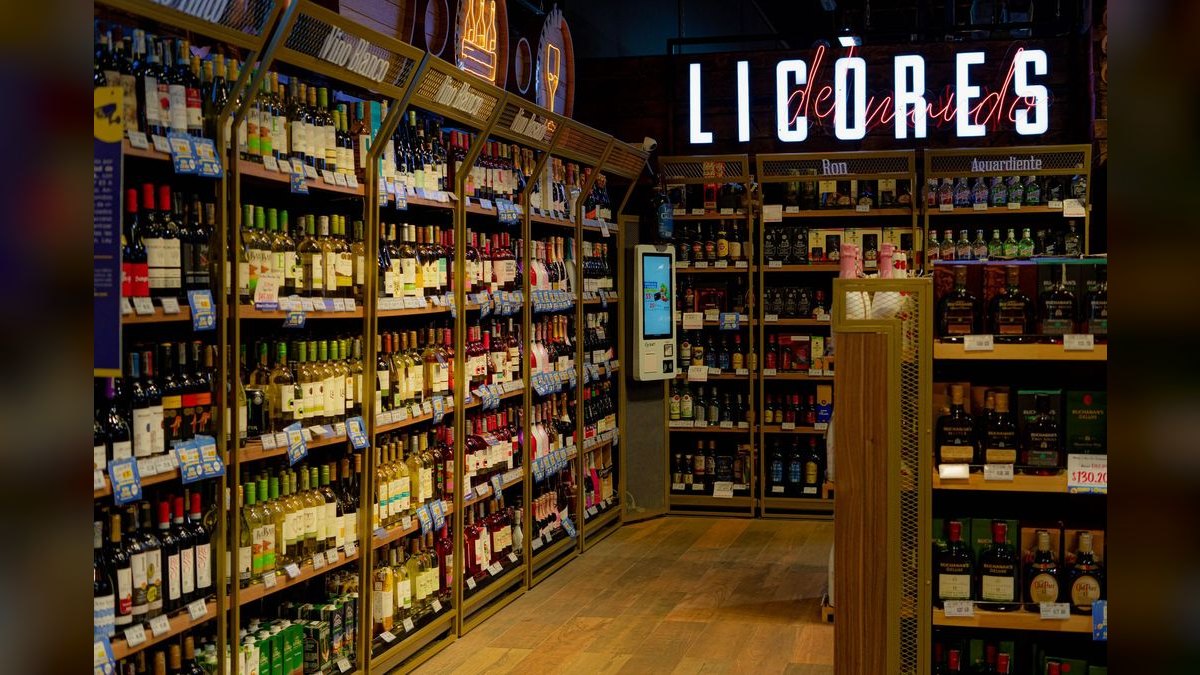
The U.S. beer, wine, and liquor retail market remains fragmented between big-box chains like Total Wine & More and independent neighborhood stores. Independent stores win on convenience, curated selection, and personal relationships. Your acquisition engine in 2027 runs on four channels.
1.1 Hyperlocal Google + Apple Maps
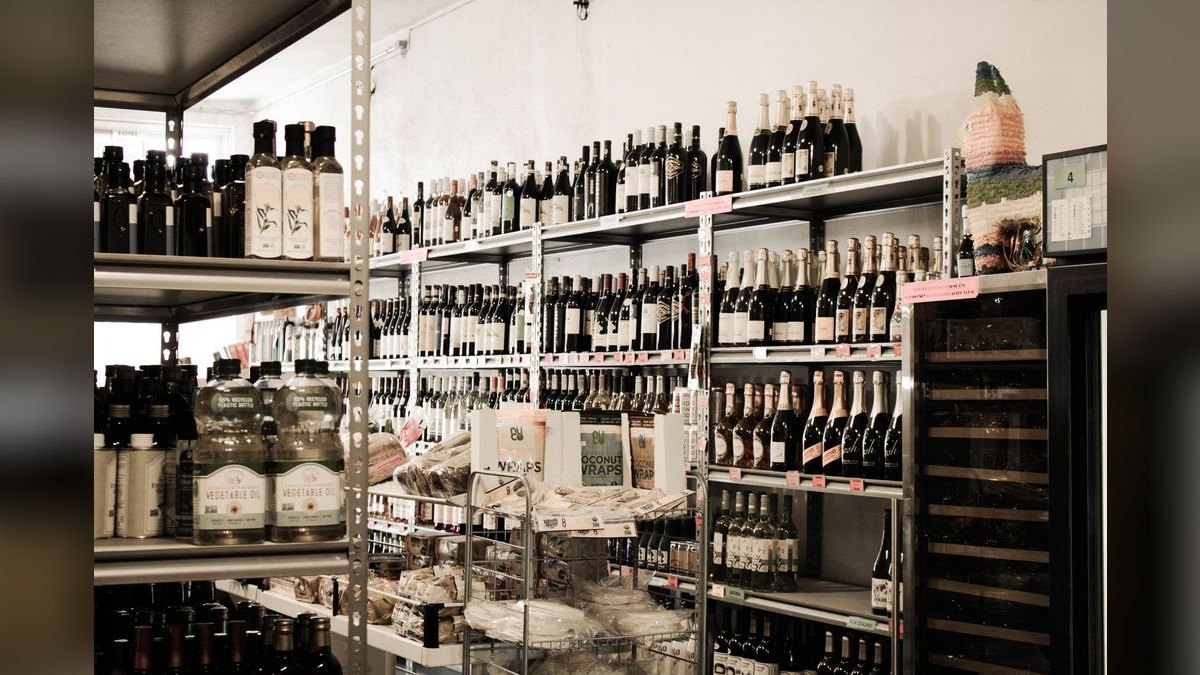
Most liquor purchases begin with a "liquor store near me" search within a 2-mile radius. Google Business Profile remains the highest-ROI marketing asset. Stores maintaining 20+ recent photos, weekly Google Posts, and 4.6+ star reviews consistently outrank competitors. This requires 45 minutes per week of owner time and a part-time merchandiser to shoot product photos.
1.2 Delivery Marketplaces
Uber completed the Drizly acquisition in 2024 and integrated alcohol ordering into Uber Eats, which handles a significant portion of U.S. third-party alcohol delivery. Effective economics:
- Uber Eats alcohol: 15-30% commission depending on tier, plus onboarding fees for age-verification training
- Saucey: 20-25% commission, strong in CA/NY/IL metros
- Minibar: 18-22% commission, premium-spirits skew
- DoorDash Alcohol: 15-30% commission, strong in TX/FL/CA
Run multiple channels but cap delivery to 8-12% of revenue to preserve direct-channel margin. Premium spirits absorb commission costs; low-margin beer does not.
1.3 SMS + Birthday Club
A 2,000-name SMS list via Klaviyo SMS or EZ Texting costs approximately $24 per blast. Operators report strong click-to-store rates on Friday afternoon "fresh allocations dropped" texts. Birthday club programs (sign up at register, receive store credit on birthday week) convert at higher rates than paid digital channels.
1.4 Tasting Events + Local Sponsorships
Brand representatives from major distributors like Southern Glazer's, Republic National Distributing (RNDC), and Breakthru Beverage will staff in-store tastings free in license states. Running two tastings per week generates incremental ring per session and lifts brand velocity for weeks afterward. Sponsoring local events costs less than equivalent Facebook reach and provides email list building.
2. Pricing & Margin Architecture
2.1 Category Margin Targets

Hit these gross-margin floors per category, validated against industry benchmarks:
- Domestic beer / value beer: 18-22% (traffic driver)
- Craft beer (4-pack, single-serve): 32-38%
- Table wine $9-$15: 28-32%
- Premium wine $25+: 38-45%
- Well spirits / 1.75L value: 20-25%
- Premium spirits ($40-$120 750ml): 38-48%
- Allocated bourbon / agave / single malt: 45-55%
Blended store target: 30-34% gross margin post-shrink. Net 9-13% after rent, labor, card fees, delivery commission.
2.2 Tiered Markup Strategy
Keystone (2x cost) pricing leaves margin on the table for allocated products. The 2027 approach is tiered markup:
- Velocity SKUs (top 50): priced within 2% of nearest big-box competitor to defend traffic
- Mid-tail (next 500): standard category markup
- Long-tail / allocated (next 2,000): MSRP + 5-25% depending on scarcity
2.3 Bundle and Basket Build
Average independent ticket ranges from $24-$38. Push to $42-$55 with mixer bundles, holiday gift packs, and multi-bottle wine discounts. Bundle SKUs lift average basket 11-17%.
3. Hiring, Wages & Retention
3.1 The Real Wage Bar in 2027
BLS OEWS data shows beer/wine/liquor retail averages. Front-line clerk reality:
- Cashier / stocker: $16-$19/hr (metro) / $13-$15/hr (rural)
- Wine or spirits specialist (WSET Level 2+): $22-$28/hr
- Assistant manager: $23-$30/hr plus 2-4% net profit bonus
- Store manager: $58K-$78K base plus 5-8% net profit quarterly
3.2 The 2-Week Schedule Rule
Independent stores that post schedules 14 days in advance and honor them cut hourly turnover significantly. Schedule volatility is the #1 reason clerks quit liquor retail.
3.3 Hire the Off-Premise Bartender
Your single best hire in 2027 is a former craft cocktail bartender. They sell premium spirits naturally, build relationships with younger buyers, and can run paid tastings. Pay premium hourly plus tips on tasting nights.
3.4 Cap Owner Hours at 50
Owner-operators averaging 70+ hours/week burn out inside 30 months. Build a 3-person leadership bench so you can take two consecutive days off every week. Owner-burnout exits are a leading cause of distressed liquor store sales.
4. Tech Stack — What to Run in 2027
Beverage-specific POS beats generic retail every time because of bottle deposits, age verification, case-break math, and three-tier vendor EDI.
4.1 POS + Inventory Core
- KORONA POS Retail: Cloud-based, strong Uber Eats/DoorDash menu sync. Best fit for 1-3 stores.
- mPower Beverage: Deep beverage features including bottle deposits, mixed-case pricing, vendor EDI to major distributors. Best for $2M+ annual revenue stores.
- Spirits Classic (formerly Spirits 2000): Legacy on-premise, strong multi-store reporting. Owner-base skews older.
- Bottle POS: Fast onboarding, lighter back-office than mPower.
4.2 Delivery & E-Commerce Surface
- Uber Eats Alcohol (Drizly catalog) — 15-30% commission
- DoorDash Alcohol — 15-30% commission
- Saucey — 20-25% commission
- Minibar — 18-22% commission
- City Hive white-label site — $199-$399/mo for your own branded ordering site
4.3 Marketing + CRM
- Klaviyo SMS + Email: $45-$200/mo for 2K-10K contacts
- Paytronix Loyalty: Integrates with KORONA and mPower
- Yelp Ads: Skip unless in top-10 metro tourist corridor
4.4 Back Office
- QuickBooks Online Plus: $99/mo
- Gusto Payroll: $40/mo + $6 per employee
- Homebase Scheduling: Free up to 20 employees
Total realistic stack cost for a single-location $1.8M-$2.4M revenue store: $680-$1,150/mo, 0.4-0.6% of revenue.
5. Retention, Recurring Revenue & The Allocation Club
5.1 The Top 200 Rule
In every independent liquor store, the top 200 customers drive 38-46% of revenue. Identify them via your POS loyalty tag. Their average annual spend ranges from $800-$1,400 in beer/wine and $1,600-$3,200 in premium spirits households.
5.2 The Private Allocation List
Run a private SMS allocation list (cap at 200-400 names) for hard-to-get bottles: Blanton's, E.H. Taylor, Eagle Rare 10, Weller Special Reserve, Clase Azul, Don Julio 1942, Macallan 18. Rules:
- First-come-first-served by text-back
- One bottle per household per allocation
- Must pick up in 48 hours or pass to next name
Operators report this single program generates significant incremental annual revenue at 45-55% blended margin.
5.3 Wine Club / Whiskey Club
Monthly subscription: $59/mo (two-bottle wine) or $129/mo (one premium spirit + tasting note card). Target 80-150 members in year one. Recurring revenue with 75%+ retention at 12 months when paired with quarterly in-store member tasting.
5.4 Corporate & Holiday Gifting
Build a B2B gifting line — 300-1,200 holiday baskets at $75-$250 each for local law firms, real-estate brokerages, dental groups. November-December captures significant revenue at 38-44% margin. Start outreach August 15.
6. Failure Modes — What Kills Independent Liquor Stores
6.1 Mix Drift Into Domestic Beer
When low-margin beer grows past 22% of revenue, blended margin collapses below 26% and you cannot cover rent. Audit category mix monthly; cap low-margin volume SKUs.
6.2 Three-Tier Compliance Violations
NABCA and state ABC boards enforce trade-practice violations strictly. Train every manager on your state's tied-house rules. Never accept fixtures, coolers, or signage paid for by a supplier in control states.
6.3 Shrink Above 2%
Industry shrink is 1.4-1.8%. Above 2% signals issues. Cameras over register, daily reconciliation, mandatory two-person closing, and quarterly cycle counts on top 200 SKUs keep this in check.
6.4 Over-Indexing on Delivery
Delivery looks like growth but at 22% blended commission + 4% card fees + driver tip pressure, you net 8-12 points lower margin than in-store. Keep delivery under 15% of revenue or restructure to self-delivery model.
6.5 Ignoring Spirits-Forward Demographics
Beer volume has fallen every year since 2018 per Brewers Association. Gen Z drinks less beer than Millennials and indexes hard on agave, RTDs, and non-alc spirits (Athletic Brewing, Seedlip, Lyre's). Allocate shelf space to RTD/non-alc by end of 2027.
7. The 30 / 60 / 90 Operating Plan
7.1 Days 1-30 — Foundation
- Audit last 12 months POS by category; identify bottom 200 SKUs for clearance
- Stand up beverage-specific POS if still on legacy hardware
- Launch Google Business Profile weekly post cadence
- Move to 2-week advance schedules
- Onboard Uber Eats Alcohol
7.2 Days 31-60 — Mix & Margin
- Re-price top 50 velocity SKUs within 2% of big-box competitors
- Re-price long-tail allocated bottles at MSRP +5-25%
- Launch SMS list with register sign-up
- Stand up additional delivery channels
- Run two tastings/week with distributor reps
7.3 Days 61-90 — Growth Engine
- Tag and segment top 200 customers in CRM
- Launch private SMS allocation list
- Open wine club targeting founding members
- Begin B2B holiday gifting outreach
- Hire off-premise bartender as weekend specialist
FAQ
What is the most important metric for a liquor store in 2027? Your gross-margin dollar per transaction matters more than total sales. Shifting shelf space from low-margin beer to premium spirits or agave can lift overall margin significantly without needing more foot traffic.
Do I really need a delivery strategy if I have a busy storefront? Yes—delivery accounts for a growing share of revenue in urban and suburban markets. A 3-5 mile zone via Uber Eats, DoorDash, or your own SMS list captures customers who otherwise order from competitors.
How do I compete with big-box stores like Total Wine? Focus on curation and service. Big boxes win on selection and price, but you win on personalized recommendations, local craft picks, and a private-allocation club for top customers.
What POS system should a liquor store use in 2027? Beverage-specific systems like mPower or KORONA handle age verification, inventory tracking by bottle, and integration with delivery apps. Generic retail POS often misses these features.
Is craft beer still worth carrying? Yes, but focus on single-serve and limited releases. Single-serve cans and bottles carry higher gross margin and attract enthusiasts who also buy premium spirits.
How do I build a private-allocation club without a big marketing budget? Start with your top 200 spenders identified from POS data. Offer first access to rare bottles via a simple text list. A spreadsheet and group SMS tool can launch it in a week.
Sources
- IBISWorld — Beer, Wine & Liquor Stores in the US Industry Report
- Bloomberg Second Measure — Alcohol delivery market data
- mPower Beverage — Liquor Store POS Pricing
- BLS OEWS — Beer, Wine and Liquor Retailers Occupational Wages
- NABCA — Three-Tier System Overview
- NBWA — The Three-Tier System
- Paytronix — Loyalty Program Benchmarks
- Brewers Association — Beer Industry Trends
- KORONA POS — Retail Plan Pricing
- Bottle POS — Liquor Store POS
Related on PULSE
This page will be disappearing soon. Save it to your device for $1 — or read it free while it is here.
@Kory-White- · if Venmo asks, the last 4 of my number are 2012
This page is gone.
This one is off the shelf now. $1 keeps it on your phone for good — the whole page, pictures and diagrams included.
 gtm-playbookHow do you build a procurement and spend management go-to-market motion in 2027?
 gtm-playbookGTM Playbook for MarTech and AdTech — The Complete Operator Guide in 2027
 gtm-playbookHow do you build a court and case management software go-to-market motion in 2027?
 gtm-playbookGTM Playbook for Plumbing Services in 2027
 gtm-playbookHow do you build a compliance training platform go-to-market motion in 2027?
 gtm-playbookHow do you build an expense management go-to-market motion in 2027?
 gtm-playbookHow do you build a smart building and IoT buildings software go-to-market motion in 2027?
 gtm-playbookWhat is the go-to-market playbook for launching an AI product in 2027?
 gtm-playbookHow do you build the GTM playbook for a vacation rental property management (VRPM) operator in 2027?
 gtm-playbookHow do you build a last-mile delivery software go-to-market motion in 2027?