
GTM Playbook for Assisted Living Facilities in 2027
 Curated byKory White · Fractional CRO · Maryland
 PULSEKNOWLEDGE LIBRARY
Quality
Certified
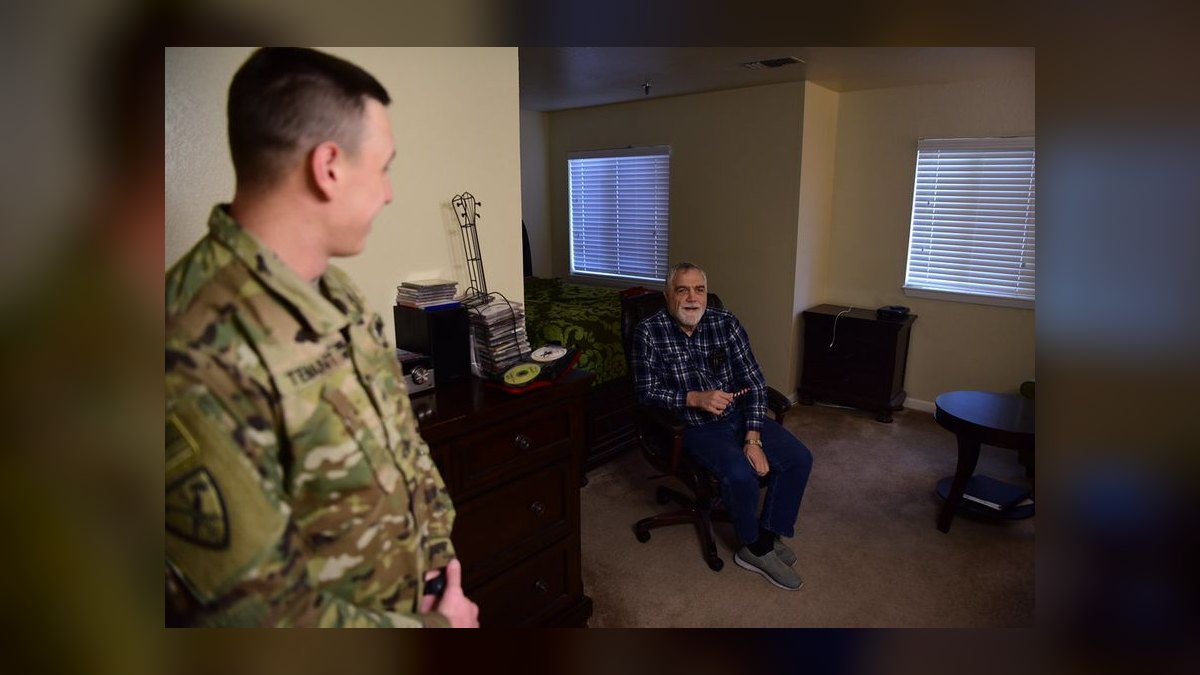
A 2027 GTM playbook for assisted living facilities is stage-dependent: pre-license operators sell trust, lease-up operators sell speed, and stabilized operators sell length of stay. Win referral relationships with hospital discharge planners and geriatric care managers before paying portal placement fees, price base-plus-care-levels, and defend occupancy above 89%.
What changes by company stage
The single most common mistake in small senior housing go-to-market is copying a stabilized operator's playbook while you are still in lease-up. The channels that fill a 92%-occupied twelve-bed home are not the channels that get you from zero to five residents, and the pricing discipline that protects margin at stabilization will keep you empty in month three. Treat the business as four distinct stages, each with its own dominant constraint.
Stage 0 — Pre-license and pre-opening. Your constraint is regulatory readiness, not demand. You are classifying your license type (Texas Type A vs Type B, California RCFE by bed band, Florida standard ALF vs Extended Congregate Care vs Limited Nursing Services), building physical-plant compliance, and writing a resident agreement with a healthcare attorney who practices in your state. GTM work at this stage is relationship pre-seeding: introduce yourself to the local long-term care ombudsman, walk the building with them for a pre-survey opinion, and start showing up at hospital social-work offices before you have a bed to sell. You are not asking for referrals yet — you are becoming a known face so that when you do ask, you are not a cold email.

Stage 1 — Lease-up (0 to roughly 70% occupancy). Your constraint is time. Every empty bed burns fixed cost against a payroll you already committed to, because you cannot run a licensed home with a half-staffed overnight shift. This is the only stage where paying a referral aggregator is defensible, and even then as overflow. Concessions belong here and only here: first month free is a closing tool that preserves your published rate, whereas a discounted monthly rate permanently resets the base you will try to escalate 5-7% next year.
Stage 2 — Fill-out (70% to stabilized 89%+). Your constraint shifts from volume to mix. At this point you can afford to be selective about acuity, and you should be, because a home that accepts four Level 4 residents into a four-caregiver staffing model is one call-out away from a citation. Selectivity is a GTM decision disguised as a clinical one.
Stage 3 — Stabilized. Your constraint is churn. With a national median assisted living length of stay in the low twenties of months and shortening, a stabilized twelve-bed home turns over roughly six residents a year just from natural attrition. Acquisition never stops; it just changes from a fill motion to a replacement motion, and the highest-leverage work moves from marketing to retention and back-end extension via hospice partnerships.

The parallel is closer to boutique hotel or specialty clinic economics than to SaaS. Fixed costs are enormous relative to marginal cost, revenue per unit is high, and the customer relationship is measured in months not clicks. That framing matters because it tells you where to spend: acquisition cost that would be insane at a $50/month subscription is trivially rational when the lifetime value of one filled bed is well over a hundred thousand dollars.
Stage-by-stage playbook
Here is the operational sequence, stage by stage, with the specific moves that actually change outcomes.

Stage 0 moves. Get the Google Business Profile created and verified the day your license is posted, not the day you open — verification can take weeks and you want the listing aging. Write the tour script before you need it; a tight, roughly twenty-minute tour that ends at the kitchen table consistently outperforms a wandering forty-five-minute walkthrough, because families decide on feeling and then rationalize with facts, and the feeling peaks early. Print a genuinely useful one-pager for discharge planners: license type, bed count, accepted acuity levels, what you can and cannot take (two-person transfers? insulin? behavioral?), your direct cell number, and typical time-to-admit. Discharge planners do not want a brochure. They want to know in ten seconds whether you can take the patient being discharged on Friday.
Stage 1 moves. Rank your channels by cost and intent, then work them in that order. Organic maps traffic from a well-maintained Google Business Profile is free and high-intent; families searching "assisted living near me" from a hospital parking lot are the best leads in the business. Post weekly — resident art, the garden, today's lunch, a holiday table — and answer the profile's Q&A section in the owner's own voice. Hospital and skilled-nursing discharge planners are the highest-intent, fastest-closing source; one printed one-pager per social-work office, one in-person walk-in per month, one small courtesy drop per quarter. Geriatric care managers, findable through the Aging Life Care Association directory, are paid directly by families and therefore expect no kickback — they expect a home that will not embarrass them. Getting onto the short list of four to six local geriatric care managers is worth several move-ins a year at zero acquisition cost.
Only after those three are running should you touch paid referral portals. The aggregators dominate senior-living lead-gen web traffic, and the standard placement fee is a large fraction of — or the entirety of — the first month's rent and care charges. On a $6,500 move-in that is a four-figure hit against a resident whose stay may be under two years. The fee is not inherently irrational; it is irrational as your foundation. If you use it, negotiate the percentage down (published rack rates are not final), ask for an exclusivity window on lead routing before the same inquiry fans out to a dozen communities, and track close rate by source every single month. If portal leads close at half the rate of discharge-planner leads at triple the cost, you are not running a marketing channel, you are running a subsidy.

Stage 2 moves. Build an acuity budget. Decide, in writing, how many heavy-care residents your staffing model supports — a two-person transfer resident consumes far more caregiver time than the rate adder suggests, and three of them on one overnight shift is a safety problem, not a revenue win. Start the quarterly care reassessment cadence now rather than at stabilization, because the habit is hard to install later and the revenue it captures compounds.
Stage 3 moves. Shift budget from acquisition to retention. Run a written ninety-day stabilization protocol on every move-in: owner-led welcome and room personalization in the first three days, an actual phone call to the family at day seven, a formal care-plan reassessment at day fourteen, an in-person family meeting with a photo recap at day thirty, and a clinical reassessment plus billing reconciliation between days sixty and ninety. The highest-risk window for a family pulling a resident is the first three months, and almost all of that risk is communication risk, not care risk. Then sign memoranda of understanding with two or three local hospice agencies so a resident approaching end of life can remain in your home with hospice covering the clinical layer while your caregivers continue activities-of-daily-living support. That is both the outcome families actually want and several additional months of revenue you would otherwise lose to a skilled nursing discharge.

Numbers that matter at each stage
Different stages need different dashboards. Tracking stabilized-operator metrics during lease-up produces panic; tracking lease-up metrics at stabilization produces complacency.
Pre-license and pre-opening. The numbers are all cost and calendar: days to license approval, build-out or conversion cost per bed, months of operating reserve on hand. The reserve number is the one that kills people. Lease-up on a small home realistically takes six to twelve months to reach stabilized occupancy, and you are carrying near-full staffing cost from the day you accept your first resident because licensure typically requires an awake overnight caregiver regardless of whether you have one resident or twelve. Model your reserve against the pessimistic fill curve, not the one in your pro forma.
Lease-up. Track inquiries per month, inquiry-to-tour conversion, tour-to-move-in conversion, and time-to-first-contact on every inquiry. That last one is the most actionable and the most neglected. Portal leads in particular are routed to many communities simultaneously; the community that calls back within minutes wins a disproportionate share, and the one that emails the next morning is competing for a family that has already toured somewhere else. Set a hard internal rule: every inquiry gets a live phone call attempt inside fifteen minutes during waking hours. Also track cost per move-in by source, fully loaded — portal fee, or the hours you spent on discharge-planner relationships valued at something realistic.

Fill-out. Now watch effective rate per occupied bed rather than base rate. Base rate is a marketing number; effective rate — base plus care-level adders, net of concessions — is the number that pays payroll. A home advertising a strong base rate while running an acuity mix concentrated at the lowest care level is quietly underperforming a home with a lower base and honest level assignment. Also start watching direct-care labor as a percentage of revenue, which is the master ratio of the whole business. When labor as a share of revenue drifts upward, one of three things is true: your occupancy slipped, your acuity climbed without a corresponding reassessment, or you are overtime-patching a staffing hole. Each has a different fix, and the ratio alone tells you to go look.
Stabilized. The dashboard becomes occupancy percentage, effective rate per occupied bed, direct-care labor as a percentage of revenue, trailing median length of stay, inquiry-to-move-in conversion, and trailing ninety-day caregiver turnover. Add move-out reason coding, which almost nobody does and which is worth more than any marketing analytic you own. Every departure gets categorized: transition to higher acuity, hospice or death in place, family pull for cost, family pull for dissatisfaction, or move to another community. Only two of those categories are defensible — the cost pull and the dissatisfaction pull — and if either is growing you have a fixable problem rather than a demographic one.

The rate-increase discipline. Build an annual base increase into every resident agreement and honor the notice period your state requires, which varies materially by jurisdiction. But the larger margin lever is honest care reassessment. Acuity climbs steadily in this population; a resident admitted needing medication administration and light assistance will often need transfer assistance and incontinence care within a year. Operators who reassess twice a year systematically under-bill relative to the care they are actually delivering, and then discover the gap only when caregiver hours blow past budget. Reassess at ninety days post-move-in and every ninety days thereafter, document with a recognized functional assessment instrument, and move the level when clinically justified. Do it transparently — show the family the assessment — and it reads as attentive care rather than an upcharge.
What not to meter. Resist the urge to itemize laundry, basic transportation to a weekly group outing, or a meal for a visiting daughter. Those charges are worth very little revenue and cost you the entire home-like positioning that justifies your premium in the first place. The moment a family sees a line item for a load of laundry, you are no longer the alternative to an institution — you are a small institution with worse economies of scale. Adjacent industries learned this the hard way; the resort fee is the most hated line item in hospitality for exactly this reason.
Labor cost realities. Direct-care wages have risen materially and continue to; turnover in personal-care roles remains high across the sector, and replacement cost per caregiver — recruiting, onboarding, orientation hours, and the overtime you pay covering the gap — runs into the thousands. At a home with four or five caregivers, a single turnover event is a meaningful share of annual profit. This is why paying modestly above local market, offering earned-wage-access options that many operators have adopted, and structuring six- and twelve-month retention bonuses usually costs less than replacing people. Run the arithmetic for your own market before assuming otherwise; the bonus is cheaper than the churn in most cases, and the quality of care that retains residents is downstream of the caregivers who stay.

Decision framework
When you are staring at a channel decision, an acuity decision, or a concession decision, the same question tree applies. Route it by stage and constraint rather than by instinct.
Three rules make the tree work in practice.

Rule one: never discount the published rate to close a lease-up tour. Give a month, give a moving credit, waive a community fee — but do not lower the rate, because the rate you sign is the base your annual escalation compounds from, and it is the number every future prospect's family will hear about from the family you discounted for. Concessions are one-time; rate cuts are permanent.
Rule two: staffing capacity is a hard constraint, not a soft one. A move-in that pushes your care load past what your team can safely deliver is negative revenue once you account for the citation risk, the caregiver who quits from the strain, and the family of a different resident who notices the slipping response time. In an eight-bed home, one unhappy family is twelve and a half percent of your census and roughly a hundred percent of your local word-of-mouth.
Rule three: measure every channel against discharge-planner leads, not against zero. The relevant comparison for a paid lead is not "is this better than nothing" but "is this better than the hour I could have spent at the hospital social-work office." Relationship channels have real cost — they cost owner time, which is the scarcest resource in a small operation — but they compound, and portal spend does not.

Adjacent applications. This framework generalizes to neighboring operator businesses with the same shape: residential care homes for adults with developmental disabilities, small memory care homes, adult day programs, and even high-touch home care agencies. All share the pattern of high fixed cost, licensed capacity limits, a referral-driven rather than advertising-driven demand curve, and a customer whose decision is made by a family member under time pressure. In every one of them, the discharge planner and the care manager outperform the search ad, the ninety-day window predicts the whole relationship, and the operator who codes churn reasons beats the operator who only watches the top of the funnel.
Where the model breaks. Two situations invalidate the stage framework. The first is heavy reliance on state Medicaid home-and-community-based services waiver census. Waiver reimbursement generally sits well below private-pay market rates, so a home whose waiver share climbs past roughly a third loses the margin that funds the differentiation — the food, the staffing ratio, the owner's time — that wins private-pay tours in the first place. Diversify deliberately or commit to a waiver-heavy model with a cost structure built for it, but do not drift into the middle. The second is owner burnout. A solo operator running seventy-hour weeks for a year and a half either sells at a discount or lets care quality slip, and both outcomes end the business. Budget for a house manager as an operating expense, not a luxury, and hire before you need one.
Related questions
How long should lease-up take for a new small assisted living home?
Plan for six to twelve months from first license-approved day to stabilized occupancy, and hold operating reserve against the pessimistic end. Near-full staffing cost starts with your first resident because awake overnight coverage is typically required regardless of census.
Are referral portals ever worth the placement fee?
Yes, as overflow during lease-up when your organic and relationship channels are already saturated. They are not a foundation. Negotiate the percentage, demand a lead-routing exclusivity window, and kill the channel if its close rate lags discharge-planner leads at multiples of the cost.
What is the single most predictive early metric?
Time-to-first-contact on every inquiry. Families shopping under discharge pressure choose the community that answers first far more often than the one that answers best. A fifteen-minute live-call rule outperforms most marketing spend.
How do you extend length of stay without taking clinical risk?
Sign hospice memoranda of understanding with two or three local agencies so residents can age in place with hospice covering the clinical layer. Pair that with a written ninety-day stabilization protocol that eliminates the communication failures behind most early family pulls.
Does this playbook work for memory care or residential care homes?
Largely yes. The referral-driven demand curve, licensed capacity ceiling, and ninety-day risk window are identical. Adjust the acuity budget and staffing ratios to your license class, and expect a shorter median stay at higher acuity.
FAQ
What occupancy does a small assisted living facility need to be profitable?
Most small operators target high-eighties percent occupancy or better as the practical floor. Below that, fixed costs — licensed staffing minimums, food service, insurance, debt service — consume the margin, because you cannot proportionally shrink an awake overnight shift when a bed sits empty. In a six-bed home, a single empty bed is over sixteen percent of capacity, which is why small homes feel occupancy swings far more violently than a hundred-unit community does.
Should I hire a salesperson or handle sales myself?
At sub-thirty beds, the owner is the salesperson, and that is an advantage rather than a compromise. Families choosing a small home are explicitly buying access to the person in charge; handing the tour to a hired closer erases the exact differentiator that justifies your rate. What you can and should delegate is the administrative half — inquiry logging, tour scheduling, follow-up sequencing — through inexpensive scheduling and CRM tooling, so your time goes to conversations rather than calendars.
How much should I budget for software?
Small operators do not need enterprise post-acute platforms built for large multi-site skilled nursing chains. A right-sized stack is an electronic medication administration record with care plans and assessments, a lightweight CRM or even a free-tier CRM plus a booking tool, payroll, and scheduling. Priced per resident per month, this is typically a low single-digit percentage of revenue. Get quotes for your bed count rather than trusting list pricing; small-home tiers are often negotiable and several vendors price per house rather than per resident.
What is the most common reason small operators fail?
Underpricing at lease-up, followed closely by owner burnout. Operators set the base rate low to fill fast, then discover they cannot escalate quickly enough to reach market without alarming families, so the home runs full and unprofitable for years. Open at market or slightly above and use time-limited concessions to close instead — a free first month costs you one month; a low base rate costs you every month.
How do I compete against large branded communities?
Do not compete on amenities, because you will lose — they have the theater, the salon, and the marketing budget. Compete on ratio and access: a handful of residents around one table, the owner who knows every family by name, response times measured in seconds because the caregiver is in the next room. Then make every operational choice reinforce that story, including what you refuse to charge for.
How should I handle the annual rate increase conversation?
Put the increase in the resident agreement at signing, honor your state's notice requirement, and separate it from care-level changes so families never see one bill that jumps for two unexplained reasons. Deliver care reassessments in person with the documented functional assessment in hand. Families accept increases tied to visible, explained care changes; they rebel against increases that arrive as an unexplained number on an invoice.
Sources
- National Center for Assisted Living — state assisted living regulatory review and licensure requirements. https://www.ahcancal.org/Assisted-Living
- NIC MAP Vision — senior housing occupancy and market data. https://www.nicmap.com
- Argentum — senior living workforce and operations research. https://www.argentum.org
- PHI — direct care workforce research on wages, turnover, and retention. https://www.phinational.org
- Aging Life Care Association — geriatric care manager directory and standards. https://www.aginglifecare.org
- McKnight's Senior Living — senior living industry news and operator reporting. https://www.mcknightsseniorliving.com
- Centers for Medicare & Medicaid Services — home and community-based services waiver program information. https://www.medicaid.gov/medicaid/home-community-based-services
- Texas Health and Human Services — assisted living facility licensure types and requirements. https://www.hhs.texas.gov
- California Department of Social Services, Community Care Licensing — residential care facilities for the elderly. https://www.cdss.ca.gov/inforesources/community-care-licensing
- Florida Agency for Health Care Administration — assisted living facility licensure. https://ahca.myflorida.com
Related on PULSE
- [GTM Playbook for Senior Living Communities in 2027](/knowledge/gp0337)
- [GTM Playbook for Self-Storage Facilities in 2027](/knowledge/gp0313)
- [How do you build a senior living operations software (PointClickCare) go-to-market motion in 2027?](/knowledge/gp0112)
- [GTM Playbook for Home Care Agencies in 2027](/knowledge/gp0339)
This page will be disappearing soon. Save it to your device for $1 — or read it free while it is here.
@Kory-White- · if Venmo asks, the last 4 of my number are 2012
This page is gone.
This one is off the shelf now. $1 keeps it on your phone for good — the whole page, pictures and diagrams included.
 gtm-playbookGTM Playbook for Mobile Car Wash Services in 2027
 gtm-playbookGTM Playbook for Media and Entertainment — The Complete Operator Guide in 2027
 gtm-playbookGTM Playbook for Residential Painters in 2027
 gtm-playbookPodcast Production Agency GTM Playbook 2027 — Video-Podcast Multi-Platform, Executive Thought-Leadership, and the $148M Wondery Operator Path
 gtm-playbookHow do you handle a channel partner that starts competing directly with your own product by white-labeling a rival offering in 2027?
 gtm-playbookWhat is the go-to-market playbook for founder-led sales in 2027?
 gtm-playbookHow do you build the GTM playbook for a commercial snow removal and grounds maintenance operator in 2027?
 gtm-playbookGTM Playbook for Hardware Stores in 2027
 gtm-playbookHow do you build a telehealth platforms (Teladoc / Amwell) go-to-market motion in 2027?
 gtm-playbookHow do you build a population health platforms (Arcadia / Innovaccer) go-to-market motion in 2027?