
GTM Playbook for Bridal Shops in 2027
 Curated byKory White · Fractional CRO · Maryland
 PULSEKNOWLEDGE LIBRARY
Quality
Certified
A bridal shop's 2027 GTM plan wins on segment focus, not volume. Pick one bride profile, book appointments at $45–$85 acquisition cost through Meta lead forms and organic TikTok, close 40–60% at a $2,400–$3,800 gown ticket, then harvest the wedding party — bridesmaids, mothers, alterations — to push lifetime revenue per bride above $3,500.
Segment and ICP first — the bride you are actually built for
Most failing bridal shops do not have a marketing problem. They have an ICP problem: they stock four price tiers, market to everyone within 60 miles, and end up losing the budget bride to online resale and the couture bride to the city boutique two hours away. The independent segment absorbed real share when David's Bridal shuttered a large portion of its fleet during the 2023–2024 restructuring, and that share stuck with locally-owned boutiques. But share only converts to profit when you know which bride you are converting.
Define the ICP on four axes before you spend a dollar on ads. Budget band — the honest ceiling your floor supports. If your core inventory sits between $1,900 and $3,499 wholesale-adjusted, your ICP bride has a $2,000–$3,500 gown budget and a total wedding budget roughly ten to fifteen times that. Timeline — a bride 9 to 14 months out buys off your floor with a special order; a bride under 5 months out needs off-the-rack, which is a completely different inventory posture and a completely different ad message. Party size — a bride with five bridesmaids and two mothers is worth two to three times a bride eloping with a witness, because the follow-on lines are where your margin lives. Decision style — the bride who arrives with a Pinterest board and four opinions needs a two-hour appointment and a consultant who can hold a room; the bride who screenshots one dress and books needs 45 minutes and a fast close.
Run this exercise against your own last twelve months of point-of-sale data rather than intuition. Pull every closed sale, tag it by band, timeline, party size, and total ancillary attach, then sort by total revenue per bride. The top quartile is your real ICP. In most independent shops that quartile looks strikingly consistent: a bride 10–13 months out, spending $2,400–$3,200 on the gown, with four to six bridesmaids, who also brings her mother in within 60 days. She is not the highest-ticket bride on your floor. She is the highest-total-revenue bride, and she is the one your entire Playbook should be tuned to.

The adjacent lesson borrows from other appointment-driven local retail. Med spas, custom framing, and high-end optical all learned the same thing: when the transaction is emotional and consultative, segmenting by *occasion and timeline* beats segmenting by demographics. A bridal shop that markets "engaged women 22–34" is using a demographic proxy. A shop that markets "getting married next fall and starting to shop now" is using the actual buying trigger, and the creative writes itself.
Deliberately name your anti-ICP too. If a bride's realistic budget is under $1,000, she is better served by resale platforms, and pretending otherwise burns a two-hour appointment slot that had a $2,800 alternative sitting on the waitlist. Build a referral path instead — a named local consignment shop or resale marketplace you point her toward — and you convert a loss into goodwill, reviews, and often her bridesmaids' business later. The same logic applies upstream: brides who need a gown in three weeks should be routed to your off-the-rack rack or politely referred, not sold a special order that will not arrive.
The appointment motion that fits a consultative, one-shot purchase
Bridal is a single-transaction, high-emotion, referral-heavy sale, which means the correct motion is a booked-appointment funnel with an aggressive post-sale expansion sequence — not a retail-traffic motion and not an outbound motion. Everything upstream exists to fill the appointment book; everything downstream exists to multiply one closed bride into three or four transactions.

The three channels that actually fill the book, in order of contribution:
Paid social lead capture. Meta lead ads across Instagram and Facebook remain the workhorse for booked appointments. The creative that performs is unglamorous: a carousel of four or five real gowns currently hanging on your floor, shot in your own store lighting, with a "book your try-on" lead form that asks three questions maximum — wedding date, budget band, party size. Those three fields are your qualification layer and they map directly to the ICP axes above. Owner-operators consistently land in the $45–$85 range per booked appointment when targeting a 30–40 mile radius, and the number degrades fast if you widen the radius chasing volume.
Organic short-form video. TikTok and Instagram Reels are the strongest unpaid channel and the most underused. Three to four posts weekly is the threshold where the algorithm starts working for you: first-reaction moments with signed consent, dress-of-the-day walkthroughs, before-and-after alteration reveals, and honest "what this silhouette does and does not do for different bodies" explainers. Shops running this cadence report a meaningful share of new appointment volume arriving with zero attributable ad spend — brides who mention "I saw your video" at check-in. Track that mention as a channel field in your booking form or you will never see it in the data.

Intent marketplaces. The Knot and WeddingWire listings capture search-driven brides at the bottom of the funnel. Both run on tiered monthly subscriptions in the low hundreds of dollars, and both are worth it *only* if your listing carries current gown photography, accurate price bands, and recent reviews. A stale listing on a paid tier is the single most common wasted line item in a bridal P&L.
The pre-appointment step is where most shops leak the most money and think it is a closing problem. A booked appointment that no-shows costs you the full acquisition cost with zero revenue, and bridal no-show rates are structurally high because the booking is often made on impulse weeks in advance. The fix is mechanical: an immediate confirmation text, a short style questionnaire 48 hours out, and a same-day reminder with parking instructions and a note on how many guests the room comfortably holds. Shops that install this sequence typically cut no-shows by a third or more, which improves effective cost per *held* appointment far more cheaply than any ad optimization.
The trunk show deserves its own line in the motion because it is the rare bridal tactic that is simultaneously acquisition, conversion, and inventory strategy. A two-day designer trunk show with a factory representative on site and a manufacturer-funded discount concentrates 35 to 60 appointments into a single weekend, converts at a higher rate than a normal Saturday because of the deadline, and hands you a warm list for mother-of-the-bride and bridesmaid follow-up. The designer pays for the rep. Your only real cost is staffing and the promotional push. Book two to four per year and treat the attendee list as an asset, not a receipt pile.

Unit economics and the benchmarks that actually matter
Bridal economics are deceptively simple at the transaction level and genuinely complex at the cohort level. The gown sale is what owners obsess over; the composite revenue per bride is what determines whether the shop survives a soft season.
Ticket and margin. The average independent gown ticket now sits in the $2,400–$3,800 range, materially higher than a few years ago for two compounding reasons. Tariff pressure on imported lace, beading, and finished gowns from Chinese and Vietnamese suppliers raised wholesale cost per gown, and the trend cycle pushed brides toward structured bodices, corsetry, and detachable overskirts that carry more construction cost. Gown gross margin typically lands in the mid-40s to mid-50s percent. That is a respectable retail margin and a mediocre business on its own.
Alterations are the margin engine. A standard alterations package — hem, bustle, side seams, cups — commonly runs a few hundred dollars, with complex work involving re-boning, lace re-application, or sleeve construction running considerably higher. Because the input is skilled labor rather than imported goods, alterations margin runs meaningfully above gown margin and is largely tariff-immune. Two operational moves matter here. First, bundle the baseline hem and bustle into the quoted gown price so the bride hears one all-in number; attach rate on alterations climbs sharply when it is not presented as a surprise second purchase. Second, price complex work separately and transparently, because that is where your seamstress hours actually go.

Cost per booked appointment and the conversion chain. The chain is: ad spend → booked appointment → held appointment → gown sale → ancillary attach. Instrument each step. If you are paying in the $45–$85 band per booked appointment, holding 80% of them, and closing 50% of held appointments, your effective customer acquisition cost per gown sale is roughly $110–$210 — against a ticket in the thousands. That ratio is comfortable, which is precisely why so many shops never bother to measure it and then cannot diagnose why a bad month happened.
Inventory turn is the constraint nobody watches. Bridal inventory is expensive, seasonal, and trend-exposed. Turn below roughly 1.4x annually is a warning light; the floor is aging faster than it sells. The discipline that fixes it is committing only a portion of your seasonal buy up front and reordering against actual sell-through, plus two scheduled sample sales a year that clear off-season and off-trend stock at a deep discount. A sample sale weekend can generate a full month of normal revenue while simultaneously freeing floor space and cash — and it brings in budget brides whose bridesmaids and mothers still buy at full price.

Non-gown revenue is the whole game. The strongest operators generate a large minority of annual revenue — commonly cited in the mid-30s to high-40s percent range — from something other than the bride's gown. The lines: bridesmaid dresses at a few hundred dollars each across four to seven wearers; mother-of-the-bride and mother-of-the-groom gowns, often two purchases per wedding; flower girl dresses; accessories attaching at roughly a third to half of brides at a meaningful average add-on; and alterations-only walk-ins from prom, quinceañera, and brides who bought their gown elsewhere. That last line is pure margin with no inventory carry, and it is the most reliable way to keep seamstresses productive in slow gown months.
The metric to run the business on. Replace "average gown sale" with lifetime revenue per closed bride — gown plus alterations plus accessories plus every wedding-party purchase traced back to her. Top-performing independents push this into the $3,500–$5,400 range. Once that is your north star, the whole Playbook reorders itself: you stop optimizing the gown close and start optimizing the expansion sequence, which is cheaper, faster, and does not require a single additional ad dollar.
Payment friction is an economics lever, not a finance detail. Buy-now-pay-later has become table stakes for gowns over roughly $2,000, and a large share of brides now expect a pay-in-four or installment option at checkout. David's Bridal formalized this with a Sezzle partnership, and independents followed with the major installment providers. If you already run a mainstream point-of-sale system, using its native installment product is usually the cleanest integration; if you refuse to offer any option, you lose those sales to the shop that does, and you rarely find out why.
Common misfires and how each one actually kills a shop
Overbuying the market. An owner returns from a seasonal buying market having committed a large six-figure wholesale order, the silhouette trend pivots, and half the floor is stale within six months. This is the most common single cause of bridal insolvency, and it is entirely self-inflicted. The counter is buy discipline: commit roughly a third of your seasonal budget up front, hold the rest for reorder against proven sell-through, and never buy a full size run of an unproven designer.
Underpaying consultants. A strong consultant converts at a dramatically higher rate than a mediocre one — the gap between roughly 55–65% and 28–35% is not a coaching gap, it is a talent-and-incentive gap. Across thirty weekly appointments at a $2,800 ticket, that spread is tens of thousands of dollars in monthly revenue. Market compensation now runs a competitive hourly base plus commission on gowns and a higher commission rate on alterations. Pay below market and you will churn your closer annually, usually to the shop across town, and your close rate will collapse the quarter she leaves. Also avoid single-threading: staff a senior and a junior consultant on every Saturday so no one departure can crater the book.
Hire for warmth over retail résumé. The consultants who excel most often come from hairstyling, dental hygiene, real estate, and event coordination — roles that train emotional read and patience. Department-store sales muscle memory frequently fights the slow, intimate, two-hour bridal appointment. Ramp a new hire deliberately: shadowing in week one, co-pitching in week two, solo weekday appointments in week three, full Saturdays in week four, with a weekly review. Expect roughly four months to reach senior-level close rates.
Single-threading alterations. A shop takes forty gowns into the spring peak with one in-house seamstress capable of a fraction of that monthly. Brides face a six-week wait, reviews turn, and referrals — the cheapest channel you have — dry up. Any shop closing more than roughly 180 brides a year needs two seamstresses plus a contract seamstress you can activate within days during the March-through-June crunch. Alterations capacity is a hard physical constraint on revenue; treat it like manufacturing capacity, because that is what it is.
Fighting online resale instead of routing around it. Resale marketplaces have taken a real slice of gown volume and will keep it. Fighting on price is unwinnable. The productive move is a referral relationship with a local consignment operation so the budget bride still enters your orbit — and still brings you her bridesmaids and her alterations.
Absorbing the full cost increase. Tariff-driven wholesale increases did not come with matching increases in bride budgets. Absorbing all of it silently destroys margin; passing all of it through prices you out of your band. The workable split is passing through the majority of the increase on gown retail while using alterations bundling as the shock absorber, since that line carries the higher margin and is not import-exposed.
Measuring the wrong thing. Shops that track only monthly gown revenue cannot see a broken appointment funnel, a slipping attach rate, or an aging floor until the quarter is already lost. Every misfire above shows up as an early signal in a specific metric — cost per booked appointment, no-show rate, close rate by consultant, inventory turn by designer, alterations attach, revenue per closed bride — weeks before it shows up in the bank balance.
Operating model, tech stack, and the weekly cadence
Keep the stack small. Bridal has one genuinely category-specific system, and everything else is standard small-business software.
The core is a bridal-specific point-of-sale and inventory platform — BridalLive is the category leader, with tiers running from roughly $129/month for a single user up to the high hundreds for unlimited seats. It handles gown sales, special orders, layaway, designer SKU sync, and the alterations workflow as a first-class object rather than a bolt-on. Around it: a mainstream payments and scheduling layer for walk-ins and card processing; an email-and-SMS automation tool in the tens-to-low-hundreds per month for the post-sale sequence; free-tier Meta Business Suite and TikTok Business for advertising and organic; your marketplace listings; standard cloud bookkeeping; and payroll software that can track commission cleanly, because manual commission math is where consultant trust goes to die.
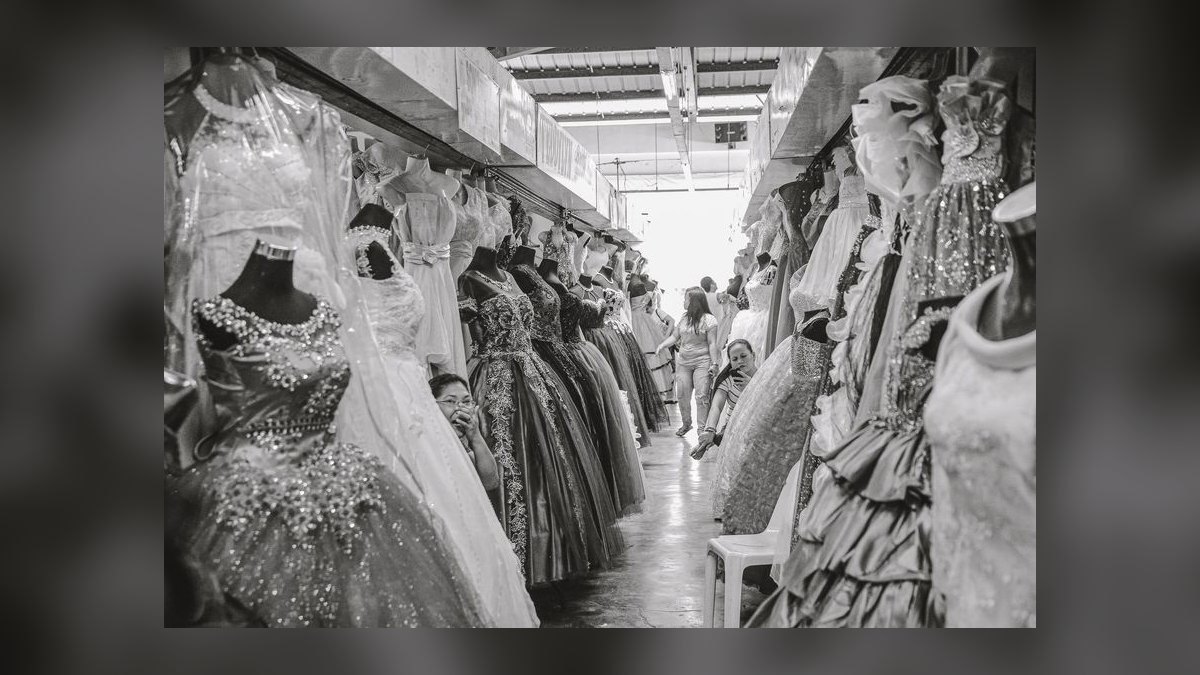
The post-sale expansion sequence is the highest-ROI automation in the entire business, and it is six to eight emails plus a few text messages. Day zero: receipt and an appointment-photo recap. Roughly a week later: the bridesmaid invitation with a credit toward her alterations for any party member who books. Around thirty days: an alterations milestone note. Around sixty days: the mother-of-the-bride and mother-of-the-groom invitation. Ninety days: first fitting confirmation. Two weeks after the wedding: a review request and a preservation-or-cleaning referral. Built once, it runs forever and adds several hundred dollars of ancillary revenue per closed bride.
Sequence the first ninety days rather than attempting everything at once. Days 0–30, diagnose: pull twelve months of reports on close rate per consultant, inventory turn per designer, alterations attach, and average ticket. Identify your dead-inventory designers and the one consultant you cannot afford to lose. Launch a modest paid test with three or four creative variants and measure cost per booked appointment weekly. Days 31–60, install: turn on the post-sale referral and wedding-party sequences, book a trunk show for the following quarter, get short-form posting to three or four per week, refresh marketplace photography, and mark down the bottom slice of the floor. Days 61–90, compound: restructure consultant compensation to market with meaningful alterations commission, add seamstress capacity if spring fittings are trending past your monthly throughput, lock the sample-sale calendar twelve months out, and make lifetime revenue per closed bride the number you report on.
One broader note on operating posture. The mechanics above generalize across appointment-based specialty retail — custom suiting, high-end optical, tattoo studios, luxury flooring showrooms. The pattern is identical: a booked-appointment funnel with a qualification form, a consultative in-person close, a services line carrying higher margin than the goods line, and an expansion sequence that turns one buyer into a household or a group. If you ever expand into formalwear rental, tuxedo sales, or prom, you are reusing this same operating model with a different inventory posture and a compressed timeline — which is exactly why so many bridal shops add those lines rather than opening a second bridal location.
Related questions
How many appointments per week does a single-location bridal shop need?
Work backward from revenue. At a 50% close rate and a $2,800 gown ticket plus ancillary, roughly 25–30 held appointments weekly supports a healthy single-location shop. Below 15, your fixed costs and consultant hours are underutilized and your acquisition spend is too low.
Should a bridal shop stock all price tiers?
No. Anchor 55–65% of the floor in your core band, keep a small entry-tier presence so you have a price answer, and hold a modest premium tier if your market supports it. Stocking every tier equally means competing everywhere and winning nowhere.
Is paid advertising or organic video more important?
Both, differently. Paid lead ads give you predictable, measurable appointment volume you can scale weekly. Organic short-form video builds the trust that makes those ads convert cheaper over time. Run paid for volume and organic for cost efficiency — dropping either raises the price of the other.
How do you handle a bride whose budget is below your floor?
Refer her out cleanly to a local consignment or resale option. You preserve the appointment slot, earn goodwill and a likely review, and frequently keep her bridesmaids, her mother, and her alterations work — which is where your margin lived anyway.
What is the fastest revenue lever in an existing shop?
The post-sale wedding-party sequence. It requires no new ad spend, no new inventory, and no new hires — just automated email and SMS pointed at brides you have already closed, inviting bridesmaids and mothers into appointments.
FAQ
What should a bridal shop budget for customer acquisition?
Plan on $45–$85 per booked appointment through paid social, which for a single-location shop typically means a monthly ad budget in the low four figures depending on local competition and season. Measure cost per *held* appointment rather than per booking, since no-shows are the larger leak.
What is a realistic appointment-to-sale close rate?
A healthy boutique converts 40–60% of held appointments into gown sales. Below 40% usually points to weak lead qualification or consultant training rather than pricing. Consistently above 60% can mean your floor is priced under its market and you are leaving ticket on the table.
How much did tariffs change gown pricing?
Tariff pressure on imported lace, beading, and finished gowns from Chinese and Vietnamese suppliers raised wholesale cost per gown noticeably, and most independents passed the majority of it through to retail while absorbing the remainder. The practical result is a higher average ticket than a few years ago, without a matching increase in bride budgets.
What tech does an independent bridal shop actually need?
A bridal-specific point-of-sale and inventory platform such as BridalLive, a mainstream payments and appointment layer, an email/SMS automation tool for the post-sale sequence, free advertising consoles from Meta and TikTok, marketplace listings, and standard cloud bookkeeping and payroll. Nothing more until you have a second location.
How do you build recurring revenue in a one-time-purchase business?
Stop treating the bride as the transaction and treat the wedding as the account. Bridesmaids, both mothers, flower girls, accessories, and alterations-only walk-ins together commonly account for a large minority of annual revenue, and they arrive through an automated sequence rather than new acquisition spend.
What is the most common fatal mistake?
Overbuying at market without reorder discipline, followed closely by single-threading alterations capacity. The first freezes your cash in inventory that the trend cycle has already passed; the second caps your revenue at one seamstress's monthly throughput and destroys the review flow that feeds referrals.
Sources
- IBISWorld — Bridal Stores in the US industry report
- WWD — Bridal manufacturers face tariffs and rising prices
- BridalLive — official pricing and feature tiers
- Capterra — BridalLive pricing and user reviews
- Meta for Business — lead ads documentation
- The Knot Pro — vendor advertising and storefronts
- Allure Bridals — become a retailer program
- Square — installments and buy-now-pay-later for sellers
- Stillwhite — pre-owned wedding dress marketplace
- SBA — market research and competitive analysis guidance
Related on PULSE
This page will be disappearing soon. Save it to your device for $1 — or read it free while it is here.
@Kory-White- · if Venmo asks, the last 4 of my number are 2012
This page is gone.
This one is off the shelf now. $1 keeps it on your phone for good — the whole page, pictures and diagrams included.
 gtm-playbookWhat does a full GTM playbook cost to build with an agency in 2027?
 pulse-recentWhat are the top 10 concrete steps to execute a pricex tier rollout for a B2B SaaS in 2027?
 pulse-recentWhat go-to-market playbook works best for Events & Venues in 2027?
 pulse-recentWhat are the concrete steps to onboard and certify a new channel partner before they start selling in 2027?
 pulse-recentWhat go-to-market playbook works best for Security & Fire Systems in 2027?
 gtm-playbookWhat is the ideal SDR-to-AE ratio for a physical therapy software company in 2027?
 pulse-recentWhat go-to-market playbook works best for Sports & Entertainment in 2027?
 pulse-recentWhat margin should you offer a reseller partner versus a referral-only partner in 2027?
 gtm-playbookWhat is the optimal SDR-to-AE ratio for a product-led growth motion targeting SMBs in 2027?
 pulse-recentWhat margin percentage do you offer channel resellers to keep them motivated in 2027?