 Pulse Reviews and Analysis
Account-based marketing (ABM) GTM playbook for enterprise in 2027
 Curated by Kory White · Fractional CRO, CRO Syndicate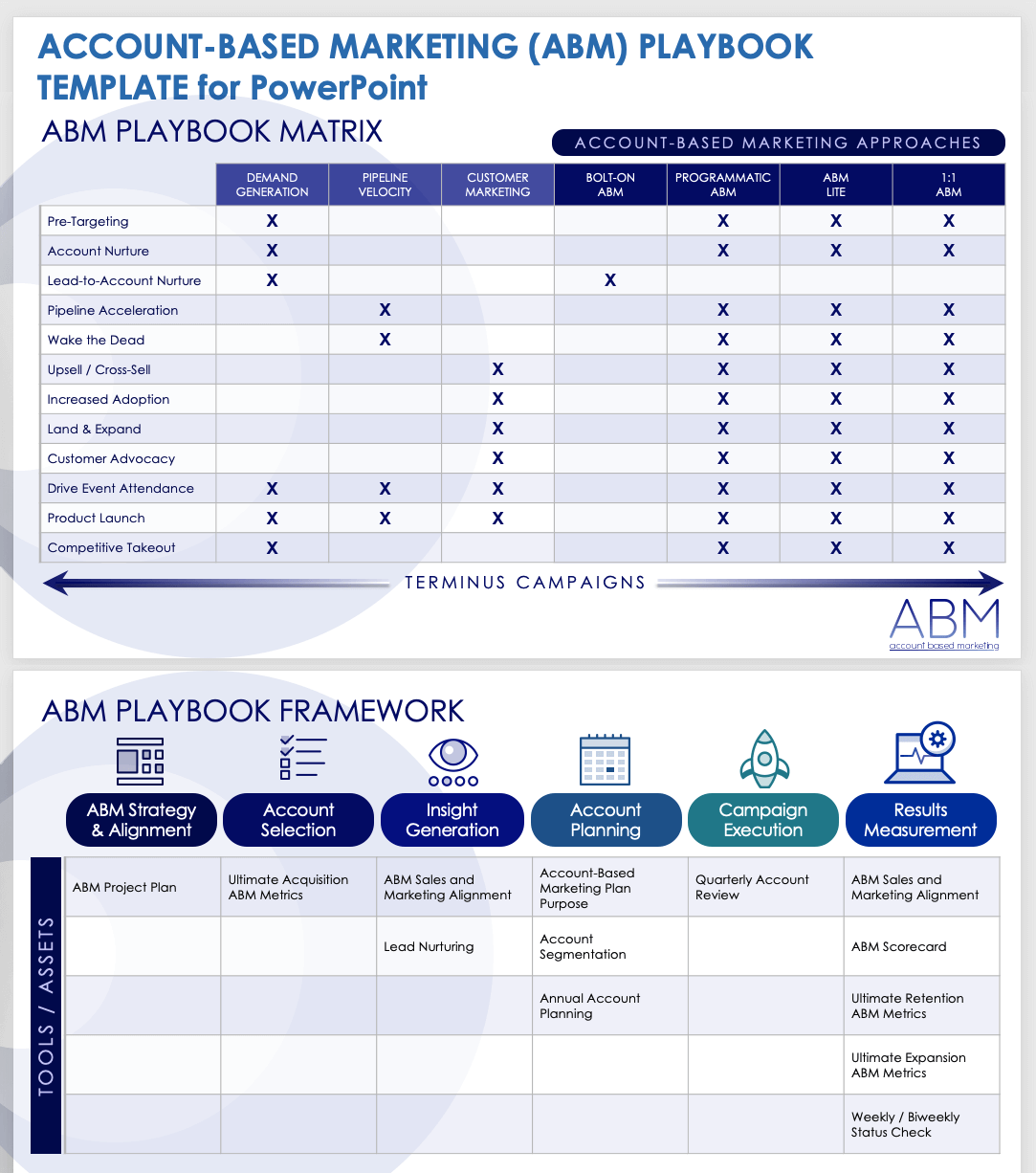
Direct Answer
An account-based marketing (ABM) GTM playbook for enterprise focuses sales and marketing on a defined list of high-value target accounts and treats each account as a market of one. Instead of generating broad leads and hoping some fit, ABM selects the accounts most worth winning, maps the buying committee inside each, and orchestrates personalized, multi-channel engagement across marketing and sales toward those specific accounts.
The motion fits enterprise because deals involve many stakeholders, long cycles, and large contract values where concentrated, coordinated effort pays off. In 2027 it is operationalized with intent and ABM platforms like 6sense and Demandbase, account mapping and orchestration in Salesforce and HubSpot, and tight SDR-to-AE alignment.
Success is measured by target-account engagement, pipeline and win rate within the named list, average contract value, and account penetration, not by raw lead volume.
Why Enterprise Demands ABM
Enterprise buying is committee-driven: economic buyers, champions, technical evaluators, security, procurement, and end users all weigh in. A single inbound lead rarely represents the deal. ABM accepts this reality by targeting the whole account and its buying committee rather than an individual, and by aligning marketing spend with the accounts sales actually wants to close.
The result is fewer, better-fit opportunities with larger contract values and higher win rates than a volume-lead approach.
ABM also fixes a chronic enterprise problem — marketing generating leads sales ignores. When both teams commit to the same named account list, the wasteful handoff of low-fit leads disappears.
Build the Target Account List
ABM starts with the right list, not the right campaign. Build it from:
- Ideal Customer Profile (ICP) — firmographics (industry, size, tech stack) of accounts most likely to buy and succeed.
- Intent data — accounts researching your category now, surfaced by 6sense, Demandbase, or Bombora.
- Sales input — accounts reps already know are in-territory and winnable.
- Tiering — segment into 1:1 (highest-value, fully bespoke), 1:few (clustered by similarity), and 1:many (programmatic, scaled personalization).
Tiering matters because true one-to-one effort is expensive; reserve it for the handful of accounts that justify it.
Map the Buying Committee
For each target account, identify the people who shape the decision:
- Economic buyer — controls budget and final approval.
- Champion — internal advocate who sells on your behalf.
- Technical evaluator — validates fit and integration.
- End users — feel the pain and influence adoption.
- Procurement and security — gatekeepers on contract and risk.
Tailor messaging to each role's priorities. The CFO cares about ROI and risk; the practitioner cares about workflow and time saved. ABM coordinates these messages so the account hears a coherent, role-relevant story from every touch.
Orchestrate Multi-Channel Engagement
ABM engages each account across coordinated channels rather than isolated campaigns:
- Targeted advertising — account-targeted display and social via 6sense or Demandbase.
- Personalized content and landing pages — assets that name the account's industry or specific challenge.
- SDR and AE outreach — synchronized with marketing touches so timing reinforces rather than collides.
- Direct mail and gifting — high-touch for 1:1 tier accounts.
- Field events and executive engagement — for the highest-value targets.
The orchestration — marketing warming the account while sales engages the committee — is what distinguishes ABM from disconnected demand gen.
Align Sales and Marketing on Shared Goals
ABM only works when sales and marketing operate as one team with shared targets and shared metrics. Establish:
- A jointly agreed target account list.
- Service-level agreements on follow-up and engagement.
- Shared dashboards for account engagement and pipeline.
- Regular account reviews where both teams plan the next plays.
Without this alignment, ABM degrades into marketing running account-themed ads that sales never acts on.
Metrics for the Motion
Grade enterprise ABM on:
- Target-account engagement — depth and breadth of activity within named accounts.
- Pipeline from target accounts — opportunities created inside the list.
- Win rate within the list vs. Non-ABM deals.
- Average contract value — ABM should raise deal size.
- Account penetration — number of committee members engaged per account.
FAQ
What is account-based marketing? ABM is a GTM strategy that concentrates marketing and sales on a defined list of high-value target accounts, treating each as a market of one and engaging its full buying committee rather than generating broad, undifferentiated leads.
Why is ABM suited to enterprise? Enterprise deals involve large buying committees, long cycles, and high contract values, so concentrated, coordinated effort on the right accounts produces better win rates and larger deals than chasing volume.
What are ABM tiers? 1:1 ABM is fully bespoke for the highest-value accounts, 1:few clusters similar accounts for shared personalization, and 1:many applies scaled, programmatic personalization across a broader list.
Which tools power ABM? Intent and orchestration platforms like 6sense and Demandbase, intent data from Bombora, and CRM such as Salesforce or HubSpot to map accounts, coordinate outreach, and track engagement and pipeline.
Why must sales and marketing align for ABM? Because ABM depends on both teams pursuing the same named accounts with synchronized touches; without a shared list, shared metrics, and SLAs, ABM collapses into ads sales never acts on.
Related on PULSE
- Sales-led top-down enterprise GTM motion in 2027
- Enterprise RFP and procurement-led GTM playbook in 2027
- Event-led and field-marketing GTM playbook in 2027