
Top 10 Sales KPIs for Stormwater Management & Detention System Contracting in 2027
 Curated byKory White · Fractional CRO · Maryland
 PULSEKNOWLEDGE LIBRARY
Quality
Certified

The key sales KPIs for Stormwater Management and Detention System Contracting in 2027 are bid-to-win rate by segment, backlog-to-revenue ratio, gross margin by product line, DSO, crew productivity, sales-cycle length, repeat-customer revenue, LID and subsurface detention attach rate, and permit-compliance throughput. Track each metric weekly and tie compensation to specialty margin mix.
The outcome you should expect
Run these nine numbers with discipline for two to three quarters and the outcome is predictable: a blended bid-to-win rate that settles into the high-20s to low-30s percent, a backlog that covers six to nine months of crew capacity, and a blended gross margin that holds north of 30 percent because your reps stop defaulting to commodity pipe. That is the shape of a healthy Stormwater Management and Detention Contracting book in 2027 — not a lucky quarter, but a repeatable operating rhythm you can forecast a year out.
The reason the outcome is so measurable is that this industry is unusually deterministic on the demand side. Federal NPDES, MS4 post-construction rules, and state-delegated stormwater programs cover 100 percent of US municipalities of meaningful size, and post-construction controls are mandatory on most commercial sites over one acre of disturbed area. Demand does not evaporate in a soft commercial quarter the way it does for a general contractor; it tracks regulatory calendars and infrastructure appropriations. The IIJA and IRA push roughly $1.5T of infrastructure spend, and even a conservative 1–3 percent stormwater attach implies $15–40B pulled through the category over the decade. When your top-of-funnel is regulatory rather than cyclical, KPI targets become genuinely hittable instead of aspirational, and a well-instrumented sales team can commit to a number in January and hit it in December.
The second thing you should expect is that revenue is gated by physics, not just by selling. A crew installs 200–450 linear feet of pipe per day and 8–25 subsurface chambers per day, and no quota-crushing sales quarter changes those rates. So the outcome of good KPI discipline is not "sell more" — it is "sell the right mix at the right pace so the crew, the working-capital cycle, and the permit pipeline all clear together." Operators who get this right run 6–12 percent operating margins at maturity and retain 78–90 percent of their top-25 accounts year over year. Operators who chase topline in isolation book work they cannot install, blow out DSO, and burn the repeat relationships that actually compound. The KPI set exists to keep sales, operations, and compliance pointed at the same number, and to make trade-offs explicit instead of accidental.

What drives that outcome
Four structural mechanics drive every KPI target on this list, and if you do not understand them the metrics look arbitrary rather than causal.
The engineer specifies you before the GC ever prices the job. Civil firms — Tetra Tech, AECOM, Stantec, HDR, Jacobs, Black & Veatch, WSP — draw the detention chamber, the HDPE diameter, and the bioretention media into the construction documents six to eighteen months before an RFP is issued, using HydroCAD, EPA SWMM, and AutoCAD Civil 3D. If your product is in that civil set you are bidding from a position of strength; if it is not, you are submitting a value-engineered substitution the engineer of record has to re-stamp, on their liability, under schedule pressure. This is why "spec attach rate" is the leading indicator behind bid-to-win, and why sales resources belong in front of regional engineering leads, not just GCs. A spec win locks the design months before your competitor even sees the opportunity.
Regulation is the demand engine, not the friction. EPA's NPDES Construction General Permit, Industrial General Permit, and MS4 program touch 20,000+ communities. FEMA is tightening design-storm criteria toward more severe events in high-risk coastal jurisdictions, and many states are moving from the old TR-55 curve-number assumptions toward continuous-simulation and higher first-flush volumes. Every tightening of the rules expands your addressable scope — a larger required water-quality volume means larger chambers, more treatment units, and higher-margin specialty scope — which is why permit throughput belongs on the sales scorecard rather than buried in the back office.
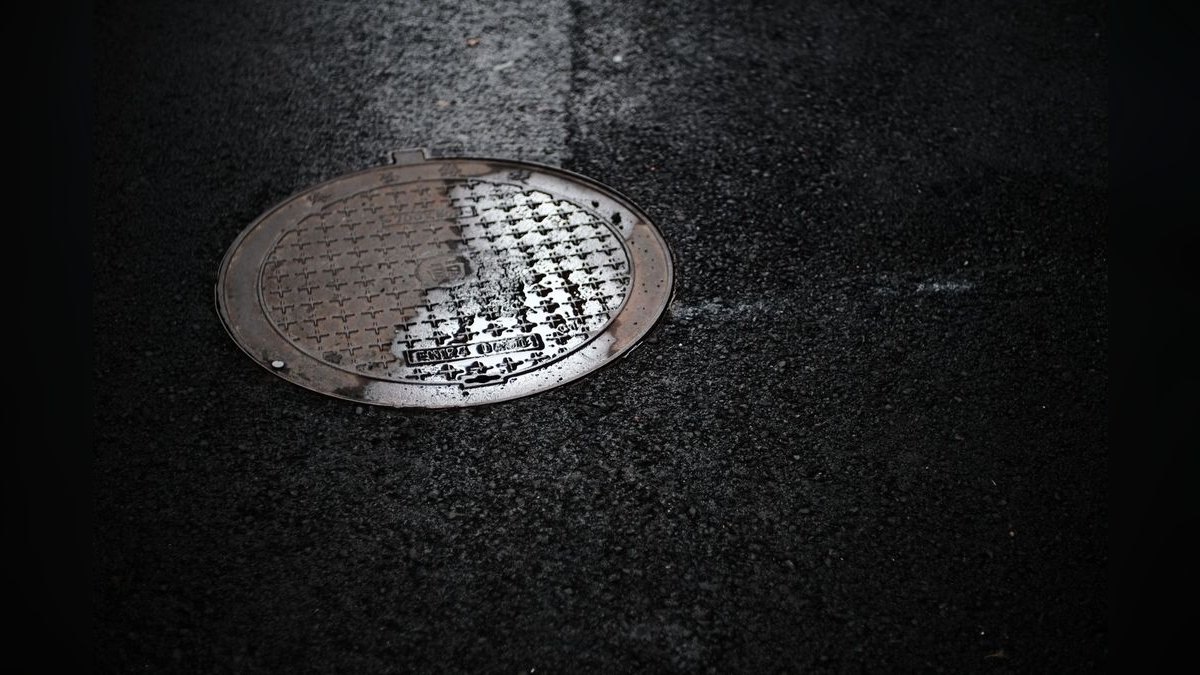
Project capex is bimodal. A two-acre commercial site carries $25K–$650K of stormwater scope on a 4–12 week cycle; a DOT interchange or municipal CSO-separation project runs $1M–$15M+ on a 6–18 month cycle. The buying committee, the win rate, the payment terms, and the cash profile of those two are almost nothing alike. Blend them into one pipeline view and your forecast accuracy collapses, because one delayed mega-award reads as a company-wide win-rate crash. Segment by buyer type or lose the plot entirely.
Labor and equipment math is unforgiving. Each heavy install crew is $850K–$2.5M of capex plus 6–12 operators, and skilled excavator and pipe-layer labor is the binding constraint in most markets in 2027. Crew productivity is the true rate-limiter on revenue recognition, which is why it is a daily metric and why sales cannot book past a defined backlog ceiling without operations sign-off. A rep who "wins" work the crew physically cannot install in-season has not created revenue — they have created liquidated-damage exposure.
Benchmarks and realistic ranges
These are the numbers to instrument, with the ranges a mature operator actually holds.
Bid-to-win rate by segment. Wins divided by submitted bids, split four ways: 22–38 percent small commercial, 18–28 percent DOT/state, 25–35 percent municipal CIP, 15–25 percent private mega-project. A blended rate under 20 percent means you are bidding undifferentiated work or your spec attach rate is too low; over 45 percent means you are only chasing pre-wired jobs and leaving margin on the table. Advanced Drainage Systems (NYSE: WMS, ~$3B revenue) and Contech (~$1B) sustain a blended ~30 percent by pairing strong spec position with disciplined go/no-go gates, and they measure it as a first-class metric, not an afterthought.

Backlog-to-revenue ratio. Signed backlog over trailing-12-month revenue; healthy is 0.8–1.5x. Under 0.6x is a pipeline emergency; over 1.8x means you are overbooking crews and DSO will blow out as jobs stall waiting for capacity. Public heavy-civil installers like Granite Construction (NYSE: GVA) publish backlog and manage crew hiring against a 1.0–1.3x target. The ratio is also your hiring signal: sustained readings above target justify a new crew's $850K–$2.5M capex; readings below it say stop bidding low just to fill trucks.
Gross margin by product line. Contracting/install 22–32 percent; materials/precast (ADS, Forterra, Oldcastle) 28–38 percent; bid-low commodity pipe 18–25 percent; specialty treatment, LID, and subsurface detention 35–50 percent. A blended figure north of 30 percent requires real specialty mix. Operating margin at maturity lands at 6–12 percent, achievable only by shedding sub-18-percent commodity work — which is precisely why margin-by-line, not blended margin, is the number you review monthly. Blended margin hides the drift; line-level margin exposes it while you can still act.
DSO and working-capital cycle. 50–75 days on private GC/owner billing, stretching to 75–110 days on municipal and DOT pay-applications, where retainage of 5–10 percent can sit until final acceptance. A contractor at 65-day DSO, 25-day inventory, and 35-day payables carries a ~55-day cash-conversion cycle, meaning every $10M of growth consumes roughly $1.5M of working capital. Track DSO weekly by buyer type, because a book that tilts toward municipal work is a book that needs a bigger revolver — and that is a Management decision, not a collections problem.
Crew productivity. 200–450 LF/day of HDPE or RCP pipe, 8–25 StormTech/Cultec chambers/day on subsurface detention, 150–400 sq ft/day on bioretention. Track a rolling 4-week average from HCSS HeavyJob or Procore logs; two weeks below benchmark signals a crew-composition problem, a bad site-condition assumption in the estimate, or dewatering trouble. This is the one metric that caps every other number on the page.

Sales-cycle length. 4–12 weeks commercial, 6–18 months DOT, 4–12 months municipal CIP, 9–24 months private mega. Track median and 75th percentile separately; a creeping cycle is an early warning of either industry-wide procurement delay or a you-specific proposal problem, and only the split reveals which.
Repeat-customer revenue and attach rates. Mature operators draw 60–80 percent of revenue from repeat GC and owner relationships, with 78–90 percent top-25 retention and $1M–$25M lifetime value on a national account. LID attach on new commercial runs 35–65 percent, subsurface detention attach 65–85 percent on urban infill. Permit throughput targets: 90 percent-plus first-pass approval and under 30 days median time-to-issue. Rep quota realism: $2.5M–$4M for contracting reps, $5M–$7M for materials/specialty reps.
Risks, edge cases, and failure modes
Bidding without spec position. Responding to an RFP where a competitor's chamber is named in the civil set means you either lose at an 18-percent win rate or win on a price concession that craters gross margin. The fix is to treat spec attach as a leading metric, invest in design assistance with regional engineering offices, and gate which RFPs you pursue on whether your product is in the construction documents. This is the single highest-leverage discipline in Stormwater Contracting sales, and the cheapest — a lunch with an engineer 12 months out beats a price war 12 weeks out.
Crew-capacity blindness. Sales books $40M of backlog against crews that can physically install $28M in-season. The result is schedule slippage, liquidated damages, overtime penalties, and burned repeat relationships that took years to build. The fix is a weekly joint sales-operations reforecast against crew-productivity actuals and a hard rule that sales cannot exceed a defined backlog-to-revenue ceiling (say 1.4x) without operations sign-off and a funded crew-expansion plan. Growth you cannot install is not growth; it is deferred liability.
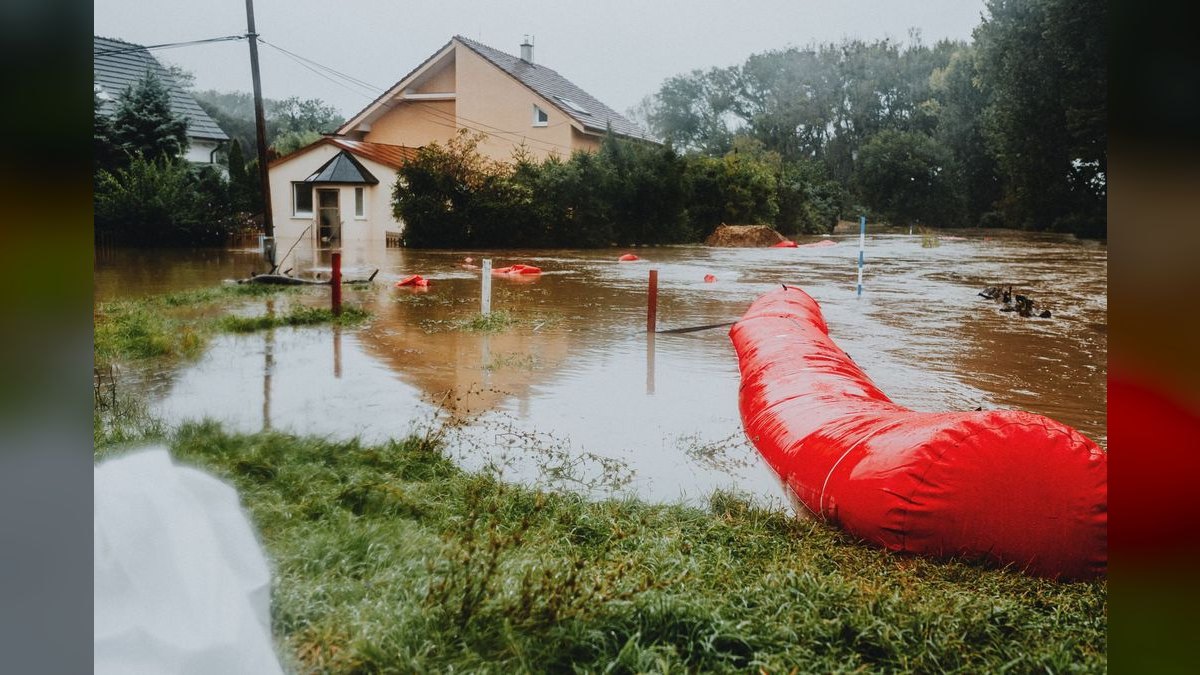
Ignoring permit throughput. Treating NPDES, MS4, and state environmental permits as the customer's problem is how you get fired, because permit delay is the number-one reason a job slips into the next fiscal year and the engineer of record blames the contractor. The fix is a dedicated compliance lead reporting into sales/operations who owns submittal quality, first-pass approval rate, and median days-to-issue across EPA NPDES eReport and state portals. A stalled permit freezes revenue recognition just as surely as a missing crew.
Commodity drift on margin mix. When the salesforce defaults to volume, blended gross margin quietly erodes from 30 to 22 percent over 24 months and nobody can point to when it happened. The fix is a comp plan that rewards LID, subsurface, and specialty attach rate, plus monthly margin-by-line reviews and a quarterly mix scorecard reviewed at the executive level. Comp drives behavior; if you pay on revenue you get commodity revenue.
Edge cases worth flagging. Mega-projects over $50M distort every ratio — carve them into a separate pipeline view so a single delayed award does not read as a company-wide collapse in win rate. Delegated versus non-delegated states change permit timelines materially; a metric target that works in one jurisdiction can be unrealistic in another, so benchmark permit throughput per state, not nationally. And back-loaded IIJA spend means a territory built purely on current-year lettings can miss 30–40 percent of demand that lands in 2027–2029, so a soft current-year pipeline is not proof of a soft territory — check the five-year letting calendar before you cut coverage.

A practical rollout plan
Stand this up in three phases. Do not try to change behavior before you can measure it.
Days 1–30 — instrument the nine metrics. Build dashboards in Salesforce or Deltek Vision, with financials from Sage 300 CRE or Viewpoint Vista, for bid-to-win by segment, backlog-to-revenue, gross margin by line, DSO by buyer type, crew productivity (HCSS HeavyJob pull), sales-cycle length, repeat-customer percentage, LID/subsurface attach rate, and permit throughput. Interview your top-five civil engineering partners on how they perceive your spec position — that qualitative read anchors your spec-attach baseline before you have clean data. Pull 18 months of EPA NPDES eReport and state-portal history. Document the baseline; change nothing yet, because a comp change without a baseline is a change you cannot evaluate.
Days 31–60 — pilot the comp and gating changes. Implement a hard go/no-go gate on RFPs where you are not the specified product. Roll out, in one region, a comp adjustment that rewards specialty and detention attach rate, targeting +10 percentage points within 90 days. Launch the weekly joint sales-operations reforecast anchored on backlog-to-revenue and crew actuals. Designate a compliance lead with a sales reporting line and defined KPIs so permit throughput has a single owner. Begin quarterly engineering lunches in your top-five metros to seed next year's spec attach.
Days 61–90 — scale, kill, double down. Scale the comp pilot nationally if attach rate moved more than 5 points and margin held. Kill the bottom-quintile commodity work dragging blended margin under 25 percent. Double down on the top-25 accounts driving 60–80 percent of revenue with executive QBRs and named-account plans. Publish the first quarterly mix scorecard to the board, and re-baseline crew capacity against next year's backlog so the whole cycle restarts on real numbers rather than last year's assumptions.
Related questions
How do I forecast IIJA and IRA pull-through on stormwater?
Anchor on the $1.5T+ infrastructure headline, apply a 1–3 percent stormwater attach that varies by program, then triangulate against state DOT five-year capex plans and EPA Clean Water State Revolving Fund allocations. Update quarterly as lettings calendars publish; the pull is heaviest 2026–2029.
Which single KPI predicts revenue earliest?
Spec attach rate. Because engineers lock products into construction documents 6–18 months ahead of the RFP, the share of designs naming you as manufacturer is a leading indicator of bid-to-win well before anything hits your pipeline. It is the earliest honest signal you have.
Should mega-projects sit in the same pipeline as commercial work?
No. A $15M DOT job on an 18-month cycle and a $200K commercial site on an 8-week cycle have different committees, win rates, and cash profiles. Blending them corrupts forecast accuracy and win-rate reads. Segment the funnel by buyer type.
What rep quota is realistic in 2027?
$2.5M–$4M ARR for contracting reps constrained by crew capacity and longer cycles; $5M–$7M for materials and specialty reps, where volume is larger and cycles shorter. Pair every quota with attach-rate and repeat-customer KPIs or you incentivize commodity volume and erode margin.
How often should these KPIs be reviewed?
Crew productivity, permit activity, and safety daily; pipeline, bid board, backlog-to-revenue, and DSO weekly; gross margin by line, attach rates, and repeat-customer percentage monthly; quota attainment, spec attach, and top-25 retention quarterly.
FAQ
How fast is the stormwater market actually growing in 2027? US stormwater contracting plus materials runs roughly $3–4B annually, and the broader stormwater and green-infrastructure category compounds at 8–12 percent CAGR through 2030. Municipal stormwater capex is $15–20B a year, DOT stormwater $5–8B, and private commercial $12–15B — a $35–45B addressable market when adjacent civil and materials scope is included. Growth is regulatory and infrastructure-driven, not commercial-cycle-driven.
What gross margin should a healthy stormwater contractor target by product line? Contracting/install 22–32 percent; materials/precast (ADS, Forterra, Oldcastle) 28–38 percent; bid-low commodity pipe 18–25 percent and avoid concentration there; specialty treatment, LID, and subsurface detention (Hydro International, BioClean, StormTrap) 35–50 percent. A blended target above 30 percent requires real specialty and materials mix, and maturity operating margin lands at 6–12 percent.
Which civil engineering firms specify the most stormwater volume? Tetra Tech, AECOM, Stantec, HDR, Black & Veatch, Jacobs Solutions, and WSP drive disproportionate spec volume on DOT, municipal, and major commercial work. Manage them as a pre-sale channel with quarterly regional touchpoints, design assistance, AIA/PDH continuing-education credits, and maintained HydroCAD/SWMM model libraries. Spec attach from this channel leads bid-to-win by 6–18 months.
How should NPDES and MS4 compliance show up on a sales scorecard? As permit throughput — first-pass approval percentage and median days-to-issue, measured weekly and broken out by jurisdiction. Target 90 percent-plus first-pass and under 30 days median. Contractors who treat compliance as back-office lose customers when permits stall, so compensation should adjust for throughput at the project-team level, not just the permit coordinator's.
Why is crew productivity a sales KPI and not just an operations one? Because crews physically cap revenue recognition at 200–450 LF/day of pipe and 8–25 chambers/day. A rep who books work the crew cannot install in-season simply shifts cash to next year and triggers overtime and liquidated-damage penalties. Sales and operations must reforecast jointly against crew actuals every week.
What is the fastest way to lift blended gross margin? Raise specialty and subsurface Detention attach rate. Shifting a job from commodity pipe (18–25 percent) to specialty and LID lines (35–50 percent) captures 800–1,500 basis points. Reward attach rate in the comp plan, review margin by line monthly, and gate out sub-18-percent bid-low work.
Sources
- https://www.adspipe.com/
- https://investors.adspipe.com/
- https://www.epa.gov/npdes
- https://www.epa.gov/npdes/stormwater-discharges-municipal-sources
- https://www.epa.gov/cwsrf
- https://www.fhwa.dot.gov/bipartisan-infrastructure-law/
- https://www.wef.org/
- https://www.ieca.org/
- https://www.asfpm.org/
- https://www.graniteconstruction.com/investors
Related on PULSE
- What are the key sales KPIs for the Hospital Medical Gas System Installation & Certification industry in 2027?
- What are the key sales KPIs for the Commercial Solar Battery Energy Storage System (BESS) Integration industry in 2027?
- What are the key sales KPIs for the Commercial Hospital and Health System Sales industry in 2027?
- Top 10 RIA Wealth Management Revenue KPIs
- Hotel Management: RevPAR vs. TRevPAR — Which Metric Drives Profitability Decisions?
This page will be disappearing soon. Save it to your device for $1 — or read it free while it is here.
@Kory-White- · if Venmo asks, the last 4 of my number are 2012
This page is gone.
This one is off the shelf now. $1 keeps it on your phone for good — the whole page, pictures and diagrams included.
 pulse-industry-kpisTop 10 Sales KPIs for Cruise Line Operations in 2027
 pulse-industry-kpisWhat are the most important KPIs every dental practice should track in 2027?
 pulse-industry-kpisTop 10 Sales KPIs for Convenience Store in 2027
 pulse-industry-kpisTop 10 Sales KPIs for Medical Device OEM in 2027
 pulse-industry-kpisTop 10 Sales KPIs for Penetration Testing and Offensive Security Services in 2027
 pulse-industry-kpisTop 10 Sales KPIs for Hotel Brand Operations in 2027
 pulse-industry-kpisTop 10 Sales KPIs for Luxury Fashion House in 2027
 pulse-industry-kpisTop 10 Sales KPIs for Print and Copy Services in 2027
 pulse-industry-kpisTop 10 KPIs for Independent Bakeries in 2027
 pulse-industry-kpisTop 10 Sales KPIs for Commercial Sanitation & Cleaning Equipment Distribution in 2027