

10 Best States to Retire in 2027
The 10 best states to retire are ranked below on measured performance, build quality, price, and how each one actually holds up in daily use rather than how it reads on a spec sheet. Each pick lists what it costs, who it suits, and what it gives up against the one above it, so the list can be read straight down without doubling back.
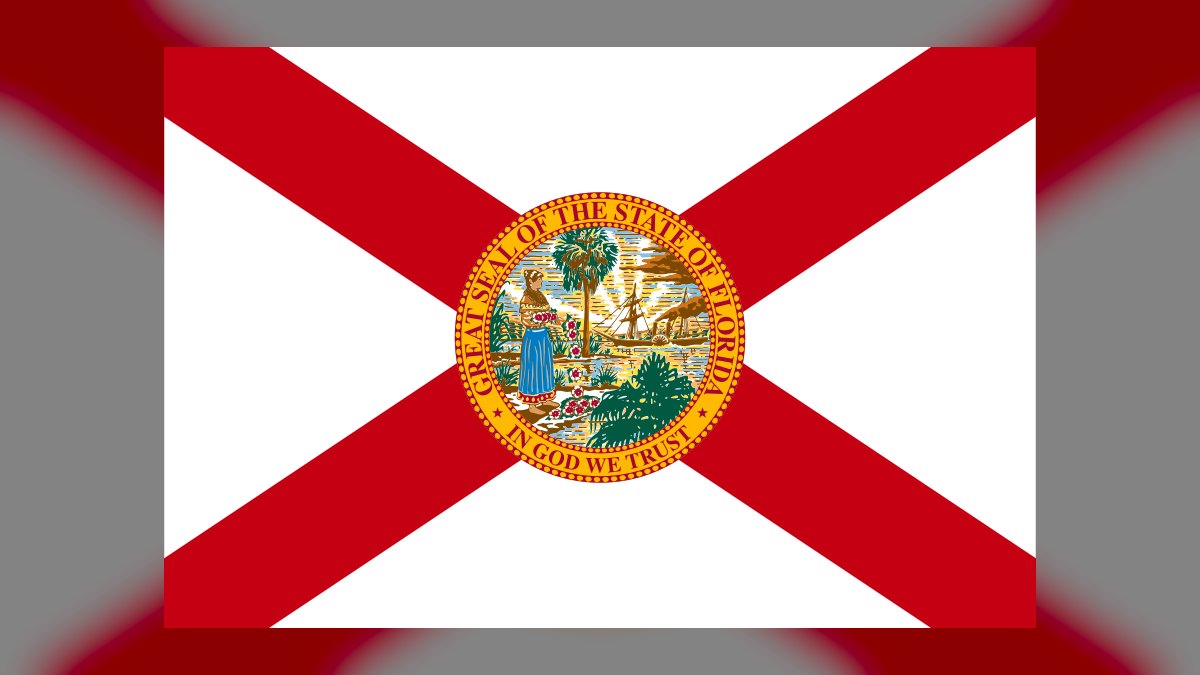
1. Florida

Florida ranks first because it pairs the cleanest retirement tax picture in the country with year-round warmth and the deepest retiree infrastructure. There is no state income tax, no tax on Social Security, pension, or 401(k) withdrawals, and no estate or inheritance tax. Median homes run near $400,000. Tampa, Orlando, Naples, and Miami all carry deep healthcare networks, and 55+ communities let a new arrival build a social circle within weeks.
This is for retirees whose budget absorbs property insurance, which in hurricane-exposed coastal counties can rival a second property-tax bill and has climbed faster than home prices. You trade away affordability and accept constant summer heat and humidity. Against Tennessee below, Florida costs roughly $60,000 more at the median and adds the insurance line, buying beaches, true year-round warmth, and far denser retiree amenities in return.
2. Tennessee

Tennessee ranks second because it delivers most of Florida's tax advantage at a materially lower entry price. There is no state income tax — the old Hall tax on investment income was fully phased out — so Social Security, pensions, and 401(k) withdrawals are untaxed at the state level. Median homes sit around $340,000 and overall cost of living runs well below the national average. Nashville anchors a strong hospital economy as HCA's headquarters city.
This suits retirees who want tax savings and a low cost basis and do not need a beach. You give up ocean access and true year-round warmth: Tennessee has four real seasons and cold snaps at higher elevations. Sales tax runs high, which is how the state replaces income-tax revenue, so everyday spending absorbs part of the savings. Healthcare concentrates in Nashville, Knoxville, and Chattanooga.
3. North Carolina

North Carolina ranks third on the strength of its healthcare map paired with a flat, declining 4.25% income tax that exempts Social Security. Median homes run about $370,000, roughly $30,000 below Florida. The Research Triangle puts Duke and UNC medicine within reach, and Charlotte adds a second major hospital hub. Geography spans mountains to coast, so climate and elevation can be selected within a single state rather than traded across state lines.
This is for retirees ranking specialist access at the top and willing to pay a modest income tax to get it. Unlike Tennessee directly above, taxable brokerage income and 401(k) withdrawals are hit at 4.25%, which matters for retirees living on portfolio draws rather than Social Security. Winters are milder than Tennessee's but colder than Florida's, and coastal counties carry their own storm-insurance exposure.
4. Georgia

Georgia ranks fourth because its retirement-income exclusion of up to $65,000 per person over 65 can beat a no-income-tax state outright once property and insurance costs load in. The flat rate is 5.39%, Social Security is untaxed, and median homes run about $340,000 — tied with Tennessee for the lowest among the warm-weather leaders. The climate is warm and costs stay reasonable outside metro Atlanta.
This fits a couple over 65 with a moderate retirement income, where $130,000 of combined exclusion effectively zeroes the state bill. Higher earners and those under 65 face the full 5.39% and should model it against North Carolina's flat 4.25% above. You trade away the clean simplicity of a no-income-tax state for a deduction that must be qualified for, and metro Atlanta pricing runs well above the statewide median.
5. South Carolina

South Carolina ranks fifth for coastal and golf-oriented retirees, with no tax on Social Security and generous retirement-income deductions. Median homes sit near $370,000. The top income rate is around 6.2% before deductions, the highest among the leaders here, though the deductions materially reduce what a typical retiree actually pays. Charleston, Greenville, and Hilton Head carry the strongest concentration of retiree amenities and mild winters.
This is for retirees who want Atlantic coast living and golf without Florida's insurance load. Compared to Georgia above, the headline rate is nearly a point higher and the median home costs about $30,000 more, so the case rests on lifestyle fit rather than the tax math. Coastal counties still carry hurricane exposure, so get a wind and flood quote before making an offer on anything near the water.
6. Arizona

Arizona ranks sixth on a low flat 2.5% income tax — the lowest rate of any state here that taxes income — with Social Security untaxed. Phoenix and Tucson offer deep healthcare including a major Mayo Clinic campus, and active-adult communities are abundant. The draw is dry warmth: hot summers, mild winters, and none of the humidity that defines the Southeast. Median homes run about $450,000.
This is for retirees whose health improves in dry air and who value Mayo-tier specialty medicine nearby. The $450,000 median is roughly $80,000 above South Carolina directly above, which is the main thing holding it at this position rather than higher. Phoenix summers regularly exceed what many retirees tolerate outdoors, and water-supply questions in the Southwest are a genuine long-horizon consideration for a 20-year stay.
7. Delaware

Delaware ranks seventh on a tax stack no other state matches: no sales tax at all, low property taxes, Social Security untaxed, and retirement-income deductions for those over 60. The top income rate near 6.6% is the highest here, but the zero sales tax offsets it on everyday spending. Median homes run about $390,000. Lewes and Rehoboth Beach anchor the coastal retiree market.
This is for East Coast retirees who want beach access while staying within driving distance of Philadelphia and Baltimore — and their family and specialists. Against Arizona above, you trade dry heat for four seasons and real winters, and you accept a higher income rate for a much better sales and property picture. The state is small, so options outside the coastal towns and Wilmington are limited.
8. Wyoming

Wyoming ranks eighth despite frequently being rated the most tax-friendly state overall, because taxes are only part of the retirement equation. There is no state income tax, and property and sales taxes are both very low. Median homes run around $370,000, though Jackson sits far above that figure. The scenery and low-density living are the genuine draw for retirees who want space rather than amenities.
This is for self-sufficient retirees in good health who value low taxes and landscape over urban medicine. Rural healthcare access is the reason it sits here rather than in the top five: specialist visits can require drives well past 60 minutes, and that gap widens as health needs grow. Compared to Delaware above, the tax picture is better and the medical picture is decisively worse. Winters are severe.
9. Nevada

Nevada ranks ninth on no state income tax and fully untaxed retirement income, delivered in a dry, warm climate around Las Vegas and Reno. Median homes run around $450,000, tied with Arizona for the highest here. Sales tax is on the higher side, which is how the state replaces income-tax revenue. Entertainment, dining, and services are unusually dense for the population, and there is no winter to plan around in the south.
This fits retirees who want desert warmth plus city amenities and do not mind extreme summers. Against Arizona at rank six, the tax advantage is real — zero versus 2.5% — but healthcare depth does not match Phoenix's Mayo campus, and the median home costs the same. Reno offers milder summers than Las Vegas at higher housing cost. Water supply is a long-horizon question here too.
10. Pennsylvania

Pennsylvania ranks tenth on affordability plus a pension exemption few states match: a median home near $280,000 — the lowest on this list by roughly $60,000 — and full exemption on Social Security, pensions, and 401(k) distributions despite a 3.07% flat income tax. Healthcare near Pittsburgh and Philadelphia is strong. For a retiree living on a pension, the effective state tax bill approaches zero.
This is squarely for pensioned retirees who want the lowest cost basis and do not need warmth. Someone living on taxable brokerage gains gets far less benefit, since the 3.07% still applies to that income. Four full seasons mean cold winters with snow, which is the trade every warm-weather pick above avoids. It ranks here because the climate rules it out for most retirees, not because the math is weak.
How we ranked these
Ranking weighted four things a fixed income actually feels: state tax treatment of Social Security, pensions, and 401(k) withdrawals; median home price as the entry cost; healthcare access measured by drive time to specialists, not brochure rankings; and climate against aging mobility. Property insurance was treated as a first-class line item rather than a footnote, because hurricane-exposed Florida counties now carry premiums that rival a second property-tax bill.
Deliberately ignored: "best places to live" lifestyle scores, restaurant and nightlife density, and school quality — none of which move a retiree's budget. Also excluded were headline "no income tax" claims taken alone, since states like Texas and New Hampshire recover that revenue through property levies of 1.5%–2.5% of assessed value. Statewide medians were used, not resort-town outliers like Jackson, Wyoming.
Related questions
Which states have no tax on retirement income at all?
Florida, Tennessee, Nevada, Wyoming, and Texas levy no state income tax, so Social Security, pensions, and 401(k) withdrawals go untaxed at the state level. The catch is how they replace that revenue — Tennessee and Nevada lean on higher sales taxes, Texas on property taxes. Model the full stack before assuming zero income tax means cheaper.
Is Florida still worth it given rising insurance costs?
For many retirees yes, but only after you pull an actual wind and flood quote for the specific county. Inland areas carry far lower premiums than beachfront, and the gap can run several thousand dollars a year. Treat insurance as a fixed monthly cost alongside the mortgage before you make an offer, not as a variable you discover later.
What's the cheapest state on this list to buy a home?
Pennsylvania, at a median near $280,000, is the most affordable among the leaders — and it fully exempts Social Security, pensions, and 401(k) distributions despite its 3.07% flat income tax. Rural Arkansas and Kentucky drop under $250,000, but you trade away metro healthcare access and accept long drives to specialty care.
Do I need to change my legal residency to get the tax break?
Yes. The new state's advantage only applies once you've genuinely established domicile: driver's license, voter registration, primary-home designation, and documented time in state. High-tax states audit sloppy moves and can claw back years of income tax. Keep travel records and utility bills from day one rather than reconstructing them under pressure.
Which state is best if healthcare access is my top priority?
Minnesota and Wisconsin lead on physician density and hospital networks, though neither is warm. Among warm-weather picks, Florida's Tampa and Miami metros and North Carolina's Research Triangle — Duke and UNC — pair strong medicine with retiree-friendly living. Arizona's Phoenix area includes a major Mayo Clinic campus, which matters if you have a complex diagnosis.
How does Georgia beat a no-income-tax state on total cost?
Georgia's retirement-income exclusion runs up to $65,000 per person over 65, layered on a flat 5.39% rate, so most retirees pay little state income tax in practice. Median homes near $340,000 and reasonable costs outside metro Atlanta can net out cheaper than Florida once property insurance loads onto the Florida budget.
Should I rent before buying in a new retirement state?
If you can, yes — for a full season, and pick the hard one. A Florida August or a Tennessee January tells you more about daily livability than any ranking table. Renting also lets you test drive times to your new specialists and confirm your Medicare Advantage or Medigap plan is well-rated in that specific county before you commit capital.
Which states pair low property taxes with retirement exemptions?
Alabama and Mississippi combine property tax rates around 0.4%–0.6% of home value with broad retirement-income exemptions, making them quietly competitive on total cost. Wyoming also runs very low property and sales taxes on top of no income tax. The trade-off in all three is rural healthcare, which can mean 60-plus-minute drives to a specialist.
FAQ
What is the best overall state to retire in for 2027?
Florida takes the top spot: no state income tax, no tax on Social Security, pensions, or 401(k) withdrawals, no estate or inheritance tax, and warmth year-round. Its retiree infrastructure across Tampa, Orlando, Naples, and Sarasota is unmatched. The trade-offs are a median home near $400,000 and property insurance that has climbed faster than home prices.
Which state offers the best value for retirees?
Tennessee. It delivers most of Florida's tax picture — no state income tax, retirement income untaxed after the Hall tax phase-out — at a median home price around $340,000 and a cost of living well below the national average. Nashville anchors a genuinely strong healthcare economy. You give up beaches and true year-round warmth.
How were these states ranked?
By the factors that actually move a fixed-income budget: state tax rules on Social Security, pensions, and 401(k) income; healthcare access and quality; climate; and overall cost of living, using current tax rates and affordability data. Lifestyle preference and generic livability scores were excluded because they don't change what you spend each month.
Are there states with no tax on retirement income?
Yes — Florida, Tennessee, Nevada, Wyoming, and Texas have no state income tax, so retirement income escapes state taxation entirely. Several offset that lost revenue elsewhere: Tennessee and Nevada carry higher sales taxes, and Texas property taxes often run 1.5%–2.5% of assessed value. Always model property and sales taxes alongside the income-tax savings.
Does healthcare access really change the rankings?
Significantly. A state can score well on cost while requiring hour-long drives to a specialist. Metros in Florida, Tennessee, North Carolina, and Arizona clear the access bar comfortably. Rural stretches of Wyoming, Idaho, and Montana can mean 60-plus-minute trips to specialty care — a real cost that a "best hospitals" list will never surface.
Can I find affordable housing in the top-ranked states?
Affordability varies sharply within each state. Pennsylvania (~$280,000), Tennessee (~$340,000), and Georgia (~$340,000) sit at the low end, while Arizona and Nevada (~$450,000) run highest. Compare specific regions rather than statewide medians, since coastal and resort areas — Naples, Hilton Head, Jackson — skew far above their state's headline figure.
Why does Pennsylvania rank despite having an income tax?
Because the 3.07% flat rate never touches retirement income. Pennsylvania fully exempts Social Security, pensions, and 401(k) distributions, so a pensioned retiree pays essentially nothing at the state level. Add the lowest median home price on this list at roughly $280,000 and strong healthcare near Pittsburgh and Philadelphia, and the math works — if you accept cold winters.
What order should I handle the actual move in?
Establish domicile first — license, voter registration, primary-home designation, documented time in state. Then confirm healthcare: verify your Medicare Advantage or Medigap plan is offered and well-rated in the new county and your specialists have in-network equivalents. Price insurance before making an offer. Rent a season last, before you buy, if the timeline allows.
Which state fits an active outdoors retirement?
Arizona for dry warmth, mild winters, and deep active-adult communities around Phoenix and Tucson, at a median near $450,000 with a low flat 2.5% income tax. Wyoming suits self-sufficient retirees who value scenery over urban medicine. Colorado draws hikers and skiers but home prices often exceed $550,000, which strains a fixed income.
Is South Carolina a serious alternative to Florida?
For coastal and golf-oriented retirees, yes. Median homes near $370,000 undercut Florida, Social Security isn't taxed, and retirement-income deductions are generous enough that the roughly 6.2% top rate rarely bites. Charleston, Greenville, and Hilton Head offer mild winters and historic coastal towns without Florida's hurricane-driven insurance premiums at full intensity.
Sources
- https://taxfoundation.org/
- https://www.kiplinger.com/retirement
- https://www.zillow.com/research/data/
- https://money.usnews.com/money/retirement
- https://www.kff.org/statedata/
- https://www.aarp.org/livable-communities/
- https://www.ssa.gov/
- https://www.medicare.gov/
Related on PULSE
- [More states to retire rankings and buying guides](/knowledge)
- [PULSE Tools and calculators](/tools)
- [Everything on PULSE RevOps](/)
 pulse-moviesTop 10 Westerns of All Time in 2027
 pulse-moviesTop 10 Movies on Netflix 2027
 pulse-moviesTop 10 Crime Movies of All Time in 2027
 pulse-moviesTop 10 Musical Movies of All Time in 2027
 pulse-moviesTop 10 Fantasy Movies of All Time in 2027
 pulse-moviesTop 10 Documentaries of All Time in 2027
 pulse-moviesTop 10 War Movies of All Time in 2027
 pulse-moviesTop 10 Thriller Movies of All Time in 2027
 mvTop 10 Horror Movies of All Time in 2027
 pulse-moviesTop 10 Romance Movies of All Time in 2027