


How do you ramp a new full-time CRO after a successful fractional phase in 2027?
Quality
Certified

Ramping a new full-time CRO after a successful fractional phase requires a structured 90-day transition that shifts the leader from strategic advisor to operational owner of the revenue engine, moving deal ownership from the CRO to the AE team while institutionalizing the playbooks, cadences, and forecast discipline the fractional engagement validated. The full-time CRO must systematically hand off relationships, build repeatable process, and reduce founder involvement in deals from 30%+ to under 10% within the first two quarters.
The concrete scenario: what the fractional phase actually accomplished
A typical B2B SaaS company converting a fractional CRO to full-time sits at $6M-$12M ARR, growing 80-120% year-over-year, with 20-50 employees and gross retention between 85-95%. The fractional engagement ran 6-12 months at 2-3 days per week, and during that phase the CRO accomplished three specific things: documented the top 3 sales motions that work (usually one inbound, one outbound, one partner/channel), hired the first 2-3 AEs who are now ramping, and built the initial version of the sales tech stack including CRM, outreach tool, and demo platform.
The company has also crossed important thresholds that signal readiness for full-time conversion. The fractional CRO has personally closed 10+ deals and can articulate the pattern of why those deals closed. The board and CEO trust the CRO's judgment on hiring and strategy. There are 3+ AEs in place who need daily coaching rather than biweekly advisory calls. The sales process is documented but not yet repeatable without the CRO's direct involvement. And the founder is still involved in 30%+ of deals and wants to step back.
The conversion is not about fixing broken things. It is about scaling what works while preventing the founder from re-intervening in every deal and preventing the fractional CRO from remaining the bottleneck in every significant opportunity. The company has validated product-market fit, built initial sales playbooks, and hired the first wave of AEs without committing to a full-time executive salary and equity package. Now the board has seen enough signal to convert the role into a full-time commitment.

The typical deal size in this stage is $25K-$75K ACV with a sales cycle of 45-90 days. The buying committee includes 3-5 people: a department head as the economic buyer (usually VP or Director level), a technical evaluator (often an IT manager or data architect), and 1-2 end users. Budget approval requires a formal business case with ROI calculation, but the decision is still heavily influenced by the department head's personal relationship with the seller. Deals stall most frequently at the security review stage, which takes 2-4 weeks for companies with compliance requirements, or when the champion changes jobs mid-cycle.
The fractional CRO already knows the exact personas that close fastest: mid-market companies with 200-500 employees, a clear pain point around manual processes, and a budget line item for digital transformation or operational efficiency. The full-time CRO must now teach this pattern to the AEs without becoming the bottleneck in every deal. Budget approval is still founder-involved for deals above $50K ACV, and the full-time leader needs to systematically remove that dependency by building a pricing and discounting framework that the founder signs off on once rather than deal by deal.
How the transition mechanism actually works
The forced motion is a shift from founder-led sales with fractional support to AE-led sales with full-time leadership. This changes ramp behavior dramatically. AEs who were used to the fractional CRO closing 40% of their deals must now close 70-80% themselves. The forecast becomes more predictable but also more fragile. The fractional CRO could personally vouch for a deal's likelihood based on their relationship with the buyer. The full-time CRO must forecast based on deal stage data, not personal intuition.

Pipeline shape changes from a spike pattern, where the fractional CRO brings in 2-3 large deals per month from their network, to a steady drumbeat pattern, where AEs generate 15-20 smaller opportunities per month through outbound and inbound. The leaks shift from no pipeline to pipeline that does not move. The biggest leak in the full-time phase is deals that sit in demo completed for 3-4 weeks without a next step. The fractional CRO would have personally pushed those deals forward. The full-time CRO must build a process that forces movement.
Forecast behavior must also change. The fractional CRO could give a gut-feel forecast that was accurate because they were in every deal. The full-time CRO must implement a MEDDIC or similar framework, but only after the AEs have been trained on it. The first 90 days of full-time ramp will see forecast accuracy drop from 85% during the fractional phase, when the CRO had personal involvement in every deal, to 60-70% in the full-time phase, when process exists but has not yet been institutionalized across the team.
The operating cadence shift is equally important. The fractional CRO operated on a burst and retreat cadence: intense 2-3 days of deal work followed by 4-5 days of advisory and strategy. The full-time CRO must shift to a steady state cadence: 5 days per week with 80% of time on operational activities such as coaching AEs, reviewing pipeline, hiring, and building process, and 20% on strategic activities such as board presentations, partner relationships, and product feedback.
The biggest operational change is the coaching load. A fractional CRO can coach AEs for 30 minutes every 2 weeks. A full-time CRO must coach each AE for 30 minutes every week plus attend 1-2 demos per week per AE for the first 60 days. This is the single highest-leverage activity in the ramp. Board reporting cadence also changes. The fractional CRO reported monthly with a 2-page deck. The full-time CRO must report weekly to the CEO in a 30-minute standing meeting and monthly to the board with a 5-page deck covering pipeline health, forecast accuracy, win rates, churn, hiring progress, and key deals.
Real numbers, ranges, and benchmarks for the ramp

The first 90 days break into three distinct phases with specific milestones. Days 1-30 focus on audit and stabilization. The CRO reviews every active deal in the pipeline with each AE individually, assessing whether the AEs can carry those deals forward without the CRO's direct involvement. The CRO documents the current sales process in a 2-page playbook covering lead source, qualification criteria, demo structure, proposal template, and close steps. The fractional phase likely had this in the CRO's head; now it must be written down.
The CRO also meets with every customer closed during the fractional phase, asking two questions: Why did you buy, and what almost stopped you? This uncovers the real buying dynamics that the AEs need to replicate. The CRO sets up a weekly forecast cadence: Monday morning pipeline review for 30 minutes, Thursday afternoon deal review for 45 minutes, and Friday afternoon revenue review with the CEO for 30 minutes.
Days 31-60 focus on building the engine. The CRO hires the first sales operations person if one is not already in place. This is non-negotiable. The fractional CRO could do their own ops work in 3 days per week, but the full-time CRO cannot. The CRO implements a qualification framework such as BANT or MEDDIC with a scoring system where every deal must have a score that determines whether it gets discussed in the weekly forecast. The CRO builds a 90-day pipeline generation plan specifying how many outbound calls and emails per AE per day, how many demos per week, and what conversion rates are acceptable.
The CRO also creates a compensation plan for AEs that rewards both pipeline generation and closed revenue. The fractional phase likely had a simple commission structure. The full-time phase needs a more nuanced plan that drives the right behaviors. A common structure is 50% base and 50% variable, with the variable split 60% to quota attainment and 40% to pipeline generation targets.
Days 61-90 focus on institutionalizing and handing off. The CRO trains AEs on the new process with role-play at every stage: discovery call, demo, proposal presentation, and negotiation. The CRO sets up a deal desk process for deals above $50K ACV where the AE presents the deal to the CRO and CEO together, but the AE owns the outcome. The CRO creates a dashboard the CEO can review weekly showing pipeline value, weighted forecast, win rate by AE, sales cycle length, and average deal size. The CRO begins transitioning personal relationships to the AEs, systematically handing off the 5-10 executive relationships that brought in deals during the fractional phase.

Compensation for the full-time CRO conversion follows a specific structure. Base salary ranges from $200K-$280K depending on geography and company stage. Variable target is 50-75% of base tied to quarterly and annual revenue targets. Equity of 1-3% of the company vests over 4 years with a 1-year cliff. The equity should be granted at the time of conversion, not as a continuation of the fractional agreement. The variable component should be weighted 60% to quarterly targets covering pipeline generation and forecast accuracy and 40% to annual targets covering revenue growth and team retention.
Forecast accuracy follows a predictable curve during the transition. In the final months of the fractional phase, forecast accuracy sits around 85% because the CRO has personal visibility into every deal. During the first 30 days of full-time transition, accuracy drops to 60-70% as AEs take ownership of deals and the CRO learns to trust process over personal intuition. By day 90, accuracy should climb back to 75-80% as the qualification framework and weekly cadence take hold. By day 180, accuracy should reach 85% or better with the process fully institutionalized.
Pipeline generation targets also shift. During the fractional phase, the CRO personally generated 2-3 large opportunities per month from their network. In the full-time phase, each AE should generate 15-20 smaller opportunities per month through outbound and inbound. With 3-4 AEs, that means 45-80 new opportunities per month entering the pipeline. At a 20-25% win rate for qualified opportunities, that yields 9-20 closed deals per month depending on deal size and sales cycle length.
Win rate by AE is a key diagnostic during the ramp. AEs who were used to the fractional CRO closing 40% of their deals will initially see their personal win rates drop as they take on more closing responsibility. The full-time CRO should expect AE win rates to dip from 30-35% to 20-25% in the first 60 days before climbing back to 30%+ as coaching and process take hold. The CRO's personal win rate should move in the opposite direction, dropping from 40%+ during the fractional phase to below 20% by day 90 as they hand off deals to the team.
Trade-offs and alternatives in the conversion decision

The most significant trade-off is between converting the fractional CRO to full-time versus hiring an external full-time CRO or promoting a VP of Sales. Converting the fractional CRO preserves institutional knowledge, customer relationships, and board trust. The fractional CRO already knows the product, the market, the customers, and the team. The risk is that the fractional CRO may not have the operational DNA to run a full-time revenue organization, having spent their career in advisory or high-touch selling roles.
Hiring an external full-time CRO brings fresh perspective and proven operational experience but costs 6-9 months of ramp time while the new leader learns the product, market, and customers. The external hire also risks losing the relationships the fractional CRO built with the first 20-30 customers. Promoting a VP of Sales is the lowest-cost option but carries the highest risk if the VP has never operated at the strategic level required for board reporting, forecasting, and cross-functional leadership.
Another trade-off is timing. Converting too early, before the fractional CRO has hired and trained AEs, documented the sales motion, and built the tech stack, means the full-time CRO spends their first 90 days building foundational elements rather than scaling. Converting too late means the fractional CRO becomes a bottleneck, with AEs waiting for the CRO's limited days to get deal feedback, coaching, and approval. The signals that conversion is premature include the fractional CRO not having hired any AEs, the company still pivoting product or pricing every quarter, the board not being aligned on go-to-market strategy, and gross retention below 80%.
The compensation structure also involves trade-offs. A heavy equity component aligns the CRO with long-term company value creation but may not match the CRO's liquidity needs. A high base salary reduces risk for the CRO but may reduce urgency. The 60/40 split between quarterly and annual targets balances short-term execution with long-term team building, but the CRO may game the quarterly targets at the expense of annual goals if the split is not carefully monitored.
The scope of ownership involves trade-offs as well. The full-time CRO owns AE hiring, training, and performance management; sales process and playbook; pipeline generation targets and execution; forecast accuracy and board reporting; and the sales tech stack and data quality. The CRO advises but does not own product roadmap and pricing, customer success and retention, company culture and values, and board relationships. The most common failure point in this transition is the CRO trying to own everything they advised on during the fractional phase. The fractional CRO was used to having their recommendations implemented. The full-time CRO must accept that the CEO may not follow their advice on non-revenue matters. This requires a shift from I recommend to I execute.

A fourth alternative is retaining the fractional CRO in an advisory capacity while hiring a VP of Sales to run the day-to-day revenue team. This preserves the strategic value of the fractional relationship while adding dedicated operational leadership. The trade-off is role ambiguity, with AEs unsure whether to report to the VP of Sales or the fractional CRO, and the added cost of carrying both roles. This structure works best when the fractional CRO has deep industry relationships and strategic insight but no interest in or aptitude for full-time operational management.
Common pitfalls and how to avoid them
The most common failure in the fractional-to-full-time transition is the CRO continuing to over-function on deals while under-functioning on team development. The CRO closes 3-4 deals per month personally while AEs are not improving. The CEO must have a hard conversation at day 60: You are still closing 40% of revenue. By day 90, that number must be below 20%. If it is not, we will revert to a fractional model and hire a VP of Sales to run the team. This is not a failure of the CRO. It is a failure of the transition plan. The CEO should have built a 90-day ramp plan with explicit milestones for team ownership.
A second pitfall is the CRO maintaining personal relationships with the first 20-30 customers instead of systematically introducing AEs. The full-time CRO must transition these relationships over 60 days. Each customer should receive a call from both the CRO and the assigned AE saying, I am moving to a more strategic role. Jane here will be your main point of contact for renewals and expansion. She knows your business inside out. The CRO should also schedule quarterly executive check-ins with the top 10 customers to maintain the relationship without becoming the daily contact.
A third pitfall is the founder continuing to intervene in deals above $50K ACV. The full-time CRO must build a pricing and discounting framework that the founder signs off on once, not deal by deal. This framework should specify discounting authority at each level: AEs can discount up to 10%, the CRO up to 20%, and anything above 20% requires founder approval. The founder must agree to honor this framework and step back from deal-level involvement.

A fourth pitfall is the CRO not hiring a sales operations person early enough. The fractional CRO could do their own ops work in 3 days per week. The full-time CRO cannot manage CRM hygiene, reporting, and pipeline analysis while also coaching AEs, attending demos, and running board reporting. The sales operations hire should be made in days 31-60 of the transition, not after the CRO is already overwhelmed.
A fifth pitfall is the CRO implementing a qualification framework like MEDDIC without training AEs on it first. The result is AEs filling out scoring forms incorrectly, deals being miscategorized, and the forecast becoming less accurate than the gut-feel approach of the fractional phase. The CRO must train AEs on the framework, role-play the qualification conversation, and audit the first 20 deals scored by each AE before relying on the framework for forecasting.
A sixth pitfall is the CRO trying to change the sales strategy in the first 90 days. The fractional phase validated the strategy. The full-time phase is about operationalizing it. The CRO who comes in and announces a new target market, new messaging, or new pricing in the first month will confuse AEs, alienate customers, and lose the board's confidence. The first 90 days are for execution, not strategy.
A seventh pitfall is the CRO neglecting the coaching cadence. The single highest-leverage activity in the ramp is coaching each AE for 30 minutes every week plus attending 1-2 demos per week per AE for the first 60 days. The CRO who skips coaching to focus on closing deals or building reports will see AE performance stagnate and will remain the bottleneck in every deal.
The signals that the transition is failing include the CRO still closing 40% of revenue at day 90, AEs not improving their win rates, the founder still involved in 30%+ of deals, forecast accuracy remaining below 70%, and the CRO reporting to the board on strategy without being able to report on operational metrics. When these signals appear, the CEO must intervene with a corrective action plan rather than hoping the situation resolves itself.
The signals that the transition is succeeding include AE win rates climbing above 30%, the CRO's personal deal involvement dropping below 20%, forecast accuracy climbing above 80%, the founder involved in fewer than 10% of deals, and the CRO reporting operational metrics to the board without the CEO having to pull the data. When these signals appear, the company has successfully completed the transition from fractional advisory to full-time operational leadership.

The role of RevOps in this transition deserves specific attention. The fractional CRO likely built the initial sales tech stack and reporting cadence. The full-time CRO must now institutionalize RevOps as a function, not just a set of tools. This means defining the revenue data model, establishing pipeline stages and definitions, building forecast methodology, and creating the dashboard suite the CEO and board will review. The RevOps function should own the data integrity that makes the full-time CRO's forecast reliable, freeing the CRO to focus on coaching and strategy.
Related questions
What is the difference between a fractional CRO and a full-time CRO?
A fractional CRO works 2-3 days per week as a strategic advisor and closer of large deals, while a full-time CRO works 5 days per week as an operational owner of the entire revenue engine. The fractional role focuses on validation and pattern recognition; the full-time role focuses on institutionalization and team development.
How long should a fractional CRO engagement last before converting to full-time?
Most successful conversions happen after 6-12 months of fractional engagement. Shorter engagements do not provide enough data to validate the sales motion. Longer engagements risk the CRO becoming a permanent bottleneck. The right duration depends on how quickly the CRO hires AEs and documents the playbook.
What compensation package should a converted full-time CRO receive?
A typical package includes $200K-$280K base salary, 50-75% variable tied to revenue targets, and 1-3% equity vesting over 4 years with a 1-year cliff. The variable should weight 60% to quarterly targets and 40% to annual targets to balance execution with team building.
How do you transition customer relationships from the CRO to the AEs?
Systematically introduce AEs to customers over 60 days through joint calls and meetings. Each customer should hear from both the CRO and the assigned AE that the AE will be the main point of contact. Schedule quarterly executive check-ins between the CRO and top 10 customers.
What KPIs should you track during the first 90 days of full-time transition?

Track the CRO's percentage of closed revenue, which should drop from 40% to below 20%. Track AE win rates, which should climb above 30%. Track forecast accuracy, which should climb above 80%. Track founder involvement in deals, which should drop below 10%.
FAQ
How do I know if the fractional CRO is the right person for the full-time role, not just a good advisor?
The critical test is whether the fractional CRO can build and coach a team, not just close deals themselves. Ask them to spend 30 minutes coaching a current AE on a live deal. If they naturally teach the AE to fish rather than taking the rod, they are ready for full-time. Also assess their willingness to do operational work such as updating CRM fields, building reports, and writing playbooks. A fractional CRO who only wants to do strategy and high-value deals will fail in the full-time role.
What compensation structure works for a fractional-to-full-time conversion?
The full-time package should include a base salary of $200K-$280K depending on geography and company stage, a variable target of 50-75% of base tied to quarterly and annual revenue targets, and equity of 1-3% of the company vesting over 4 years with a 1-year cliff. The equity should be granted at the time of conversion, not as a continuation of the fractional agreement. The variable component should be weighted 60% to quarterly targets covering pipeline generation and forecast accuracy and 40% to annual targets covering revenue growth and team retention.
What happens if the full-time CRO cannot transition from advisor to operator within 90 days?
The most common scenario is that the CRO continues to over-function on deals, closing 3-4 deals per month personally, while under-functioning on team development with AEs not improving. The CEO must have a hard conversation at day 60: You are still closing 40% of revenue. By day 90, that number must be below 20%. If it is not, we will revert to a fractional model and hire a VP of Sales to run the team. This is not a failure of the CRO but a failure of the transition plan. The CEO should have built a 90-day ramp plan with explicit milestones for team ownership.

How do I protect the culture and customer relationships built during the fractional phase?
The fractional CRO likely has strong personal relationships with the first 20-30 customers. The full-time CRO must systematically introduce the AEs to these customers over 60 days. Each customer should receive a call from both the CRO and the assigned AE explaining that the AE will be the main point of contact for renewals and expansion. The CRO should also schedule quarterly executive check-ins with the top 10 customers to maintain the relationship without becoming the daily contact. The culture of transparency and speed that the fractional CRO built must be codified in the playbook rather than preserved in their personal behavior.
Should the fractional CRO remain involved in an advisory capacity after the full-time conversion?
In most cases, no. A clean break forces the full-time CRO to take full ownership and prevents AEs from going around the CRO to get advice from the fractional advisor. If the fractional CRO remains involved, define a specific scope such as quarterly board advisory or strategic partnership introductions, with a clear end date. The risk of role ambiguity and undermined authority outweighs the benefit of retained strategic input.
What is the ideal AE team size when the fractional CRO converts to full-time?
The company should have 3-5 AEs in place at conversion. Fewer than 3 AEs does not justify a full-time CRO. More than 5 AEs without a first-line sales manager creates a span-of-control problem where the CRO cannot provide adequate coaching to each AE. If the company has more than 5 AEs, the CRO should hire or promote a sales manager within the first 90 days.
How does the RevOps function change during the fractional-to-full-time transition?
During the fractional phase, the CRO likely handled RevOps tasks personally or with light support. After conversion, RevOps must become a defined function with ownership of the revenue data model, pipeline stages and definitions, forecast methodology, and dashboard suite. A dedicated sales operations hire should come in days 31-60 of the transition to own data integrity and reporting, freeing the CRO to focus on coaching and strategy.
Sources
- https://www.gartner.com/en/sales/revenue-operations
- https://hbr.org/2021/05/what-is-revenue-operations
- https://www.forbes.com/sites/forbesbusinesscouncil/2022/03/15/the-rise-of-the-fractional-executive/
- https://www.saastr.com/the-fractional-cro-trend/
- https://www.linkedin.com/business/sales/blog/sales-best-practices/how-to-structure-a-sales-team-for-growth
- https://www.forecastr.co/blog/saas-benchmarks
- https://www.opengrowth.com/blog/fractional-cro-vs-full-time-cro
- https://www.revfine.com/revenue-operations/
Related on PULSE
- How to structure a CRO compensation package for a Series A SaaS company
- The first 90 days of a new VP of Sales: a milestone-by-milestone playbook
- Building a forecast methodology that survives founder-led to AE-led transitions
- Sales compensation design for early-stage SaaS: balancing pipeline and closing
- When to hire a sales operations person versus building RevOps in the CRO role
This page will be disappearing soon. Save it to your device for $1 — or read it free while it is here.
@Kory-White- · if Venmo asks, the last 4 of my number are 2012
This page is gone.
This one is off the shelf now. $1 keeps it on your phone for good — the whole page, pictures and diagrams included.
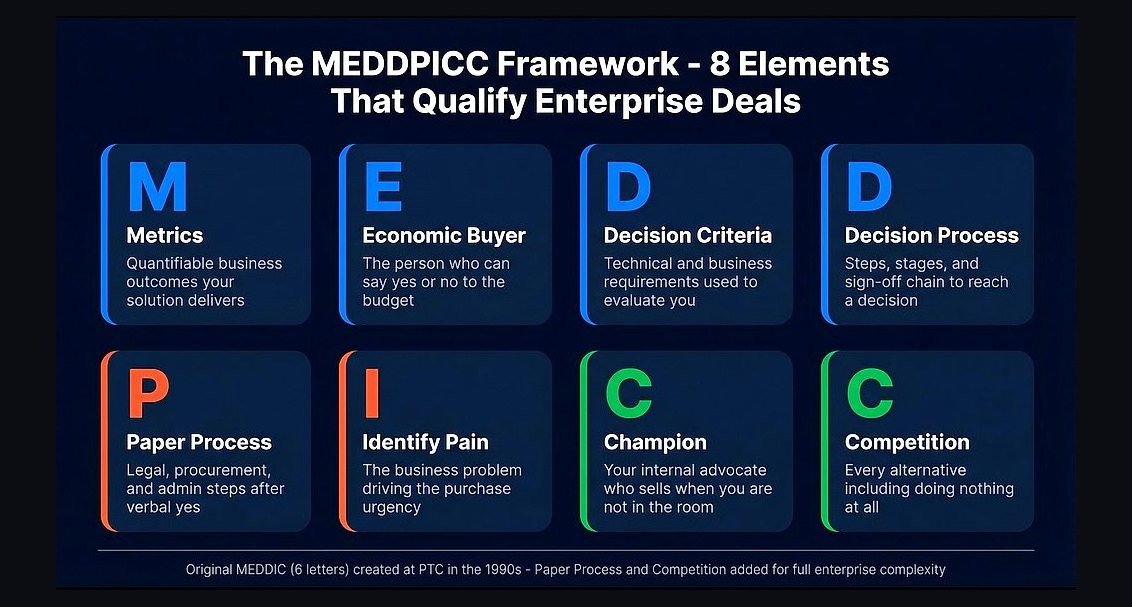 revopsHow do you detect when reps skip MEDDPICC fields on Commit-stage opportunities automatically in 2027?
 revopsHow do you avoid duplicate leadership when CRO and CMO both claim pipeline in 2027?
 revopsHow do you alert RevOps when champion contacts leave the buyer domain on open opportunities in 2027?
 revopsHow do you sync product-qualified leads from Snowflake to HubSpot nightly in 2027?
 revopsHow do you decide if a CRO advisory before a full-time hire is right for a Series A company when missed two quarters of quota in 2027?
 revopsHow do you prevent duplicate Outreach enrollments after Salesforce account merges in 2027?
 revopsHow do you run executive QBR decks from live CRM data not screenshots in 2027?
 revopsHow do you model capacity planning for SDR hiring against pipeline targets in 2027?
 revopsHow do you standardize RFP artifacts when Gotham integration is a mandatory evaluation criterion in 2027?
 revopsHow do you decide if a part-time revenue leader is right for a Series A company when founder wants to step back from selling in 2027?