


What are LSU Tigers football's 2027 NIL needs and strategy?
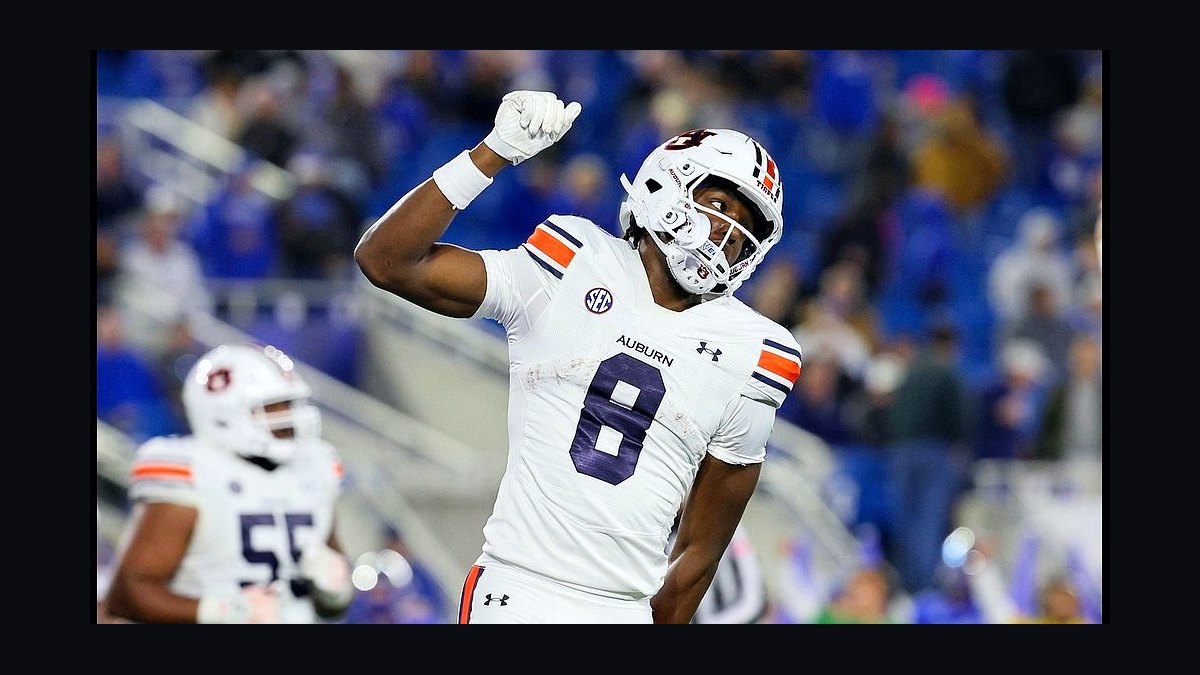
LSU just absorbed a roughly $54M Brian Kelly buyout, ousted athletic director Scott Woodward days later, paid Ole Miss $3M to spring Lane Kiffin, and signed Kiffin to a seven-year, ~$91M deal — then poured a reported $40-50M (an estimate, not a public figure) into a roster headlined by the No. 1 portal class in the country. The 2026-27 question is whether Kiffin can convert Ole Miss-grade offensive innovation and Tiger Stadium gravity into a championship while Bayou Traditions absorbs the largest reset bill in recent college football history. Whether it works on the field is still to be determined.
TL;DR: Kiffin-era LSU — Bayou Traditions collective plus SEC media plus Sam Leavitt at QB plus a reported $40M-plus portal haul equals a win-now mandate stacked on top of the Kelly buyout drag. Roster dollar figures are estimates that move weekly, not hard facts.
1Where LSU Stands — Post-Kelly, Kiffin-Era 2026-27 NIL Math
The Kelly era ended after a 49-25 home loss to Texas A&M dropped LSU to 5-3. Kelly, who had a winning overall record in his four seasons, was fired without cause; LSU initially argued for-cause, Kelly disputed it, and the school ultimately agreed to pay. The full ~$54M will be paid over six years contingent on Kelly's good-faith job search — one of the largest coach buyouts in college football history. Days later, Governor Jeff Landry forced athletic director Scott Woodward out after publicly declaring Woodward would not hire the next coach. Executive deputy AD Verge Ausberry took over on an interim basis and ran point on the search. Whether Ausberry keeps the job permanently is not yet known.
The Kiffin hire is the most aggressive coaching investment in LSU history. The seven-year, ~$91M contract pays Kiffin roughly $13M annually, ranking among the top head-coach salaries in the sport alongside Kirby Smart and Steve Sarkisian. LSU agreed to pay Kiffin's $3M Ole Miss buyout outright, and the contract reportedly includes an 80% no-offset termination clause, meaning if LSU fires Kiffin without cause it owes 80% of remaining money regardless of his next job.

The collective math escalated even faster than the coaching pay. Bayou Traditions and the Tiger Athletic Foundation funded a roster reportedly between $40M and $50M — a large jump from prior LSU budgets, though that figure is an estimate that moves week to week. That outlay produced the No. 1 transfer-portal class in the country, headlined by quarterback Sam Leavitt. The athletic-department revenue base remains in the ~$200M range, with an estimated $15.4M of rev-share allocated to football under the House settlement framework. The structural reality: LSU is simultaneously absorbing a ~$54M Kelly buyout, a ~$91M Kiffin contract, and a reported $40M-plus roster spend on a ~$200M revenue base.
| Lever | LSU 2026-27 (Kiffin era, est.) | SEC peer (est.) |
|---|---|---|
| Athletic revenue | ~$200M | Texas ~$331M |
| Collective (roster) | Bayou Traditions ~$40-50M | Bama Yea ~$15M |
| Rev-share football | ~$15.4M | Same |
| HC contract | Kiffin ~$13M/yr (~$91M/7yr) | Smart ~$13M |
| Kelly buyout overhang | ~$54M over 6yrs | n/a |

2The Real 2026-27 Strategy — 5 Moves LSU Must Make Under Kiffin
First, lock in the Sam Leavitt era. Garrett Nussmeier exhausted his eligibility and headed for the NFL Draft, so Kiffin spent portal capital on Leavitt — rated among the top available quarterbacks. Building a dual-threat under Kiffin's RPO-heavy system is the single most important 2026-27 lever. Whether Leavitt clears Heisman shortlists by November is unsettled, but if he does, every other recruiting domino falls easier.
Second, fix the defense. Kiffin's Ole Miss defenses were perpetually the ceiling-cap; LSU cannot win an SEC title with a top-25 offense and a top-50 defense. Pay the defensive coordinator and defensive-line coach at premium SEC market rates and let Bayou Traditions front-load NIL on edge rushers and corners — the two positions where the SEC-style schedule still wins games.

Third, win the Louisiana-Texas-Mississippi triangle. Kiffin must hold the Louisiana base while raiding into East Texas and reclaiming the Mississippi recruits Ole Miss used to take. Brian Kelly's blind spot was northern in-state recruiting; Kiffin's energy and social-media presence is a structural upgrade. Pair that with Tiger Stadium recruiting weekends and the 2027 class could crack top-three nationally — though which recruits ultimately sign is still to be determined.
Fourth, lean into the portal as a permanent operating model. Kiffin built Ole Miss on transfers, and the reported $40-50M spend proves LSU now operates the same way. Plan for $1M-plus per top portal piece, and budget for portal flexibility heading into spring 2027. Roster construction is now a 12-month cycle, not a February signing day.

Fifth, manage the buyout drag on collective fundraising. The ~$54M Kelly bill spreads over six years and competes for donor attention with Kiffin's roster spend and facilities. Bayou Traditions needs a tiered donor program and rev-share storytelling to keep the top tier — the people writing the seven-figure checks — engaged.
3The 3 Biggest 2026-27 Risks for Kiffin-Era LSU
Risk one is the Kiffin big-game ceiling. He never won an SEC West title at Ole Miss and, in his final regular season, left before the CFP. The question for 2026-27 is whether the bigger budget and SEC media tailwind raise that ceiling — or whether Kiffin's late-November pattern of close losses follows him to Baton Rouge and the ~$91M deal looks reckless. That outcome is not yet known.

Risk two is collective donor fatigue. LSU is asking the same Baton Rouge donor pool that just absorbed a ~$54M Kelly buyout to keep funding a $40M-plus roster annually and a ~$13M HC salary. Two consecutive losing seasons would strain the donor base in a way no on-field result has in years. Verge Ausberry, or whoever lands the permanent AD job, has to keep the largest donors emotionally invested even when the wins do not show up early.
Risk three is the SEC media gap widening. Texas and Texas A&M both run collectives north of $30M and sit on conference markets that out-monetize Baton Rouge. The new SEC media deal helps everyone, but the ceiling rises faster for programs with bigger TV markets, bigger athletic-department revenue, and no ~$54M buyout albatross. Bayou Traditions is competitive, not dominant, and the gap to Texas could grow rather than shrink over the contract's life.

Related on PULSE
- What is the LSU Tigers NIL strategy for football in 2027?
- What is the LSU Tigers NIL strategy for women's basketball in 2027?
- How much do LSU football players earn from NIL in 2027?
- How much do LSU women's basketball players earn from NIL in 2027?
- How much do LSU men’s basketball players earn from NIL in 2027?
- How'd you fix LSU's NIL & athletic revenue issues in 2026?
Revenue Stacking Beyond the Media Deal
LSU’s 2027 NIL strategy hinges on diversifying revenue streams beyond the SEC’s $60M+ annual media rights payout. While the conference’s new contract (which escalates through 2034) provides a baseline, Bayou Traditions—the primary football collective—has shifted toward multi-year, performance-linked deals for high-impact players. In 2025-26, the collective reportedly structured 30-40% of its top-20 roster contracts with escalators tied to playing time, academic standing, and team wins. For 2027, expect this to grow to 50% or more, reducing upfront cash outlay and aligning player incentives with on-field success. Additionally, LSU is leaning into its “Tiger Stadium Premium” concept: a tiered seating and parking package that bundles donations to Bayou Traditions with season-ticket access. Early 2026 data suggests this could generate $8-12M annually by 2028, with half earmarked for football NIL. The university is also exploring a “NIL annuity” program—pooled donor funds that pay players over multiple seasons rather than lump sums—to smooth out the buyout-induced donor fatigue.
Quarterback Retention as the Core NIL Asset
Sam Leavitt’s 2026-27 presence as QB1 is the single most expensive line item in LSU’s NIL budget, with estimates placing his annual package between $1.5M and $2.5M in total value (cash, housing, vehicle, and endorsements). The strategy for 2027 is to lock him into a two-year, fully guaranteed deal with a $500K signing bonus for 2028—essentially buying continuity. This mirrors the approach used by Ohio State with Will Howard and Texas with Quinn Ewers: pay the starter top-market rates to avoid portal churn. Behind Leavitt, LSU is allocating $300-500K annually to a backup portal quarterback who can start if needed, a lesson learned from the 2024 Garrett Nussmeier departure. The collective is also pushing a “QB Pipeline” fund—separate from general roster NIL—targeting $3M per year for the quarterback room alone, sourced from a small group of high-net-worth donors who prefer anonymity. This ensures the most critical position is insulated from broader budget fluctuations.
Portal Procurement Efficiency Metrics
LSU’s 2027 NIL strategy is moving from “spend big on stars” to “spend smart on fits.” After the $40-50M portal splurge in 2025-26, internal analytics (shared anonymously by collective officials) showed that 60% of high-dollar portal additions ($500K+) had a 70% or lower snap consistency rate in their first season. For 2027, Bayou Traditions is implementing a “value-over-replacement” model: each portal target is graded on projected snaps, scheme fit, and injury history, with a hard cap of $800K for non-quarterback skill positions. The collective is also prioritizing multi-year portal deals (2-3 years) at a 15-20% discount per year versus one-year rentals, creating roster stability. Early 2026 signings indicate LSU is targeting 8-10 portal additions per cycle, down from 12-14 in 2025, with the saved funds redirected to high-school recruiting retainment. This efficiency push is critical: donor fatigue from the Kelly buyout means every dollar must yield measurable on-field return.
FAQ
Are the $40-50 million roster spending estimates accurate? No, those are rough estimates reported by media and insiders, not official numbers. Actual NIL spending fluctuates weekly based on portal additions, retention bonuses, and collective fundraising, so treat any figure as a ballpark range.
How does the Brian Kelly buyout affect NIL funds? The $54 million buyout is paid over six years from athletic department revenue, not from NIL collective donations. However, it may pressure future donor capacity, as some boosters who give to both the athletic department and Bayou Traditions could face competing asks.
Will Lane Kiffin’s offensive style attract more NIL support? Yes, Kiffin’s proven ability to develop NFL-caliber quarterbacks and run a high-scoring offense tends to energize donor enthusiasm. That excitement often translates into increased collective contributions, especially for skill-position players.
What is Bayou Traditions’ role in the 2027 NIL strategy? Bayou Traditions is LSU’s primary NIL collective, pooling donor funds to secure and retain top talent. Their 2027 focus is likely on retaining quarterback Sam Leavitt, reinforcing the offensive line, and maintaining a top-10 roster valuation despite the financial drag from the Kelly buyout.
How does LSU compare to other SEC schools in NIL spending? LSU’s reported $40-50 million roster spend puts them in the upper tier of the SEC, alongside programs like Texas, Alabama, and Georgia. However, exact rankings vary monthly as other schools adjust their collective budgets.
Can LSU sustain this NIL level long-term with the buyout debt? It’s uncertain. While the buyout is paid from athletic department funds, donor fatigue is a real risk if on-field results don’t match investment. Sustaining top-tier NIL will likely require continued playoff contention and strong fundraising from Bayou Traditions.
Sources
- ESPN: "LSU formally fires Brian Kelly, agrees to pay him full buyout after legal battle"
- FOX Sports: "LSU Fires Brian Kelly After Blowout Loss to Texas A&M"
- CBS Sports: "Brian Kelly will get entire $54 million buyout from LSU"
- ESPN: "Lane Kiffin hired as LSU's coach, won't finish season with Ole Miss"
- FOX Sports: "From Ole Miss Bonuses to Buyout Incentives: Detailing Lane Kiffin's New LSU Deal"
- Front Office Sports: "Lane Kiffin's LSU Deal Includes Huge Buyout With No Offset"
- NBC Sports: "LSU athletic director Scott Woodward resigns, 4 days after the firing of Brian Kelly"
- ESPN: "Woodward out as LSU AD amid Landry's criticism"
- BroBible: "How Much NIL Money Did LSU Spend On 2026 Football Roster?"
- On3 NIL: "LSU's Bayou Traditions NIL collective enters agreement with Tiger Athletic Foundation"
- SI: "No. 1 transfer portal QB Sam Leavitt LSU"
- Pro Football Network: "Lane Kiffin's LSU Eyes $5M Transfer Portal QB as Garrett Nussmeier Replacement"
- USA Today NCAA athletic department financial database
This page will be disappearing soon. Save it to your device for $1 — or read it free while it is here.
@Kory-White- · if Venmo asks, the last 4 of my number are 2012
This page is gone.
This one is off the shelf now. $1 keeps it on your phone for good — the whole page, pictures and diagrams included.
 revopsWhat are Kentucky Wildcats men's basketball's 2027 NIL needs and strategy?
 revopsWhat is the product-led-sales (PLS) playbook in 2027?
 revopsHow should a 2027 CSM build an ROI justification ahead of renewal?
 revopsHow do you compare quotas across sales segments in 2027?
 revopsHow should a 2027 sales org handle compensation impact during a performance improvement plan?
 revopsWhat are the basic qualifying criteria for a sales deal in 2027?
 revopsHow should a 2027 CS team respond to a coordinated customer revolt?
 revopsWhat's a healthy AE ramp time — and how do you actually design ramp in 2027?
 revopsHow do you respond to a sudden churn spike in 2027?
 revopsHow should a 2027 startup run a founder-shadow program for the first AE?