


What are Clemson Tigers football's 2027 NIL needs and strategy?
Quality
Certified
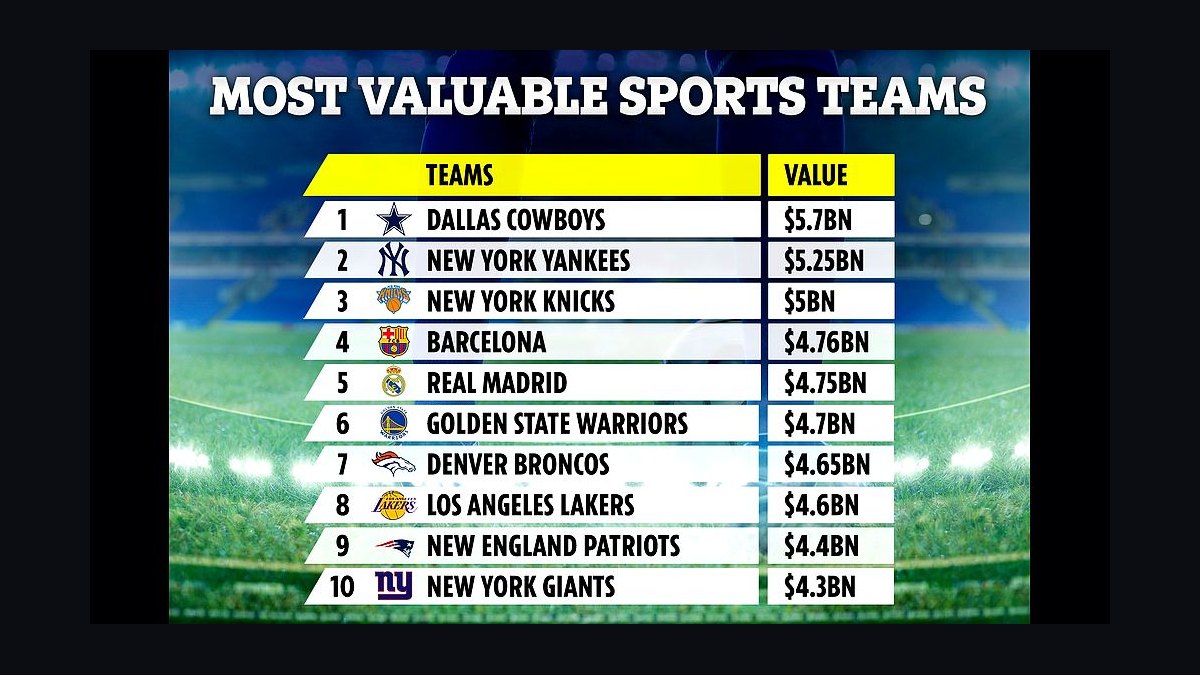
Clemson's 2026-27 NIL needs are simple to name and brutal to fund: an estimated $18-22M in football revenue-share plus collective spend, a credible Cade Klubnik replacement built in-house (presumed Christopher Vizzina or Tait Reynolds, with the actual starter still to be determined), and a way to compete in an SEC-flavored arms race while sitting in an ACC that pays each school only an estimated $22M in media money. Dabo Swinney is still the head coach at an estimated $11.5M per year, with a buyout estimated near $57M that effectively guarantees he is the coach into 2026-27. The famously anti-NIL Swinney finally cracked the transfer portal in the 2026 cycle, taking ten transfers after a 7-6 season. Clemson sunset the 110 Society collective and pushed NIL in-house through Clemson Ventures, with an estimated $18M earmarked for direct NIL pay on top of the roughly $20.5M House-settlement rev-share cap. Real money, but short of what Texas, Georgia, Ohio State, and Alabama put on the table. For 2026-27 the strategy must evolve from "develop and pray" to "develop, supplement, and retain" — targeted portal hits at QB, OT, and edge, plus retention NIL for the handful of players who decide whether Memorial Stadium hosts a Playoff team or a disappointment. Whether the QB room and portal class come together is genuinely not yet known.
TL;DR: Clemson 2026-27 needs an estimated $20M in real NIL, a Vizzina or Reynolds breakout (unsettled), three portal difference-makers, and a Swinney willing to keep pivoting — or the Dabo era drifts toward the buyout. Dollar figures are estimates that move weekly.
1Where Clemson Stands — 2026-27 NIL Math
The numbers are unforgiving. Clemson athletics reported an estimated $160M in annual revenue heading into the rev-share era, solid for the ACC but trailing Texas near $331M. The House settlement creates a national rev-share cap near $20.5M, and Clemson committed to fully funding it. On top, Clemson disclosed an estimated $18M in direct NIL pay flowing through Clemson Ventures and IPTAY channels, replacing the now-sunset 110 Society collective. Stack those and Clemson is putting an estimated $38M of total athlete comp into play, with the football share near an estimated $20M — competitive on paper, behind the SEC top tier in practice. These figures are estimates that move weekly, not public hard numbers.
The Dabo era frames the urgency. Two titles, six straight Playoff appearances in the late 2010s, then a stall: a string of nine-to-eleven-win seasons and a 7-6 in 2025, the second-worst of Swinney's tenure, which happened while he publicly resisted the portal. The QB room rebuilt the hard way: Klubnik went in the 2026 NFL Draft, and ESPN projects redshirt junior Christopher Vizzina as the presumptive starter with true freshman Tait Reynolds as QB2 — but the 2026-27 starter is not yet settled.

The ACC media gap is the structural drag. Each ACC school receives an estimated $22M in conference media versus an estimated $50M-plus for SEC programs. That gap compounds into NIL purchasing power the conference cannot close through revenue alone.
| Lever | Clemson 2026-27 | ACC/SEC peer |
|---|---|---|
| Athletic revenue | ~$160M | Texas ~$331M |
| Collective spend | ~$18M (in-house, est.) | Alabama ~$15M+ (est.) |
| Rev-share football | ~$15.4M | Same |
| ACC media | ~$22M/school | SEC ~$50M+ |
| HC contract | Dabo ~$11.5M, ~$57M buyout (est.) | Kirby Smart ~$13M |

2Real 2026-27 Strategy — 5 Moves
Move 1: Portal as scalpel. Swinney took ten transfers for 2026 after years of resistance. The 2026-27 version has to be deliberate: one veteran QB as Vizzina insurance, two offensive tackles, one interior pass rusher, one corner. Five targeted hits averaging an estimated $400K-$700K per player, roughly an estimated $2.5M of the football NIL pool — the highest-leverage chunk on the board, though which players sign is still to be determined.
Move 2: Retention-first NIL. The cheapest player to sign is one already on the roster. Build a four-tier model: an estimated $1M-plus for franchise cornerstones (Sammy Brown tier), $500K-$800K for proven starters, $200K-$400K for developing contributors, opportunity-NIL for the rest. Push an estimated 55-60 percent of the football NIL pool into retention so the roster doesn't bleed at the spring window.

Move 3: Make Clemson Ventures a real engine. Sunsetting 110 Society only works if Ventures books deals — Greenville business activations, regional CPG sponsorships, ACC Network appearances, equity where appropriate. Target an estimated $5M of true marketing-NIL through Ventures.
Move 4: Real backup QB plan. Vizzina vs. Reynolds is the public story; the private story must include a vetted veteran transfer QB ready to compete if Vizzina stalls. A Power Four backup with starts or a high-major Group of Five starter — optionality, not panic in October.

Move 5: Frame the Swinney transition honestly. Whether a change comes in 2026, 2027, or later, the estimated $57M buyout shrinks annually. A roster winning 10 games protects Dabo; one winning 6 forces the conversation — and which way 2026-27 breaks is not yet known. NIL strategy must assume both outcomes and not collapse if the head coach changes.
3Top 3 Risks
Risk 1: The Vizzina ceiling. Vizzina has limited career starts and inherited a passing offense that finished mid-pack in the ACC. If he is league-average and not better, Clemson's ceiling is around 8-4 regardless of NIL allocation — an unsettled outcome that hinges on his development. The hedge is a real veteran portal QB on the roster — not a talking point, a contracted player. Without that hedge the plan rides on a redshirt junior with limited college reps.

Risk 2: ACC media stagnation. The conference's media rights run through 2036 at current levels. Even with the FSU and Clemson exit lawsuits resolved, per-school payout stays near an estimated $22M while SEC and Big Ten schools collect an estimated $50M-plus. That estimated $25M+ annual gap is roughly the cost of one elite recruiting class, every single year. If the conference cannot negotiate a bridge or a CFP unit-share bump, Clemson is bringing a knife to a tank fight on repeat.
Risk 3: Swinney-era cultural drag. Swinney's "I'm not going to pay a high school kid more than Sammy Brown" line plays well with the base and badly with five-stars. He has suggested capping athlete cash on hand and deferring the rest — sincere, but recruits read it as a red flag. Every cycle Clemson finishes outside the top 10 in average player rating is a slow-motion erosion of the roster. The real risk is not that Dabo is fired — the estimated $57M buyout makes that nearly impossible. The risk is the program drifts to 8-4 as a steady state while paying championship-coach money.

What the In-House Model Means Under NIL Go
Clemson's decision to sunset 110 Society and absorb NIL operations into Clemson Ventures, aligned with IPTAY priority points, is a direct response to how the House v. NCAA settlement restructured the rules. Approved by Judge Claudia Wilken on June 6, 2025 and effective July 1, 2025, the settlement lets each school pay athletes directly from a pool that opened near $20.5 million for 2025-26, capped at 22% of average Power Four athletic revenue and projected to rise toward an estimated $32.9 million by the early 2030s. Clemson committed to fully funding that cap and adding scholarships, which is why the in-house line is now the backbone of the football compensation plan rather than a third-party collective.
The compliance mechanism that makes the in-house pivot smart is NIL Go, the Deloitte-operated clearinghouse that reviews every third-party NIL deal above $600 to confirm fair-market value and a genuine business purpose. Deals that read as flat pay-for-play can be denied or pushed to arbitration, with the College Sports Commission, the power-conference enforcement body, handling enforcement. By moving the program's NIL operation in-house and routing fundraising through IPTAY, Clemson keeps its capped revenue-share payments — which are school-to-athlete and not subject to the same third-party review — as the clean base, while any remaining external endorsement work for Tigers players still has to clear NIL Go on its own merits. That separation is a feature: it isolates the bulk of Clemson's spend from the clearinghouse bottleneck that slows programs leaning heavily on collective dollars.

The trade-off is that the in-house model caps Clemson's upside at the revenue-share line plus whatever genuine endorsement market its players can command, while SEC peers like Alabama, Georgia, Texas, and Ohio State stack collective and equity arrangements on top to reach an estimated $25 million to $35 million in total football compensation. Clemson's roughly $20 million football figure is competitive but structurally lower, and the gap compounds across recruiting cycles. The 2026-27 strategy, then, is less about outspending and more about spending the capped dollars with precision: pay the quarterback room and the offensive and defensive lines at the top of the cap, and use IPTAY-driven appearance and endorsement programs — all NIL-Go-compliant — to add real, defensible value on top.
The practical takeaway is that Clemson's 2026-27 ceiling is its fully funded revenue-share cap plus a disciplined, clearinghouse-clean endorsement program, and the program's job is to allocate that capped pool to the position groups that most move the win total rather than trying to match SEC collective totals it has chosen not to chase.

Q: How does moving NIL in-house through Clemson Ventures interact with NIL Go? A: Direct revenue-share payments from the school to the athlete are not third-party deals, so they sit outside the NIL Go review that applies to outside contracts over $600. By making the capped, school-paid line its backbone and routing fundraising through IPTAY, Clemson keeps most of its spend clear of the clearinghouse bottleneck, while any genuine external endorsement work for Tigers players still must clear NIL Go for fair-market value.
Q: Why does Clemson's lower football figure still keep it competitive? A: Because the revenue-share cap — about $20.5 million for 2025-26, rising toward an estimated $32.9 million by the early 2030s — is the same for every Power Four school, and Clemson fully funds it. The roughly $20 million football allocation trails the estimated $25 million to $35 million SEC programs reach with stacked collective and equity deals, but precise allocation to the quarterback room and both lines, plus a compliant IPTAY endorsement program, keeps the on-field roster within striking distance.

Related on PULSE
- What is the Clemson Tigers NIL strategy for football in 2027?
- What is the Clemson Tigers football NIL and roster strategy for the 2027 season?
- How much do Clemson football players earn from NIL in 2027?
- How much do Clemson men’s basketball players earn from NIL in 2027?
- What are Memphis Tigers football's 2027 NIL needs and strategy?
- What are Auburn Tigers football's 2027 NIL needs and strategy?
FAQ
How much NIL money does Clemson actually need for 2027? Clemson's total football NIL need for 2027 is estimated in the $18–22M range, combining the House-settlement revenue-share cap (roughly $20.5M) and direct collective or in-house NIL spend. That's a realistic but challenging target given the ACC's estimated $22M per-school media payout.
Will Dabo Swinney still be the head coach in 2027? Yes, almost certainly. Swinney's estimated $11.5M annual salary and $57M buyout make a change financially prohibitive. He's expected to remain through at least the 2027 season, barring an unforeseen resignation.
Who is the likely starting quarterback for Clemson in 2027? The starter is unsettled as of now. The presumed candidates are Christopher Vizzina or Tait Reynolds, with the actual starter still to be determined through competition. Clemson's 2027 QB room will need to produce a credible replacement for Cade Klubnik.
How does Clemson's NIL strategy differ from past years? Clemson has shifted from a "develop and pray" approach to a "develop, supplement, and retain" strategy. They sunset the 110 Society collective and moved NIL in-house through Clemson Ventures, with an estimated $18M earmarked for direct NIL pay. The 2026 portal cycle marked a major change, with ten transfers added after a 7-6 season.
Can Clemson compete with SEC and Big Ten schools in NIL spending? Not at the top tier. Clemson's estimated $18–22M is real money but falls short of what Texas, Georgia, Ohio State, and Alabama put on the table. The ACC's lower media revenue creates a structural disadvantage, making targeted spending and retention critical.
What are Clemson's biggest roster needs for 2027? The top priorities are quarterback (finding a credible starter), offensive tackle, and edge rusher. Retention NIL for key players who can determine whether the team makes the Playoff or disappoints is also essential. The portal class and QB room development will be decisive.
Sources
- Swinney Entering Final Year — The Clemson Insider
- Has the NIL era left Clemson behind? — CBS Sports
- The $57M Swinney dilemma — Pro Football Network
- Clemson NIL collective and roster retention — Post and Courier
- Graham Neff on Clemson NIL plan in rev-share era — On3
- Clemson to fully fund NCAA settlement — ESPN
- Jets trade up for Cade Klubnik — NFL.com
- ESPN backs Vizzina to replace Klubnik — Rubbing the Rock
This page will be disappearing soon. Save it to your device for $1 — or read it free while it is here.
@Kory-White- · if Venmo asks, the last 4 of my number are 2012
This page is gone.
This one is off the shelf now. $1 keeps it on your phone for good — the whole page, pictures and diagrams included.
 nilHow much do Pittsburgh football players earn from NIL in 2027?
 nilHow much do NC State football players earn from NIL in 2027?
 nilHow much do Washington State football players earn from NIL in 2027?
 nilHow much do Cincinnati football players earn from NIL in 2027?
 nilHow much do Howard football players earn from NIL in 2027?
 nilHow are pro teams using college NIL data for draft scouting in 2027?
 nilHow much do Bowling Green football players earn from NIL in 2027?
 nilHow much do Northern Iowa football players earn from NIL in 2027?
 nilHow much do Texas State football players earn from NIL in 2027?
 nilHow much do Virginia Tech football players earn from NIL in 2027?