


What is Openprise and why is it a hot RevOps data automation platform for 2027?
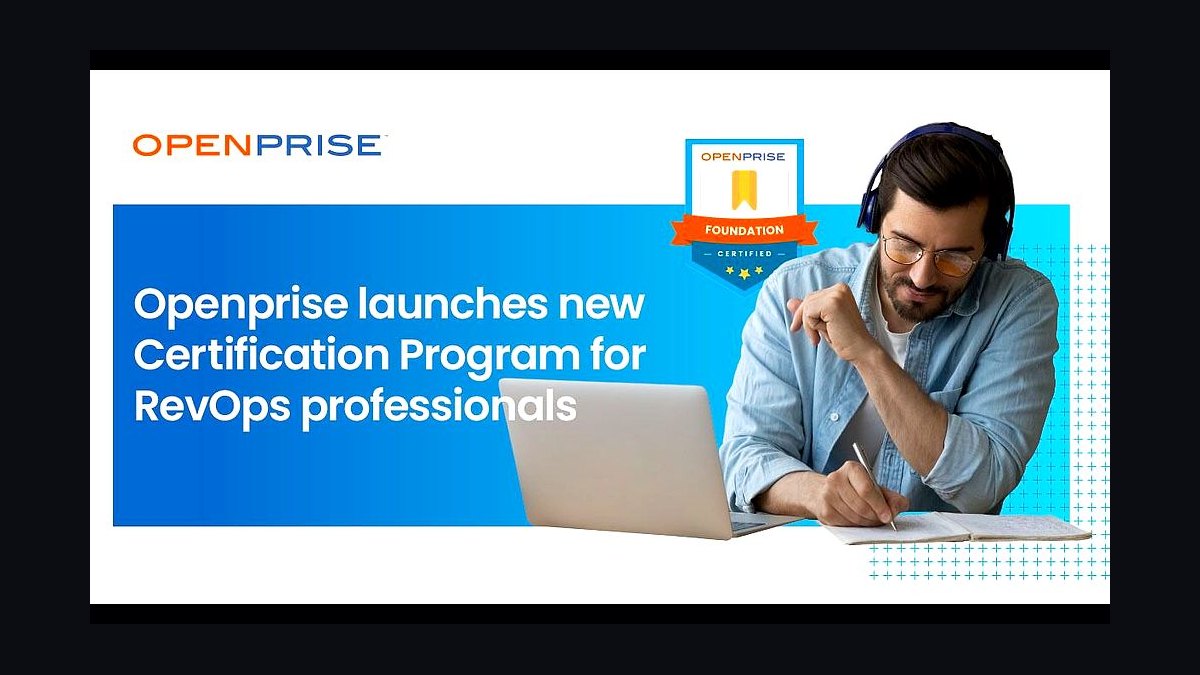
Openprise is a broad, no-code RevOps data-automation platform that handles data cleansing, enrichment orchestration, deduplication, lead routing, attribution, and scoring across the CRM and marketing stack, and it is a hot RevOps tool for 2027 because trustworthy data is the foundation of everything RevOps does — and Openprise consolidates the many data-quality jobs that are usually scattered across point tools and manual work into one orchestration layer. Openprise is among the broadest RevOps data-automation platforms, working across Salesforce, Dynamics 365, Marketo, and HubSpot. Its Data Quality Engine cleanses, normalizes, standardizes, and validates data with field-level rules (state abbreviations, phone formats, title normalization); its Enrichment Orchestration connects to multiple data providers (ZoomInfo, InsideView, and more) via the Openprise Data Marketplace with waterfall logic (try Provider A, fall back to B, merge the best); and it handles deduplication, lead routing, attribution, scoring, real-time unification, and a no-code app builder. Pricing starts around thirty-five thousand dollars a year (median contracts closer to sixty-one to ninety-nine thousand, plus implementation), enterprise-only. Rated 4.9/5 on G2, with customers like UiPath, Freshworks, and Okta. For RevOps teams drowning in data-quality, enrichment, dedup, and routing chaos across multiple systems, Openprise is the broad, no-code automation layer that makes the data trustworthy.
1What Openprise actually is
Openprise is a RevOps data-automation platform — and its defining trait is breadth. Most data tools do one job (dedup, or routing, or enrichment); Openprise consolidates the full range of RevOps data work into one no-code layer: data cleansing, enrichment orchestration, deduplication, lead routing, attribution, and scoring, all across the systems RevOps runs on (Salesforce, Dynamics 365, Marketo, HubSpot). The premise is that data quality and data operations are RevOps's most pervasive, time-consuming burden, scattered across point tools and manual processes — and one broad automation platform can handle it all.
The core is the Data Quality Engine: cleansing, normalization, standardization, and validation across every connected system, with field-level rules enforcing consistency (state abbreviations, phone formats, title normalization) — the unglamorous-but-critical hygiene that makes data trustworthy. Around it: deduplication (identifying and merging duplicate leads, contacts, accounts with configurable matching), lead routing, attribution, scoring, cross-funnel automation, real-time data unification, and a no-code app builder — a comprehensive RevOps data toolkit in one platform.

1.1 Enrichment orchestration with waterfall logic
A standout capability is Enrichment Orchestration via the Openprise Data Marketplace. Rather than relying on a single enrichment vendor, Openprise connects to multiple third-party providers (ZoomInfo, InsideView, Salesgenie, Orb Intelligence, Synthio, and others) and lets you define waterfall logic: try Provider A first, fall back to Provider B if A has no data, and merge the best results from each. This is sophisticated and valuable — enrichment coverage and quality improve dramatically when you can cascade across providers rather than depend on one, and Openprise orchestrates it no-code. For RevOps, waterfall enrichment maximizes data completeness and accuracy, a meaningful upgrade over single-vendor enrichment.
2Where Openprise fits in the RevOps stack

Openprise sits at the RevOps data-automation layer — a broad, no-code orchestration of data quality, enrichment, dedup, routing, attribution, and scoring across the CRM and marketing systems. It's the layer that keeps the data in those systems clean, complete, deduplicated, and correctly routed.
The diagram shows Openprise's value: it consolidates the many RevOps data jobs — quality, enrichment, dedup, routing, attribution, scoring — into one no-code layer across systems, keeping data trustworthy. For RevOps, this replaces a patchwork of point tools and manual processes with one broad automation platform, attacking the data-quality and data-ops burden comprehensively — which is foundational, since everything downstream (reporting, routing, AI) depends on clean, complete data.

2.1 Why broad data automation matters
The strategic argument is that data quality and operations are RevOps's most pervasive burden, and breadth consolidates it. RevOps teams typically juggle separate tools for dedup, enrichment, routing, and validation, plus manual data work — fragmented, expensive, and incomplete. Openprise's breadth (one no-code platform for all of it, with sophisticated waterfall enrichment) consolidates this, making data trustworthy across systems. For RevOps, since clean, complete, deduplicated, well-routed data is the foundation of reporting, automation, and AI, a broad platform that automates the full range of data work is high-leverage — and the waterfall enrichment maximizes data completeness no single tool matches.
2.2 Enterprise pricing
Openprise is enterprise-priced: starting around thirty-five thousand dollars a year, though median contracts hit closer to sixty-one to ninety-nine thousand (the $35K floor is marketing; budget the realistic band), plus implementation services of five to twenty-five thousand depending on complexity. It's contract-based through a custom sales process — annual commitments, scoping calls, no self-serve. With a 4.9/5 G2 rating and customers like UiPath, Freshworks, Zendesk, and Okta, it's a proven enterprise platform. RevOps should scope the data jobs it needs consolidated and budget the realistic cost plus implementation and ramp time.

3Who Openprise is for
Openprise fits mid-market and enterprise RevOps teams with data-quality, enrichment, dedup, and routing chaos across multiple systems that want to consolidate it into one broad automation platform. It rewards organizations where data operations are a significant, multi-system burden.
3.1 Where it shines
The strongest fit is a mid-market or enterprise team running multiple systems (CRM plus marketing automation) with significant data-quality, enrichment, dedup, and routing needs, wanting to consolidate them no-code. For these teams, Openprise's breadth, Data Quality Engine, waterfall enrichment, and cross-system automation make data trustworthy across the stack, replacing point-tool patchwork. It shines where data operations are complex and multi-system, and where consolidating them into one broad platform delivers real efficiency and quality.

3.2 Where it is a weaker fit
Openprise is a weaker fit for teams under ~500 employees or with simple, Salesforce-only needs — the $35K floor, steep ramp, and enterprise-only sales motion make it overkill, and lighter tools (Cloudingo for dedup, LeanData for routing) fit better. It's also less suited to teams wanting a quick, self-serve, or single-purpose fix rather than a broad enterprise platform with implementation. Its breadth-and-enterprise positioning means smaller or simpler teams should look elsewhere.
4The 2027 edge
Openprise is a 2027 story because data quality is the foundation for trustworthy reporting and AI, and Openprise is the broadest no-code platform consolidating RevOps data automation across systems — with sophisticated waterfall enrichment. The edge is breadth plus multi-provider enrichment orchestration plus no-code, replacing a patchwork of point tools with one trustworthy data layer.

4.1 The RevOps shift
The 2027 implication for RevOps is that data automation becomes a consolidated, no-code, owned layer rather than a patchwork of point tools and manual work. RevOps owns the data-quality rules, the enrichment waterfall logic, the dedup matching, the routing, and the scoring — all in one platform, keeping data trustworthy across systems. The discipline becomes operating a comprehensive data-automation layer as the foundation for reliable reporting, automation, and AI. Teams that consolidate data operations run on clean, complete, deduplicated, well-routed data; those juggling point tools and manual work get fragmented, unreliable data that undermines everything downstream — making a broad data-automation platform a foundational RevOps investment.
5Limits and watch-outs
The first watch-out is enterprise fit and cost: the $35K floor is marketing — realistic contracts run sixty-one to ninety-nine thousand plus five-to-twenty-five-thousand implementation, with a steep ramp and enterprise-only sales motion, so it's strictly a mid-market/enterprise play; teams under ~500 employees or with simple Salesforce-only needs should use lighter tools (Cloudingo, LeanData). The second is implementation and ramp: consolidating broad data automation is a real project requiring scoping and setup, so budget time and services, not just license. The third is the breadth-vs-depth consideration: Openprise does many jobs broadly, which is its strength, but teams needing the deepest capability in one narrow area should compare against specialists. The fourth is data-source dependence: enrichment waterfall quality depends on the providers connected, and data quality depends on well-configured rules, so the setup determines results. Finally, like all data automation, it improves data but requires ongoing rule maintenance as systems and data evolve.

6Bottom Line
Openprise is a strong 2027 bet for mid-market and enterprise RevOps teams with multi-system data chaos, because it's among the broadest no-code RevOps data-automation platforms — consolidating data quality, waterfall enrichment across providers, deduplication, routing, attribution, and scoring across Salesforce, Dynamics, Marketo, and HubSpot into one trustworthy layer. The strategic shift it embodies is data automation becoming a consolidated, owned foundation rather than a point-tool patchwork, underpinning reliable reporting and AI. Buy it if you have complex, multi-system data-quality, enrichment, dedup, and routing needs and want to consolidate them no-code; be cautious if you're under ~500 employees, have simple Salesforce-only needs (use Cloudingo/LeanData), want a quick self-serve fix, or can't justify the realistic $61K-99K-plus cost and ramp. Its differentiator is breadth plus multi-provider waterfall enrichment in one no-code platform — the comprehensive data layer that makes RevOps data trustworthy across the stack.

Related on PULSE
- What data sources are most effective for training AI models to predict next best action in complex enterprise deals?
- How does the expanding size of B2B buying committees increase the risk of vendor consolidation paralysis?
- Which vendor consolidation strategies are failing most often when integrating AI sales tools into existing stacks?
- Why are longer sales cycles now correlating with a shift from pipeline velocity to deal value predictability?
- What specific metrics are B2B RevOps teams using to measure AI's impact on lead quality in the top-of-funnel?
FAQ
What exactly does Openprise do that a regular CRM can't? Openprise adds a dedicated data-automation layer that CRMs lack. While Salesforce or HubSpot have basic deduplication and validation, Openprise orchestrates complex workflows like waterfall enrichment (trying multiple data providers in order), field-level standardization (e.g., normalizing phone formats or job titles), and real-time lead routing based on data quality scores. It handles tasks that would otherwise require multiple point tools or manual scripting.
How does Openprise handle data enrichment without breaking the budget? Openprise's Data Marketplace lets you connect to providers like ZoomInfo or InsideView and set waterfall logic—try one source, fall back to another, and merge the best fields. This avoids paying for redundant lookups and lets you control costs by limiting API calls per record. Pricing starts around $35,000/year, which is competitive compared to buying separate enrichment tools for each system.
Is Openprise only for large enterprises, or can mid-sized RevOps teams use it? It's designed for teams with at least a few thousand records and complex data workflows, but mid-sized companies (e.g., 50–200 sales reps) often find it cost-effective. The no-code interface means you don't need a dedicated data engineer, though initial setup may require a few weeks of configuration. Many teams start with a single use case, like deduplication or lead routing, and expand later.
Does Openprise work with my existing tech stack besides Salesforce? Yes, it integrates with major CRMs (Salesforce, Dynamics 365, HubSpot) and marketing automation platforms (Marketo, Pardot). It also connects to common data providers via its marketplace and can pull from or push to APIs, databases, or spreadsheets. However, it's strongest when used with Salesforce or Marketo due to pre-built connectors; custom integrations may require more setup.
How long does it take to see results after implementing Openprise? Most teams see initial improvements in data quality (e.g., fewer duplicates, standardized fields) within a few weeks. Complex workflows like enrichment orchestration or scoring models can take 1–3 months to fully configure and tune. The platform's reporting helps track progress, but full ROI often materializes after 3–6 months as manual data tasks are eliminated.
What are the main drawbacks or limitations of Openprise? The biggest limitation is that it's a data automation platform, not a full CRM replacement—you still need your core sales/marketing systems. Also, while no-code, it has a learning curve for building complex workflows, and support response times can vary. Pricing scales with data volume, so very large datasets (millions of records) may push costs higher than the $35k starting point.
Sources
- Openprisetech.com product and plans pages on RevOps data automation, the Data Quality Engine, and Enrichment Orchestration
- The CRO Report and RevOps Report 2026 Openprise reviews (RevOps perspective)
- G2 (4.9/5) and Capterra 2026 Openprise reviews and pricing
- Dimmo and Prospeo 2026 Openprise pricing and pros/cons analyses
- Industry analysis on RevOps data automation, data quality, waterfall enrichment, and data orchestration
This page will be disappearing soon. Save it to your device for $1 — or read it free while it is here.
@Kory-White- · if Venmo asks, the last 4 of my number are 2012
This page is gone.
This one is off the shelf now. $1 keeps it on your phone for good — the whole page, pictures and diagrams included.
 revopsWhat's a healthy AE ramp time — and how do you actually design ramp in 2027?
 revopsHow should a 2027 RevOps team handle international forecast complexity?
 revopsHow should a 2027 CRO and CEO align before a board meeting?
 revopsHow should a 2027 startup run a founder-shadow program for the first AE?
 revopsWhat is Second Nature and why is it a hot RevOps AI sales-training platform for 2027?
 revopsHow should a 2027 sales org distinguish ICP fit vs intent vs need?
 revopsWhat are the basic qualifying criteria for a sales deal in 2027?
 revopsHow should a 2027 RevOps team write a sunset SOP for a legacy GTM tool?
 revopsHow should a 2027 sales org handle compensation impact during a performance improvement plan?
 revopsWhat are Kentucky Wildcats men's basketball's 2027 NIL needs and strategy?