


How much do UConn women's basketball players earn from NIL in 2027?
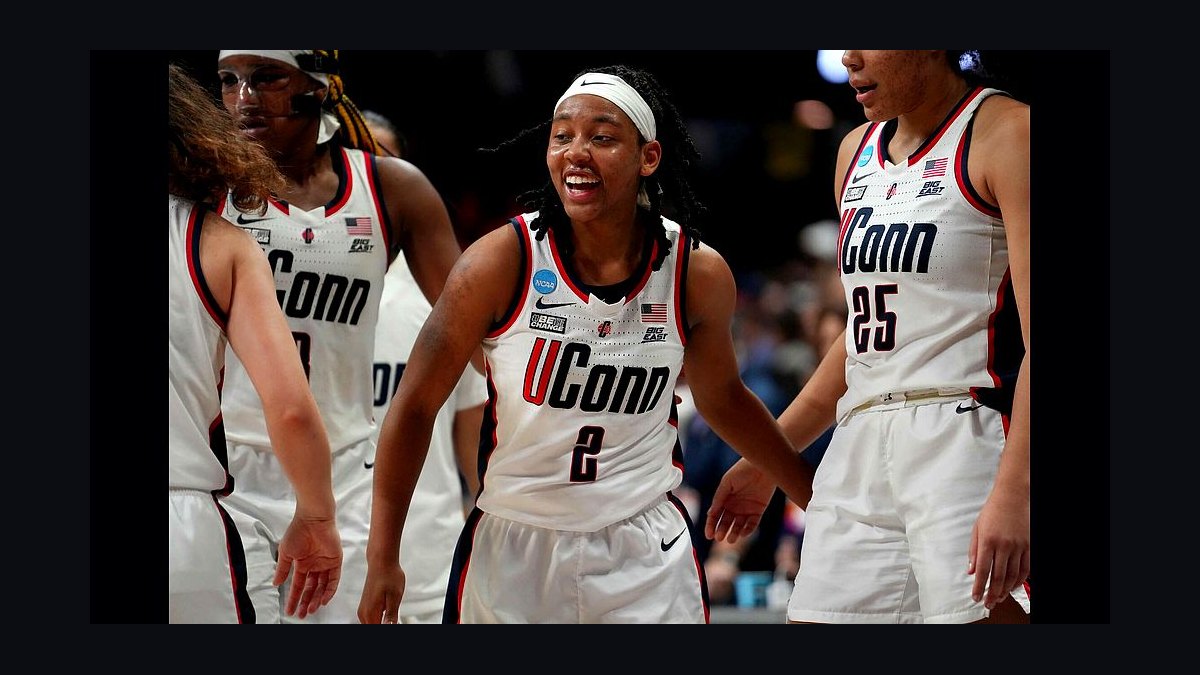
A UConn women's basketball player in 2027 can earn anywhere from a few thousand dollars to well over $1 million for the program's biggest stars, with typical rotation players landing in the $20,000 to $150,000 range and marquee, nationally-known players clearing seven figures through endorsements. UConn is one of the most valuable women's basketball NIL programs in the country because it combines a blue-blood dynasty brand, massive national-TV exposure, and a passionate fan base — and because women's basketball NIL has surged, with the sport's top stars sometimes out-earning their male counterparts through brand deals. After the House v. NCAA settlement took effect for 2025–26, UConn can pay players directly from a revenue-sharing pool capped near $20.5 million department-wide, with women's basketball receiving a meaningful allocation given the program's prominence and revenue. On top of that sits the third-party NIL layer: brand endorsements, collective money, and the personal-brand value of starring for UConn on national television. The biggest earners are driven less by raw revenue-share dollars and more by national marketability — social following, personality, and brand fit — which is why women's basketball has produced some of the highest-earning athletes in all of college sports.
1Why UConn Women's Basketball NIL Is So Valuable
UConn's NIL strength rests on a rare combination of assets. The dynasty brand — one of the most successful programs in college sports history, with 11 national titles under Geno Auriemma — commands national attention and loyal fans. Major TV exposure puts players in front of brands repeatedly. And the explosive growth of women's basketball has made its stars genuinely marketable nationally, with brands eager to sign authentic, high-following athletes. Unlike men's football where revenue-share dollars dominate, women's basketball earnings skew toward brand endorsements and personal-brand value, where a charismatic UConn star with a large social following can command deals that rival or exceed many male athletes.
2The Two Layers of Earnings
Layer one — direct revenue sharing. Since the House settlement, UConn can pay players directly. Women's basketball receives a meaningful share of the capped pool given the program's prominence, weighted toward key players and recruits.

Layer two — third-party NIL. This is where women's basketball stars shine — brand endorsements, social content, appearances, and collective deals. National brands reach players through agencies and platforms like Opendorse, and the NIL Go clearinghouse (run with Deloitte) reviews third-party deals of $600 or more for fair-market value. For marketable stars, this layer dwarfs the revenue-share dollars.
3What Different Players Earn
- Nationally-marketable stars: $500K–$2M+, driven mostly by brand endorsements and social following.
- Established starters: $75K–$300K.
- Rotation players: $20K–$100K.
- Deep-bench players: $2K–$25K, often collective and local-brand deals.

These bands depend heavily on marketability and social following, more than on-court role alone — a charismatic player with a big audience can out-earn a more productive but lower-profile teammate.
4Real UConn Earners and What They Prove
UConn's recent stars are the clearest evidence that marketability, not just production, drives the ceiling. Paige Bueckers, the No. 1 overall pick of the 2025 WNBA Draft by the Dallas Wings, was among the highest-valued athletes in all of college sports during her UConn career — On3 estimated her NIL valuation in the multi-million-dollar range, built on deals with brands including Nike, Gatorade, Bose, and Crocs. Bueckers was the first college athlete signed to a Gatorade NIL deal, a milestone that showed how a women's basketball star could anchor national campaigns.

Her teammate Azzi Fudd, a prolific shooter with a large following, also carried a seven-figure-range valuation through deals including Steph Curry's SC30/Curry Brand partnership, proving the program can support more than one star-level earner at a time. The next wave — led by national champion and consensus star Sarah Strong, who arrived as the country's top recruit and helped UConn win the 2025 national title — shows the pipeline continuing, with elite recruits drawing major valuations before their college careers peak. The pattern is consistent: at UConn, the biggest checks go to players whose national audience and personality brands can build campaigns around, which is why women's basketball NIL has at times outpaced men's at the very top.
5How The House Settlement Reshaped UConn's Math
Before 2025, every dollar a UConn player earned came from collectives and brands; the school could not pay players. The House v. NCAA settlement, approved in June 2025 and effective for 2025–26, changed that with direct institutional revenue sharing under a cap that started near $20.5 million per department and rises roughly 4 percent per year toward the $22–23 million range by 2027–28. Because the cap is department-wide, UConn's women's basketball roster shares the pool with men's basketball and Olympic sports — but as the program that drives much of UConn's national profile and revenue, women's basketball commands a meaningful allocation. The settlement also created the NIL Go clearinghouse, operated with Deloitte, which reviews third-party deals of $600 or more for fair-market value and a valid business purpose. For women's basketball, where genuine brand endorsements already dominate earnings, the clearinghouse is less disruptive than it is for sports that leaned on disguised pay-for-play — UConn stars' deals are real campaigns that clear fair-market-value review easily.

6The Organizations in UConn's NIL Economy
UConn-affiliated collectives channel donor money into player deals. Opendorse and similar platforms manage and disclose deals. The NIL Go / Deloitte clearinghouse reviews third-party deals ($600+) for fair-market value. National agencies represent top players for the brand endorsements that drive women's basketball earnings. A savvy UConn player treats NIL like a personal brand business — representation, social strategy, disclosure workflow, and tax planning.
7How a UConn Player Maximizes Earnings
- Build a genuine national following — in women's basketball, social reach and personality drive the biggest deals.
- Win a featured on-court role — production plus visibility compounds marketability.
- Get real representation that understands brand deals and clearinghouse rules.
- Stack all layers — revenue share, collective, and especially national endorsements.
- Manage taxes and eligibility — NIL income is taxable and deals must clear fair-market-value review.

8How UConn Compares to Other Women's Basketball NIL Powers in 2027
UConn does not operate in a vacuum — its NIL economy is shaped by a fiercely competitive market for the sport's top talent. LSU, powered by stars like Flau'jae Johnson (who carries a multi-million-dollar valuation tied to her music career and brands including Powerade and Amazon) and the program's national-title pedigree, has been an aggressive NIL spender. South Carolina, under Dawn Staley with back-to-back-caliber rosters, channels major collective and brand money to its players. Iowa rode the Caitlin Clark wave — Clark's college valuation reached the multi-million-dollar tier and she became the No. 1 WNBA pick in 2024 — to prove a single transcendent star can reset an entire program's brand value. Against this field, UConn competes by leaning on its dynasty brand and player-development reputation: athletes choose UConn knowing the program reliably produces WNBA lottery picks and the national exposure that converts into endorsement money. In practical 2027 terms, a top recruit weighing UConn against LSU or South Carolina is comparing not just the revenue-share offer — bounded by the same roughly $20.5M department cap that rises about 4% annually — but the long-term brand trajectory, because at UConn the biggest dollars historically come from where a player's national profile lands after a deep tournament run, not from the school's direct check alone.
Frequently Asked Questions
How much can a UConn women's basketball star make in 2027? Nationally-marketable stars can earn $500K–$2M+, driven mostly by brand endorsements and social following, sometimes rivaling or exceeding male athletes. Paige Bueckers' multi-million-dollar valuation set the recent benchmark.

Does UConn pay players directly now? Yes. Since the House settlement (effective 2025–26), UConn can pay players from a revenue-sharing pool capped near $20.5 million department-wide, with women's basketball receiving a meaningful share.
Why do women's basketball players earn so much in NIL? Because the sport has surged in popularity and its stars are highly marketable nationally, so brand endorsements — not just revenue share — drive earnings, sometimes exceeding men's.

What is the NIL Go clearinghouse? The settlement-mandated review process, operated with Deloitte, that vets third-party deals of $600 or more for fair-market value to prevent disguised pay-for-play.
Does marketability matter more than on-court role? In women's basketball, often yes — a charismatic player with a large social following can out-earn a more productive but lower-profile teammate.

Did UConn stars sign deals with major national brands? Yes. Paige Bueckers signed with Nike, Gatorade, Bose, and Crocs, becoming the first college athlete with a Gatorade NIL deal, while Azzi Fudd partnered with the Curry Brand. These are real endorsement campaigns, not collective-only money, which is why they translate so well under the new fair-market-value review.
Does revenue-share money affect a UConn player's WNBA draft stock or eligibility? No. Revenue sharing is compensation under the House settlement and does not change a player's amateur eligibility or draft position; WNBA scouts evaluate on-court ability, and the income is simply treated as taxable earnings.

How does UConn's NIL compare to LSU or South Carolina? All three sit near the top of the women's basketball NIL market and share the same roughly $20.5 million department-wide revenue-share cap. UConn competes on its dynasty brand and WNBA-pipeline reputation, while LSU (Flau'jae Johnson) and South Carolina lean on aggressive collectives and recent national titles. For a top recruit, the deciding factor is often the long-term brand trajectory a deep UConn tournament run can create, not just the upfront revenue-share offer.
Will the revenue-share cap grow by 2027? Yes. The House settlement cap started near $20.5 million per department for 2025–26 and rises roughly 4 percent per year, putting it on track toward the $22–23 million range by 2027–28. UConn's women's basketball program continues to command a meaningful slice given the revenue and national attention it generates.

Do music, acting, or other off-court ventures count toward NIL earnings? Yes — name, image, and likeness deals extend well beyond athletics. A UConn player with a music brand, a large lifestyle following, or acting work can monetize all of it, and those deals still pass through the NIL Go / Deloitte fair-market-value review if they are $600 or more and tied to a third party. This is exactly how the sport's top earners stack income across multiple categories.
Related on PULSE
- What is the UConn Huskies NIL strategy for women's basketball in 2027?
- How much do UConn men’s basketball players earn from NIL in 2027?
- How much do UConn football players earn from NIL in 2027?
- What is the UConn Huskies NIL recruiting strategy for college basketball in 2027?
- What is the UConn Huskies men's basketball NIL and roster strategy for the 2027 season?
- What are UConn Huskies men's basketball's 2027 NIL needs and strategy?
Sources
- House v. NCAA settlement terms and revenue-sharing cap documentation (effective 2025–26)
- NIL Go clearinghouse (Deloitte) fair-market-value review documentation ($600 threshold)
- On3 and Opendorse NIL valuation reporting for women's college basketball, 2026–2027 (Paige Bueckers, Azzi Fudd valuations)
- NCAA and Big East revenue-sharing implementation guidance, 2026–2027
- Opendorse NIL marketplace data and athlete-earnings reporting
- Sportico and Front Office Sports reporting on women's basketball NIL values
- 2025 WNBA Draft results (Paige Bueckers, No. 1 overall, Dallas Wings)
UConn womens basketball NIL review / reviews / rating / review 2027 / review of UConn NIL earnings
This page will be disappearing soon. Save it to your device for $1 — or read it free while it is here.
@Kory-White- · if Venmo asks, the last 4 of my number are 2012
This page is gone.
This one is off the shelf now. $1 keeps it on your phone for good — the whole page, pictures and diagrams included.
 nilHow much do Notre Dame women’s basketball players earn from NIL in 2027?
 nilHow much do Louisville women’s basketball players earn from NIL in 2027?
 nilHow much do California women’s basketball players earn from NIL in 2027?
 nilHow much do Texas A&M women’s basketball players earn from NIL in 2027?
 nilWhat is the Tennessee Lady Vols NIL strategy for women's basketball in 2027?
 nilHow much do South Dakota State women’s basketball players earn from NIL in 2027?
 nilHow much do Villanova women’s basketball players earn from NIL in 2027?
 nilHow much do Nebraska women’s basketball players earn from NIL in 2027?
 nilWhat is the Ohio State Buckeyes NIL strategy for women's basketball in 2027?
 nilWhat is the LSU Tigers NIL strategy for women's basketball in 2027?