
How does the college football coaching salary and buyout market work in 2027?
 Curated byKory White · Fractional CRO · Maryland
 PULSEKNOWLEDGE LIBRARY
In 2027, the college football coaching salary and buyout market operates as a high-stakes financial ecosystem where fully guaranteed, multi-year contracts create enormous future liabilities, with buyouts reaching a record $228 million in the 2025 cycle alone and CFP-era severance surpassing $1 billion across public universities.
What it is and why it matters
A coaching buyout represents the guaranteed remaining salary a university must pay after firing a head coach without cause — essentially severance triggered by poor performance. These aren't optional penalties; they are contractual obligations written into every Power Five coaching agreement. When LSU fired Brian Kelly in 2025, the school owed $54 million regardless of whether he ever coached again. When Penn State dismissed James Franklin, the obligation hit $49.7 million. The all-time record remains Texas A&M's $77 million payout to Jimbo Fisher in 2023.
Why this matters for operators goes far beyond sports. The college football coaching salary and buyout market offers a real-world case study in the cost of guaranteed compensation, the danger of long-dated liabilities, and the discipline required to make sunk-cost decisions. Every RevOps professional who has ever hired a senior leader, signed a multi-year SaaS contract, or committed to a platform migration faces the same structural risk: what happens when the hire, tool, or vendor fails? In college football, that failure costs $54 million.
The escalation is stark. Since the College Football Playoff began in 2014, FBS public universities have spent over $1 billion on severance for head coaches and assistants. The 2025 cycle alone — $228 million across 15 fired head coaches — nearly doubled any prior year's total. This isn't inflation; it's a structural shift toward fully guaranteed, long-term contracts in a hypercompetitive talent market.
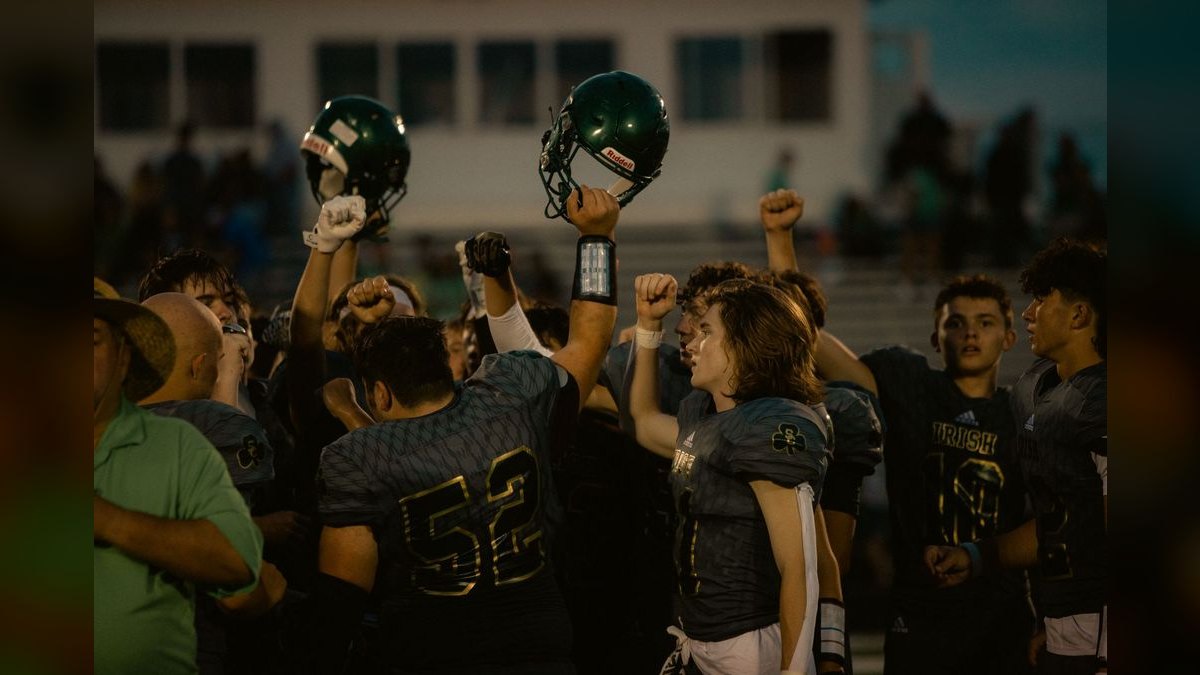
The highest-paid active coach, Clemson's Dabo Swinney, earns $11.45 million annually through 2031. Kirby Smart at Georgia commands $10.8 million. These salaries are fully guaranteed, meaning if either coach underperforms tomorrow, their university owes the full remaining value. That's the core mechanism: guaranteed compensation turns a hiring mistake into a multi-year financial anchor.
For RevOps leaders, the lesson is direct. Every time you sign a three-year, fully guaranteed contract with a VP of Sales or a platform vendor, you create the same liability structure. The college football market shows exactly how expensive that structure becomes when performance falls short of expectations. The only difference is scale — $54 million versus $540,000 — the mechanics are identical.
The step-by-step process
The college football coaching salary and buyout market follows a predictable cycle that repeats every hiring season. Understanding this process reveals exactly where financial risk accumulates and how schools end up paying record sums for non-performance.
Step 1: The hiring decision. A university identifies a head-coaching candidate and negotiates a contract. The key terms are base salary, contract length, guaranteed money, buyout structure, offset language, and performance bonuses. In 2027, the standard Power Five offer is a 5-to-7-year deal with full guarantees for the first three years.
Step 2: Contract signing and guarantee creation. Once signed, the contract's guaranteed portion becomes a binding future liability. If the contract is fully guaranteed for $50 million over six years, the university owes that $50 million regardless of future performance. This is the moment the risk is created — not when the coach is fired, but when the contract is signed.
Step 3: Performance evaluation. The coach leads the program for one or more seasons. Performance metrics include win-loss record, bowl eligibility, recruiting rankings, player development, compliance, and donor satisfaction. Most buyout triggers are tied to "without cause" termination, meaning the school can fire the coach for any reason — but still owes the guaranteed money.
Step 4: The firing decision and buyout calculation. When performance falls short, the athletic director and university leadership decide whether to fire the coach. The buyout is calculated as the remaining guaranteed salary minus any offsets (if the coach takes another job). For example, if a coach has $40 million remaining on a guaranteed contract and takes a new job paying $8 million annually, a standard offset clause reduces the buyout by 50% to 100% of the new salary.

Step 5: Payment structure. Approximately 75% of buyouts are paid as lump sums within 60 days of termination. The remaining 25% are structured as monthly installments over the contract's original term. Schools fund these payments through donor pledges (60%), department reserves (25%), and university loans or reallocated operating budgets (15%).
Step 6: Financial fallout. The buyout payment reduces the athletic department's budget for assistant coach salaries, facilities, recruiting, and NIL collectives. A $40 million buyout typically reduces the assistant salary pool by $2-4 million per year for 3-5 years, creating a vicious cycle that makes the next hire more likely to fail.
Costs, timelines, and typical ranges
The college football coaching salary and buyout market in 2027 operates within well-defined financial bands that vary by conference, program prestige, and coach performance history.
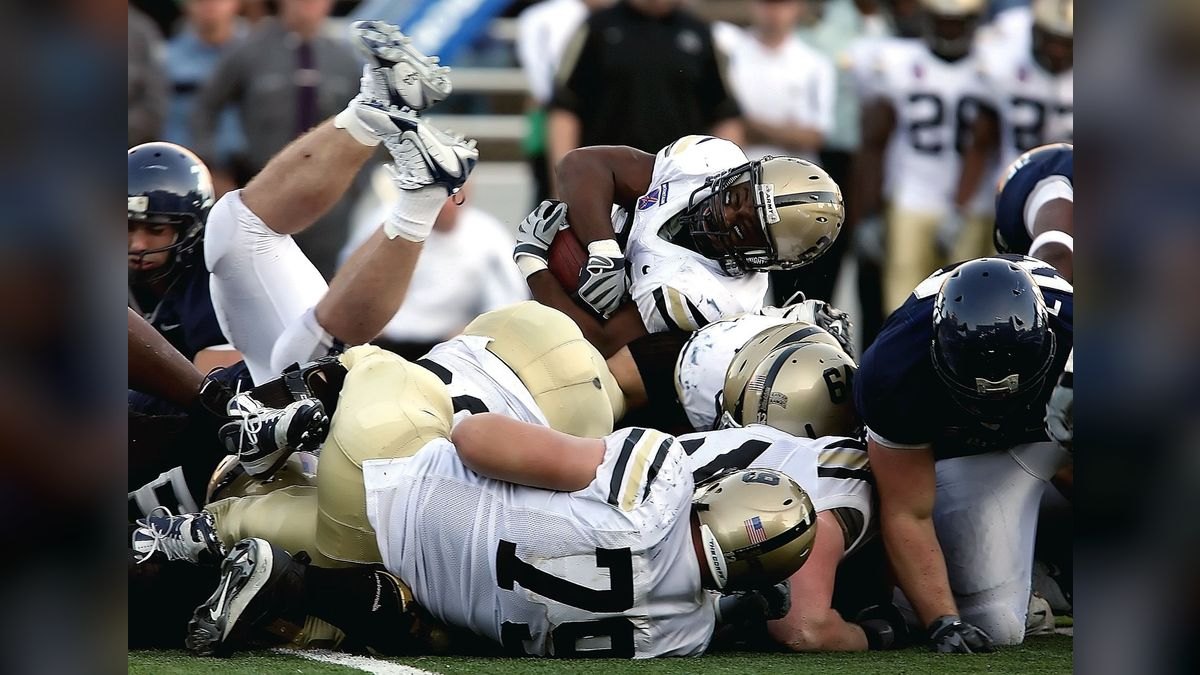
Head coach salary ranges. The top tier — Dabo Swinney at $11.45 million, Kirby Smart at $10.8 million, and five to seven other elite coaches — commands $9-12 million annually. The second tier of established Power Five coaches earns $6-9 million. The third tier, consisting of Group of Five coaches or first-time Power Five hires, typically lands between $3-6 million. Assistant coaches, including coordinators and position coaches, earn $500,000 to $2.5 million, with elite coordinators at top programs exceeding $2 million.
Buyout ranges by tier. For elite coaches, buyouts typically range from $40-77 million, with the all-time record still held by Jimbo Fisher at $77 million. The 2025 cycle saw Brian Kelly at $54 million and James Franklin at $49.7 million. Second-tier Power Five coaches carry buyouts of $15-35 million. Third-tier and Group of Five coaches have buyouts of $5-15 million. These figures represent the total guaranteed remaining salary at the time of firing.
Contract length and guarantee structure. The standard Power Five contract in 2027 runs 5-7 years. Elite coaches negotiate "guaranteed through Year 3" clauses that lock in full buyout regardless of performance. Approximately 60% of Power Five contracts include annual renegotiation clauses that automatically adjust salaries based on the top five highest-paid coaches in the sport — a mechanism that drove Swinney's pay from $9.2 million in 2024 to $11.45 million by 2027.
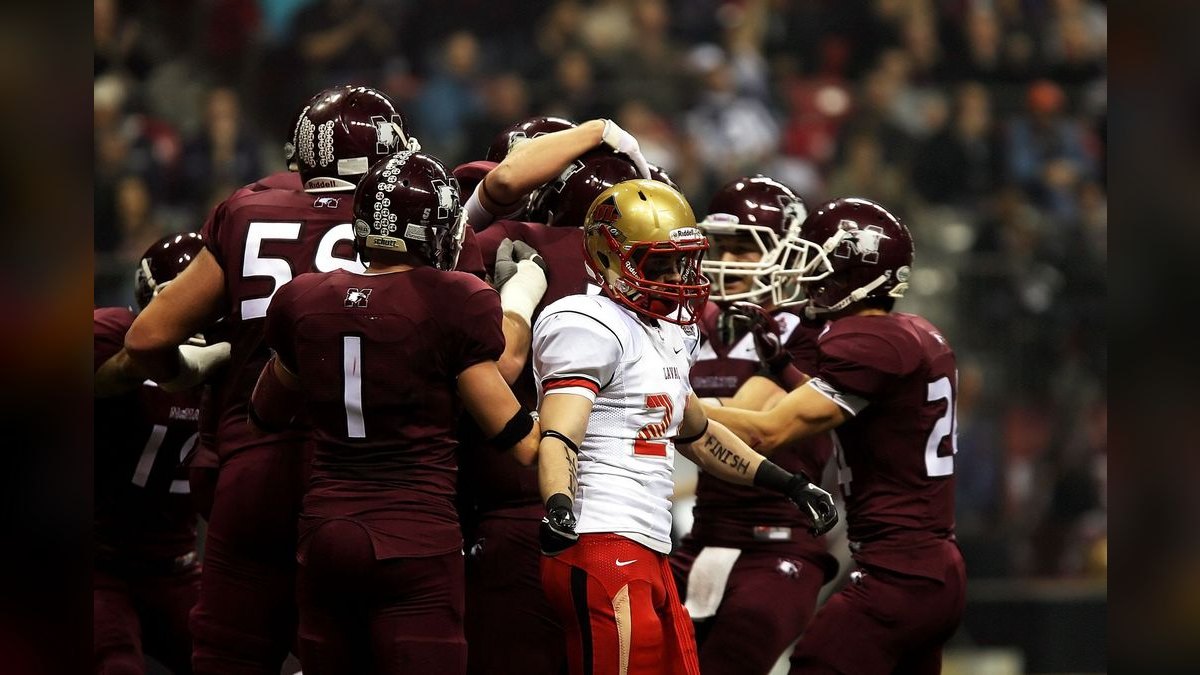
Offset language and mitigation. Standard offsets reduce buyouts by 50-100% of the coach's new salary. However, roughly 15% of Power Five deals include "offset-free" buyouts for top-tier coaches, meaning the school pays the full amount regardless of the coach's next job. Mitigation clauses requiring fired coaches to actively seek employment exist in most contracts but are rarely enforced strictly.
Payment timeline. 75% of buyouts are paid in lump sums within 60 days. The remaining 25% are paid as monthly installments over the contract's original term. Schools fund these through donor pledges (60%), department reserves (25%), and university loans (15%). The 2025 cycle saw $137 million come from donors alone.
Performance-based buyout reductions. Approximately 20% of Power Five contracts now include "for cause" termination triggers for specific performance failures — missing bowl eligibility two years in a row, NCAA violations, or a losing record against rivals — that can void guaranteed money entirely. This is up from under 5% a decade ago.

Assistant coach salary impact. When a school pays a $40 million buyout, it typically reduces the assistant salary pool by $2-4 million per year for 3-5 years. Assistant coach salaries have grown 35% since 2023 but now face tighter budgets due to buyout obligations.
Where teams get it wrong
The college football coaching salary and buyout market reveals predictable failure patterns that RevOps leaders can learn from directly.
Failing to price the downside. The most common mistake is focusing on the upside of a coaching hire — the potential for championships, increased revenue, and donor excitement — while ignoring the cost of failure. A $54 million buyout dwarfs any single year's salary, yet schools routinely sign contracts without modeling the full downside scenario. In RevOps terms, this is equivalent to signing a three-year, fully guaranteed platform contract without calculating the cost of migration failure.

Overvaluing short-term performance. Schools often extend or renegotiate contracts after a single winning season, locking in higher guarantees based on limited data. The 2025 cycle included multiple coaches who had been extended after successful years, only to underperform shortly after. The same pattern appears in sales leadership: a VP of Sales who overperforms in year one gets a guaranteed extension, then underperforms in year two at significantly higher cost.
Ignoring offset language. Many schools fail to negotiate strong offset clauses, allowing top coaches to demand "offset-free" buyouts. This means the school pays the full buyout even if the coach immediately takes another job at similar or higher pay. Texas A&M paid Jimbo Fisher $77 million despite him not coaching — but even if he had taken another job, an offset-free clause would have meant no reduction.
Treating buyouts as one-time expenses. Schools fund buyouts from donor pledges and reserves without accounting for the long-term impact on program budgets. A $40 million buyout doesn't just disappear — it reduces the assistant salary pool, limits facility investments, and constrains NIL collective funding for years. This creates a compounding effect where a bad hire damages not just the current program but future recruiting and retention.

Letting ego drive decisions. Multiple schools in the 2025 cycle fired coaches and paid massive buyouts primarily because of donor pressure or media criticism, rather than a clear-eyed assessment of future value. The sunk-cost fallacy runs in both directions: some schools keep failing coaches too long to avoid paying the buyout, while others fire coaches prematurely to satisfy external demands.
Underestimating the recruiting impact. A coach under contract but known to be on the hot seat struggles to recruit. This creates a self-fulfilling prophecy: the coach can't win because recruiting suffers, then gets fired because of poor results. Schools that delay the firing decision to avoid the buyout often end up paying more in lost recruiting classes and program momentum than the buyout itself.
Decision framework: when to choose what
The college football coaching salary and buyout market provides a clear decision framework for when to fire a coach and pay the buyout versus when to retain them — a framework directly applicable to RevOps hiring and vendor decisions.
The forward-value test. The only rational basis for firing a coach is whether the future value of a replacement exceeds the sunk cost of the buyout plus the replacement's salary. If a failing coach costs the program $10 million annually in lost revenue (reduced ticket sales, lower media units, declining donations) and the buyout is $40 million, the payback period is four years. If a replacement can generate $15 million in additional annual value, the net benefit is $5 million per year after year four.

When to fire. Fire the coach when: (1) the forward value of a replacement clearly exceeds the buyout plus new salary costs, (2) recruiting has deteriorated to the point where multiple classes will be affected, (3) donor fatigue has set in and program revenue is declining, or (4) the coach has lost the locker room and player development is suffering. The 2025 cycle showed that schools firing coaches at $40-54 million buyouts calculated that the forward value of a better program — bigger media units, recruiting, donations, and revenue-sharing competitiveness — exceeded the sunk cost.
When to retain. Keep the coach when: (1) the buyout is so large that it would cripple the program's budget for 3-5 years, (2) the coach has a proven track record and the poor performance appears temporary, (3) no clearly better replacement is available, or (4) the program is in a transition period (conference change, stadium renovation) where stability matters more than performance.
Structuring contracts to reduce future pain. The best decision is the one you never have to make. Schools that structure contracts with shorter terms, performance conditions, strong offset language, and "for cause" termination triggers reduce the likelihood of facing a $50 million firing decision. The 20% of Power Five contracts with performance-based buyout reductions represent the leading edge of this approach.

The sunk-cost discipline. Once a coach is fired, the buyout is gone — it cannot be recovered. Schools that try to justify keeping a coach because "we already paid $20 million" are committing the sunk-cost fallacy. The only question is forward value. This is identical to the SaaS vendor decision: the money spent on a failed implementation is gone; the question is whether continuing to pay the subscription generates more value than switching to a new vendor.
Real-world application. In the 2025 cycle, LSU calculated that firing Brian Kelly at $54 million and hiring a replacement at $9 million annually would generate more value through improved recruiting, increased media revenue, and donor re-engagement than keeping him. Penn State made the same calculation with James Franklin at $49.7 million. These decisions were rational even though the buyouts were record-breaking, because the forward value of a better program exceeded the sunk cost.
For RevOps leaders, the framework is identical. When a VP of Sales or a platform vendor underperforms, calculate the forward value of replacement versus retention. Ignore the sunk cost of the original hire or implementation. Structure contracts to limit downside exposure. And never let the size of a past mistake dictate future decisions.
Related questions
How do offset clauses reduce coaching buyouts in practice?
Offset clauses reduce a school's buyout obligation by 50-100% of the coach's new salary at another job. For example, a $40 million buyout drops to $20 million if the coach earns $10 million annually at a new school with a 50% offset.
What percentage of Power Five contracts include performance-based buyout reductions?
Approximately 20% of Power Five contracts in 2027 include performance-based buyout reductions, up from under 5% a decade ago. These clauses trigger for specific failures like missing bowl eligibility or NCAA violations.
How do schools fund multi-million dollar coaching buyouts?
Schools fund buyouts through three sources: donor pledges and booster funds (60%), department reserves (25%), and university loans or reallocated operating budgets (15%). The 2025 cycle saw $137 million come from donors alone.
What is the typical contract length for a Power Five head coach in 2027?
The standard Power Five contract runs 5-7 years with full guarantees for the first three years. Elite coaches negotiate "guaranteed through Year 3" clauses that lock in full buyout regardless of performance.
How does a coaching buyout affect assistant coach salaries and recruiting?
A $40 million buyout typically reduces the assistant salary pool by $2-4 million per year for 3-5 years, directly impacting recruiting and retention. This creates a cycle where a bad head-coaching hire damages future program quality.
FAQ
What exactly is a coaching buyout in college football? A coaching buyout is the guaranteed remaining salary a university must pay a head coach after firing them without cause. It functions as severance for poor performance, typically owed in full or in installments regardless of whether the coach takes another job.
Why have coaching buyouts reached record levels in 2027? Buyouts have escalated because top-tier programs compete aggressively for proven coaches, driving up guaranteed contract values. The 2025 cycle set a record at $228 million total, reflecting a market where schools offer fully guaranteed, long-term deals to secure talent.
Do coaches have to repay buyouts if they take a new job? Generally no — most contracts do not require repayment. However, offset clauses reduce the buyout amount by the coach's new salary, though top coaches often negotiate offset-free provisions that eliminate this reduction.
What is the largest coaching buyout ever paid? The all-time record remains Texas A&M's $77 million payout to Jimbo Fisher in 2023. The 2025 cycle saw LSU owe Brian Kelly $54 million and Penn State owe James Franklin $49.7 million, both among the largest ever.
How much does the highest-paid college football coach earn in 2027? Clemson's Dabo Swinney earns approximately $11.45 million annually through 2031. Other elite SEC and Big Ten coaches typically earn $9-11 million, with top assistants at Power Five programs exceeding $2 million.
Are coaching buyouts a good financial decision for universities? Rarely — they represent the sunk cost of a failed hire, often exceeding $50 million for top programs. Since 2014, FBS public schools have spent over $1 billion on severance, making buyouts a stark lesson in guaranteed contract risk.
How do performance-based buyout reductions work? Approximately 20% of Power Five contracts include "for cause" termination triggers for specific failures — missing bowl eligibility two years in a row, NCAA violations, or a losing record against rivals — that can void guaranteed money entirely.
Sources
- https://www.foxsports.com/stories/college-football/combined-payout-cfbs-fired-coaches-has-reached-record-breaking-number
- https://frontofficesports.com/college-football-buyouts-have-now-surpassed-1b-in-the-cfp-era/
- https://www.insidehighered.com/news/business/financial-health/2025/12/08/coach-buyouts-boom-record-highs
- https://www.saturdaydownsouth.com/college-football/coaches/salaries/
- https://www.si.com/college-football/ranking-college-football-coach-buyouts-2025
- https://www.thebiglead.com/college-football-coaches-with-the-highest-salaries/
Related on PULSE
- [How does the NFL salary cap work and what can RevOps learn from it in 2027?](/knowledge/q12997)
- [What's the average RevOps salary in 2027?](/knowledge/q10802)
- [What's the typical CRO base salary in NYC vs SF vs remote in 2026?](/knowledge/q12)
- [What's the right way to compensate sales engineers in a complex deal cycle — flat salary, deal-attached bonuses, or team commission?](/knowledge/q209)
- [How does the college football transfer portal work as a free-agency market in 2027?](/knowledge/q12976)
- [How does the sneaker resale market and authentication marketplace work in 2027?](/knowledge/q13065)
 pulse-toolsHow Many Sales Reps Do I Need to Hire for My Plumbing Company?
 pulse-toolsHow do I evaluate a fractional CRO's fit with my existing sales tech stack in 2027?
 tlWhat is the best way to structure a fractional CRO's onboarding plan for the first 90 days in 2027?
 pulse-toolsWhere do I find a fractional CRO experienced in international market expansion in 2027?
 pulse-toolsHow do I calculate the ramp-up time before a fractional CRO starts moving pipeline metrics in 2027?
 pulse-toolsHow do I compare fractional CRO onboarding timelines across candidates in 2027?
 pulse-toolsHow do I find a fractional CRO who can also cover interim VP of Sales duties in 2027?
 tlHow do I train my sales team to work effectively with a fractional CRO in 2027?
 tlHow do I structure a fractional CRO's compensation and equity package for an early-stage startup in 2027?
 pulse-toolsHow do I structure a 30-60-90 day onboarding plan for a fractional CRO in 2027?