
How do you coach reps to confirm budget without killing the deal?
 Curated byKory White · Fractional CRO · Maryland
 PULSEKNOWLEDGE LIBRARY
Coach reps to confirm budget by framing the conversation around the cost of the problem, not the price of the product — a move sometimes called value-first budgeting. Teach them to earn the right to ask by first quantifying impact, then to ask directly and conversationally ("Most teams solving this set aside $X to $Y — is that the range you're working in?"), and to treat a "no budget" answer as information, not a wall. The reps who kill deals are the ones who interrogate ("What's your budget?") before they've built any value, or who flinch and skip the question entirely and get blindsided at procurement. As a sales manager in 2027 — with longer cycles, larger buying committees, and tighter spend scrutiny — your job is to make budget confirmation a normal, two-way diagnostic step, and to drill the exact language until your reps can do it without sounding like they're auditing the prospect.
Why This Happens — Diagnose Before You Coach
A rep who botches budget is usually failing for one of four reasons, and the fix is different for each. Coaching the wrong cause wastes everyone's time.
Skill — The rep doesn't know *how* to ask. They blurt "What's your budget?" cold, or they bury the question in a feature pitch. This is the most common and the most coachable. They need scripts and reps.
Will — The rep is afraid. They believe asking about money is rude, pushy, or will "scare off" the buyer, so they avoid it and hope the deal funds itself. This is a mindset problem; scripts alone won't fix it until you reframe the belief.
Knowledge — The rep doesn't understand the buyer's world: who controls budget, what a fiscal year looks like, how purchases over a threshold trigger procurement. They can't confirm budget because they don't know what to confirm. This calls for buyer-economics teaching, not role-play.
System / territory — The rep is working deals that genuinely have no funding, or selling into a segment where their price is structurally out of range. No amount of coaching fixes a bad-fit pipeline. This is a targeting or qualification problem you own, not a rep problem.
Use the tree below in your next 1:1 to route to the real cause before you prescribe anything.
The Coaching Conversation
Run this in a 1:1 using the GROW model — Goal, Reality, Options, Will. Don't lecture; ask. Below are the verbatim manager scripts. Bold lines are the words to say.
Goal. Get the rep to own the outcome before you hand them tactics. "On the Acme deal — what would 'budget confirmed' actually look like for you on the next call?" **"What's the cost to you if we get to proposal and *then* find out there's no money for this?"**
Reality. Surface what's really happening without rescuing them. "Walk me through the last time you tried to confirm budget. What exact words did you use, and what did they say back?" "On a scale of 1 to 10, how confident are you that this account can fund the deal — and what would make it a 9?"
Options. Now teach the move. Give them the value-first sequence and the exact language.
Step one is to quantify the problem before you mention money, so the number has a frame: "Before we talk investment, let's make sure the math is worth it. You said this is costing your team roughly 12 hours a week — at a loaded rate, that's around $90K a year walking out the door. Fair?"
Step two is the range-and-confirm budget ask — give a band, don't demand a figure: "Most teams solving a problem this size set aside somewhere between $40K and $70K for it. Is that in the range you're working with, or should we look at a phased approach?"
If they say there's no budget, teach the rep to stay curious rather than fold: "Totally fine — most budgets for this aren't sitting in a line item yet. When something becomes a priority, how does funding usually get found here?"
And the procurement and timing confirm, so nothing blows up late: "When we get to a yes, is there a finance or procurement step we should plan for, and is there a use-it-or-lose-it date on this year's budget?"
This is the Sandler "no budget, no deal" discipline and the Challenger "teach for differentiation" idea fused with MEDDIC's Metrics and Economic-buyer rigor — your rep is confirming the M and the E, not just chasing a number.
Will. Lock a commitment before they leave the room. "Which of those lines will you use on the call Thursday, and what's your plan if they dodge the question?"
The Coaching Plan / Cadence
Confirming budget cleanly is a built skill, not a one-conversation fix. Run a tight weekly loop and a 30/60/90 arc.
- Days 1–30 (Build the words): Three live role-plays a week on the budget ask. Listen to two recorded calls together in Gong or Chorus and tag every budget moment. Goal: the rep can deliver the value-first sequence without notes.
- Days 31–60 (Use it live): Rep runs the sequence on every qualifying deal. You review one recording per week, scoring only the budget moment. Goal: budget confirmed (or disqualified) before proposal on 80% of deals.
- Days 61–90 (Make it instinct): Pull back. Spot-check Clari or Salesforce for deals that reached proposal without a confirmed budget field — those are the misses. Goal: it's automatic and pipeline reflects it.
The weekly loop is the engine. It looks like this:
Drills & Role-Play
- The 90-second budget rep. You play a friendly but evasive VP. The rep must quantify the problem and land the range-and-confirm ask inside 90 seconds. Run it three times; raise difficulty each round.
- Recorded-call teardown. Pull a real call in Gong or Chorus. Pause at the budget moment and ask, "What would you say right here?" *before* you play what they actually said. Compare.
- The objection gauntlet. Fire the four classics in a row: "We don't have budget," "Send me pricing and I'll see," "That's more than I expected," "I have to check with finance." Rep responds to each with the curious-not-defensive language.
- Budget scorecard. A simple rubric — did the rep quantify impact first (Y/N), give a range not an interrogation (Y/N), confirm the economic buyer (Y/N), surface procurement timing (Y/N)? Score every reviewed call so progress is visible.
What to Measure
Don't wait for quota to tell you if the coaching worked — watch the leading indicators:
- Budget-confirmed-before-proposal rate. The headline metric. Track the percentage of advancing deals with a confirmed budget field before a proposal goes out.
- Late-stage budget surprises. Count deals that died or stalled at procurement for a money reason. This should fall.
- Win rate on deals where budget was confirmed early versus those where it wasn't — usually a wide, motivating gap.
- Disqualification speed. Confirming budget early should *kill* unfundable deals faster. A healthy rise in early no-decisions is a win, not a loss.
- Behavior change in recordings. The scorecard average across reviewed calls — proof the words are actually changing.
Common Mistakes Managers Make
- Rescuing the rep. Jumping onto the call to ask the budget question yourself teaches the rep nothing and trains dependence. Let them do it, then coach.
- Coaching the deal, not the skill. "Here's what to say on Acme" wins one deal; "here's how you confirm budget on any deal" wins the quarter. Always abstract up to the repeatable skill.
- No follow-through. A great 1:1 that you never inspect against a recording is a conversation, not coaching. Close the loop every week.
- Coaching everyone the same. A skill gap needs scripts; a will gap needs a reframe. Diagnose first, prescribe second.
- Treating "no budget" as failure. When you punish the rep for surfacing a money problem early, they stop surfacing it — and you get blindsided at procurement instead.
- Confusing more coaching with the cure for a targeting problem. If the segment can't fund your price, that's your ICP to fix, not the rep's confidence.
FAQ
What if the prospect says they have no budget at all? Treat that as a signal, not a rejection. Ask follow-up questions like, “Is this a priority that hasn’t been funded yet, or is it not on the roadmap at all?” This helps you understand whether you need to help them build a business case or if the timing is simply wrong.
How do you handle a prospect who gets defensive when asked about budget? The defensiveness usually comes from feeling interrogated. Rephrase the question as a collaborative check: “Just to make sure we’re aligned, most teams in your situation allocate between $X and $Y for this—does that feel like the right ballpark for you?” This makes it a normal part of the conversation, not a demand.
Should reps ask about budget in the first call or wait? Wait until you’ve built some value by quantifying the problem’s impact. Asking too early feels like a transaction; asking too late risks wasted time. A good rule is to bring it up after you’ve agreed on the cost of the problem but before you present pricing.
What’s the best way to phrase the budget question without sounding pushy? Use a range and a conversational tone: “To help me tailor this, can I ask what range you’re working with for solving this challenge—something like $10K to $50K, or closer to $100K?” This gives the prospect an easy reference point and doesn’t put them on the spot.
How do you coach reps to handle a “we have budget but can’t share it” response? Respect the boundary and pivot to value. Say, “Totally understand—let’s focus on whether the impact justifies the investment. If we can show a 5x return, would you have the flexibility to move forward?” This keeps the deal alive while gathering indirect confirmation.
What if the rep is afraid to ask about budget because they don’t want to lose the deal? Remind them that not asking is riskier—it leads to surprises at procurement. Role-play the language until it feels natural, and emphasize that a “no budget” early is better than a “no deal” after weeks of work. The goal is to diagnose, not to interrogate.
Bottom Line
The one move is value-first budgeting: coach reps to quantify the cost of the problem before they ever mention price, then ask for budget as a range they confirm, not a number they extract. Diagnose whether the rep's gap is skill, will, knowledge, or your own targeting — then drill the verbatim language weekly and inspect the recordings, because budget confirmation is a built habit, not a one-time pep talk.
Related on PULSE
- [How do you design a discount approval framework that protects margin without killing deal velocity?](/knowledge/q10869)
- [What's the right way to handle territory disputes between AEs without killing morale?](/knowledge/q224)
- [What multi-year renewal incentive structures work for B2B SaaS without killing quarterly revenue?](/knowledge/q508)
- [How do we operationalize sales methodology (MEDDPICC, Challenger, Sandler) without killing rep morale?](/knowledge/q393)
- [Is the 10-person buying committee killing mid-funnel conversion rates in 2027?](/knowledge/q16690)
- [Is the 2027 vendor consolidation wave killing best-of-breed point solutions for RevOps?](/knowledge/q16513)
Sources
- Gong Labs — what top closers do differently on pricing and money talk
- Harvard Business Review — The New Sales Imperative
- RAIN Group — Sales Coaching Research and Best Practices
- Sandler — Up-Front Contracts and Budget Discussions
- MEDDIC Academy — Metrics and Economic Buyer in MEDDPICC
- Winning by Design — Discovery and Qualification Frameworks
- Sales Hacker — How to Talk About Budget Without Killing the Deal
*Sales coaching for confirming budget — how to coach reps to confirm budget without killing the deal, sales manager coaching guide, budget objection coaching framework, BANT and value-first budgeting role-play, and a rep coaching playbook for 2027.*
This page will be disappearing soon. Save it to your device for $1 — or read it free while it is here.
@Kory-White- · if Venmo asks, the last 4 of my number are 2012
This page is gone.
This one is off the shelf now. $1 keeps it on your phone for good — the whole page, pictures and diagrams included.
 pulse-qShould I open or buy a Lee’s Famous Recipe Chicken franchise in 2027?
 pulse-qShould I open or buy a 7 Brew Coffee franchise in 2027?
 pulse-qShould I open or buy a Garage Experts franchise in 2027?
 pulse-qShould I open or buy a Body20 franchise in 2027?
 pulse-qShould I open or buy a Chipotle franchise in 2027?
 pulse-qShould I open or buy a Minuteman Press franchise in 2027?
 pulse-qShould I open or buy a Glory Days Grill franchise in 2027?
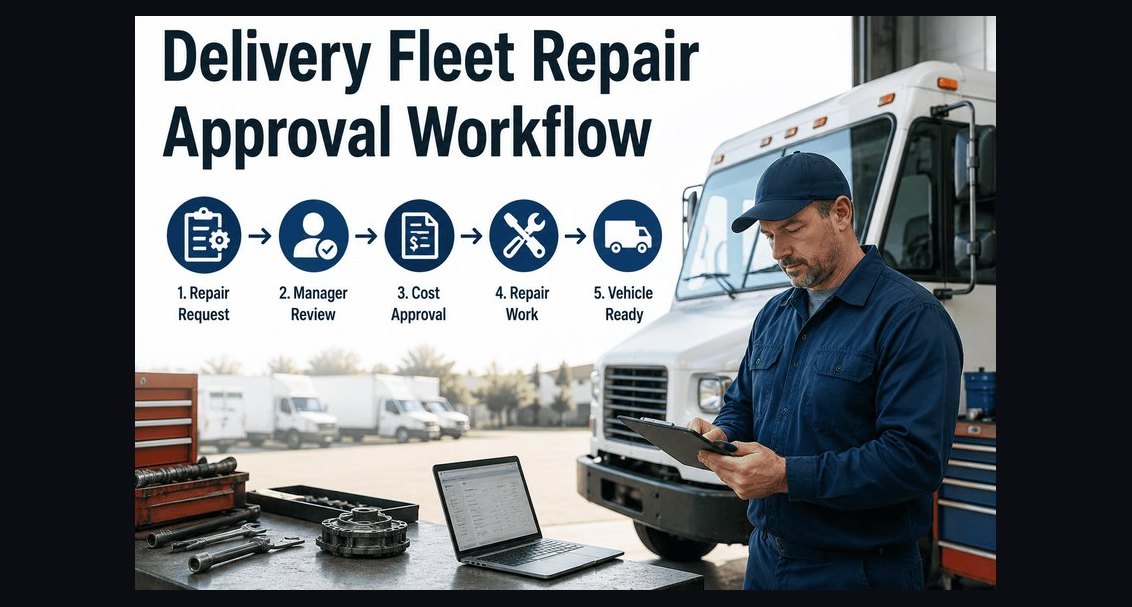 pulse-qShould I Repair or Replace My Delivery Fleet Vehicles as My Landscaping Business Scales in 2027?
 pulse-qHow Many Employees Should I Schedule Each Shift at My Phone Repair Shop?
 pulse-qShould I open or buy a Bojangles franchise in 2027?