
How do you coach a rep through a missed quarter without crushing them?
 Curated byKory White · Fractional CRO · Maryland
 PULSEKNOWLEDGE LIBRARY
Coach a rep through a missed quarter by separating accountability from blame: own the number out loud, then immediately pivot from the score to the system that produced it. Run a structured post-miss debrief within 72 hours that diagnoses the real cause (skill, will, knowledge, or territory), extracts two or three concrete lessons, and rebuilds one small win inside the first week. The move that protects the rep is the GROW debrief — Goal, Reality, Options, Will — because it keeps the conversation forward-looking and lets the rep do most of the talking. You are not deciding whether the rep failed; you are deciding what changes Monday so the next quarter looks different. Done right, a missed quarter becomes the most loyal moment of the year.
Why This Happens — Diagnose Before You Coach
A missed quarter is a symptom, not a diagnosis. Before you say a single coaching word, root-cause it across four buckets: skill (the rep can't run the play), will (the rep won't run it), knowledge (the rep doesn't know the product, ICP, or process), and system/territory (the pipeline, patch, or pricing made the number unwinnable). Coaching only fixes skill, will, and knowledge. If the cause is system or territory, more coaching is malpractice — it tells the rep "this is on you" when the math never worked.
Pull the receipts first. Open Gong or Chorus and review three lost deals end to end. Open Salesforce or Clari and check whether pipeline coverage ever cleared 3x at the start of the quarter. A rep who entered the quarter at 1.4x coverage didn't miss — they were under-resourced, and the honest coaching conversation is about prospecting cadence in the *prior* quarter, not closing skill in this one.
The diagnosis determines the tone. A skill gap deserves patience and practice. A will gap deserves a candid one-on-one about what changed. A genuine performance pattern across multiple quarters deserves honesty about a formal plan — coaching is not a substitute for a PIP when the issue is fit, not capability.
The Coaching Conversation — The Post-Miss Debrief
Schedule this within 72 hours of quarter close, before the rep builds their own (usually harsh) story about what it means. Use the GROW model to structure it. Your job is to talk 30%, listen 70%, and never let the room turn into either a pep rally or an interrogation.
Open by owning the number together, without flinching:
> "We came in at 78% of target. I want to be straight with you — that's a miss, and I'm not going to pretend it isn't. I also know you worked hard this quarter. So this conversation isn't about whether it was a good quarter. It's about what we learn from it so next quarter is different. Deal?"
That opener does the most important thing in the entire session: it separates accountability from blame. The number is acknowledged (accountability) without character attack (blame). Then move into GROW.
Reality — get the rep diagnosing before you do:
> "Walk me through the quarter from your seat. Where do you think the real gap was — pipeline, discovery, multi-threading, or closing?" > "Which two deals still bother you, and what would you do differently if you ran them again?"
Let the silence sit. Reps almost always name the real problem if you don't rush to fill the gap. When they say "I think I waited too long to bring in the economic buyer," you have your coaching topic — and it came from them, which makes it stick.
Options — co-create the fix, don't prescribe it:
> "If we wanted to protect against that exact gap next quarter, what's one change you could make in your first two weeks?" > "What would have to be true for next quarter to land at 110%?"
Will — lock the commitment and the support:
> "Of those, pick the one with the biggest payoff. What does week one look like? And what do you need from me — air cover, a deal review, intros — to make it real?"
Close by rebuilding momentum on purpose:
> "Last thing. You closed [name a real win] this quarter under real pressure. That skill doesn't disappear because the number came in light. We're going to build on it."
Naming a real, specific win at the end is the rebuild-momentum step — it leaves the rep with evidence of competence instead of a single number that defines them.
The Coaching Plan / Cadence
One conversation does not fix a quarter. Wrap the debrief in a 30/60/90 cadence so the lessons turn into behavior. Days 1–30: drill the single highest-leverage skill from the debrief twice a week and rebuild pipeline coverage to 3x. Days 31–60: shift from drills to live deal reviews, checking that the new behavior shows up in real calls. Days 61–90: taper to weekly self-directed reviews where the rep brings the call and the diagnosis, and you confirm independence.
Protect this cadence on the calendar. A recurring weekly 1:1 that gets bumped for pipeline reviews is the number-one reason post-miss coaching fizzles. Treat the slot as immovable for the full 90 days.
Drills & Role-Play
- Three-deal call review. Each week, the rep brings one lost call and self-scores discovery against a MEDDPICC scorecard (Metrics, Economic buyer, Decision criteria, Decision process, Paper process, Identify pain, Champion, Competition). You coach the gap they missed, not every gap at once.
- Objection role-play, role-reversed. You play the rep, the rep plays the toughest buyer from last quarter. Watching their objections from your mouth surfaces patterns faster than any lecture.
- First-90-seconds drill. Record a mock cold or discovery opener, replay it, cut it in half, replay again. Tightens the part of the call that decides whether there's a call at all.
- Win-back wargame. Take one stalled deal from the missed quarter and build a live multi-threading plan with named contacts and next steps — turning a post-mortem into a live pipeline.
What to Measure
Quota is a lagging indicator; by the time it moves you've lost a quarter. Track leading indicators that prove the coaching is working long before the number lands:
- Pipeline coverage climbing back toward 3x within 30 days.
- Activity baseline restored to the rep's historical norm (calls, multi-threaded contacts per opportunity), not a vanity spike.
- Stage conversion at the specific gap stage identified in the debrief — if discovery was the problem, watch discovery-to-demo conversion.
- MEDDPICC completeness on open deals rising week over week.
- Behavior change in calls — the new skill actually appearing in Gong call recordings, scored on your rubric.
If leading indicators move and quota doesn't, the cause was likely territory or market — and that's a planning conversation with your own boss, not a coaching failure by the rep.
Common Mistakes Managers Make
- Rescuing the rep. Jumping in with the answer robs them of the diagnosis. Discomfort in the silence is where learning happens.
- Coaching to the deal, not the skill. Saving one deal feels productive but teaches nothing repeatable. Coach the pattern behind the deal.
- No follow-through. Running the debrief and never checking the commitment again tells the rep the conversation was theater.
- Coaching everyone the same. A skill gap and a will gap need opposite tones; using one playbook for both fails half your team.
- Confusing coaching with a PIP. When the issue is sustained underperformance or fit, more coaching is avoidance. Be honest and move to a formal plan.
- Leading with the number and stopping there. Accountability without a forward path is just blame in a suit.
FAQ
What if the rep gets defensive during the debrief? Defensiveness is a sign the rep feels blamed, not coached. Pause and restate the goal: “We’re not here to assign fault—we’re here to figure out what the data says and what we can change.” Let them vent for 60 seconds, then redirect to the GROW framework. Most defensiveness dissolves when the rep realizes they control the “Will” step.
How soon after the quarter ends should I hold the debrief? Within 72 hours is ideal—long enough for emotions to settle, short enough that details are fresh. Waiting a week risks the rep spiraling or checking out. If the miss was especially painful, give them a day to decompress, but schedule the meeting before Friday.
What if the real cause is a bad territory or product issues, not the rep’s performance? Name it honestly. Acknowledge the systemic factor (“This territory has been shrinking for two quarters”), then ask: “Given that reality, what’s one thing you can control that might improve the next quarter?” The goal isn’t to ignore the territory—it’s to find the rep’s leverage point within it.
Should I adjust the rep’s quota after a missed quarter? Only if the territory or market fundamentally changed—otherwise, lowering quota can signal that missing is acceptable. Instead, keep the same target but break it into smaller, winnable milestones for the first 30 days. This rebuilds confidence without moving the goalposts.
How do I handle a rep who has missed two quarters in a row? A second miss requires a deeper diagnostic: is it a skill gap (needs training), a will gap (low motivation), or a fit gap (wrong role)? Use the debrief to test each. If it’s will or fit, you may need a performance improvement plan with clear, short-term checkpoints—but still start with the GROW conversation to give the rep a chance to self-correct.
What’s the one thing I should never say in this conversation? Avoid “I know how you feel” or “This happened to me, and I bounced back”—it can feel dismissive. Also skip phrases like “You just need to work harder.” Instead, say: “This quarter didn’t go the way we wanted. Let’s look at the data together and find the two or three things we can change.”
Bottom Line
The one move that matters is separating accountability from blame: own the number honestly, then spend the rest of the conversation on diagnosis, two or three extractable lessons, and one fast rebuilt win. Run it as a GROW debrief within 72 hours, wrap it in a 30/60/90 cadence, and measure leading indicators so you see the recovery before quota confirms it. A rep coached this way through a miss becomes more loyal, not less.
Related on PULSE
- [What's the right way to scale a sales team from 10 to 30 reps in 9 months without crushing win rate?](/knowledge/q1112)
- [How should a 2027 CRO present to a hostile board after a missed quarter?](/knowledge/q12462)
- [How do you recover from a missed quarter in 2027?](/knowledge/q12406)
- [How do you explain a missed quarter to the board in 2027?](/knowledge/q12357)
- [How do you rebuild trust after a missed quarter?](/knowledge/q179)
- [How would you question a rep who missed their quota for three consecutive months without triggering defensiveness?](/knowledge/q14408)
Sources
- HBR — The Right Way to Hold People Accountable
- Gong Labs — Sales Coaching Research and Data
- RAIN Group — Sales Coaching Best Practices
- Sales Hacker — How to Coach Your Sales Team
- The GROW Model — MindTools
- MEDDICC — The MEDDPICC Sales Qualification Methodology
- Sandler — Sales Coaching Framework
- SBI — Sales Leadership and Coaching Insights
*Sales coaching for a missed quarter — how to coach a rep through a missed quarter without crushing them, sales manager coaching guide, post-miss debrief framework, rep coaching playbook, and a sales accountability coaching playbook for 2027.*
This page will be disappearing soon. Save it to your device for $1 — or read it free while it is here.
@Kory-White- · if Venmo asks, the last 4 of my number are 2012
This page is gone.
This one is off the shelf now. $1 keeps it on your phone for good — the whole page, pictures and diagrams included.
 pulse-qHow Many Salespeople Should I Schedule Each Day at My Sporting Goods Store?
 pulse-qHow do you coach reps to improve their lead-to-opportunity rate?
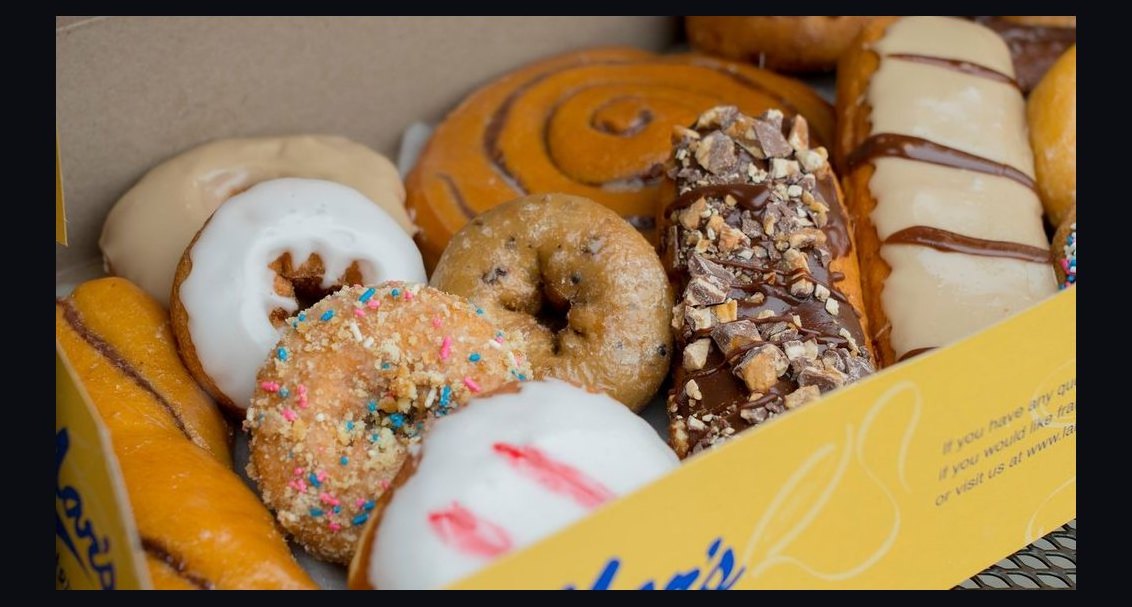 pulse-qShould I open or buy a Duck Donuts franchise in 2027?
 pulse-qShould I open or buy a Bob Evans franchise in 2027?
 pulse-qShould I open or buy a Tutor Time franchise in 2027?
 pulse-qShould I open or buy an It's A Grind Coffee franchise in 2027?
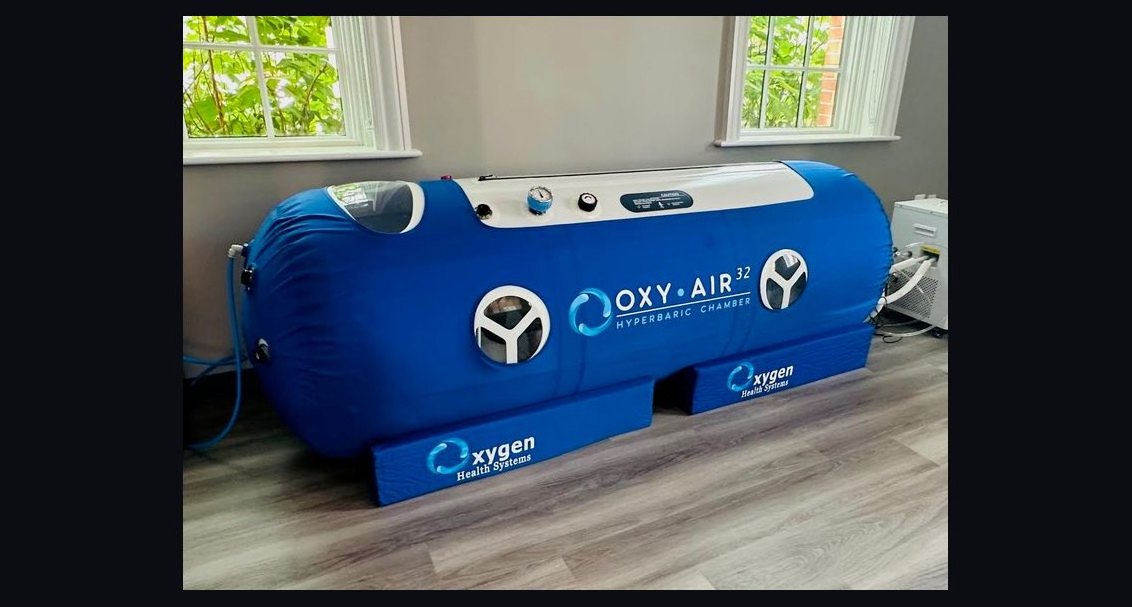 pulse-qShould I open or buy a Restore Hyper Wellness franchise in 2027?
 pulse-qShould I open a yoga teaching business in 2027?
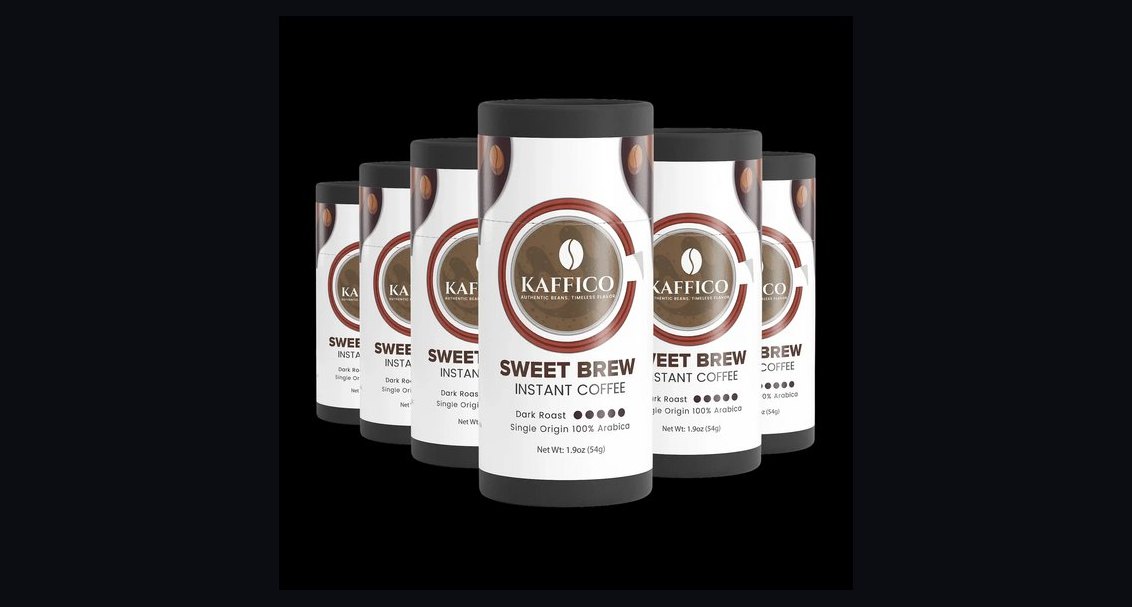 pulse-qShould I open or buy a 7 Brew Coffee franchise in 2027?
 pulse-qShould I open or buy a Glory Days Grill franchise in 2027?