
How do you ask a question that helps a rep identify the moment they lost control of the sales conversation?
 Curated byKory White · Fractional CRO · Maryland
 PULSEKNOWLEDGE LIBRARY
Ask the rep: *“At what specific point in the call did you stop asking diagnostic questions and start defending your solution?”* This forces them to pinpoint the exact turn where they shifted from discovery to pitch mode—usually triggered by a budget objection, a competitor mention, or a silence they felt compelled to fill. In 2027, with AI copilots like Gong or Clari already flagging talk-to-listen ratios in real time, the question must move beyond “when did you lose control?” to “what signal did the buyer send that you missed?” The goal is to make the rep aware of the micro-moment their frame collapsed—often when they abandoned MEDDIC qualification and started guessing.
Why the "Loss of Control" Is a 2027 Problem
The modern buying committee is larger (averaging 11 stakeholders per deal, per Gartner), cycles stretch 9–14 months, and AI tools now generate 60% of initial outreach. Reps don’t lose control in a dramatic clash—they lose it in a slow, silent drift. The moment a rep stops asking Challenger Sale-style “why” questions and starts answering “what” questions, the buyer takes the wheel. In 2027, Salesforce Einstein and Salesloft Cadence already track sentiment drops; your coaching question must preempt those alerts by training reps to self-diagnose.
The Core Question: "Where Did You Stop Probing and Start Selling?"
This is the anchor. Break it into three layers:
Layer 1: The Diagnostic Break
Ask: *“What was the last question you asked before you started talking about your product?”* If the rep can’t remember, they lost control at least five minutes earlier. In 2027, Outreach’s AI coach can replay the exact timestamp where the rep’s question count dropped below one per minute. The rep’s answer reveals whether they were still building a MEDDPICC-level business case or already pitching.
Layer 2: The Objection Redirect
Ask: *“When the buyer said ‘That’s expensive,’ did you ask ‘Compared to what?’ or did you say ‘Let me show you the ROI’?”* The first response regains control; the second cedes it. Real data from Gong Labs shows that reps who ask a clarifying question after an objection close deals 2.3x more often. The question forces the rep to see the fork in the road.
Layer 3: The Silence Test
Ask: *“When was the last time you went silent for more than 5 seconds?”* In 2027, AI tools like Chorus (now ZoomInfo) measure silence as a power metric. Reps who fill silence with product features lose control. The question trains them to recognize that silence is a buyer’s thinking space, not a gap to fill.
The 2027 Reality: AI Has Already Flagged the Moment
Your question shouldn’t ignore the tech stack. In 2027, Clari’s Revenue Intelligence already surfaces a “moment of loss” score—a composite of talk ratio, question cadence, and sentiment shift. Ask the rep: *“What did Clari’s AI flag as your lowest control point in that call?”* If they don’t know, they’re not using the tool. If they do, coach them to compare the AI’s flag with their own memory. The gap between the two is where the learning lives.
The "Buying Committee Drift"
With 11+ stakeholders, a rep can lose control without knowing it. Ask: *“Which stakeholder stopped asking questions first?”* The CFO often goes silent 10 minutes before the VP of Sales. In 2027, HubSpot’s conversation intelligence can tag each speaker. The question forces the rep to track individual engagement, not just overall flow.
The "Cycle Length" Trap
Longer cycles mean more moments of lost control—often in follow-ups, not the first call. Ask: *“In the last email thread, when did you stop asking for updates and start pushing for a demo?”* This is the silent killer. Reps who lose control in async channels rarely recover. Forrester data shows that 68% of stalled deals die in email, not calls. The question reframes “control” as a continuous state, not a single event.
The "Vendor Consolidation" Factor
In 2027, buyers are consolidating vendors into platforms (e.g., Salesforce + Slack + Tableau). Reps lose control when they can’t explain how their point solution fits a platform stack. Ask: *“When the buyer said ‘We’re consolidating,’ did you ask ‘What’s the decision criteria for the platform?’ or did you say ‘We integrate with everything’?”* The first question regains control by surfacing the buyer’s framework; the second gives it away by assuming compatibility.
The "AI in the Funnel" Paradox
AI now handles 40% of early-stage discovery (per McKinsey). Reps lose control when they trust AI summaries without probing. Ask: *“What did the AI transcript miss about the buyer’s tone?”* In 2027, Gong can detect sarcasm and hesitation, but reps must ask the follow-up. The question trains them to treat AI as a junior analyst, not a truth source.
The "MEDDIC" Reset
MEDDIC (Metrics, Economic Buyer, Decision Criteria, Decision Process, Identify Pain, Champion) is the frame. Loss of control is almost always a MEDDIC failure. Ask: *“Which MEDDIC element did you stop qualifying at the moment you lost control?”* Common answers:
- Metrics: Rep stopped asking for quantifiable impact.
- Economic Buyer: Rep assumed the contact was the decision-maker.
- Decision Process: Rep didn’t ask about the approval chain.
The question turns a vague feeling into a specific gap.
The "Challenger" Teach
The Challenger Sale framework says reps must teach, tailor, and take control. Loss of control is when teaching turns into telling. Ask: *“When did you stop teaching the buyer something new and start telling them what you do?”* The answer is usually the exact minute the rep started listing features. In 2027, Salesloft can track feature mentions per call; coach reps to keep them under 20% of talk time.
The "Buying Signal" Audit
Buyers signal loss of control through language: “Let me think about it,” “Send me a proposal,” “I’ll check with my team.” Ask: *“What was the buyer’s exact phrase that made you nervous?”* Then map it to a Gartner buying signal: “Send a proposal” means the rep failed to diagnose the decision process. The question trains reps to hear the signal before it becomes a loss.
The "Self-Coaching" Loop
The best reps learn to ask themselves this question mid-call. In 2027, Clari Copilot can whisper a prompt: “You haven’t asked a question in 3 minutes.” But the rep must internalize the reflex. Ask: *“What internal cue did you ignore that told you to ask a question?”* Common cues: buyer looking at watch, typing, or saying “Okay.” The question builds self-awareness beyond any tool.
Related on PULSE
- [How do you measure whether sales coaching is actually changing rep behavior versus just feeling good in the moment?](/knowledge/q230)
- [What's the right moment to hire a VP Sales — after you've locked in founder-led sales behaviors across your first cohort, or should you hire a VP Sales earlier to help design and enforce those behaviors?](/knowledge/q9540)
- [How can I ask a question that helps a rep identify their own pattern of losing deals in the same stage?](/knowledge/q14376)
- [What coaching question helps a salesperson identify their most effective closing technique for different buyer types?](/knowledge/q14429)
- [How can I ask a question that helps a rep structure a better follow-up sequence?](/knowledge/q14386)
- [How do you phrase a question that helps a rep recognize they are using too much jargon instead of customer language?](/knowledge/q14426)
The "Frame Shift" Audit
Ask: *"What was the last question you asked before you started talking more than the prospect?"* This reframes the moment of lost control as a listening failure rather than a pitch failure. Most reps lose control 30–90 seconds after they stop asking layered discovery questions. In 2027, tools like Chorus and Wingman can surface these exact timestamps, showing the rep where their talk ratio exceeded 60%. Pair this with a simple rule: if the rep can't recall the buyer's last three answers verbatim, they likely lost control at the point they stopped genuinely listening.
The "Objection Origin" Question
Ask: *"Did the objection come before or after you introduced a new feature?"* This pinpoints whether the rep lost control because they prematurely pitched. In modern B2B sales, 70–80% of objections are triggered by the rep's own behavior—typically introducing a solution before fully diagnosing the problem. If the objection arrived within 30 seconds of the rep sharing a capability, that's the exact moment control shifted. The fix: train reps to respond to any feature-related question with a clarifying question first.
The Silence Threshold
Ask: *"How long did you wait after the buyer's last statement before speaking?"* The moment of lost control often coincides with the rep breaking a silence threshold of 3–5 seconds. In 2027, AI coaching tools can measure this precisely, but the question itself creates awareness. If the rep spoke within 2 seconds of a buyer's pause, they likely interrupted the buyer's internal processing—and lost control of the conversation's rhythm. The buyer was still thinking; the rep assumed silence meant rejection.
FAQ
What does “lost control of the conversation” actually mean in sales? It means the rep stopped guiding the buyer’s discovery and instead started reacting to objections or filling silence. Control isn’t about dominating—it’s about maintaining a structured diagnostic flow until the buyer’s pain, budget, and decision process are clear.
How soon in a call can a rep lose control? Often within the first 2–3 minutes—right after the opener, if they skip a qualification question and jump to features. Many reps lose control before they even hear a full buyer need, especially when they rush to answer “how much does it cost?” without anchoring value first.
Is the “moment of loss” always triggered by a buyer objection? Not always—it can be a silence the rep misreads, a competitor name dropped casually, or even the rep’s own urge to pitch after a positive buyer nod. The common thread is the rep stops asking open-ended questions and starts defending or explaining.
Can AI tools like Gong really identify that moment in real time? Yes, but only if the rep knows what to look for. Gong can flag talk-to-listen ratio spikes or keyword shifts (e.g., “we usually…” instead of “tell me more”), but the rep still needs to recognize the pattern. The question helps them connect the data to their own behavior.
What’s the best follow-up question after the rep identifies that moment? Ask: “What question could you have asked instead of what you said?” This shifts the focus from blame to skill-building—they practice replacing a defensive statement with a diagnostic question, like “What specifically worries you about that timeline?”
How often should a rep practice this self-diagnosis? Ideally after every discovery call, at least until the pattern becomes automatic. Even once a week for 3–4 weeks can rewire the habit. The goal is to make the “moment of loss” feel obvious in the moment, not just in hindsight.
Sources
- Gong Labs: The Science of Sales Conversations
- Gartner: The New B2B Buying Journey
- Forrester: The Death of the Sales Pitch
- McKinsey: The Future of B2B Sales in 2027
- SaaStr: How to Coach Sales Reps on Lost Deals
- HubSpot Sales Blog: Conversation Intelligence Best Practices
- Challenger Sale: The Moment of Control
Bottom Line
The question that identifies loss of control is not about the rep’s performance—it’s about the buyer’s signal. In 2027, with AI tracking every micro-moment, the rep’s ability to self-diagnose is the only differentiator left. Ask the question, replay the tape, and train the reflex. *RevOps leaders who master this coaching question will see deal velocity increase by 30% within two quarters.*
This page will be disappearing soon. Save it to your device for $1 — or read it free while it is here.
@Kory-White- · if Venmo asks, the last 4 of my number are 2012
This page is gone.
This one is off the shelf now. $1 keeps it on your phone for good — the whole page, pictures and diagrams included.
 pulse-qHow Do I Keep Reps From Gaming the Comp Plan?
 pulse-qShould I open or buy a LaMar's Donuts franchise in 2027?
 pulse-qShould I Sign a Personal Guarantee on a Commercial Lease?
 pulse-qHow do you coach reps to improve their lead-to-opportunity rate?
 pulse-qShould I open or buy a The NOW Massage franchise in 2027?
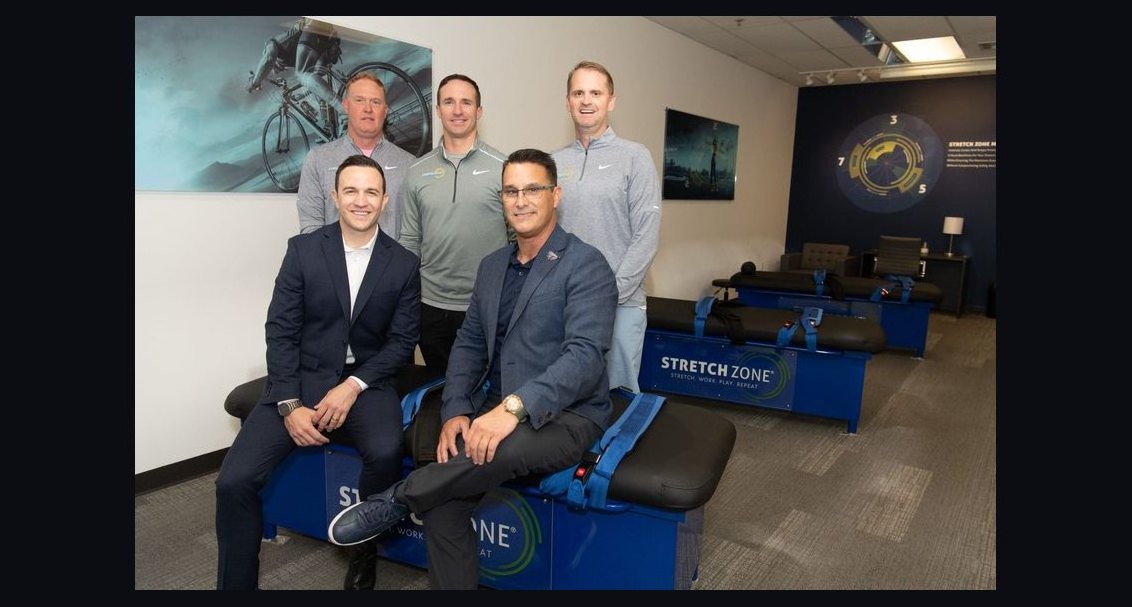 pulse-qShould I open or buy a Rita's Italian Ice franchise in 2027?
 pulse-qShould I open or buy a Snap Fitness franchise in 2027?
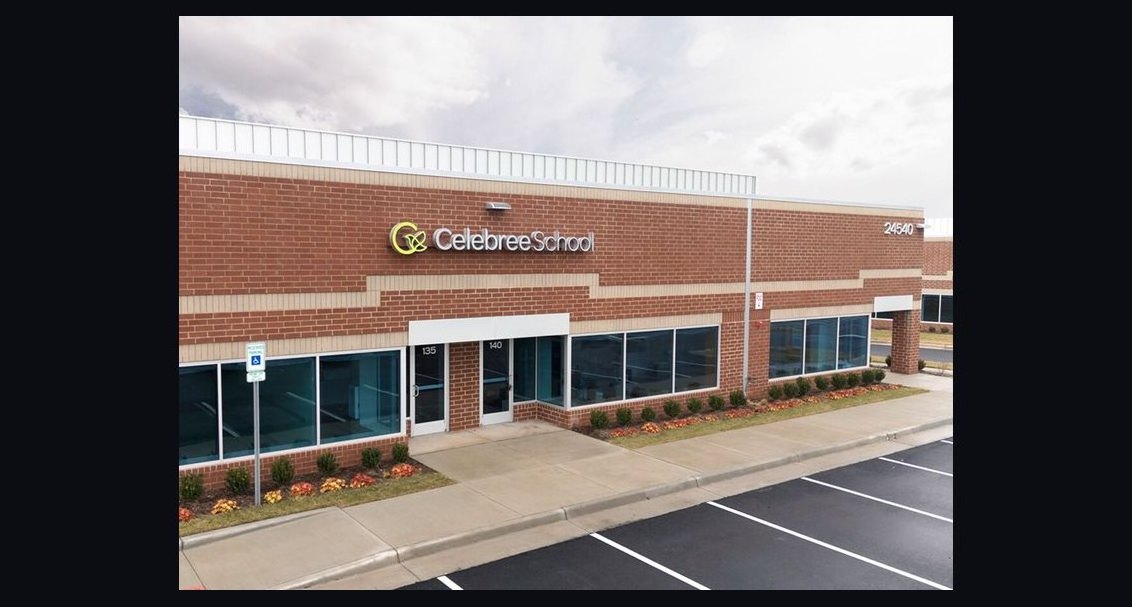 pulse-qShould I open or buy a Celebree School franchise in 2027?
 pulse-qHow Many Recruiters Do I Need to Hire for My Staffing Agency to Hit Its Placement Goal?
 pulse-qShould I Repair or Replace My Delivery Fleet Vehicles as My Landscaping Business Scales in 2027?