
Should I open or buy a Church's Texas Chicken franchise in 2027?
 Curated byKory White · Fractional CRO · Maryland
 PULSEKNOWLEDGE LIBRARY
Published June 11, 2026 · Updated June 11, 2026
Yes for a value-focused QSR operator who wants an established fried-chicken brand at moderate capital — Church's Texas Chicken offers low-cost positioning and a long track record, but it competes in a crowded, value-pressured segment. Church's Texas Chicken, founded in 1952 in San Antonio, franchises value-oriented fried-chicken quick-service restaurants offering bone-in chicken, tenders, sandwiches, biscuits, and sides. The 2026 FDD lists a franchise fee around $15,000-$25,000, total Item 7 investment of roughly $700,000 to $1,500,000 (varies by format — freestanding vs. in-line), a royalty near 5%, and an advertising fee near 5%. Mature units gross $900,000-$1,400,000, with owners clearing $90,000-$220,000 per unit. Its appeal is moderate capital, a value niche, established brand, and global footprint; the challenges are thin value-segment margins, the chicken-sandwich-war competition, labor, and remodeling costs.
The Real Numbers
A Church's unit operates as a freestanding (with drive-thru) or in-line QSR of 1,800-2,800 sq ft, serving value-priced fried chicken. Revenue is drive-thru and counter sales, with value positioning driving traffic but compressing per-ticket margins.
| Line Item | Low | High | Notes |
|---|---|---|---|
| Franchise fee | $15,000 | $25,000 | Per 2026 FDD |
| Buildout / leasehold | $350,000 | $850,000 | Freestanding w/ drive-thru higher |
| Equipment & fryers | $180,000 | $380,000 | Kitchen, fryers, POS |
| Signage & decor | $25,000 | $80,000 | Brand image |
| Initial inventory | $10,000 | $25,000 | Food + packaging |
| Initial marketing | $15,000 | $40,000 | Grand opening |
| Training & travel | $10,000 | $30,000 | Operator + staff |
| Working capital | $60,000 | $150,000 | First 3 months |
| Total Item 7 | ~$700,000 | ~$1,500,000 | Per 2026 FDD |
| Royalty | ~5% of gross | ||
| Advertising fee | ~5% of gross |
Revenue reality: mature units gross $900K-$1.4M with owners clearing $90K-$220K. The value positioning drives traffic, but value-segment economics are thin — food cost (chicken is volatile) and labor (28%-32%) squeeze margins, and the chicken-sandwich wars (Popeyes, Chick-fil-A, Raising Cane's, Wingstop) intensify competition. Multi-unit operators who control food and labor cost and run high-volume drive-thrus earn the most. Single-unit, low-volume locations struggle. Remodel/image-update requirements add periodic capital.
Who Wins With This Business
- Capital required: $700K-$1.5M, with $250,000-$400,000 liquid (multi-unit preferred).
- Time commitment: full-time QSR operator; multi-unit scaling.
- Skills: QSR operations, drive-thru throughput, and cost control.
- Geographic fit: value-oriented, high-traffic urban/suburban markets.
- Lifestyle fit: hands-on or multi-unit franchisee.
The winners are multi-unit QSR operators who run high-volume drive-thrus and control food/labor cost.
Who Loses With This Business
- Single-unit, low-volume operators in the thin value segment.
- Those who can't control food (chicken) and labor cost.
- Operators in weak, low-traffic locations.
- Owners who underestimate the chicken-sandwich-war competition.
- Under-capitalized buyers facing remodel requirements.
2027 Market Conditions
- Demand: fried chicken remains a top QSR category, but competition is fierce.
- Value pressure: value positioning drives traffic but compresses margin.
- Competition: Popeyes, Chick-fil-A, Raising Cane's, KFC, Wingstop, Bojangles.
- Cost: volatile chicken prices and labor pressure value-segment economics.
- Format: drive-thru and digital drive sales; remodels required.
The 90-Day Decision Tree
- Day 1-25: Read the 2026 FDD and Item 19 value-segment economics carefully.
- Day 26-50: Interview 10+ operators; ask about AUV, food/labor cost, remodel costs, and net profit.
- Day 51-70: Validate a high-traffic, value-oriented site with drive-thru.
- Day 71-130: Build and staff the unit.
- Day 131-160: Open and drive drive-thru volume.
- Control food and labor cost relentlessly.
- Scale multi-unit to spread overhead and boost returns.
Alternative Plays
- Popeyes / KFC / Bojangles — larger fried-chicken franchises (in the Pulse library).
- Raising Cane's — chicken-finger specialist (limited franchising).
- Huey Magoo's / Slim Chickens — emerging chicken-tender brands (see fr0825).
- Wingstop — wing-focused QSR (in the Pulse library).
- Independent chicken concept — full control, no brand.
- Other value-QSR franchises — adjacent models.
Market Positioning and Competitive Landscape in 2027
Church’s Texas Chicken operates in the fiercely competitive value-oriented fried chicken segment, which in 2027 remains dominated by KFC, Popeyes, and regional players like Bojangles and Zaxby’s. The brand’s key differentiator is its Texas-sized portions and “homestyle” bone-in chicken, which appeals to budget-conscious families and blue-collar workers. However, the segment has seen intense price compression since 2024, with major chains offering $5-$8 meal bundles and limited-time value deals. Church’s average ticket of $8-$12 per person puts it squarely in the value tier, but margins here are thin — typically 10-15% EBITDA versus 15-20% for fast-casual concepts. The brand’s 1,500+ global units (roughly 1,000 in the U.S.) give it scale, but its U.S. footprint is concentrated in the South and Southwest, limiting geographic diversification. For a new franchisee, this means local market saturation is a real risk — in cities like Houston or Dallas, a Church’s might compete with 3-5 other fried chicken outlets within a 2-mile radius. The 2027 competitive landscape also includes rising chicken costs (up 12-18% since 2022) and labor wage pressures (fast-food wages now $12-$16/hour in most states), which squeeze already-tight value-segment margins. Church’s response has been menu simplification (cutting underperforming items) and limited-time LTOs like spicy tenders or loaded biscuits to drive traffic without permanent price increases.
Operational Realities and Franchisee Support
Opening a Church’s Texas Chicken franchise in 2027 requires hands-on owner-operator involvement — the brand strongly prefers single-unit operators or small multi-unit groups (2-5 locations) over passive investors. The initial training program lasts 4-6 weeks at a company-owned store, covering kitchen operations, inventory management, and the proprietary “Texas Crunch” batter process. Ongoing support includes field consultants who visit monthly, a centralized supply chain (through distribution partners like Sysco or McLane), and national marketing campaigns (TV, digital, and in-store POS). However, franchisees report that remodel requirements are a major operational burden — Church’s mandates store refreshes every 5-7 years, costing $150,000-$350,000 per unit, to keep up with the updated “Texas Kitchen” design (open kitchens, digital menu boards, drive-thru timers). The average unit volume (AUV) of $900,000-$1,400,000 means these remodels can absorb 20-30% of annual profits in the remodel year. Additionally, the 5% royalty + 5% ad fee totals 10% of gross sales — high for the value segment (KFC charges ~7% total, Popeyes ~8%). This leaves franchisees with net cash flow of $90,000-$220,000 per unit before debt service, which translates to a payback period of 4-7 years on the initial $700,000-$1,500,000 investment. For a single-unit operator, this is viable but not exceptional — the real returns come from multi-unit ownership where economies of scale (shared management, bulk purchasing) can boost EBITDA to 12-15%.
Financial Projections and Exit Strategy Considerations
A realistic 2027 pro forma for a new Church’s Texas Chicken unit (freestanding, 1,800-2,200 sq. ft., drive-thru) looks like this: initial investment $1.0-$1.3 million (including franchise fee, equipment, leasehold improvements, and 3-6 months working capital), annual gross sales $1.0-$1.3 million (ramping up over 12-18 months), cost of goods sold 32-36% (chicken, oil, packaging), labor 28-32% (including manager salaries), occupancy 8-12% (rent, utilities, insurance), and royalty/ad fees 10%. That leaves pre-tax profit of $100,000-$200,000 per year — a 10-15% net margin. However, these numbers assume no major disruptions (e.g., chicken price spikes, minimum wage hikes, or local competition). The break-even point is typically $700,000-$800,000 in annual sales, so a new store needs to hit that within 12-18 months to avoid cash flow issues. For exit strategy, Church’s Texas Chicken units typically sell for 2.5-4x net cash flow (based on 2024-2026 franchise resale data), meaning a well-performing store could fetch $250,000-$800,000 after 5-7 years. However, the resale market is thin — most buyers are existing Church’s franchisees looking to expand, not outside investors. The franchise agreement is typically 20 years, with renewal options, but transfer fees (10% of the sale price) and franchisor approval can complicate exits. For an owner-operator, the best exit is often selling to a multi-unit operator who can absorb the unit into a larger portfolio. Alternatively, holding for cash flow (netting $100,000-$200,000/year) can be a solid retirement strategy if the store is in a stable market with low turnover.
FAQ
What’s the total investment needed to open a Church’s Texas Chicken franchise? The total initial investment ranges from roughly $700,000 to $1,500,000, depending on whether you choose a freestanding or in-line location. This includes the franchise fee of $15,000 to $25,000, plus build-out, equipment, and other startup costs.
How much can I expect to earn from a Church’s Texas Chicken franchise? Mature units typically generate annual gross sales between $900,000 and $1,400,000. After royalties, advertising fees, and operating expenses, owners usually clear $90,000 to $220,000 per unit per year, though results vary by location and management.
What are the ongoing fees for a Church’s Texas Chicken franchise? You’ll pay a royalty fee of about 5% of gross sales and an advertising fee of about 5% of gross sales. Some locations may also have a local marketing contribution, so total ongoing fees can be around 10% of revenue.
How long does it take to open a Church’s Texas Chicken franchise? The timeline from signing the franchise agreement to opening typically ranges from 6 to 12 months. This includes site selection, lease negotiation, construction or remodeling, training, and final inspections.
Is Church’s Texas Chicken a good franchise for a first-time owner? It can be, especially if you have some restaurant or management experience. The brand offers training and support, but the value-focused segment has thin margins and heavy competition, so first-time owners should be prepared for hands-on work and tight cost control.
What are the biggest challenges of owning a Church’s Texas Chicken franchise? The main challenges include thin profit margins in the value segment, intense competition from other chicken chains and fast-food brands, rising labor costs, and potential remodeling expenses to keep stores updated. Success often depends on efficient operations and local marketing.
Bottom Line
Open a Church's Texas Chicken unit if you're a value-focused, ideally multi-unit QSR operator who can run high-volume drive-thrus and control food and labor cost, and you're in a value-oriented, high-traffic market. Its moderate capital, established brand, value niche, and global footprint are genuine strengths. Skip it if you'd run a single low-volume unit, can't control costs, or are in a weak location. The value segment is thin and the chicken wars are fierce. For disciplined multi-unit operators in the right markets, Church's offers an established, value-QSR path — volume, cost control, and scale are the keys.
Related on PULSE
- Should I open or buy a Church's Chicken franchise in 2027?
- How Do I Budget a Church or Worship Space Buildout?
- Should I open or buy a Dave's Hot Chicken franchise in 2027?
- Should I open or buy a Champs Chicken franchise in 2027?
- Should I open or buy a Hot Chicken Takeover franchise in 2027?
- Should I open or buy a Big Chicken franchise in 2027?
Sources
- Church's Texas Chicken Franchise Disclosure Document (2026 filing) — Items 5, 6, 7, 19, 20
- Church's Texas Chicken official franchise site — investment range and formats
- Entrepreneur Franchise 500 listings — Church's Texas Chicken
- Technomic — US chicken-QSR and chicken-sandwich-war data 2026
- IBISWorld — Chicken Restaurants in the US, 2026 industry report
- Statista — US fried-chicken and QSR market, 2025-2026
- QSR Magazine — fried-chicken segment reporting 2026
- International Franchise Association (IFA) — 2027 Franchise Economic Outlook
- USDA — poultry/chicken commodity price data, 2025-2026
- Franchise Business Review — QSR-franchise satisfaction data
This page will be disappearing soon. Save it to your device for $1 — or read it free while it is here.
@Kory-White- · if Venmo asks, the last 4 of my number are 2012
This page is gone.
This one is off the shelf now. $1 keeps it on your phone for good — the whole page, pictures and diagrams included.
 pulse-qShould I open or buy a Cookies Crumbl alternative — Insomnia Cookies — franchise in 2027?
 pulse-qShould I open or buy an Allegra Marketing Print franchise in 2027?
 pulse-qHow do you rebuild a sales team's trust in the forecast after a mid-year CRM migration corrupts historical pipeline data in 2027?
 pulse-qShould I open or buy a World Gym franchise in 2027?
 pulse-qHow do you coach a rep who blames marketing for bad leads in 2026?
 pulse-qShould I open or buy a Duck Donuts franchise in 2027?
 pulse-qHow Do I Score My CSMs on Retention and Expansion in 2026?
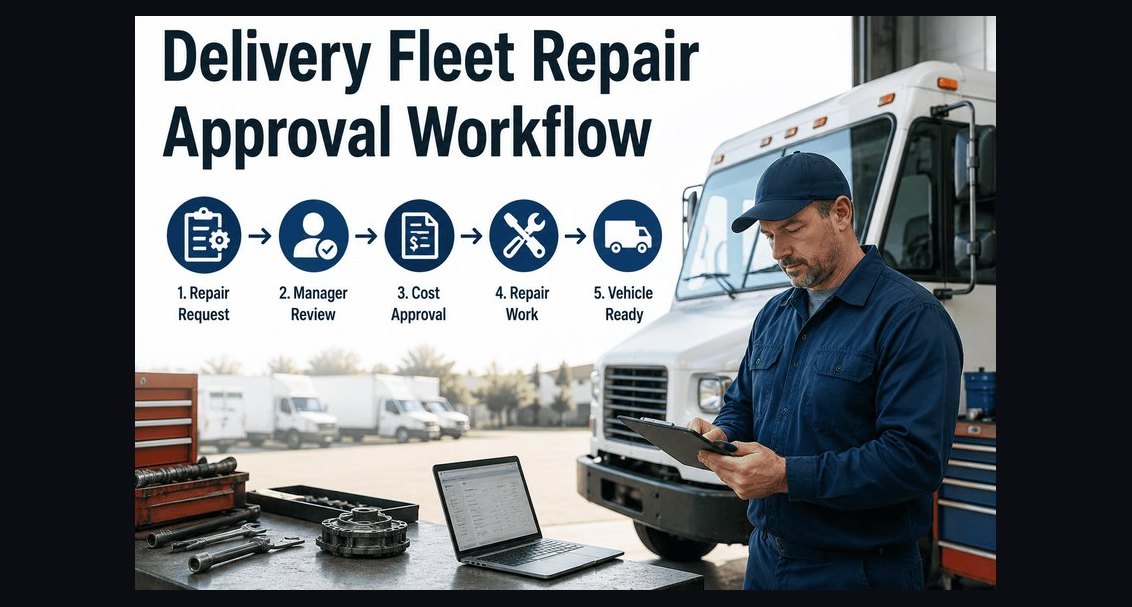 pulse-qShould I Repair or Replace My Delivery Fleet Vehicles as My Landscaping Business Scales in 2027?
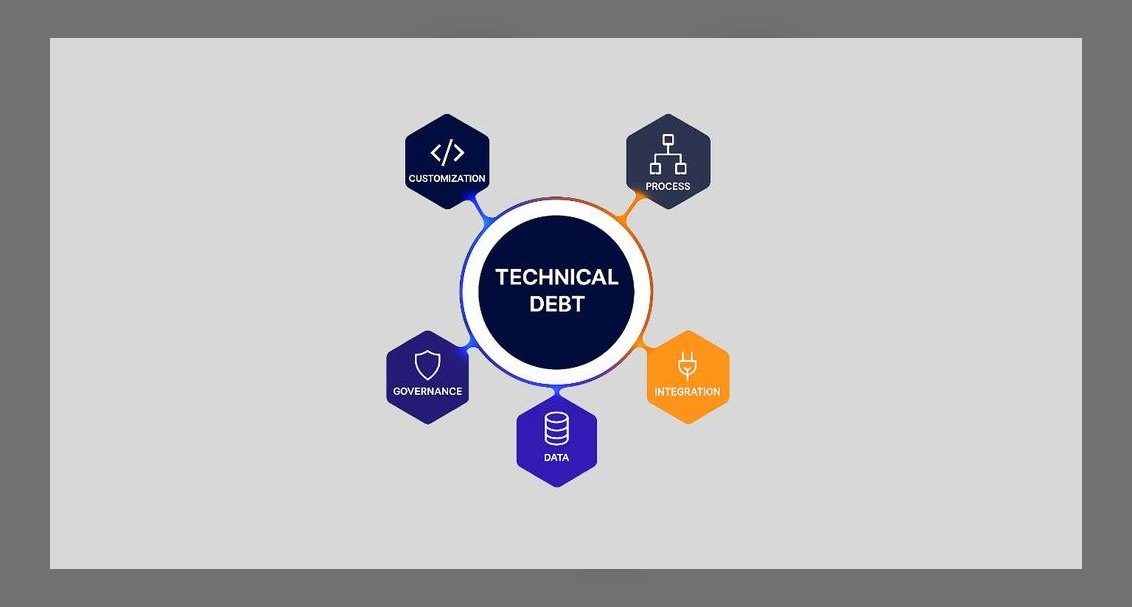 revopsTop 10 ServiceNow migration pitfalls to avoid in 2027
 pulse-qHow Many Agents Do I Need to Recruit for My Real Estate Brokerage to Grow Production in 2026?