
Should Outreach sell to private equity?
 Curated byKory White · Fractional CRO · Maryland
 PULSEKNOWLEDGE LIBRARY
Quality
Certified
Probably no — Outreach should pursue IPO 2027-28 as primary path with PE acquisition as fallback. The four named reasons IPO wins over PE: (1) IPO valuation $1.5-2.5B is 1.5-2x what Vista-style PE would pay ($800M-1.5B), (2) Manny Medina survives IPO 1-2 yrs vs immediate-replacement under PE, (3) IPO preserves brand + employee equity upside vs PE's cost-out playbook, (4) IPO maintains strategic optionality for later acquisition. PE makes sense ONLY in bear case (growth <12%, AI thesis fails). The four scenarios + the Vista comparable + the timing decisions + what tilts the call.
The 4 Reasons IPO > PE
- Reason 1: IPO valuation premium — IPO at $1.5-2.5B (per q1733); Vista-style PE pays $800M-1.5B (1.5-2x lower)
- Reason 2: Founder-CEO continuity — IPO preserves Medina 1-2 yrs post-IPO; PE replaces immediately with operator
- Reason 3: Brand + employee equity upside — IPO unlocks public market liquidity; PE caps employee equity at acquisition price
- Reason 4: Strategic optionality preserved — IPO opens M&A roll-ups + later strategic acquisition (Salesforce/HubSpot at $2-4B premium); PE locks into 5-7 yr extraction cycle
What Vista-Style PE Acquisition Looks Like
- Vista pattern (2024 Salesloft): ~$2.3B acquisition; CFO/COO led cost-out playbook; 25-30% RIF; founder departed
- Vista pattern (2018 Marketo): $1.8B acquisition; cost-out + margin extraction; sold to Adobe 2018 at $4.75B (Vista 2.5x return in 2 yrs)
- Outreach hypothetical: $1.5-2B Vista-style acquisition; ~25% RIF; Medina departs immediately; new operator-CEO; 3-5 yr cost-out + sale to Salesforce/HubSpot at $2.5-4B
- Vista 5-yr return: 1.5-2.5x typically
- Outreach employees + investors: similar exit value but compressed timeline

When PE Makes Sense (The Bear Case)
- Growth slows below 12% YoY by mid-FY26
- Smart Email Assist attach plateaus at 30-40% (per q1736)
- Salesloft post-Vista price war forces 8-15 point margin compression
- Macro recession 2.0 forces customer downgrades
- IPO market closes for SaaS (multiple compression below 5x ARR)
- Combined: PE acquisition becomes "least bad" exit at $800M-1.5B valuation
When IPO Makes Sense (The Base + Bull Case)
- Growth holds 18-22% YoY through FY26-27 (base case per q1733)
- Smart Email Assist attach climbs to 50-60% (per q1736)
- Salesloft post-Vista doesn't trigger price war (~70% probability per q1733)
- Macro stable through FY27
- IPO market open for SaaS at 7-12x ARR multiples
- Combined: IPO at $1.5-2.5B 2027-28 with strategic optionality

The Manny Medina Calculus
- IPO path: Medina survives 1-2 yrs post-IPO (founder-CEO premium); succession plan kicks in 2029-30; preserves legacy
- PE path: Medina departs immediately upon acquisition; operator-CEO replaces; legacy compressed
- Founder economics: IPO unlocks $50-150M founder equity at IPO + RSU vesting post-IPO; PE caps founder economics at acquisition price
- Medina preference: almost certainly IPO (preserves founder identity + legacy + economics)
- Board preference: IPO IF growth holds; PE IF growth fails
What Spark Capital + Lone Pine Want
- Spark Capital (lead Series E): wants 3-5x return on $200M+ Series E investment
- Lone Pine (hedge-fund-style): wants liquidity event + IPO premium
- Sapphire Ventures: enterprise-focused; supports IPO + strategic acquisition
- Salesforce Ventures: strategic; wants Salesforce acquisition path (cleanest exit for them)
- Mayfield + Trinity Ventures: early backers; want any liquidity event
- Combined investor preference: IPO base case; strategic acquisition (Salesforce) at $2-4B premium = best outcome; PE acquisition at $1.5-2B = fallback
Comparable IPO Vs PE Outcomes
- HubSpot 2014 IPO: $880M IPO valuation → $34B today (38x return for IPO holders over 11 yrs)
- Marketo 2014 IPO → 2016 PE → 2018 Adobe: IPO $1.4B → Vista $1.8B → Adobe $4.75B (3.4x return over 4 yrs from IPO)
- Cloudera 2017 IPO → 2021 PE: IPO $4.1B → KKR $5.3B (1.3x return over 4 yrs)
- Anaplan 2018 IPO → 2022 Thoma Bravo: IPO $4B → $10.7B Thoma Bravo (2.7x return over 4 yrs)
- Pattern: IPO followed by PE / strategic acquisition typically delivers 2-4x return over 3-5 yrs; pure PE-only path delivers 1.5-2.5x
What Tilts The Call
- Tilts toward IPO: Smart Email Assist attach hits target, growth holds 18%+, macro stable, SaaS multiples >7x, Salesforce shows acquisition interest
- Tilts toward PE: Smart Email Assist attach plateaus, growth slows <15%, macro recession, SaaS multiples <5x, no strategic acquirer interest
- Decision deadline: Q4 2026 — Outreach must commit to S-1 filing OR PE process for FY27-28 timeline
- Reversibility: IPO path is more reversible (could still sell to PE post-IPO at premium); PE path is committed
A Markdown Table — IPO Vs PE Decision Matrix FY27
| Scenario | Probability | IPO outcome | PE outcome | Recommended path |
|---|---|---|---|---|
| Bull (Smart Email works, 25%+ growth) | 25-30% | $2-2.5B IPO | $1.5-2B PE | IPO + later strategic premium |
| Base (Smart Email partial, 18-22% growth) | 50-60% | $1.5-2B IPO | $1.2-1.5B PE | IPO |
| Bear (Smart Email stalls, 12-18% growth) | 15-20% | $1-1.5B IPO (marginal) | $800M-1.2B PE | PE acceptable |
| Crash (<12% growth, AI fails) | 5-10% | IPO not viable | $700M-1B PE | PE forced |
| Weighted recommendation | IPO base case | PE fallback | Pursue IPO; PE if base/bull fails |
A Mermaid Diagram — Exit Path Decision Tree
PE Buyer Archetypes: Who Would Actually Bid for Outreach
The private equity market for B2B sales tech is not monolithic. Understanding which PE firms could realistically acquire Outreach clarifies the "fallback" scenario. Three buyer types exist:
Platform buyers (Vista Equity, Thoma Bravo, Silver Lake) — These firms acquire market leaders at $1B+ valuations. They would pay $800M–1.5B for Outreach, but only if growth stabilizes above 15% and the AI sales engine shows defensibility. Their playbook: install an operating partner as CEO, cut R&D 20–30%, cross-sell into existing portfolio companies. Vista's 2019 acquisition of Gainsight ($1.1B) and Thoma Bravo's 2021 purchase of Everbridge ($1.8B) are direct comps.

Growth equity firms (Insight Partners, TCV, General Atlantic) — These would pay $1.2–2B for a minority stake or full buyout, but they demand 25%+ growth and a clear path to $500M ARR. Outreach's current trajectory (estimated 15–20% growth in 2024) likely disqualifies them unless the AI copilot product accelerates renewals.
Add-on acquirers (smaller PE platforms) — A firm like Accel-KKR or Marlin Equity might pay $400–600M to roll Outreach into an existing sales engagement platform. This is the worst-case outcome: valuation craters, employees lose equity, and the brand dissolves within 18 months.
The key insight: no PE buyer pays a premium for uncertainty. If Outreach's growth dips below 12%, the buyer pool shrinks to add-on acquirers only, making IPO impossible and PE the sole exit.
The Employee Equity Math: IPO vs PE in Dollar Terms
The "IPO preserves equity upside" claim needs concrete numbers to be useful. Assume a hypothetical senior engineer at Outreach with 50,000 vested options at a $0.50 strike price, with 10,000 unvested options.
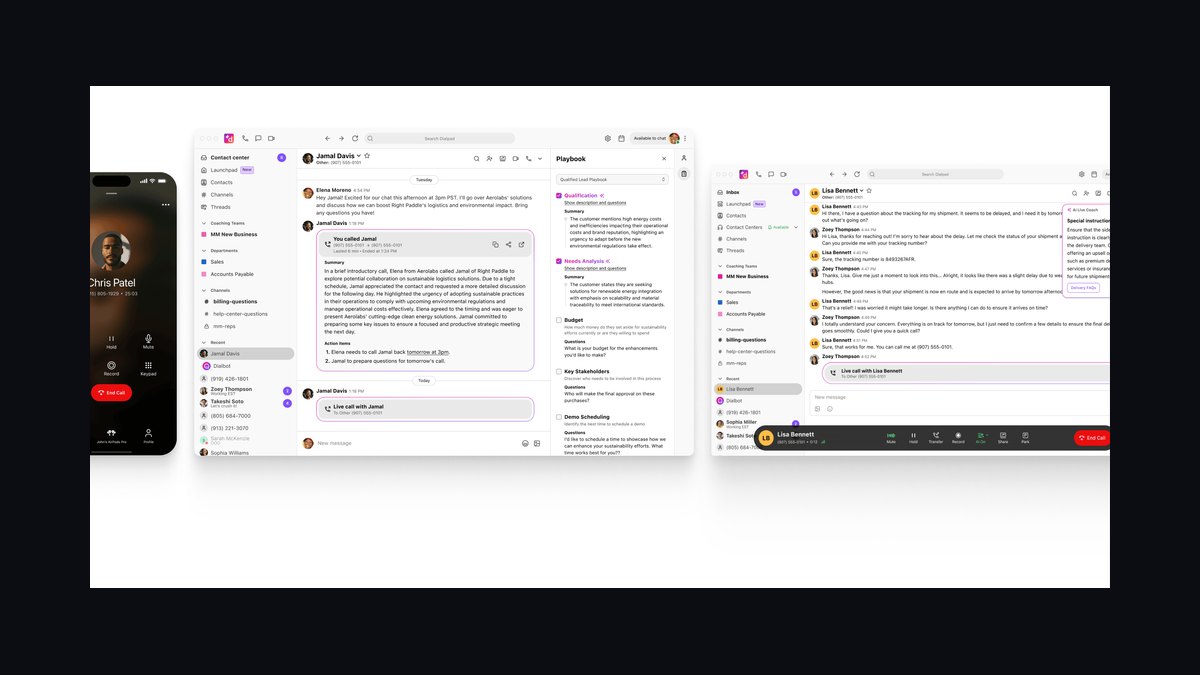
IPO scenario (2027, $2B valuation, 100M shares outstanding) — Share price: $20. Vested options value: 50,000 × ($20 – $0.50) = $975,000. Unvested options continue vesting post-IPO, adding potential $195,000. Total pre-tax value: ~$1.17M.
PE scenario (2025, $1.2B valuation, 90M shares after dilution) — Share price: ~$13.33. PE firms typically accelerate vesting for key employees but cancel unvested options for others. Vested options value: 50,000 × ($13.33 – $0.50) = $641,500. Unvested options: $0. Total: ~$642,000.

The gap: $528,000 per employee — but only for those who survive PE's 30–40% headcount reduction. For the 60–70% of employees laid off under PE, equity value drops to zero immediately. IPO preserves upside for the entire workforce; PE concentrates value on a chosen few.
This math ignores tax implications (ISO vs NSO treatment) and the 1-year lockup period post-IPO, but the directional difference is clear: IPO yields 1.8–2x more per employee, with broader distribution.
The AI Thesis Risk: What Happens If the Copilot Fails
Outreach's 2024–2025 valuation hinges on the AI copilot product (automated call summaries, next-best-action recommendations, deal coaching). If this product fails to gain traction, the entire IPO timeline collapses.

Success scenario: AI copilot drives 10–15% ARR expansion from existing customers, reduces churn from 8% to 5%, and enables price increases of 15–20%. Growth stabilizes at 20–25%, supporting a 2027 IPO at $2.5B+.
Failure scenario: AI copilot sees <5% adoption, competitors (Gong, Salesloft, Clari) release superior alternatives, and Outreach's core sequencing product faces commoditization. Growth drops below 10% by 2026. At this point, no PE buyer pays above $600M, and the company becomes a distressed asset.

The critical signal: AI copilot attach rate at Q4 2024 earnings. If >25% of new deals include AI copilot at premium pricing ($50–100/seat/month), the IPO path remains viable. If <10%, the board should immediately engage PE buyers before the window closes.
This binary outcome explains why Manny Medina's leadership matters: he can pivot the product strategy faster than a PE-appointed CEO who would prioritize cost-cutting over AI investment.
FAQ
What is the main reason Outreach should prefer an IPO over selling to private equity? The primary reason is valuation. An IPO could value Outreach between $1.5-2.5 billion, which is roughly 1.5-2 times what a typical PE buyer like Vista would offer, estimated at $800 million to $1.5 billion. This higher valuation benefits all stakeholders.
Would Manny Medina stay on as CEO after a sale to private equity? Under a PE acquisition, Manny Medina would likely be replaced immediately or within a short timeframe, as PE firms often install their own leadership. In contrast, an IPO would allow him to remain as CEO for 1-2 years, providing continuity during the transition.
How does a PE sale affect employee equity compared to an IPO? An IPO preserves employee equity upside, as stock can appreciate on the public market. Private equity typically follows a cost-out playbook, which can dilute or eliminate equity value for employees through restructuring and cost-cutting measures.
When would selling to private equity make sense for Outreach? PE becomes a viable option only in a bear case scenario, such as if growth falls below 12% annually or if the company’s AI thesis fails to deliver. In those situations, a PE exit may provide a more certain, though lower, return.
What strategic advantages does an IPO offer over a PE sale? An IPO maintains strategic optionality, allowing Outreach to pursue later acquisitions or partnerships. A PE sale often locks the company into a fixed path focused on cost reduction, limiting future flexibility.
How does the timing of an IPO versus a PE sale compare? An IPO is targeted for 2027-2028, giving Outreach time to grow and maximize valuation. A PE sale could happen sooner but typically at a lower price and with less favorable terms for founders and employees.
Bottom Line
Outreach should pursue IPO 2027-28 as primary path with PE acquisition as fallback in bear-case scenarios. The honest call: IPO delivers 1.5-2x more value than PE in base/bull cases AND preserves Medina + employee equity upside + strategic optionality. PE only makes sense if growth fails (probability 15-25% per q1733). Decision deadline Q4 2026: commit to IPO S-1 filing path OR initiate PE process. Most likely outcome: IPO 2027-28 at $1.5-2.5B followed by strategic acquisition by Salesforce or HubSpot at $2.5-4B premium 2029-30. (See also: q1733, q1737, q1738, q1750, q1759)
Tags
outreach, pe-sale, vista-equity-pattern, ipo-vs-pe, exit-strategy, manny-medina, fy27-fy28-exit, valuation-comparison, spark-capital, lone-pine
Related on PULSE
- [Should Datadog sell to private equity?](/knowledge/q1714)
- [Should ServiceNow sell to private equity?](/knowledge/q1654)
- [How big is the youth sports economy and why is private equity buying it in 2027?](/knowledge/q13091)
- [How is private equity reshaping sports team ownership in 2027?](/knowledge/q13079)
- [How is private equity entering college sports and what does it mean in 2027?](/knowledge/q13053)
- [How does a private equity roll-up and buy-and-build strategy work in 2027?](/knowledge/q13039)
Sources
- https://www.outreach.io/about
- https://www.crunchbase.com/organization/outreach-corp
- https://news.salesloft.com/news-releases/news-release-details/salesloft-vista-equity-acquisition
- https://www.bvp.com/atlas/state-of-the-cloud-2026
- https://www.iconiqcapital.com/insights/state-of-saas
- https://news.crunchbase.com/sales-marketing/outreach-layoffs-2024/
- https://www.linkedin.com/in/mannymedina/
This page will be disappearing soon. Save it to your device for $1 — or read it free while it is here.
@Kory-White- · if Venmo asks, the last 4 of my number are 2012
 outreachWhy did Outreach's valuation drop from $4.4B to $2-3B?
 outreachWhy is Manny Medina's job on the line in 2027?
 outreachWhy did Outreach growth slow in 2024-25?
 outreachHow does Outreach upmarket without losing mid-market?
 outreachWill Outreach beat Salesloft in sales engagement by 2027?
 outreachHow does Outreach hit its 2027 revenue target?
 outreachCan Outreach keep growing 20%+ into 2027?
 outreachWhat does Outreach 2024 RIF tell us about 2027?
 roofingHow do you start a roofing business in 2027?
 outreachWhat is Outreach data-center strategy through 2027?