
How do you start a charcuterie board business in 2027?
 Curated byKory White · Fractional CRO · Maryland
 PULSEKNOWLEDGE LIBRARY
Quality
Certified
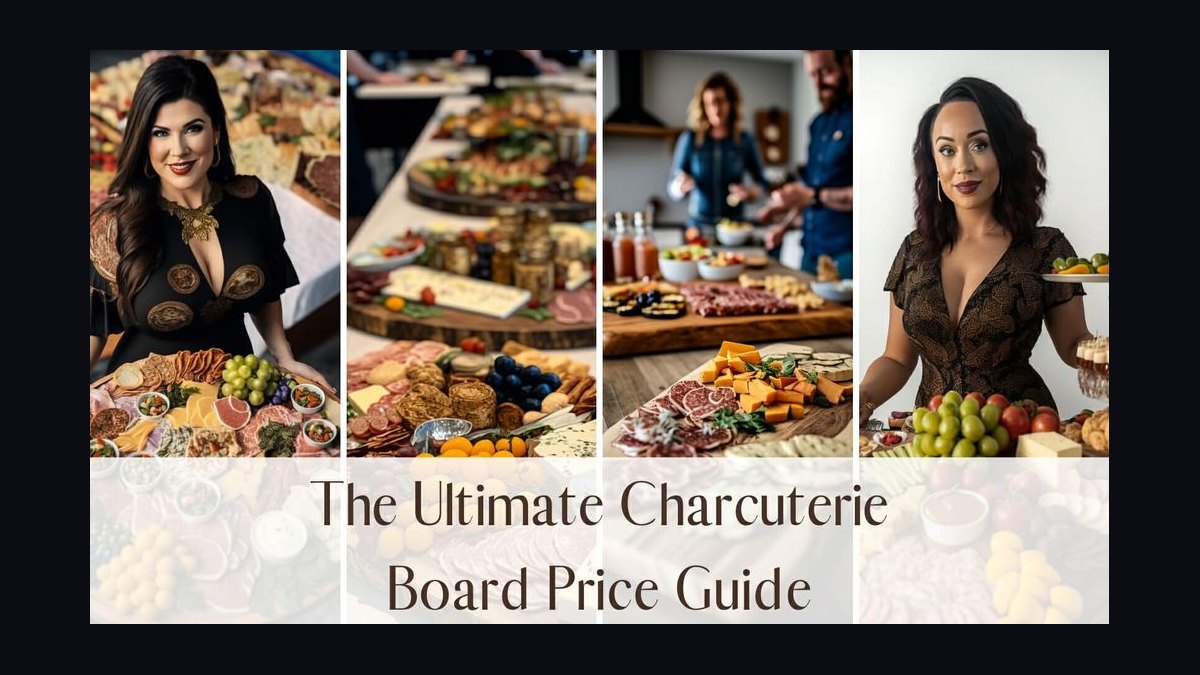
To start a charcuterie board business in 2027, you must pick a specific niche, build a real brand with a professional website and online ordering, secure the correct food business licenses and product liability insurance, source ingredients from wholesale suppliers, price your boards to cover labor and overhead at a 35-55% gross margin, and anchor on recurring corporate accounts and event work to escape the commoditized retail market.
The Two Paths Compared: Commodity Seller Versus Branded Operator
In 2027, every new charcuterie founder faces a fork in the road early in the planning process. The first path is the commodity seller route: you offer generic medium boards, compete on price through Instagram DMs, operate from a home kitchen under cottage food law without checking whether your state allows refrigerated meat-and-cheese products, and hope volume makes up for thin margins. The second path is the branded operator route: you choose a niche such as dietary specialty, luxury wedding grazing tables, or corporate gifting, build a full compliance stack including an LLC and product liability insurance, design a menu ladder from individual boxes to grazing tables, cost every ingredient precisely, price for the full cost stack plus margin, and proactively build relationships with office managers, event planners, and venues.
The commodity seller path requires roughly $2,000-$5,000 to launch from a home kitchen and can generate $15,000-$70,000 in Year 1 revenue, but the founder remains a price-taker in a saturated feed, the business is heavily seasonal with a brutal November-December peak and a dead January-February trough, and the ceiling is a break-even seasonal side hustle. The branded operator path requires $6,000-$15,000 to launch from a commissary or licensed commercial kitchen, generates $60,000-$180,000 by Year 2 and $120,000-$300,000 by Year 3, and produces $35,000-$140,000 in owner profit because the niche position, B2B anchor, and disciplined pricing create pricing power and predictable recurring revenue.
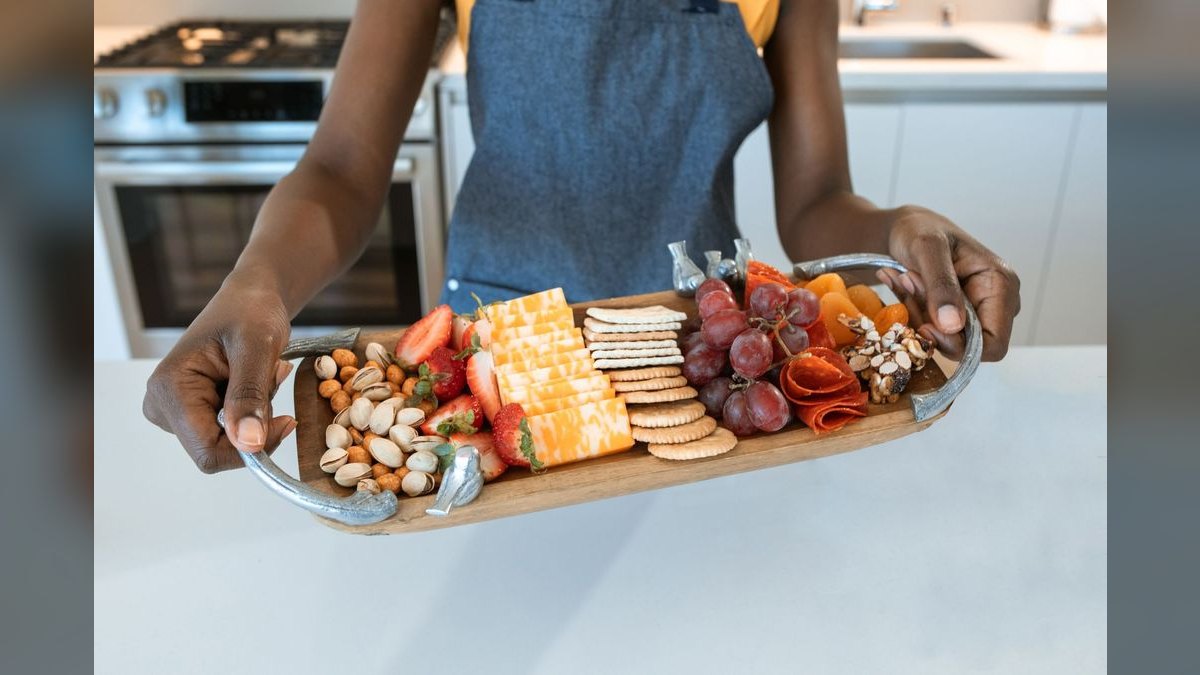
The commodity seller competes on price against dozens to hundreds of similar operators in any populated metro. The branded operator competes on niche position, reliability, and professional presentation. The commodity seller treats compliance as an afterthought and often discovers mid-stream that their state's cottage food law excludes refrigerated products. The branded operator reads their state's cottage food law before buying a single ingredient, builds the full compliance stack, and carries bound product liability insurance before the first order. The commodity seller's Instagram feed is one more anonymous board in a crowded feed. The branded operator's website ranks for "keto charcuterie board [city]" or "luxury wedding grazing table [city]" and captures high-intent customers who are actively searching for a specific product.
The RevOps perspective clarifies this fork: the commodity seller has no systematic revenue operations, no repeatable sales motion, no predictable pipeline, and no way to escape the feast-or-famine cycle of retail seasonality. The branded operator builds a RevOps framework from the start — a repeatable B2B outreach process, a CRM to track corporate accounts and venue relationships, a pricing model that accounts for every cost, and a production system that scales with part-time help. The commodity seller treats the business as an aesthetic side hustle. The branded operator treats it as a real food business with a deliberate operating system.
How to Decide Between the Two Paths
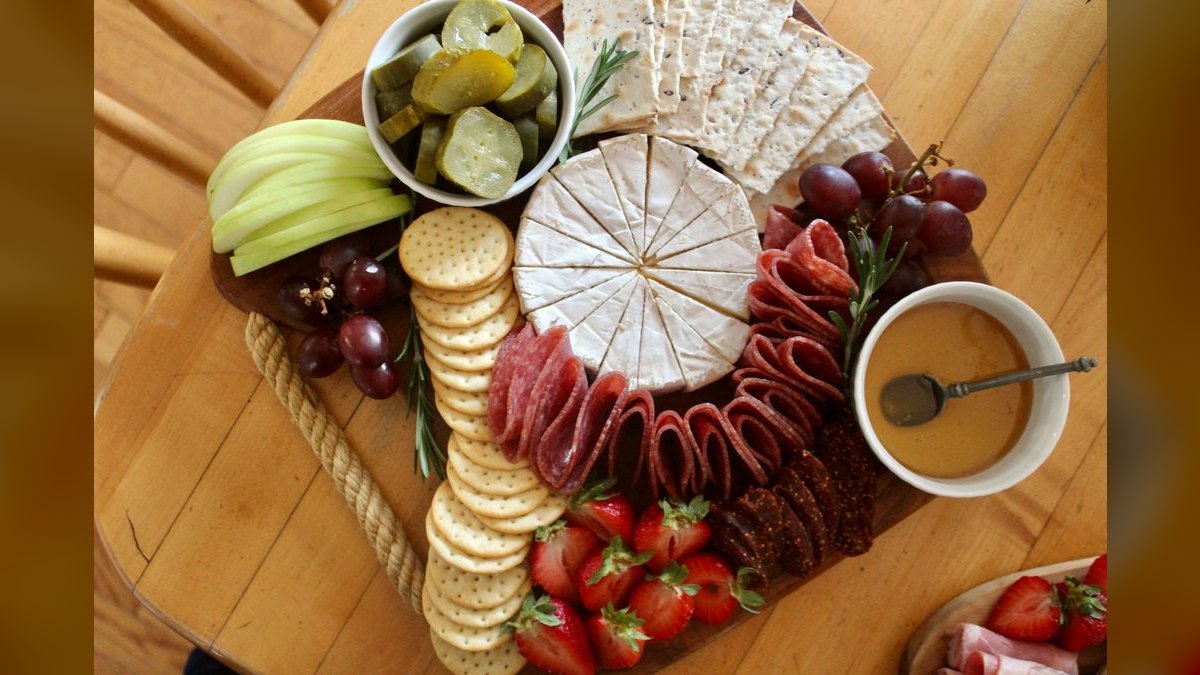
The decision between the commodity seller path and the branded operator path rests on six self-assessment questions. First, are you willing to pick a real niche and build an actual brand? The commodity seller avoids this work because it feels restrictive. The branded operator understands that a niche is not a limitation but a position — "the keto charcuterie specialist" is findable and referable in a way that "charcuterie boards" is not. Second, will you read your state's cottage food law precisely and build the full compliance and insurance stack before your first order? The commodity seller skips this step and operates in a gray zone. The branded operator treats compliance as the first gate, not an afterthought. Third, are you oriented toward proactive B2B outreach and relationship-building with office managers, event planners, and venues? The commodity seller waits for Instagram orders. The branded operator builds a diversified lead engine anchored on recurring corporate accounts. Fourth, will you cost your menu precisely and price for the full cost stack including labor, packaging, overhead, delivery, and margin? The commodity seller guesses at pricing and often discovers their "profitable" board barely covers ingredients. The branded operator weighs and prices every ingredient per board. Fifth, can you tolerate the hands-on, seasonal, perishable-inventory reality of a food business? The commodity seller wants a passive side hustle. The branded operator accepts that every board is hand-built, the holiday crush is brutal, and spoilage is a constant margin leak. Sixth, is there room in your local market for another branded operator in a specific niche? The commodity seller ignores competitive analysis. The branded operator studies the local competitive landscape and finds a gap.
If you answer yes across all six questions, the branded operator path is viable and can produce a $120,000-$300,000 business by Year 3. If you answer no on differentiation or compliance, the commodity seller path is the default outcome — and it is a poor bet in a saturated 2027 market.
Concrete Numbers Behind Each Option
The commodity seller path: a solo founder launches from a home kitchen with $2,000-$5,000 in startup costs. They offer generic medium boards priced at $80-$120. The ingredients cost $35-$55 per board, packaging costs $5-$15, and the founder does not charge separately for labor or delivery. The real gross margin after ingredients and packaging is 35-55%, but the founder does not track it precisely because they have not costed the menu. They sell 60-250 orders in Year 1, heavily concentrated in November-December, generating $15,000-$70,000 in revenue. The owner profit is $8,000-$45,000 because the founder does not pay themselves for the 60-90 minutes of labor per board, the free delivery eats margin, and spoilage leaks another 5-10% of ingredient cost. The business plateaus at this level because the founder has no niche, no brand, no B2B anchor, and no pricing power. The commodity seller is one more anonymous price-taker in a saturated feed.
The branded operator path: a founder launches from a rented commissary with $6,000-$15,000 in startup costs. They choose a niche such as dietary specialty, luxury wedding grazing tables, or corporate gifting. They build a menu ladder: individual boxes at $25-$45, small boards at $55-$90, medium boards at $100-$160, large party boards at $200-$350, and grazing tables at $400-$2,500. Every menu item is costed precisely: the medium board at $120 has $42 in ingredients, $8 in packaging, 75 minutes of labor priced at $20/hour, and a delivery fee of $25. The gross margin after ingredients and packaging is 45%. The founder spends Year 1 building relationships with office managers, HR teams, event planners, and wedding venues. By Year 2, they have 6-10 recurring monthly corporate accounts generating $2,000-$4,000 per month in predictable revenue, plus a stream of booked event work. Year 2 revenue reaches $80,000-$180,000 with owner profit of $25,000-$90,000. By Year 3, with part-time assembly help and a commissary, the business reaches $140,000-$300,000 in revenue and $45,000-$140,000 in owner profit. The corporate accounts smooth the seasonality: a monthly office board generates revenue in February exactly as in December.
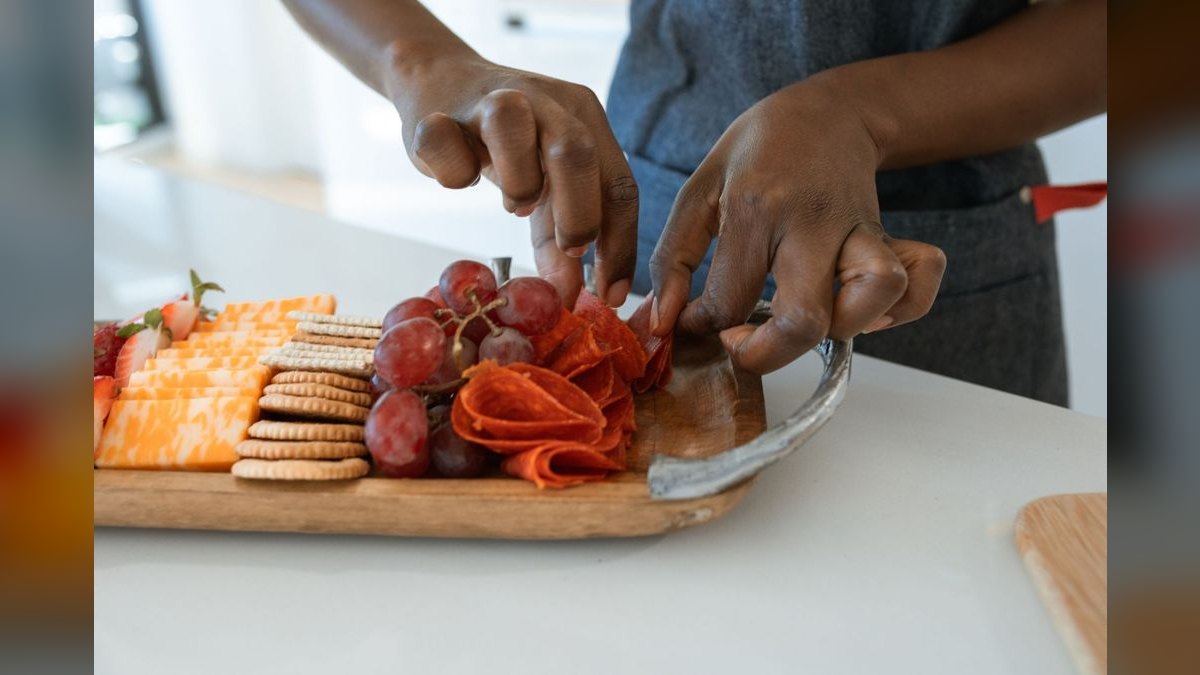
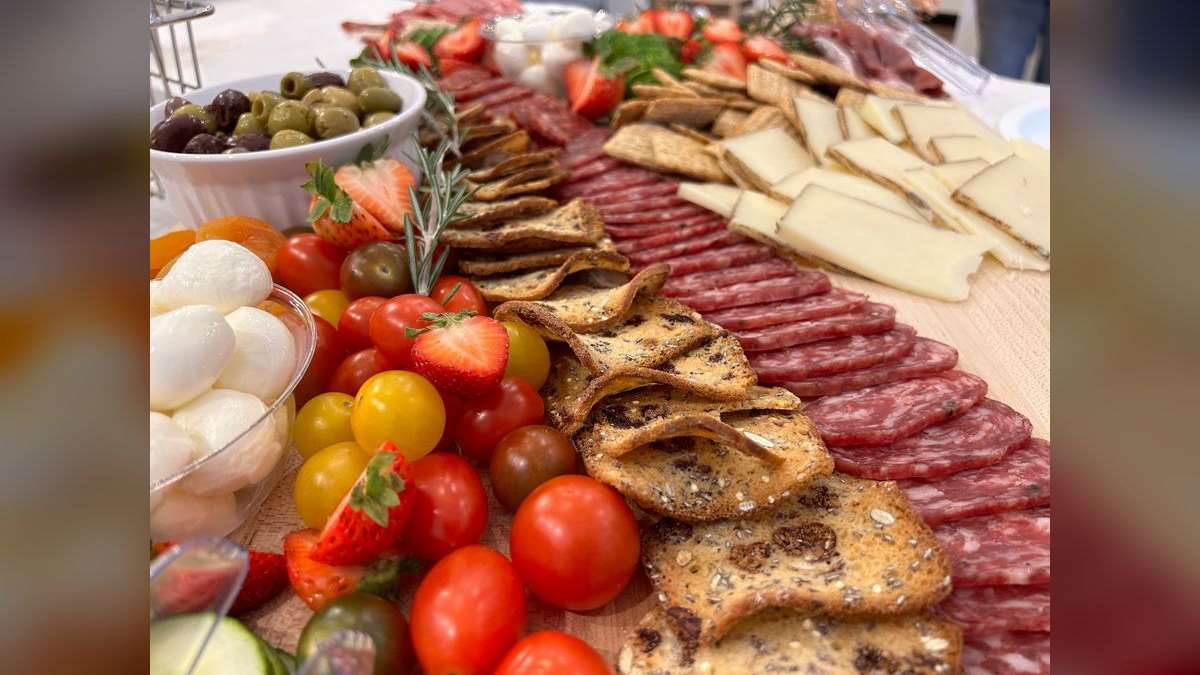
The gross margin targets differ by product. Individual boxes run 35-40% because they are the volume entry product and price-sensitive. Medium boards run 40-50%. Grazing tables run 55-65% because the ticket is high and the customer is paying for design and presentation, not just ingredients. Corporate accounts run 45-55% because the orders are larger and more predictable, reducing per-unit labor and spoilage. The branded operator pushes the product mix toward grazing tables and corporate accounts and away from the labor-intensive low-margin commodity box. The ingredient cost breakdown for a representative medium board: 30% cheese, 25% cured meat, 15% fruit, 10% nuts, 10% crackers and breads, 10% jams, honey, and garnish. The packaging cost breakdown: 40% serving surface, 30% wrapping and finishing, 20% cold-chain materials for delivery, 10% branding elements.
The startup cost breakdown for the branded operator: business formation and licensing $400-$800, food handler and manager certification $100-$200, initial ingredient inventory $700-$1,500, packaging and presentation materials $800-$2,000, equipment such as knives and boards $800-$2,500, commissary rent for the first month $500-$1,500, website and branding $800-$2,500, insurance first payment $500-$1,000, initial marketing $400-$1,000, working capital buffer $1,500-$3,000. The total is $6,000-$15,000, which is still low-capital relative to most food businesses but higher than the $2,000-$5,000 the commodity seller spends because the branded operator invests in a commissary, insurance, and a real website.
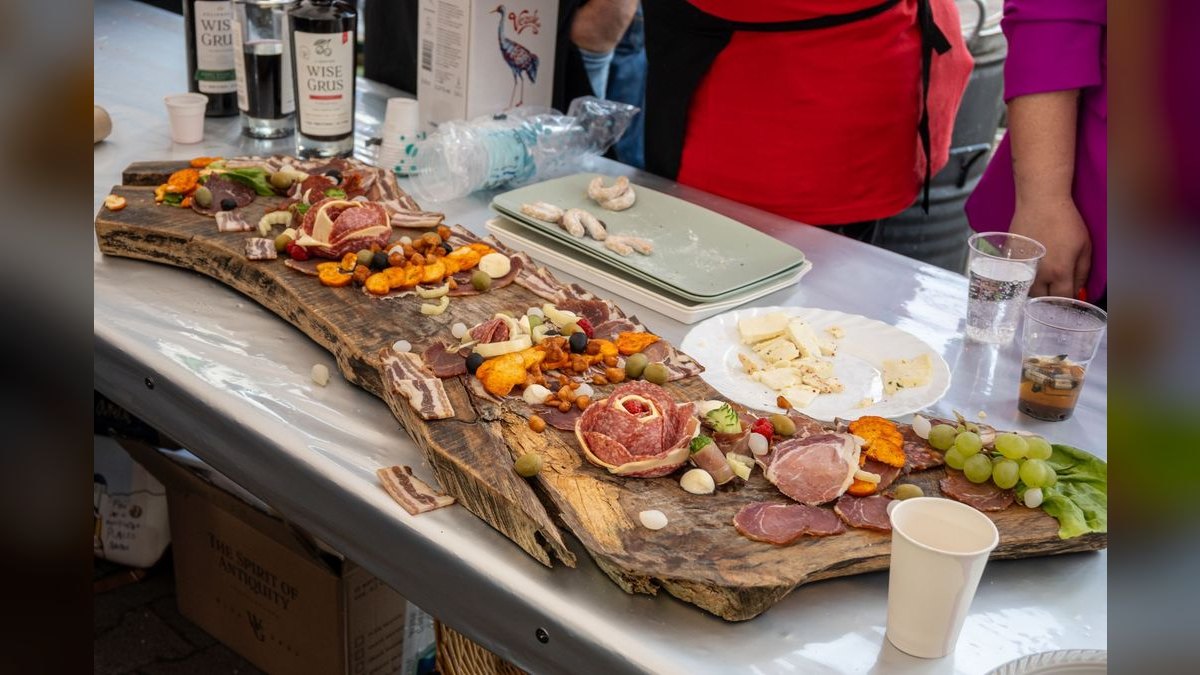
Implementation Details and Sequencing
The execution sequence for the branded operator path follows a deliberate order. Step one is the compliance gate: read your state's cottage food law and your city and county health department rules. Charcuterie boards contain cheese and cured or cooked meat, which are time-and-temperature-control-for-safety foods. In many states, refrigerated products are explicitly excluded from cottage food allowances. If your state excludes them, you must rent a commissary or licensed commercial kitchen before you can legally sell. Resources such as Forrager publish state-by-state cottage food summaries. This is the single most important step because operating outside the law voids insurance and exposes you personally.
Step two is choosing a niche and building a brand. The niche options include dietary specialty such as keto, vegan, gluten-free, or dairy-free; luxury wedding grazing tables; corporate gifting; local and artisanal sourcing; themed and occasion-specific boards; or a breakfast and dessert board extension. The brand includes a business name, a logo, a consistent visual style and photography aesthetic, a website with online ordering, and a signature product that customers ask for by name. The brand is built before the first order because retrofitting a brand onto an established commodity operation is far harder than building it in from the start.
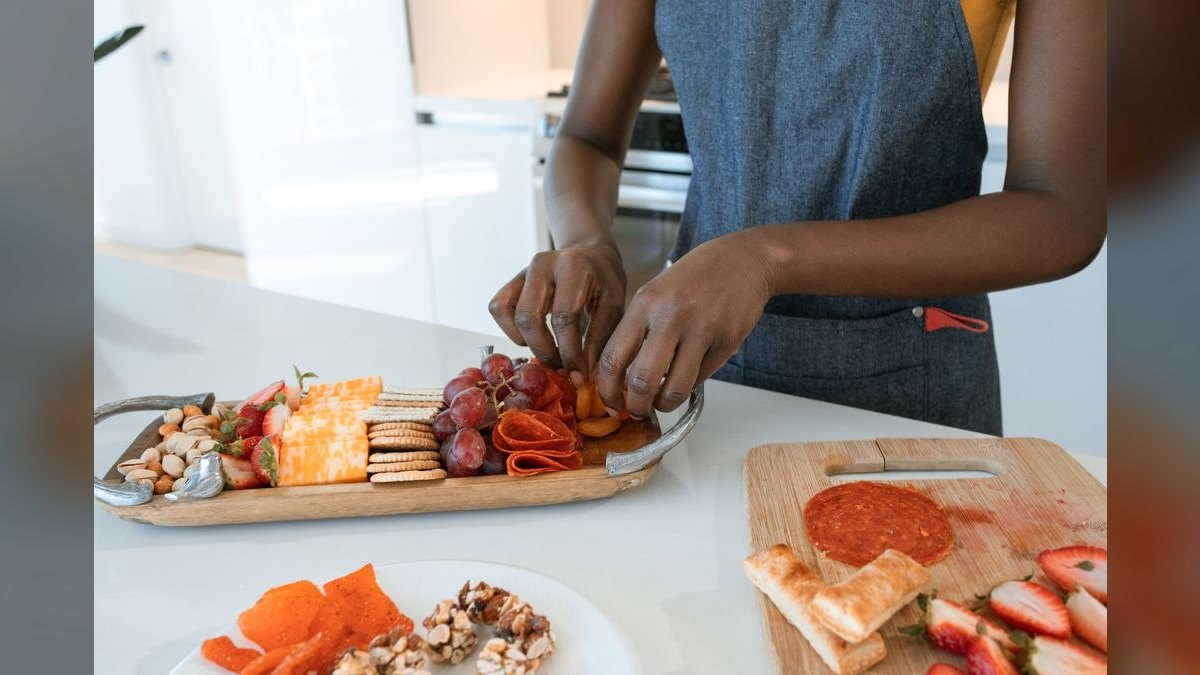
Step three is building the full compliance stack. Form an LLC, register the business name, get an EIN, obtain a local business license, earn a food handler card and ideally a food manager certification such as ServSafe, register for a sales tax permit, and create compliant labels with ingredient lists, allergen statements, and a "made in a home kitchen" disclosure if operating under cottage food law. Step four is binding general and product liability insurance. Product liability insurance covers claims arising from the food itself, which is the defining risk of selling things people eat. Corporate clients, wedding venues, and planners require proof of insurance before they will work with you. Coverage for a small operation costs $300-$1,000 per year to start.
Step five is designing and precisely costing the menu. Build a menu ladder from individual boxes through grazing tables. Cost every ingredient per board by weight: weigh the cheese, the meat, the fruit, the nuts. Add packaging as a real line item. Price the labor explicitly at $15-$25 per hour. Add allocated overhead such as commissary rent, insurance, software, and marketing. Add a delivery fee priced by distance. The target gross margin after ingredients and packaging is 35-55%. Step six is building the sourcing strategy. Start with warehouse clubs such as Costco and Sam's Club for bulk cheese, nuts, and crackers. Graduate to restaurant supply from Restaurant Depot, US Foods, or Sysco as volume grows. Use specialty distributors and local cheesemakers for differentiated premium product. Match pack size to volume to fight spoilage. Design the menu around versatile ingredients that appear across multiple boards.
Step seven is anchoring on B2B and event revenue. Build relationships with office managers, HR teams, real estate agents, financial advisors, event planners, and wedding venues. Offer a recurring monthly or biweekly office board account. Create a corporate client gifting program for the holidays. Get on recommended vendor lists at venues. The B2B revenue is the anchor that smooths seasonality and creates predictable income. Step eight is building a diversified lead engine. Claim and optimize a Google Business Profile. Build a website that ranks for "charcuterie board [city]" and niche-specific searches such as "keto charcuterie board [city]." Post consistently on Instagram and TikTok as a brand builder, not a cold-acquisition firehose. Capture email and SMS contacts from every order for holiday remarketing. Attend farmers markets and holiday markets for local visibility. Step nine is running food safety and spoilage as core operations. Maintain proper refrigeration and cold-chain from prep through delivery. Prevent cross-contamination. Manage allergens with clear labeling. Keep a simple board-build log with sourcing records and prep logs. Purchase against actual orders to minimize spoilage. Step ten is planning for seasonality. The November-December holiday peak can be 40-60% of annual retail revenue. Pre-arrange part-time assembly help and secure extra commissary time. Build occasion products for Valentine's Day, Mother's Day, graduation, and wedding season. Develop a subscription or board-of-the-month program. The recurring corporate accounts carry the January-February trough.
Step eleven is scaling deliberately. The first constraint is the founder's own hands and hours, so the first scaling move is part-time assembly help trained to the brand's standard. The second constraint is the kitchen, so scaling means moving into or expanding commissary time. The third constraint is systems: documented recipes and build standards, a clean ordering system, a production and delivery schedule, and financial tracking that reveals per-product margins. The fourth lever is the product mix: push toward recurring corporate accounts and grazing tables and away from the labor-intensive low-margin commodity box. The fifth lever is a potential shippable product line for national gifting, though that requires a different food-science and logistics challenge.

Related questions
What licenses do I need to start a charcuterie board business?
You need an LLC, a local business license, a food handler card and often a ServSafe manager certification, a sales tax permit, and a cottage food registration or commercial kitchen permit depending on your state's laws.
How much money can you make with a charcuterie board business?
A solo founder in Year 1 makes $15,000-$70,000 in revenue and $8,000-$45,000 in owner profit. By Year 3, a branded operator with B2B accounts reaches $120,000-$300,000 revenue and $45,000-$140,000 profit.
Is a charcuterie board business profitable in 2027?
Yes, but only if you escape the commodity trap with a niche, a real brand, B2B revenue, and disciplined pricing at 35-55% gross margin. Generic sellers competing on price in a saturated market struggle to break even.
Do I need a commercial kitchen for a charcuterie business?
It depends on your state's cottage food law. Many states exclude refrigerated meat-and-cheese products from home kitchen allowances, requiring a commissary or licensed commercial kitchen.
How do I price charcuterie boards for profit?
Cost every ingredient precisely by weight, add packaging as a line item, price labor at $15-$25 per hour, add allocated overhead, charge a separate delivery fee, and target a 35-55% gross margin after ingredients and packaging.
FAQ
What is the most common mistake new charcuterie business owners make?
The most common mistake is launching as a generic seller without a niche or brand, competing on price in a saturated market, and never costing the menu precisely. This leads to thin margins, no pricing power, and a business that plateaus as a break-even seasonal side hustle rather than growing into a real operation.
Can I start a charcuterie board business from my home kitchen?
You can start from a home kitchen only if your state's cottage food law explicitly allows refrigerated meat-and-cheese products. Many states exclude them. You must read your specific state law before buying ingredients, because operating outside the law voids insurance and exposes you personally to liability.
How do I find corporate clients for my charcuterie business?
Proactively reach out to office managers, HR teams, real estate agents, financial advisors, and event planners. Offer a free sample board for their next team meeting. Build relationships with wedding venues and event venues to get on their recommended vendor list. Attend local business networking events.
What insurance do I need for a charcuterie board business?
You need general liability insurance for broad operating risks and product liability insurance for claims arising from the food itself. Product liability is the critical coverage because it covers foodborne illness and allergen reaction claims. No charcuterie business should operate without it.
How do I handle the holiday season rush in a charcuterie business?
Pre-arrange part-time assembly help and train them to your brand standard. Secure extra commissary time in advance. Pre-order ingredients based on projected volume. Set clear order cut-off dates. Raise prices slightly for last-minute orders. Build a waitlist if demand exceeds capacity rather than burning out.
What is the best niche for a charcuterie board business in 2027?
Dietary specialty niches such as keto, gluten-free, vegan, or dairy-free offer strong pricing power because customers actively search for them and generic providers cannot serve them. Luxury wedding grazing tables and corporate gifting are also strong niches with high margins and recurring revenue potential.
Sources
- Forrager state-by-state cottage food law summaries: https://forrager.com/laws/
- ServSafe food safety certification: https://www.servsafe.com/
- Small Business Administration business license guide: https://www.sba.gov/business-guide/launch-your-business/register-your-business
- FDA food safety information: https://www.fda.gov/food
- USDA meat and poultry inspection: https://www.usda.gov/topics/food-and-nutrition/meat-and-poultry-inspection
- Costco business membership: https://www.costco.com/business-delivery.html
- Sysco foodservice supplier: https://www.sysco.com/
- Graze Craze franchise information: https://www.grazecraze.com/franchise
- Boarderie direct-to-consumer charcuterie: https://www.boarderie.com/
- National Restaurant Association food safety resources: https://restaurant.org/education-and-resources/food-safety/
Related on PULSE
- How do you start a board game cafe business in 2027?
- How do you start a relationship coach business in 2027?
- How do you start a paid ads (PPC) agency business in 2027?
- How do you start a residential house cleaning business in 2027?
- How do you start a custom embroidery shop business in 2027?
- How do you start a balloon decor business in 2027?
This page will be disappearing soon. Save it to your device for $1 — or read it free while it is here.
@Kory-White- · if Venmo asks, the last 4 of my number are 2012
This page is gone.
This one is off the shelf now. $1 keeps it on your phone for good — the whole page, pictures and diagrams included.
 catering-businessHow do you start a catering business in 2027?
 personal-chefHow do you start a personal chef business in 2027?
 cateringHow do you start a corporate catering business in 2027?
 allergen-freeHow do you start a specialty allergen-free bakery business in 2027?
 coffee-cart-businessHow do you start a coffee cart business in 2027?
 meal-prepHow do you start a niche meal prep delivery business in 2027?
 mushroom-farmingHow do you start a mushroom farming business in 2027?
 ice-cream-truckHow do you start an ice cream truck business in 2027?
 food-truckHow do you start a food truck business in 2027?
 meal-prep-serviceHow do you start a meal prep service business in 2027?