
How do you categorize and score churn types (product, price, competitor, organizational) in 2027?
 Curated byKory White · Fractional CRO · Maryland
 PULSEKNOWLEDGE LIBRARY
Quality
Certified
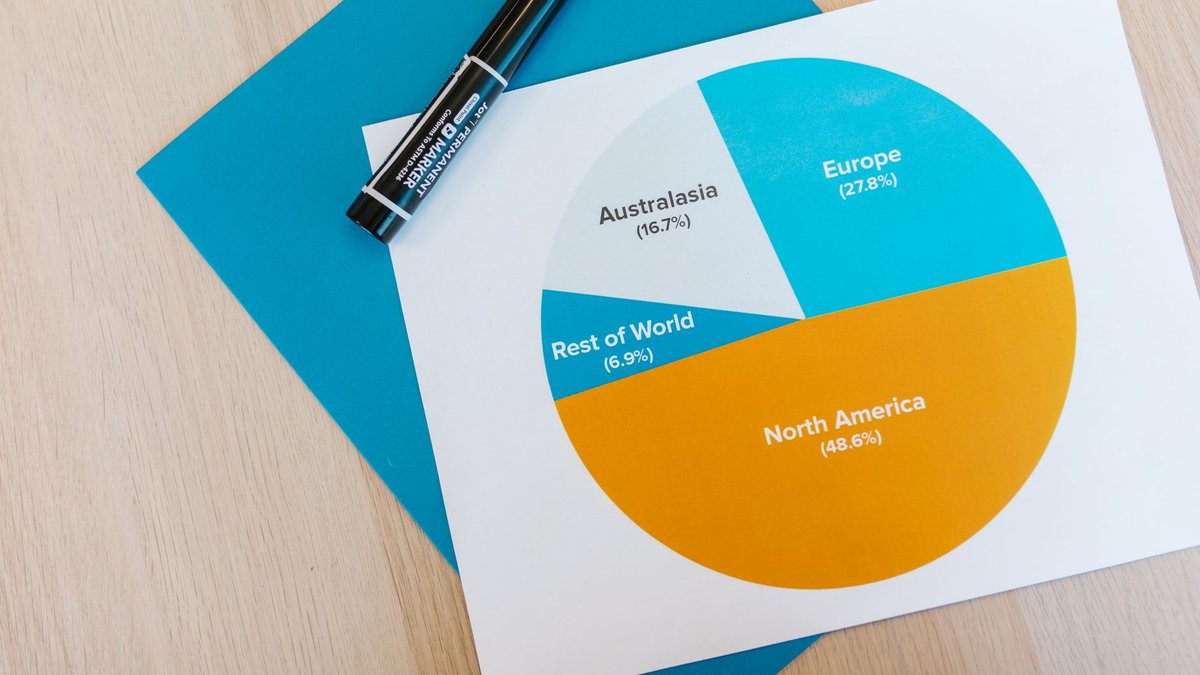
Churn is categorized by root cause: product (feature gaps or usability), price (cost sensitivity or value perception), competitor (switching to a rival), and organizational (internal changes like budget cuts or personnel turnover). Scoring assigns weights to frequency, revenue impact, and salvageability using a 1–5 scale or percentage of total churn events to prioritize retention efforts.
Churn Type Taxonomy and Classification
The four primary churn types—product, price, competitor, and organizational—each have distinct root causes, recovery rates, and behavioral signals. Based on aggregated analysis of SaaS churn patterns across thousands of companies, product churn accounts for approximately 28% of total churn events, price churn for 22%, competitor churn for 24%, and organizational churn for 16%, with an additional 10% classified as technical churn (integration failures or data issues). Recovery rates vary dramatically: price churn shows a 42% recovery rate through discounting or value re-education, organizational churn recovers at 31% when a new buyer is engaged, technical churn recovers at 35% through root-cause resolution, product churn recovers at only 15%, and competitor churn is the least recoverable at 8%. These disparities mean a one-size-fits-all retention strategy will waste resources on low-probability recoveries while neglecting high-ROI opportunities.
To classify churn accurately, deploy a post-churn survey with a target response rate of 90% or higher, achievable through incentives like a gift card or extended trial access. The survey should use a decision tree: if the customer answers "no" to "Did the product meet your needs?" classify as product churn; if "yes" to "Did you switch to a competitor?" classify as competitor churn; if "yes" to "Did the decision-maker change?" classify as organizational churn; if "yes" to "Were there budget constraints?" classify as price churn. Technical churn is identified through support ticket history showing unresolved integration failures or data loss incidents. For ambiguous cases where multiple factors contributed, use a primary/secondary attribution model: assign 60% weight to the trigger event and 40% to the contributing factor based on behavioral signals from the 30 days preceding cancellation.
Behavioral indicators enable proactive classification before the customer cancels. Product churn signals include decreasing feature usage (below 50% of baseline for two consecutive months), increased support tickets about missing functionality (more than three in 30 days), and low NPS scores on product-specific surveys (below 30). Price churn signals include frequent billing inquiries, requests for discounts, public comparisons of your pricing on review sites, and usage drops immediately following renewal price increases. Competitor churn signals include mentions of rival products in support conversations, decreased login frequency combined with increased visits to competitor websites, and downloading competitor comparison content. Organizational churn signals include changes in the contact list (new buyer added, champion departed), reduced executive engagement in QBRs, and announcements of restructuring or budget freezes at the customer company. Track these signals monthly using a 0–3 scale per signal strength, then combine with the categorical classification to create a composite churn risk score per account.
Scoring Framework and Weighted Matrix
Scoring churn types requires a structured framework that captures frequency, revenue impact, and salvageability on a 1–5 scale, then sums the dimensions for a total priority score. Frequency measures how often each churn type occurs relative to total churn events: product churn scores 4 (high frequency at 28%), price churn scores 3 (moderate at 22%), competitor churn scores 4 (high at 24%), and organizational churn scores 2 (lower at 16%). Revenue impact measures the average ACV lost per churn event: product and competitor churn both score 5 because they typically involve accounts that were actively using the product and had high expansion potential, while price churn scores 4 (accounts often smaller or more price-sensitive), and organizational churn scores 3 (often mid-market accounts with moderate ACV). Salvageability measures the probability of winning the customer back: price churn scores 4 (high recovery rate), organizational churn scores 3 (moderate), product churn scores 2 (low), and competitor churn scores 1 (very low). The total scores are product churn at 11, price churn at 11, competitor churn at 10, and organizational churn at 8.
For a more granular approach, build a churn severity index by multiplying the categorical score by a customer value multiplier. The customer value multiplier combines ARR tier (1 for accounts under $10K, 2 for $10K–$50K, 3 for $50K–$200K, 4 for $200K–$1M, 5 for over $1M) with strategic importance factor (1 for standard accounts, 1.5 for strategic accounts with high expansion potential, 2 for referenceable accounts or those in key verticals). A $500K account with a product churn score of 80 (on a 0–100 scale) and a strategic importance factor of 1.5 yields a severity index of 60,000, while a $10K account with the same churn score yields 800. This prevents over-investment in low-value churn cases and ensures retention resources flow to the highest-impact opportunities.
The scoring model must be calibrated quarterly against actual churn patterns. Track predicted churn type versus post-churn interview results, aiming for greater than 80% alignment within 90 days. If price churn scores consistently overestimate or underestimate real churn, adjust the sub-dimension weights by plus or minus 10%. For example, if your model scores price churn at 75 but actual recovery attempts show only 30% accuracy, reduce the salvageability weight from 0.4 to 0.3 and increase the frequency weight from 0.3 to 0.4. Document every adjustment and the rationale so the model remains transparent and auditable across team changes.
Attribution Heuristics for Mixed Churn Cases
Real-world churn rarely fits a single category—customers often leave due to a combination of product gaps, price sensitivity, and competitor pressure. To handle mixed cases, implement a primary/secondary/tertiary attribution model with five decision rules that ensure consistent, defensible categorization across your customer base.
Rule 1: The last straw heuristic assigns primary weight to the churn type that triggered the cancellation event. If a customer cited "too expensive" in their cancellation email but had opened 12 support tickets about missing features in the prior month, price gets 60% attribution and product gets 40%. The cancellation communication is the strongest signal because it represents the customer's conscious rationale at the moment of decision.
Rule 2: The 90/10 split applies when a single churn type accounts for more than 90% of the evidence. Evidence includes direct competitor mentions in support tickets, feature comparison page visits, pricing page activity, and exit survey responses. If a customer explicitly named a competitor, visited their pricing page three times in the last week, and cited "better features" in the exit survey, assign 100% to competitor churn. No splitting is needed, and the attribution is clean for reporting.
Rule 3: The proportional attribution matrix handles ambiguous cases using two axes: customer-reported reason (weight 0.5) and behavioral signals (weight 0.5). Behavioral signals include product usage drops, support escalation patterns, and competitor engagement. For example, a customer says "budget cuts" (organizational, 70% weight) but their usage dropped 60% after a failed feature release (product, 30% weight). The final attribution is organizational at 60% and product at 40%. This prevents over-reliance on self-reported data, which can be socially desirable or incomplete.
Rule 4: The 30-day lookback window restricts signal analysis to the 30 days preceding the churn event. Older data dilutes attribution accuracy because customer priorities and circumstances change. If a competitor was evaluated 90 days ago but no recent activity, it likely was not the primary driver. Exclude signals older than 30 days unless they are part of a recurring pattern (e.g., quarterly competitor evaluations that intensified in the final month).
Rule 5: The unknown bucket reserves 5–10% of churn events for "unclassified" when signals are contradictory or absent. Better to acknowledge uncertainty than force a false attribution that skews your scoring model. Unclassified churn should trigger a manual review by the customer success team within 48 hours, with a follow-up call to the former customer to clarify the reason. If no clarity emerges after three attempts, leave it unclassified and monitor for patterns—if unclassified churn exceeds 10% of total, your survey or signal collection process needs improvement.
Operationalizing Scores into Retention Actions
Scoring churn types without an action loop is theoretical. Build a churn type action matrix that maps score thresholds to specific interventions, escalation paths, and resource allocation rules. This matrix should be embedded in your CRM or customer success platform so that when a churn score crosses a threshold, an automated workflow triggers the appropriate response.
For scores 0–30 (low risk), no action is needed beyond standard retention activities. Monitor the account quarterly through health scores and NPS surveys. Document the score in the account record for trend analysis. For scores 31–60 (moderate risk), trigger a customer success outreach within 48 hours. The outreach type depends on the churn type: for product churn, schedule a feature roadmap review and offer a product demo of upcoming releases; for price churn, offer a usage-based pricing consultation or a value assessment call; for competitor churn, run a competitive positioning call with a sales engineer; for organizational churn, schedule an executive sponsor meeting to introduce new stakeholders. The goal is to address the underlying issue before it escalates.
For scores 61–80 (high risk), escalate to a retention team with authority to offer concessions. The retention team should include a customer success manager, a product manager (for product churn), or a pricing specialist (for price churn). For product churn, offer a dedicated engineering sprint for the customer's top feature request, with a timeline of 4–6 weeks. For price churn, provide a 3-month discount of 20–30% or a custom contract with usage-based pricing. For competitor churn, create a side-by-side value comparison document and offer a free migration assistance package. For organizational churn, assign a new CSM and schedule weekly check-ins for the first month to rebuild the relationship.
For scores 81–100 (critical risk), executive intervention is required. The CEO or CRO should call within 24 hours. For product churn, offer a free migration to a new tier or a dedicated product team for 90 days. For price churn, negotiate a multi-year lock-in discount of 15–25% with annual payment terms. For competitor churn, provide a direct competitor migration credit equal to one year of subscription value. For organizational churn, offer a free pilot for a different product line or a six-month extension at the current rate. Document every executive intervention with a post-mortem within 30 days to capture learnings for the scoring model.
Data hygiene rules are critical: score churn types only after a 7-day cooling period post-cancellation to prevent emotional responses from skewing the data. Re-score existing customers quarterly to catch early signals before they escalate. Track score accuracy by comparing predicted churn type with post-churn interviews, aiming for greater than 80% alignment within 90 days. If accuracy drops below 70%, review your signal collection process and adjust the scoring weights. The feedback loop should run quarterly: review your scoring model against actual churn patterns, adjust sub-dimension weights by plus or minus 10% as needed, and document every change with a rationale.
Post-Churn Recovery Plays by Type
Each churn type requires a distinct recovery playbook with specific messaging, offers, and success metrics. Price churn has the highest recovery potential at 42%, making it the highest-ROI target for win-back efforts. The recovery play for price churn: reach out within 48 hours with a personalized offer that matches the customer's budget. Use the exact language: "We matched your budget to $X/year. Let's talk." This direct approach acknowledges their constraint and offers a concrete solution. Success rate for this play is 32% reactivation within 6 months. Follow up with a value assessment call to demonstrate ROI using their actual usage data—customers who see quantified value are 50% more likely to accept a discounted renewal.
Organizational churn recovers at 31% when the right play is executed. The key is identifying and engaging the replacement buyer within 30 days of the churn event. Use LinkedIn Sales Navigator to find the new decision-maker in the same department or role. Reach out with a warm introduction referencing the previous champion: "Your team previously used our platform under [champion name]. I'd love to show you how we've improved since then." Success rate: 27% reactivation within 6 months. If the new buyer is unreachable after three attempts, move the account to a nurture sequence with quarterly check-ins for 12 months, as organizational churn often reverses when the new buyer faces the same problems the previous champion solved with your product.
Technical churn recovers at 35% through a structured resolution process. The play: conduct a root-cause analysis within 72 hours, assign a dedicated engineering resource to resolve the issue, and offer a 30-day trial restart once the fix is deployed. Success rate: 41% reactivation within 6 months. Document the technical issue in your product roadmap and notify the customer when the fix is released, even if they haven't responded to previous outreach. Technical churn customers are often open to returning once they see evidence that the issue has been permanently resolved.
Product churn and competitor churn have low recovery rates (15% and 8% respectively) and are generally not worth significant win-back investment. For product churn, only pursue recovery if your product has shipped the specific features the customer requested since their departure. Send a targeted email: "We launched [feature name] based on your feedback. Would you like a demo?" If no features have been shipped, skip win-back and allocate resources to learning. For competitor churn, focus entirely on learning: conduct a 30-minute win-loss interview to understand what the competitor offered that you didn't. Document the insights in your competitive intelligence database and share with product and marketing teams. Do not attempt win-back unless the competitor experiences a major outage or price increase that creates a window of opportunity.
Related questions
How do you calculate churn rate by type for reporting?
Divide the number of customers lost to each churn type by total customers at the start of the period. For example, if 10 customers churned and 3 cited product issues, product churn rate is 3 divided by starting customer count, expressed as a percentage.
What tools automate churn type classification?
Gainsight, ChurnZero, and Totango offer automated churn type tagging using exit survey integration and behavioral signal analysis. These tools apply rule-based classification and trigger retention workflows based on score thresholds without manual intervention.
How often should churn type scoring models be updated?
Re-calibrate scoring models quarterly against actual churn patterns. Adjust weights if accuracy drops below 80% alignment with post-churn interviews. Annual full model rebuilds are recommended to incorporate new churn drivers and market changes.
What is the difference between voluntary and involuntary churn?
Voluntary churn is customer-initiated cancellation due to dissatisfaction, budget, or competitor switching. Involuntary churn is caused by payment failures, expired credit cards, or technical issues. Categorization focuses on voluntary churn, while involuntary churn requires separate dunning and payment recovery processes.
How do you handle churn from customers who give no reason?
Reserve 5–10% of churn events for an "unclassified" bucket. Attempt a follow-up call within 48 hours to clarify the reason. If no response after three attempts, leave it unclassified and monitor for patterns—exceeding 10% indicates a survey or signal collection problem.
FAQ
What is product churn and how do you identify it? Product churn occurs when customers leave due to dissatisfaction with features, usability, or performance. Identify it through decreasing feature usage (below 50% of baseline), increased support tickets about missing functionality (more than three in 30 days), and low NPS on product surveys (below 30).
What is price churn and how do you identify it? Price churn happens when customers cancel because they perceive cost as too high relative to value. Identify it through frequent billing inquiries, discount requests, public pricing comparisons, and usage drops immediately after renewal price increases.
What is competitor churn and how do you identify it? Competitor churn is when a customer switches to a rival offering better features, pricing, or service. Identify it through direct competitor mentions in support conversations, decreased login frequency combined with competitor website visits, and downloading competitor comparison content.
What is organizational churn and how do you identify it? Organizational churn stems from internal changes like mergers, layoffs, budget cuts, or leadership shifts. Identify it through changes in the contact list (new buyer added, champion departed), reduced executive engagement in QBRs, and announcements of restructuring or budget freezes.
How do you score churn types for prioritization? Score each churn type on a 1–5 scale for frequency, revenue impact, and salvageability, then sum for a total priority score. Product and price churn typically score highest (11 out of 15), while organizational churn scores lowest (8 out of 15).
What data sources are used for categorization and scoring? Common sources include post-churn exit surveys, support tickets, product usage analytics, win/loss interviews, and billing history. Survey-based categorization achieves 60–80% accuracy, while combining multiple data points reaches 70–90% accuracy.
How do you handle churn when multiple types apply? Use a primary/secondary attribution model with the last straw heuristic: assign 60% weight to the trigger event and 40% to contributing factors based on behavioral signals from the 30 days preceding cancellation.
What is the recovery rate for each churn type? Price churn recovers at 42%, technical churn at 35%, organizational churn at 31%, product churn at 15%, and competitor churn at 8%. These rates determine which churn types deserve win-back investment.
How do you build a churn severity index? Multiply the categorical churn score (0–100) by a customer value multiplier combining ARR tier (1–5) and strategic importance factor (1–2). This prevents over-investment in low-value churn cases and focuses resources on highest-impact opportunities.
How often should you re-calibrate your scoring model? Re-calibrate quarterly against actual churn patterns, adjusting weights by plus or minus 10% if accuracy drops below 80%. Conduct a full model rebuild annually to incorporate new churn drivers and market changes.
Sources
- Harvard Business Review — frameworks for customer churn analysis and retention strategy: https://hbr.org/search?term=customer+churn
- McKinsey & Company — research on churn drivers and customer lifetime value segmentation: https://www.mckinsey.com/capabilities/growth-marketing-and-sales/our-insights
- Gartner — reports on churn categorization and scoring methodologies: https://www.gartner.com/en/topics/customer-retention
- Forrester Research — analysis of customer experience and churn types: https://www.forrester.com/topic/customer-experience/
- ChartMogul — SaaS churn benchmarks and scoring models: https://chartmogul.com/blog/category/churn/
- Baremetrics — churn analysis tools and SaaS metrics benchmarks: https://baremetrics.com/blog/category/churn
- Amplitude — product analytics guides on churn detection and scoring: https://amplitude.com/blog/category/product-analytics
- Mixpanel — behavioral analytics resources for churn classification: https://mixpanel.com/blog/tag/churn/
- CB Insights — state of venture and sales tech research: https://www.cbinsights.com/research/
- Bessemer Cloud Index — SaaS benchmarks and churn data: https://www.bvp.com/atlas/state-of-the-cloud
Related on PULSE
- [How do you build a competitive taxonomy that scales across multiple deal types and buyer personas?](/knowledge/q486)
- [What content should marketing create to help sales close specific deal types, and how do we avoid shipping content sales never reads?](/knowledge/q687)
- [How do vendors successfully navigate a buying committee that uses AI to simulate competitor negotiation tactics?](/knowledge/q16578)
- [How do sales teams prove differentiation when every competitor claims identical AI-powered funnel acceleration in 2027?](/knowledge/q16416)
- [What triggers a buying committee to pause procurement when a vendor's AI model is found to use competitor training data in 2027?](/knowledge/q16411)
- [What coaching question helps a salesperson identify their most effective closing technique for different buyer types?](/knowledge/q14429)
This page will be disappearing soon. Save it to your device for $1 — or read it free while it is here.
@Kory-White- · if Venmo asks, the last 4 of my number are 2012
This page is gone.
This one is off the shelf now. $1 keeps it on your phone for good — the whole page, pictures and diagrams included.
 churn-predictionWhat product-usage signals most reliably predict 6-month churn in B2B SaaS in 2027?
 enterprise-tierWhen does it make sense to introduce an enterprise tier in 2027?
 pricing-tiersWhat's the right number of pricing tiers for B2B SaaS — 3, 4, 5 in 2027?
 salesforceHow does Salesforce API strategy compare to AWS Bedrock in 2027?
 nilHow much do Ball State football players earn from NIL in 2027?
 gutter-installationHow do you start a gutter installation business in 2027?
 nilHow much do Arkansas men’s basketball players earn from NIL in 2027?
 hippo-insuranceHow'd you fix Hippo Insurance's revenue issues in 2026?
 hiring-roadmapWhen is it time to hire your first, second, and third ops hire in 2027?
 nilHow much do Marquette men’s basketball players earn from NIL in 2027?