
How do deal stage rituals prevent deals from stalling in qualification limbo in 2027?
 Curated byKory White · Fractional CRO · Maryland
 PULSEKNOWLEDGE LIBRARY
Quality
Certified
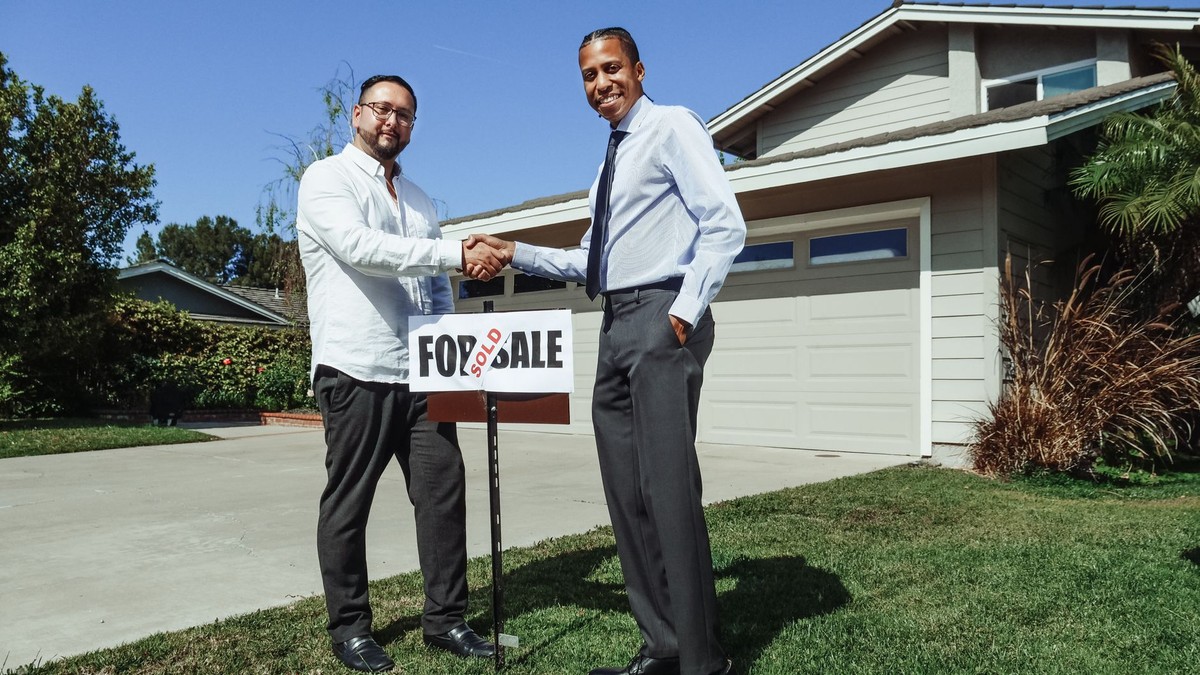
Deal stage rituals prevent stalls by replacing subjective rep judgment with mandatory, time-boxed checkpoints that force a clear go/no-go decision at each pipeline stage, requiring specific evidence like budget confirmation or champion identification before advancing, which eliminates the ambiguity that keeps unqualified deals lingering indefinitely.
How Stage Rituals Create Forced Accountability
Stage rituals work by removing the discretionary gray area that allows deals to drift. When a rep controls whether a deal advances, they naturally default to optimism—hoping the next call will unlock the missing information. Rituals replace this hope with hard gates. For example, a qualification ritual might require that every deal in "Discovery" for more than 14 days triggers an automatic 30-minute manager review. The rep cannot skip this review without escalation. During the review, the deal is measured against 3–5 binary criteria: budget confirmed (yes/no), decision timeline identified (yes/no), two or more stakeholders met (yes/no). If any criterion is missing, the deal cannot advance—it must either move backward to "Lead" or be flagged for a specific action within 48 hours.
This structure creates what sales operations professionals call "artificial urgency." Without it, deals naturally expand to fill available time. Teams that implement weekly stage-gate rituals see 15–25% faster stage progression within the first 60–90 days, according to benchmarks shared in RevGenius and Sales Hacker communities. The mechanism is simple: every week forces a decision. The deal either advances, gets a documented pause with a re-review date, or gets killed. There is no "keep in limbo" option. This forced decision-making prevents the accumulation of zombie deals that pollute pipeline forecasts and waste rep time on prospects that will never close.
The Psychology Behind Ritual-Driven Momentum
Deal stalling is fundamentally a psychological problem, not just a process one. Reps keep deals in qualification limbo because moving them forward feels like a commitment they are not ready to make. They wait for "one more piece of information" that never arrives. This is hope-based selling—a cognitive bias where reps overestimate the likelihood of closing because they have invested time in the relationship. Stage rituals break this inertia by shifting the cognitive load from "should I act?" to "what specific blocker is keeping this deal here?"
The ritual reframes the conversation. Instead of asking "Is this deal ready to move?"—which invites subjective judgment—the ritual asks "Does this deal meet the three criteria for this stage?" That question has one answer, not ten. This objectivity is critical because research from the Corporate Executive Board (now Gartner) shows that B2B buyers are 57% of the way through their decision process before they first contact a vendor. By the time a deal enters qualification, the buyer has already done significant internal work. If the rep cannot confirm basic criteria like budget and decision timeline, the deal is likely stalled on the buyer's side, not the seller's.
Rituals also create social accountability. When a rep knows that every Wednesday at 10 AM their deals will be reviewed by the full sales team, they are more likely to gather the necessary information before that meeting. This peer pressure is more effective than manager pressure because it is consistent and predictable. The ritual becomes a weekly deadline that forces action. Teams that use public stage reviews report that reps complete qualification tasks 40–60% faster in the week leading up to the review, simply because they do not want to show up empty-handed.
Building the Three-Part Weekly Stage Check
An effective stage ritual has three mandatory components: a trigger, a criteria checklist, and a forced decision. The trigger must be a recurring calendar block—same day, same time, every week, without exception. For example, "Every Thursday at 2 PM, review all deals in 'Qualification' that have been there longer than 10 days." The trigger is non-negotiable. No rep can skip it without automatic escalation to a manager. This consistency is what turns a one-time process improvement into a lasting habit.
The criteria checklist must be 3–5 objective, binary criteria that are genuinely predictive of stage progression. For the qualification stage, effective criteria include: "Identified decision-maker by name," "Confirmed budget range exists," "Agreed to a next meeting with a specific date," and "Identified top 3 pain points." Each criterion must be verifiable—not subjective. "Good relationship with the prospect" is not a valid criterion because it cannot be objectively measured. The checklist should be short enough that a rep can complete it in under five minutes, but specific enough that it forces real qualification work.
The forced decision is the most critical component. At the end of every ritual, each deal under review receives exactly one of three outcomes: Advance (move to the next stage), Pause (documented reason with a specific re-review date within 14 days), or Kill (move to Closed Lost with a reason code). There is no fourth option. This forces reps to confront the reality of each deal rather than hiding it in a stage that feels safe. Teams using this three-part structure report that 30–50% of deals that would have languished for weeks are either advanced or killed within the first two weeks of implementation.
Stage-Specific Ritual Templates for Each Pipeline Phase
Different pipeline stages require different ritual structures because the qualification criteria change as the deal progresses. In the Discovery stage, the ritual should focus on basic fit and access. A weekly "Discovery Scrub" of 30 minutes on Monday morning works well. The criteria to advance include: budget confirmed (yes/no), decision timeline identified (firm date or range), and two or more stakeholders met. If budget is not confirmed, the deal cannot advance—it goes to a nurture track. Deals in Discovery for more than four weeks are automatically flagged for executive review. The economic assumption at this stage is $0 value until all three criteria are met.
In the Qualification stage, the ritual becomes more intensive. A twice-weekly "Qual Check" of 20 minutes each on Thursday and Friday works well because the qualification window is shorter. The criteria to advance include: champion identified by name and title, buying process clear (RFP, informal, POV), and economic buyer confirmed. If no champion exists after three weeks in qualification, the deal is escalated to an Account Executive for executive sponsor hunting. Win rate should be tracked by champion seniority—VP+ champions close at significantly higher rates than manager-level champions. The economic assumption at this stage is 25% probability of close, and the deal only counts in pipeline after a champion exists.
In the Pilot or POV stage, the ritual shifts to technical validation. A weekly "Proof Point Standup" of 15 minutes on Tuesday morning includes the deal owner and a product or delivery lead. The criteria to advance include: success criteria documented and signed by the buyer, and pilot scope limited to four weeks or less. If the pilot is undefined or the scope exceeds eight weeks, the deal must be renegotiated or dropped. The target metric is that more than 70% of pilots advance to negotiation. The economic assumption is 60% probability, with pipeline value weighted by pilot stage progress.
In the Negotiation stage, the ritual becomes a close-focused forecast review. A weekly "Close Forecast" of 45 minutes on Monday morning includes all closing reps and sales operations. The criteria to advance to Won include: signatory list confirmed, final terms locked within approved price range, and contract in legal within two business days. If the contract takes more than five days in legal, a CEO exception is required. The target is that deals exit negotiation within 14 days. Any deal in negotiation for more than 21 days is reviewed with the CFO. The economic assumption is 85% probability, but this drops sharply if legal delays exceed the threshold.
Common Ritual Failure Modes and How to Fix Them
Stage rituals fail when they become punitive rather than supportive. The most common failure mode is reps skipping rituals to avoid "status check" pressure. When a rep feels the ritual is designed to catch them not doing their job, they will resist it—by showing up unprepared, by gaming the criteria, or by simply not attending. The fix is to reframe the ritual as a coaching opportunity. The manager's role in the ritual is to ask "What help do you need to move this deal forward?" not "Why haven't you done your job?" This shifts the dynamic from surveillance to support, which increases attendance and engagement.
The second failure mode is over-engineering the criteria. If the checklist has ten or more items, reps will game the system by checking boxes superficially just to move deals forward. A rep might mark "budget confirmed" after a prospect says "we have budget" without any specific number. The fix is to keep the checklist to 3–5 criteria that are genuinely predictive and verifiable. Each criterion should have a clear, objective definition. "Budget confirmed" means the prospect has stated a specific dollar range, not just that they have a budget department.
The third failure mode is ignoring the kill option. Many teams are afraid to kill deals, so they let them sit in qualification indefinitely. This pollutes the pipeline and makes forecasting unreliable. The fix is to create a "dead deal" ritual within the larger ritual. Every deal that has been in the same stage for 30 days or more without advancing is automatically flagged for a 15-minute "kill or commit" call with a manager. This forces hard decisions and keeps the pipeline clean. Teams that implement this sub-ritual report that 20–30% of long-stalled deals are killed in the first month, which actually improves forecast accuracy because the pipeline now reflects only viable opportunities.
Automating Stage Rituals for Consistency
Manual rituals work, but they break when teams are busy or when managers forget to run them. Automation ensures consistency. The first automation layer is CRM-based stage-entry gates. Rules in the CRM automatically prevent a deal from moving to the next stage unless all required criteria checkboxes are marked "Yes." This removes the rep's ability to skip the gate. In Salesforce or HubSpot, this can be implemented with validation rules or workflow automation. The rule should be simple: if any criterion checkbox is unchecked, the stage change is blocked and an error message tells the rep which criterion is missing.
The second automation layer is ritual calendar blocks. Auto-send recurring meeting invitations for every ritual—weekly discovery scrub, twice-weekly qual check, weekly proof point standup, weekly close forecast. No manual booking required. The invitations should include a link to a pre-populated dashboard that shows all deals in the relevant stage. This removes the friction of "I forgot to schedule it" or "I didn't have time to prepare."
The third automation layer is the pre-ritual data dump. Sales operations runs a report 12 hours before each ritual and sends it to all attendees. The data is pre-loaded—no live searching during the meeting. This ensures that the ritual time is spent on discussion and decision-making, not on data gathering. The report should show each deal, its current stage, how long it has been in that stage, the status of each criterion, and the last action taken.
The fourth automation layer is exception escalation. Deals that fail stage gate rules automatically flag for VP Sales review. If a deal has been in qualification for 30 days without advancing, an alert is sent to the VP. If a deal is in negotiation for more than 21 days, an alert is sent to the CFO. This ensures that stalled deals cannot hide. The escalation creates a second layer of accountability beyond the weekly ritual.
Measuring Ritual Effectiveness
Stage rituals are only valuable if they produce measurable improvements. The key metrics to track include stage velocity (average days in each stage), stage exit rate (percentage of deals that advance vs. get killed), and pipeline accuracy (percentage of forecasted deals that close within the expected timeframe). Teams should track these metrics weekly for the first 90 days after implementing rituals, then monthly thereafter. A 15–25% improvement in stage velocity is typical for teams that implement rituals consistently.
The second set of metrics focuses on ritual compliance. Track attendance at each ritual, percentage of deals that are reviewed, and percentage of deals that receive a forced decision (advance, pause, or kill) rather than being left in limbo. Compliance should be above 90% within 30 days. If it is not, the ritual structure needs adjustment—either the timing is wrong, the criteria are too complex, or the culture is not supportive.
The third set of metrics focuses on business outcomes. Track win rate by stage, average deal size by stage, and forecast accuracy. Teams with strong stage rituals typically see forecast accuracy improve by 20–30% because every deal in the pipeline has a clear, recent decision attached to it. The ritual becomes the heartbeat of the sales process, not a checkbox exercise. When done right, stage rituals transform qualification from a vague hope into a disciplined, repeatable process that consistently moves deals forward or kills them quickly.
Related questions
How do you implement stage gates in Salesforce?
Use validation rules to block stage changes unless required criteria checkboxes are marked, and create workflow rules to auto-escalate deals that exceed time limits in any stage.
What are the best criteria for qualification stage gates?
Focus on budget confirmation, decision timeline, champion identification, and stakeholder access—keep it to 3–5 binary, verifiable criteria that are genuinely predictive of progression.
How often should stage rituals be conducted?
Weekly for most stages, with qualification requiring twice-weekly reviews due to its shorter decision window and higher risk of stalling.
Can stage rituals work for enterprise sales with long cycles?
Yes, but adjust time limits—set stage duration thresholds at 45–60 days for enterprise deals rather than 14–30 days for mid-market, while keeping the weekly review cadence.
What if reps resist stage rituals as micromanagement?
Reframe rituals as coaching opportunities where managers ask "What help do you need?" rather than "Why haven't you done your job?" and ensure criteria are objective, not subjective.
FAQ
What exactly is a deal stage ritual? A deal stage ritual is a repeatable, structured set of checks and decisions performed at each pipeline stage, including required information gathering, stakeholder validation, and a clear exit criterion before the deal can advance.
How does a stage ritual prevent deals from stalling in qualification? By enforcing a consistent, objective checkpoint at each stage, the ritual forces the rep to confirm that the prospect meets specific qualification criteria before advancing, preventing deals from lingering based on vague optimism.
Can a ritual be too rigid and actually slow down deals? Yes, if the ritual includes unnecessary steps or more than 5 criteria, it creates friction. The key is balance—focus on the critical few actions that truly indicate readiness, not a long checklist of busywork.
What happens if a deal fails a stage ritual checkpoint? The deal typically moves back to an earlier stage or is placed on hold until the missing criteria are met, preventing unqualified deals from clogging the pipeline and forcing the team to address gaps.
Do stage rituals work for both inbound and outbound deals? Yes, but criteria may differ—inbound deals focus on engagement signals and fit, while outbound deals emphasize discovery depth and decision-maker access. The ritual adapts while maintaining the same structured approach.
How often should a sales team review and update their stage rituals? At least quarterly, or whenever there is a significant change in product, market, or sales process. Stale rituals become just as harmful as having none, so they must evolve based on what actually moves deals forward.
Sources
- https://hbr.org/2019/01/the-psychology-of-sales-pipeline-management
- https://www.salesforce.com/resources/articles/sales-pipeline-management/
- https://www.gartner.com/en/sales/insights/b2b-buying-journey
- https://blog.hubspot.com/sales/qualification-criteria
- https://www.forrester.com/blogs/b2b-sales-process-frameworks/
- https://www.revgenius.com/sales-operations-benchmarks
- https://www.saleshacker.com/sales-pipeline-velocity/
Related on PULSE
- Why are 60% of B2B deals stalling at the technical validation stage due to AI hallucination risks in 2027?
- How should marketing staff deals when sales says they're too early and need more nurture, but the deal keeps stalling?
- Why are 40% of B2B deals stalling in the legal review phase despite AI contract analysis tools?
- Should I Hire a Fractional CRO If My Deals Keep Stalling in Procurement and Legal?
- What signals indicate a buying committee is stalling vs. progressing in 2027?
- How do self-serve AI demos affect the precision of B2B qualification criteria for complex deals?
This page will be disappearing soon. Save it to your device for $1 — or read it free while it is here.
@Kory-White- · if Venmo asks, the last 4 of my number are 2012
This page is gone.
This one is off the shelf now. $1 keeps it on your phone for good — the whole page, pictures and diagrams included.
 disqualificationWhen should you disqualify a prospect during discovery, and what's the signal in 2027?
 pipeline-healthWhen does aging pipeline become unrecoverable — 60 days, 90, 120 in 2027?
 discovery-metricsWhat metrics tell you if your discovery conversations are actually working in 2027?
 eoy-forecastWhat's the most reliable way to predict end-of-quarter shortfall in 2027?
 revopsHow do you build a tracking system for deal slippage that distinguishes between forecast inaccuracy, AE optimism, and structural process problems in 2027?
 CRM-hygieneWhat's the ROI framework for building CRM hygiene programs, and when should we stop investing in 2027?
 board-reportingWhat board reporting KPIs should forecast precision feed directly into quarterly performance in 2027?
 northcoast-asset-managementHow'd you fix NorthCoast Asset Management's revenue issues in 2026?
 manager-metricsWhat metrics should managers track to measure their own coaching effectiveness in 2027?
 servicenowWhat is ServiceNow RevOps career path in 2027?