

How do you start a mobile mechanic business in 2027?
 Curated byKory White · Fractional CRO · Maryland
Quality
Certified

Start a mobile mechanic business in 2027 by forming an LLC, carrying commercial auto plus garage-keepers insurance, buying a used cargo van and a bidirectional scan tool for $8,000–$28,000 total, then choosing one wedge — repeat two-car households or small local fleets — inside a 12–18 mile radius and pricing flat-rate.
The two builds: consumer-repeat versus fleet-anchored
Almost every mobile mechanic who lasts past year two has, whether they named it or not, committed to one of two business builds. They look nearly identical on day one — same van, same tools, same license — and diverge completely by month eighteen. Naming the choice up front is worth more than any tool purchase.
Build A — the consumer-repeat operation. You serve individual vehicle owners, and your entire strategic effort goes into converting cold one-off jobs into repeat household accounts. The engine is a review-rich Google Business Profile, local search, and referral mechanics. Your customer is a two-vehicle suburban household, income roughly $75K–$160K, both adults working, vehicles seven to fourteen years old, with a driveway you can actually work in. Their trigger is never "I want to save money" — it is "I cannot lose half a day in a waiting room and I have no second driver to shuttle me." Average ticket runs $260–$540. A household with three aging vehicles generates $900–$2,400 a year once it trusts you. In a mature consumer-repeat operation, 40–60% of work arrives by referral and acquisition cost on repeat jobs is zero.
Build B — the fleet-anchored operation. You serve local businesses running 5–30 light-duty vehicles: landscaping crews, plumbing and HVAC contractors, couriers, food trucks, brokerages with pool cars, nonprofits with vans. The decision-maker is an owner or an operations manager, and they are not price shoppers — they are uptime buyers. Their pain is that pulling a van to a shop idles a crew or drops a route, and the dealer schedules them out two weeks. They want preventive maintenance done on their own lot, often before or after hours, plus a number that answers when something breaks mid-route. A twelve-vehicle fleet on a maintenance agreement is worth $9,000–$26,000 a year. Fleet pricing typically sits 10–20% under your consumer flat rate, justified by volume and by servicing six vehicles in a single yard visit with no windshield time between them.

The trade-off is sharp. Build A has near-zero customer acquisition friction — people are already searching "mobile mechanic near me" — but it is reactive. Every Monday starts with an empty calendar until the phone rings, and a rainy stretch or a personal emergency craters income. Build B is forecastable: work goes on the calendar weeks ahead, margins are known, and you can take a week off without the month collapsing. But nobody finds you by searching. You have to go get fleets in person, conversion takes two to six weeks from first contact to a signed agreement, and usually requires a trial job first. Build B also carries concentration risk that Build A never does: if one account is 35% of revenue and they downsize, sell, or hire an internal mechanic, you have a hole no amount of marketing fills quickly.
There is a third option most people default into without choosing it, and it is the trap: the generalist. Take every job in a forty-mile radius, quote hourly, market on Facebook Marketplace and neighborhood groups, see what people will pay. It feels like progress because the phone rings and cash arrives. It fails for five compounding reasons. Undifferentiated positioning means competing purely on price and availability, and there is always somebody hungrier. A forty-mile radius destroys your effective hourly rate — you bill six hours but only 3.5 are wrench time. Hourly pricing punishes competence: get faster and you earn less per job. One-off jobs never compound into a book. And with no fleet base there is no revenue floor at all. Skilled mechanics running this default plateau at $60K–$90K in revenue indefinitely, working 55-hour weeks. The wrench is not the problem; the absence of a business design is.
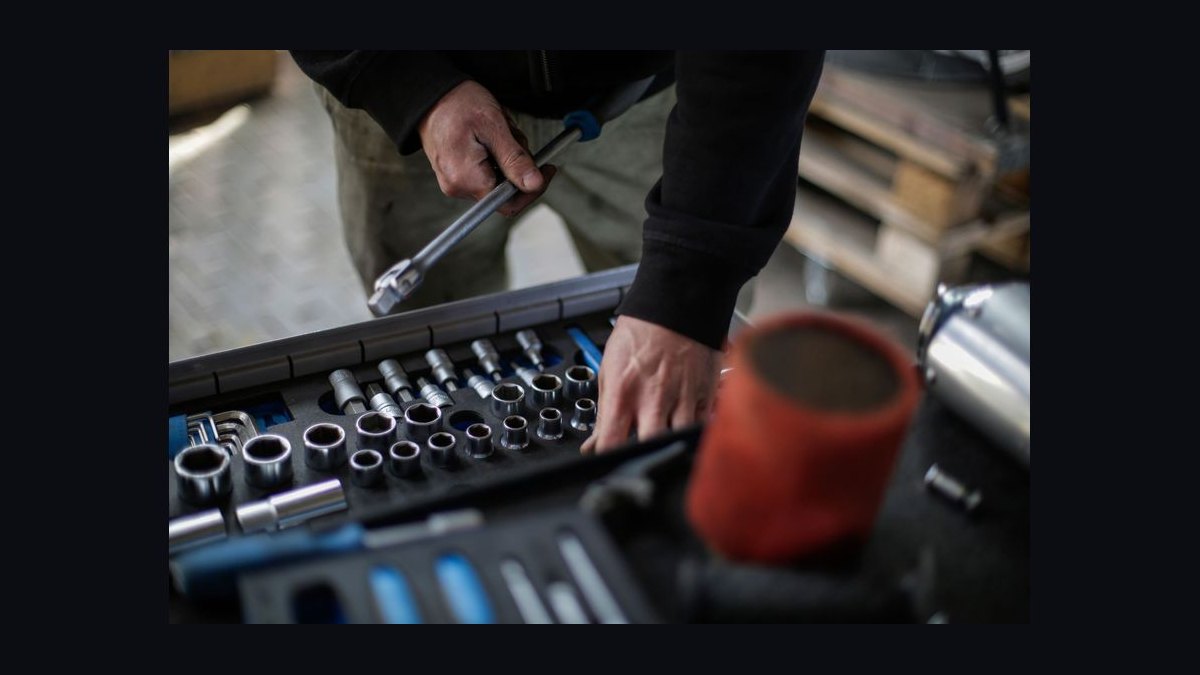
There are two secondary channels worth naming, because both builds use them and neither should rest on them. Independent used-car lots need pre-purchase inspections and reconditioning; a single active lot can feed you four to twelve jobs a month, they decide fast, and they are unemotional about price — though they squeeze margins and the recon work skews high-volume, low-margin. Mobile-mechanic marketplaces (RepairSmith/AutoNation Mobile Service, Wrench, and similar platforms) will fill a new van's empty schedule, but they dictate rates, take a cut, own the customer relationship, and can deactivate you. Use them as a starting flywheel, never as a foundation.
How to decide between them
The decision is not about which build is better — both work — but about which one your market, capital, and temperament actually support. Run the following four tests honestly before you spend a dollar.
Test one: density of the target inside a tight radius. Draw a 15-mile circle around where you will base the van. Inside it, can you name at least fifteen local businesses running five or more light-duty vehicles? Drive around and look — landscaping trucks, plumbing vans, courier vehicles, box trucks parked overnight in the same lot. If you can name fifteen, Build B is live. If you can name three, the fleet base is not there and you build consumer-repeat first. Conversely, count the housing stock: suburban and exurban zips with detached homes, driveways, and seven-to-fourteen-year-old vehicles feed Build A. Dense urban apartment blocks with street-only parking are hostile to both — many municipalities prohibit major repairs on public streets, restricting you to private property.
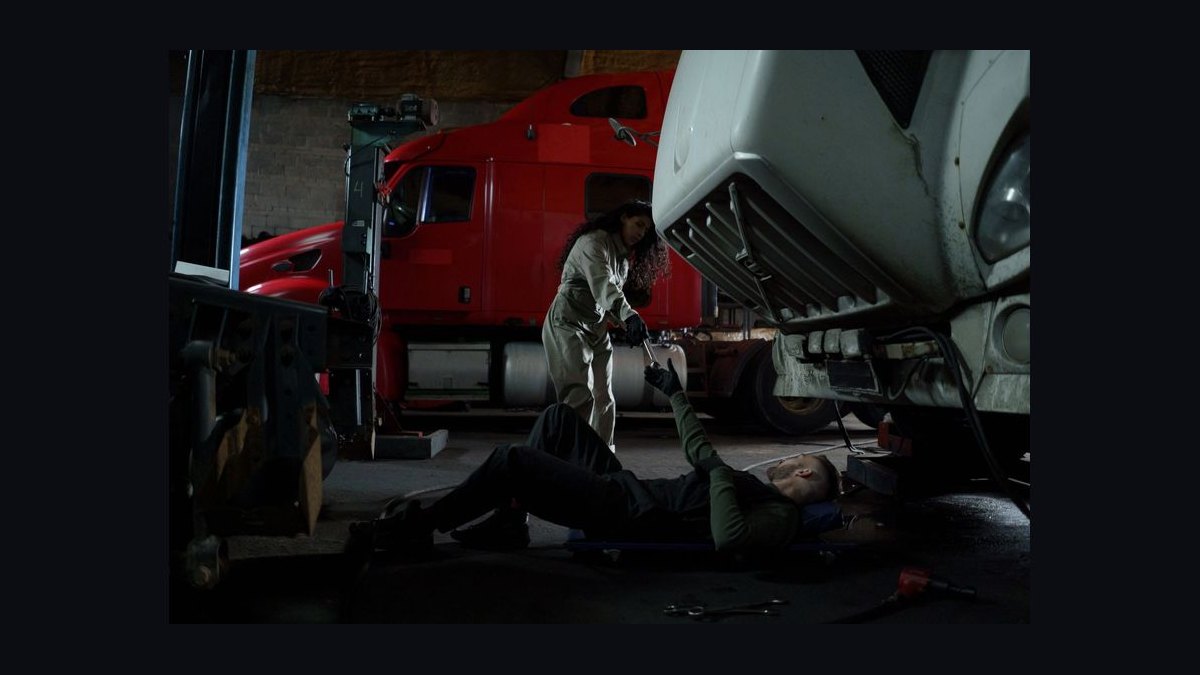
Test two: capital and runway. Build B needs more patience and more cash. Fleet outreach produces zero revenue for the first several weeks while you make visits, deliver one-pagers, and run trial jobs. Build A monetizes almost immediately once the Google Business Profile is live and the first reviews land. If you have $8,000 and three months of expenses, start consumer-repeat and fund fleet outreach out of cash flow. If you have $25,000 and six months of runway, go at fleets from week one.
Test three: temperament. Build B is a sales job that happens to require mechanical skill. You will walk into offices unannounced, get told to come back later, follow up three times, and price a rate sheet. If that reads as intolerable, Build A suits you better — it is inbound, and the selling happens in the first ninety seconds of a phone call rather than face-to-face on someone's lot. Be honest here, because founders who hate the outreach simply stop doing it and end up as generalists by attrition.
Test four: the exit you want. A consumer-repeat solo operation peaks around $180K–$260K in revenue with an excellent hourly life and very little to sell — the goodwill is you. A fleet-anchored operation with signed maintenance agreements and clean books is a transferable asset; individual buyers and regional consolidators typically value small service businesses at a multiple of seller's discretionary earnings. If you intend to sell someday, the contracts are the product.

The honest verdict on whether to start at all: this works if you are a genuinely competent diagnostician rather than a parts-swapper, own a meaningful tool base already, can cover $8K–$28K in startup costs, can survive three to six months of lumpy income without panic, and are willing to sell as well as fix. If you are a weak diagnostician, undercapitalized, allergic to selling, or sitting in a market electrifying faster than you can adapt — fix that gap first rather than launching into it.
The numbers behind each path
Neither build survives sloppy pricing, and the single highest-leverage decision in the first six months is moving off pure hourly billing onto a flat-rate menu. At $110–$140 an hour, hourly looks fine until you do the real arithmetic. Of a 45-hour week, only 24–32 hours are billable wrench time. Driving eats eight to twelve hours, parts procurement three to six, quoting and phone three to six, invoicing and admin two to four, plus unpaid diagnostic time. That $130 nominal rate becomes a $70–$85 effective hour. Worse, the clock creates an adversarial dynamic — the customer watches every minute, and your incentive (slow) is the opposite of theirs (fast).
Flat-rate quotes a fixed price per job regardless of whether it takes you seventy minutes or a hundred and ten. The customer gets price certainty, which they value enormously, and you get paid for skill. A workable 2027 menu on common light-duty vehicles, parts included unless noted:
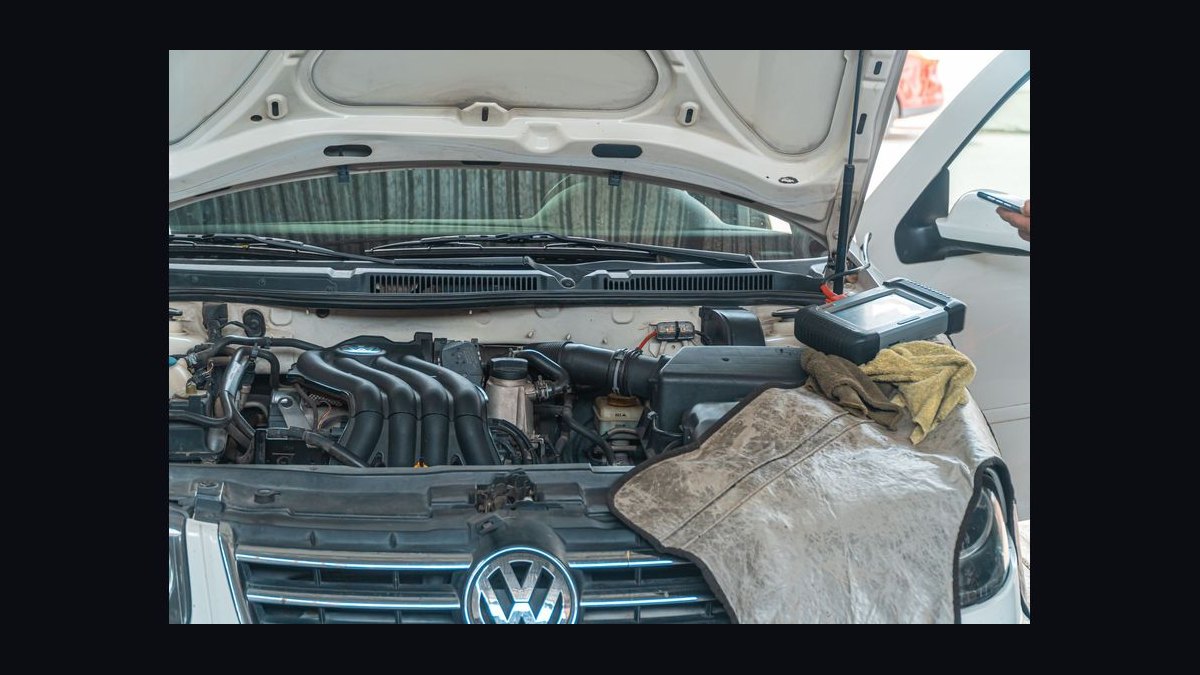
- Diagnostic scan plus inspection: $90–$160, credited toward the repair if you do the work
- Oil and filter service: $75–$140
- Front brake pads and rotors: $280–$480
- Full brake job, front and rear: $480–$820
- Alternator replacement: $340–$680
- Starter replacement: $300–$600
- Battery replacement and test: $190–$340
- Serpentine belt and tensioner: $190–$360
- Water pump and thermostat: $420–$780
- Spark plugs, four- or six-cylinder: $180–$420
- AC recharge and leak check: $190–$380
- Pre-purchase inspection: $150–$250
- Wheel bearing or hub: $280–$520 per side
- Suspension, struts or control arms: $380–$900 depending on scope
Build the menu around the thirty to forty jobs that make up roughly 80% of your volume, and quote diagnostic-heavy or unusual work at a documented hourly rate of $115–$165 with a not-to-exceed cap. Never quote open-ended hourly. On posture: sit below dealer rates and roughly at or slightly under good independent shops on job price. You win on convenience, not on being cheapest — pricing as the cheapest option signals risk to a fleet buyer and attracts the worst consumers. The framing on a call is simply: a dealer quotes around X and costs you a day, a good shop is around Y and you still have to get there and back, I do it in your driveway for Z this week and you never move the car.
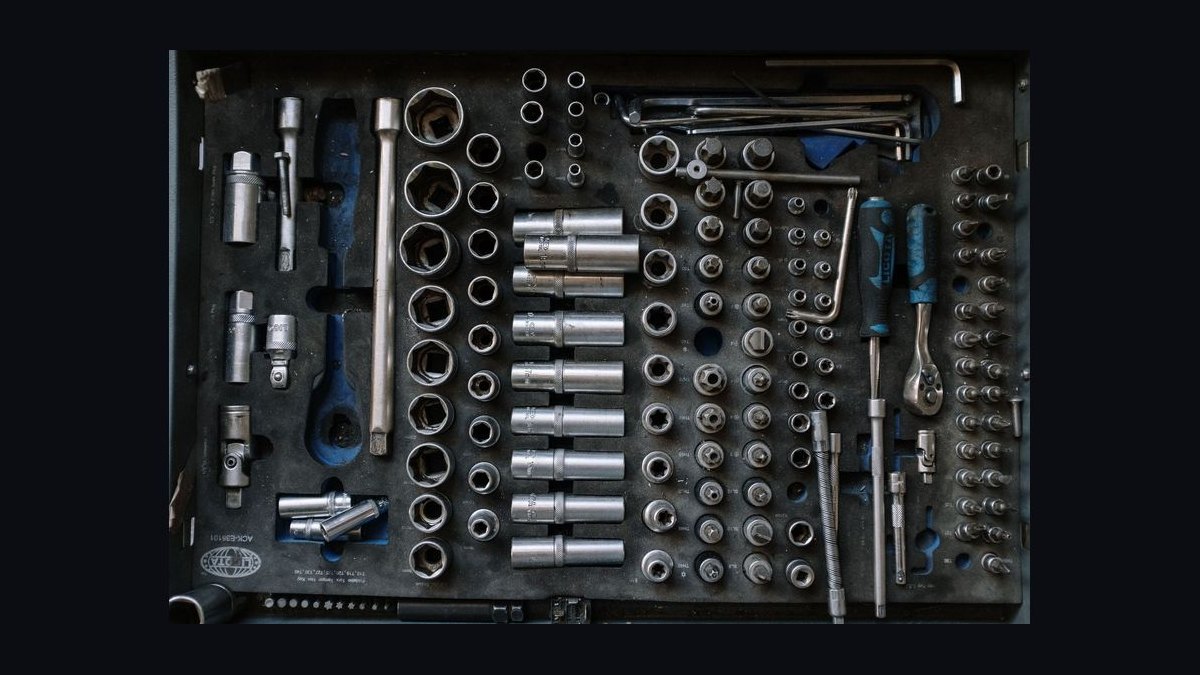
Startup cost, $8,000–$28,000 all in. Service vehicle, a used cargo van from roughly 2014–2020 with 90K–160K miles: $14,000–$26,000 outright, or $2,500–$4,500 down if financed. Shelving, drawers, power, lighting, inverter: $1,200–$3,500. Tool gap-fill assuming you already own hand tools: $2,000–$6,000, of which the bidirectional scanner is $800–$2,500. Initial parts float and working capital: $1,000–$3,000. First insurance payment: $400–$1,200. LLC formation, permits, licensing: $150–$900. Branding: magnets at $150–$300 on the lean end, a full wrap at $2,500–$4,000. Software, website, Google Business Profile setup: $200–$900. Phone and payment processing: $100–$400. A founder who already owns most tools and buys a modest van starts at $8,000–$12,000; one financing the van and buying a full pro set lands at $18,000–$28,000.
Per-job unit economics at maturity. Average ticket $260–$540 consumer, $180–$380 fleet maintenance, higher on big repairs. Parts run 30–45% of the ticket at a 25–45% markup, contributing $40–$160 of parts margin per job. Gross margin after parts lands at 55–72%. A mature solo operator completes 2.5–4 jobs a day, producing $550–$1,300 of billed revenue per working day.
Five-year trajectory for a disciplined operator. Year one: $70K–$130K solo, netting the founder $35K–$70K after expenses and the van, with lumpy cash flow. The win condition for year one is not income — it is a book of repeat customers plus two to four fleet accounts. Year two: $110K–$190K solo, or a first hire mid-year; referrals now generate real inbound and pricing is fully flat-rate; net $55K–$95K. Year three the paths diverge — the optimizer stays solo, raises prices, tightens the radius, and nets $80K–$130K on $160K–$230K revenue with a genuinely good life; the builder runs two vans at $180K–$320K revenue, netting $90K–$160K while managing an employee. Year four the builder runs two to three vans at $260K–$480K, hires a dispatcher, and shifts to player-coach; net $120K–$210K. Year five a three-to-five-van operation does $400K–$750K, netting the owner $150K–$280K, at which point you choose: stay a lifestyle micro-fleet, add a fixed-location hybrid base, license the model, or sell.
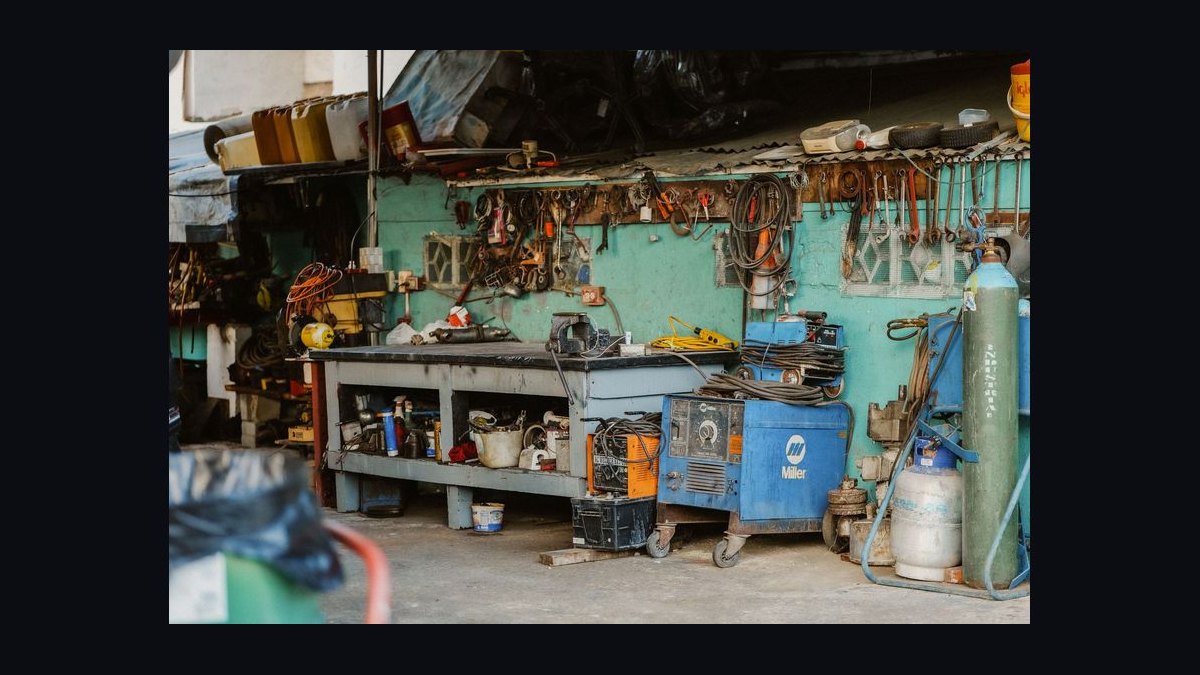
The tooling numbers underneath all of it. The bidirectional scan tool is the non-negotiable purchase — entry pro-grade units from the Autel, Launch, Topdon and Thinkcar tier run $800–$2,500, and full-feature platforms with broader OEM coverage run $2,500–$5,000 and up, most carrying an update subscription. Diagnostics is where mobile mechanics either build a reputation for solving hard problems or get stuck swapping parts. You cannot carry a two-post lift, so lifting means a quality low-profile floor jack, rated stands, wheel ramps, and eventually a portable mid-rise scissor lift or mobile column lifts for fleet yards — a $2,500–$8,000 investment that unlocks higher-value work. Power comes from a dual-battery setup, a heavy inverter, or a large portable power station; high-torque cordless impacts have largely displaced air for mobile work. ADAS calibration is the one line you should probably not buy into early: mobile calibration equipment runs $8,000–$30,000 and up and is space-hungry, so most solo operators partner with a calibration specialist and keep the customer rather than losing the job.
Insurance is the cost most founders underbuy, and it is not optional. You need general liability, commercial auto (a personal policy will not cover business use and the claim will be denied), garage-keepers or on-hook coverage for customer vehicles in your care, and tools and equipment coverage; workers' compensation is added when you hire. Budget $2,000–$6,000 a year solo, scaling with vans and employees. One dropped vehicle, one comeback that causes an accident, or one fire ends an uninsured operation permanently.
Implementation and sequencing
Sequence matters as much as the individual decisions. The order below front-loads the items that gate everything else and defers the ones that only pay off once work is flowing.

Weeks 1–3, the legal and financial base. Form the LLC — $50–$500 depending on state — get the EIN, open a business bank account, and start clean books on day one. Research licensing in your specific jurisdiction, because it varies enormously: some states require automotive repair registration (California's Bureau of Automotive Repair registration is the well-known case), many cities require a general business license, and several restrict where repairs may be performed. EPA Section 609 certification is federally required for AC refrigerant work. Set up disposal accounts for used oil, coolant, brake fluid, batteries, tires, and refrigerant before you generate any. Bind insurance before the first paid job, not after. ASE credentials are not legally required in most places but function as a strong trust signal with both consumers and fleet buyers.
Weeks 2–5, the vehicle. A full-size cargo van is the standard — Transit and ProMaster are the value picks with cheap maintenance and good parts availability; Sprinters offer the most room and best resale at higher purchase and service cost. A service-body pickup works for a leaner start but limits what you carry and gives no weather protection. You are a mechanic: inspect the van yourself, prioritizing clean drivetrain, solid frame, and maintenance records over cosmetics. If you can pay cash without draining working capital, do it — a zero vehicle payment is the difference between surviving a slow month and not. If you finance, keep the payment under $450 and never let payment plus insurance exceed 12–15% of conservative projected monthly revenue. Then upfit for speed, not show: solid shelving, labeled drawers, real power, good interior lighting, and secure tool storage. A disorganized van silently costs thirty to sixty minutes a day.
Week 1 onward, the demand engine. Set up the Google Business Profile in week one, not month three. When a vehicle breaks, people search "mobile mechanic near me," and a review-rich profile plus a fast simple site listing your service area and job menu is the highest-ROI marketing available to you. Ask every satisfied customer for a review and make it one tap — moving from eight reviews to eighty transforms inbound flow, and the channel compounds for free. In parallel, if Build B is your path, build the fleet target list and start visits. Broad paid ads, billboards, radio, and untargeted flyers underperform badly here; the decision is too trust-dependent and too local for broadcast.

Months 2–6, pricing and operations. Convert from hourly to the flat-rate menu. Build supplier relationships with two to four parts sources — a chain store for availability, a quality independent for harder parts, a dealer counter for OEM-specific items — and carry a consumables float so you never lose a billable hour to a $4 part. Put a scheduling, invoicing, and payments stack in place; the whole kit runs $50–$200 a month and the professionalism it signals to a fleet buyer is worth more than the time it saves. Invoice on completion, every time, with tap-to-pay on the phone.
The daily and weekly rhythm. Mornings: confirm the day's jobs by text, pull or order parts, plan the route to minimize windshield time. Then two to four geographically clustered jobs, invoicing immediately between each and texting the next customer an ETA. Evenings: order tomorrow's parts, log comebacks, update the schedule. Weekly, cluster fleet maintenance on set days — fleet yards Mondays and Thursdays, before or after hours as the account prefers — leave buffer slots for same-day emergency consumer work, which pays well and builds reputation, and reserve a half-day for admin, parts returns, van maintenance, and quoting. Do not fill every slot; one long job blows up an over-packed week. Radius discipline is the make-or-break habit: every job twenty-five miles out is sixty to ninety unpaid minutes plus fuel. Charge a travel fee or decline. Track comebacks ruthlessly — a comeback is unpaid time, lost trust, and a reputational risk all at once.
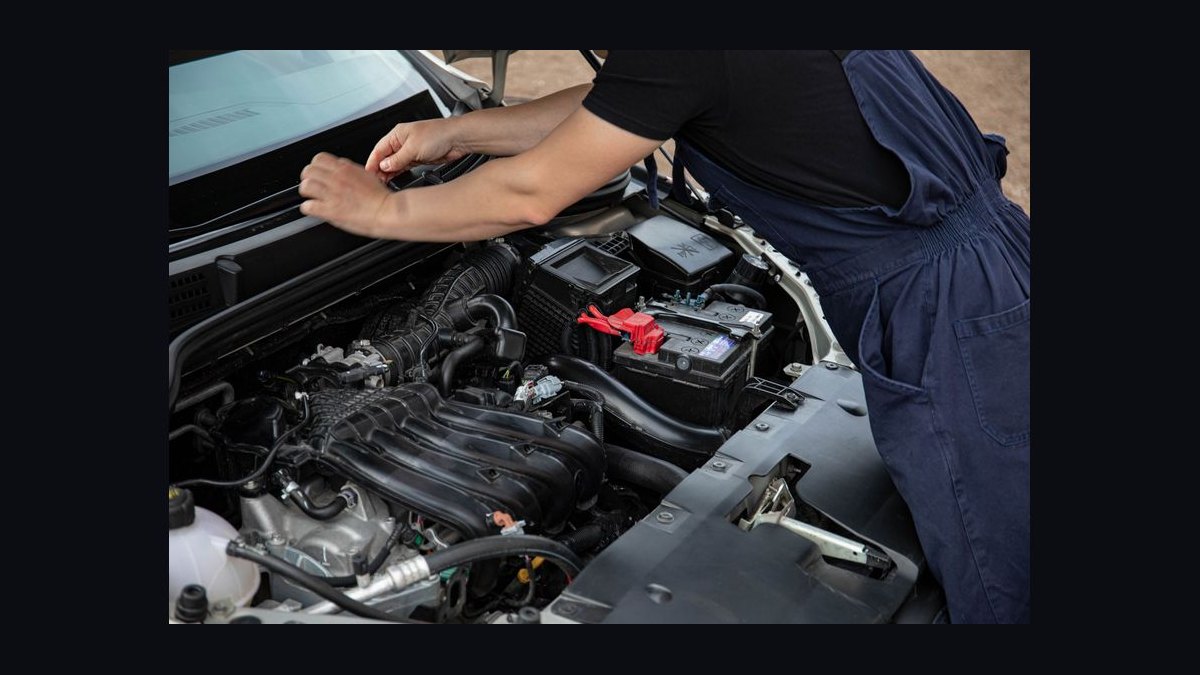
Hiring, when it comes. The signal to hire is consistent: you are turning work away, booked out more than a week, and working past fifty hours. Earlier burns cash; much later caps growth and burns you. The first hire is a tech, not an admin — a second mechanic with a second van roughly doubles capacity. Pay runs $25–$40 an hour depending on skill and market, often hourly plus a flat-rate efficiency bonus that aligns their pace with your margin. A second van costs $14K–$26K plus upfit, tools, insurance, and wages, so launch it on overflowing demand, never on hope. Around three to five vans the scheduling, communication, invoicing, and parts coordination becomes a full role, and a part-time dispatcher frees the founder to sell. Good techs come from trade schools, from dealer service departments where they are burned out on the flat-rate grind, and from your own network; the pitch is better schedule, more autonomy, and variety. Be very careful about classifying techs as 1099 contractors when you control their schedule, supply their van and tools, and direct their work — misclassification carries real tax and legal exposure. W-2 when in doubt.
Position for the 2027-specific headwinds while you build. EVs are climbing toward a meaningful share of new sales and a growing share of the operating fleet, and they eliminate much of the bread-and-butter mobile menu: no oil changes, no spark plugs, no timing belts, no exhaust, no conventional transmission service, and far less brake wear thanks to regenerative braking. But the existing fleet — the vehicles actually needing repair right now — is overwhelmingly internal combustion and old; the average US vehicle is over twelve years old, the oldest on record, and that work does not vanish for well over a decade. EVs still need tires, brakes, suspension, 12V systems, HVAC and cabin work, software, sensors, and charging troubleshooting, and hybrids retain nearly all conventional service needs. The strategic responses are to lean your menu toward electrification-resistant work (brakes, suspension, diagnostics, electrical, AC, fleet maintenance) rather than betting on oil changes and exhaust; to get high-voltage safety training deliberately and treat EV capability as a wedge rather than a defense, since EV owners genuinely struggle to find independent service; and to calibrate to your actual local mix, which varies wildly between a coastal metro and a rural county. Alongside that, ADAS calibration and software-locked parts push some complex jobs back toward dealers — the practical answer is OEM software subscriptions for the brands you service most, a standing referral relationship with a calibration specialist, and a clean handoff on what you cannot do. Right-to-repair legislation is a live and contested area that directly shapes how much of the modern-vehicle market independents can serve; stay informed. The founder who ignores electrification is building a business with a ten-to-fifteen-year fuse; the one who treats it as a differentiated wedge has a tailwind.
Finally, an operator's note on the thing nobody warns you about: you are, until you can offload roles, simultaneously the mechanic, the salesperson, the dispatcher, the bookkeeper, the parts runner, and customer service. The trades version of RevOps — routing, scheduling discipline, a real price book, clean invoicing, tracked comebacks — is not administrative overhead in this business. It is the margin. Founders who treat the wrench as the whole job grind fifty-five-hour weeks toward a $60K plateau; founders who design the revenue operation reach $180K–$260K solo or a $400K–$750K micro-fleet on the same skill set.
Related questions
How much does it cost to start a mobile mechanic business?
Between $8,000 and $28,000. A founder who already owns hand tools and buys a modest used cargo van outright starts near $8,000–$12,000. Financing the van and buying a full pro tool set with a mid-tier bidirectional scanner lands at $18,000–$28,000, including insurance, LLC formation, and branding.
Do I need a license to be a mobile mechanic?
It varies by state and city. Several states require automotive repair registration, most cities require a general business license, and many restrict repairs on public streets. EPA Section 609 certification is federally required for AC refrigerant work. ASE credentials are optional but are strong trust signals with fleet buyers.
Is flat-rate or hourly pricing better for a mobile mechanic?
Flat-rate, within the first six months. Hourly pays you less as you get faster and makes customers watch the clock. A flat-rate menu covering your thirty to forty highest-volume jobs gives customers price certainty and rewards your speed, while diagnostic-heavy work stays hourly with a not-to-exceed cap.
How many billable hours does a mobile mechanic actually get?
Roughly 24–32 out of a 45-hour week. Driving consumes eight to twelve hours, parts procurement three to six, quoting and phone three to six, and admin two to four. A tight service radius and clustered routing are the only real defenses against that number sliding lower.
Will electric vehicles kill the mobile mechanic business?
Not within this decade. EVs remove oil changes, plugs, and exhaust work, but the vehicles needing repair today average over twelve years old and are overwhelmingly gas-powered. EVs still need tires, brakes, suspension, 12V systems, HVAC, and diagnostics — and independent EV service is scarce enough to be a wedge.
FAQ
What insurance does a mobile mechanic actually need?
Four coverages minimum: general liability, commercial auto, garage-keepers or on-hook coverage for customer vehicles in your care, and tools and equipment coverage. Workers' compensation gets added the moment you hire. Budget $2,000–$6,000 a year as a solo operator. A personal auto policy will not cover business use — the claim gets denied — and a single dropped vehicle or a comeback that causes an accident ends an uninsured business permanently.
How do I land my first fleet account?
Build a target list by driving your radius and noting businesses with five to thirty light-duty vehicles. Bring a clean one-page offer covering on-site scheduled maintenance, emergency response, fleet pricing, and digital records. Get in front of the owner or operations manager in person, then offer a trial on one vehicle and document it thoroughly. Conversion runs two to six weeks, and trial-to-contract rates are high because dealer downtime genuinely hurts them.
What service radius should I hold?
Twelve to eighteen miles from your base, with clustered routing inside it. Every job twenty-five miles out costs sixty to ninety unpaid minutes plus fuel and collapses your effective hourly rate. Either apply a travel surcharge or decline. Radius creep is the most common silent killer of a mobile operation's margins, because it never feels like a mistake — each individual job seems worth taking.
Should I use mobile mechanic platforms like Wrench or AutoNation Mobile Service?
As a flywheel, not a foundation. They will fill a new van's empty schedule and get you reps, but they dictate rates, take a cut, and own the customer relationship — and they can deactivate you. Use them to survive the early months while the Google Business Profile accumulates reviews and fleet outreach matures, and convert customers to direct repeat business wherever platform terms permit.
What warranty should I offer?
Twelve months or 12,000 miles on parts and labor is a strong, competitive standard that meaningfully differentiates you from the uninsured backyard mechanic. Back it with disciplined process: written estimates, authorization before work, photo documentation of every job, and a clear written policy. Fleet accounts in particular want records their operations manager can hand upward without explanation.
When should I hire my first tech?
When you are consistently turning work away, booked more than a week out, and working past fifty hours. Hiring earlier burns cash on an idle van; hiring much later caps your growth and your body. The first hire should be a second mechanic with a second van, not an admin — that roughly doubles capacity. Add a part-time dispatcher around three to five vans, when coordination becomes a full job of its own.
Sources
- https://www.sba.gov/business-guide/launch-your-business/choose-business-structure
- https://www.irs.gov/businesses/small-businesses-self-employed/limited-liability-company-llc
- https://www.epa.gov/mvac/section-609-technician-training-and-certification-programs
- https://www.bar.ca.gov/
- https://www.ase.com/
- https://www.bls.gov/ooh/installation-maintenance-and-repair/automotive-service-technicians-and-mechanics.htm
- https://www.autocare.org/
- https://www.epa.gov/hw/managing-used-oil-answers-frequent-questions-businesses
- https://www.dol.gov/agencies/whd/flsa/misclassification
- https://support.google.com/business/answer/3038177
Related on PULSE
- How do you price a mobile service business on flat-rate versus hourly?
- How do you land your first recurring fleet maintenance contract?
- How do you start a mobile detailing business in 2027?
- What does a Google Business Profile actually do for a local trades business?
- When should an owner-operator hire their first employee?
- How do EVs change the independent auto repair market?
This page will be disappearing soon. Save it to your device for $1 — or read it free while it is here.
@Kory-White- · if Venmo asks, the last 4 of my number are 2012
This page is gone.
This one is off the shelf now. $1 keeps it on your phone for good — the whole page, pictures and diagrams included.
 electricianHow do you start a electrician service business in 2027?
 mobile-oil-changeHow do you start a mobile oil change business in 2027?
 gutter-installationHow do you start a gutter installation business in 2027?
 ev-repairHow do you start a EV repair shop business in 2027?
 handyman-businessHow do you start a handyman business in 2027?
 pool-serviceHow do you start a residential pool service business in 2027?
 handymanHow do you start a handyman service business in 2027?
 pool-serviceHow do you start a pool service business in 2027?
 hvacHow do you start a HVAC service business in 2027?
 chimney-sweepHow do you start a chimney sweep business in 2027?