


How do you transition veteran sales teams from relationship selling to data-driven execution in 2027?
Quality
Certified

Move veterans in stages: use data first to confirm what they already know, then attach one required proof per pipeline stage, inspect it weekly in a single saved report, and shift 10–15% of variable comp to data adherence for two quarters. Automate only after fill rates hold above 80%.
What it is and why it matters
A relationship-selling team runs on private knowledge. The rep knows the buyer's boss changed in March, knows the procurement lead hates three-year terms, knows which VP actually signs. None of that lives in the CRM — it lives in a notebook, a phone, and a decade of accumulated instinct. That model produces real revenue, which is exactly why it is so hard to change. You are not replacing a broken system; you are asking people to externalize a system that works for them personally but is invisible to everyone else.
The business cost of that invisibility shows up in four predictable places. Forecast accuracy degrades because commit calls rest on rep conviction rather than observable evidence — leadership discovers a slipped quarter in week eleven instead of week four. Territory or account transitions become destructive events: when a fifteen-year veteran retires or moves to a new patch, the relationship map leaves with them, and the successor rebuilds from zero over two or three quarters. Coaching becomes untargeted, because a manager cannot diagnose what they cannot see; the feedback devolves into "make more calls." And any downstream function that depends on pipeline data — marketing attribution, capacity planning, customer success handoffs, finance's revenue recognition timing — is working from a fiction.
"Data-driven execution" is a poor label for what you actually want, and the label itself causes resistance. You are not asking the team to sell by dashboard. You are asking for three things: that the state of a deal be recorded in a way another human can read, that stage progression require evidence rather than optimism, and that the team's collective pattern data be available to improve individual decisions. A veteran who logs a competitor name and an economic-buyer role after each meeting is being data-driven. A veteran who watches a velocity chart all morning is not selling.
The framing matters because the failure mode is predictable. Announce a "data transformation," roll out mandatory fields company-wide, and within six weeks you will have 90% field completion and 20% field accuracy — reps typing "TBD," "N/A," or the first picklist value to clear the save dialog. That outcome is worse than the notebook, because now leadership trusts numbers that are wrong. The transition succeeds when reps experience data as leverage on their own quota before it is ever used as a management control, and when the required fields are few enough that filling them honestly costs less than gaming them.

There is an adjacent version of this problem worth naming, because most organizations hit both at once. The same veteran team is usually also carrying an undocumented pricing practice — discount thresholds that live in a sales leader's head, one-off terms granted in year three that nobody logged. The RevOps discipline that fixes stage evidence is the same discipline that fixes deal-desk exceptions: name the decision, name the proof, name who inspects it. If you are building the muscle anyway, sequence pipeline evidence first (it has the fastest visible payoff) and pricing governance second.
The step-by-step process
Run this as a sequenced program, not a launch. The whole arc is roughly one quarter to first proof and two to three quarters to durable behavior. Compressing it is the single most common cause of failure.
Weeks 1–2: baseline with real records, not opinions. Export thirty to fifty closed deals from the last two quarters — a mix of wins and losses. For each, mark whether the CRM record alone would let a stranger explain why it was won or lost. In most veteran teams the answer is yes for fewer than a third. That percentage is your baseline metric and your political capital; it converts an abstract complaint into a number. In parallel, pull the same set and look for one pattern the reps have not articulated — deals closing faster when a technical evaluator joins by the second meeting, or losses clustering on a specific competitor after a specific quarter. You will use that finding in week three.

Week 3: lead with a discovery, not a mandate. Sit with two or three respected veterans — the ones peers imitate, not necessarily the top two on the leaderboard — and show them the pattern you found in their own history. This is the pivotal meeting. The message is: your instinct about the technical evaluator is correct, and here is what it is worth in cycle days. Then make the small ask: track one or two additional data points for thirty days so we can find more of these. You are recruiting collaborators, not enrolling subjects.
Weeks 3–4: define done in one page. Write the stage definitions and required evidence on a single page. Three proofs per stage is the working ceiling — beyond that, honesty degrades. Typical set: identified economic buyer role, confirmed compelling event or timeline driver, and a documented next step with a date. Every field needs a plain-English definition and an example of a good and a bad entry. If two managers read the definition and disagree about whether a record passes, the definition is not done.
Weeks 5–6: pilot on one pod. Six to twelve reps, one segment, no company-wide anything. Configure the required fields with validation on save, not post-hoc cleanup reports — a rule that blocks the save teaches in one attempt what a nagging email never teaches. Hold twice-weekly office hours during the first ten business days; expect the first week to feel like a step backward as reps hit the rules mid-quarter. Build one saved report, filtered to the pilot pod, that lists every record failing the definition. That report is now the artifact of the program.

Weeks 5–12: inspect weekly, same report, same fifteen minutes. The manager opens the saved report, sorts by exception, and works records: name the missing field, name the owner, set a due date before the next forecast call. No narrative readouts. The forecast link is what gives it teeth — a Commit deal with no economic buyer captured gets downgraded in the same meeting, visibly, every time. Two or three downgrades and the behavior changes across the pod.
Week 8 onward: prove it, then expand. Re-run the baseline export against pilot deals. You are looking for movement on required-field fill rate above 80%, stage-two conversion in the pilot versus the control pods, and forecast variance narrowing. Expand to adjacent teams only with the fields and the report unchanged — resist every request to customize per team, because divergent definitions are how you end up with data nobody can roll up.
Automation last. Routing rules, sequence triggers, sync jobs, and scoring models come after manual discipline holds for two consecutive weeks. Automating on top of unreliable input just distributes the unreliability faster and makes the root cause harder to see.
Costs, timelines, and typical ranges
Budget honestly, because the hidden cost is attention, not software.
Time to first signal: four to six weeks. A single pod, one process, visible behavior change. Anyone promising transformation inside a month is describing a field-completion metric, not a behavior.
Time to durable behavior: two to three quarters. The tell is that the inspection meeting gets shorter and the exception list gets boring. When a manager opens the report and finds four exceptions instead of forty, the norm has moved.

RevOps effort: roughly 0.5 FTE for the first quarter, then 0.15–0.2 FTE ongoing. The front-loaded work is the baseline export, the definition page, the validation rules, and the office hours. Steady state is report maintenance, waiver review, and quarterly re-baselining. One person can run this if — and only if — they have write access to validation rules and a sales manager who will actually enforce the inspection.
Manager time: fifteen minutes weekly per pod, non-negotiable. This is the line item that gets cut first and kills more programs than any tooling gap. If a manager cannot protect fifteen minutes, the program does not start in that pod.
Rep time: five to ten minutes per meaningful customer interaction, dropping to two or three once habits form. If your required fields cost a rep more than that, you have too many fields. Measure it directly during the pilot rather than assuming.
Software: frequently zero incremental spend. Required fields, validation rules, saved reports, and stage definitions are native to every mainstream CRM. Conversation-intelligence and revenue-intelligence platforms genuinely help — automatic capture removes the manual-entry tax — but buying one before the definitions exist means paying a per-seat price to capture data nobody has agreed to use. Sequence it: definitions, discipline, then tooling that reduces the entry cost. If you do buy, pilot on the same pod and hold the same 80% bar.
Comp exposure: 10–15% of variable target, time-boxed. Six months with an explicit sunset clause. Structure it as a modest, binary multiplier on a compliance threshold rather than a subjective quality score — subjectivity here reads as favoritism and poisons the whole effort. Announce that you will revert if forecast accuracy does not improve, and mean it.
Attrition risk: plan for one or two departures in a twenty-rep team. Some veterans will leave rather than externalize their book, and a fraction of those were carrying risk you could not see. Budget for backfill and, more importantly, treat the transition as insurance: the whole point is that the next departure does not vaporize a territory.

Realistic returns. Do not promise a specific lift percentage. What reliably improves is forecast variance (leadership finds out earlier), ramp time for new reps inheriting documented accounts, and coaching precision. Revenue lift, when it appears, comes indirectly — through better resource allocation, not through the dashboard itself.
Where teams get it wrong
Framing it as a technology rollout. "We're implementing a new revenue intelligence platform" tells a veteran that a tool is being done to them. "We're making sure your account knowledge survives your vacation, your promotion, and your successor" describes the same project as something with a personal payoff.
Too many required fields. Twelve mandatory fields per stage guarantees garbage. Reps under quarter-end pressure will satisfy the form and defeat the purpose. Three proofs per stage, defined precisely, beats twelve defined loosely — every time.
Optional fields. A field that is important but not enforced is a field that gets skipped in exactly the deals where it matters most, because those are the deals where the rep is busiest. Either it blocks the save or it is decoration.
Company-wide rollout before a pilot proves fill rate. The pilot is not caution theater; it is where you discover that your "confirmed economic buyer" definition is ambiguous in the mid-market segment. Find that with twelve reps, not two hundred.
Inspecting narratives instead of records. If the weekly meeting is reps talking about deals, nothing changes. The manager opens the report, on screen, and works exceptions. The behavior shift comes from the record being the object of the conversation.

Never downgrading a forecast. If a Commit deal with empty evidence fields stays in Commit because the rep is confident, you have taught the team that the fields are ceremonial. One visible downgrade teaches more than a quarter of enablement.
Punishing the messenger. When better data reveals that pipeline was inflated by 30%, the instinct is to blame the reps who just made the problem visible. Do that once and the data goes back underground permanently. Publicly separate the discovery from the judgment — the honest number is the win.
Automating first. Lead routing, sequence enrollment, and scoring models built on unreliable input produce confident, fast, wrong decisions and obscure the root cause.
Exempting the top performer. Whatever exemption you grant the number-one rep becomes the standard everyone else negotiates toward. If the rule is real, it applies to everyone, and the top rep is the first person you should recruit as a collaborator in week three.
Letting waivers become permanent. An exception-reason field is useful — managers need an escape hatch for genuinely odd deals. But if waivers are not archived and reviewed monthly, they become the path of least resistance. A recurring waiver pattern is evidence of a bad rule, not a bad rep; fix the rule.
Freezing the definition too early, or changing it too often. Both fail. Hold the definitions stable for a full quarter so you can attribute any change in the numbers, then revise deliberately based on the waiver patterns and the loss reviews.
Decision framework: when to choose what

Not every team needs the same intervention, and matching the approach to the actual constraint saves a quarter.
If forecast accuracy is the pain, start at the stage-evidence layer and tie it directly to forecast categories. Required proofs per stage, downgrade rules enforced in the weekly call. Fastest path to a number leadership already watches.
If knowledge concentration is the pain — a few veterans hold the relationships and every transition is a fire drill — start with account documentation rather than stage hygiene. Relationship maps, stakeholder roles, and a documented current state per top account. Frame it explicitly as continuity, and staff it with a coverage model where a second person (SE, CSM, or manager) has met the key stakeholders on every major account.
If coaching is the pain — managers cannot diagnose why a rep is missing — start with activity and conversion data at the individual level, and specifically with conversion between adjacent stages. That reveals whether the problem is top-of-funnel volume, qualification quality, or late-stage closing, and each has a different remedy.
If the team genuinely cannot enter data reliably because of tooling friction, fix the friction first: mobile entry, calendar and email sync, automatic call capture. A veteran who does three field visits a day and enters notes at 9 p.m. is not resisting; they are constrained.
On sequencing the comp change, wait. Change comp only after the pilot proves the fields are enterable and the definitions are stable. A comp change layered on an ambiguous definition creates disputes you cannot adjudicate, and you only get one chance at that credibility.

On mandate versus invitation, read the culture. In a team with high trust and a strong manager bench, invitation plus visible early wins moves faster. In a team where prior initiatives died quietly, an explicit mandate with a firm date is kinder — ambiguity there reads as "this will pass too."
On buying tooling, the honest test is whether removing manual-entry cost is your binding constraint. If reps agree the fields matter and simply cannot capture them efficiently, tooling is the right spend. If nobody has agreed what a qualified opportunity is, no platform will supply that agreement.
The adjacent lesson worth carrying: this same sequence — baseline, define, pilot, inspect, expand, automate — is what makes any RevOps change stick, whether it is territory design, deal desk governance, or a customer-success handoff. The veteran-sales-team version is just the case where the political cost of skipping steps is highest, because the people you are changing are the people currently making the number.
Related questions
Should we replace veteran reps instead of retraining them?
Rarely. Replacement costs six to nine months of ramp plus the lost relationship equity, and new hires inherit the same undocumented accounts. Retraining a veteran who accepts the new standard is faster and cheaper. Plan for one or two voluntary departures rather than engineering them.
How do we keep the relationship advantage while adding data discipline?
Layer data triggers onto existing relationship steps rather than replacing them. Keep the executive dinner; add a checkpoint confirming the champion shared outcomes with the economic buyer. The relationship move stays, and the data captures whether it produced organizational momentum.
What if our CRM data is already too dirty to trust?

Do not launch a mass cleanup. Freeze the past, define the standard going forward, and enforce it on new and open records only. Clean historical data selectively — just the closed deals you need for baselining. Full retroactive cleanup consumes quarters and decays immediately.
Who should own this transition — sales leadership or RevOps?
RevOps owns the definitions, configuration, and reporting; the sales manager owns enforcement. Split either way and it stalls: RevOps alone produces rules nobody follows, sales alone produces inconsistent definitions. Name both owners on the one-page charter with explicit responsibilities.
Does this apply to teams selling through channel partners?
Yes, with adaptation. Partner-led deals have thinner direct visibility, so the required proofs shift toward partner-confirmed milestones and registered-deal status. The inspection cadence and the automate-last rule hold identically; only the evidence fields change.
FAQ
How long before we see real behavioral change?
Expect visible change in one pod within four to six weeks and durable, unsupervised habits in two to three quarters. The reliable signal is not a completion percentage — it is that the weekly inspection meeting gets shorter because there are fewer exceptions to work. If nothing has moved by week eight, the problem is usually the definition or the manager's enforcement, not rep willingness.
What is the single most important first step?
Baseline with real records. Export thirty to fifty recent closed deals and count how many a stranger could explain from the CRM alone. That number converts an abstract argument into evidence, gives you a before/after measure, and — critically — surfaces one pattern in the veterans' own history you can show them as a discovery rather than a criticism.

Will top performers quit over this?
Some will threaten to, and in a twenty-rep team you should plan for one or two actual departures. Reduce that risk by recruiting respected veterans as collaborators before the rollout, keeping the required-field count small, and demonstrating a personal payoff first. Do not grant exemptions to top performers — an exemption becomes the standard everyone negotiates toward.
Should we change compensation to drive adoption?
Eventually, but not first. Shift 10–15% of variable target to a simple, binary data-adherence threshold for about six months with an explicit sunset clause, and only after the pilot proves the fields are enterable and the definitions are unambiguous. Subjective quality scoring in a comp plan reads as favoritism and will cost you more trust than it buys.
Do we need to buy a revenue intelligence platform?
Not to start. Required fields, validation rules, stage definitions, and saved reports exist in every mainstream CRM at no incremental cost. Automatic-capture tooling genuinely reduces the manual-entry tax and is worth buying — after the team has agreed what a qualified opportunity is. Buying first means paying per seat to capture data nobody has agreed to use.
How do we handle a manager who will not run the inspection?
Do not launch in that pod. The fifteen-minute weekly inspection is the mechanism; without it there is no program, only a field-completion report nobody reads. Either coach the manager with the RevOps owner co-running the first four sessions, or pick a different pilot pod and let the results create the pull.
Sources
- https://hbr.org/2018/07/what-salespeople-need-to-know-about-the-new-b2b-landscape
- https://www.mckinsey.com/capabilities/growth-marketing-and-sales/our-insights
- https://www.gartner.com/en/sales
- https://www.salesforce.com/resources/research-reports/state-of-sales/
- https://www.forrester.com/blogs/category/b2b-sales/
- https://www.shrm.org/topics-tools/tools/toolkits/managing-organizational-change
- https://www.prosci.com/methodology/adkar
- https://hbr.org/2012/07/how-to-manage-a-star-employee
Related on PULSE
- How do you coach a veteran rep who's coasting?
- How do we build a realistic 12-month ops roadmap that aligns with sales execution?
- How do you define Pulse metrics for real-time Go-To-Market execution visibility?
- How do we avoid common pitfalls in win-loss program design and execution?
- How do you rebuild forecast accuracy after two missed quarters?
This page will be disappearing soon. Save it to your device for $1 — or read it free while it is here.
@Kory-White- · if Venmo asks, the last 4 of my number are 2012
This page is gone.
This one is off the shelf now. $1 keeps it on your phone for good — the whole page, pictures and diagrams included.
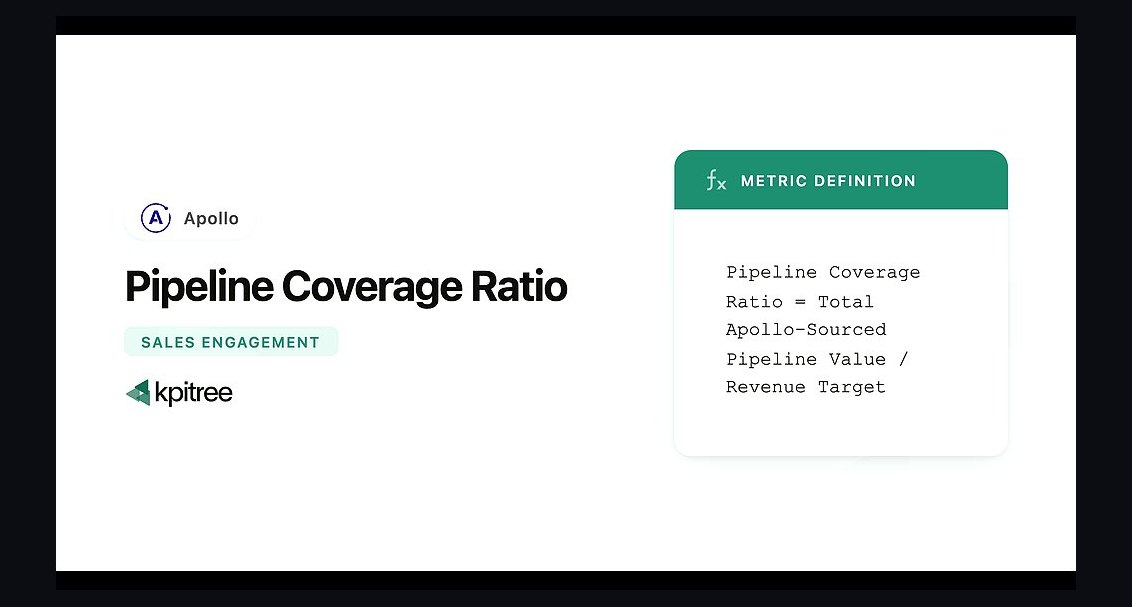 revopsHow do you define pipeline coverage ratios for enterprise vs high-velocity sales in 2027?
 revopsHow do you decouple Customer Success compensation from direct renewal quotas in 2027?
 revopsHow do you establish a cross-functional data dictionary for revenue metrics before an IPO in 2027?
 revopsHow do you identify systemic sandbagging using historical closing patterns in 2027?
 revopsHow do you map lead status to opportunity stages after a company merger in 2027?
 revopsHow do you build a unified lead-to-revenue lifecycle without default CRM lifecycle stages in 2027?
 revopsHow do you decouple gross retention from net revenue retention to find hidden churn in 2027?
 revopsHow do you quantify the financial cost of bad CRM data in enterprise B2B in 2027?
 revopsHow do you measure leading indicators for fractional CRO ROI in the first 90 days in 2027?
 revopsHow do you archive inactive contacts without losing historical activity timelines in 2027?