
Revenue Architecture for Crypto and Web3 Protocols — The Complete Operator Guide in 2027
 Curated byKory White · Fractional CRO · Maryland
 PULSEKNOWLEDGE LIBRARY
Revenue Architecture for crypto and Web3 Protocols in 2027 means running three separately measurable, fiat-denominated lines — on-chain protocol fees, off-chain institutional contracts, and a token-economic flywheel — instead of pitching TVL as a proxy for revenue. The Operator who owns this stack reports annualized USD revenue, take rate, and treasury runway to the board every quarter, gated by an explicit regulatory posture (MiCA, MSB, OFAC) before any dollar is legally bookable.
What Protocol Revenue Architecture Is and Why It Matters
The core discipline of Revenue Architecture for a crypto or Web3 protocol is separating a liquidity metric from a cashflow metric. Total Value Locked tells you how much capital sits in a contract; it says nothing about how much of that capital's activity the protocol actually monetizes. A protocol holding $5 billion in TVL while charging a 5 basis-point fee on turnover is, in cashflow terms, a $2.5 million-a-year business — and institutional allocators in 2027 no longer accept TVL slides as a substitute for that number. This shift is the single biggest change in how Protocols get valued compared to the 2021-2023 cycle, when TVL alone could carry a funding round.
The reason this matters operationally is that a protocol's revenue does not arrive through one channel — it arrives through three, and each has a different owner, a different currency, and a different growth curve. The first pool is on-chain protocol fees: value skimmed directly from swaps, borrows, staking yield, or derivatives trading, denominated in the native settlement asset (ETH, SOL, USDC) before conversion to fiat for reporting. The second pool is off-chain institutional revenue: USD-denominated contracts for custody, node infrastructure, compliance tooling, and managed chain services, sold the way enterprise SaaS is sold — multi-year, procurement-gated, invoiced in dollars. The third pool is the token-economic flywheel: the mechanism (buyback-and-burn, rev-share, ve-locking) that converts pool one's fee income into a value accrual event for token holders, which in turn determines whether the token is an investment instrument or just a marketing artifact.

Treating these as one blended number is the most common Architecture mistake a new protocol operator makes, because it hides which lever actually moved. A quarter where TVL doubles but fee revenue is flat means the flywheel diluted faster than it earned — a distinction invisible unless the three pools are tracked separately from day one. Building the reporting stack this way from the outset, rather than retrofitting it once a board or auditor asks for it, is what separates a protocol that can raise institutional capital in 2027 from one still selling a liquidity chart.
The Step-by-Step Process for Building the Revenue Stack
Building a fiat-legible Revenue Architecture is a sequence, not a single design decision, and skipping steps is the most common reason protocols end up rebuilding their reporting stack under investor pressure a year in.

Step one is instrumenting the on-chain fee meter before anything else — every swap, borrow, stake, or trade event needs a fee-capture hook that logs the exact amount and asset skimmed, independent of price movement in the underlying token. Step two is choosing the take-rate model per product line: AMM pools set a percentage-of-swap fee, lending markets set a reserve factor against borrow interest, staking protocols set a percentage of yield, and derivatives venues set maker/taker spreads. Step three is standing up fiat conversion and reporting — a quarter-end USD mark on every fee pool so the board sees one number regardless of which chain or asset generated it. Step four is designing the token flywheel only after steps one through three are stable, because a buyback-and-burn or rev-share mechanic built on unreliable fee data will misprice the token's real yield. Step five is layering the off-chain institutional plug — custody integration, compliance certification, and a dedicated infrastructure SLA — which only becomes viable once on-chain protocol revenue is large and consistent enough to justify institutional due diligence. Step six is the compliance gate: legal sign-off, jurisdiction by jurisdiction, on whether the revenue in each pool can actually be booked, which determines the real addressable total from the theoretical one.
Each step feeds the next, and reversing the order is a common failure: protocols that design the token flywheel before the fee meter is reliable end up burning or distributing against a number that later gets restated, which damages token-holder trust more than a slow launch would have.

Costs, Timelines, and Typical Fee Ranges
The pricing side of the Architecture varies widely by product category, and an Operator needs the full range memorized to sanity-check a new protocol's model against category norms rather than against wishful projections.
For automated market makers, the swap fee typically runs 0.05% to 1.0% per trade, with an additional protocol-fee switch — a cut of that swap fee redirected to the DAO or token holders — commonly set around 15%. Lending markets charge a reserve factor of 5% to 35% against the interest borrowers pay, with the exact figure varying by asset risk tier. Staking protocols take 5% to 25% of the staking yield itself, with mainstream liquid-staking providers clustering near 10%, and restaking platforms setting rates that vary by the risk profile of the underlying validator set. Derivatives venues run far thinner margins — 0.02% to 0.075% combined maker and taker fees — because volume, not margin, drives the revenue there. Stablecoin issuers charge a stability fee of roughly 2% to 8% APR on minted debt, plus a liquidation penalty commonly around 13%.

On the institutional infrastructure side, node and RPC providers price in monthly tiers from $0 up to $50,000 depending on request volume, with dedicated nodes running $2,000 to $15,000 per month each. Custody providers charge 5 to 20 basis points of assets under management plus per-transaction fees in the $5 to $50 range. Compliance and chain-analysis contracts run $50,000 to $2 million a year depending on transaction volume monitored. Launching a dedicated rollup or app-chain through a managed L2 stack costs $250,000 to $5 million a year in platform fees, typically layered with a revenue share on sequencer income once the chain is live.
Gross margin is the number that separates a durable Architecture from a fragile one: protocol fees run 80% to 95% gross margin because there is almost no marginal cost to collecting them, sequencer revenue nets 40% to 60% after data-availability costs are paid to the underlying L1, custody and infrastructure services run 30% to 50%, and staking-as-a-service typically clears 20% to 35% once validator operating costs are backed out. Timeline-wise, the on-chain fee meter and take-rate model can be live within a single development cycle — weeks, not quarters — but the institutional plug realistically takes two to four quarters to close a first anchor contract, because custody and compliance due diligence on the buyer's side moves slower than any on-chain deployment.

Where Teams Get It Wrong
The most expensive and recurring mistake is treating TVL growth as revenue growth. A protocol can double its locked capital through incentive spending while fee income stays flat or falls, and any board deck that conflates the two gets caught the moment an institutional allocator asks for the fiat-denominated take-rate number directly. The fix is definitional discipline: TVL is reported as context, never as the headline revenue figure.
A close second is designing the token flywheel before the compliance posture is settled. Protocols that build a rev-share or buyback mechanic and only afterward discover the token likely qualifies as a security in a target jurisdiction have to either unwind the mechanic or geofence the token, both of which are far more disruptive after launch than before. The Operator sequence matters here — legal review of the flywheel design should happen before the mechanic is coded, not after it is live and already distributing to holders.

Token emissions outpacing fee revenue is the third recurring failure. When a protocol distributes more in token incentives to attract TVL than it earns back in fees, every distribution period dilutes existing holders faster than the business is actually growing — a pattern that has sunk more than one high-profile DeFi protocol once incentive budgets were cut and the underlying activity did not sustain itself. The operational fix is a standing weekly audit comparing token emissions distributed against fees collected in the same window, with a hard rule that emissions get throttled the moment the ratio inverts for more than a few consecutive cycles.
A fourth failure specific to L2 chains is leaving sequencer and MEV capture unmanaged. A chain that batches transactions without a deliberate sequencer-fee and MEV-capture design is giving away a meaningful share of its natural revenue to whoever intercepts that value instead — commonly estimated at 30% to 70% of the addressable revenue on chains that never built the capture layer deliberately. Retrofitting sequencer economics after a chain has meaningful transaction volume is possible but materially harder than designing for it from the chain's genesis configuration.

The fifth failure is having no off-chain institutional revenue plug at all. A protocol earning exclusively on-chain fees has its entire revenue line correlated with the price and activity cycle of its underlying assets — when the broader market cools, on-chain fee revenue cools with it, with no offsetting USD-denominated contract base to smooth the cycle. Building even a modest institutional infrastructure or managed-services line gives the Architecture a second, less-correlated revenue source before the next down cycle arrives.
Decision Framework: When to Choose What
Not every protocol needs all three revenue pools on day one, and forcing a token flywheel or an institutional sales motion before the underlying fee base justifies it wastes engineering and legal capacity that should go toward strengthening on-chain product-market fit first.
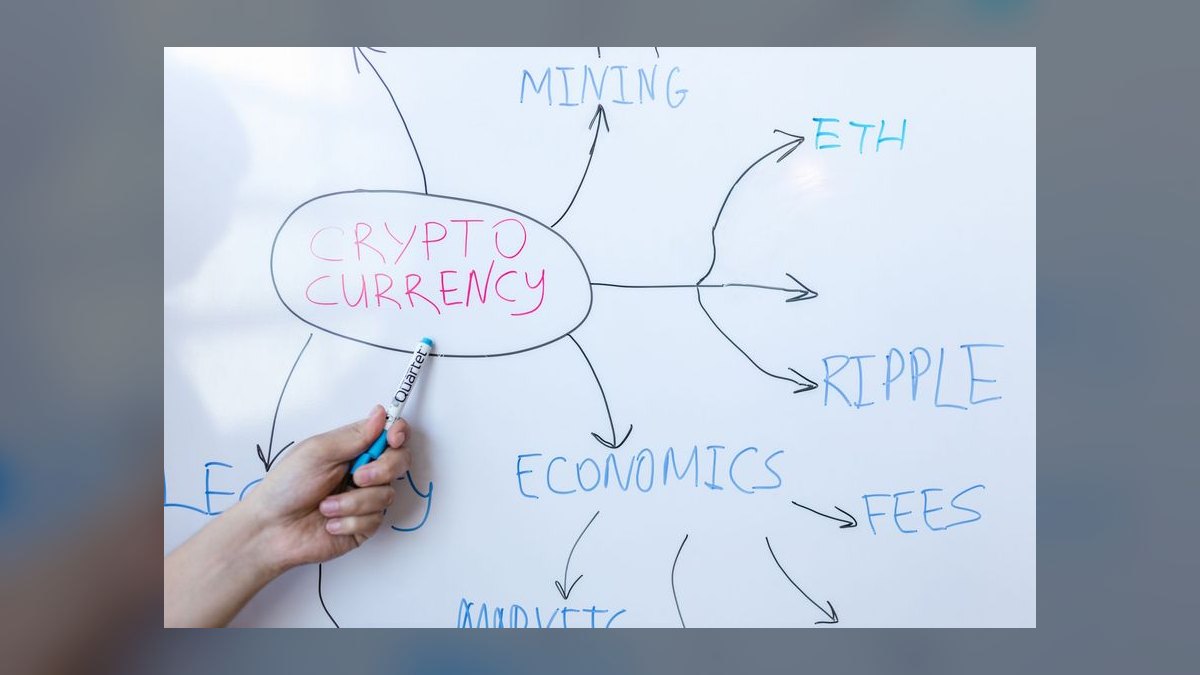
The decision framework starts with a single gating question: is the on-chain fee meter generating consistent, auditable revenue yet? If not, the priority is entirely steps one through three of the build process — instrumentation, take-rate design, and fiat reporting — with no token flywheel and no institutional sales effort until that base is solid. Once on-chain revenue is consistent, the next fork is whether the underlying jurisdiction and token design can legally support a fee-accrual mechanic; if compliance clears it, the flywheel gets built, and if not, the token stays a governance-only instrument until the posture changes. The final fork applies once annualized on-chain revenue clears a meaningful institutional-scale threshold — that is the trigger to invest in the off-chain plug: custody integration, compliance certification, and a dedicated infrastructure sales motion aimed at asset managers, exchanges, and enterprise chain operators.
Running the protocol through this framework quarterly, rather than deciding once at launch, keeps the Architecture from over-building — the most common resourcing mistake being a small team investing in a full institutional sales motion before the on-chain revenue base can support the due-diligence cycle that motion requires.

Related questions
What is a reasonable take rate for a new DeFi protocol?
Anchor to category peers rather than picking a number in isolation: swap-based AMMs commonly run 0.05% to 0.30%, lending markets 5% to 35% of borrow interest, and staking products 5% to 25% of yield.
Does every protocol need a token?
No — a token only makes sense as a revenue instrument if it carries a real fee-accrual mechanic and the jurisdiction's compliance posture allows it; otherwise it functions purely as a marketing and governance asset.
When should a protocol build institutional infrastructure?
Once on-chain protocol revenue is consistent and large enough to justify the multi-quarter due-diligence cycle that custody and compliance-grade institutional buyers require.
How much revenue does sequencer capture actually add for an L2?
Sequencer revenue nets roughly 40% to 60% gross margin after data-availability costs, and chains without a deliberate capture design can leave 30% to 70% of that value uncaptured.
What compliance registrations matter most in 2027?
MiCA registration for any protocol serving EU users, MSB registration (or a hard geofence) for US-facing activity, and a documented OFAC sanctions-screening process before any institutional contract can close.
FAQ
What is the right take rate for a DeFi protocol? It depends entirely on product category: AMM swap fees typically run 0.05% to 0.30% with an added protocol-fee-switch cut, lending reserve factors run 5% to 35%, staking take rates run 5% to 25% of yield, and derivatives venues run a much thinner 0.02% to 0.075% combined maker/taker spread.
Should a protocol have a token at all? Only if the token carries a genuine fee-accrual mechanic — a rev-share, buyback, or ve-locking design tied to real revenue — and the compliance posture in the protocol's target jurisdictions actually permits that structure; without both, a token is a marketing asset rather than a revenue line.
When is the right time to add institutional infrastructure? Once on-chain protocol revenue is consistent at a meaningful annualized scale, since building the custody integration, compliance certification, and dedicated infrastructure SLA that institutional buyers require is a multi-quarter investment that only pays off once there is a proven on-chain base to sell alongside.
What is the regulatory bar an Operator should clear before booking institutional revenue? A documented registration posture under MiCA for EU-facing activity, an MSB registration or explicit geofence for US-facing activity, a clear internal position on whether the token or product could be classified as a security, and an active OFAC sanctions-screening process.
What gross margin should each revenue pool produce? Pure protocol fees typically run 80% to 95% gross margin given the near-zero marginal cost of collecting them, sequencer revenue nets 40% to 60% after data-availability costs, custody and infrastructure services run 30% to 50%, and staking-as-a-service clears roughly 20% to 35%.
What is the biggest single mistake protocols make in their revenue Architecture? Reporting TVL growth as if it were revenue growth — the two metrics can move in opposite directions, and any board or investor conversation that conflates them collapses the moment someone asks for the fiat-denominated take-rate number directly.
Sources
- https://defillama.com
- https://l2beat.com
- https://www.electriccapital.com/developer-report
- https://www.sec.gov
- https://www.cftc.gov
- https://www.esma.europa.eu
- https://ofac.treasury.gov
- https://www.coinbase.com/legal
- https://www.anchorage.com
- https://www.fireblocks.com
Related on PULSE
- [Revenue Architecture for Trading + Order Management Systems (OMS) Software in 2027 — The Complete Operator Guide](/knowledge/ra0100)
- [Revenue Architecture for AML / KYC Compliance Software in 2027 — The Complete Operator Guide](/knowledge/ra0099)
- [Revenue Architecture for Fraud Detection (E-commerce / Payments) in 2027 — The Complete Operator Guide](/knowledge/ra0098)
- [Revenue Architecture for Identity Verification / IDV Software in 2027 — The Complete Operator Guide](/knowledge/ra0097)
- [Revenue Architecture for Background Check Services in 2027 — The Complete Operator Guide](/knowledge/ra0096)
- [Revenue Architecture for Whistleblower / Ethics Hotline Software in 2027 — The Complete Operator Guide](/knowledge/ra0095)
This page will be disappearing soon. Save it to your device for $1 — or read it free while it is here.
@Kory-White- · if Venmo asks, the last 4 of my number are 2012
 pulse-revenue-architectureRevenue Architecture for AgTech Crop Management in 2027 (Per-Acre Profitability, Carbon Farming)
 pulse-revenue-architectureRevenue Architecture for Vertical SaaS for Property Management in 2027 (Payments, RM AI, NMHC Top 50)
 pulse-revenue-architectureHow to build SDR-to-AE handoff SLAs that actually hold in 2027
 pulse-revenue-architectureHow do you architect revenue for a Defense + Aerospace Aftermarket Parts MRO business in 2027?
 pulse-revenue-architectureRevenue Architecture for Self-Storage Management Software in 2027 (Tenant Insurance Revenue-Share, Smart Entry Integration, REIT Channel)
 pulse-revenue-architectureRevenue Architecture for Benefits Administration SaaS in 2027
 pulse-revenue-architectureProduct Marketing Org Structure for Multi-Product SaaS in 2027
 pulse-revenue-architectureRevenue Architecture for Workforce Management (WFM) Software — The Complete Operator Guide in 2027
 pulse-revenue-architectureRevenue Architecture for Craft Beer + Beverage Distribution Software in 2027 (3-Tier System, AB-InBev BEES Supplier-Mandate, DTC Beer-Shipping Compliance Expansion)
 pulse-revenue-architectureRevenue Architecture for Vertical SaaS for Electrical Contractors in 2027 (Residential vs Commercial Split)