
The 10 Best Ski Resorts in the Swiss Alps for 2027
 PULSEKNOWLEDGE LIBRARY
The 10 best ski resorts in the swiss alps are ranked below on measured performance, build quality, price, and how each one actually holds up in daily use rather than how it reads on a spec sheet. Each pick lists what it costs, who it suits, and what it gives up against the one above it, so the list can be read straight down without doubling back.
1. Zermatt
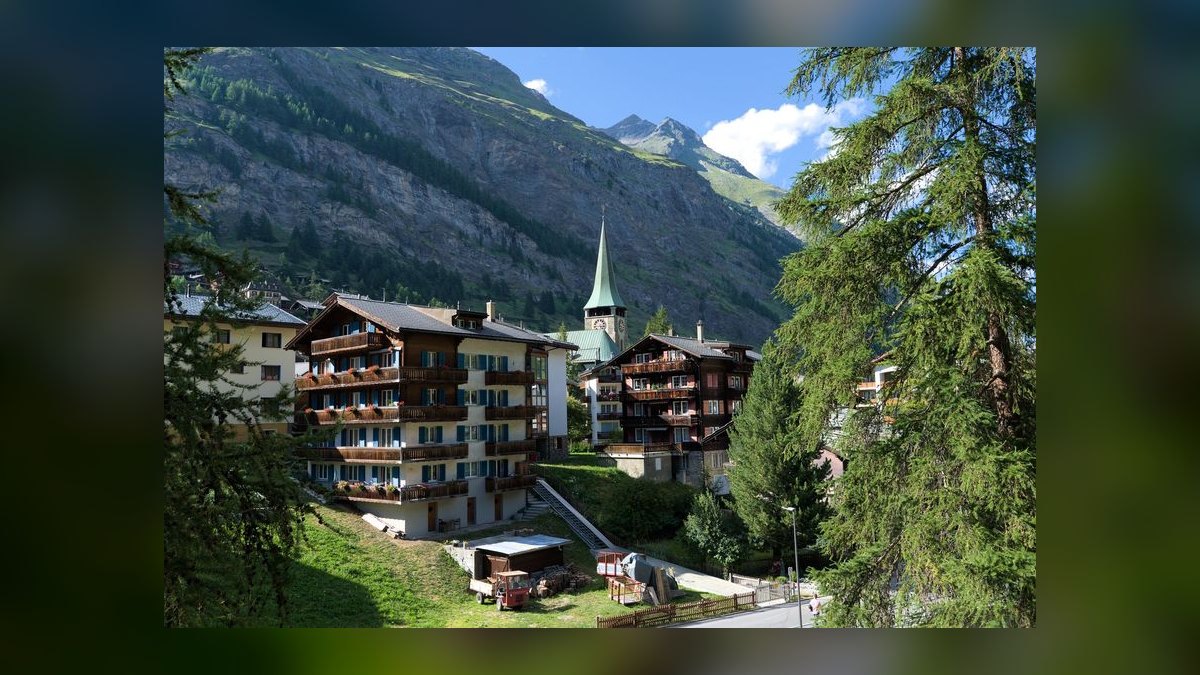
Zermatt ranks first for pairing the Alps' highest lift-served skiing with 360 km of pistes linked across the border into Cervinia, Italy. Matterhorn Glacier Paradise tops out at 3,883 m, Europe's highest cable-car station, and supports year-round glacier skiing. The car-free village sits directly beneath the 4,478 m Matterhorn. Adult day passes run roughly CHF 92–98, with the international Zermatt–Cervinia ticket costing more.
This suits skiers who want scenery and snow certainty above all and will pay Swiss top-tier prices for both. It trades away convenience: cars stop at Täsch and you finish the trip by shuttle train, and lift queues on the glacier can build. Against St. Moritz below it, Zermatt wins on altitude and cross-border terrain; St. Moritz counters with multiple separate mountains and cheaper entry to Engadin skiing.
2. St. Moritz
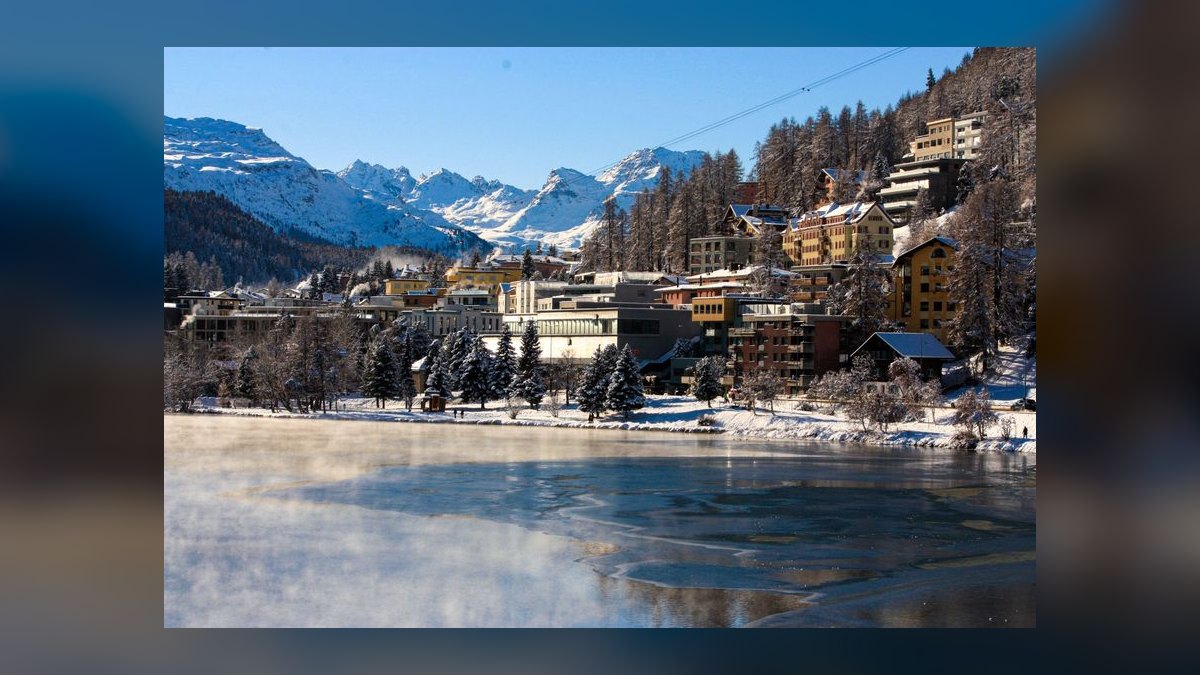
St. Moritz ranks second on roughly 350 km of Engadin pistes spread across Corviglia, Corvatsch, and Diavolezza — genuinely distinct mountains rather than one linked domain. It is the birthplace of alpine winter tourism and a two-time Winter Olympic host, home to the Cresta Run and winter polo on the frozen lake. High altitude plus over 300 sunshine days a year keeps cover reliable. Day passes run about CHF 89–98.
Best for skiers who want variety across several ski areas and a resort town with genuine glamour and non-ski activity. It trades away the single-lift-network convenience of Zermatt: moving between Engadin mountains means buses or trains, which eats ski time. Lodging and dining sit at the very top of Swiss pricing. Verbier below it delivers steeper, more serious off-piste for less prestige and less polish.
3. Verbier (4 Vallées)
Verbier ranks third as the gateway to the 4 Vallées, Switzerland's largest linked domain at 410 km of pistes, more than any other resort here. Mont Fort reaches 3,330 m and feeds legendary steep terrain including Tortin and the Backside. The Bec des Rosses hosts the Freeride World Tour finals each spring on a near-vertical face. Day passes run roughly CHF 85–95.
Built for advanced skiers chasing off-piste and for people who want a loud après scene attached. It trades away tranquility and, at altitude below the glacier resorts, some early- and late-season snow certainty. Off-piste here demands transceiver, probe, shovel, and ideally a certified Swiss guide. Compared with St. Moritz above, Verbier is rougher and steeper; the Jungfrau Region below swaps steeps for scenery and quiet car-free villages.
4. Jungfrau Region
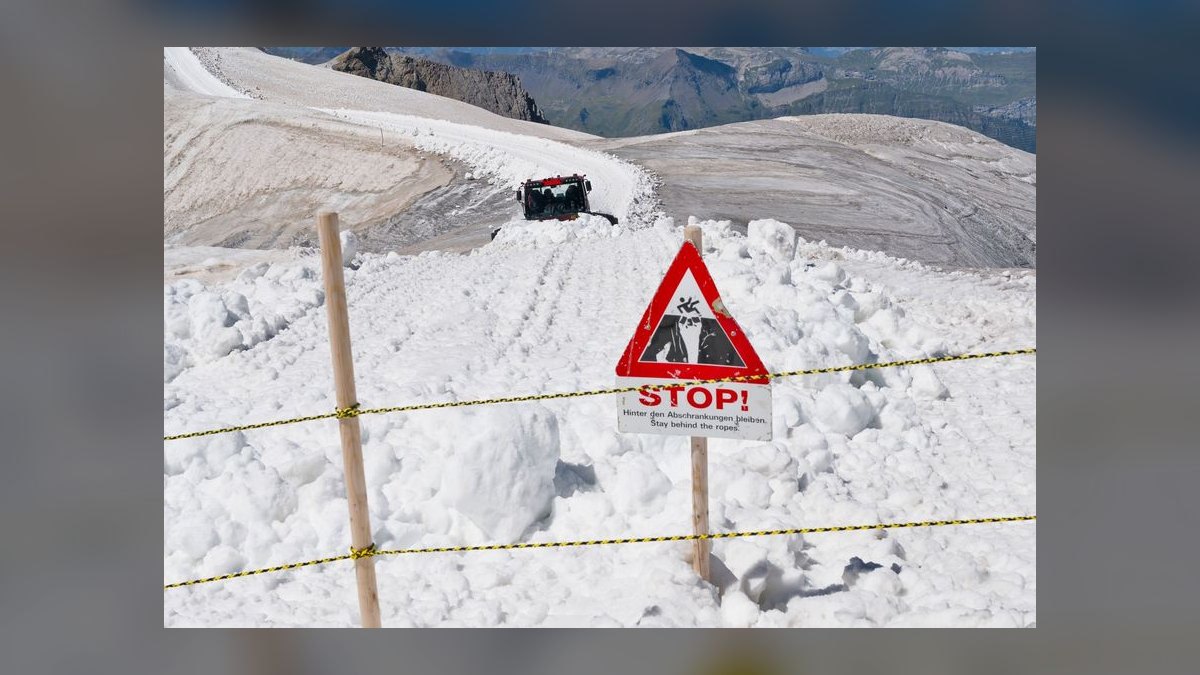
The Jungfrau Region ranks fourth on scenery few places anywhere match, linking Grindelwald, Wengen, and Mürren beneath the Eiger, Mönch, and Jungfrau across roughly 210 km of pistes. Wengen hosts the Lauberhorn, the longest downhill on the World Cup circuit. The railway climbing to the 3,454 m Jungfraujoch anchors the region's identity. Day passes run about CHF 75–85, undercutting the marquee names.
This fits skiers who value atmosphere, rail access, and classic terrain over raw kilometres or extreme steeps. Wengen and Mürren are car-free, reached by cogwheel railway, which charms families and frustrates anyone in a hurry. Altitudes sit lower than the glacier resorts, so snow depends more on the season. Verbier above offers nearly double the pistes; Saas-Fee below trades scenery variety for glacier-guaranteed cover.
5. Saas-Fee
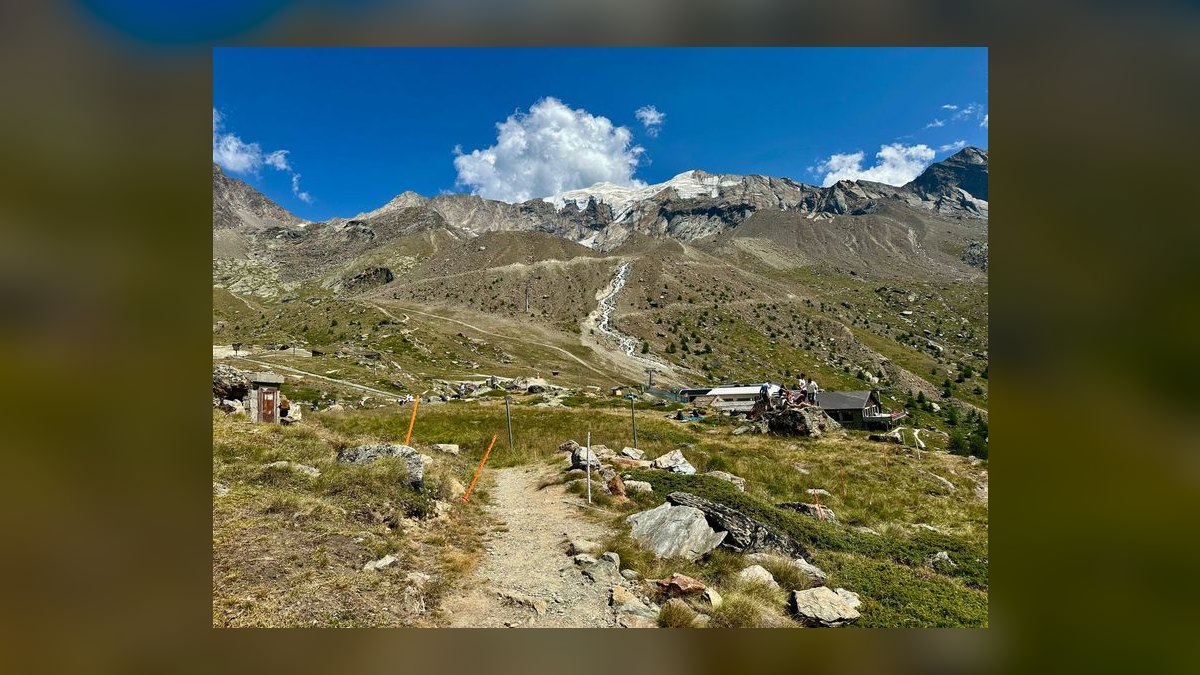
Saas-Fee ranks fifth for snow certainty, with glacier skiing reaching 3,600 m and summer skiing available across its 150 km of pistes. The car-free village sits inside a ring of 4,000 m peaks, making it one of the most snow-sure choices in Switzerland when lower resorts are thin. It is Zermatt's immediate neighbour but quieter and more family-oriented. Day passes run roughly CHF 80–89.
Best for families and for anyone booking early or late season when cover elsewhere is a gamble. The trade is size: 150 km is less than half of Zermatt's linked domain, and expert skiers will exhaust the marked terrain quickly. Nightlife is muted compared with Verbier. Against the Jungfrau Region above, Saas-Fee wins decisively on reliable snow and loses on terrain variety and famous scenery.
6. Laax
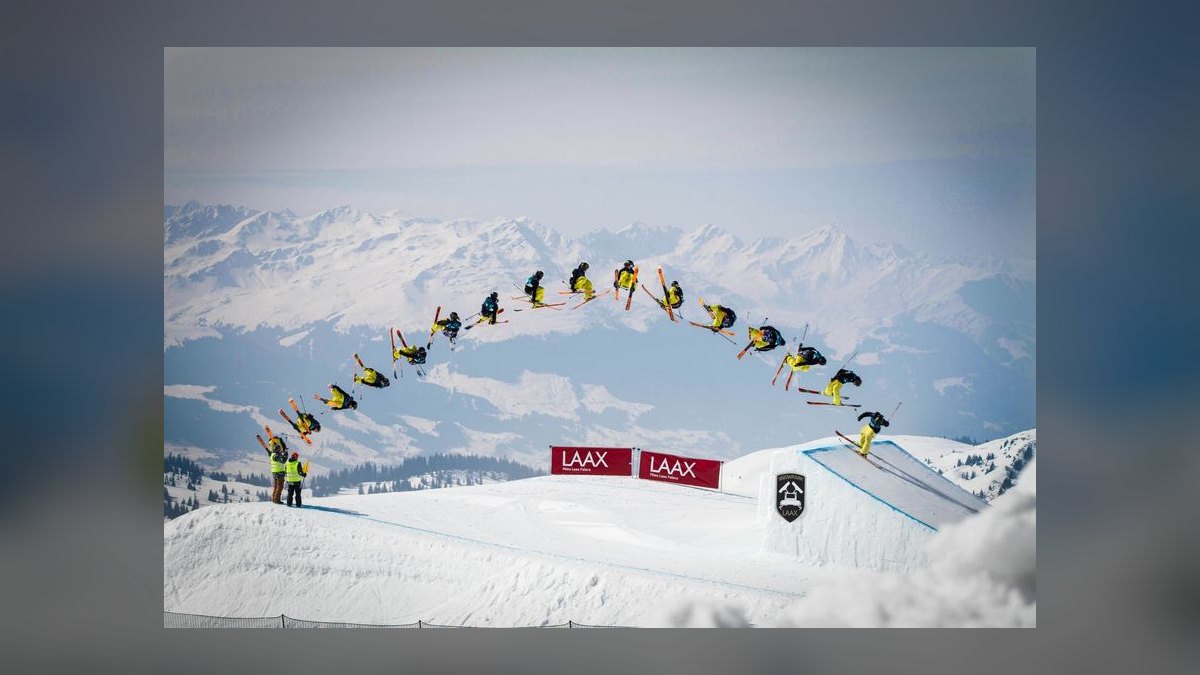
Laax ranks sixth and takes best value: about CHF 79 a day buys 224 km of pistes across Laax, Flims, and Falera in the Grisons. It is one of Europe's premier freestyle destinations, with a massive snowpark and a 200 m superpipe, plus strong off-piste off the Vorab glacier at 3,018 m. Modern lifts and the rocksresort base area back it up.
This is for park riders, freeriders, and anyone unwilling to pay CHF 95 a day for terrain they can get for CHF 79. Long top-to-bottom descents and wide intermediate pistes make it work for families too. What it lacks is the postcard drama — no Matterhorn, no Eiger, no old-world village core. Saas-Fee above beats it on pure glacier snow certainty; Laax returns far more kilometres per franc.
7. Davos-Klosters
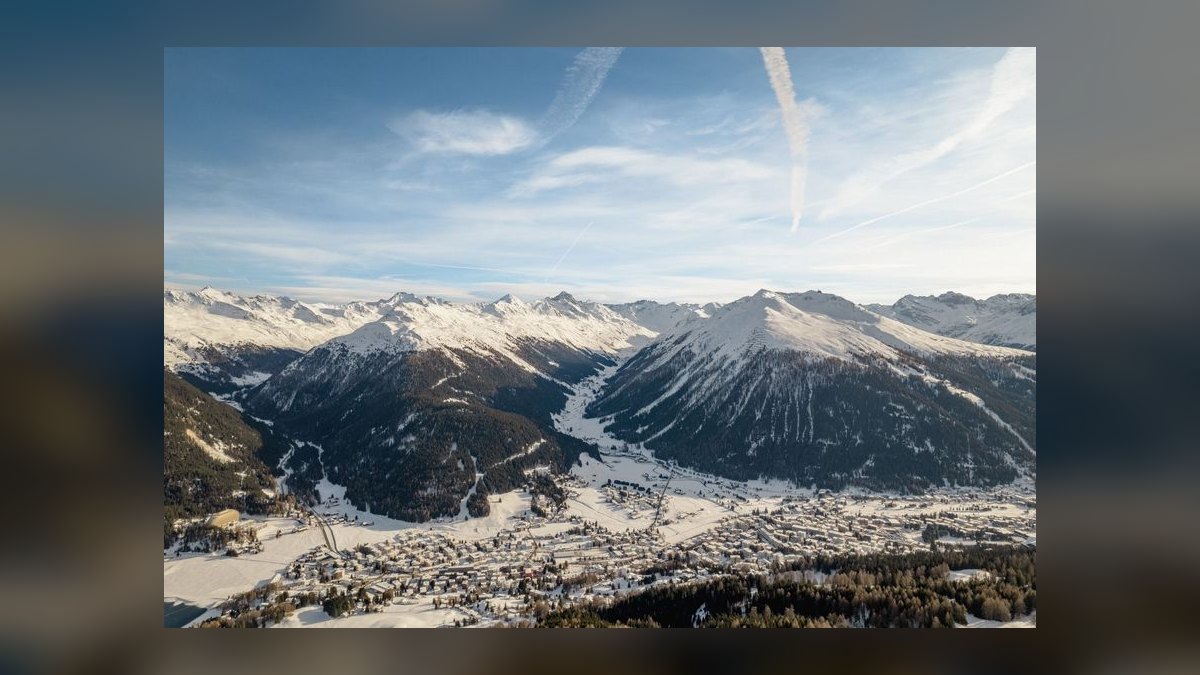
Davos-Klosters ranks seventh on sheer spread: around 300 km of pistes across six separate mountains including Parsenn, Jakobshorn, and Gotschna. Davos is Europe's highest town, which helps cover, and the split-area layout means crowding is rare even in busy weeks. Jakobshorn has long been a snowboard mecca. Day passes run roughly CHF 85–93.
This rewards skiers who like exploring and putting in long intermediate cruising days across different hills. The trade is the same fragmentation that keeps it quiet: connecting between the six areas costs travel time, so you ski less per day than the kilometre count implies. Davos itself is a working town rather than a picture-book village. Laax above is cheaper with tighter, more modern lift infrastructure; Davos offers more raw terrain.
8. Engelberg-Titlis
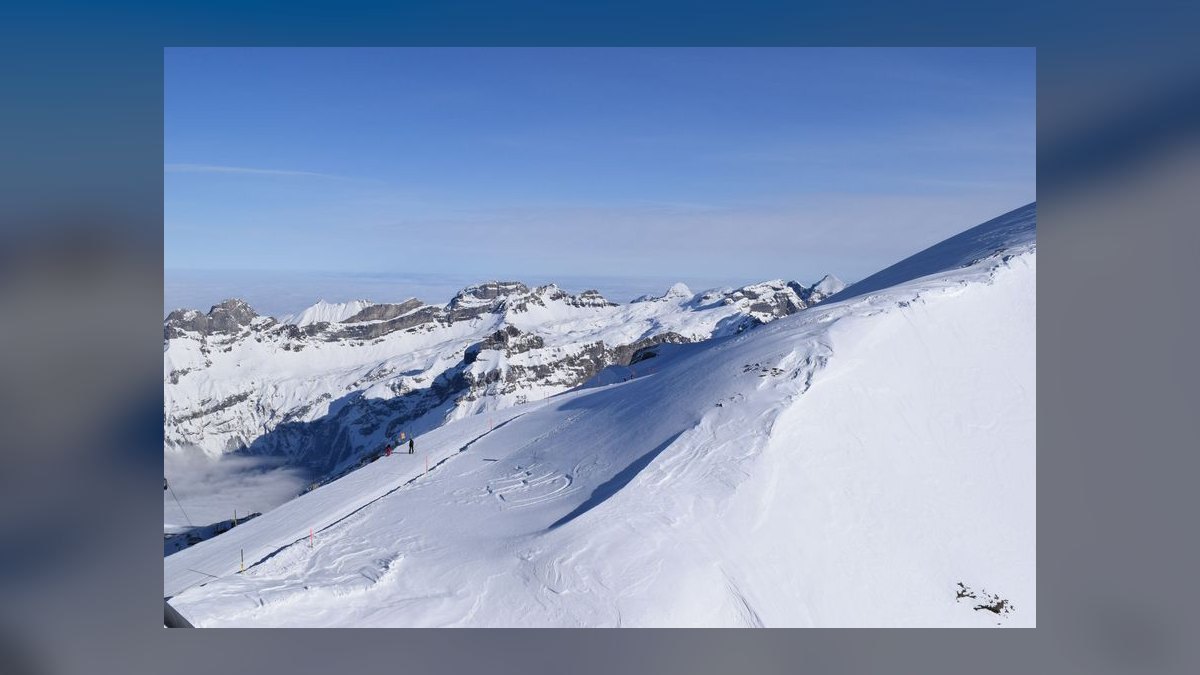
Engelberg ranks eighth on vertical rather than piste count — just 82 km marked, but the Laub and the long Galtiberg run drop close to 2,000 vertical metres from the Titlis glacier at 3,238 m. That descent is among the biggest continuous off-piste runs in the Alps. Glacier altitude keeps snow reliable. Day passes run roughly CHF 79–89, and it sits an easy day trip from Lucerne and Zurich airport.
This is a freeriders' mountain first, best for confident skiers travelling light or short on time. The 82 km of marked piste is thin for a week-long trip and will bore intermediates fast. Carry transceiver, probe, and shovel, and hire a guide for the big lines. Davos above offers roughly four times the marked terrain; Engelberg offers vertical and access Davos cannot match.
9. Andermatt-Sedrun
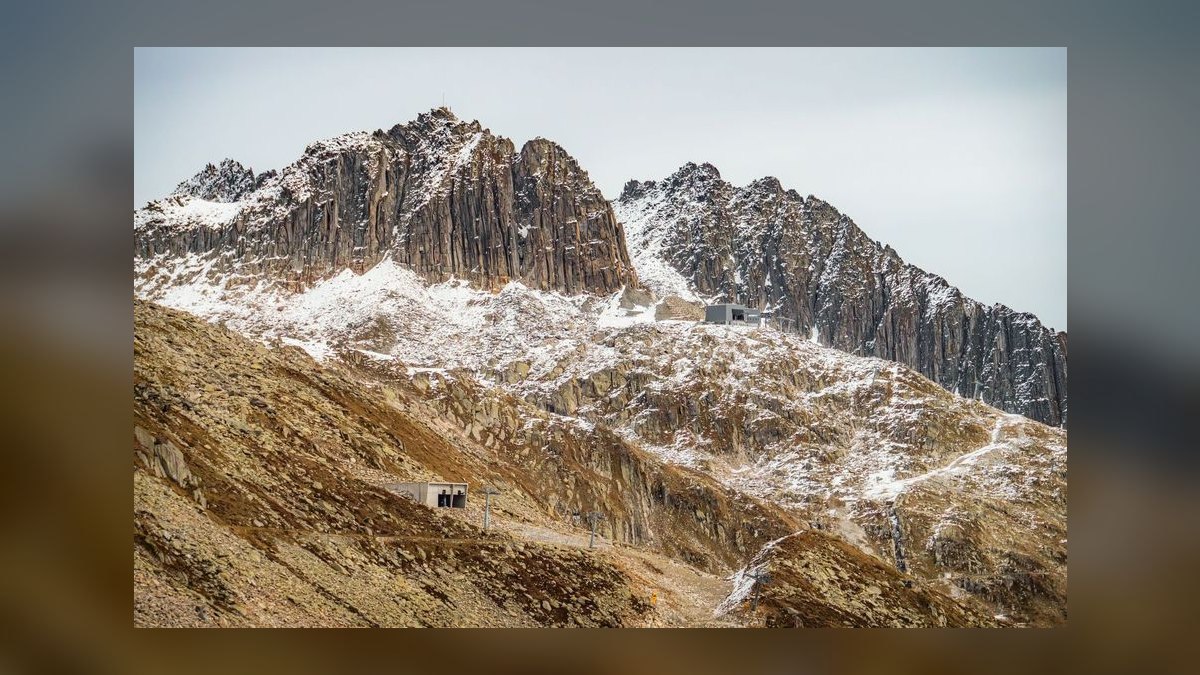
Andermatt-Sedrun ranks ninth on the strength of its rebuild: major investment linked Andermatt with Sedrun and Disentis into the SkiArena, roughly 180 km of high-altitude, snow-sure pistes. The Gemsstock at 2,963 m carries a long-standing reputation for serious steep off-piste. The car-free village has been revitalised and rail access from Zurich is direct. Day passes run roughly CHF 79–89.
This suits strong skiers who want Verbier-grade steeps without Verbier's prices or crowds, and travellers arriving by train. The trade is a resort still filling out — the new development sits alongside the old village, and the on-mountain scene is thinner than at established names. Engelberg above has bigger single descents; Andermatt-Sedrun has far more linked marked terrain and better snow reliability across the season.
10. Crans-Montana
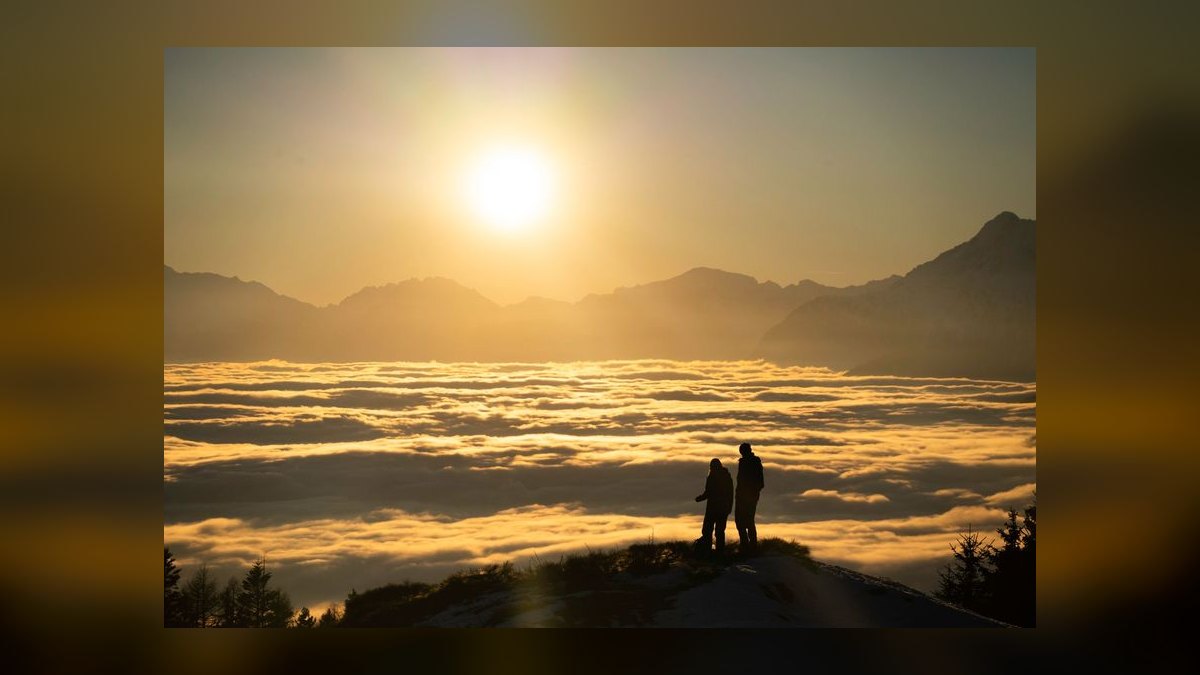
Crans-Montana ranks tenth for sunshine and gentle terrain: roughly 140 km of pistes on a plateau above the Rhône Valley, with cover backed by the Plaine Morte glacier at 2,927 m. The panoramic valley views are among the best in Switzerland, and the resort hosts World Cup races. Day passes run roughly CHF 79–89, at the lower end of Swiss pricing.
This is for beginners, families, and relaxed intermediates who want wide cruising runs and long lunches in the sun rather than steeps. It trades away challenge — experts will find little to hold them — and the resort has a chic, golf-adjacent character that reads more resort town than ski village. Andermatt-Sedrun above offers more terrain and far harder skiing; Crans-Montana wins on sun, ease, and beginner provision.
How we ranked these
Ranking weighted five measurable things: linked piste kilometres (410 km at 4 Vallées down to 82 km at Engelberg), top lift altitude and glacier coverage as a proxy for snow reliability, lift-served vertical drop, adult day-pass price in Swiss francs, and scenic distinctiveness. Off-piste depth was scored separately from marked terrain, so Engelberg's Laub and Galtiberg runs count despite its small piste tally. Value means terrain per franc, not cheapness.
Deliberately ignored: hotel star ratings, Michelin counts, nightlife reputation, and celebrity association, because they measure a resort's social scene rather than its mountain. Snowfall averages from single seasons were skipped too — they swing wildly year to year, so altitude and glacier access are better predictors. Aggregate user review scores were excluded because they reward familiar names and penalise resorts with steep, demanding terrain that frustrates casual visitors.
What to look for
The deciding variable is almost never piste kilometres — it's whether the terrain matches your level and whether snow will be there the week you booked. A confident intermediate uses maybe 40 km of any domain. Glacier-backed resorts (Zermatt, Saas-Fee, Laax) hold cover in a thin January; sunny mid-altitude plateaus like Crans-Montana ski beautifully in a good year and thinly in a bad one. Book altitude when your dates are fixed.
The common mistake is optimising the lift pass and ignoring everything else. A CHF 79 Laax pass versus CHF 95 at Zermatt saves CHF 96 across a six-day trip — less than two mountain lunches for a family of four. Lodging, half-board, restaurant prices, and airport transfers dwarf the pass difference. Pick the mountain you want, then cut cost through half-board hotels, packed lunches, and self-catering apartments.
Related questions
Which Swiss resort has the largest linked ski area?
Verbier's 4 Vallées is Switzerland's largest linked domain at roughly 410 km of pistes, connecting Verbier with Nendaz, Veysonnaz, and Thyon. Zermatt follows at around 360 km once the cross-border link to Cervinia in Italy is included. Davos-Klosters offers about 300 km, though spread across six separate mountains rather than one continuous network.
How high does skiing go in Zermatt?
Matterhorn Glacier Paradise tops out at 3,883 m, the highest cable-car station in Europe, with glacier terrain skiable essentially year-round. The Matterhorn itself rises to 4,478 m above the car-free village. That altitude is the main reason Zermatt's snow reliability is exceptional even in warm seasons, and why summer training camps base themselves there.
Why is Engelberg ranked highly with only 82 km of pistes?
Engelberg's marked terrain is modest, but its off-piste is legendary. The Laub face and the Galtiberg descent drop close to 2,000 vertical metres from the Titlis glacier at 3,238 m — among the biggest continuous verticals in the Alps. Ranking purely on piste kilometres would badly misrepresent what freeriders actually go there for.
Which Swiss resorts are car-free?
Zermatt, Saas-Fee, Wengen, and Mürren all ban private cars. Zermatt is reached by parking in Täsch and taking the shuttle train; Wengen and Mürren are served by cogwheel railway and cable car. The result is quiet, traffic-free villages, which is a genuine draw for families and a large part of these resorts' old-world character.
What does a Swiss ski day actually cost beyond the lift pass?
On-mountain restaurant lunches routinely run CHF 30–50 per person, which over six days can exceed the lift pass itself. Hotel rates in Zermatt and St. Moritz are among the highest in the Alps. Half-board hotels, self-catering apartments, and packed lunches are the standard ways visitors bring the total down without giving up the mountain.
Is Verbier suitable for intermediates or only experts?
Verbier is famous for expert terrain — the Tortin, the Backside of Mont Fort, and the Bec des Rosses where the Freeride World Tour finals run. But the broader 4 Vallées has extensive intermediate cruising across Nendaz, Veysonnaz, and Thyon. Intermediates ski happily there; they simply spend less time on the steep faces that give Verbier its reputation.
When are Swiss slopes least crowded?
Mid-January, after the New Year rush and before the February school holidays, is the quietest and cheapest window. The post-holiday March period also offers good value with longer daylight and often excellent spring snow at altitude. Christmas, New Year, and the February crossover of Swiss and wider European school breaks are the busiest and priciest weeks.
Do I need avalanche equipment in Switzerland?
For off-piste skiing at Verbier, Engelberg, or Andermatt, yes — carry a transceiver, probe, and shovel, and know how to use them. Hiring a certified Swiss mountain guide is strongly advised on unfamiliar terrain. Marked, patrolled pistes do not require avalanche gear, but the moment you leave the ropes the responsibility is entirely yours.
FAQ
Which Swiss ski resort is best overall for 2027?
Zermatt, on the combination of 360 km of cross-border terrain, Europe's highest lift-served skiing at Matterhorn Glacier Paradise (3,883 m), year-round glacier snow, and the most recognisable mountain scenery in the world. Adult day passes run roughly CHF 92–98. The car-free village and exceptional mountain restaurants round out the case for the top spot.
Which Swiss resort offers the best value?
Laax, at about CHF 79 per adult day, delivers 224 km of pistes across Laax, Flims, and Falera plus one of Europe's best snowparks and a 200 m superpipe. Vorab glacier terrain at 3,018 m backs up the snow reliability. It undercuts the marquee names while offering more terrain than several of them.
Are Swiss ski resorts really that expensive?
Yes — they are among the priciest in the world. Adult day passes typically run CHF 75 to over CHF 100, with Zermatt and St. Moritz at the top end. Lunches on the mountain cost CHF 30–50 per person. Multi-day and regional passes lower the per-day rate meaningfully, and half-board lodging offsets restaurant costs.
Which Swiss resort has the most reliable snow?
Glacier resorts win here. Zermatt, Saas-Fee, and Laax all have glacier terrain that holds cover from early season into spring, with Zermatt and Saas-Fee offering summer skiing. Saas-Fee's glacier reaches 3,600 m. Lower valley resorts depend more heavily on snowmaking during warm spells, so book altitude if your travel dates are locked in.
Which resort is best for beginners?
Crans-Montana and Crans's sunny plateau offer wide, gentle intermediate cruising with dedicated beginner zones, and Engelberg has approachable lower slopes. For absolute novices, the smaller area around Kleine Scheidegg near Wengen works well, with lower prices and less crowding than the flagship destinations. Ski-school availability matters more than domain size at this stage.
Can one lift pass cover several Swiss resorts?
Regional passes do this within a region — the Engadin pass covers St. Moritz's mountains, the 4 Vallées pass covers Verbier and its neighbours, and multi-resort products like the Magic Pass and Top4 span several areas. But major resorts such as Zermatt generally require their own ticket unless you buy a multi-resort or Swiss-wide product.
Should I book lift passes in advance for 2027?
Booking online ahead of time is worth it, particularly for Christmas, New Year, and February school-holiday weeks. Many Swiss resorts offer small discounts for advance purchase and it guarantees availability at peak times. Outside those windows the savings are modest, but dynamic pricing at some resorts still rewards buying earlier rather than at the window.
Do I need a car for a Swiss ski trip?
Usually not. Switzerland's rail and postbus network connects Zurich, Geneva, and Basel airports directly to the resorts, and Zermatt, Saas-Fee, Wengen, and Mürren are car-free anyway. The Swiss Travel Pass and regional rail passes cut transport costs if you plan to visit several resorts. A car is often more hassle than help.
Which resort is best for off-piste and freeride?
Verbier leads, with the Tortin, the Backside of Mont Fort, and the Freeride World Tour finals on the Bec des Rosses. Engelberg's Laub and Galtiberg descents drop nearly 2,000 vertical metres. Andermatt's Gemsstock (2,963 m) is famous for steep lines, and Laax pairs freeride terrain off the Vorab glacier with world-class park facilities.
What makes St. Moritz worth its price?
St. Moritz anchors the Engadin with roughly 350 km of pistes across Corviglia, Corvatsch, and Diavolezza — three genuinely distinct mountains. It has hosted two Winter Olympics, enjoys over 300 days of sunshine a year, and offers the Cresta Run and winter polo on the frozen lake. Day passes run about CHF 89–98, comparable to Zermatt.
Sources
- https://www.zermatt.ch/en
- https://www.myswitzerland.com/en/destinations/winter-sports/
- https://www.stmoritz.com/en/
- https://www.verbier4vallees.ch/en
- https://www.jungfrau.ch/en-gb/
- https://www.laax.com/en/
- https://www.onthesnow.com/switzerland/skireport
- https://www.davos.ch/en/winter
- https://www.snow-forecast.com/countries/Switzerland/resorts
- https://www.saas-fee.ch/en/
Related on PULSE
- [More ski resorts in the swiss alps rankings and buying guides](/knowledge)
- [PULSE Tools and calculators](/tools)
- [Everything on PULSE RevOps](/)
 pulse-resortsIs Resorts worth it in 2027?
 pulse-resortsTop 10 best Resorts options in 2027
 pulse-resortsTop 10 Resorts strategies for 2027
 pulse-resortsHow do you get started with Resorts in 2027?
 pulse-resortsWhat is the best way to approach Resorts in 2027?
 pulse-resortsWhat are the most common mistakes in Resorts in 2027?
 pulse-reviewsTop 10 Cabin Cruiser Boats 2027
 pulse-aquariumsTop 10 Aquarium Filters 2027
 pulse-aquariumsTop 10 Canister Filters 2027
 aqTop 10 Hang-On-Back Aquarium Filters 2027