
Top 10 Best Colleges for Disability Services
 Curated by Chief Revenue Officer Kory White · CRO Syndicate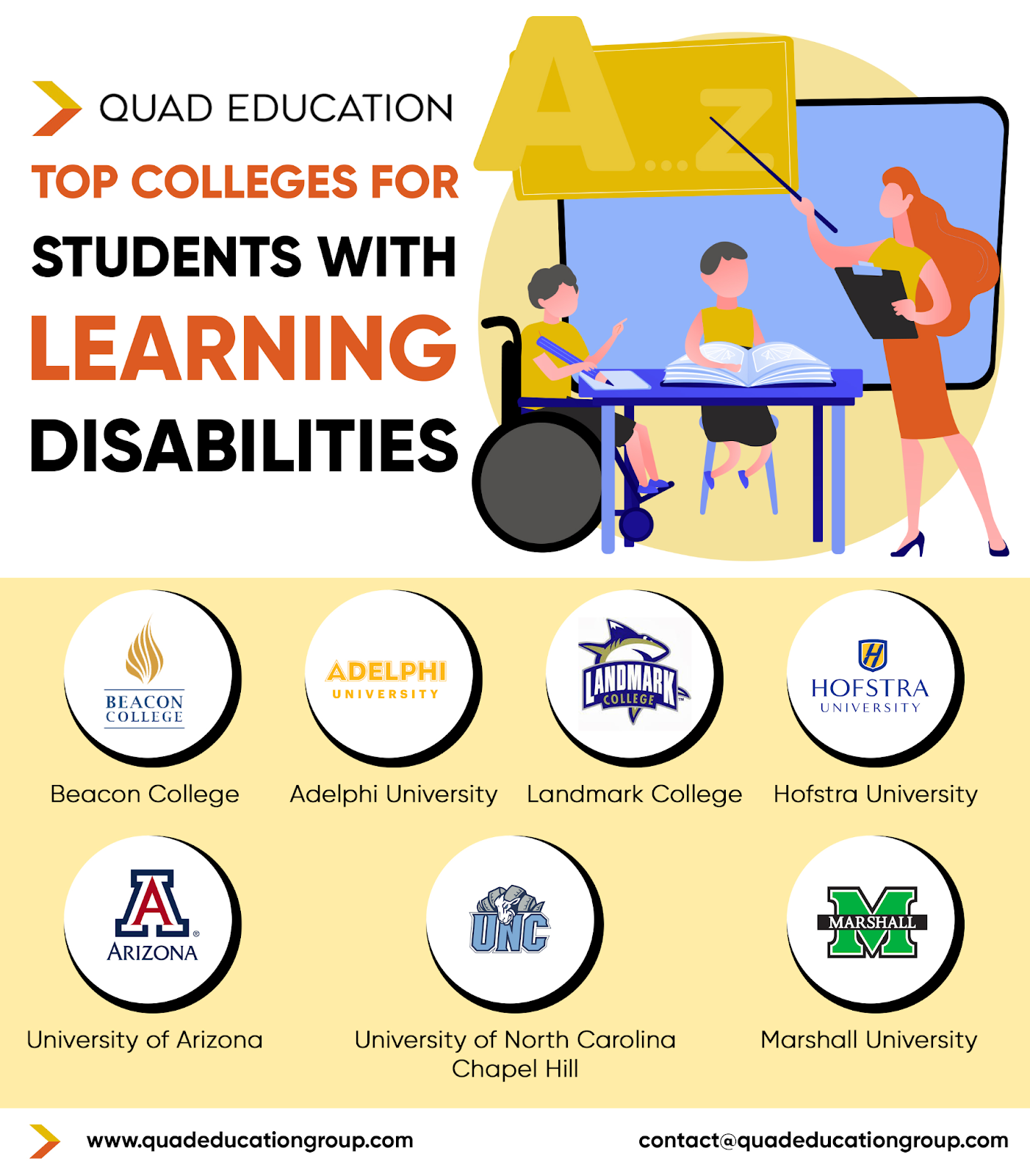
Top 10 Best Colleges for Disability Services
Direct Answer
The Best Overall college for disability services is the University of Arizona, whose Strategic Alternative Learning Techniques (SALT) Center is one of the most comprehensive fee-based learning-support programs in the country, pairing the university's robust Disability Resource Center with intensive one-on-one coaching for students with learning and attention differences.
The Best Value pick is the University of Connecticut, whose Beyond Access program and Center for Students with Disabilities deliver nationally recognized support within in-state public tuition. This list is built for students with disabilities and their families weighing where to enroll, with a focus on accommodations, specialized programs, accessibility, and outcomes.
Every pick uses real, publicly reported program information from each institution, U.S. News, and disability-services directories.
How We Ranked the Top 10
We weighted each college against the priorities students with disabilities and their families consistently rank highest, drawing on published program details from each institution, U.S. News, Niche, and disability-support directories. The weighting:
- Depth of accommodations and specialized programs - 25%
- Staffing, coaching, and individual support - 20%
- Retention and graduation outcomes for served students - 20%
- Physical and digital accessibility - 15%
- Value and program cost - 10%
- Range of disabilities supported - 10%
A college with a famous name but a thin disability office, or strong marketing but weak coaching, drops fast. The winners balance comprehensive support, outcomes, and access.
1. University of Arizona 🏆 BEST OVERALL

Type: Public Research University | Tuition: Roughly \$13,200 in-state / \$39,600 out-of-state, plus SALT Center fee | Best for: Students with learning and attention differences wanting intensive, structured coaching
In Tucson, the University of Arizona runs the SALT Center, one of the longest-running and most comprehensive fee-based academic-support programs in the nation for students with learning and attention challenges. SALT pairs each student with a dedicated strategic learning specialist, plus tutoring, workshops, and assistive technology, on top of the university's standard Disability Resource Center (DRC) accommodations available to all.
The combination of a large public research university with a wraparound, individualized program produces strong retention for served students. The structured model is a national benchmark.
Pros:
- SALT Center offers intensive one-on-one learning specialists
- Comprehensive fee-based program layered over standard DRC accommodations
- Strong retention for students with learning differences
- Large research university with broad academic options
Cons:
- The SALT Center carries an additional annual fee
- Out-of-state tuition plus program fee adds up
Verdict: Arizona wins on balance - the most comprehensive, individualized learning-support model in the country.
2. University of Connecticut

Type: Public Research University | Tuition: Roughly \$20,000 in-state / \$43,000 out-of-state per year | Best for: Students seeking strong, nationally recognized support at public tuition 💎 BEST VALUE
The University of Connecticut in Storrs runs the Center for Students with Disabilities (CSD) and the optional Beyond Access program, which adds individualized coaching and skill-building for students who want extra structure. UConn's services are widely recognized among public flagships, and the standard accommodations are robust and free to all qualifying students, with Beyond Access available for a fee.
As a strong public research university, UConn delivers this nationally regarded support at in-state public tuition, making it the best outcomes-per-dollar disability-services choice.
Pros:
- Strong free standard accommodations plus optional Beyond Access coaching
- Nationally recognized disability-services office
- Public-university tuition for in-state students
- Research-university breadth and resources
Cons:
- Beyond Access coaching carries an added fee
- Out-of-state tuition is higher than the in-state value tier
Verdict: The value champion - nationally recognized support at public-university cost.
3. American University

Type: Private Research University | Tuition: Roughly \$54,000 per year, plus Learning Services Program fee | Best for: Students wanting a structured fee-based program at a private university
American University in Washington, D.C., runs the Learning Services Program (LSP), a fee-based support model that provides individualized academic coaching, learning strategies, and monitoring for students with documented learning differences, alongside its standard Academic Support and Access Center accommodations.
The structured coaching, small program size, and capital-city internship access make AU a strong option for students who want close support within a mid-sized private university. Staff work closely with students on time management, study strategies, and self-advocacy.
Pros:
- Structured Learning Services Program with individual coaching
- Standard accommodations through the Access Center
- Capital-city internship and career access
- Mid-sized private university with personal attention
Cons:
- LSP carries an additional fee on top of private tuition
- High overall cost of attendance
Verdict: A strong private-university option - structured coaching with Washington, D.C. Access.
4. Marshall University

Type: Public Research University | Tuition: Roughly \$8,500 in-state / \$17,000 out-of-state, plus program fee | Best for: Students on the autism spectrum and those needing intensive support
Marshall University in Huntington, West Virginia, is nationally known for the College Program for Students with Autism Spectrum Disorder, one of the most established and comprehensive autism-support programs at any U.S. University. It provides individualized support, social-skills coaching, and academic mentoring tailored to students on the spectrum, alongside Marshall's standard Office of Disability Services.
The program's depth and specialization, paired with affordable public tuition, make Marshall a leading destination for autistic students pursuing a four-year degree.
Pros:
- Nationally recognized autism-spectrum support program
- Individualized academic and social-skills coaching
- Affordable public tuition
- Established, specialized staff
Cons:
- Flagship-level program focus is on autism specifically
- Program carries an additional fee
Verdict: The autism-support leader - the most established spectrum program in the country at an affordable price.
5. Beacon College

Type: Private College | Tuition: Roughly \$44,000 per year | Best for: Students whose primary need is a fully specialized learning-disability environment
Beacon College in Leesburg, Florida, is one of the only accredited four-year colleges in the country designed specifically for students with learning disabilities, ADHD, and other learning differences. Every aspect of the institution - small classes, embedded academic coaching, assistive technology, and faculty trained in learning differences - is built around these students, and it awards full bachelor's degrees.
For students who need a fully supportive environment rather than a program bolted onto a mainstream campus, Beacon is purpose-built.
Pros:
- Entire college designed for students with learning differences
- Small classes with embedded coaching and trained faculty
- Comprehensive assistive-technology support
- Full accredited bachelor's degrees
Cons:
- Specialized environment offers less mainstream-campus experience
- Smaller program and major selection
Verdict: The purpose-built choice - an entire college engineered around learning differences.
6. Landmark College

Type: Private College | Tuition: Roughly \$60,000 per year | Best for: Students with dyslexia, ADHD, or autism wanting a specialized institution
Landmark College in Putney, Vermont, is, like Beacon, built exclusively for students who learn differently - including those with dyslexia, ADHD, and autism. Landmark is a recognized research and teaching leader in learning-disability pedagogy, offering associate and bachelor's degrees plus transfer pathways, with universal-design instruction, intensive advising, and assistive technology woven throughout.
Its institute also trains educators nationwide, reflecting the depth of its expertise.
Pros:
- Institution built exclusively for students who learn differently
- Recognized leader in learning-disability pedagogy and research
- Universal-design instruction and intensive advising
- Strong transfer pathways to mainstream universities
Cons:
- High tuition for a specialized institution
- Rural Vermont setting with a small student body
Verdict: The pedagogy leader - a research-driven college engineered for students who learn differently.
7. University of Denver

Type: Private Research University | Tuition: Roughly \$58,000 per year, plus LEP fee | Best for: Students wanting structured support at a selective private university
The University of Denver runs the Learning Effectiveness Program (LEP), a comprehensive fee-based support program that pairs students with academic counselors and learning specialists, layered over the standard Disability Services Program. LEP is one of the longer-running structured programs at a selective private research university, providing individualized coaching, content tutoring, and skill development.
The combination of a strong academic institution and intensive, optional support appeals to students who want both rigor and structure.
Pros:
- Long-running Learning Effectiveness Program with dedicated counselors
- Standard Disability Services accommodations for all students
- Selective private research university
- Individualized coaching and content tutoring
Cons:
- LEP carries a significant additional fee
- High private-university cost of attendance
Verdict: A selective private option - intensive structured coaching within a strong research university.
8. Adelphi University

Type: Private University | Tuition: Roughly \$45,000 per year, plus program fee | Best for: Students wanting a comprehensive learning-disabilities program near New York City
Adelphi University in Garden City, New York, runs the Bridges to Adelphi Program, a comprehensive support program for students with autism, learning disabilities, and other neurodiversity, providing academic, social, and vocational coaching. The program is well regarded for its three-pillar model of academic, social, and career support, and Adelphi's location near New York City offers strong internship access.
Standard accommodations run through the Student Access Office for all qualifying students.
Pros:
- Bridges program supports autism and learning disabilities comprehensively
- Academic, social, and vocational coaching combined
- Near New York City for internships
- Strong standard accommodations for all students
Cons:
- Bridges program carries an additional fee
- Private-university cost of attendance
Verdict: A comprehensive neurodiversity option - three-pillar support near New York City.
9. Mitchell College

Type: Private College | Tuition: Roughly \$41,000 per year, plus Bentsen program fee | Best for: Students wanting a small, supportive college with a dedicated learning program
Mitchell College in New London, Connecticut, is a small college known for the Bentsen Learning Center and its Thames Academy transition program, supporting students with learning differences and those bridging into college-level work. Mitchell's small size, individualized attention, and embedded academic coaching make it a supportive environment for students who benefit from a close-knit campus and structured transition into higher education.
The college awards associate and bachelor's degrees.
Pros:
- Bentsen Learning Center provides dedicated coaching
- Thames Academy supports the transition into college
- Very small, personal campus environment
- Associate and bachelor's degree options
Cons:
- Small school with limited major breadth
- Support program carries an added fee
Verdict: The supportive small-college choice - close-knit attention and a strong transition pathway.
10. Augustana College (Illinois)

Type: Private Liberal Arts College | Tuition: Roughly \$48,000 per year | Best for: Students wanting strong disability services within a traditional liberal-arts setting
Augustana College in Rock Island, Illinois, pairs a traditional liberal-arts experience with a well-regarded Office of Disability Services and academic-support resources. Its small size, low student-faculty ratio, and culture of individualized advising make accommodations and support easy to access without a separate fee-based program.
For students who want robust, free standard accommodations inside a personal liberal-arts environment rather than an intensive add-on program, Augustana is a strong fit.
Pros:
- Strong free standard accommodations and academic support
- Small liberal-arts setting with individualized advising
- Low student-faculty ratio
- No separate program fee for core services
Cons:
- No intensive fee-based coaching program like SALT or LEP
- Smaller institution with fewer specialized staff
Verdict: The liberal-arts standout - robust standard support in a personal, fee-free setting.
Which One's Right for You?
What to Look For When Choosing a College for Disability Services
- Program depth versus standard accommodations - Distinguish a comprehensive fee-based program like SALT or LEP from baseline legally required accommodations; both matter, but they serve different needs.
- Staffing and coaching ratios - Ask how many students each learning specialist serves and whether coaching is one-on-one or group-based, since individual attention drives outcomes.
- Retention and graduation data for served students - Request outcomes specifically for students in the support program, not just the overall campus, to gauge real effectiveness.
- Physical and digital accessibility - Confirm campus mobility access, accessible housing, and accommodations for digital course materials and exams.
- Documentation and renewal process - Understand what documentation is required and how often accommodations must be renewed before committing.
- Fit of the environment - Decide whether a fully specialized college (Beacon, Landmark) or a mainstream campus with strong support (Arizona, UConn) better matches the student's goals.
What matters less than marketing implies: a college's overall ranking, its newest building, or general reputation. The depth of coaching, served-student outcomes, and accessibility shape a student's success far more than a single headline figure.
FAQ
Which college is the best overall for disability services? The University of Arizona earns the top spot for its SALT Center, one of the most comprehensive fee-based learning-support programs in the country, pairing dedicated learning specialists with standard accommodations.
What is the best value college for disability services? The University of Connecticut is our best value - its nationally recognized Center for Students with Disabilities and optional Beyond Access coaching come within public-university tuition.
Which colleges are designed specifically for students with learning disabilities? Beacon College in Florida and Landmark College in Vermont are accredited four-year colleges built entirely for students who learn differently, with every aspect of instruction designed around learning differences.
Which college is best for students on the autism spectrum? Marshall University runs one of the most established autism-support programs in the country, while Adelphi University's Bridges program offers comprehensive academic, social, and vocational coaching for autistic students.
Do these support programs cost extra? Many intensive programs - SALT at Arizona, LEP at Denver, Learning Services at American, and Beyond Access at UConn - charge an additional annual fee, while standard legally required accommodations are free; specialized colleges like Beacon and Landmark build support into tuition.
What is the difference between a disability office and a fee-based support program? A disability office provides legally required accommodations such as extended test time and note-taking support at no charge, while a fee-based program adds intensive, individualized coaching, learning specialists, and structured tutoring beyond the baseline.
Bottom Line
For students with disabilities, the University of Arizona is our Best Overall college for disability services - the SALT Center sets the national standard for comprehensive, individualized learning support. The University of Connecticut is our Best Value, delivering nationally recognized support at public-university tuition.
If the student needs a fully specialized college, autism-specific support, or robust free standard accommodations, use the decision tree above to route to Beacon, Landmark, Marshall, or UConn instead. Choose on program depth, served-student outcomes, and environment fit rather than a single ranking number, and the student will be set up to succeed.
Sources
- U.S. News - College resources for students with disabilities
- Niche - Colleges with strong disability support
- University of Arizona SALT Center
- University of Connecticut Center for Students with Disabilities
- Marshall University College Program for Students with Autism Spectrum Disorder
- Beacon College
- Landmark College
- University of Denver Learning Effectiveness Program
- Adelphi University Bridges Program
*Best colleges for disability services review - top colleges for students with disabilities, rankings, ratings, and a review of the best disability-support programs for students and families.*