
Lincoln’s Second Inaugural Address (1865) — Text, Context, and Why It Endures
 Curated byKory White · Fractional CRO · Maryland
 PULSEKNOWLEDGE LIBRARY
Lincoln’s Second Inaugural Address, delivered on March 4, 1865, is a brief but profound speech that reflects on the Civil War’s causes and calls for national healing with “malice toward none.” Its context includes the war’s final weeks and Lincoln’s second term, while its enduring power comes from its moral gravity and timeless plea for reconciliation. The text remains a cornerstone of American rhetoric, studied for its biblical cadence and political wisdom. This speech is often considered the finest inaugural address in American history, a masterclass in humility and moral clarity delivered at the nation’s most fractured moment.
What Was the Historical Context of Lincoln’s Second Inaugural Address?
When Lincoln stepped to the podium on March 4, 1865, the Civil War was entering its final, brutal weeks. The Union Army had captured key Confederate positions, and General Robert E. Lee would surrender at Appomattox Court House just five weeks later. The Capitol’s newly completed iron dome, a symbol of Union perseverance, loomed above the muddy grounds where a crowd of approximately 30,000 gathered. Notably, African Americans were present at the inauguration in significant numbers for the first time, a visible sign of the war’s transformative impact on American society.
The nation was exhausted. An estimated 620,000 soldiers had died, and the economic and social fabric of both North and South was torn. Lincoln himself was a man worn by the burdens of leadership—he had buried a son, Willie, in 1862, and the weight of the war showed in his gaunt face. His reelection in November 1864 had been uncertain until General Sherman’s capture of Atlanta, and now, with victory in sight, he had every reason to deliver a triumphant address. Instead, he chose a path of moral reflection and shared responsibility, a decision that stunned many in his audience.
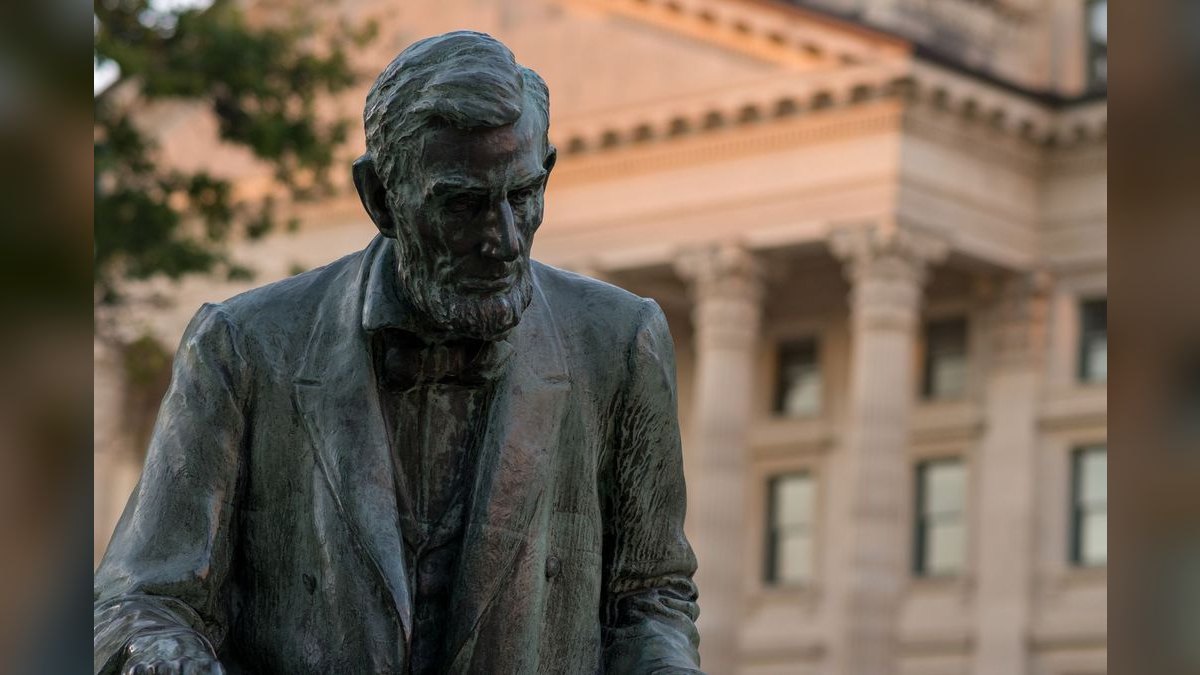
The speech’s brevity—just 701 words, making it the shortest inaugural address in American history—was itself a radical choice. In an era when orators routinely spoke for an hour or more, Lincoln spoke for barely six minutes. The crowd expected a victory lap; they received a sermon on divine judgment. Contemporary accounts describe a “death-like silence” as Lincoln spoke, a heavy stillness that reflected the gravity of the moment. This context of exhaustion, victory, and moral reckoning is essential to understanding why the speech’s tone of humility was so powerful—and so unexpected.
What Is the Structure and Rhetorical Strategy of the Speech?
Lincoln’s Second Inaugural follows a deliberate four-part structure that mirrors a classical sermon, a form he mastered through his deep reading of the King James Bible and Shakespeare. The first paragraph provides a brief, almost clinical recap of the war’s origins, refusing to assign blame. The second paragraph pivots to the surprising admission that both sides “read the same Bible and pray to the same God,” a rhetorical move that distributes moral responsibility evenly. The third paragraph builds tension by acknowledging that each side’s prayers could not both be answered, and it invokes divine judgment as the only framework that makes sense of the war’s horror. The climax arrives in the final paragraph’s call for “malice toward none, with charity for all,” a release of tension that is earned only because everything before it was so severe.
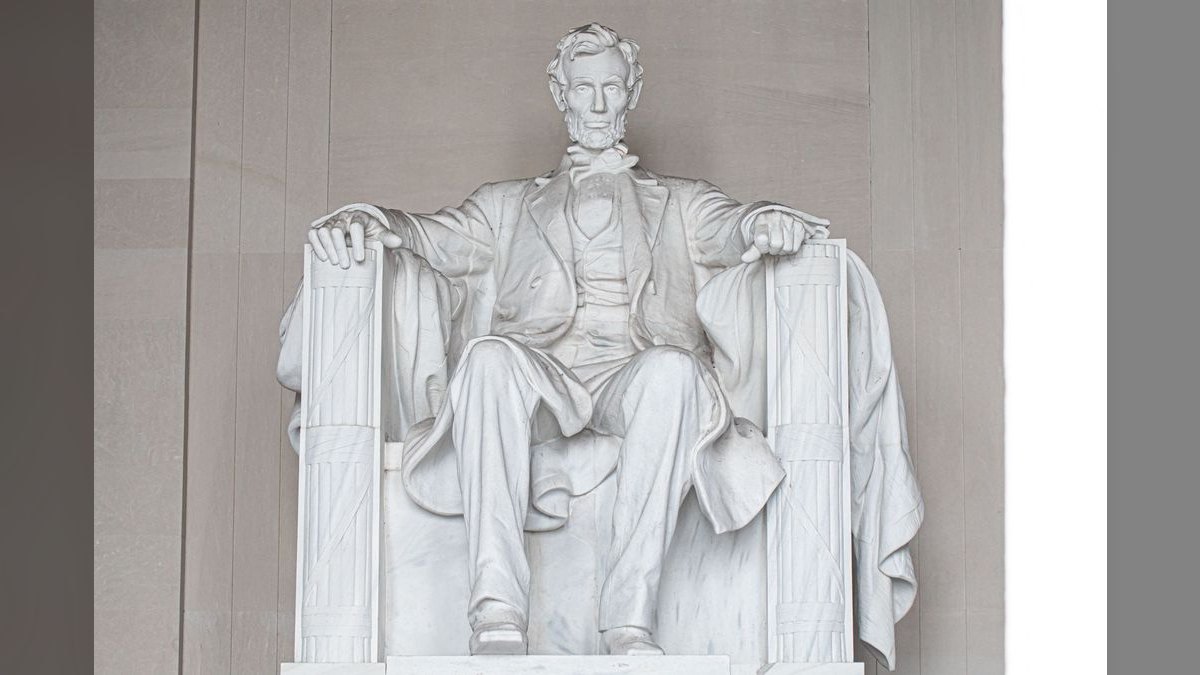
Rhetorically, the speech is built on three main devices that give it its unforgettable power. First, balanced contrast or antithesis: phrases like “with malice toward none, with charity for all” and “both read the same Bible” hold North and South in the same moral frame, preventing listeners from claiming moral superiority. Second, biblical register: the King James cadences— “fondly do we hope, fervently do we pray” —lend the argument an authority no ordinary policy speech could claim. Third, the withheld turn: Lincoln spends most of his words building tension about cause and judgment, then resolves it in one long, forgiving sentence. The unforgettable line lands harder precisely because everything before it was so severe. This structure is why the speech feels less like a political address and more like a religious meditation on national sin.
The speech’s brevity was itself a rhetorical choice. In an era when inaugural addresses often ran 45 minutes or more, Lincoln spoke for barely six minutes. The crowd expected a victory lap; instead, they got a theological meditation on collective guilt. Contemporary newspaper accounts note the “death-like silence” that fell over the muddy Capitol grounds as Lincoln spoke—not applause, but a kind of stunned reverence. That silence, as much as the words, signals the speech’s power to unsettle rather than celebrate.
What Are the Key Passages and Their Meaning?
The opening sets the tone of restraint. Rather than rallying his base, Lincoln deliberately lowers the temperature and signals he will not gloat: “With high hope for the future, no prediction in regard to it is ventured.” This is a masterful rhetorical move—he refuses to offer the easy emotion of victory. The famous structural turn occurs when he stops narrating the war and starts interpreting it: “Both read the same Bible and pray to the same God, and each invokes His aid against the other.” This line distributes responsibility for slavery to the whole nation, North included, treating the war as a reckoning rather than a contest of good men versus bad.
The theological heart of the speech comes in Lincoln’s stunning passage about divine judgment: “Yet, if God wills that it continue until all the wealth piled by the bondsman’s two hundred and fifty years of unrequited toil shall be sunk… so still it must be said ‘the judgments of the Lord are true and righteous altogether.’” Here, Lincoln frames the war as divine punishment that the country has earned and must endure to its bitter end. He quotes Matthew 18:7 directly—“woe unto the world because of offenses”—but he subtly reworks it to apply to the national sin of slavery. He does not name slavery outright until the final third of the speech, a deliberate delay that forces listeners to sit with the moral weight of the war’s cause.
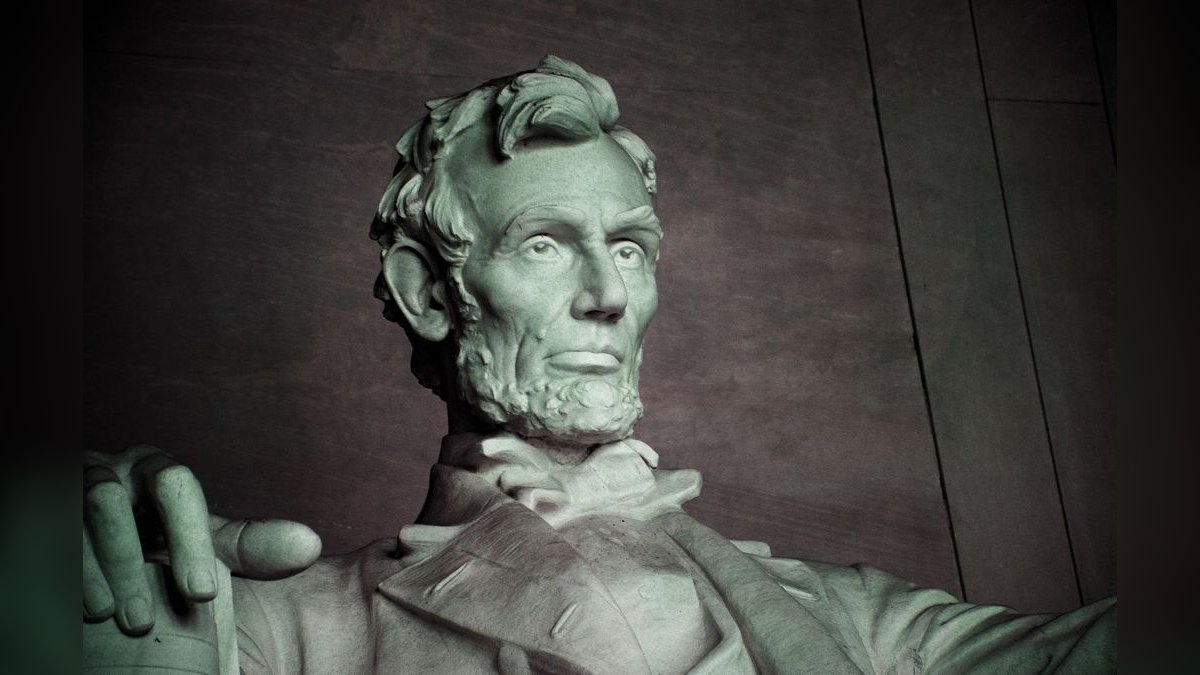
The closing contains the most quoted lines, where Lincoln pivots from judgment to mercy: “With malice toward none, with charity for all… let us strive on to finish the work we are in, to bind up the nation’s wounds.” This line is remarkable because it refuses to name an enemy. The South is not condemned; instead, all Americans are called to “bind up the nation’s wounds.” This is the speech’s central moral vision: that healing comes not from punishment but from shared responsibility and mercy. For more on how Lincoln applied this rhetorical approach, see our analysis of What Makes Lincoln’s Gettysburg Address a Great Speech.
How Was the Speech Received in Its Own Time?
Public reaction to the Second Inaugural was far from uniformly positive. Northern newspapers like the *New York Herald* called it “a singularly dull document” and complained that Lincoln had missed an opportunity to rally the Union with triumphant rhetoric. The *Chicago Times* was harsher, accusing Lincoln of “pandering to the rebels” by suggesting both sides bore moral responsibility for the war. Even some of Lincoln’s allies in Congress were uneasy—Senator Charles Sumner, a radical Republican, thought the speech too conciliatory toward the South.
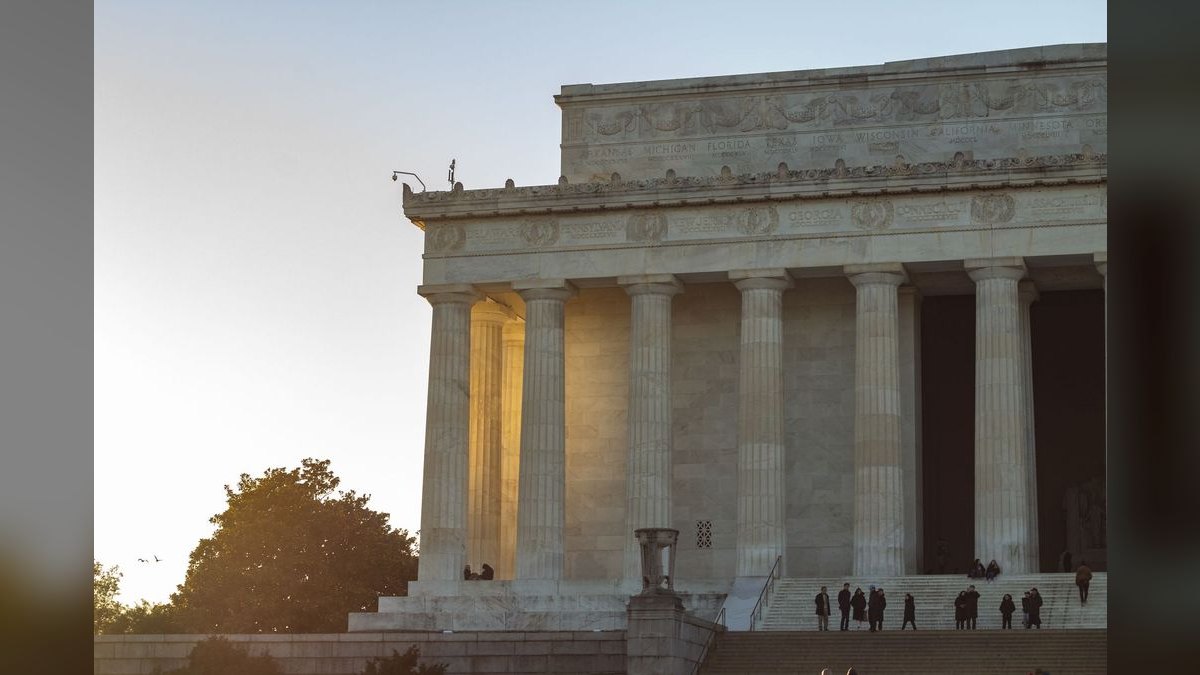
But the speech found its most powerful defenders in unexpected places. Frederick Douglass, the former slave and abolitionist, attended the inauguration and later wrote that the address “sounded more like a sermon than a state paper.” Douglass understood immediately what many critics missed: Lincoln was not excusing the South but insisting that the war’s terrible cost was divine punishment for the national sin of slavery. “The speech is a sacred effort,” Douglass said, and he visited Lincoln at the White House the next day to tell him so.
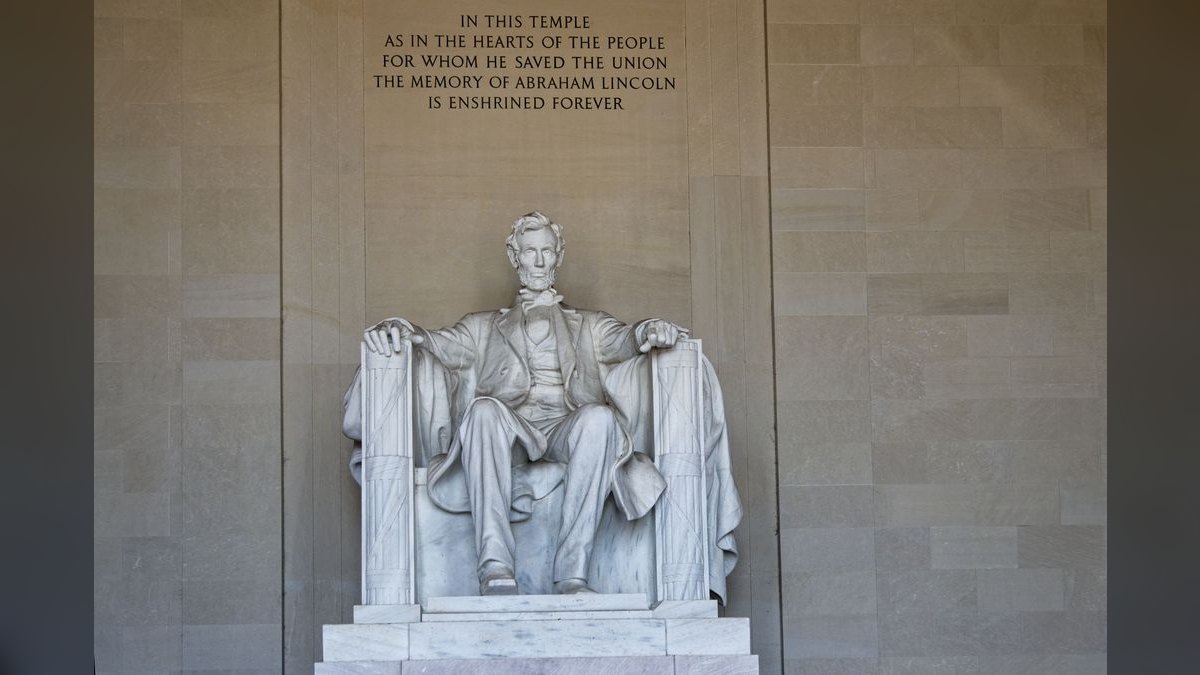
The most striking evidence of the speech’s impact came just five weeks later, when John Wilkes Booth assassinated Lincoln at Ford’s Theatre. In the days after the murder, the Second Inaugural was reprinted across the country—not as a political document, but as a kind of prophetic testament. Northerners who had dismissed the speech in March now read it as Lincoln’s final moral statement, a farewell address he did not know he was writing. The line “with malice toward none, with charity for all” became the nation’s unofficial epitaph for its fallen leader. This transformation from partisan document to sacred text is one of the most remarkable shifts in American rhetorical history. For more on how Lincoln’s contemporaries understood his speeches, see JFK’s Inaugural Address (1961) — Text, Context, and Why It Endures.
What Makes the Speech Endure Across Generations?
The speech endures because Lincoln did the opposite of what the moment invited. A winner refused to crow. Its power comes from a deliberate structure: he opens flat and modest, narrows to the single cause of the war—slavery—that politicians of the era worked hard to avoid naming, then widens out into a sweeping claim of mutual guilt, and finally releases all that gathered weight into mercy. This structural arc is what makes the speech feel less like a political address and more like a religious meditation on national sin.
The Second Inaugural endures not because it offers easy answers, but because it refuses to. In an age of polarized media and instant hot takes, Lincoln’s willingness to admit moral complexity feels almost radical. He does not claim that the Union is blameless; he insists that both North and South “read the same Bible” and that God’s purposes may be inscrutable. This humility—the admission that human beings cannot fully know the divine will—is the speech’s most countercultural message for our own time.

Modern leaders often struggle with how to address historical wrongs without alienating contemporary audiences. Lincoln’s solution was to frame the war as a collective punishment for slavery—not Northern virtue versus Southern evil, but a nation complicit in a system that violated its founding principles. This approach allows for accountability without self-righteousness, a balance that remains elusive in today’s debates about race and national identity. The speech also offers a model for how to speak about suffering without exploiting it. Lincoln acknowledges the “mighty scourge of war” as divine judgment, but he never claims to speak for God. He uses the passive voice—“the Almighty has His own purposes”—to leave room for mystery. This restraint is what gives the address its lasting moral authority. It does not tell us what to think; it invites us to reflect on what we owe to one another in the wake of shared tragedy.
What Practical Lessons Can Modern Speakers Learn from the Second Inaugural?
First, refuse the easy emotion. The crowd wanted triumph; Lincoln gave humility. When your audience expects you to take the obvious side, consider what a harder, more generous posture would do. It is almost always more memorable. Second, distribute responsibility instead of assigning blame. “Both read the same Bible” implicated everyone, which is why it disarmed rather than enraged. If you must address a conflict, find the shared cause before you name the fault. Third, build with balanced pairs. Antithesis—two phrases set against each other—is the most portable device here. “With malice toward none, with charity for all” is two beats your ear cannot forget. Write your one key idea as a pair.
Fourth, earn your closing line. The mercy at the end works because the judgment before it was unflinching. Don’t open with your warmest sentiment; build to it. Fifth, say the thing others avoid. Lincoln named slavery as the cause plainly. Naming the real subject, calmly, gives a speaker more authority than any flourish. Finally, be short. Seven hundred words outlasted ten thousand longer speeches. Cut until only the load-bearing sentences remain. For more on applying these principles to contemporary speeches, see A Wedding Speech for a Second Marriage.
Related questions
How does Lincoln’s Second Inaugural compare to his first inaugural?
Lincoln’s first inaugural (1861) was a legal argument against secession, emphasizing constitutional perpetuity; the second is theological, focusing on moral accountability and reconciliation.
What role does religion play in the Second Inaugural?
The speech uses biblical cadences and direct scripture quotations to frame the war as divine punishment for slavery, lending it prophetic authority.
Why did Lincoln not mention slavery until the end of the speech?
Lincoln deliberately delayed naming slavery to build moral tension, forcing listeners to sit with the weight of the war’s cause before releasing it into mercy.
How long does it take to read the Second Inaugural aloud?
At a normal pace, the 701-word speech takes approximately six minutes to deliver, making it the shortest inaugural address in American history.
What was Frederick Douglass’s reaction to the speech?
Douglass called it “a sacred effort” and visited Lincoln the next day to praise him, understanding its moral power better than most contemporaries.
FAQ
What exactly did Lincoln say about slavery in the Second Inaugural? Lincoln framed slavery as the central cause of the war, describing it as a “peculiar and powerful interest” that both sides sought to protect or extend. He famously noted that both North and South “read the same Bible and pray to the same God,” but that the war might be divine punishment for the sin of slavery. His language is theological and moral, not triumphal.
Why is the Second Inaugural considered one of the greatest speeches in American history? It is remarkably concise—just over 700 words—yet it weaves together biblical allusion, political analysis, and a call for national reconciliation. Historians and rhetoricians praise its tone of humility and its refusal to demonize the Confederacy, even as the Union was about to win the war. Its closing line, “with malice toward none, with charity for all,” is among the most quoted passages in American oratory.
Was the speech well-received at the time? Reactions were mixed. Many Northern newspapers praised its eloquence and spirit of forgiveness, while some radical Republicans criticized it as too lenient toward the South. Confederate-aligned papers largely ignored or dismissed it. The public audience in Washington on March 4, 1865, was reportedly attentive but subdued, aware that the war was ending but that immense challenges lay ahead.
How does the Second Inaugural differ from Lincoln’s first inaugural address? The first inaugural (1861) was a legal and constitutional argument against secession, emphasizing that the Union was perpetual and that Lincoln had no intention of interfering with slavery where it existed. The second is far shorter, more theological, and more reflective—it looks backward at the war’s meaning rather than forward at policy. Lincoln’s tone shifted from lawyerly persuasion to prophetic meditation.
What historical context should readers know before studying the speech? Lincoln delivered it just six weeks before his assassination and only weeks before the Confederate surrender at Appomattox. The war had killed an estimated 600,000–700,000 Americans, and the nation was exhausted. The speech was given on a rainy, muddy day at the Capitol, with a crowd that included many African Americans for the first time at an inaugural—a sign of the war’s transformative impact.
Why does the speech still resonate today? Its themes of national reckoning, moral accountability, and reconciliation remain relevant in any era of division. The speech does not offer easy answers but instead asks Americans to consider the cost of injustice and the possibility of healing. Its brevity and poetic power make it accessible, while its depth invites repeated study.
What is the most famous line from the Second Inaugural? “With malice toward none, with charity for all” is the most quoted line, though the entire final paragraph is a masterpiece of rhetorical grace. This line encapsulates Lincoln’s vision of reconciliation without triumphalism.
How did Lincoln’s assassination affect the speech’s legacy? The assassination transformed the Second Inaugural from a controversial political address into a prophetic testament. Northerners who had dismissed it in March now read it as Lincoln’s final moral statement, and the speech was reprinted nationwide as a kind of national epitaph.
Sources
- National Archives — Lincoln’s Second Inaugural Address
- Library of Congress — Abraham Lincoln Papers
- The Gilder Lehrman Institute of American History — Lincoln’s Second Inaugural
- The Atlantic — The Speech That Made Lincoln a Prophet
- The American Presidency Project (UC Santa Barbara) — Second Inaugural Address
- PBS American Experience — Lincoln’s Second Inaugural
- Smithsonian Magazine — The Mystery of Lincoln’s Second Inaugural
- History.com — Lincoln’s Second Inaugural Address
Related on PULSE
- [Lincoln’s Gettysburg Address (1863) — Text, Context, and Why It Endures](/knowledge/sp0001)
- [JFK’s Inaugural Address (1961) — Text, Context, and Why It Endures](/knowledge/sp0002)
- [Franklin Roosevelt’s Day of Infamy (1941) — Text, Context, and Why It Endures](/knowledge/sp0037)
- [Lou Gehrig’s Luckiest Man Farewell (1939) — Text, Context, and Why It Endures](/knowledge/sp0016)
- [Reagan’s Challenger Address (1986) — Text and Why It Endures](/knowledge/sp0012)
- [FDR’s First Inaugural — Nothing to Fear (1933) — Text, Context, and Lessons](/knowledge/sp0005)
@Kory-White- · if Venmo asks, the last 4 of my number are 2012
 pulse-moviesTop 10 Movies on Netflix 2027
 pulse-moviesTop 10 Movies on Max 2027
 pulse-moviesTop 10 Fantasy Movies of All Time in 2027
 pulse-moviesTop 10 Documentaries of All Time in 2027
 pulse-moviesTop 10 Superhero Movies of All Time in 2027
 pulse-moviesTop 10 Romance Movies of All Time in 2027
 pulse-moviesTop 10 Westerns of All Time in 2027
 pulse-moviesTop 10 Musical Movies of All Time in 2027
 pulse-moviesTop 10 Thriller Movies of All Time in 2027
 pulse-moviesTop 10 Crime Movies of All Time in 2027