
Nelson Mandela’s I Am Prepared to Die (1964) — Key Passages and Lessons
 Curated byKory White · Fractional CRO · Maryland
 PULSEKNOWLEDGE LIBRARY
Quality
Certified
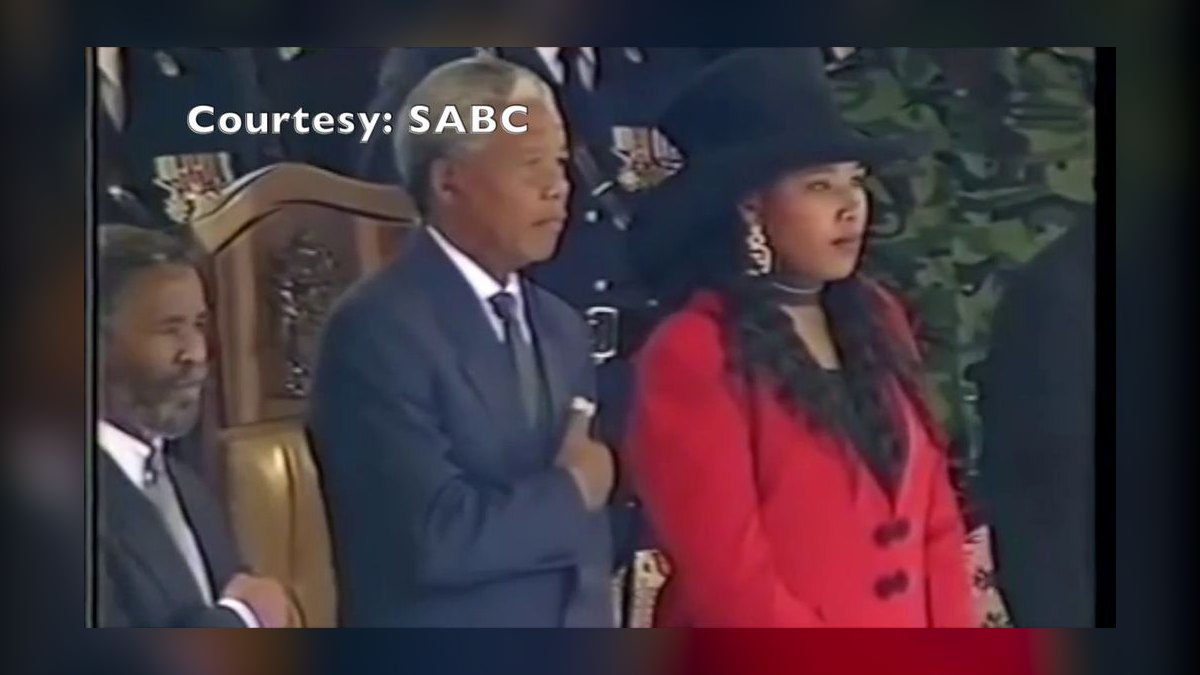
Nelson Mandela’s 1964 “I Am Prepared to Die” speech from the dock at the Rivonia Trial is a landmark of forensic rhetoric and moral clarity. Delivered while facing the death penalty, the speech articulates Mandela’s unwavering commitment to a democratic, non-racial South Africa and explains why the African National Congress turned to armed resistance after decades of peaceful protest. Key passages include his admission of planning sabotage, his rejection of racial domination, and his famous closing declaration that he was prepared to die for his ideals. The speech offers enduring lessons on strategic concession, the escalation of argument, and the power of principled defiance.
What Was the Historical Context of the Rivonia Trial and the Speech?
The Rivonia Trial, which began in 1963, was a turning point in South Africa’s anti-apartheid struggle. Nelson Mandela and ten other leaders of the African National Congress (ANC) and Umkhonto we Sizwe (MK) were arrested at Liliesleaf Farm in Rivonia, Johannesburg. They faced charges of sabotage—a capital offense under South African law. The apartheid regime, deeply entrenched after the National Party’s 1948 election victory, sought to crush the liberation movement by decapitating its leadership. The trial was held in the Palace of Justice in Pretoria, a courtroom that symbolized white minority rule. Mandela, already serving a five-year sentence for incitement, was brought from prison to stand trial alongside his comrades. The prosecution’s case relied on documents seized at Liliesleaf, including Mandela’s diary and writings on guerrilla warfare. In response, Mandela chose not to testify under oath but to deliver a statement from the dock—a strategic decision that allowed him to speak without being cross-examined. The speech, which lasted nearly four hours, was both a legal defense and a political manifesto. It was crafted with the help of his legal team, including Bram Fischer, and was designed to reach not only the judge but also the international community. The trial concluded with life sentences for Mandela and seven co-accused, sparing them the death penalty partly due to the speech’s impact on global opinion.
What Are the Most Powerful Key Passages from Mandela’s Statement?
The “I Am Prepared to Die” speech contains several passages that have become iconic for their rhetorical force and moral weight. The first major passage is Mandela’s opening admission: “I do not deny that I planned sabotage. I did not plan it in a spirit of recklessness, nor because I have any love of violence. I planned it as a result of a calm and sober assessment of the political situation.” This concession is a masterstroke of forensic rhetoric—by admitting the act, Mandela controls the narrative and forces the court to debate the reasons, not the facts. A second crucial passage addresses the charge of communism: “The Magna Carta, the Petition of Rights, and the Bill of Rights are documents which are held in veneration by democrats throughout the world.” By invoking Western legal traditions, Mandela places his cause within the very canon the apartheid judges revered, undermining their ideological basis. A third passage defines the struggle in concrete terms: “Above all, we want equal political rights, because without them our disabilities will be permanent.” The word “permanent” reframes the conflict as a choice between temporary unrest and eternal injustice. Finally, the closing lines deliver the speech’s emotional peak: “I have cherished the ideal of a democratic and free society in which all persons live together in harmony and with equal opportunities. It is an ideal which I hope to live for and to achieve. But if needs be, it is an ideal for which I am prepared to die.” Witnesses reported a profound silence after these words, as Mandela looked directly at the gallery, not the judge, ensuring the message reached the world.

How Did Mandela Build the Rhetorical Architecture of the Speech?
Mandela structured his statement using a three-ring framework of justification, a technique that makes the argument nearly unassailable. The outermost ring establishes the ANC as a law-abiding organization that pursued peaceful protest for fifty years before turning to sabotage. Mandela details petitions, delegations, and strikes, showing that the ANC exhausted every nonviolent avenue. The middle ring dismantles the apartheid government’s moral authority by citing international law, including the Universal Declaration of Human Rights and United Nations resolutions. He argues that apartheid is a crime against humanity, not a legitimate political system. The innermost ring is his personal confession: he admits to planning sabotage but frames it as a “minimum” response designed to avoid casualties by targeting military installations and power lines at night. This layered structure means that even if one justification is refuted, two others remain. For modern communicators, this approach offers a template: lead with objective evidence, then layer moral and emotional appeals. Mandela also used escalation as a rhetorical device, moving from procedural admissions to political arguments to existential stakes. The famous triad at the close—“live for, achieve, die”—compresses a lifetime of struggle into seven words, with the deliberate ambiguity of “if needs be” allowing listeners to feel the cost without melodrama. For more on rhetorical escalation, see Theodore Roosevelt’s The Strenuous Life (1899) — Key Passages and Lessons.
What Lessons Can Modern Activists and Leaders Learn from This Speech?
The “I Am Prepared to Die” speech offers several actionable lessons for anyone facing a high-stakes communication challenge. First, concede what you cannot deny, then reframe it. Mandela owned the sabotage to control the argument about why, gaining credibility for everything that followed. Second, make the abstract concrete with one precise word. “Permanent” anchors the idea of inequality in a way that “unfair” never could. Third, speak inside your opponent’s values. Citing the Magna Carta to apartheid judges placed his cause within their tradition, a tactic that disarms hostile audiences. Fourth, escalate in clear stages: procedural, political, personal. Let the emotional peak arrive only after you have earned it with reason. Fifth, end on a triad and then stop. “Live for, achieve, die”—three beats, rising, with no sentence after to dilute it. Finally, earn your silence. The pause after the closing line worked because everything before it built tension. For activists facing oppression, Mandela’s distinction between attacking property (sabotage) and attacking people (terrorism) offers an ethical template for principled resistance. He was not motivated by hatred or revenge, but by a desire for justice that would ultimately include the oppressors—a forward-looking posture that allowed him to negotiate with his captors 27 years later. For another example of principled defiance, see Emmeline Pankhurst’s Freedom or Death (1913) — Key Passages and Lessons.

How Did Mandela Use the Courtroom as a Global Stage?
Mandela understood that his immediate audience—Judge Quartus de Wet and a segregated courtroom—was secondary to his real audience: the world. He deliberately delivered the speech in formal, legalistic English, not his native Xhosa, ensuring international journalists could transmit his words verbatim without translation loss. He also chose to conduct his own defense, cross-examining witnesses and delivering his own closing statement, which gave him complete control over the narrative. The most famous line was placed at the very end of the speech, ensuring it would be the last thing the judge and press heard before adjournment. This timing was no accident: closing statements are what juries and public opinion remember most. The speech was smuggled out of the courtroom by journalist Helen Suzman, published internationally, and within weeks became a rallying cry for anti-apartheid movements worldwide. For anyone facing a hostile audience, Mandela’s lesson is clear: know who your secondary audience is, and craft your message to survive the filter of intermediaries. This strategic audience awareness is a hallmark of great speeches, as discussed in What Makes Nelson Mandela's Inauguration Speech a Great Speech.
What Was the Ethical Framework Behind “Prepared to Die”?
The phrase “I am prepared to die” is often quoted as a testament to courage, but Mandela’s actual meaning is more nuanced. He was not glorifying martyrdom or advocating violent revolution. He was stating a legal and philosophical position: he was willing to accept the death penalty rather than renounce his principles or betray his comrades. This distinction reveals Mandela’s deep commitment to non-violence in means, even as he acknowledged the necessity of armed resistance in specific circumstances. He drew a clear line between attacking property (sabotage) and attacking people (terrorism), a distinction that modern movements often blur. His willingness to die was not reckless—it was calculated to demonstrate the depth of his conviction without crossing into nihilism. For contemporary activists, Mandela offers a template for principled resistance: define your non-negotiables clearly, accept the consequences of your actions without complaint, and never let your tactics undermine your moral authority. The speech also contains a crucial lesson about forgiveness: Mandela explicitly stated that he was not motivated by hatred or revenge, but by a desire for justice that would ultimately include the oppressors. This forward-looking posture is what allowed him, 27 years later, to negotiate with the very men who imprisoned him. For a similar example of moral clarity in a speech, see Vaclav Havel’s New Year’s Address (1990) — Key Passages and Lessons.

Related questions
What was the immediate impact of Mandela’s speech on the Rivonia Trial outcome?
The speech did not prevent a guilty verdict but likely influenced the court against imposing the death penalty, resulting in life imprisonment for Mandela and his co-accused instead of execution.
How did Mandela’s speech influence the global anti-apartheid movement?
It became a foundational document, smuggled out of the courtroom and published internationally, galvanizing support for sanctions and solidarity campaigns against the apartheid regime.
What rhetorical techniques did Mandela use to make his argument unassailable?
He employed a three-ring framework of justification, escalation from procedural to existential stakes, and a closing triad that compressed his entire philosophy into seven words.
How does the “I Am Prepared to Die” speech compare to other famous courtroom speeches?
It stands apart for its combination of legal precision and moral force, similar to Socrates’ Apology but with a modern focus on human rights and collective liberation.
What can business leaders learn from Mandela’s speech strategy?
Leaders can learn strategic concession, audience awareness, and the power of framing—owning inconvenient facts to control the narrative and building arguments in escalating stages.
FAQ
What was Nelson Mandela’s main message in the “I Am Prepared to Die” speech? His central message was that the African National Congress’s struggle against apartheid was a just, nonviolent resistance that turned to armed action only after decades of peaceful protest were met with state violence, and he was prepared to die for the ideal of a democratic and free society.
Did Mandela actually say “I am prepared to die” in court? Yes, those were the closing words of his three-hour statement from the dock at the Rivonia Trial on April 20, 1964, ending with “It is an ideal for which I am prepared to die,” which became one of the most quoted lines of the 20th century.
What key passages from the speech are most often studied? The most studied passages include his admission of planned sabotage, his invocation of the Magna Carta and Bill of Rights, his demand for equal political rights, and his famous closing lines about living for, achieving, and dying for his ideal.
How long was the speech, and where was it delivered? The speech lasted about three to four hours and was delivered in the Palace of Justice in Pretoria, South Africa, during the Rivonia Trial, where Mandela and his co-accused faced the death penalty.
What lessons can modern activists learn from this speech? Key lessons include the power of moral clarity combined with strategic reasoning, the importance of explaining the rationale behind difficult choices, the effectiveness of framing one’s cause in universal human rights terms, and the discipline of ending with one’s strongest line.
Was the speech successful in saving Mandela’s life? While the speech did not prevent a guilty verdict, it likely helped sway international opinion and influenced the court against imposing the death penalty, resulting in life imprisonment rather than execution for Mandela and his co-accused.
How did Mandela address the charge of communism in the speech? He invoked Western legal traditions like the Magna Carta and Bill of Rights, arguing that the ANC’s struggle was rooted in democratic ideals shared by the West, not in communist ideology, thereby placing his cause within his opponent’s own canon.
What is the significance of the phrase “if needs be” in the closing line? The deliberate ambiguity of “if needs be” lets listeners feel the cost without melodrama, framing the willingness to die as a conditional commitment rather than a reckless embrace of martyrdom, which strengthens the moral argument.
Sources
- Nelson Mandela Foundation
- South African History Online
- The Guardian - Mandela's Speeches
- BBC News - Mandela's Life and Legacy
- Stanford Encyclopedia of Philosophy - Mandela's Political Philosophy
- Encyclopaedia Britannica - Rivonia Trial
- American Rhetoric - Full Text of the Speech
- History.com - Nelson Mandela's Speech
Related on PULSE
- Ronald Reagan’s A Time for Choosing (1964) — Key Passages and Lessons
- Steve Jobs’s Stanford Commencement (2005) — Key Passages and Lessons
- Barbara Jordan’s 1976 DNC Keynote — Key Passages and Lessons
- Demosthenes’ The Third Philippic — Key Passages and Lessons
- Mark Antony’s Funeral Oration (Shakespeare) — Key Passages and Lessons
- William Faulkner’s Nobel Prize Acceptance (1950) — Key Passages and Lessons
This page will be disappearing soon. Save it to your device for $1 — or read it free while it is here.
@Kory-White- · if Venmo asks, the last 4 of my number are 2012
This page is gone.
This one is off the shelf now. $1 keeps it on your phone for good — the whole page, pictures and diagrams included.
 pulse-speechesSteve Jobs’s Stanford Commencement (2005) — Key Passages and Lessons
 pulse-speechesJFK’s We Choose to Go to the Moon (1962) — Key Passages and Lessons
 pulse-speechesGeorge Washington’s Farewell Address (1796) — Key Passages and Lessons
 pulse-speechesLincoln’s Second Inaugural Address (1865) — Text, Context, and Why It Endures
 pulse-speechesA Compassionate Goodbye to a Team After Layoffs
 pulse-speechesFranklin Roosevelt’s Day of Infamy (1941) — Text, Context, and Why It Endures
 pulse-speechesA Founder’s Closing Remarks on Demo Day
 pulse-speechesA Promotion Celebration Toast for a Teammate
 pulse-speechesA Speech to Introduce a Keynote Speaker
 pulse-speechesDemosthenes’ The Third Philippic — Key Passages and Lessons