
Patio and Hardscape Design Sales — 60-Min Training
 Curated byKory White · Fractional CRO · Maryland
 PULSEKNOWLEDGE LIBRARY
A 60-minute patio and hardscape design sales training teaches reps to design the outdoor room in the yard with the homeowner, present a good/better/best material ladder, expose what low bids omit — base depth, compaction, edge restraint — and close with a written investment and a financed monthly number before leaving the driveway.
The outcome you should expect from a single 60-minute session
One hour will not rebuild a rep's instincts, but it reliably changes three measurable behaviors on the very next consultation: where the design happens, how many options get presented, and whether a number leaves the yard in writing.
The realistic outcome of a well-run session is a shift from measure-and-email to design-and-present. A rep who has previously walked a backyard with a tape measure, said "I'll work something up," and sent a PDF two days later will, after this training, chalk the patio perimeter, ask the homeowner to stand inside it, and hand over three written builds before packing the truck. That single change is the highest-leverage move in residential hardscape selling because it removes the window in which a cheaper bid arrives unopposed.
Expect the close rate on qualified in-home consultations to move, not double overnight. Contractors who track it typically see emailed-quote close rates in the low-to-mid tier and same-visit presented close rates meaningfully higher — the gap is driven less by persuasion than by timing and by the fact that a homeowner comparing two written proposals side by side can only judge on price when both documents look identical. A proposal that itemizes base depth, edge restraint, joint sand, and drainage pitch does not look identical to a one-line "paver patio — $X."
Expect average ticket to rise too, for a boring structural reason: reps who present one number present the cheapest number they think will be accepted. Reps who present three present a middle option that most homeowners select. The ladder does the work. This is the same mechanic that shows up in adjacent trades — roofing shingle grades, HVAC efficiency tiers, window packages, and remodeling fixture allowances all use it, and the hardscape version is no different in kind, only in vocabulary.
What you should *not* expect is that every rep executes the ritual cold. Plan for two or three ride-alongs after the session where a manager watches the chalk step and the option presentation happen live. The training installs the sequence; the field reps install the confidence. Budget the follow-up before you book the room.
Finally, expect some attrition in behavior within three weeks. Sales rituals decay unless they're inspected. The commitment card at the end of this session exists so the manager has something concrete to inspect — not a vibe check, but three yes/no questions per consult.
What drives that outcome
The mechanism is not motivation. It's information asymmetry, and the sequence of the visit determines who controls it.
A homeowner shopping a patio has almost no way to evaluate quality. They can see color, pattern, and price. They cannot see six inches of compacted aggregate, they cannot see whether a plate compactor ran in lifts, and they cannot see whether the installer used polymeric joint sand or play sand that washes out by August. When the only visible variable is price, price wins — every time, and rationally so from the buyer's seat.
The training works by making the invisible variables visible *while the rep is standing in the yard*, before a competing bid establishes an anchor. Four levers do the heavy lifting:
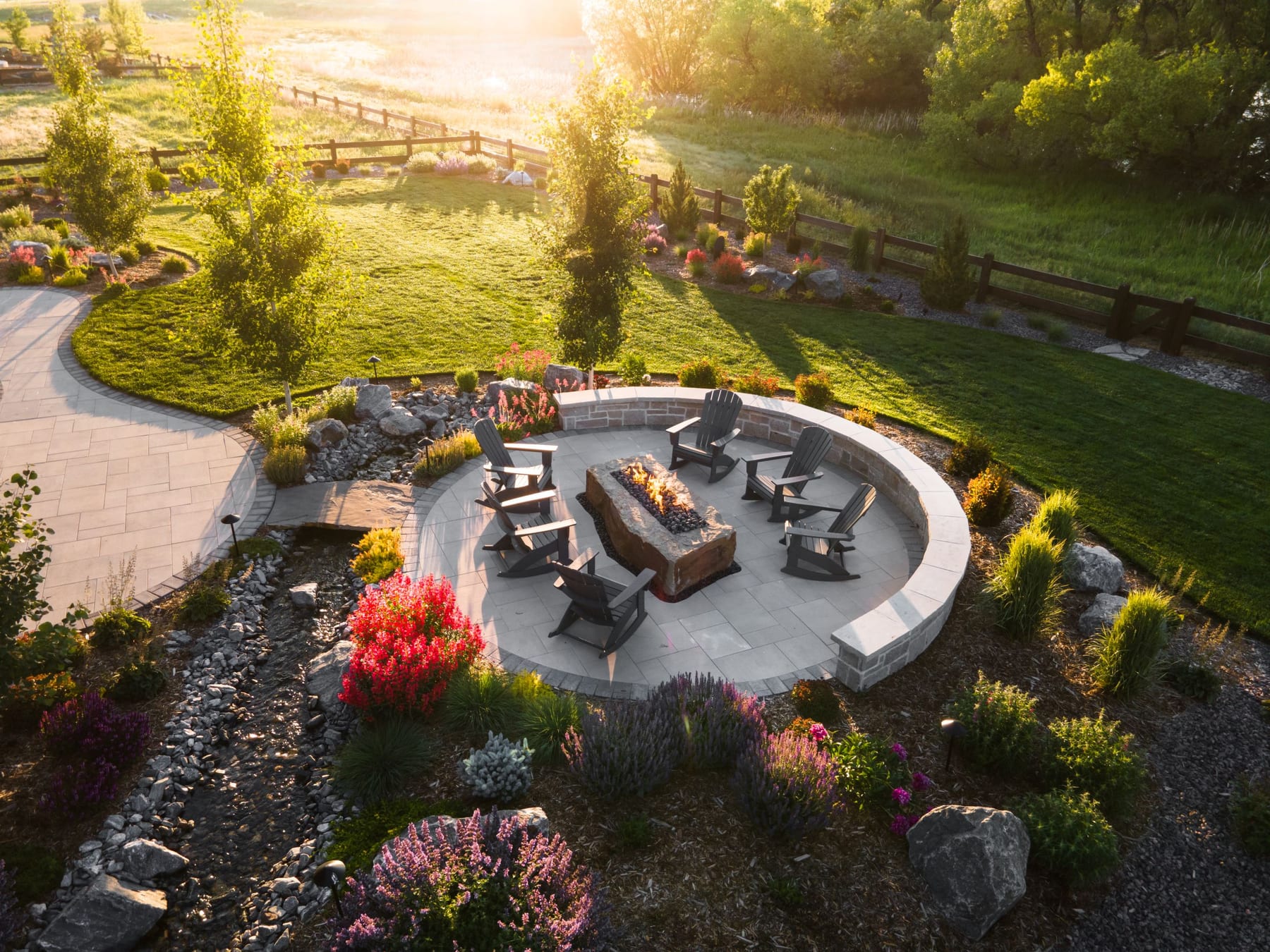
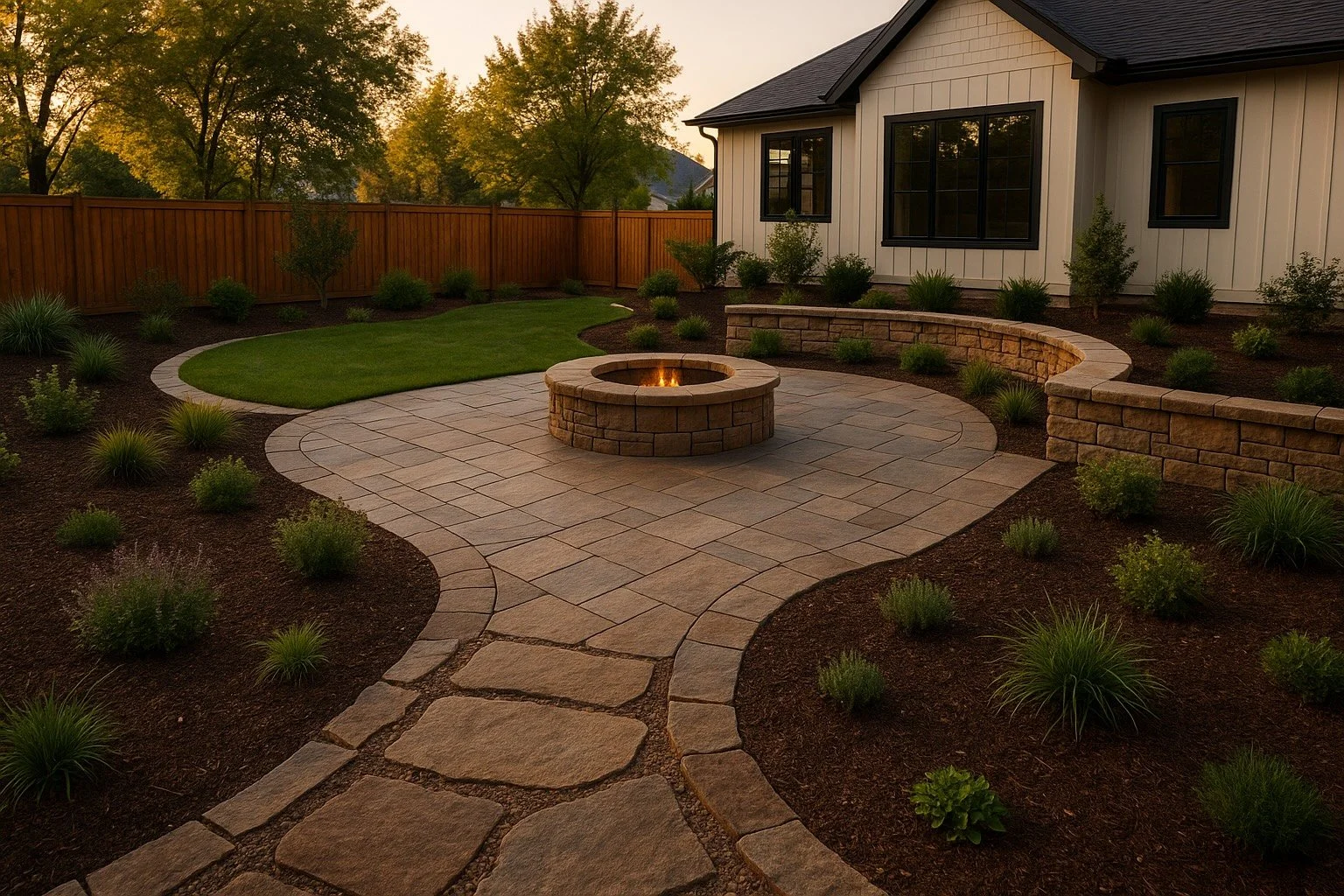
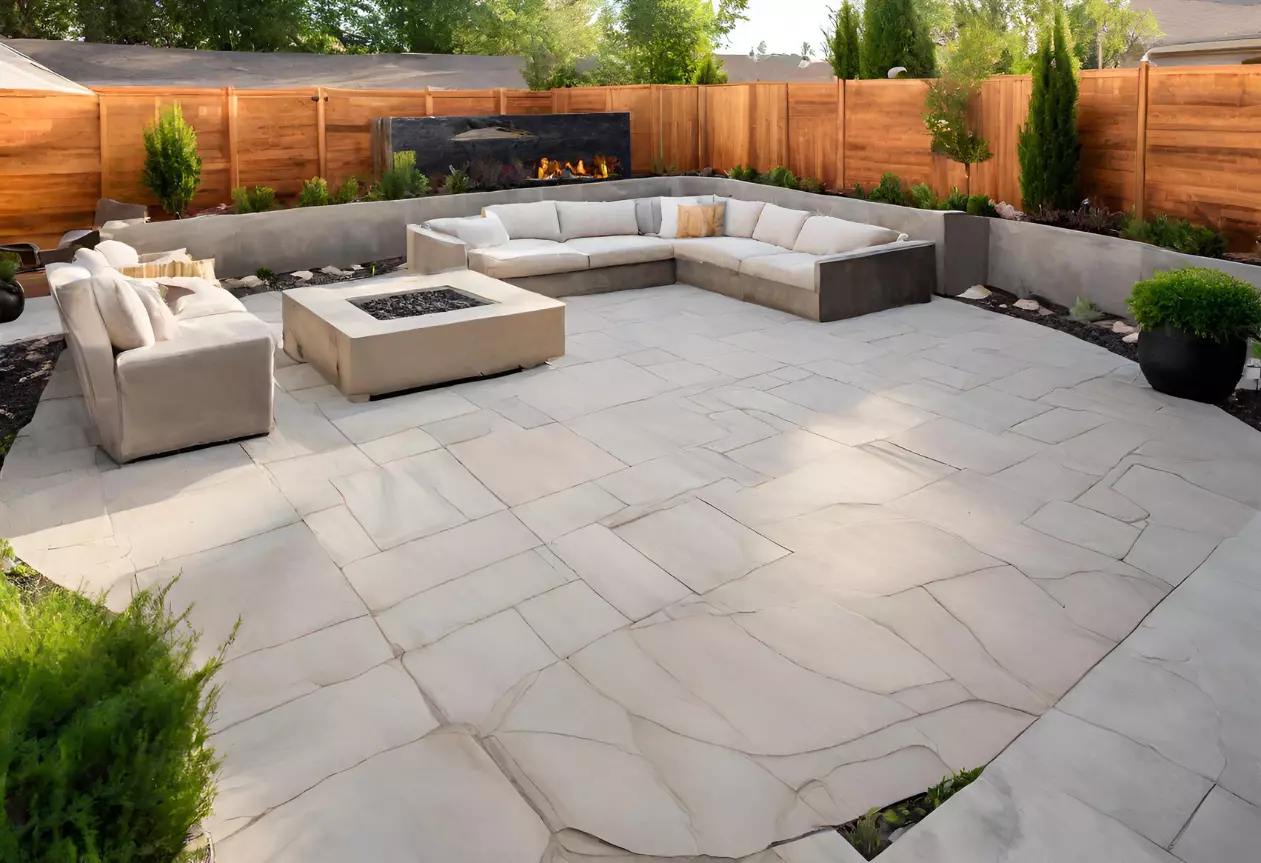
Physical staging. Chalking the perimeter and asking the homeowner to stand where the fire pit goes converts an abstract expense into a room they already occupy. The language shift is the tell: when a buyer stops saying "the patio" and starts saying "where we'd have everyone for dinner," the frame has moved from commodity to space.

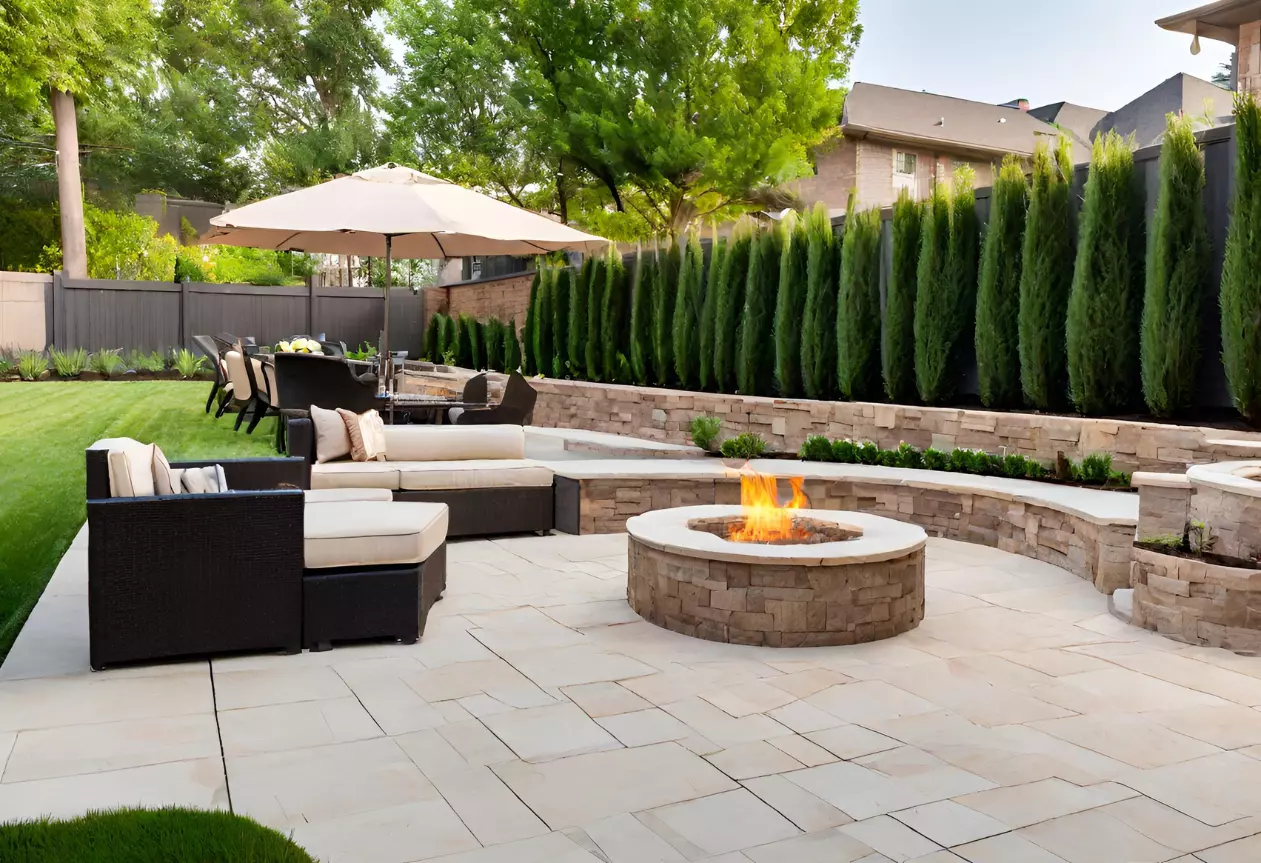
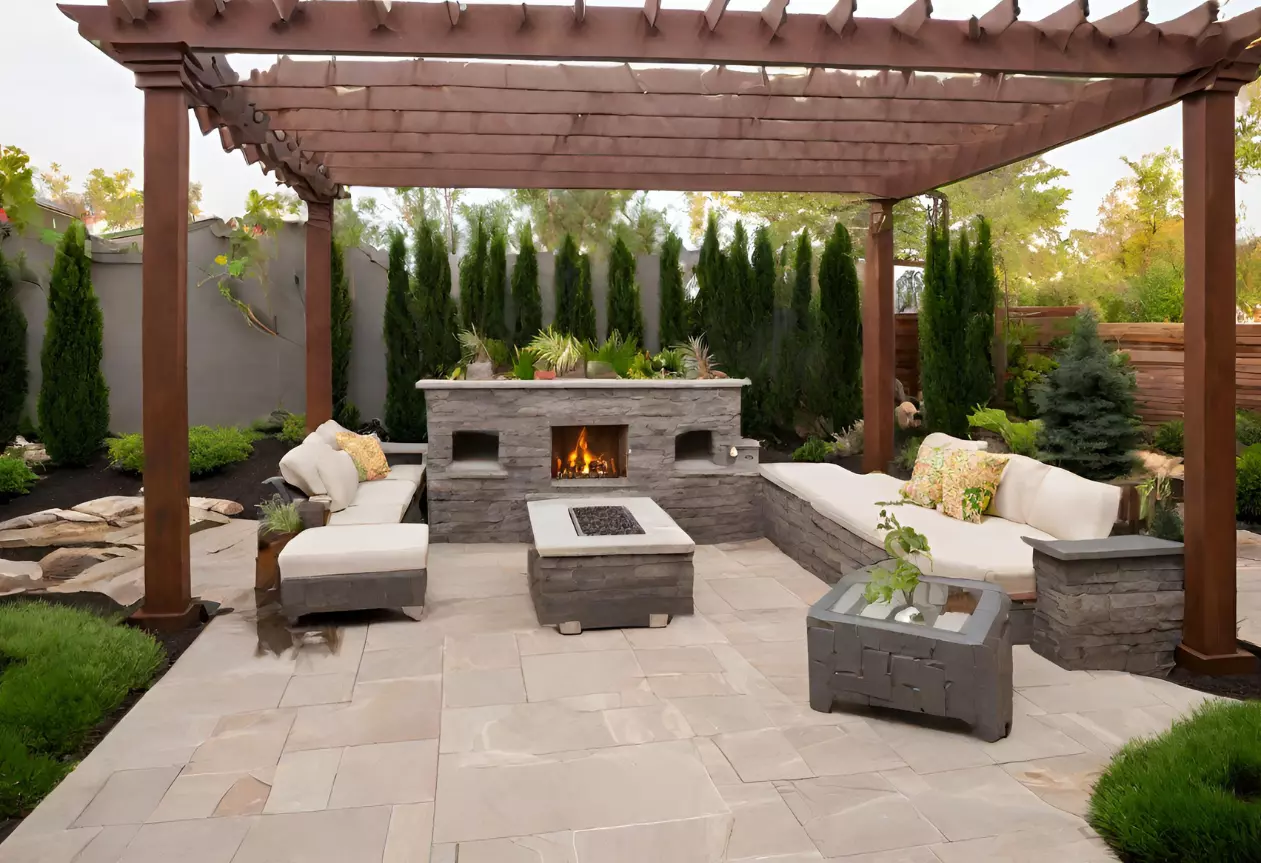
Option architecture. Three written builds — poured or stamped concrete at the entry rung, standard interlocking pavers in the middle, natural stone or premium pavers at the top — give the buyer a decision that isn't yes/no. Removing the yes/no is the entire point. The middle rung inherits the credibility of the top rung and the affordability contrast of the bottom.
Specification education. Walking the base spec out loud — excavation depth, aggregate lifts, compaction, edge restraint, slope away from the structure at roughly a quarter-inch per foot — arms the homeowner with questions to ask the next bidder. A rep who leaves behind three questions the cheap bid can't answer has effectively pre-disqualified it.
Payment framing. A five-figure lump sum and a monthly figure describe the same project and feel like different decisions. Presenting financing alongside the written builds lets the middle or top rung compete against a cheaper lump-sum bid on affordability, not just on quality.
Benchmarks and realistic ranges
Numbers make the training concrete, but they have to be honest or reps stop trusting the room. Use ranges, source them, and mark local variance explicitly.
Installed cost bands. Paver patio installations in most US residential markets fall in a band that varies widely by region, access, and site prep — coastal metros and difficult-access yards run materially higher than open suburban lots in low-cost regions. Stamped or poured concrete typically sits at the lower end, standard interlocking pavers in the middle, and natural stone such as bluestone or travertine at the top. Rather than quoting a national average that will be wrong for half the room, have each rep bring their own last five closed jobs and build the band from real company data. That exercise takes eight minutes and produces numbers nobody argues with.
Base construction specification. Industry guidance from the Interlocking Concrete Pavement Institute (now part of the Concrete Masonry & Hardscapes Association) calls for a compacted aggregate base whose depth depends on soil conditions and expected load — pedestrian patios require less than vehicular driveways, and poor-draining clay soils require more than well-drained sand. The practical coaching point is not a single magic number; it's that the depth is *specified per site*, that compaction happens in lifts, and that edge restraint is mandatory rather than optional. A bid that omits all three is not a cheaper version of your bid. It's a different product.
Drainage pitch. Slope away from the structure is a code-adjacent concern, not a preference. The International Residential Code addresses grading away from foundations, and a patio that pitches toward the house creates a water problem the homeowner will eventually pay far more to fix than the price gap between the two bids. Reps should treat this as a safety-and-liability talking point, delivered plainly, never as a scare tactic.
Consultation volume. In peak season a single design-sales rep running residential hardscape typically handles a handful of qualified in-home consults per week — enough that a swing of one or two closes per week compounds hard over a 20-to-30-week season. Build the arithmetic live on the whiteboard with the room's own numbers: consults per week × close rate × average ticket, first at their current emailed-quote performance, then at a modestly improved same-visit rate. Do not inflate the improved figure. A realistic, defensible lift is more persuasive than a dramatic one nobody believes.
Financing thresholds. Many contractors introduce financing on projects above roughly five thousand dollars, because below that the monthly reframe adds paperwork without changing the decision. Above it, the monthly number is frequently what lets the better or best rung survive a comparison against a cheaper lump sum. Know your lender's fee structure before the session — reps will ask what it costs the company, and "I'll find out" undercuts the whole segment.
Timeline honesty. Never quote a build duration before checking access, grade, and drainage. Equipment access is the most common hidden cost in residential hardscape: a backyard reachable only through a 36-inch gate changes excavation and material handling economics substantially, and discovering that after signing produces a change-order fight that costs more in referral damage than the job earned.
Risks, edge cases, and failure modes
The failure modes are predictable, which means they're trainable. Spend real minutes on these — a session that only teaches the happy path produces reps who freeze the first time a yard doesn't cooperate.
The price-match reflex. The single most damaging sentence a hardscape rep can say is "we can match their price." It converts every future number into an opening bid and tells the homeowner your specification was padding. The trained response is to hold the number and re-explain what it buys. If the company genuinely wants to compete on price, that's a pricing decision made in the office, not a concession made in a backyard under pressure.
Over-disparaging the competitor. There's a line between educating a buyer on base specification and trashing another contractor. Cross it and you look defensive, which is exactly the posture a low bidder wants you in. The clean form is to give the homeowner three questions to ask — base depth, edge restraint, joint sand type — and let the answers do the work. Never assert what a competitor did or didn't include; you haven't seen their proposal.
Site conditions discovered late. Poor drainage, a steep grade, buried utilities, tree roots, or a yard with no equipment access all change the number. Surfacing them on-site as explicit line items is uncomfortable and correct. Hiding them to keep the quote attractive guarantees a change order, and change orders on residential jobs are where reviews go to die. If a site genuinely needs a survey or a utility locate before a firm number, say so and schedule it rather than guessing.
Single-decision-maker consults. Presenting a five-figure investment to one spouse who then has to relay three material options from memory is a low-percentage play. Qualify for both decision-makers when booking. If only one is home, run the full design and education, then explicitly schedule a fifteen-minute joint review rather than handing over a proposal to be re-presented by an amateur.
The ladder collapsing. If a rep presents three options but visibly wants the buyer to pick one, the other two become theater and the buyer senses it. Every rung has to be a real, sellable build the company would happily execute. Never describe the entry rung as "the cheap one we do" — it insults anyone whose budget lands there and undermines the ladder's credibility for everyone else.
Financing framed as a hard sell. A monthly number presented as an affordability tool lands well; the same number pushed after a homeowner has said they'd rather pay cash reads as pressure. Offer it once, clearly, alongside the written builds. If declined, drop it entirely.
Seasonality and calendar pressure. "Spring calendars fill up" is true in most markets and therefore usable — but only if it's actually true for your company that week. Manufactured urgency is detectable and expensive. Use real schedule scarcity or don't use scarcity.
Deposit ambiguity. An agreement with no deposit is a maybe. Be explicit about what the deposit does (reserves the build slot, triggers the material order), what's refundable, and by when. Vague deposit terms generate disputes that consume more management time than the job's margin.
A practical rollout plan
Treat the 60 minutes as a fixed budget and spend it deliberately. This allocation has held up across similar trade-sales trainings — remodeling, roofing, and outdoor living all run comparable structures.
Minutes 0–5 — Frame the loss. Open with the specific way deals are lost: not to better salespeople, but to earlier written numbers on undifferentiated proposals. State the target behavior for the session in one sentence so nobody wonders where this is going.
Minutes 5–20 — The in-yard design ritual. This is the largest block and it should be the most physical. Have reps fill out a design sheet for a real upcoming consult: measured square footage, primary use (dining and grill, fire pit and seating, pool surround, walkway connector), features as separate line items, site conditions, and the three material rungs with their own price per square foot. Then run the chalk-and-stand exercise in the parking lot if you have chalk and pavement. Reps who physically do it once are far likelier to do it in a stranger's yard.
Minutes 20–30 — Specification and value defense. Walk base depth, compaction in lifts, edge restraint, drainage pitch, and joint sand. Read the "never say this" list aloud, slowly, and make reps say why each one is damaging. That inversion — explaining the harm rather than memorizing the prohibition — is what makes it stick.
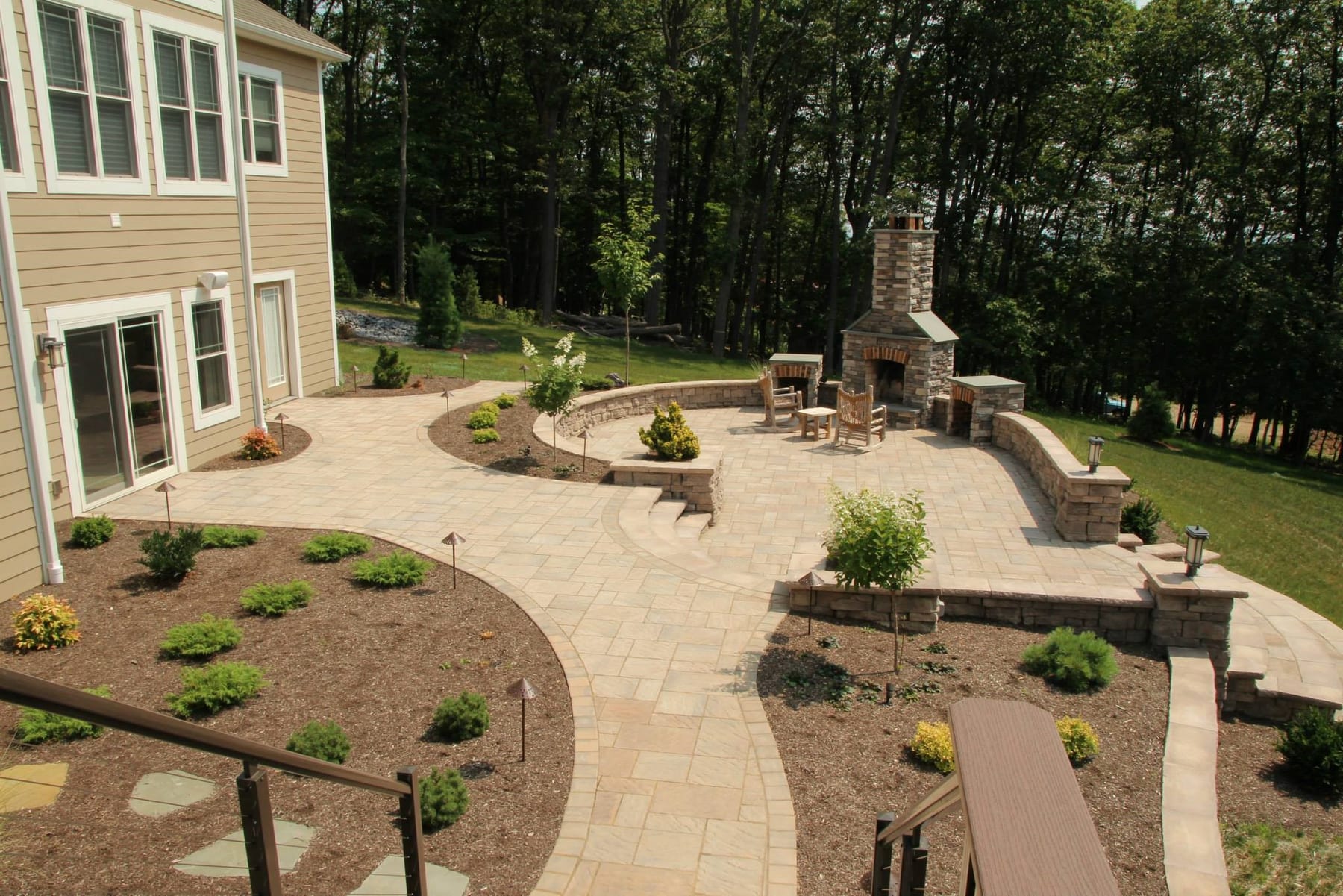
Minutes 30–40 — The written presentation and the ask. Reps practice sliding three written builds across a tailgate, staying silent while the buyer reads, then asking which one is their backyard. The silence is the hardest part and needs live repetition. Follow with the financing reframe and the deposit ask, phrased as two payment methods rather than a yes/no.
Minutes 40–55 — Objection reps. Pair up and run the four standard objections: the cheaper bid, more bids wanted, need to think about it, and match-his-price. Every rep speaks at least twice. Managers circulate and correct the price-match reflex on the spot.
Minutes 55–60 — Written commitments. Three lines, signed, on a card that lives in the truck: design in the yard with them standing in it, make base specification the centerpiece, present a written number and ask for the deposit before leaving. The manager inspects these three on ride-alongs for the next month.
Related questions
How does this training differ from a general sales training?
General sales training teaches discovery and objection handling in the abstract. This one is built around a physical ritual specific to outdoor construction — chalking a perimeter, explaining a buried base, and presenting on a tailgate. The vocabulary and the sequence are the training.
Can the same structure be used for decks, outdoor kitchens, or pools?
Yes, with substitutions. The design-in-place ritual, the good/better/best ladder, and the specification-education move all transfer directly. Swap base depth for framing and footing spec on decks, or equipment and circulation spec on pools.
What should managers inspect after the session?
Three binary questions per consult: was the perimeter chalked with the homeowner in it, were three written builds presented on site, and was a deposit asked for before leaving. Anything more granular gets ignored; anything less isn't inspectable.
Should the training be recorded for new hires?
Record the specification and objection segments — they're durable. Re-run the design ritual live for every new hire, because the physical rehearsal is what transfers and video does not reproduce it.
FAQ
How do I beat a bid that's half my price?
You don't lower your price, you raise the buyer's ability to evaluate. Give them three specific questions to ask the other contractor: how deep is the compacted base for this soil type, is edge restraint included, and what joint sand is specified. If those answers are vague, the homeowner draws the conclusion themselves — which is far more durable than you asserting it.
Should reps always present all three material options?
Present three whenever the site supports all three. The ladder anchors the middle rung and converts a yes/no into a which-one. The exception is a site where a rung is genuinely unsuitable — a heavily shaded, poorly drained yard where you would not install a particular product. Never present an option you wouldn't build.
What if the yard has bad drainage or a steep slope?
Surface it on-site as its own line item with its own number. Grading, drainage, and retaining work are real costs, and burying them to keep the headline price attractive creates a change-order conversation that damages the relationship. Homeowners tolerate honest complexity far better than surprise invoices.
Do reps need to offer financing on every patio?
Offer it on projects large enough that the monthly reframe changes the decision — for most contractors that's the five-thousand-dollar-and-up range. Present it once, alongside the written builds, and drop it immediately if the buyer prefers to pay cash. Know your lender's dealer fee before the session so reps can answer the margin question.
The homeowner only wants stamped concrete to save money — should reps push pavers?
Educate, don't push. Explain how poured concrete cracks at and between control joints while individual pavers flex with frost and can be lifted and reset. Present both in writing with honest lifecycle framing, then let the buyer choose. A well-built concrete patio you sold honestly generates referrals; a pressured paver sale generates a review problem.
What's the single most important thing to explain at a consultation?
The base. Everything visible about a patio depends on what's under it, and it's the one component a homeowner can never inspect. Making the compacted base and edge restraint the centerpiece of the conversation is what stops price from being the only axis of comparison.
Sources
- Concrete Masonry & Hardscapes Association (formerly ICPI) — technical specifications for segmental pavement base construction and edge restraint: https://masonryandhardscapes.org/
- National Association of Landscape Professionals — industry standards, certification, and contractor professionalism resources: https://www.landscapeprofessionals.org/
- American Society of Landscape Architects — residential design and site grading guidance: https://www.asla.org/
- International Code Council — International Residential Code, foundation drainage and site grading provisions: https://www.iccsafe.org/
- U.S. Small Business Administration — guidance on pricing, estimating, and customer contracts for contractors: https://www.sba.gov/
- Consumer Financial Protection Bureau — consumer guidance on home improvement financing and contractor payment terms: https://www.consumerfinance.gov/
- Federal Trade Commission — Cooling-Off Rule and home solicitation sales requirements: https://www.ftc.gov/
- U.S. Bureau of Labor Statistics — Occupational Outlook Handbook, landscaping and grounds maintenance occupations: https://www.bls.gov/ooh/
Related on PULSE
- [60-Min Sales Training: Slide Deck Design for Sales](/knowledge/st0451)
- [The Sales Kickoff Design Reboot — 60-Min Training](/knowledge/st175)
- [Web Design Agency Project Pitch — 60-Min Training](/knowledge/st370)
- [The Outbound Sequence Design Reboot — 60-Min Training](/knowledge/st178)
- [Sales Forecasting Accuracy: Template for a Team Meeting Focused on Data Hygiene](/knowledge/st0796)
- [Selling with Stories: Narrative Structure Template for a 45-Minute Sales Workshop](/knowledge/st0792)
This page will be disappearing soon. Save it to your device for $1 — or read it free while it is here.
@Kory-White- · if Venmo asks, the last 4 of my number are 2012
 sales-trainingConcrete and Foundation Repair Sales — 60-Min Training
 sales-trainingWater Treatment and Softener In-Home Sales — 60-Min Training
 sales-trainingHome Standby Generator Sales — 60-Min Training
 sales-trainingReplacement Window In-Home Sales — 60-Min Training
 sales-trainingKitchen and Bath Remodel In-Home Sales — 60-Min Training
 sales-trainingFence Installation Sales — 60-Min Training
 sales-trainingPool and Spa Installation Sales — 60-Min Training
 sales-trainingResidential Painting Estimate-to-Close — 60-Min Training
 sales-trainingGarage Door Installation Sales — 60-Min Training
 sales-trainingGutter and Gutter-Guard In-Home Sales — 60-Min Training