
Bottled-Water Delivery Selling — 60-Min Training
 Curated byKory White · Fractional CRO · Maryland
 PULSEKNOWLEDGE LIBRARY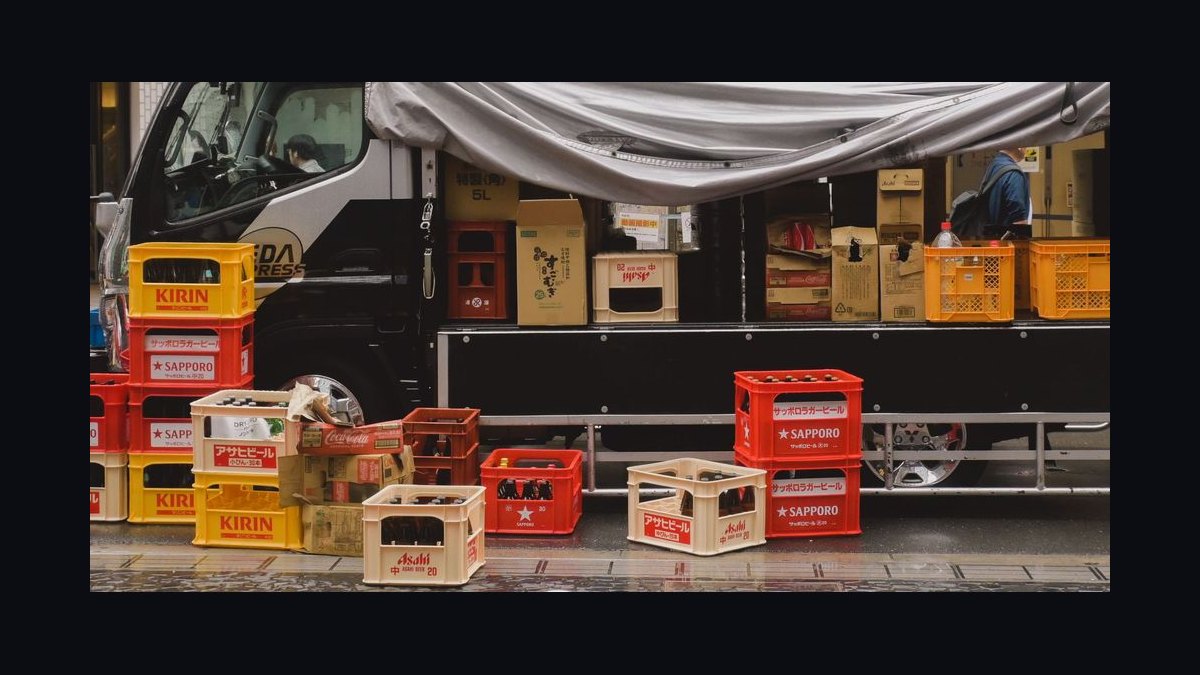
This 60-minute Bottled-Water Delivery Selling Training reframes reps from quoting a per-bottle price to selling a placed cooler and a scheduled service: a fast on-site consumption survey, a delivered-convenience pitch, a signed service agreement with a real delivery date, and a Day-60 review. Selling the route instead of the bottle is what makes these sales retain.
What it is and why it matters
A 5-gallon jug is a commodity. Whether it comes off a warehouse-club pallet or a route truck, the water inside is functionally identical, and any rep who competes on that jug alone is competing on the one dimension where a big-box retailer always wins: shelf price. This Training exists to break that instinct in the first five minutes, because the actual product being sold in a Bottled-Water Delivery relationship isn't the water — it's the removal of a recurring chore. Nobody drives to a store to restock, nobody carries a 42-pound case up three flights, and nobody discovers an empty cooler ten minutes before a client walks in. Selling begins the moment a rep can articulate that distinction out loud, unprompted, before a prospect ever asks about price.
The reason this matters beyond a single sale is structural. Water Delivery shares its economic engine with every other placed-asset recurring-service category — propane tanks, pest-control bait stations, HVAC filter subscriptions, even managed coffee and snack programs in breakrooms. In every one of these, a physical unit sits on the customer's property, and the entire revenue stream depends on a route running on schedule. One missed stop doesn't cost a single delivery fee; it teaches the account that the promise behind the contract is unreliable, and in an office setting that story gets repeated to the next vendor who calls asking why the account switched. That's a materially different risk profile than a one-time purchase, and reps who've mostly sold transactional products under-invest in exactly the parts of the pitch — cadence-setting, service-agreement clarity, post-sale check-ins — that keep a route account alive past its first quarter.
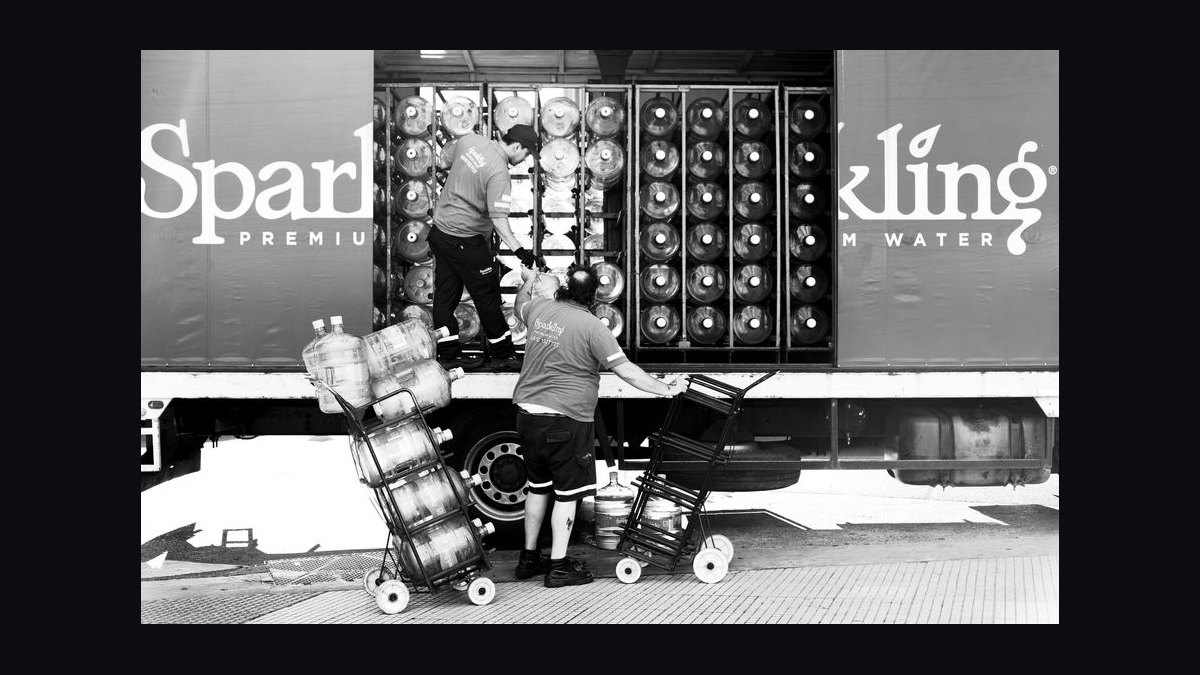
The commercial case for spending an hour on this Training is straightforward once it's on a whiteboard. A modest office account of roughly two dozen employees, drinking through about six 5-gallon bottles a week, generates somewhere in the $2,800-to-$3,200-a-year range in blended recurring revenue once cooler rental is folded into delivered pricing. Landing even three or four accounts like that per week puts a rep on pace for a route worth mid-six-figures annually within a year — but only if those accounts survive, which is the entire argument for treating retention mechanics as core Selling skill rather than something a separate service team cleans up later.
Three frameworks underpin the session. Neil Rackham's SPIN model supplies the discovery skeleton — situation, problem, implication, need-payoff — compressed here into a ten-minute consumption-and-source survey a rep can run standing in a breakroom. Robert Cialdini's commitment-and-consistency principle explains why a small early yes (agreeing to the survey, accepting a trial drop) makes the bigger service-agreement ask land more easily; people work to stay consistent with commitments they've already made, however small. And IBWA (International Bottled Water Association) service and sanitation standards give reps defensible, industry-recognized language, which matters because water buyers ask pointed source-and-sanitation questions far more often than buyers of most other recurring services, and a rep who fumbles that question loses credibility for the rest of the pitch.
The step-by-step process
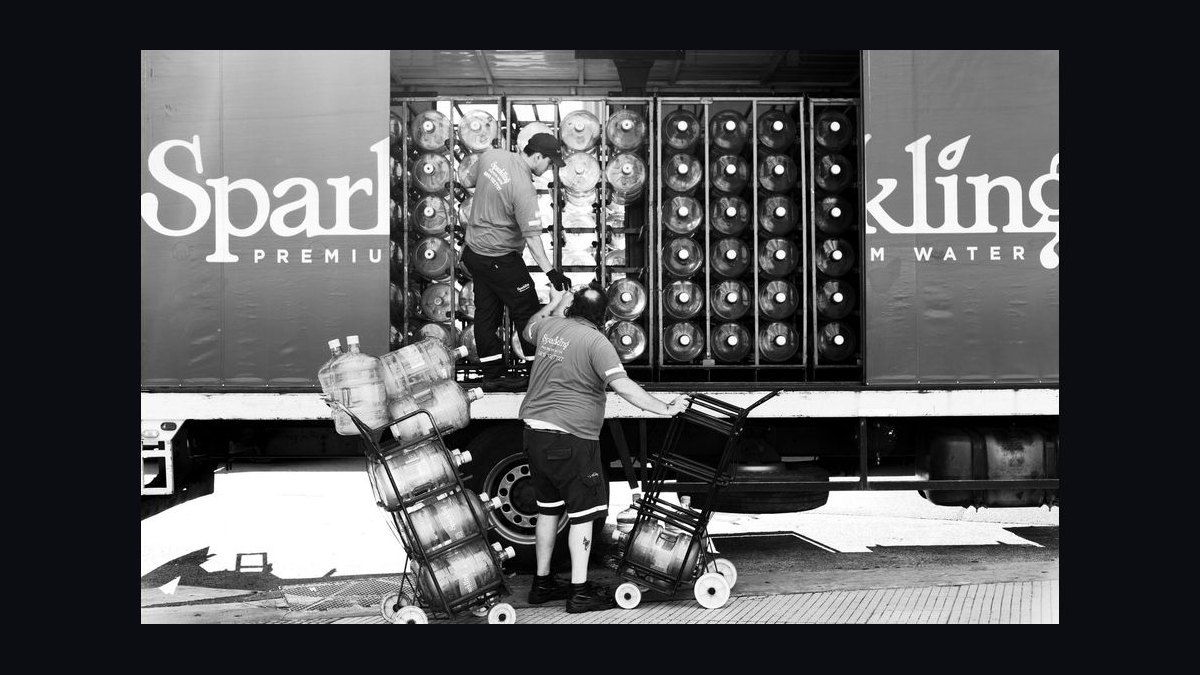
The Training runs as a tight four-step loop, and reps are told explicitly not to compress or reorder it — skipping ahead to price before discovery finishes is the single most common way a close gets sabotaged before it starts.
Step one: book the survey with the actual decision-maker. In an office that's the office manager, not the first person who answers the door; in a home it's the person who controls the household budget. A survey run with the wrong person produces a consumption estimate nobody trusts later and a cooler placement nobody actually owns, and the whole proposal stalls right there.
Step two: run the consumption-and-source survey on-site. The rep estimates weekly bottle volume from headcount and current source — store-bought cases, tap-and-pitcher, a competitor's Delivery route, or an existing plumbed filter — while noting visible pain points: cases hauled from a car trunk, a cooler that's dry by Wednesday, lukewarm tap water served at a client meeting. The rep also checks the physical constraints that determine what can even be installed: floor space for a hot-and-cold unit, an accessible power outlet, and drain access if a plumbed, bottle-free filtration system is on the table.
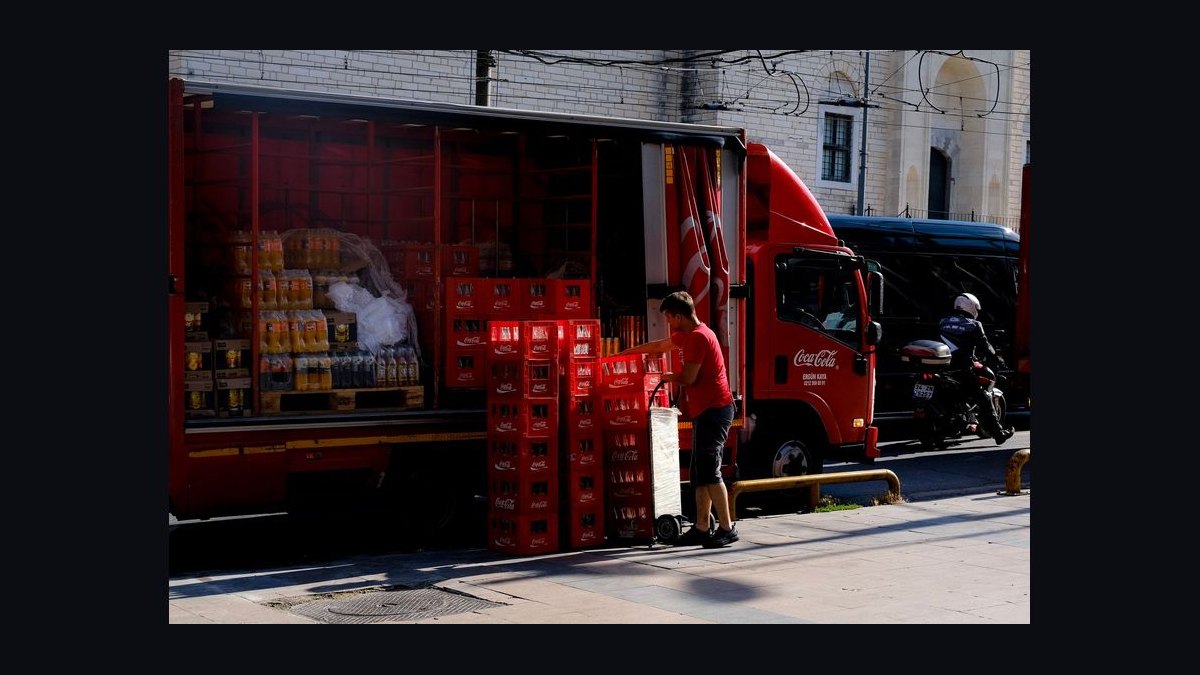
Step three: pitch delivered convenience, never a bottle price. The rep leads with the scheduled cadence, the sanitized and placed cooler, and a never-run-out guarantee, then — only if a cost comparison comes up — anchors against the *true* cost of store-bought water: the drive time, the lifting, the risk of running dry mid-meeting. A naked per-bottle number invites a losing comparison to a warehouse club; a total-cost comparison doesn't.
Step four: close a signed service agreement with a real delivery date, then calendar a Day-60 delivery review before leaving the building. That review isn't a courtesy call — it's the mechanism that catches a cadence mismatch, in either direction, before it curdles into a cancellation.
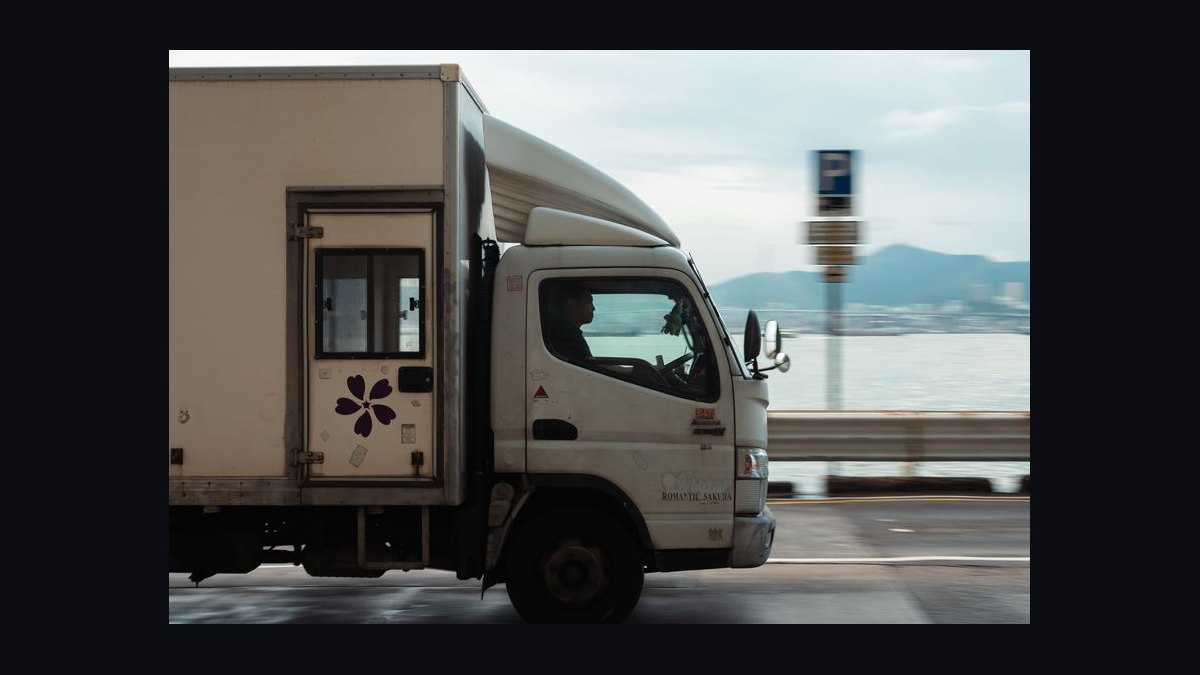
Reps who fold survey and close into a single ten-minute visit tend to under-price and mis-cadence the account, because they never actually counted consumption — they guessed. The extra five minutes of measured discovery routinely pays for itself many times over, since a correctly-sized delivery interval is the single biggest lever on whether the account is still active a year from now. This same discipline transfers almost unchanged to adjacent route businesses: a propane Delivery rep sizing a tank against a household's heating-degree-days, or a pest-control rep counting entry points before quoting a quarterly service plan, is running the identical survey-before-pitch sequence.
Costs, timelines, and typical ranges
Water buyers do their own napkin math constantly, so reps need real numbers, not vague reassurance.
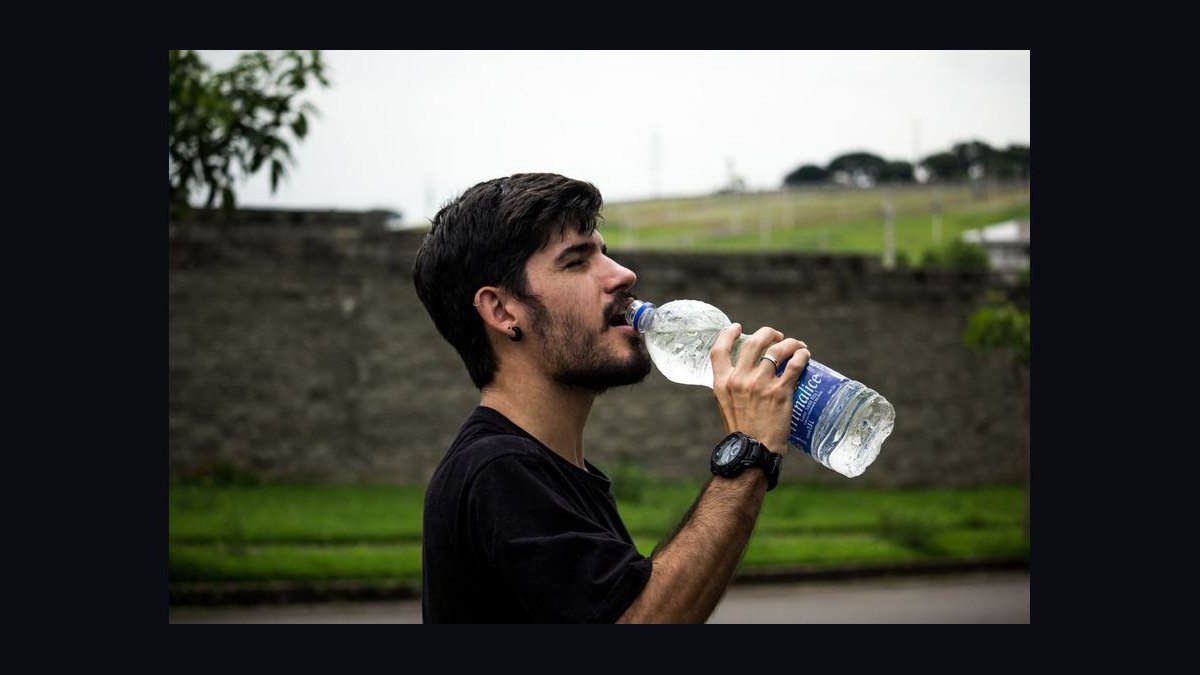
Pricing. Blended delivered pricing for a 5-gallon bottle typically lands near $9 once route costs and cooler rental are folded in, though this varies by region and route density. At roughly six bottles a week for a mid-size office of about 25 people, that works out to close to $60 a week, around $260 a month, and near $3,000 a year in recurring revenue from a single account. Plumbed, bottle-free filtration units are usually priced as a flat monthly rate instead, which appeals to accounts that want to eliminate bottle handling entirely — no storage closet, no stack of empties, no lifting — in exchange for giving up some of the margin available on bottled service.
Timeline from first contact to first delivery. Agreement signing typically happens in week one, with cooler placement and the first delivery landing in week two. That gap isn't slack in the process — routes are built around fixed days, and a new stop has to be slotted into an existing driver's schedule rather than invented on demand. The first three or four deliveries should be treated as a live cadence test: if the cooler runs dry before the next scheduled drop, shorten the interval; if bottles are stacking up in a closet, lengthen it.
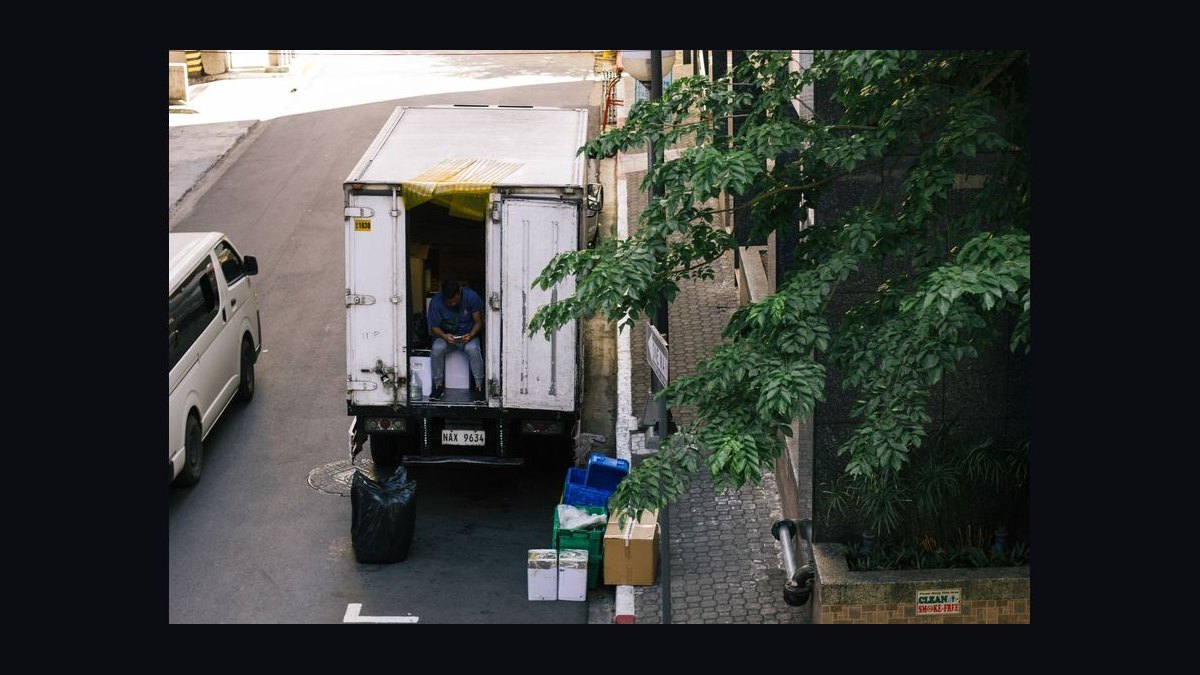
Why the early timeline is non-negotiable. A missed first delivery is disproportionately damaging, because a brand-new account hasn't built any trust reserve — a single early miss reads as "this is what the service is actually like" rather than as an isolated slip. IBWA member operators consistently report that missed deliveries and cooler cleanliness outrank price as cancellation drivers. That's a useful number to put in front of a rep who assumes price is the whole game: it isn't, and treating it as the whole game is how a route fills up with accounts that churn out inside a single quarter.
Rep economics. A rep closing three qualified accounts a week, each worth roughly $3,000 in annual recurring revenue, is building toward a route in the neighborhood of $450,000 to $500,000 in annual revenue within a year — provided retention holds. That caveat is doing real work: the number only materializes if accounts stay on the books, which loops straight back to why the Day-60 review is retention infrastructure, not a nice-to-have follow-up call. The same math applies, with different unit prices, to propane accounts sized by tank capacity or pest-control accounts sized by service frequency — the lever is always retained recurring revenue per stop, not the size of any single sale.
Where teams get it wrong
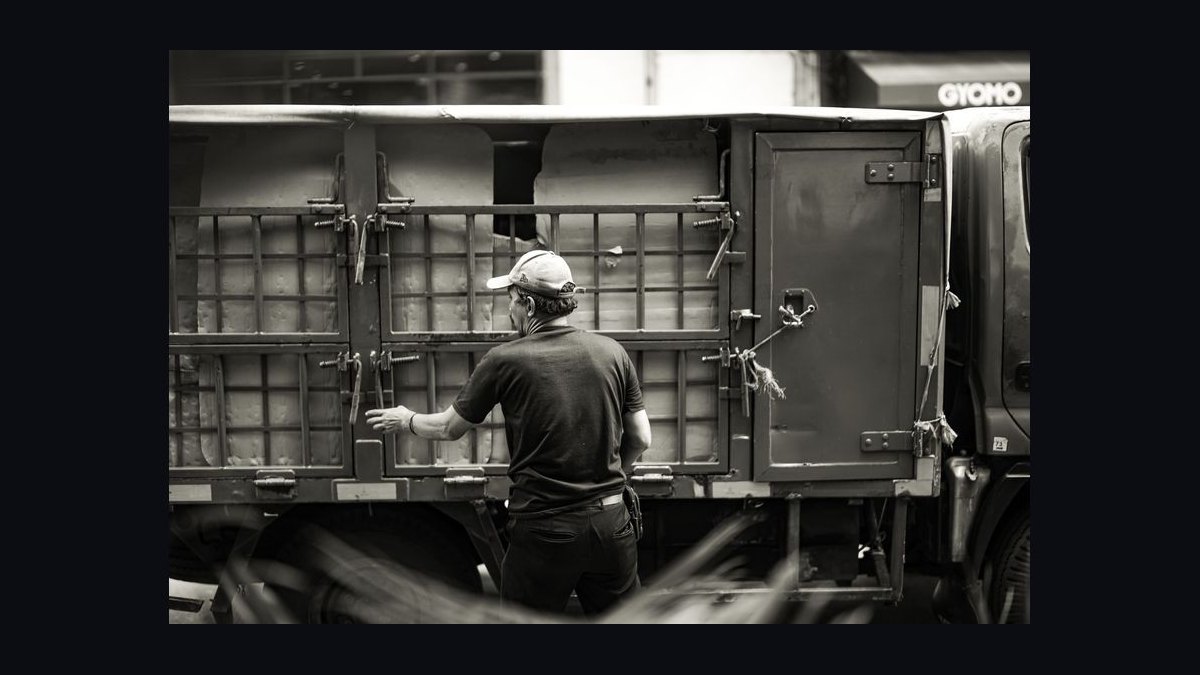
The most common failure is competing on the bottle instead of the service. A rep who opens with "how much do you want to spend on water" has anchored the whole conversation on a number a warehouse club will always undercut, since the club carries no driver, no route, and no sanitization schedule to fund. Once a prospect is thinking in price-per-bottle terms, walking them back to a convenience frame mid-pitch is an uphill climb — it's far easier to never open that door in the first place.
A second failure is skipping or rushing discovery. Under time pressure, reps sometimes eyeball consumption instead of running the actual survey, and the resulting cadence is wrong in one direction or the other. Overstocked accounts feel oversold and start questioning the relationship; understocked accounts run dry mid-week and start shopping competitors out of sheer frustration. Both trace back to a five-minute survey step that got skipped to save five minutes.

A third failure is closing without a real delivery date. An agreement that says "we'll figure out the schedule" isn't actually closed — it's a soft yes that never becomes a route stop, because routes are planned in advance and a driver can't absorb an undefined new account into tomorrow's list. The close has to end with a specific week and a named driver, not a vague promise to follow up later.
A fourth, and often the most expensive, failure is treating the sale as finished at signature. Teams that skip the Day-60 review are effectively betting that the cadence guessed at survey time stays correct as headcount or habits shift. It usually doesn't stay perfectly correct, and the review is the cheap, scheduled way to catch drift before customer frustration becomes a cancellation call. Propane Delivery and pest-control operators have learned the identical lesson: the moment of sale is never the moment retention gets decided.
A fifth, subtler failure is apologizing for the service-agreement term itself. Reps sometimes soft-pedal contract length as if it's a downside to be minimized, when it's actually what locks the customer's rate and guarantees a slot on the route during high-demand seasons. Treating the term as protection rather than an inconvenience signals genuine confidence in the service, and prospects notice the difference.

Decision framework: when to choose what
Not every account should be sold the same configuration, and part of the Training is giving reps a fast, repeatable way to route a prospect toward bottled cooler service versus a plumbed, bottle-free filtration unit versus a residential rather than commercial cadence — instead of defaulting to whatever the rep is most comfortable pitching.
The first fork is physical: does the location have accessible water-line and drain access near a plausible install point? If not, bottled cooler service is the only real option regardless of preference, since a plumbed unit can't be installed without those two things. If line and drain access exist, the decision shifts to the customer's stated preference — some buyers actively want the flexibility of movable bottled coolers (easy to relocate during an office remodel, no plumber required for install), while others want bottle handling gone entirely and will pay a flat monthly rate for a unit that taps the existing line and never runs dry.
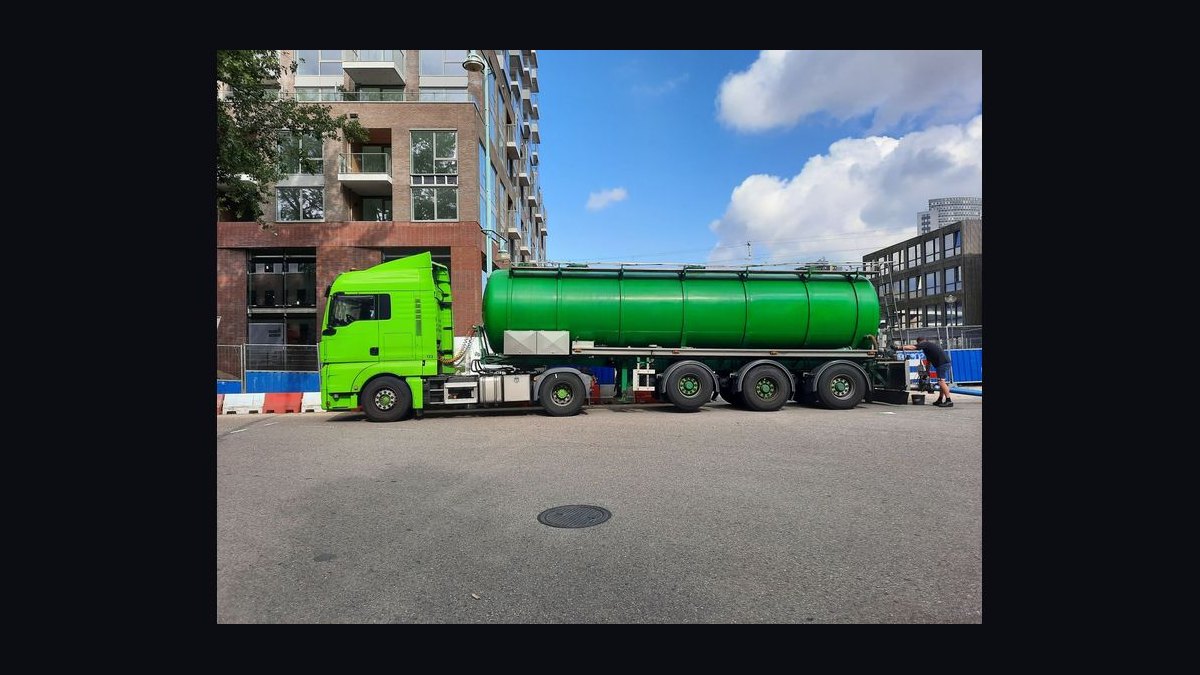
The second fork is account type. Commercial accounts with fluctuating headcount (seasonal staff, hybrid work schedules) benefit from a slightly shorter initial review cycle than the standard 60 days, since consumption swings faster than in a stable household. Residential accounts, by contrast, tend to have more predictable weekly consumption and can safely run the standard Day-60 cadence. Reps are trained to ask about headcount volatility during the survey specifically because it determines which review cadence to calendar, not just which product to recommend.
Reps who skip this framework and pitch bottled service by default sometimes lose winnable accounts to a competitor who correctly identified a plumbed-filter opportunity — and conversely, pushing a plumbed unit onto an account without drain access creates an install failure that damages credibility before the relationship even begins. The five extra questions this framework requires are cheap insurance against both mistakes.
Related questions
How is a water route different from a one-time cooler purchase?
A purchase ends at the sale; a Delivery route is recurring — scheduled drops, sanitization, and a never-run-out promise. The service agreement and cadence, not the bottle, are the actual product being sold.
Should reps ever quote a price per bottle at all?
Only after the convenience frame is set. Leading with a bare per-bottle number invites a losing comparison to retail; quoting it after total cost is established anchors the buyer correctly.
What triggers most water-account cancellations?
Missed deliveries and unclean coolers outrank price as cancellation drivers, per IBWA member reporting. Reliability and sanitation protect an account far more than shaving the rate.
Does this Training apply outside bottled water?
Yes — the survey-pitch-agreement-review loop maps directly onto propane Delivery, pest control, and other placed-asset recurring services where a physical unit sits on the customer's property.
What's the fastest way to lose credibility with a water prospect?
Guessing consumption instead of surveying it, or promising a delivery day the route can't actually support. Both erode trust before the first bottle is dropped.
FAQ
What if the prospect insists the store is cheaper? Agree on the sticker price, then reframe to total cost — the drive, the hauling, and the risk of running dry before a meeting. Delivered convenience wins once the real cost is counted, not the shelf price alone.
When should a rep recommend a plumbed filter instead of bottle Delivery? When the building has line and drain access and the customer wants to eliminate bottle handling entirely. Bottle-free units tap the existing line for a flat monthly rate and never run dry, trading bottled flexibility for zero handling.
How does a rep beat an incumbent Delivery competitor? Compete on reliability and cooler sanitation, not price — those outrank cost as the top reasons accounts actually switch providers, according to IBWA member operators, far more than a few cents per bottle.
What happens if the office manager won't meet for the survey? Reschedule. A survey without the actual decision-maker produces a consumption estimate nobody trusts and a cooler placement nobody owns, which stalls the proposal before it's built correctly.
How soon should the account be reviewed after placement? At the 60-day mark by default, sooner for accounts with volatile headcount. That review confirms the delivery cadence still matches actual consumption and lets the rep adjust before the customer runs out or accumulates overstock.
Is the service-agreement term a downside to soften in the pitch? No — it locks the customer's rate and guarantees their delivery slot on the route. Framing the term as protection, not an inconvenience, keeps the rep's confidence in the service visible to the buyer.
Sources
- Neil Rackham, *SPIN Selling*, McGraw-Hill, 1988.
- Robert Cialdini, *Influence: The Psychology of Persuasion*, Harper Business, revised edition 2021.
- International Bottled Water Association (IBWA), Bottled Water Code of Practice — bottledwater.org
- Jeb Blount, *Fanatical Prospecting*, Wiley, 2015.
- Mike Weinberg, *New Sales. Simplified.*, AMACOM, 2013.
- Anthony Iannarino, *The Lost Art of Closing*, Portfolio/Penguin, 2017.
- Daniel H. Pink, *To Sell Is Human*, Riverhead Books, 2012.
- Brian Tracy, *The Psychology of Selling*, Thomas Nelson, 2004.
Related on PULSE
- Propane and Fuel Delivery Account Selling — 60-Min Training
- The Sandler Selling System: Ready-to-Run Mini-Training for New Hires
- Selling with Stories: Narrative Structure Template for a 45-Minute Sales Workshop
- Leveraging Social Selling: Hands-On Activity Template for a Remote Team Session
- The Consultative Selling Blueprint: Facilitator's Guide for a 45-Minute Workshop
- Trust-Based Selling Exercises: Facilitator Guide for a 60-Minute Team Workshop
This page will be disappearing soon. Save it to your device for $1 — or read it free while it is here.
@Kory-White- · if Venmo asks, the last 4 of my number are 2012
 sales-trainingUniform and Linen Route Selling — 60-Min Training
 sales-trainingIndustrial MRO Distribution Selling — 60-Min Training
 sales-trainingCommercial Plumbing Service Agreement Selling — 60-Min Training
 sales-trainingOffice Coffee Service Selling — 60-Min Training
 sales-trainingPropane and Fuel Delivery Account Selling — 60-Min Training
 sales-trainingDocument Shredding Service Selling — 60-Min Training
 sales-trainingYoga and Pilates Studio Membership Selling — 60-Min Training
 sales-trainingSnow Removal Contract Selling — 60-Min Training
 sales-trainingAuto Detailing Package and Membership Selling — 60-Min Training
 sales-trainingLawn Care Subscription Selling — 60-Min Training