
The Win-Loss Interview Question Bank — 60-Min Training in 2027
 Curated byKory White · Fractional CRO · Maryland
 PULSEKNOWLEDGE LIBRARY
A win-loss Interview Question Bank is a structured set of 40–60 questions used in 60-minute buyer debriefs to uncover why deals were won or lost. In 2027, run it as a repeatable Training: two interviewers, one buyer, recorded calls, and a scored Question set covering decision criteria, competition, sales experience, and timing.
The two options compared: in-house question bank versus outsourced win-loss program
When a revenue team decides to stand up win-loss Interview capability in 2027, the first fork in the road is build versus buy. Both paths end at the same deliverable — a written Question bank, a Training cadence, and a stream of Loss findings fed back into sales — but they differ sharply in cost, speed, bias, and shelf life.
The in-house option means your own RevOps or product marketing team owns the entire loop. You draft the Question bank, recruit buyers, run the 60-minute Interview, code the transcripts, and present findings to leadership. The outsourced option hands the Interview and analysis to a third-party research firm or an independent win-loss consultant, who brings a pre-built Question bank, trained interviewers, and a reporting template. A hybrid sits in the middle: you keep the Question bank and buyer relationships, but a neutral moderator runs the calls so buyers speak more freely.
The single biggest variable is bias. When a rep or their manager asks a buyer "why did you choose us," the buyer is polite. They say "better fit" or "stronger team." That answer is nearly worthless for Loss analysis. A neutral third party or a non-quota-carrying researcher hears the real reason: "your implementation timeline was six weeks longer than the competitor's and we had a board deadline." This is why the outsourced and hybrid models exist — not because in-house teams lack skill, but because buyers self-censor when the seller is in the room.
The second variable is speed to first insight. An outsourced firm with a mature Question bank can typically deliver a first readout in three to five weeks from kickoff. An in-house program starting from zero usually needs eight to twelve weeks: two to three weeks to build and pilot the Question bank, two weeks to recruit buyers, two weeks to run the 60-minute Interview sessions, and two to three weeks to code and write up. If your board wants Loss answers this quarter, that timeline gap matters.
The third variable is cost structure. Outsourced win-loss programs are usually priced per study or per Interview, with a typical engagement covering 20 to 40 buyer conversations. In-house costs are mostly internal labor: roughly 0.3 to 0.5 of a full-time employee to run a steady-state program of 10 to 15 Interviews per quarter, plus tooling for call recording and transcript coding. The outsourced path front-loads cash; the in-house path front-loads time and depends on someone actually doing the work every quarter.

The fourth variable is longevity. A Question bank you build in-house becomes an asset you can reuse, refine, and extend for years. It encodes your specific deal stages, your competitive set, and your buyer personas. A vendor's Question bank is generic by design — it has to work across dozens of clients — so it may miss the nuances of your market. Many mature teams start outsourced for the first two studies, then bring the Question bank in-house once they know which questions actually produce signal.
A practical middle path that many 2027 RevOps teams land on: buy the first study to get a neutral baseline and a proven Question bank, then run an internal Training program that reuses those questions with a rotating neutral moderator drawn from product marketing or customer success — someone with no quota and no stake in the deal outcome.

How to decide between them
The decision tree above is deliberately simple because the underlying logic is simple. If speed and neutrality are the binding constraints, outsource. If budget and long-term ownership are the binding constraints, build in-house and immediately fix the bias problem by assigning a moderator who does not carry a sales number. The worst outcome is an in-house program run by the same rep who lost the deal — buyers will not tell that person the truth, and the Loss findings will be soft.
One more decision input: deal volume. If you close fewer than roughly 50 deals a quarter, a full outsourced study may not have enough sample to be statistically meaningful, and the per-Interview cost feels high. In that case, build the Question bank in-house and run a lean Training: 8 to 12 Interviews per quarter, focused on your largest or most strategic Loss deals. If you close hundreds of deals a quarter, sampling matters — you cannot Interview every buyer, so you need a stratified sample across segment, region, and outcome, which is where an outsourced firm's methodology earns its fee.
Concrete numbers behind each option
Numbers make the build-versus-buy decision concrete. The figures below are planning ranges that RevOps teams commonly work with, not vendor quotes — treat them as budgeting anchors and validate against your own market.
Question bank size. A working win-loss Question bank holds 40 to 60 questions, but a single 60-minute Interview uses only 12 to 18 of them. The rest are alternates, segment-specific variants, and follow-up probes. Building the initial bank takes roughly 20 to 30 hours of drafting and piloting. Refining it after each study takes 2 to 4 hours.

Interview length and count. The 60-minute format is standard because it fits a buyer's calendar block and yields 35 to 45 minutes of usable content after intros and wrap-up. A meaningful study runs 20 to 40 Interviews. A lean quarterly Training runs 10 to 15. Below 8 Interviews, themes are anecdotes, not patterns.
Recruitment rates. Expect a 20 to 35 percent response rate when a neutral party invites buyers to a 60-minute Interview, and 10 to 20 percent when the account executive invites them. Offering a charitable donation or a modest gift card in the $50 to $100 range typically lifts response by 5 to 10 percentage points. Recruiting 30 Interviews usually means inviting 120 to 180 buyers.
Time to first insight. Outsourced: 3 to 5 weeks. In-house from scratch: 8 to 12 weeks. In-house steady state (bank already built): 3 to 4 weeks per quarterly cycle.
Labor. Steady-state in-house program: 0.3 to 0.5 FTE. That covers recruitment, scheduling, running the 60-minute Interview, coding transcripts, and writing the readout. Coding alone runs 60 to 90 minutes per Interview if done manually, or 20 to 30 minutes with an AI transcription and tagging tool plus human review.
Cost ranges. Outsourced studies are commonly priced in the range of $1,500 to $4,000 per completed Interview, or as a flat study fee. In-house costs are dominated by labor and tooling: call recording and transcription tools typically run $20 to $60 per user per month, and a dedicated win-loss coding platform can run several hundred to a few thousand dollars per month depending on volume.
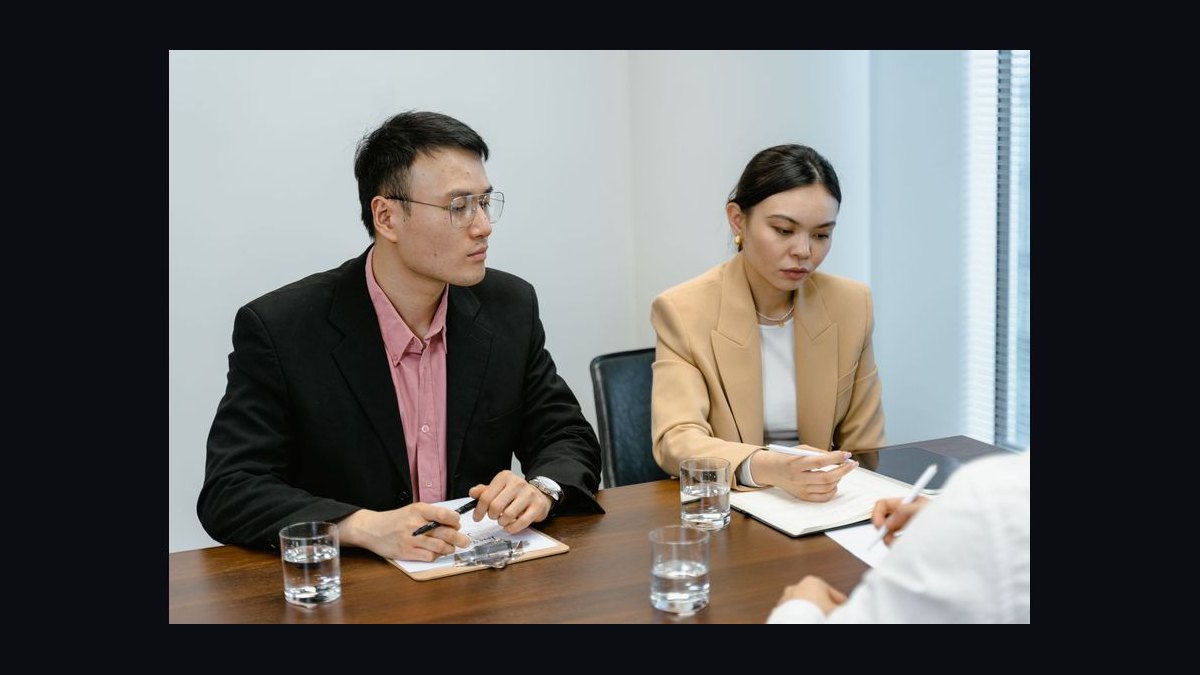
Signal yield. In a well-run study, roughly 60 to 70 percent of Loss Interviews surface at least one factor the internal team did not already know. That is the number to hold yourself to. If your Interviews only confirm what the deal team already believed, either the Question bank is too soft, the interviewer is too close to the deal, or you are interviewing the wrong buyer — often a champion rather than the economic decision-maker.
Decay. Win-loss findings go stale fast. Competitive positioning shifts within two to three quarters in fast-moving markets. This is why a one-time study is a waste of money and a quarterly Training cadence is the norm. Budget for four cycles a year, or at minimum two.
Implementation details and sequencing
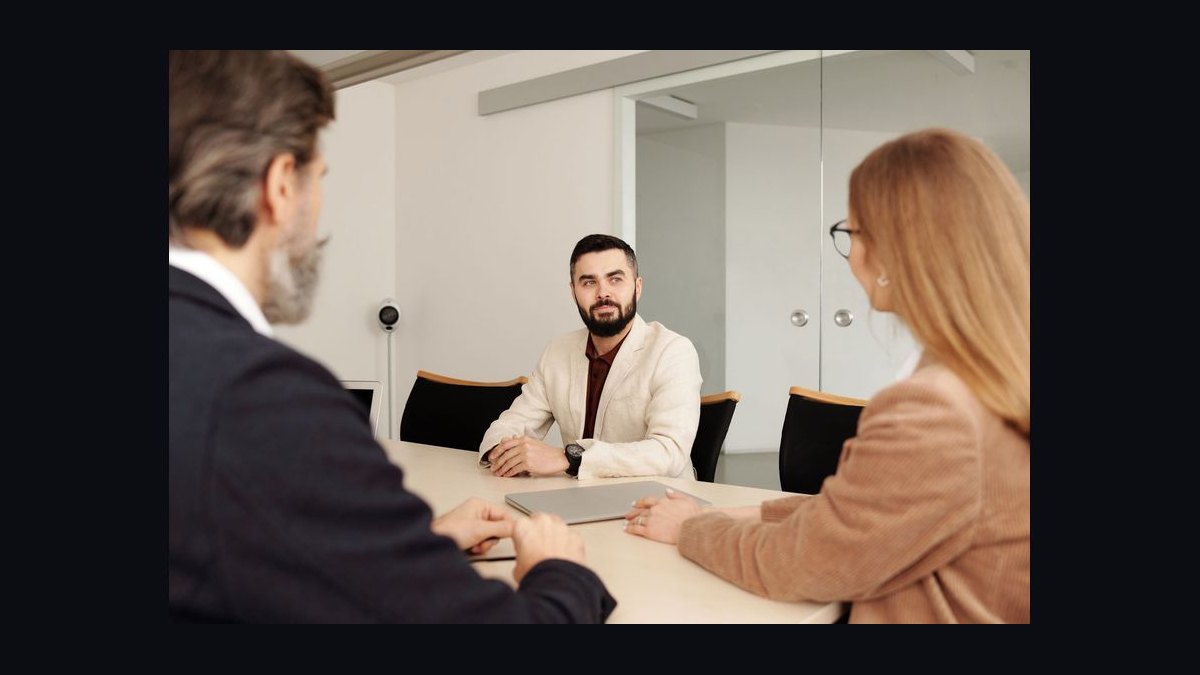
Sequencing matters more than any single step. The loop above is a quarterly cycle, and the most common failure is skipping Phase 2. Piloting three Interviews before committing to a full study catches ambiguous questions, questions that make buyers defensive, and questions that produce one-word answers. A Question like "did you feel the pricing was fair" produces nothing. A Question like "walk me through the moment you decided to bring in a second vendor" produces a story.
Phase 3, recruitment, is where most in-house programs stall. The fix is to make the ask part of the closed-won and closed-Loss workflow rather than a separate campaign. When a deal closes either way, the buyer receives a short note from a neutral party — not the rep — inviting them to a 60-minute Interview. Automating that trigger in your CRM removes the human procrastination that kills programs.

Phase 4 is the Interview itself. Two interviewers is the sweet spot: one leads the conversation, one takes notes and watches for follow-up threads. Recording is essential, but always with explicit consent, and always with a clear statement that nothing will be attributed to the buyer by name. The 60-minute structure that works: 5 minutes of framing, 10 minutes on the buying journey and trigger, 15 minutes on evaluation criteria and competition, 15 minutes on the sales experience and the specific Loss or win moment, 10 minutes on pricing and business case, 5 minutes on what would have changed their mind.
Phase 5 is coding. Tag every Interview against a fixed taxonomy — decision criteria, competitor strengths, competitor weaknesses, sales experience, pricing, product gaps, timing, and internal politics. Fixed tags let you count. Free-form notes do not. This is the step where a Training program either produces a defensible readout or a pile of quotes.
Phase 6 is the readout. Lead with the three to five themes that appeared in the most Interviews, quantify each ("mentioned in 14 of 30 Loss Interviews"), and pair each with a direct buyer quote. Then give one recommended action per theme. A readout without actions is entertainment.
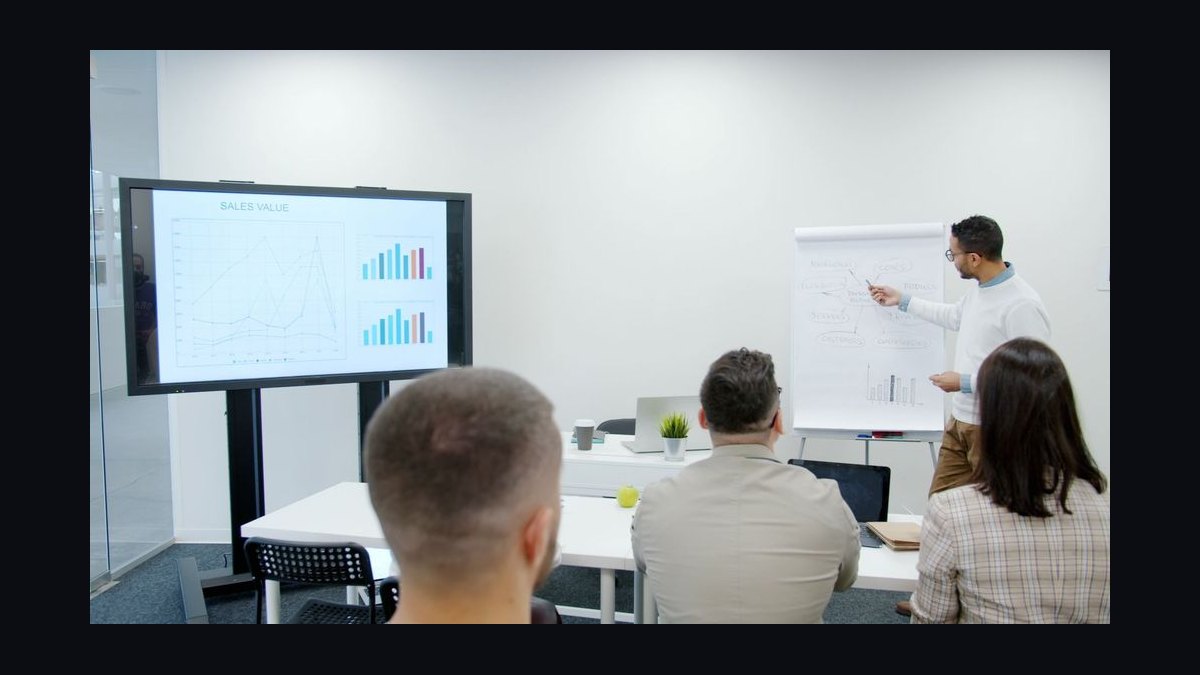
Phase 7 is where the whole program earns its budget: sales Training. The Loss themes become role-play scenarios, objection-handling scripts, and discovery Question updates. If the finding is "we lose when the buyer's security review starts late," the Training outcome is a revised discovery checklist that surfaces security requirements in call one.
Phase 8 closes the loop. After every cycle, retire questions that produced no signal, sharpen questions that produced vague answers, and add questions for new competitors or new segments. A Question bank that does not change every quarter is not being used.
Related questions
How many questions should a win-loss Question bank contain?
Build 40 to 60 total, but use only 12 to 18 per 60-minute Interview. The surplus covers segment variants, competitor-specific probes, and follow-ups. A bank with fewer than 30 questions runs out of depth on complex enterprise Loss deals.
Who should run the Interview?
Someone with no quota and no stake in the deal — product marketing, customer success, or an external researcher. Buyers self-censor when the seller or their manager asks the questions, which is the single largest source of bias in win-loss research.
How often should the Training cycle run?
Quarterly for most teams, or twice a year at minimum. Competitive positioning and buyer expectations shift within two to three quarters, so annual studies produce findings that are already stale by the time they reach sales Training.
What is the biggest mistake in win-loss programs?
Interviewing only your champion. Champions are often not the economic decision-maker and they liked you, which is why they championed you. Interview the person who signed, and if the deal was a Loss, interview the buyer who chose the competitor.
FAQ
How long does a 60-minute win-loss Interview actually take to run? The call is 60 minutes, but budget 90 minutes of your own time per Interview: 10 minutes of prep reviewing the deal record, 60 minutes on the call, and 20 minutes of immediate note cleanup while the detail is fresh. Skipping the cleanup step costs you far more later during coding.
Can we use AI to code win-loss Interview transcripts? Yes, and it is now standard practice. AI transcription plus tagging cuts coding from 60 to 90 minutes per Interview down to 20 to 30 minutes with human review. Keep the human review — AI misreads sarcasm and hedged answers, which are exactly where the real Loss signal lives.
What if buyers refuse to be recorded? Run the Interview with two interviewers and take structured notes instead. Never push. A buyer who feels pressured about recording will give guarded answers, which defeats the purpose. Offer the option of an anonymized written summary instead of a recording.
How do we get buyers to agree to a 60-minute Interview? Ask within two weeks of the decision, use a neutral sender, state clearly that it is research not a sales call, offer a charitable donation or modest gift card, and promise a summary of aggregate findings. Response rates roughly double when the ask comes from someone other than the account executive.
Should we pay buyers for win-loss Interviews? A modest incentive in the $50 to $100 range lifts response rates by 5 to 10 percentage points and is generally acceptable. Larger payments can bias answers toward telling you what they think you want to hear, so keep incentives symbolic rather than transactional.
How do we prove the program's value to leadership? Track two numbers: the percentage of Interviews surfacing a previously unknown Loss factor (target 60 to 70 percent), and the number of sales Training or playbook changes traceable to a specific finding. Report both every quarter alongside the themes.
Sources
- https://www.revenueoperationsalliance.com
- https://www.gartner.com/en/sales
- https://hbr.org/topic/sales
- https://www.mckinsey.com/capabilities/growth-marketing-and-sales/our-insights
- https://www.forrester.com/research
- https://www.salesforce.com/resources/articles/
- https://www.winloss.com
- https://www.pavilionhq.com
Related on PULSE
- Building a win-loss Interview Question bank from scratch
- How to run a 60-minute buyer debrief without bias
- Coding and tagging Loss Interview transcripts at scale
- Turning win-loss findings into sales Training that sticks
- Choosing between in-house and outsourced win-loss research
- Sampling strategy for win-loss studies at low deal volume
This page will be disappearing soon. Save it to your device for $1 — or read it free while it is here.
@Kory-White- · if Venmo asks, the last 4 of my number are 2012
 sales-trainingThe Cross-Sell Conversation — 60-Min Training
 sales-trainingManufacturing ERP Software Selling — 60-Min Training
 sales-trainingManaged Security (MSSP) Selling — 60-Min Training
 sales-trainingMattress Retail Selling — 60-Min Training
 sales-training60-Min Sales Training: The Status Quo Objection
 sales-trainingTree Service Estimate Selling — 60-Min Training
 sales-trainingAuto Dealership BDC Appointment Selling — 60-Min Training
 sales-trainingThe Contract Pre-Flight — 60-Min Training
 sales-trainingAg Equipment Dealer Selling — 60-Min Training
 sales-trainingPropane and Fuel Delivery Account Selling — 60-Min Training