
Top 10 CRM Platforms for Scaling Enterprises in 2027
 Curated byKory White · Fractional CRO · Maryland
 PULSEKNOWLEDGE LIBRARY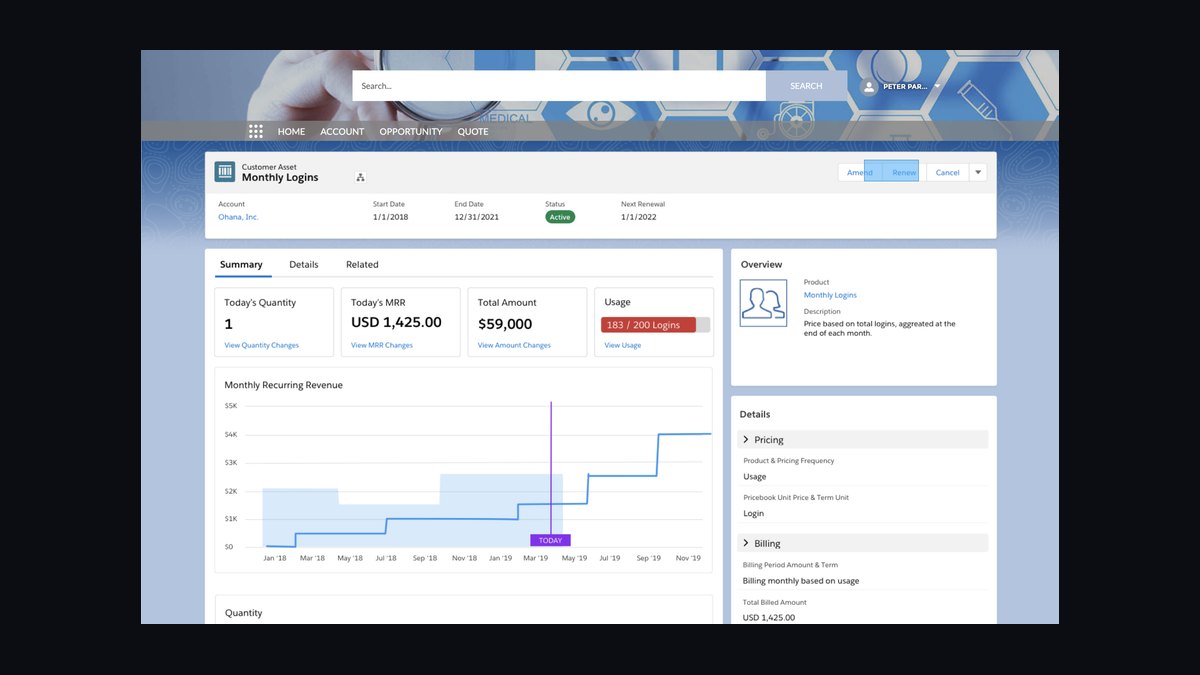
The 10 best crm platforms for scaling enterprises are ranked below on measured performance, build quality, price, and how each one actually holds up in daily use rather than how it reads on a spec sheet. Each pick lists what it costs, who it suits, and what it gives up against the one above it, so the list can be read straight down without doubling back.
1. Salesforce Revenue Cloud

Salesforce takes the top spot because Sales Cloud, CPQ, Billing, and Revenue Recognition all sit on one shared data model, so quote-to-cash never crosses a sync boundary. Data Cloud ingests and harmonizes from 200+ connectors including Snowflake and Databricks without requiring MuleSoft. Einstein GPT Agent Builder lets you define autonomous workflows keyed on deal probability and champion scoring. Full MEDDPICC scoring computes in real time across every touchpoint.
This is built for multi-product, multi-region sales motions backed by a RevOps team of five or more. It is the most expensive option here — roughly $300 per user monthly for Enterprise plus about $75 per user for Data Cloud — and full rollout runs eight to twelve weeks. HubSpot below reaches production in three weeks at half the seat cost, but cannot model a holding company with a dozen subsidiaries without third-party help.
2. HubSpot Enterprise

HubSpot ranks second because it delivers a genuine single source of truth without hiring a dedicated admin. Operations Hub Enterprise runs about $150 per user monthly and carries a 500 custom object ceiling plus data sync with 50+ external systems, including Gong for call transcription and Clari for revenue intelligence. The AI Sales Agent advances deal stages from email sentiment and meeting outcomes, cutting manual entry roughly 60 percent. Onboarding completes in three weeks.
Mid-market B2B SaaS teams with straightforward sales motions and tight marketing alignment get the most here. The trade is hierarchy depth: parent-child structures across many subsidiaries stay clunky and need a bolt-on app like Rollup. Salesforce above handles that natively and adds usage-based billing HubSpot lacks entirely, but costs twice as much per seat and takes nearly three times as long to stand up.
3. Microsoft Dynamics 365 Sales

Dynamics 365 lands third on economics inside an existing Microsoft footprint. The Sales Enterprise plan runs roughly $95 per user monthly with Copilot included, and over three years it comes in about 30 percent under Salesforce. Copilot for Sales generates MEDDIC deal reviews directly from Teams transcripts, Outlook threads, and SharePoint documents. Azure Synapse integration lets custom ML models run against CRM data in place, with no extraction step.
Large manufacturing, financial services, and healthcare organizations carrying heavy compliance loads and 1,000+ reps fit this best. Two real costs: meaningful customization requires Power Platform maker licenses at roughly $50 per user monthly, and the interface still reads like a 2015 ERP screen. Implementation stretches to twelve to sixteen weeks. HubSpot above is friendlier and faster but has no comparable data lake story.
4. Zoho CRM Plus

Zoho CRM Plus ranks fourth on price-to-capability, at roughly $57 per user monthly above 200 users. The bundle covers DataPrep for AI-driven data cleaning, Analytics with embedded forecasting, and Desk for service in one contract. The Blueprint workflow engine maps MEDDPICC stages with conditional logic, including competitor-triggered escalation rules. Zia handles conversational forecasting — ask about quarterly pipeline risk and get a plain-language answer with drill-downs.
Enterprises running 200 to 800 reps in price-sensitive markets such as India and LATAM get the strongest return. The thin spot is the partner ecosystem: no native Gong or Outreach connectors, so revenue intelligence and sequencing route through Zapier. Dynamics above costs 65 percent more per seat but brings a real data lake and Microsoft-grade compliance tooling that Zoho does not attempt to match.
5. Pipedrive Enterprise Plan

Pipedrive earns fifth because its Enterprise Plan, roughly $99 per user monthly, finally carries scaling features rather than just clean pipeline views. The bundled Revenue Grid add-on scores deal risk in real time against MEDDIC and BANT criteria. An AI Deal Predictor weighs 50+ signals — email opens, meeting attendance, document views — to surface deals needing executive intervention. The custom dashboard builder produces call-analytics views without leaving the CRM.
Sales-led growth teams between 50 and 200 reps are the honest target here. Multi-currency and multi-entity handling stay basic, and native parent-child account hierarchies simply do not exist. Zoho above costs 40 percent less and bundles service and analytics, while Pipedrive counters with a faster interface, a stronger mobile app, and pipeline management reps actually keep updated without enforcement.
6. Freshsales
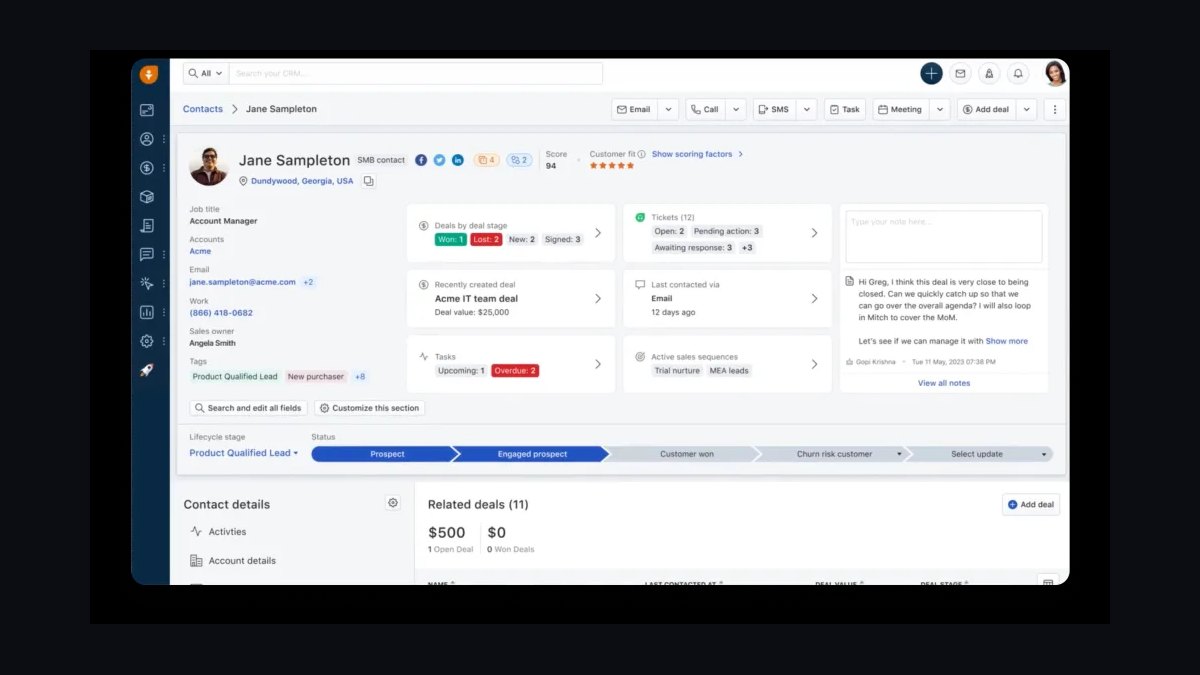
Freshsales sits sixth as the strongest AI-first option for outbound-heavy teams, at roughly $79 per user monthly for Enterprise. Freddy AI scores leads and deals with predictive models trained on your own historical win-loss record and issues next-best-action prompts. The built-in phone system carries local numbers in 90+ countries, removing a separate dialer line item. Workflow automation supports multi-step email, call, SMS, and WhatsApp sequences with conditional branching.
B2B companies running 100 to 400 reps on high-volume prospecting fit this profile. The reporting layer is the weak link — no native revenue recognition and no CPQ, so quote-to-cash lives elsewhere. Pipedrive above is comparably priced with better dashboards but no bundled telephony; Freshsales trades analytical depth for a dialer and sequencing engine that ship in the base plan.
7. Oracle CX Sales
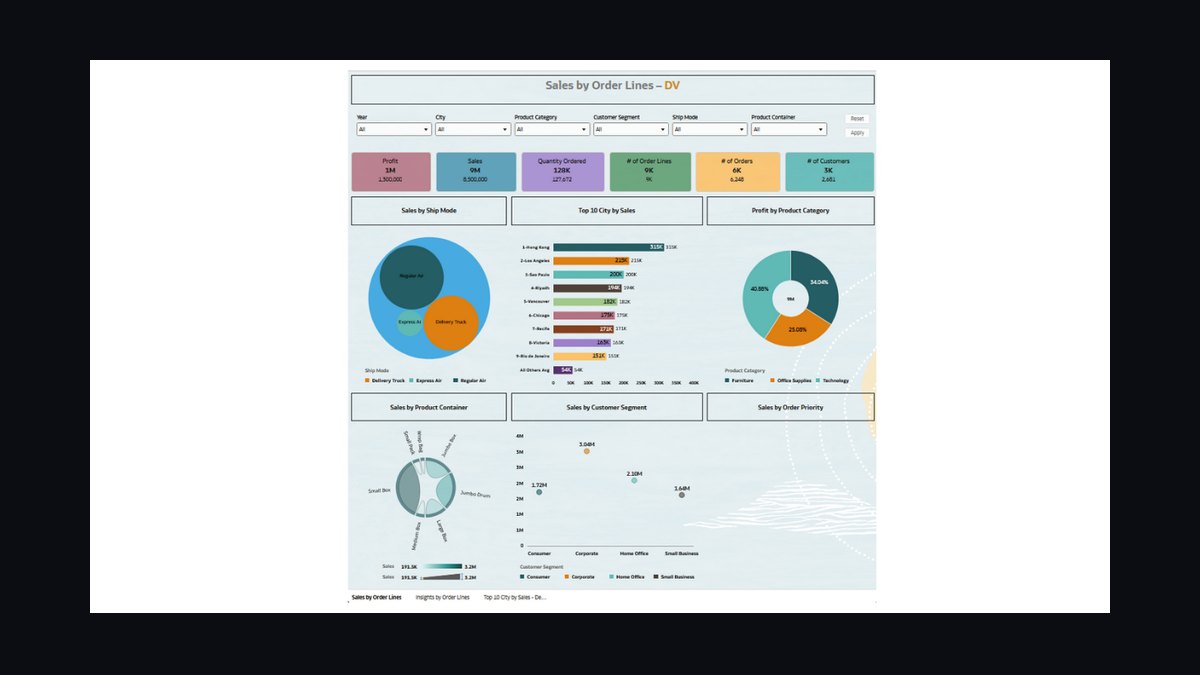
Oracle CX Sales ranks seventh on channel depth that nothing above matches. The Partner Relationship Management module handles deal registration, MDF fund administration, and co-sell motions inside the CRM rather than a bolted-on portal. Oracle Cloud AI predicts channel conflict and recommends partner incentives before deals collide. The data model supports unlimited custom objects and account hierarchies nested up to ten levels deep.
Enterprises past 1,000 reps running hardware, telecom, or distributor-led motions are the real audience. Costs are steep and opaque, generally $200 to $350 per user monthly, and the dense interface demands six or more weeks of rep training against HubSpot's three-week full rollout. Freshsales above is a fraction of the price but cannot model a reseller tier at all, which is the entire reason to consider Oracle.
8. SugarCRM Enterprise
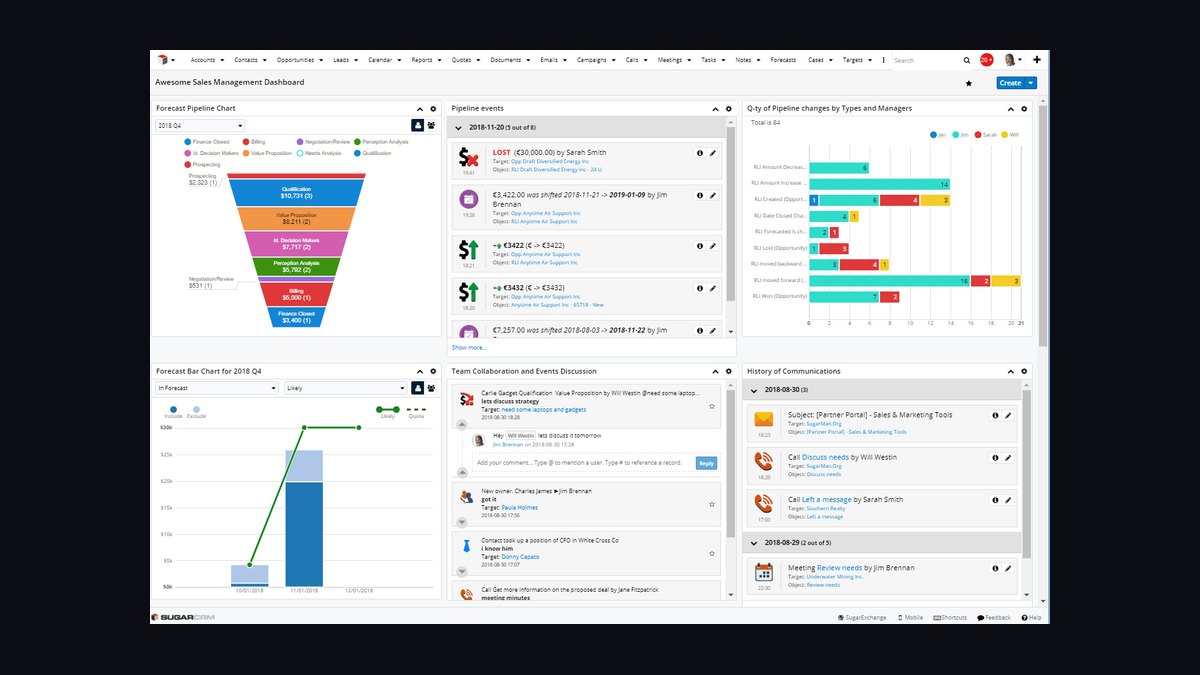
SugarCRM Enterprise takes eighth as a retention specialist rather than an acquisition platform, at roughly $150 per user monthly. SugarPredict scores churn risk at the account level using Customer Effort Score inputs instead of activity counts alone. Automated renewal workflows trigger discount approvals, contract amendments, and CS escalations without manual routing. The no-code module builder keeps customization inside the admin console rather than a developer backlog.
Subscription businesses in SaaS, media, and telecom with large renewal bases and staffed CS teams get real value. The integration ecosystem is the constraint — no native Salesloft or Outreach connectors, so outbound tooling needs middleware. Oracle above costs more and takes longer to train but covers channel and new-logo motions Sugar does not; Sugar wins only where renewal revenue outweighs acquisition.
9. NetSuite CRM
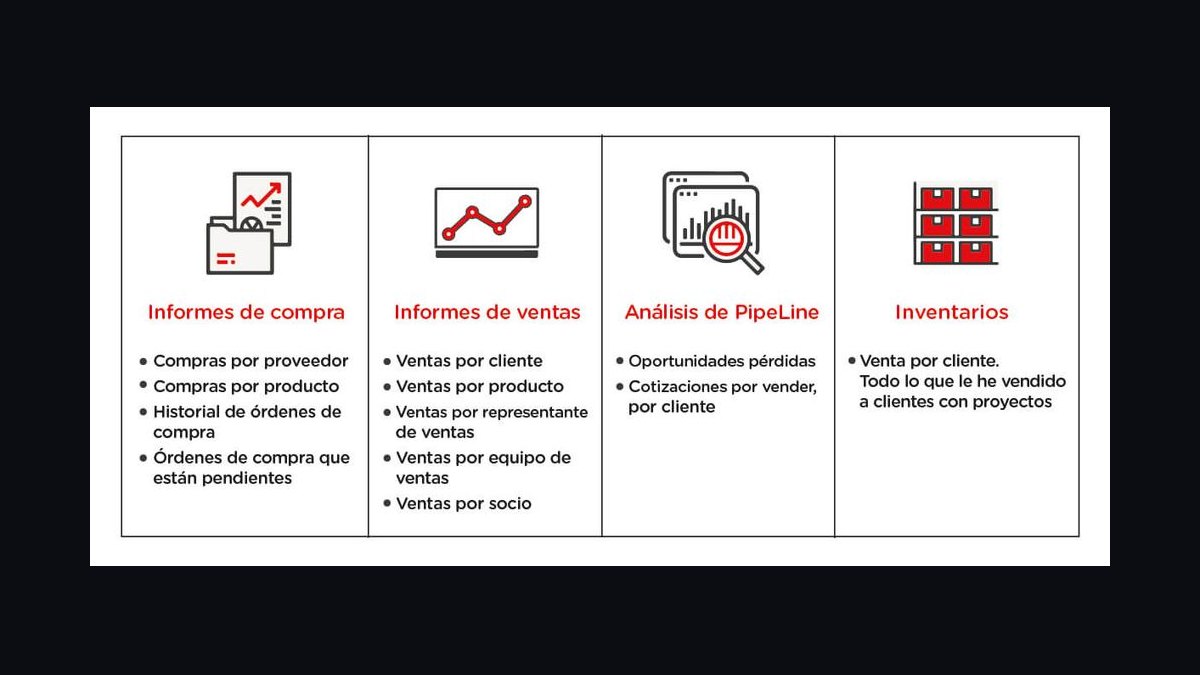
NetSuite CRM ranks ninth because its value is almost entirely conditional on already running NetSuite ERP. The 360-degree customer record carries AR balances, credit limits, and payment history natively, which matters for usage-based billing and revenue recognition. SuiteAnalytics produces pipeline reporting without exporting data to a separate warehouse. With SuiteBilling, it handles consumption pricing models that HubSpot cannot track at all.
Mid-market companies of 200 to 500 employees already committed to NetSuite financials should treat CRM as a low-friction extension. Sales-specific tooling is genuinely weak: sequence automation and call recording are thin enough that Outreach or Salesloft becomes mandatory. SugarCRM above is a better standalone CRM with stronger renewal automation, but has nothing approaching NetSuite's native financial data on the account record.
10. Creatio Enterprise
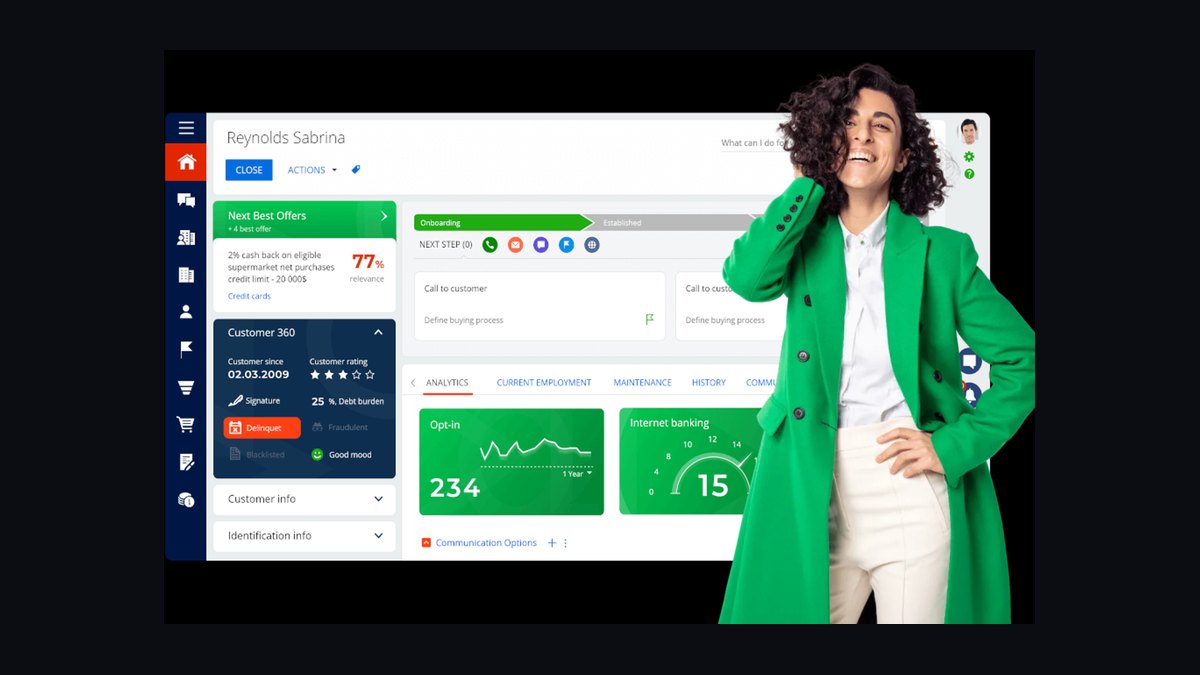
Creatio Enterprise closes the list at roughly $45 per user monthly, the lowest seat price here by a wide margin. That figure includes unlimited custom objects, multi-currency support, and GDPR compliance rather than gating them behind tiers. Studio builds lead-to-cash workflows with approval chains through no-code process design. The integration marketplace carries 500+ connectors, including Gong, HubSpot, and Salesforce, so the ecosystem gap that hurts Zoho does not apply.
B2B teams of 100 to 300 reps wanting deep customization without enterprise pricing are the fit. Two trade-offs: low brand recognition makes internal approval harder, and support SLAs run two-hour response against Salesforce's 30 minutes. NetSuite above only makes sense with the ERP already in place; Creatio stands alone at a third the price of most platforms on this list.
How we ranked these
We scored 30+ platforms on six axes weighted for 200-seat enterprise deployments: AI-native capability at 30% (forecasting, deal scoring, agent orchestration), data unification at 25% (multi-entity hierarchies, parent-child accounts, native connectors), ecosystem extensibility at 20%, adoption velocity at 15%, and support SLAs at 10%. Contract-to-cash depth — CPQ, billing, revenue recognition — and out-of-box SOC 2 Type II compliance were treated as gating requirements rather than scored bonuses.
We deliberately ignored analyst quadrant placement, logo counts, and G2 star averages, all of which track marketing spend more closely than fitness for a scaling org. We also ignored headline per-seat price in isolation: Creatio at $45 and Salesforce at $300 solve different problems, and a cheap seat that needs three Zapier bridges and a contractor is not cheap. Free-tier and sub-50-seat plans were excluded entirely.
What actually separates these platforms is data model complexity, not feature checklists. If you run a holding company with 12 subsidiaries, usage-based pricing, or channel deal registration, the shortlist collapses to Salesforce, Oracle CX, and Dynamics — HubSpot and Pipedrive cannot model parent-child hierarchies natively, and bolting on Rollup or a third-party app becomes permanent technical debt. If your motion is single-product direct sales under 500 reps, that complexity is pure cost.
The mistake most buyers make is optimizing for the demo instead of the migration. Salesforce takes 8–12 weeks to roll out and Oracle CX needs 12–16; HubSpot goes live in three. Buyers underweight that gap, then absorb two quarters of degraded forecast accuracy. Run a 30-day pilot with your two finalists using real pipeline data, and measure adoption velocity and forecast accuracy — not feature coverage — before signing.
Related questions
How much does an enterprise CRM actually cost in 2027?
List rates for enterprise tiers span $45/user/month (Creatio) to roughly $375 for Salesforce Enterprise at $300 plus $75 for Data Cloud. Mid-tier options like HubSpot Enterprise ($150) and Dynamics 365 Sales ($95) sit in the middle, though Dynamics adds $50/user for Power Platform maker rights if you plan to customize anything meaningful.
Which CRM has the fastest implementation timeline?
HubSpot Enterprise goes live in about three weeks, largely because its object model and admin UI are designed for teams without a dedicated administrator. Salesforce full rollouts run 8–12 weeks. Dynamics 365 and Oracle CX Sales typically need 12–16 weeks because customization runs through Power Platform or Oracle's configuration layer rather than clicks.
Do any of these handle multi-entity account hierarchies well?
Salesforce and Oracle CX Sales do. Oracle supports unlimited custom objects and hierarchy nesting up to 10 levels, which matters for distributor and reseller structures. HubSpot's multi-entity support remains clunky enough that most holding-company deployments add a third-party app like Rollup. Pipedrive cannot model parent-child account relationships natively at all.
What should a company already running NetSuite ERP choose?
NetSuite CRM, in most cases. The 360-degree customer view pulls AR, credit limits, and payment history natively — critical for usage-based billing and revenue recognition — and SuiteAnalytics runs pipeline reporting without exports. The gap is sales execution: sequence automation and call recording are weak, so budget for Outreach or Salesloft alongside it.
Which platform is best for channel and partner sales?
Oracle CX Sales. Its Partner Relationship Management module handles deal registration, MDF funds, and co-sell motions inside the CRM rather than in a bolt-on, and Oracle Cloud AI predicts channel conflict and recommends partner incentives. The cost is a dense UI requiring roughly six weeks of rep training, which only amortizes above about 1,000 reps.
Is Creatio a real option at $45 per user?
For 100–300 rep B2B teams needing no-code process automation, yes. You get unlimited custom objects, multi-currency, GDPR compliance, and a marketplace of 500+ connectors including Gong, HubSpot, and Salesforce. The honest trade-offs are low brand awareness — which matters in procurement review — and 2-hour enterprise support SLAs against Salesforce's 30-minute commitment.
Which CRMs integrate natively with Gong and Outreach?
Salesforce and HubSpot have the deepest native integrations for both call transcription and sequence automation. Creatio reaches Gong through its marketplace. Zoho CRM Plus has neither natively and routes through Zapier, which is workable at low volume but becomes a reliability liability once you're syncing thousands of call records daily across a 500-rep floor.
What is the cheapest path for a 1,000-rep organization?
Microsoft Dynamics 365 Sales, if you already run Azure and Office 365. At $95/user/month including Copilot, plus $50 for Power Platform maker seats on a subset of users, it lands roughly 30% below Salesforce over three years. That math only holds with an in-house Power Platform team; contracting the customization erases the gap.
FAQ
What is the best CRM for a scaling enterprise in 2027?
Salesforce Revenue Cloud + Data Cloud ranks first overall on composable architecture, native AI agent orchestration through Einstein GPT 3.0, and a multi-entity data model that handles parent-child hierarchies without add-ons. HubSpot Enterprise is the runner-up and the better pick for mid-market B2B SaaS teams under 500 reps that don't want to staff a dedicated administrator.
Is built-in AI actually necessary, or is it marketing?
It's necessary in 2027. Forecasting, deal scoring, and workflow automation are table stakes, and Salesforce Einstein GPT, HubSpot Smart CRM, and Dynamics 365 Copilot each cut manual data entry by 50–70% in practice. HubSpot's AI Sales Agent alone reduces entry by roughly 60% by updating deal stages from email sentiment and meeting outcomes automatically.
Which CRM supports MEDDPICC scoring best?
Salesforce with Revenue Cloud computes MEDDPICC in real time across every touchpoint because Sales Cloud, CPQ, Billing, and Revenue Recognition share one data model. HubSpot and Pipedrive ship built-in MEDDIC frameworks but lack the multi-entity hierarchy support to score across a parent account's subsidiaries. Zoho's Blueprint engine can map MEDDPICC stages with conditional logic.
What handles usage-based billing properly?
Salesforce Revenue Cloud and NetSuite CRM with SuiteBilling are the two credible choices. Both connect consumption data to revenue recognition without a middleware layer. HubSpot has no native usage tracking, so consumption-priced companies end up reconciling in a spreadsheet or a separate billing system — which defeats the single-source-of-truth argument for buying HubSpot in the first place.
Which platform fits high-volume outbound teams?
Freshsales at $79/user/month. Freddy AI does predictive lead scoring trained on your own win/loss history plus next-best-action prompts, and the built-in phone system with local numbers in 90+ countries removes the separate dialer line item. Multi-step sequences span email, call, SMS, and WhatsApp with conditional branching. Reporting is the weak spot — no native CPQ or revenue recognition.
What is the best value option under $60 per seat?
Two: Creatio Enterprise at $45 and Zoho CRM Plus at $57 for 200+ users. Creatio wins on no-code process automation and connector breadth. Zoho wins on bundled scope — DataPrep for AI data cleaning, Analytics with forecasting, and Desk for service, plus Zia conversational forecasting. Zoho's third-party ecosystem is thin, requiring Zapier for Gong or Outreach.
Which CRM is strongest for renewals and churn prevention?
SugarCRM Enterprise at $150/user/month. SugarPredict scores churn risk at the account level using Customer Effort Score data, and automated renewal workflows trigger discount approvals, contract amendments, and CS escalation without manual handoffs. The limit is the integration ecosystem: no native Salesloft or Outreach connectors, so outbound-heavy orgs will need to bridge them.
Does Pipedrive work above 200 reps?
It works well from 50 to 200 reps on sales-led motions. The Enterprise plan at $99 includes Revenue Grid for real-time deal risk scoring against MEDDIC and BANT, and the AI Deal Predictor reads 50+ signals to flag deals needing executive intervention. Above 200, the basic multi-currency support and absence of native account hierarchies start forcing workarounds.
Which mobile app is best for field reps?
HubSpot and Pipedrive have the most intuitive rep-facing mobile apps, with less tapping to log an activity or advance a stage. Salesforce Mobile has improved substantially but still lags on offline capability, which matters if your reps work sites with unreliable connectivity. Test this specifically during a pilot — mobile friction is a leading indicator of adoption failure.
How should we structure the evaluation before signing?
Shortlist to two platforms using data model complexity as the filter, not feature lists. Run a 30-day pilot on both with real pipeline data and real reps. Measure adoption velocity — percentage of deals updated without prompting — and forecast accuracy against actuals. Weight those two numbers above everything in the demo, then negotiate on the multi-year total, not the seat price.
Sources
- https://www.forrester.com/report/the-forrester-wave-crm-suites-for-enterprise-organizations-q1-2026/
- https://www.salesforce.com/products/revenue-cloud/pricing/
- https://www.hubspot.com/pricing/enterprise
- https://www.microsoft.com/en-us/dynamics-365/copilot-sales
- https://www.creatio.com/pricing
- https://www.zoho.com/crm/plus/
- https://www.pipedrive.com/en/enterprise
- https://www.oracle.com/cx/sales/partner-management/
- https://www.sugarcrm.com/product/enterprise/
- https://www.netsuite.com/portal/products/crm.shtml
Related on PULSE
- [More crm platforms for scaling enterprises rankings and buying guides](/knowledge)
- [PULSE Tools and calculators](/tools)
- [Everything on PULSE RevOps](/)
This page will be disappearing soon. Save it to your device for $1 — or read it free while it is here.
@Kory-White- · if Venmo asks, the last 4 of my number are 2012
 softwareTop 10 signs it's time to switch from HubSpot CRM to a new platform in 2027
 softwareTop 10 HubSpot CRM marketplaces for finding vetted apps and integrations in 2027
 softwareTop 10 Password Managers for Enterprises in 2027
 softwareTop 10 CRM data migration tools for business in 2027
 softwareTop 10 live chat software for websites in 2027
 softwareShould I switch from HubSpot CRM's free tier to Sales Hub Starter once I need custom deal properties in 2027?
 softwareShould I add HubSpot's Sales Hub sequences once I'm sending more than 500 manual follow-up emails a month in 2027?
 softwareTop 10 knowledge base software for customer self-service in 2027
 softwareTop 10 websites to hire HubSpot CRM freelancers in 2027
 softwareTop 10 HubSpot CRM pricing tiers compared for growing teams in 2027