
How does Trello compare to ClickUp for agile project management in 2026?
 Curated byKory White · Fractional CRO · Maryland
 PULSEKNOWLEDGE LIBRARY
Quality
Certified

Trello offers a simpler, card-based Kanban system that works well for lightweight agile workflows, while ClickUp provides a more feature-rich platform with native sprint planning, custom statuses, and multiple view types (e.g., Gantt, timeline, and board). For basic agile teams, Trello's ease of use and straightforward boards are often sufficient, whereas ClickUp is better suited for teams needing deeper project tracking, time estimation, and reporting. Neither tool is inherently superior—your choice depends on whether you prioritize simplicity or comprehensive functionality.
Key differences at a glance:
- Trello: Best for teams under 10 people with simple workflows; limited native agile features; relies on Power-Ups for sprints, dependencies, and reporting
- ClickUp: Built for scaling teams; includes native sprint points, burndown charts, dependencies, and AI-assisted prioritization; steeper learning curve but more powerful
Feature Comparison: Agile Project Management
When Trello Still Works
Trello remains a viable option for specific use cases:
- Micro-teams under 5 people – Quick setup with minimal configuration
- Non-technical stakeholders – Simple interface that requires no training
- Single-project focus – One-off migrations, event planning, or checklists
- Personal task management – Individual productivity without team dependencies

When ClickUp Is the Better Choice
ClickUp becomes the stronger option when:
- Teams exceed 10 people – Hierarchical structure (Workspaces > Spaces > Folders > Lists) scales better than Trello's flat boards
- Multi-stakeholder reporting needed – Native dashboards with widgets for sprint velocity, workload, and OKR tracking
- CRM integration required – Deeper connections with Salesforce, HubSpot, and Gong for deal-stage task automation
- Complex dependency mapping – Gantt view and dependency chains for multi-month initiatives
- AI-assisted workflows – ClickUp Brain for auto-prioritization and overdue task alerts

Pricing Comparison (2024-2025)
| Feature | Trello | ClickUp |
|---|---|---|
| Free tier | 10 boards, 1 Power-Up | Unlimited tasks, 100MB storage |
| Paid starting price | $5/user/month (Standard) | $7/user/month (Unlimited) |
| AI features | $10/user/month (Premium) | Included in $12/user/month (Business) |
| Native sprints | No (requires $9/user/month Planyway) | Yes |
| Automation limits | 500-1,000 actions/month | 25,000+ actions/month |
Reporting and Visibility
Real-world reporting time investment:
- Trello: 6-8 hours/week on manual reporting for RevOps teams
- ClickUp: 1-2 hours/week with native dashboards

FAQ
Is Trello completely useless for agile project management? Not entirely—it works fine for very small teams (under 10 people) with simple workflows. But once you have more than a few stakeholders or need to track dependencies across sprints, Trello's flat lists and limited automation start to break down.
Can ClickUp really replace multiple tools for RevOps? Yes, for many teams. ClickUp's Dashboards, Goals, and AI features can centralize OKRs, sprint velocity, and revenue tracking. However, you might still need a dedicated CRM like Salesforce for deal-level data.
Does ClickUp's AI actually help with backlog grooming? It can, but results vary. ClickUp Brain can flag overdue tasks and their revenue impact, but it's not perfect—sometimes it misses context or generates false alerts. It's a useful assistant, not a replacement for human judgment.
How many stakeholders can Trello realistically support? For agile work, Trello struggles beyond 8–10 stakeholders. Its flat board structure makes it hard to map complex dependencies or track progress across multiple teams. You'd need paid Power-Ups just to see critical paths.
Is ClickUp harder to set up than Trello? Initially, yes. ClickUp has a steeper learning curve because it offers far more features—sprints, dependencies, dashboards, etc. Trello is simpler to start with, but you'll likely outgrow it quickly as your team and processes expand.
Do both tools integrate well with Salesforce or Gong? ClickUp generally integrates more deeply with RevOps tools like Gong and Clari, allowing automated deal-health signals to trigger workflows. Trello's Power-Ups can connect to Salesforce, but the integrations are less robust and often require manual setup or extra costs.
Sources
- Trello Official Site – Features & Pricing
- ClickUp Official Site – Agile Project Management
- G2 – Trello vs ClickUp Comparison
- Capterra – Trello vs ClickUp User Reviews
- Atlassian Community – Trello Agile Workflows Discussion
- PCMag – Trello Review 2024
Related on PULSE
- Top 10 project management tools for agile teams
- Which productivity tool offers better native video conferencing: Notion or ClickUp?
- Can Notion replace both Trello and Confluence for a small marketing team?
- Can Trello's Butler automation replace Zapier for simple CRM-to-email triggers?
- How to choose between Asana and Monday.com for project management?
- Top 10 Project Management Tools for 2025
This page will be disappearing soon. Save it to your device for $1 — or read it free while it is here.
@Kory-White- · if Venmo asks, the last 4 of my number are 2012
This page is gone.
This one is off the shelf now. $1 keeps it on your phone for good — the whole page, pictures and diagrams included.
 softwareTop 10 places to research productivity software reviews before buying in 2027
 softwareTop 10 HubSpot CRM training courses for beginners in 2027
 softwareTop 10 websites to hire HubSpot CRM freelancers in 2027
 softwareTop 10 ways to choose a HubSpot CRM consultant in 2027
 softwareHow do I migrate my existing customer data into HubSpot CRM without losing deal history in 2027?
 softwareShould I add HubSpot's Sales Hub sequences once I'm sending more than 500 manual follow-up emails a month in 2027?
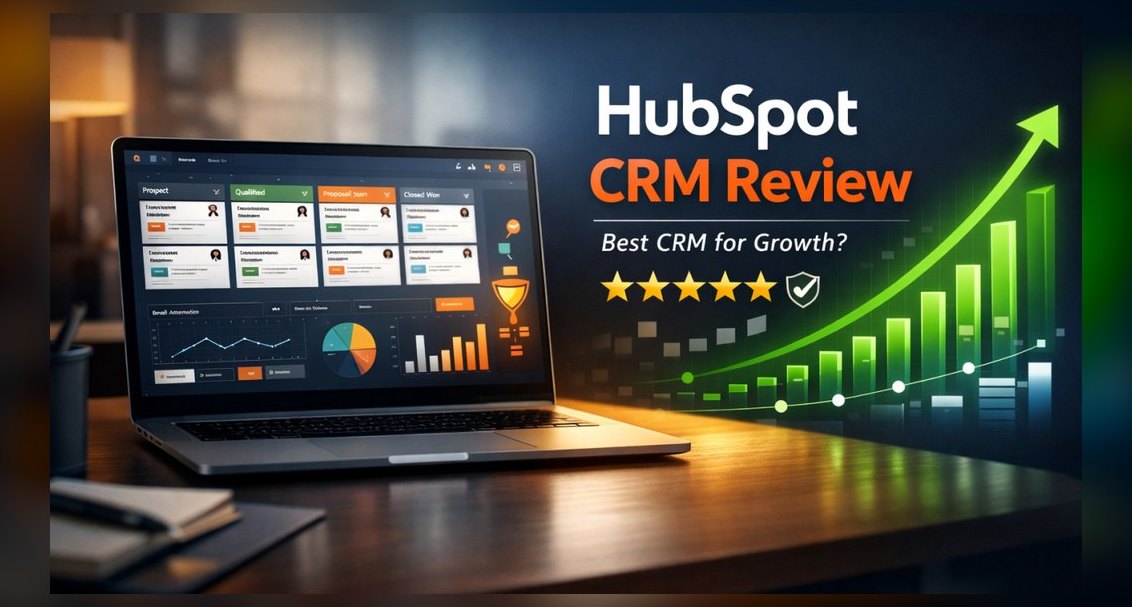 softwareTop 10 places to research HubSpot CRM reviews in 2027
 softwareTop 10 HubSpot CRM pricing tiers compared for growing teams in 2027
 softwareTop 10 signs it's time to switch from HubSpot CRM to a new platform in 2027
 softwareTop 10 Cybersecurity Software for 2027: CrowdStrike, SentinelOne, and Palo Alto Compared