
What to Wear to a Trip to Chicago in 2027
 Curated byKory White · Fractional CRO · Maryland
 PULSEKNOWLEDGE LIBRARY
Dress for Chicago on a 2027 trip using a three-layer system: a breathable moisture-wicking base, an insulating mid-layer like merino wool or fleece, and a windproof, water-resistant outer shell — because lake-effect gusts off Lake Michigan can swing the "feels like" temperature 10-15°F within a single afternoon. Stick to a neutral palette (charcoal, navy, olive, cream) with sturdy, water-resistant footwear built for 10,000+ steps, and always carry a packable rain shell regardless of season.
A Traveler Walks Into the Wind on Michigan Avenue
Picture a visitor stepping out of their hotel near the Magnificent Mile at 9 a.m. on a mid-April morning. The sky is clear, the forecast app says 52°F, and they leave the room in a light sweater and sneakers, confident the day will be mild. By 11 a.m., a gust rolls off Lake Michigan, the temperature reads the same but feels closer to 38°F, and a light drizzle starts without warning. This is the defining experience of a Chicago trip in any given year, and 2027 will be no exception — the city's lakefront geography means weather forecasts describe the air temperature, not the experience of standing in it. The traveler who packed only for "52 and sunny" spends the rest of the day cold, damp, and distracted from the itinerary; the traveler who understood Chicago's layering logic simply zips up a shell, keeps walking, and barely notices the shift. This scenario repeats constantly across the shoulder seasons — March through May and September through November — when a single day can move through three distinct microclimates: a sheltered downtown canyon between skyscrapers, an exposed lakefront path, and a warm, crowded museum interior. What to wear for a trip to Chicago isn't a single outfit decision; it's a small logistics problem, and the traveler who solves it treats their suitcase like a toolkit rather than a costume.
How the Layering System Actually Works
The mechanism behind Chicago's dress code is straightforward once you separate the three jobs each layer performs. The base layer sits against the skin and manages moisture — a cotton T-shirt fails here because it absorbs sweat and stays wet, which accelerates heat loss once wind hits it; a merino wool or synthetic wicking layer pulls moisture away and dries fast. The mid-layer is the insulation engine: a fleece pullover, a cashmere or merino sweater, or a quilted vest traps warm air near the body, and its effectiveness scales with loft, not just thickness — a compressible down or synthetic-fill vest often outperforms a bulkier cotton hoodie. The outer layer is the wind-and-water gatekeeper. Chicago's lake-effect wind doesn't just lower temperature on paper, it strips heat from exposed skin and uninsulated fabric through convection, which is why a windproof shell (nylon, treated cotton twill, or a technical fabric like Gore-Tex or Patagonia's H2No) matters more here than in a calmer inland city. The practical workflow: check the hourly forecast (not just the daily high/low) before leaving, because Chicago's temperature curve often has an 8-12 degree spread between morning and midafternoon, and wind speed frequently matters more than the temperature reading itself. When moving indoors — a museum, a restaurant, the shops along State Street — shed the outer shell and keep the mid-layer, since most Chicago interiors run warm and a full three-layer stack becomes uncomfortable within minutes. When re-entering an exposed area like Millennium Park, the Riverwalk, or the Lakefront Trail, the shell goes back on immediately rather than after the cold sets in, because re-warming takes longer than staying warm.

Real Numbers: Temperature, Wind, and What They Mean for Your Bag
Chicago's shoulder-season data explains why the layering system isn't optional. In a typical April, daily highs average in the 55-58°F range while overnight lows sit closer to 38-40°F, but the lakefront corridor regularly runs 5-8°F cooler than inland neighborhoods due to the "lake effect" cooling from Michigan's still-icy spring water. October behaves similarly in reverse: highs average around 60°F early in the month, dropping toward 50°F by the end, with lows in the mid-40s. Wind is the variable most visitors underestimate — sustained gusts of 15-25 mph are common along Michigan Avenue and the Lakefront Trail, and gusts above 30 mph are not rare in fall and spring, which is enough to make a 50°F day feel closer to 40°F on exposed skin. That single fact should drive the packing list: prioritize a windproof shell over a merely "warm-looking" heavy coat, because wind resistance does more functional work than insulation thickness alone. For footwear, plan on covering 8,000-12,000 steps per day between downtown, museum campuses, and neighborhood walking — that volume justifies a water-resistant boot or leather sneaker with a real outsole (think Blundstone, Cole Haan, or Common Projects) over anything with a thin, flat sole, since sidewalk grates, uneven pavers, and occasional puddles are a daily reality, not an edge case. Budget-wise, a functional three-layer system built around one quality shell ($150-$400 from brands like Patagonia, Marmot, or Columbia), one mid-layer ($80-$250 in merino or cashmere blends), and one pair of weather-ready shoes ($150-$400) covers the core of the trip; accessories — a packable beanie, lightweight gloves, a small umbrella — add another $40-$80 and solve 90% of the discomfort visitors report after the fact. Evening temperature drops of 10-15°F after sunset are routine even in warmer months, so a rooftop bar or an outdoor dinner in July still benefits from a light layer tucked into a bag.
Trade-offs: Packing Light vs. Packing for Every Scenario
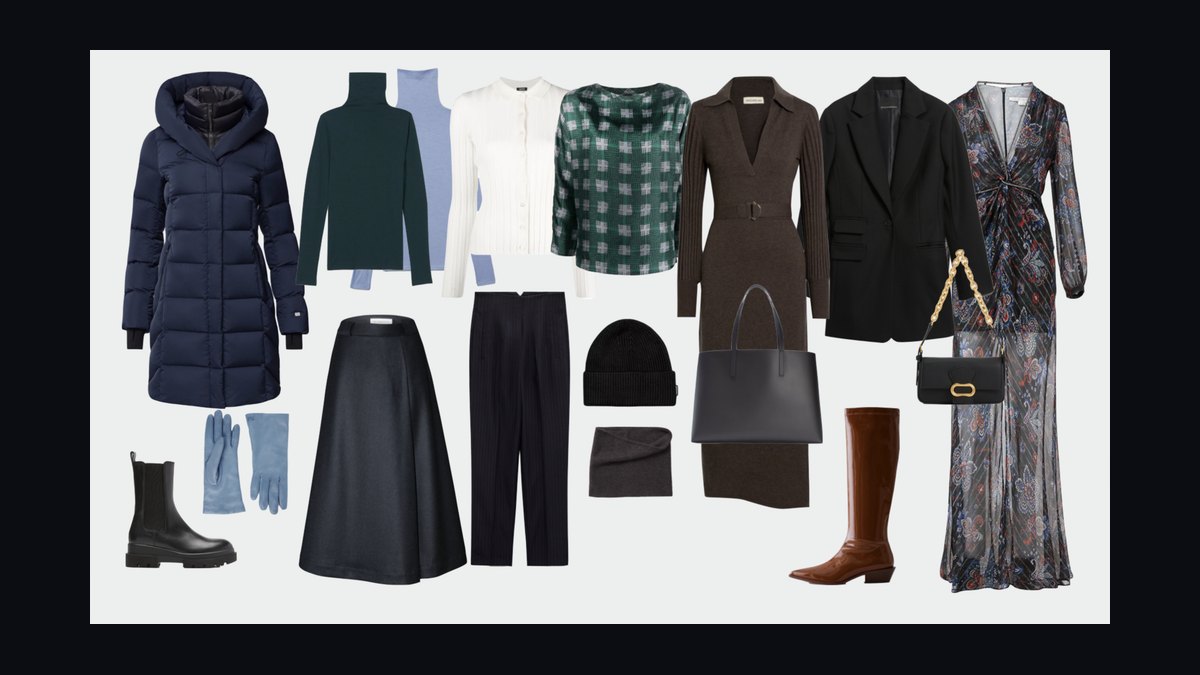
There's a genuine trade-off between traveling light and traveling prepared, and the right answer depends on trip length and season. A minimalist capsule — one weatherproof shell, two interchangeable mid-layers, a single neutral color palette (charcoal, navy, olive, cream) that lets every top pair with every bottom — works well for a short 2-3 day trip in a relatively stable stretch of weather, and it has the added benefit of leaving suitcase room for souvenirs or a slightly dressier outfit for one nice dinner. The downside is resilience: if a cold snap or an unexpected rainstorm extends beyond a day, a minimalist kit offers no backup, and re-wearing damp layers in a hotel room is a real annoyance. A more comprehensive approach — packing a backup pair of shoes, a compact umbrella, gloves, and an extra mid-layer — costs more suitcase space and adds laundry logistics on trips longer than four or five days, but it removes weather risk almost entirely and is the better call for late-fall or early-spring trips when Chicago's temperature swings are largest. A middle path many frequent visitors use: pack the minimalist capsule but choose fabrics that do double duty, like a merino sweater that resists odor over multiple wears without washing, or a shell jacket that also works as rain protection so a separate umbrella becomes optional rather than required. The comparable trade-off shows up in footwear too — one versatile boot that handles both sightseeing and a nicer dinner beats packing two specialized pairs, unless the itinerary specifically includes a black-tie event or an athletic activity like a lakefront run, in which case the extra pair earns its suitcase space.
Common Pitfalls and How to Avoid Them
The most frequent mistake is trusting the daily high/low forecast without checking wind speed or hourly variation — a "55°F and sunny" day can still deliver a miserable hour on the lakefront if gusts are running above 20 mph. Check an hourly forecast with wind data the morning of, not the night before, since Chicago's lake-driven weather shifts faster than inland forecasts typically account for. A second common error is wearing pure cotton denim as the primary bottom layer in wet conditions; denim absorbs water, takes hours to dry, and stays cold against the skin once damp, so a treated twill, wool-blend trouser, or stretch chino is the safer choice whenever rain is even possible. Third, many visitors pack only one pair of shoes, which fails the moment a museum day turns into a rainy afternoon followed by an evening reservation — bringing at least two options, one weatherproof and one slightly dressier, avoids the scramble. Fourth, travelers frequently skip a hat and gloves because "it's not that cold," forgetting that Chicago's wind chill can make a 45°F day feel closer to freezing along the water; a packable beanie and thin gloves weigh almost nothing and solve this entirely. Fifth, overdressing for daytime sightseeing — a full suit or blazer for a walk through Millennium Park — reads as impractical in a city that treats casual layering as the norm during the day, saving tailored pieces for evening dinners or business meetings. Finally, underestimating the sheer walking volume of a Chicago trip leads visitors to bring fashion-forward but structurally weak shoes; anything without real arch support or a durable outsole will fail well before the trip does.
Related questions
Does Chicago's weather actually change that fast within one day?
Yes — the lakefront's proximity to Lake Michigan creates temperature swings of 10-15°F and sudden wind shifts that inland weather patterns don't produce, especially in spring and fall.
Is it worth buying a heavy winter coat for a short fall trip?
Usually not; a three-in-one jacket with a removable liner offers more flexibility than a single heavy coat, since October highs still average near 55-60°F even as lows drop into the 40s.
What shoes handle 10,000+ steps and possible rain?
Water-resistant leather boots or treated leather sneakers with real outsoles — brands like Blundstone, Cole Haan, or Common Projects — balance durability, comfort, and a presentable look for dinner.
Should I pack differently for a business trip to Chicago versus a leisure trip?
Keep the same layering logic, but swap casual mid-layers for tailored ones (blazers, wool trousers) and bring one polished shoe option, since meetings still require the same weatherproofing underneath.
How does packing for Chicago compare to packing for a similarly cold coastal city?
The core layering principle transfers directly, but Chicago's wind is typically sharper and more sustained than many coastal cities due to the open expanse of the lake, so prioritize windproofing over pure insulation.
FAQ
What is the single most important item to pack for a Chicago trip? A packable, water-resistant jacket with a hood is the top priority — something like a Patagonia Torrentshell or Marmot PreCip — because rain and wind can appear with little warning and umbrellas are often useless in gusty conditions.
Can sneakers work for a nice dinner in Chicago? Yes, if they're clean, minimal leather sneakers in black or white rather than bulky athletic trainers; paired with dark trousers or jeans, they read as smart-casual in most neighborhood restaurants.
What should I wear to an outdoor event like a Cubs game in spring? Layer a lightweight hoodie or sweater under a windbreaker, bring a beanie for later innings, and avoid open-toed shoes since concrete seating stays cold even on a mild afternoon.
Do I need a heavy coat for a trip in October? Not typically — a mid-weight three-in-one jacket with a removable liner handles the average October range of 45-60°F better than a single bulky coat that can't adapt to a warm afternoon.
What colors work best for Chicago street style? Neutral, earth-toned pieces — navy, charcoal, olive, cream, camel — layer well together and photograph naturally against the city's gray architecture; one accent color like burgundy or mustard adds personality without looking out of place.
Is layering really necessary in the summer months too? Yes, to a lesser degree — even July evenings can drop 10-15°F after sunset near the lake, so a light layer packed into a day bag prevents discomfort at outdoor dinners or rooftop bars.
Sources
- https://www.weather.gov/lot/
- https://www.noaa.gov
- https://www.choosechicago.com
- https://www.patagonia.com
- https://www.rei.com/learn/expert-advice/layering-basics.html
- https://www.cntraveler.com
- https://www.travelandleisure.com
- https://www.timeout.com/chicago
Related on PULSE
- [What to Wear on a Backpacking Trip in 2027](/knowledge/sy0490)
- [What to Wear on a Girls' Trip in 2027](/knowledge/sy0462)
- [What to Wear on a Bachelor Trip in 2027](/knowledge/sy0434)
- [What to Wear on a Bachelorette Trip in 2027](/knowledge/sy0406)
- [What to Wear on a Business Trip in 2027](/knowledge/sy0378)
- [What to Wear to a Business Trip to a Warm Climate in 2027](/knowledge/sy0332)
This page will be disappearing soon. Save it to your device for $1 — or read it free while it is here.
@Kory-White- · if Venmo asks, the last 4 of my number are 2012
 pulse-styleWhat to Wear for a Rainy Day in 2027
 pulse-styleHow to Build a Travel Capsule Wardrobe in 2027
 pulse-styleTop 10 Belts for Business Attire in 2027
 pulse-styleTop 10 Suits for Job Interviews in 2027
 pulse-styleHow to Style Platform Heels in Spring in 2027
 syHow do you get started with Style in 2027?
 pulse-styleTop 10 Wrinkle-Resistant Travel Suits in 2027
 pulse-styleTop 10 Affordable Suit Brands in 2027
 pulse-styleTop 10 Work Blazers for Women in 2027
 pulse-styleTop 10 Work Dresses in 2027