

Cocktail Dress vs. Two-Piece Set: Which to Wear to a Cocktail Party in 2027
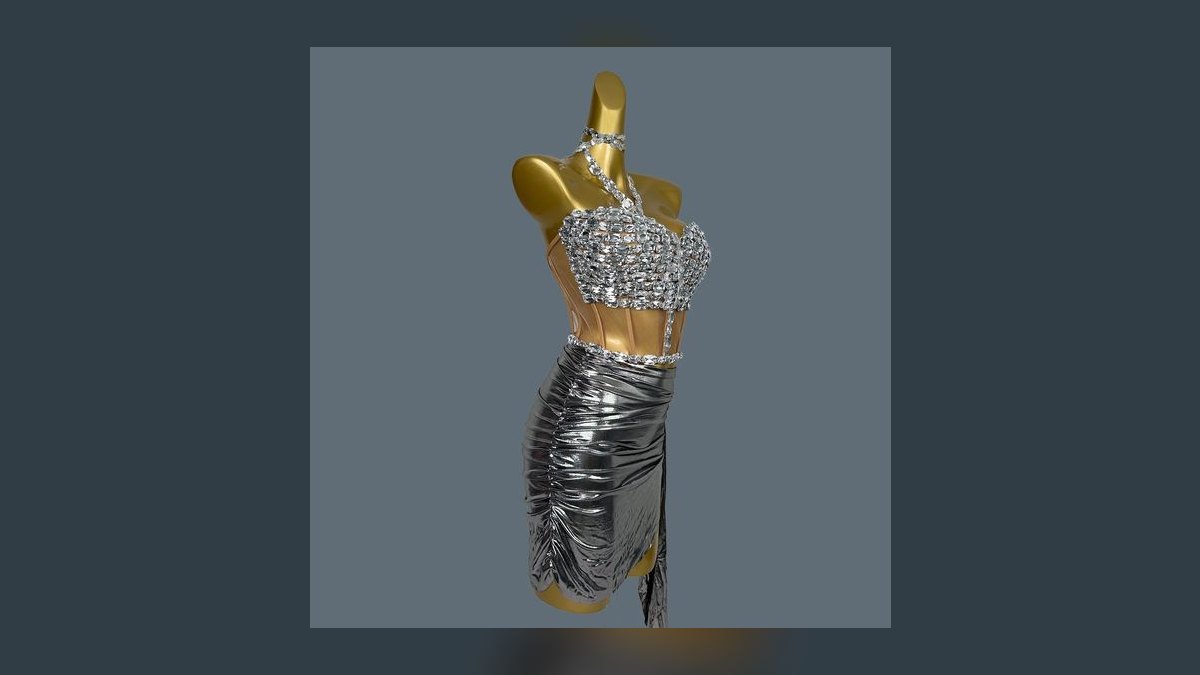
Both work in 2027 — choose by venue formality and how much you'll move. A cocktail dress is the safer default for traditional venues, black-tie-adjacent invites, and photo-heavy events. A two-piece set fits modern rooftop, gallery, and industry parties, travels better, and re-wears as separates. Fabric quality and hem length matter more than which silhouette you pick.
What the choice actually comes down to
The cocktail-dress-versus-two-piece-set question gets framed as a style debate, but it's really three practical questions stacked on top of each other: how formal is the room, how long will you be in it, and how many times do you want to wear this again.
Formality signal. A cocktail dress reads as intentional formalwear on sight. The single silhouette, the fact that it exists only for occasions, the way the hem falls — all of it says "I dressed for this." A two-piece set has to earn the same read through fabric and fit, because separates carry daywear DNA. Put a satin-crepe skirt-and-top set next to a matte jersey dress and the set reads *more* formal; put a linen-blend set next to a structured dress and it reads less. The garment category doesn't decide the formality — the material and construction do. This is why "which is dressier" has no fixed answer.
Body and movement. A cocktail party is two to four hours of standing, gesturing, holding a glass, and leaning in to hear people. A dress moves as one unit; nothing shifts at the waist. A two-piece set has a seam at the middle that can ride up, gap, or expose skin when you raise your arms. If the set has a fitted, boned, or waist-anchored top, this disappears. If it's a loose cropped top over a high-waist skirt, budget for adjusting it every twenty minutes.
Cost per wear. This is where the set usually wins. A cocktail dress is one look. A two-piece set is a minimum of three: worn together, top with tailored trousers, bottom with a knit or blouse. If you attend two or three cocktail-level events a year, the set amortizes across a season of work and dinner outfits in a way a dress never does.
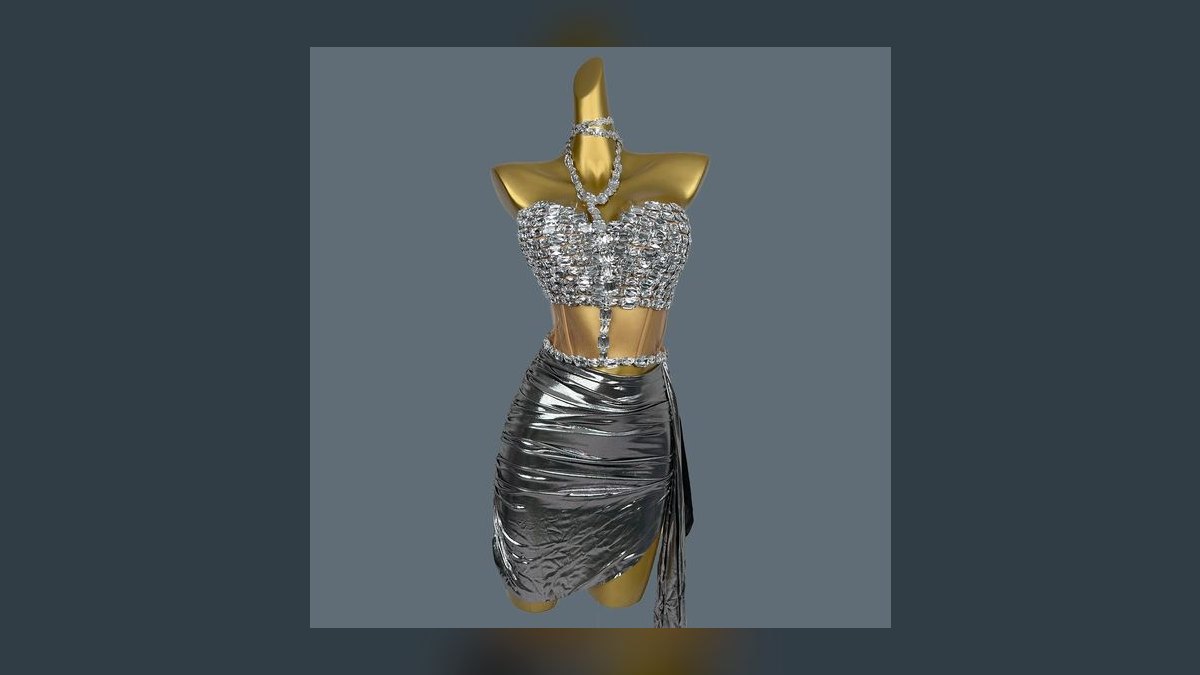
The 2027 context. Dress codes have gotten looser at the edges and stricter in the middle. Corporate and industry events have drifted toward "creative cocktail" language, which explicitly welcomes separates. Weddings and formal fundraisers have gone the other direction — more invitations naming an actual code, more hosts stating expectations outright. So the answer diverges by event type rather than converging on one silhouette.
Where each clearly wins. Dress: weddings, galas, black-tie-optional, anything with a receiving line or heavy formal photography, first time at a venue whose norms you don't know. Set: rooftop and gallery parties, industry mixers, holiday parties at design-forward companies, destination events where luggage volume matters, any night that starts at an office and ends at a bar.
The step-by-step process for deciding and assembling
Work through this in order. Each step narrows the field before you spend money.
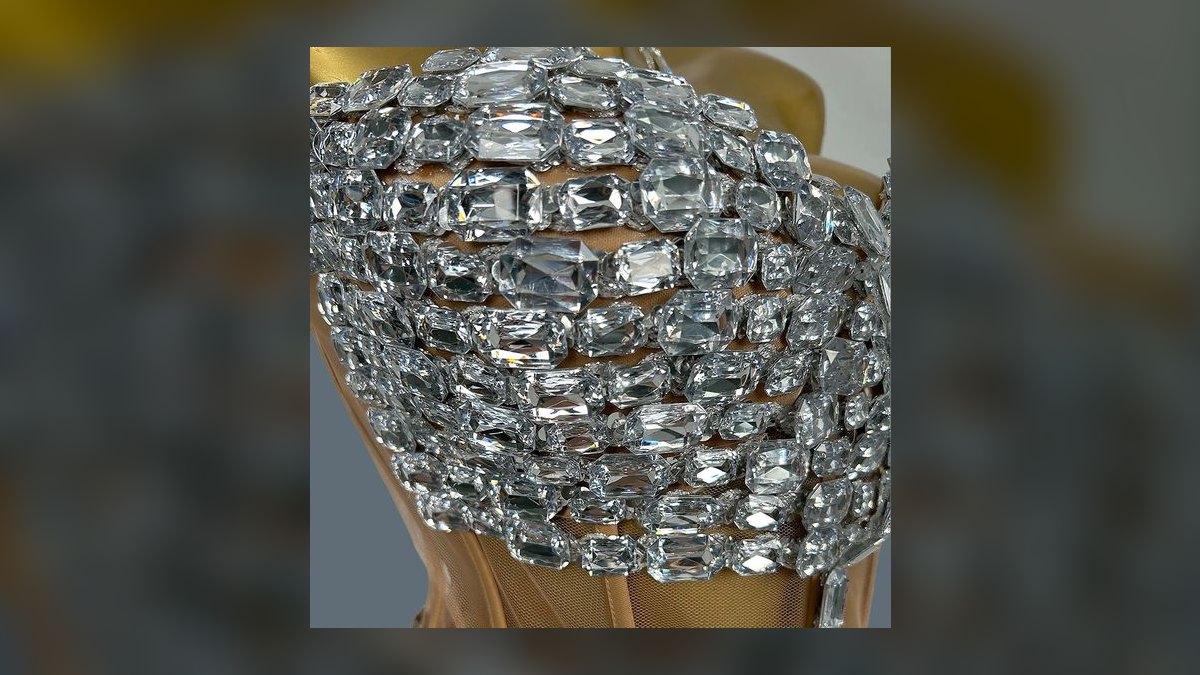
Step 1 — Decode the invitation literally. "Cocktail attire" means knee-length to midi, no floor-length gowns, no daywear fabrics. "Semi-formal" is the same zone, marginally more conservative. "Festive" or "creative cocktail" is an explicit invitation to wear a set, a jumpsuit, or something with texture. "Black-tie optional" pushes toward a dress — a set can work but has to be in a genuinely formal fabric and cut. If the invitation says nothing, look at the venue: a private club or hotel ballroom skews dress; a warehouse, brewery, or gallery skews set.
Step 2 — Check the venue's physical facts. Outdoors in October means you need sleeves or a layer, which is easier to solve with a set (add a matching or contrasting jacket) than a strapless dress. Grass or gravel eliminates thin stiletto heels regardless of what you wear on top. Standing-only receptions favor whatever you can stand in for three hours. Long dinner service favors a waistband you can sit in comfortably — a wrap or A-line dress usually beats a fitted set here.
Step 3 — Audit what you already own. Most people have more separates than they realize can pass as a set. Two pieces in the same fabric family and close-enough color read as intentional. A black satin midi skirt with a black silk shell is a set to everyone who sees it. Before you buy, check whether you already have the components.
Step 4 — Pick the fabric before the silhouette. This is the step people skip and regret. Evening-appropriate materials: satin, satin-back crepe, heavy crepe, velvet, silk, sequin, brocade, lamé, structured taffeta, and good ponte. Materials that undercut the whole outfit: thin jersey, cotton poplin, linen, chambray, anything visibly stretchy or matte-thin. A modest budget spent on real crepe beats triple the money on a poorly cut satin-look polyester.

Step 5 — Set the hem. Cocktail hemlines run from just above the knee to mid-calf. Midi is the safest 2027 default — it reads current, works for both formats, and photographs well. Above mid-thigh reads clubwear at most cocktail events. Floor-length is gown territory and out of code unless the invitation says otherwise.
Step 6 — Fit-test with movement, not in a mirror. Sit down. Raise both arms overhead. Walk ten steps. Lean forward. For a set specifically: raise your arms and check whether the top rides up and stays up. If the gap grows and doesn't self-correct, that's the whole night. For a dress: sit and check whether the hem rides to an uncomfortable place.
Step 7 — Build the shoe and outerwear plan. Heel height is a stamina decision, not a style one. Block heels and low-to-mid heels have become fully acceptable at cocktail events; you do not need a stiletto to meet the code. Plan a coat you're willing to be seen in during arrival and departure, because that's when the first and last impressions happen.
Step 8 — Tailor. Almost nothing off the rack fits perfectly. The two highest-value alterations are hemming to your exact leg length and taking in the waist or bodice. Both are cheap relative to the garment and both do more for how the outfit reads than the price tag does.
Costs, timelines, and typical ranges
Prices vary enormously by market and brand, so think in tiers rather than exact figures.
Fast-fashion tier. The cheapest end of both categories. Realistic expectation: polyester fabrics, unlined or thinly lined, seams that don't survive many wears. Fine for a one-time event where nobody will see the outfit again. The failure mode is that cheap satin photographs with a plasticky sheen that reads worse in pictures than in person — a real problem at a photo-heavy party.
Contemporary tier. The sweet spot for most people. You get lined garments, better fabric weight, and construction that holds shape through a full evening. Two-piece sets are especially strong value here because the re-wear math kicks in. This is where a well-made crepe set or a structured dress will outperform its price.

Designer and occasionwear tier. Real silk, real tailoring, boning where needed, hand-finished details. Worth it if you attend multiple formal events a year or need one garment to last a decade. Diminishing returns if you're buying for a single wedding.
Rental. Rental services have become a normal path for cocktail attire, especially for a dress you'd only wear once. The trade-off is fit — you can't tailor a rental, so the risk of a not-quite-right fit is real. Rental works better for dresses than for sets, because a set's proportions are fussier and there's more to go wrong.
Secondhand and resale. The best value in the whole category, particularly for evening fabrics. Occasion garments get worn once and resold in excellent condition. Budget for tailoring on top of the purchase price and it still usually beats buying new at the same quality level.

Timeline. Two to three weeks before the event if you need shipping and possible returns. Add another week if tailoring is involved — standard hemming and taking-in typically takes several days to a week at a normal shop, longer during wedding and holiday season. Rush service exists but costs a premium. If the event is inside a week, shop in person only.
Hidden costs people forget. Undergarments engineered for the specific silhouette — strapless, backless, or seamless — can add meaningfully to the total. Shoes, if you don't own an appropriate pair. A clutch or small bag. Outerwear that doesn't ruin the look. Steaming or pressing the garment before you wear it, which matters far more with crepe and satin than people expect.
Where people get this wrong
Treating fabric as an afterthought. The single most common failure. Someone picks a beautiful silhouette in a bad material and the whole look drops a formality tier. Fabric determines whether an outfit reads as evening wear. Decide it first.
Buying a set whose top doesn't stay put. The defining structural risk of two-piece sets. A cropped top with no anchor rides up the moment you gesture, and cocktail parties are three hours of gesturing. Test with arms overhead before you commit.
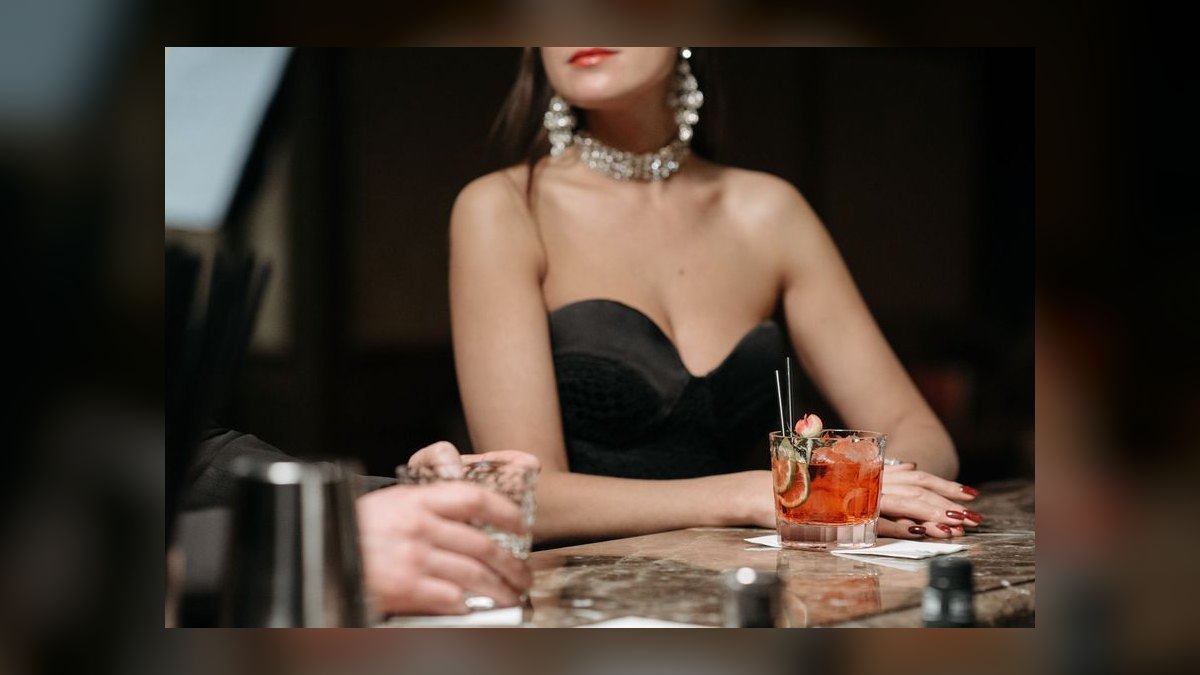
Mismatched fabric between the two pieces. Sets sold as pairs are fine. Sets you assemble yourself fail when the top and bottom have different sheens, weights, or black tones. Two "blacks" that don't match look like an accident under warm event lighting. Check in daylight and again under warm indoor light.
Over-formalizing a casual room. Showing up in a heavily embellished gown-adjacent dress to a loft party is as awkward as underdressing. Read the room from the invitation and venue, not from the most formal cocktail party you've ever attended.
Ignoring the sit test. Fitted sets and body-skimming dresses can both be perfectly comfortable standing and miserable seated. If there's dinner, seated comfort is most of the night.
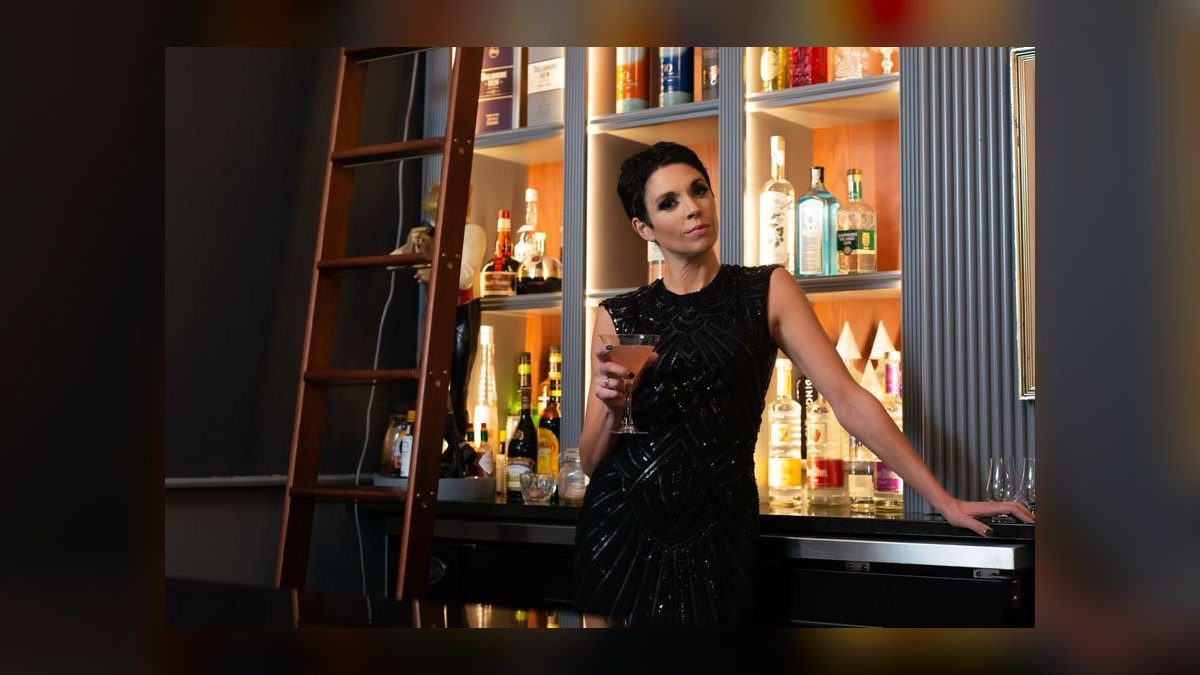
Shoes chosen for the photo, not the evening. Standing on hard floors for hours in shoes you haven't broken in ends with you barefoot or leaving early. Mid-height block heels are widely accepted now — take the comfort.
Forgetting arrival and departure. People see you in your coat at both ends of the night. A puffer over satin undoes the effort. Plan the outer layer as part of the outfit.
No backup. Zippers break, seams split, stains happen. Keep a second viable option accessible, plus a small kit: safety pins, double-sided fashion tape, a stain pen, and a spare earring back.
Assuming last year's rules. Cocktail norms shift gradually. Midi lengths and block heels are more accepted than they were a few years ago; separates are more accepted than they were. If your mental model is a decade old, you'll over-formalize.

Choosing between them: a working framework
Score the event on four axes, then let the total point you.
Formality of the invitation. Explicit black-tie-optional or formal language: dress. Plain "cocktail attire": either. "Festive," "creative," or no code at a casual venue: set.
Photography load. Weddings and galas with a photographer mean many full-body shots. A dress gives a cleaner single line and fewer ways for something to be slightly off in an image that lives forever. High photo load favors the dress.
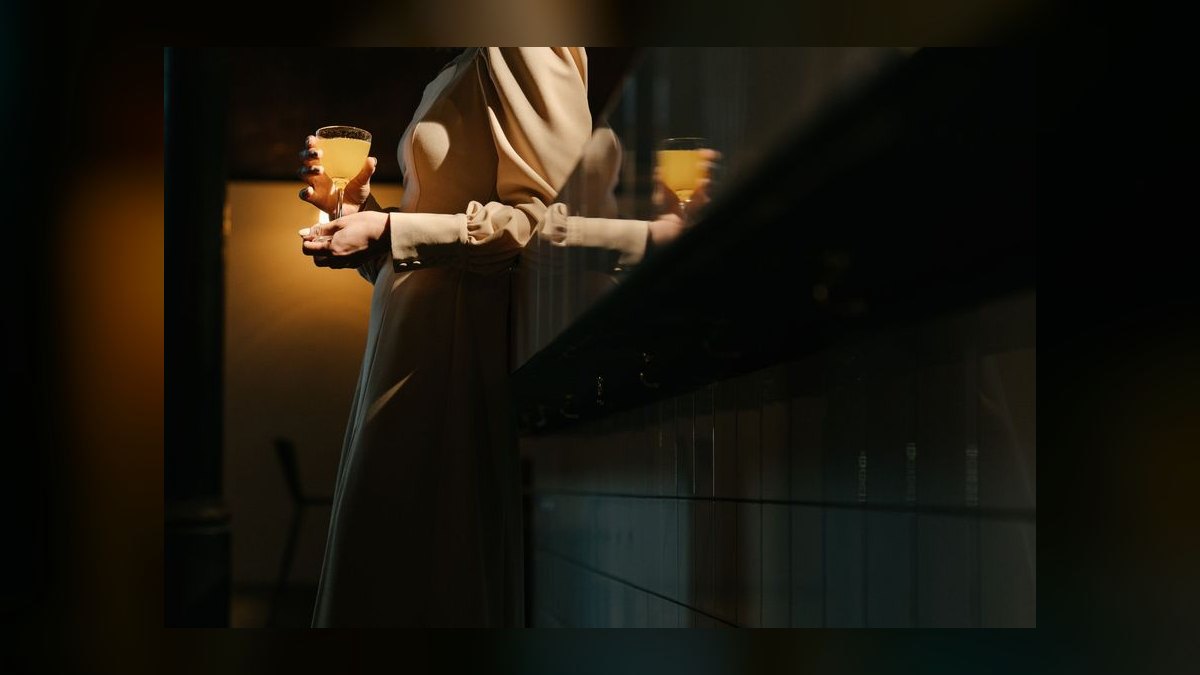
Duration and physical demands. Long night, lots of standing, possible dancing: pick whichever version you can genuinely move in. A well-anchored set often beats a tight dress here, because you can adjust the top independently.
Re-wear intent. Buying for one occasion with no plan to repeat: rent or buy cheap, and a dress is simpler. Buying something to work into a rotation: the set is the better asset, full stop.
Tiebreakers. Unknown venue, unknown crowd, first time meeting people who matter — take the dress; it has the narrower failure range. Known crowd, creative industry, you want to look current — take the set. Travel involved — the set packs flatter and wrinkles less if it's crepe.
The hybrid answer. Nothing requires you to pick one forever. A common approach is one reliable dress in a neutral evening fabric that handles anything formal, plus one set in a versatile color that covers everything else and doubles as work and dinner separates. That combination covers nearly every cocktail-level invitation without a new purchase each time.
Related questions
Can a jumpsuit replace either option?
Yes, at most cocktail events. A wide-leg jumpsuit in crepe or satin reads as formal as a dress and moves better than a set. The main drawback is bathroom logistics with one-piece designs — check that before a long evening.
Is a two-piece set appropriate for a wedding?
Usually yes for the reception, if the fabric is evening-grade and the hem is knee-length or longer. Avoid it for very traditional or religious ceremonies, and never wear white or ivory unless the couple asked for it.
What hem length is safest for cocktail attire?
Midi — roughly mid-calf — is the most reliable choice. It reads current, satisfies traditional expectations, sits comfortably, and photographs well. Just-above-the-knee is equally acceptable at most events.
Do I need heels?
No. Block heels, low heels, dressy flats, and embellished loafers all pass at contemporary cocktail events. Comfort over three hours of standing matters more than heel height, and nobody photographs your feet.
How do I make separates I already own look like an intentional set?
Match fabric family and sheen first, color second. Same-family fabrics in close tones read as a set. Add a unifying element — a belt, matching shoe-and-bag tone, or a coordinated jacket — to signal intent.
FAQ
Is a cocktail dress or a two-piece set dressier?
Neither, inherently. Formality comes from fabric, construction, and hem length rather than from the number of pieces. A satin two-piece set in a good cut outranks a thin jersey dress at any event. A structured dress outranks a linen set. Judge the material first and the silhouette second.
What should I wear to a cocktail party if the invitation gives no dress code?
Default to a knee-to-midi length garment in an evening fabric. Match the venue: hotel or club leans dress, gallery or rooftop leans set. When genuinely uncertain, err slightly dressy — being marginally overdressed reads as respectful, while being underdressed is more visible.
Can I wear black to a cocktail party?
Yes. Black is the standard, safest option for cocktail attire and always has been. The risk isn't the color, it's matching two black pieces that have different undertones or sheens. Check them together under both daylight and warm indoor lighting before committing.
How much should I expect to spend?
Anywhere from a fast-fashion purchase to designer occasionwear. The most efficient spend for most people is a contemporary-tier garment plus tailoring, or a secondhand evening piece plus tailoring. Rental makes sense for one-time formal dresses; sets are better bought because the re-wear value is real.
How far in advance should I shop?
Two to three weeks minimum if ordering online, to allow shipping and one return cycle. Add a week for tailoring, and more during wedding and holiday seasons when alterations shops are backed up. Inside a week, shop in person and buy something that fits off the rack.
What's the biggest mistake with a two-piece set?
The top not staying anchored. A cropped top with no waistband connection or interior structure rides up every time you raise your arms, and a cocktail party is hours of raised arms. Test it before you buy, and use fashion tape or pick a top with a defined waist seam.
Sources
- https://www.vogue.com
- https://www.harpersbazaar.com
- https://www.elle.com
- https://www.gq.com
- https://www.whowhatwear.com
- https://www.brides.com
- https://www.instyle.com
- https://www.refinery29.com
Related on PULSE
- What "cocktail attire" actually means on an invitation
- Wedding guest dress codes decoded: black-tie optional vs. formal vs. cocktail
- Building a capsule wardrobe of evening separates
- Fabric guide: which materials read as formal
- How to pack occasion wear without wrinkles
- Comfortable heel alternatives for long events
 pulse-styleWhat Should You Wear to a Work Sports Game in 2027?
 pulse-styleHow to Style a Cocktail Dress for a Semi-Formal Event in 2027
 pulse-styleHow to Wear Terracotta with a Puffer Jacket in 2027
 pulse-styleWhat to Wear to a Diwali Celebration in 2027
 pulse-styleHow to Wear Dusty Rose with a Denim Jacket in 2027
 pulse-styleHow to Wear Slate Blue with White Sneakers in 2027
 pulse-styleWhat to Wear for a Plus-Size Figure in 2027
 pulse-styleWhat to Wear to a Job Interview in Your 30s in 2027
 pulse-styleHow to Style a Bomber Jacket for a Graduation in 2027
 pulse-styleHow to Style Tailored Shorts in Summer in 2027