
What is the best tech stack for a casino or gaming operator in 2027?
 Curated byKory White · Fractional CRO · Maryland
 PULSEKNOWLEDGE LIBRARY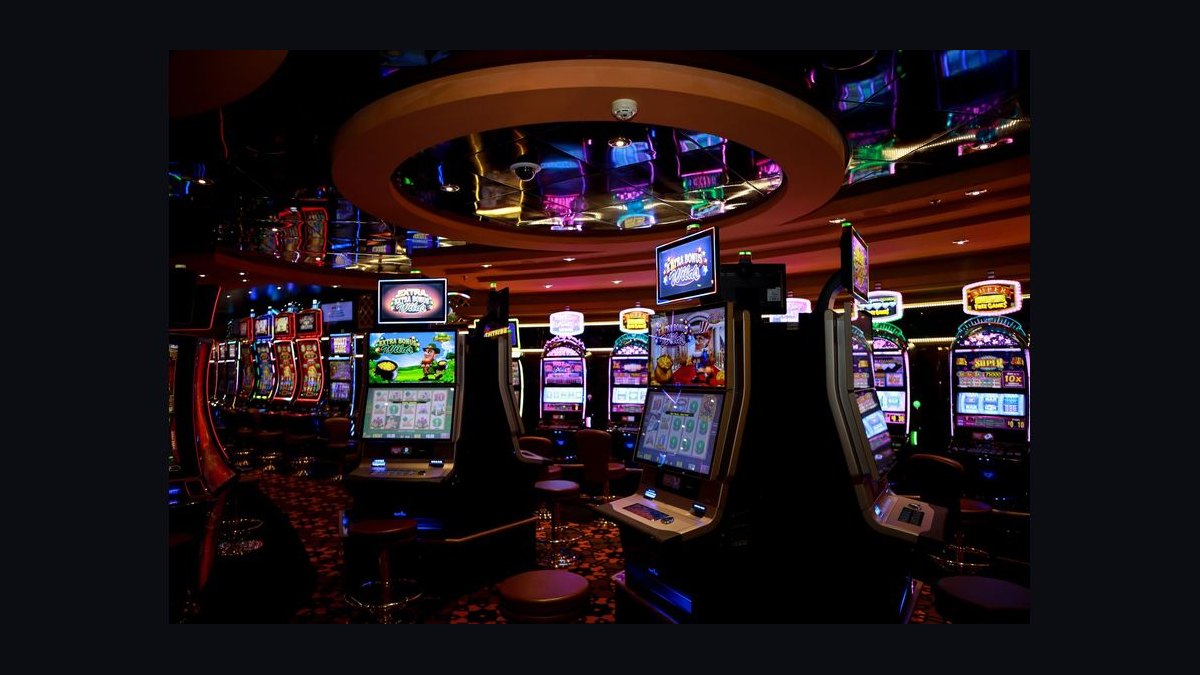
The best tech stack for a casino or gaming operator in 2027 centers on a casino management system (CMS) with player-tracking — IGT Advantage or Konami SYNKROS for most floors — tied to a slot-floor system running SAS/G2S with ticket-in/ticket-out, Tangam for table optimization, Everi for cage and cashless, and NICE or Verint for surveillance. Everything else layers outward from that player record.
What It Is and Why It Matters
A casino tech stack is not a loose collection of point solutions bolted together the way a retailer might stitch together a POS, an email tool, and a CRM. It is a regulated, cash-handling operation whose entire marketing model depends on one thing: knowing exactly what each carded player is worth to the operator, in real time, across every game they touch. That single requirement reshapes which systems matter and the order in which an operator should buy them.
At the center sits the casino management system and its player-tracking loyalty card. In most industries the CRM is one system among several equally important tools. In gaming, the CMS plus the card is the spine of the entire business. Every carded slot pull, every rated table session, and increasingly every sportsbook wager flows into a single player record that calculates theoretical win (theo), tier status, and reinvestment. Comps, free play, direct mail campaigns, and host outreach are all driven off that number. If the card data is fragmented or wrong, an operator ends up mailing $500 offers to break-even players while ignoring the whales who actually fund the property. No downstream system — not a fancier BI tool, not a better sportsbook — repairs a broken player record. That is why any serious stack conversation starts here rather than with the flashier layers like sportsbook platforms or hotel integration.
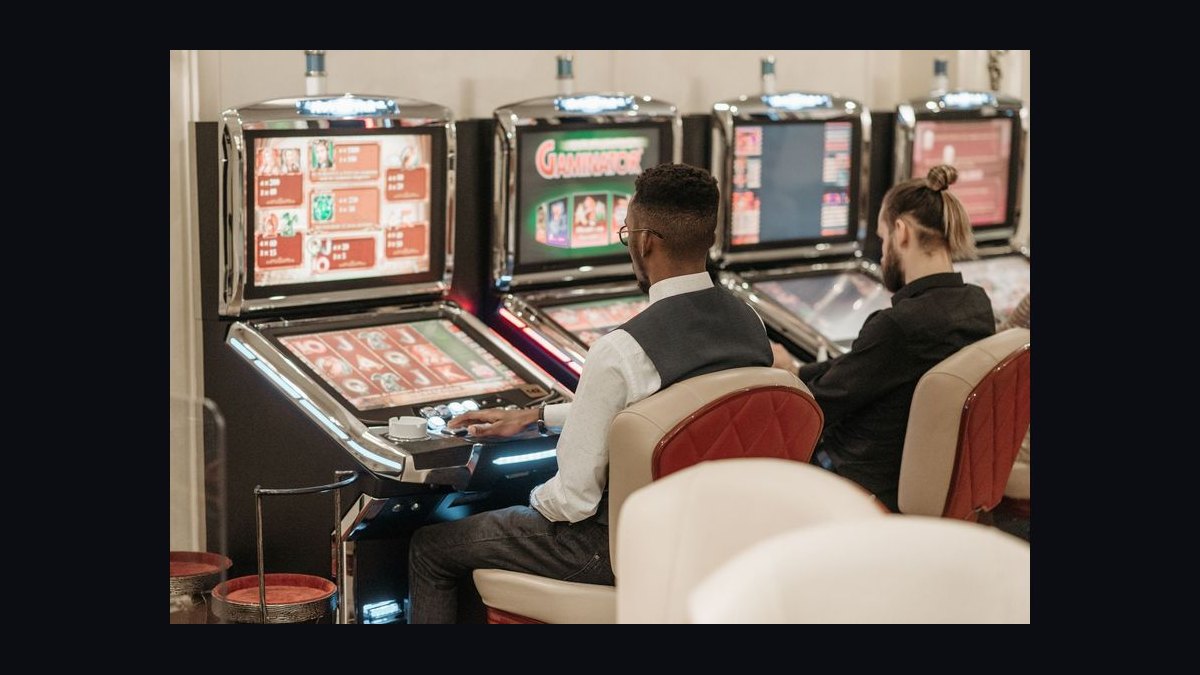
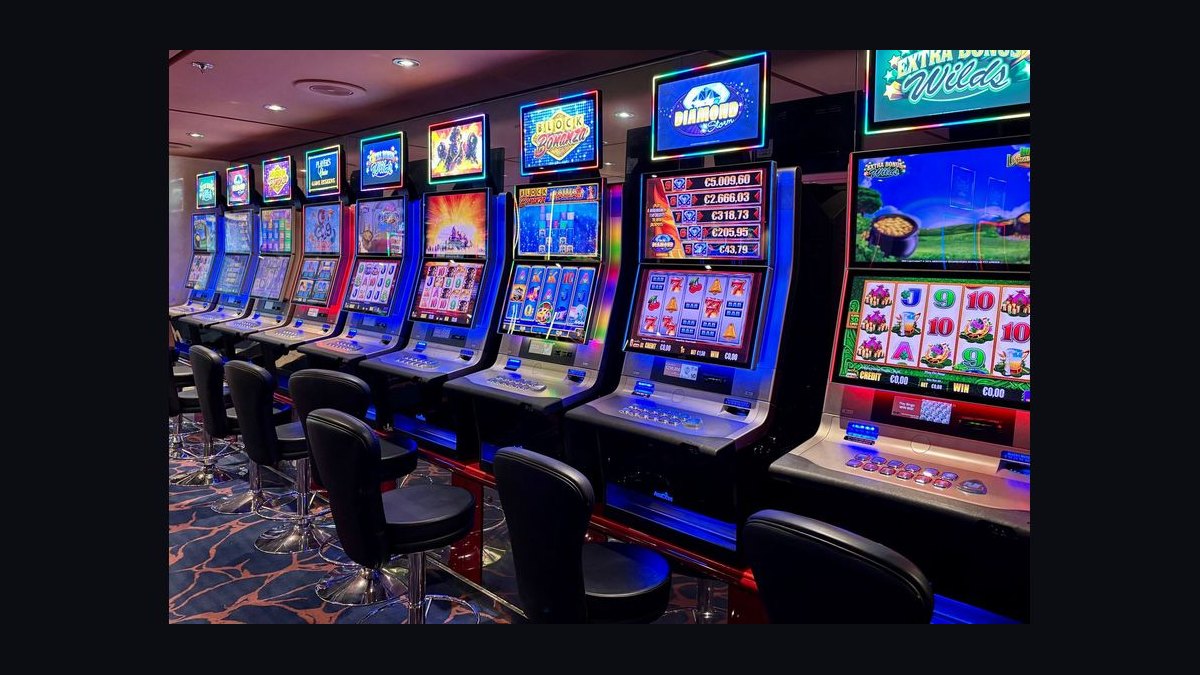
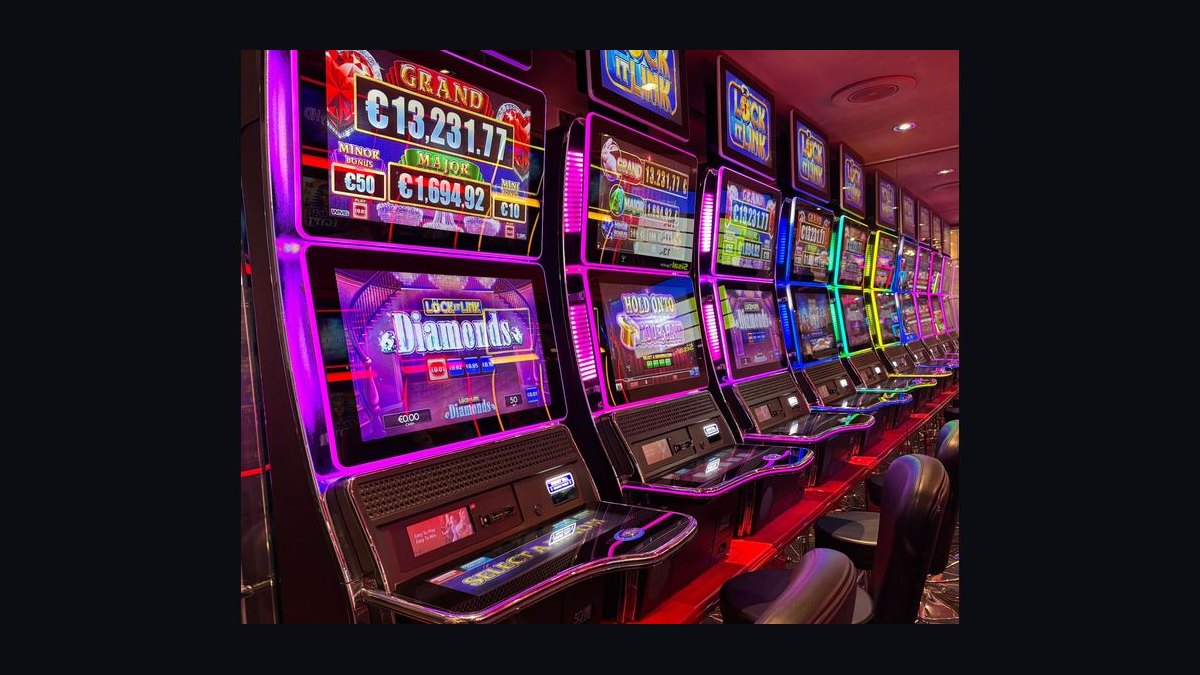
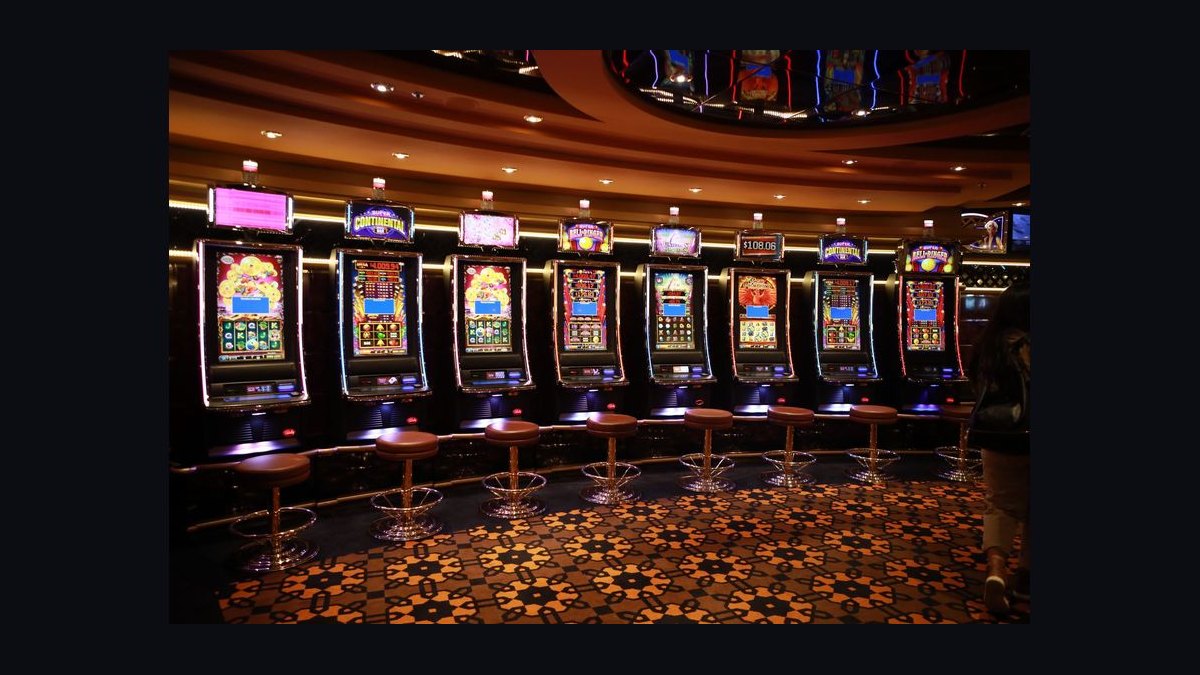
Slot-floor systems are the second reason gaming technology looks nothing like general retail technology. Electronic gaming machines communicate with the floor system over two protocols: SAS (Slot Accounting System), which handles meters and accounting, and G2S (Game-to-System), which enables richer remote configuration, floor-wide bonusing, and mystery jackpots. Ticket-in/ticket-out, or TITO, replaced coin hoppers roughly two decades ago, so every machine prints and redeems bar-coded vouchers that the cage and redemption kiosks must reconcile daily. None of this exists in a generic ERP or off-the-shelf CRM. It ships exclusively from gaming vendors — IGT, Light & Wonder, Konami, Aristocrat, Everi — and is tightly coupled to whichever CMS an operator has standardized on. Swapping CMS vendors later is expensive precisely because the floor protocols and the card database are so interdependent.
The third pillar is regulation. Casinos are treated as financial institutions under the Bank Secrecy Act, which means Title 31 compliance is not optional tooling — it is baseline survival. Title 31 requires Currency Transaction Reports above $10,000 and Suspicious Activity Reports, with Multiple Transaction Logs aggregating cash activity across a single day and a single patron. Surveillance — "the eye" — runs a legally separate camera and case-management system with commission-mandated minimum coverage. Tribal operators answer to the National Indian Gaming Commission and their own tribal gaming commission; commercial operators answer to a state gaming board. An AML miss during an audit can put a license at risk, which is why compliance tooling deserves budget priority over almost anything downstream of the CMS.

Finally, the stack increasingly extends outward into sportsbook, iGaming, and resort systems. A modern operator running a retail or online sportsbook needs that wagering activity to share one player wallet and one loyalty identity with the gaming floor — otherwise a guest who bets on the app and plays slots on property looks like two separate customers to the marketing engine. For integrated resorts, the hotel property-management system, food-and-beverage point of sale, and event booking must all feed spend back into the same player record so that comps reflect total worth rather than gaming-only worth.
The Step-by-Step Process
Building or rationalizing a casino tech stack follows a predictable sequence, because each layer depends on the one beneath it being trustworthy. Skipping ahead — for example, standing up a sportsbook before the player record is clean — creates rework that is far more expensive to unwind later than it would have been to sequence correctly from the start.
The process starts with the player record itself. An operator audits existing card data for duplicates, un-merged accounts, and uncarded play, then fixes enrollment discipline at the pit and slot desk so new players are captured correctly going forward. Only once that foundation is trustworthy does it make sense to connect the slot floor's SAS/G2S meters and TITO liability to the cage and kiosks for daily reconciliation. From there, Title 31/AML reporting and surveillance coverage are brought to an audit-ready state — this has to happen before any marketing automation goes live, because a compliance gap discovered after a promotional push is a far worse outcome than a promotional delay. With the player record clean and the compliance layer solid, theo- and tier-driven marketing offers, host outreach, and free-play campaigns can safely turn on. Sportsbook, iGaming, or hotel PMS integration comes last, and only with a firm requirement that the new platform shares a wallet and loyalty identity with everything already in place.
Each step in this chain produces an artifact the next step consumes: clean player data feeds accurate theo calculations, reconciled floor liability feeds trustworthy compliance reporting, and a stable compliance posture is the precondition for scaling marketing spend safely. An operator that tries to run this sequence out of order — say, launching an online sportsbook to chase growth while the on-property player record is still fragmented — ends up compounding the fragmentation across two channels instead of fixing it in one.

Costs, Timelines, and Typical Ranges
Casino technology spend scales dramatically with floor size, and understanding realistic ranges up front prevents both under-provisioning a growing property and over-buying enterprise modules a small floor cannot use.
For the CMS and player-tracking layer, IGT Advantage typically runs $150,000 to over $1 million in licensing plus per-machine fees, scaling with floor size — it carries the largest install base and the deepest slot-accounting history, which makes it the safe default for regional and tribal properties, though it also creates real vendor gravity once a floor and card database are built on it. Konami SYNKROS is a common alternate, generally competitive in the same band, favored for stronger marketing automation and bonusing tools. The slot-floor system itself is usually bundled into the CMS license, with per-EGM connection fees often equivalent to $50 to $150 per machine per month; there is effectively no independent third-party alternate here because the floor system must speak the exact protocols the machines use.

Ticket redemption and cashless infrastructure add hardware costs on top of software fees — kiosks typically run $8,000 to $15,000 per unit, with Everi's CashClub the dominant platform for cage, kiosk, and increasingly cashless wagering, priced through revenue-share or per-transaction fees. Table-games optimization through Tangam is sold as SaaS, roughly $30,000 to $150,000 per year depending on floor size, and pays for itself through better min-bet and staffing decisions once table volume justifies it. Compliance automation for Title 31/AML typically costs $20,000 to $100,000 per year — a figure that looks trivial next to the cost of a regulatory finding, which is the correct way for an operator to frame that line item internally. Surveillance is the most variable cost, ranging from $100,000 to well over $1 million depending on camera count and the retention window the gaming commission requires.
At the small end, a casino or card room running under roughly 500 EGMs, with no sportsbook and no data warehouse, spends in the range of $150,000 to $500,000 annually all-in, including hardware amortization. A regional or tribal casino with 1,000 to 2,500 EGMs, tables, and often an attached hotel typically lands between $1 million and $4 million per year across the full mid-market stack. A large integrated resort with 3,000-plus EGMs, a large table pit, a sportsbook, and a substantial hotel can run $5 million to $25 million or more annually once enterprise data warehousing, hundreds of surveillance cameras, and full PMS integration are included. Implementation timelines follow a similar curve: a small-property CMS refresh can go live in a few months, while a large-resort sportsbook or PMS integration often runs six to twelve months once shared-wallet requirements and regulatory sign-off are factored in.
Where Teams Get It Wrong
The most common and most damaging mistake is treating dirty or fragmented player data as a background nuisance rather than an active operational risk. Duplicate cards, un-merged accounts across acquisitions or system migrations, and uncarded play all distort theo and reinvestment calculations. The visible symptom is an operator mailing generous offers to break-even players while its highest-value guests go unrecognized — a marketing failure that no amount of downstream analytics can correct, because the analytics are built on the same broken foundation. Fixing this requires disciplined card-merge rules and enrollment training at the point of play, not a new reporting dashboard.
A close second is treating Title 31/AML reporting and surveillance as compliance checkboxes rather than as a mandated operational spine. Operators that try to run CTR and SAR-C generation on spreadsheets, or that let Multiple Transaction Log aggregation lag, or that under-cover the floor relative to commission minimums, turn a routine audit into a genuine license risk. Because these tools are inexpensive relative to the downside of a finding, deferring them to "later, once revenue justifies it" is exactly backwards — they should be funded before marketing automation, not after.
A third failure mode shows up specifically around sportsbook and iGaming expansion: standing up an online book or online casino as its own silo, with its own wallet and its own loyalty program, rather than insisting on shared identity with the existing floor system. When that happens, a guest who bets on the app and plays slots on property is treated as two separate people by the marketing engine, which means comps and reinvestment calculations both break for that guest. This is a contract-negotiation mistake as much as a technical one — the shared-wallet requirement has to be non-negotiable before a platform deal with a vendor like Kambi, OpenBet, or GAN is signed, not something the operator hopes to retrofit afterward.
Finally, smaller operators frequently over-buy enterprise capability their floor cannot use — a full enterprise data warehouse, Tangam deployed across only two pits, or a large ERP implementation on day one. This burns capital and implementation bandwidth that would be far better spent on the two things that actually move the needle at small scale: clean player data and solid compliance coverage. The right-sized stack for a few-hundred-machine operation genuinely looks different from a resort's stack, and matching ambition to actual floor size avoids both under-investment and wasted spend.
Decision Framework: When to Choose What
Vendor selection within a casino stack should follow floor size, business model, and existing vendor relationships rather than feature checklists, because so much of this technology is protocol-locked to whichever floor system an operator already runs.
For a small casino or card room, the decision is straightforward: pair an Everi or Konami CMS with TITO for the slot floor, add Bravo Gaming if there is a poker room to manage waitlists and rake, bolt on Title 31/AML tooling, and run commission-minimum surveillance. There is no case for a data warehouse or sportsbook platform at this scale — the reporting need is met by the CMS's built-in modules and, if necessary, spreadsheets for the marketing side.

For a regional commercial or tribal casino, the choice usually comes down to IGT Advantage versus Konami SYNKROS as the CMS, and that choice should follow the operator's marketing philosophy more than raw feature comparison: Advantage is the broad, deep default with the largest install base, while SYNKROS is frequently favored where marketing automation and bonusing depth matter more, which is common among tribal operators running a local-market reinvestment model. Either pairs with Tangam for table optimization once table count justifies the SaaS spend, Everi for cashless and cage operations, and Verint or NICE for surveillance sized to the property. Agilysys is the natural PMS choice if a hotel is attached, since it is purpose-built for gaming and hospitality rather than adapted from general hotel software.
For a large integrated resort, the framework shifts toward enterprise capability: a large-floor CMS (IGT Advantage or Light & Wonder CMP/ACSC), a fully cashless floor, Tangam deployed at scale across hundreds of tables, hundreds of surveillance cameras, a genuine sportsbook and iGaming platform through Kambi or OpenBet, and an enterprise data warehouse feeding both casino marketing and finance. The defining architectural requirement at this scale is a single player identity spanning the floor, the mobile app, the hotel, and the sportsbook — every vendor contract should be evaluated against whether it preserves or fractures that identity.
For a racino or sportsbook-focused operator, the stack inverts: the sportsbook and iGaming platform is the primary investment, built around a shared wallet from the very beginning rather than retrofitted, with a slimmer slot CMS supporting the physical gaming floor. GAN or a white-label deal is a common alternate to a direct Kambi or OpenBet relationship depending on brand strategy and how much trading and risk-management capability the operator wants to own versus outsource.
Related Questions
What is the difference between a CMS and a player-tracking system?
They are typically the same product suite. The casino management system handles slot accounting, floor configuration, and reporting, while player tracking is the module within it that calculates theo, tier status, and comp eligibility per carded guest. IGT Advantage and Konami SYNKROS both ship these as one integrated platform, not separate purchases.
Do casinos need a separate data warehouse from their CMS?
Only at larger scale. A CMS stores operational and player data natively, but resorts running sportsbook, hotel, and multiple gaming floors typically need a dedicated warehouse to unify reporting across systems. Small and mid-size operators usually get sufficient reporting from the CMS's built-in modules plus a BI tool like Power BI.
How does cashless wagering change the cage and compliance picture?
Cashless wallets, such as Sightline Play+ or Koin, let players fund machine play from a regulated account instead of physical cash, which reduces cage traffic and speeds up time-on-device. It also adds new AML and reconciliation requirements, since funds now move electronically rather than through TITO vouchers alone.
Can a general CRM replace a casino management system?
No. A general CRM has no concept of theo, slot accounting, or SAS/G2S protocols, and it cannot drive comp redemption at the cage or kiosk. The CMS is purpose-built gaming infrastructure that a horizontal CRM platform does not replicate.
What happens if sportsbook and floor loyalty programs aren't integrated?
A guest who bets online and plays on the floor is treated as two separate customers, which fractures theo and reinvestment calculations and undermines comp accuracy. This is why a shared wallet and shared loyalty identity is treated as a non-negotiable requirement before signing a sportsbook platform contract.
FAQ
Do I really need a casino management system, or can I run a general CRM? You need a dedicated CMS. A general CRM has no concept of theo, tier reinvestment, slot accounting, or comp redemption, and it cannot speak SAS/G2S to your floor. The CMS plus the player-tracking card functions as the marketing engine of a casino, not an optional add-on layered on top of generic sales software.
IGT Advantage vs Konami SYNKROS vs Light & Wonder — how do I choose? IGT Advantage is the broad default with the largest install base and the deepest slot-accounting heritage. Konami SYNKROS is frequently favored for marketing automation and bonusing depth, popular with tribal and mid-size operators. Light & Wonder's CMP/ACSC suits very large floors. Match the CMS to your existing floor vendor and marketing model rather than chasing a feature checklist in isolation.
What is TITO and why does cashless matter now? Ticket-in/ticket-out replaced coins with bar-coded vouchers that kiosks and the cage redeem for cash. Cashless wagering, through wallets like Sightline Play+ or Everi's platform, lets players fund machine play directly from a regulated account, which lifts time-on-device and simplifies cage operations, though it adds new AML and reconciliation obligations for the operator.
How heavy is the Title 31/AML burden, and what does it cost? Heavy enough to warrant dedicated tooling rather than manual processes. Casinos must file Currency Transaction Reports above $10,000, aggregate Multiple Transaction Logs across each day, and file Suspicious Activity Reports for unusual patterns. Compliance automation from vendors like Everi or Light & Wonder typically runs $20,000 to $100,000 per year, a small figure against the cost of a regulatory finding.
Should an operator build a sportsbook or iGaming platform in-house? Most should not. B2B platforms like Kambi and OpenBet bring trading, risk management, and player-account infrastructure that take years to build internally. The requirement that matters more than build-versus-buy is a shared wallet and shared loyalty identity with the existing floor system, regardless of which platform partner is chosen.
Do small casinos and card rooms need the full enterprise stack? No. A small casino or card room runs a lighter footprint: an Everi or Konami CMS with TITO, Bravo Gaming for the poker room, bolted-on Title 31/AML tooling, and commission-minimum surveillance. The data warehouse, Tangam, and sportsbook layers should wait until floor size and player volume genuinely justify the added cost and complexity.
Sources
- IGT — Advantage casino management system and player-tracking product documentation
- Konami Gaming — SYNKROS casino management and marketing-automation overview
- Everi Holdings — CashClub cashless, cage/kiosk, and Title 31 compliance product pages
- Tangam Systems — table-games yield-management and optimization case studies
- FinCEN — Bank Secrecy Act Title 31 casino reporting (CTR, SAR-C, Multiple Transaction Log) guidance
- Agilysys — gaming and hospitality property-management and POS solution briefs
- National Indian Gaming Commission — tribal gaming regulatory and compliance requirements
- American Gaming Association — commercial casino industry technology and operations reporting
Related on PULSE
- [What is the recommended Casino and Gaming Resort sales and operations tech stack in 2027?](/knowledge/tk0204)
- [What is the recommended Esports and Pro Gaming Organization sales and operations tech stack in 2027?](/knowledge/tk0217)
- [What is the best tech stack for a commercial parking operator in 2027?](/knowledge/tk343)
- [What is the best tech stack for a marina operator in 2027?](/knowledge/tk0193)
- [What is the best tech stack for a self-storage operator in 2027?](/knowledge/tk0098)
This page will be disappearing soon. Save it to your device for $1 — or read it free while it is here.
@Kory-White- · if Venmo asks, the last 4 of my number are 2012
 pulse-tech-stacksWhat is the best tech stack for an auto transport or car hauling company in 2027?
 pulse-tech-stacksWhat is the best tech stack for a tax preparation service in 2027?
 pulse-tech-stacksWhat is the best tech stack for a pharmaceutical distributor in 2027?
 pulse-tech-stacksWhat is the best tech stack for a funeral home or mortuary in 2027?
 pulse-tech-stacksWhat is the best tech stack for a chiropractic practice in 2027?
 pulse-tech-stacksWhat is the best tech stack for a salon or spa in 2027?
 pulse-tech-stacksWhat is the recommended TTS / Voice AI sales and operations tech stack in 2027?
 pulse-tech-stacksWhat is the best tech stack for a pawn shop in 2027?
 pulse-tech-stacksWhat is the best tech stack for a small-to-midsize manufacturing company in 2027?
 pulse-tech-stacksWhat is the best tech stack for a bar or nightclub in 2027?