
What is the best tech stack for a wedding or event venue in 2027?
 Curated by Kory White · Fractional CRO · Maryland
 PULSEKNOWLEDGE LIBRARY
The best 2027 venue tech stack centers on a venue sales and event-management hub — Tripleseat for booking-driven venues, Perfect Venue or HoneyBook for smaller wedding venues — wrapped in a single real-time availability calendar, floor-plan software, marketplace lead generation, e-signature contracts, and deposit-schedule automation that turns a signed date into an executable banquet event order.
The outcome you should expect
A venue that assembles this stack correctly is buying four measurable outcomes, and it is worth naming them before naming any vendor, because the software only earns its cost if these numbers move.
The first outcome is inquiry response time collapsing from hours to minutes. Wedding and event shopping is a parallel process: a couple or a corporate planner submits inquiries to five, eight, sometimes a dozen venues in a single sitting on a Sunday evening. The venue that replies first with real availability for the requested date disproportionately wins the tour, and the tour is where the sale actually happens. Before the stack, an inquiry arrives in a shared inbox, sits until Monday morning, and gets a reply after three competitors have already scheduled walkthroughs. After the stack, the website form and the marketplace listing both feed the same hub, an auto-acknowledgment goes out within seconds with a date-availability answer or a link to book a tour slot, and a human follow-up lands the same business day. That single change is usually the largest single lift in a venue's close rate, and it requires no additional headcount.
The second outcome is zero double-bookings, permanently. This sounds trivial until you have lived through it. A venue that sells a Saturday twice has no recovery path — the date cannot be duplicated, one client must be moved or refunded, and the fallout reaches the marketplace reviews that drive the next twenty inquiries. A single authoritative calendar showing soft-holds, confirmed-with-deposit bookings, and blackout dates, readable and writable by every salesperson, makes the failure structurally impossible rather than merely unlikely.
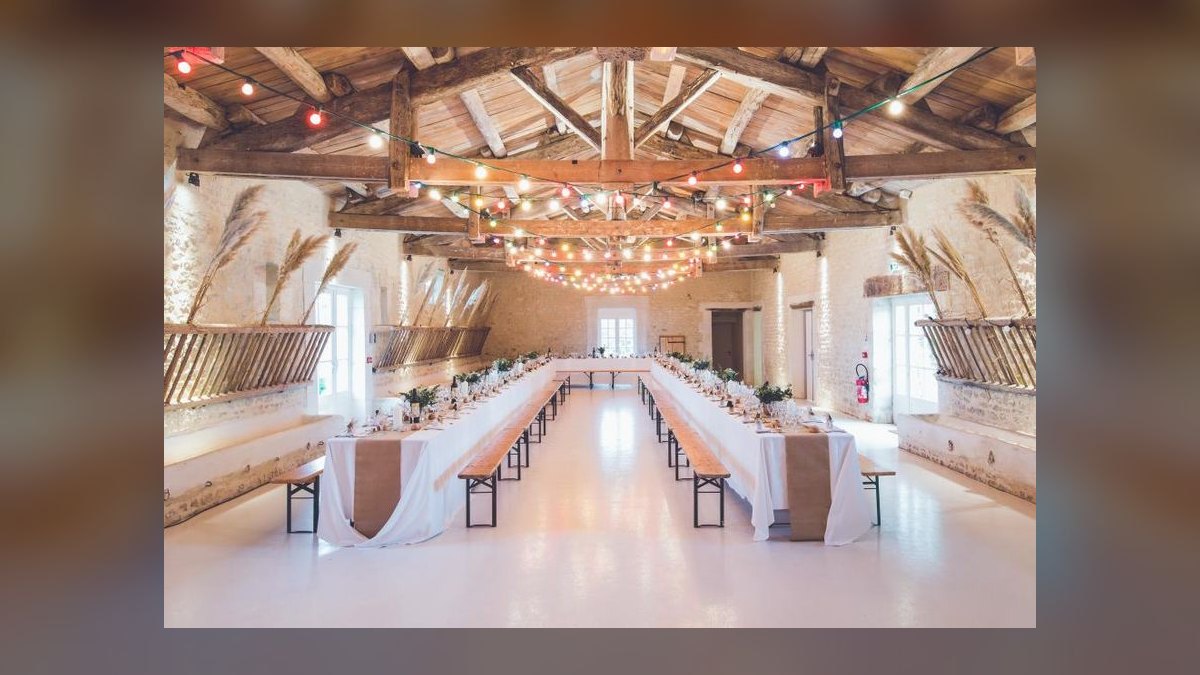
The third outcome is deposits and payment milestones that collect themselves. Venues book twelve to eighteen months ahead for weddings and several months ahead for corporate and social events, which means the gap between "yes" and "money" is long enough for a booking to quietly evaporate. When the payment schedule lives inside the contract record and fires automated reminders, the venue learns about a missed milestone the week it happens — while the date is still resellable — rather than the week of the event, when it is not.
The fourth outcome is a clean banquet event order that day-of staff can actually run. The BEO is the deliverable that separates a venue that looks organized on a tour from one that is organized on the wedding day. Setup times, room configuration, final headcount, bar package, rental deliveries, vendor arrival windows, and the minute-by-minute timeline all belong in one living document that the planner, the caterer, and the floor team read from. Every detail that stays in an email thread instead is a detail someone will get wrong at 4pm on a Saturday.
Expect the full build to take roughly ninety days for a single venue and four to six months for a multi-property group, and expect the marketplace listing line to be the largest recurring cost — often larger than every piece of software combined.
What drives that outcome
The mechanics behind those results are specific to how a venue sells, and they are genuinely different from the adjacent hospitality businesses a venue is often compared to.

You sell a finite calendar, not a scalable product. A caterer can add a second crew and serve two events on the same Saturday. A hotel can sell a room tonight and again tomorrow. A venue can sell a given peak Saturday exactly once per year, forever. That constraint means every inquiry is a head-to-head competition for one specific unit of inventory, and it means the two numbers that decide whether the venue makes its annual booking target are speed-to-lead and date-availability accuracy. A generic CRM is built around an ever-refillable pipeline of accounts; a venue pipeline is built around a wall calendar with roughly fifty-two premium slots. That structural difference is why a purpose-built venue platform beats a Salesforce or HubSpot implementation for almost every operator below the enterprise line — the availability calendar is the object the entire system revolves around, and generic CRMs do not have one.
The documents are the product. Once a date is booked, the system of record shifts from the pipeline to the BEO, the floor plan, and the timeline. These artifacts are consumed by people who do not work for the venue — the outside caterer, the planner, the florist, the DJ, the rental company, the photographer. Any tool that cannot share a current version with an outside party is generating work rather than removing it. This is also the sharpest contrast with the restaurant world: a restaurant POS optimizes for a two-hour transaction, while a venue optimizes for a document that gets revised over fourteen months and then executed once with no second chance.
It is a one-time, high-value, referral-driven sale. A couple books a wedding venue once in their life. Corporate planners rebook, and that segment deserves real account management, but the wedding side has no repeat revenue and therefore no forgiveness. Reviews and marketplace placement become the top of the funnel, not a marketing afterthought, because the next client's search begins on The Knot or WeddingWire and ends at whichever three venues have both availability and social proof.

Cash arrives on a schedule the calendar dictates. A venue collects a date-holding deposit at signing, then bills against a multi-payment schedule — commonly a payment at contract, one or two milestone payments, and a final balance shortly before the event, frequently measured against a food-and-beverage or bar minimum. That means the accounting treatment matters more than it does for a same-day business: deposits taken today for an event fourteen months out are liabilities, not revenue, and a venue that books them as income will badly misread its own health. The stack has to distinguish held from confirmed, and it has to know when a soft-hold expires so the date returns to inventory.
The collaboration surface is unusually wide. Beyond the client, a single wedding involves a planner or coordinator, a caterer, a bar service, a rental company, and four to eight independent vendors. Adjacent industries face this too — think of a production company coordinating a film shoot, or a conference organizer running a multi-track program — and the lesson transfers cleanly: the tool that wins is the one that produces a shareable, always-current document, not the one with the prettiest internal dashboard.
Benchmarks and realistic ranges
Here is what each layer actually costs and who it fits. Treat these as planning ranges, not quotes — venue pricing varies with room count, event volume, and market.
The hub — venue sales and event management. Tripleseat is the dominant venue and restaurant event-sales platform and typically runs a few hundred dollars per month per venue, scaling with volume and user count; it handles the inquiry pipeline, proposals, contracts, the availability calendar, and BEO generation in one system. Perfect Venue is the value alternative aimed squarely at independent venues and lands materially lower, which makes it the right first purchase for an owner-operated barn or estate. Event Temple targets hotels and multi-property groups with a more enterprise-grade calendar. HoneyBook and Dubsado are client-workflow tools rather than venue platforms — excellent for a small venue whose owner also coordinates events, weaker once you need real BEOs and multi-room availability. Aisle Planner leans wedding-specific with planning timelines built in. Caterease remains a reasonable choice for banquet halls whose center of gravity is in-house catering rather than space rental.

The switching threshold is worth stating plainly: move from a workflow tool to a true venue platform when you add a second salesperson, cross roughly a hundred events a year, add in-house food and beverage with contracted minimums, or start running multiple rooms with overlapping availability. Below those lines, the cheaper tool is not a compromise — it is the correct answer.
Floor plans, seating, and 3D. Prismm, formerly AllSeated, builds to-scale floor plans, seating charts, and 3D walkthroughs the venue, planner, and client all edit together. Social Tables, now part of Cvent, is the common choice for hotels and larger properties and integrates with the broader Cvent ecosystem. Expect low-to-mid hundreds monthly depending on tier and room count. The business case is not efficiency — it is close rate. A prospect standing in an empty ballroom struggles to picture 180 guests, a dance floor, and a head table; the same prospect looking at a to-scale 3D render of their own layout stops comparison-shopping. If you sell on experience, this layer pays for itself in one or two incremental bookings a year.
Marketplace lead generation. The Knot and WeddingWire, both operated by The Knot Worldwide, are where the overwhelming majority of wedding-venue inquiries originate. Listings are priced by market and placement and are usually the single largest line in a wedding venue's monthly budget — often several hundred to well over a thousand dollars per month in competitive metros. Zola has grown into a genuine alternative, and Wedding Spot specializes in venue discovery with pricing transparency. The discipline here is to track cost-per-inquiry and cost-per-booked-event by source rather than treating listings as a fixed tax. A venue that cannot state its blended cost per booking from The Knot is flying blind on its largest marketing expense.

Contracts and e-signature. DocuSign is the standalone standard and runs on a modest per-user monthly basis. The better answer for most venues is the native e-signature already built into Tripleseat, Perfect Venue, or HoneyBook, because a signature captured inside the booking record automatically advances the deal stage, triggers the deposit invoice, and locks the date — none of which happens when the signed PDF lands in an inbox and waits for someone to file it.
Payments. Stripe processes cards at a standard published rate of 2.9% plus 30 cents for online transactions and powers the payment pages embedded in most venue platforms. Square is the common alternative and is often already present if the venue sells anything on-site. On a $15,000 wedding paid entirely by card, processing runs a few hundred dollars — enough that many venues offer an ACH or check discount on the final balance while keeping cards for the deposit, where speed matters more than fee.
Food and beverage POS. Venues running their own kitchen and bar against a contracted minimum need a point-of-sale that reports consumption against that minimum in real time. Toast is the leading restaurant and event POS, priced per terminal monthly plus hardware. Square for Restaurants is the lighter alternative. Venues with no in-house food and beverage skip this layer entirely and let preferred caterers bring their own systems — which is the majority of barn, estate, and historic-property venues.
Reviews and reputation. Because the sale is one-time, structured review capture is a revenue layer. Podium and Birdeye both automate review requests and route them to Google and the wedding marketplaces; they sit in the mid-hundreds monthly, which only pencils out at meaningful volume or across multiple locations. Below that, the native review-request tools inside The Knot and WeddingWire plus a disciplined manual follow-up two days post-event will get you most of the way.
Accounting. QuickBooks Online covers deposits-as-liabilities, payment-schedule tracking, vendor payouts, and food cost for in-house kitchens; Xero is the standard alternative. The deferred-revenue treatment is the part venues get wrong most often, and it is worth an hour with a bookkeeper who has seen event businesses before.
Business intelligence. A single venue reports adequately out of its hub. Multi-venue groups pipe booking, deposit, and food-and-beverage data into a warehouse and report cross-property occupancy, booking pace against last year, and lead-source ROI in Power BI or the free Looker Studio. This layer earns its keep only at the group level; a single venue buying BI is buying a dashboard it will check twice.
Composite budgets. A single small venue — an owner-run barn, estate, or boutique space doing thirty to eighty events a year — typically runs roughly $700 to $2,200 monthly all in, with marketplace listings dominating. A mid-size ballroom or banquet hall with in-house food and beverage and a small sales team, doing one hundred to two hundred fifty-plus events, lands in the $2,500 to $6,500 range plus card processing and listing spend. A multi-venue group of three or more properties with dedicated sales and operations teams runs $8,000 to $20,000-plus monthly plus per-property marketplace and processing costs.

Risks, edge cases, and failure modes
The shadow calendar. The most common and most expensive failure. A tour gets penciled into a personal Google Calendar, a paper book at the front desk, or a text message, while contracts live in the hub. Eventually two clients hold the same Saturday. The fix is not a policy memo — it is deleting the alternative surfaces so there is nowhere else to write. If a salesperson needs mobile access at a bridal show, give them the hub's mobile view rather than tolerating a notebook.
BEOs that live in email. When details accumulate across forty message threads, the floor team executes from a document that was accurate three weeks ago. The headcount is off by twelve, the bar package changed, the ceremony moved indoors. Make the BEO in the hub the only source of truth, timestamp revisions, and share a live link with the planner and caterer rather than emailing PDFs that immediately go stale.
Soft-holds that never convert and never expire. A venue that lets courtesy holds sit indefinitely is running a phantom inventory shortage — turning away real inquiries for dates that are not actually sold. Set explicit hold durations, automate the expiry notice, and release the date on schedule. This is the single easiest revenue recovery in the whole stack.
Marketplace under-investment. Cutting the listing budget looks like a clean savings until the inquiry count drops sixty days later and the booking gap shows up fourteen months after that. The lag between marketing cuts and revenue damage is uniquely long in this business, which makes it uniquely easy to cut the wrong thing. Track cost-per-booked-event by source before touching the spend.

Over-buying the stack. The mirror-image failure. A forty-event barn does not need Tripleseat enterprise, Power BI, and Podium; it needs Perfect Venue, a floor-plan tool, two listings, and QuickBooks. Complexity has a real operating cost when the operator is also the person setting up chairs. Buy the next layer when a specific, recurring pain justifies it.
Integration gaps that force double entry. If leads from a marketplace do not flow into the hub with source attribution intact, someone retypes them and the ROI data is lost permanently. Verify the integration during evaluation, not after signing — and confirm specifically that the lead source field survives the trip.
Deposits recognized as revenue. Booking a fourteen-month-out deposit as income inflates this year and starves next year, and it makes the business look healthier than it is right before the busiest season. Treat deposits as liabilities until the event occurs.
Seasonality distortion in reporting. Booking pace, not monthly revenue, is the health metric for a venue. A venue can have a spectacular June and a catastrophic pipeline for next spring simultaneously. Report bookings-on-the-books for future periods against the same point last year, which is exactly the report a single-venue hub gives you for free and a spreadsheet gives you badly.
Vendor lock and data portability. Your BEO templates, client history, and multi-year booking calendar are the business. Before committing, confirm you can export bookings, contacts, and documents in a usable format. Venues switch platforms rarely, but when they do, it is usually under time pressure during a growth transition.
A practical rollout plan
Sequence matters more than vendor choice. Build the calendar and pipeline first, because everything downstream depends on knowing what is actually sold.
Days 0 through 30 — pipeline and calendar. Choose the hub and load every room, every existing booking, and every blackout date into one availability calendar. Import open inquiries. Define the pipeline stages explicitly: inquiry, tour scheduled, tour completed, proposal sent, soft-hold, contract sent, booked. Connect the website inquiry form so leads land in the hub rather than an inbox. Then do the unglamorous part — identify every shadow calendar in the building and delete it. Write the auto-response template and set the target: every inquiry acknowledged within fifteen minutes during business hours, with a date-availability answer and a tour-booking link.

Days 31 through 60 — documents and money. Build the BEO template with every field the floor team needs, then run a real past event through it as a test. Connect the floor-plan tool and rebuild your two or three standard room configurations as reusable templates so a salesperson can produce a client-specific layout in ten minutes rather than an hour. Wire up e-signature — native if available. Configure the standard deposit percentage and payment-schedule logic with automated reminders at each milestone, plus an internal alert when one slips. If you run in-house food and beverage, install the POS and map bar and food categories to your contracted minimums so consumption reports against the minimum automatically.
Days 61 through 90 — demand and reporting. Rewrite the marketplace listings with current photography, accurate capacity ranges, and honest starting pricing, then verify that inquiries from each source arrive in the hub tagged correctly. Turn on review automation so every completed event triggers a request within forty-eight hours, while the experience is fresh. Build the three reports that matter: bookings-on-the-books by future month versus the same point last year, cost-per-booked-event by lead source, and tour-to-contract conversion by salesperson. Multi-venue groups add the warehouse and cross-property dashboards here.
Ongoing. Review the calendar for expired soft-holds weekly. Audit one BEO per month against what actually happened on site — the gaps tell you which template fields are missing. Reprice listings annually against measured cost-per-booking rather than habit.
Related questions
Can a venue just run Salesforce or HubSpot instead?
Generic CRMs lack the object a venue revolves around: a real-time date-and-room availability calendar. They also do not generate BEOs. Large groups sometimes layer a CRM on top for corporate account management, but the venue platform still owns booking and execution.
How is a venue stack different from a caterer's?
A caterer sells food per head and centers on menus, kitchen production, and per-event costing. A venue sells a finite date and space, so its stack centers on calendar accuracy, tour-to-booked conversion, BEOs and floor plans, deposit schedules, and marketplace lead generation.
What if the venue sits inside a hotel or restaurant?
Use an event-sales platform built for that context — Event Temple or Tripleseat — and integrate with the existing property-management system and POS rather than replacing them. Corporate lead capture runs through the sales team; wedding leads still come from the marketplaces.
Do outdoor and non-traditional venues need anything extra?
Yes: weather-contingency logic in the contract, a documented rain-plan layout built in the floor-plan tool, and clear rental-and-permit tracking. Museums, wineries, and historic properties also lean harder on 3D visualization because their rooms are irregular and hard to picture.
When should a group centralize its calendar?
At three properties, or earlier if clients regularly ask about more than one site. A centralized calendar lets a salesperson offer an alternative property when the requested date is gone, which converts inquiries that would otherwise walk.
FAQ
Do I need Tripleseat, or can a small wedding venue run on Perfect Venue or HoneyBook?
An owner-run venue with no in-house catering is usually well served by Perfect Venue or HoneyBook — both handle inquiry, proposal, contract, and deposit flow at a fraction of the cost. Move up to Tripleseat when you add a sales team, high event volume, in-house food and beverage with bar minimums, or need BEOs that kitchen staff and outside vendors run from directly.
What exactly is a BEO and why does the stack revolve around it?
A banquet event order is the master document listing every detail of an event: setup time, room layout, final headcount, food and bar selections, rentals, vendor arrival windows, and the minute-by-minute timeline. It is what day-of staff execute from. If the booking system cannot generate and continuously update a clean BEO, details scatter into email and something goes wrong on site.
How should deposits and payment schedules be structured?
Collect a date-holding deposit at signing, then bill against a multi-payment schedule — typically a contract payment, one or two milestone payments, and a final balance before the event, often measured against a food-and-beverage minimum. Run payments through the hub so reminders fire automatically and any unpaid milestone flags the date as at-risk while it is still resellable.
Is floor-plan software worth it, or is a spreadsheet enough?
A spreadsheet cannot show a client their event in the room, and it produces errors on tight layouts. A to-scale tool like Prismm or Social Tables builds accurate plans and seating charts that the venue, planner, and client edit together, and the 3D walkthrough during a tour helps a prospect stop comparison-shopping. Worth the cost for any venue selling on experience.
Where do venue leads actually come from?
For wedding venues, The Knot and WeddingWire plus referrals and reviews drive the majority of qualified inquiries. Corporate and social events lean more on planner relationships, direct outreach, and the venue's own website. Either way, marketplace placement and review capture are a core lead-generation layer with a real cost-per-inquiry, not an optional expense.
What is the single highest-ROI change if I can only do one thing?
Consolidate to one availability calendar and cut inquiry response time to under fifteen minutes. That combination eliminates double-bookings and wins more tours, and it requires no new headcount — just a hub with the website form and marketplace leads flowing into it.
Sources
- https://www.tripleseat.com/
- https://www.perfectvenue.com/
- https://eventtemple.com/
- https://www.honeybook.com/
- https://www.prismm.com/
- https://www.cvent.com/en/event-diagramming
- https://www.theknot.com/marketplace
- https://www.weddingwire.com/
- https://stripe.com/pricing
- https://pos.toasttab.com/
Related on PULSE
- [The Telehealth Platform Tech Stack in 2027](/knowledge/tk0524)
- [The Community-Led Growth Tech Stack in 2027](/knowledge/tk0522)
- [The Cybersecurity SOC Tech Stack in 2027](/knowledge/tk0516)
 pulse-toolsWhat Service Fees Should a Law Firm Charge?
 pulse-toolsHow Many Staff Should I Schedule Each Shift at My BBQ Restaurant?
 pulse-toolsHow Many Staff Should I Schedule Each Shift at My Sushi Restaurant?
 pulse-toolsHow Many Sales Reps Do I Need to Hire for My Window Replacement Company?
 pulse-toolsHow Many Employees Should I Schedule Each Shift at My Bowling Alley?
 pulse-toolsHow Many Sales Reps Do I Need to Hire for My Healthcare SaaS Company?
 pulse-toolsHow Many Sales Reps Do I Need to Hire for My Marketing Agency?
 tlHow Many Baristas Should I Schedule Each Shift at My Coffee Shop?
 pulse-toolsHow Many Employees Should I Schedule Each Day at My Wine Shop?
 tlHow Many Sales Reps Do I Need to Hire for My Merchant Services Company?