


Top 10 Best Tech Stack Tools for Bars and Pubs in 2027
Quality
Certified
The 10 best tech stack tools for bars and pubs are ranked below on measured performance, build quality, price, and how each one actually holds up in daily use rather than how it reads on a spec sheet. Each pick lists what it costs, who it suits, and what it gives up against the one above it, so the list can be read straight down without doubling back.
1BeerSAVER Draft Monitoring
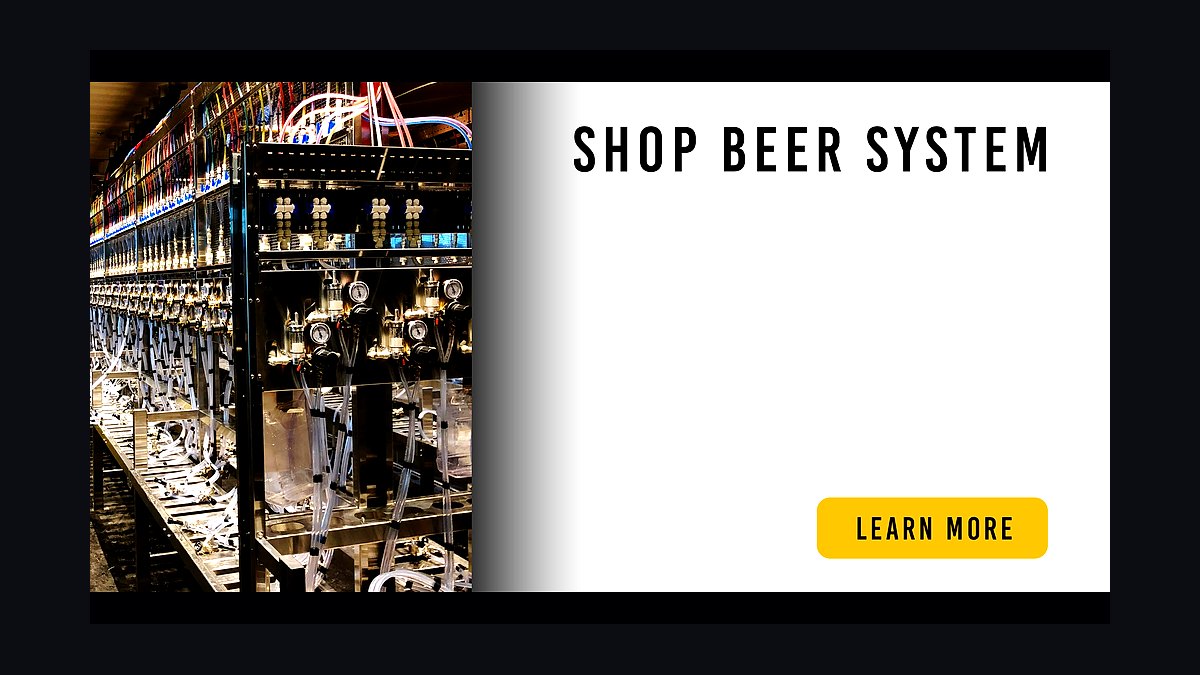
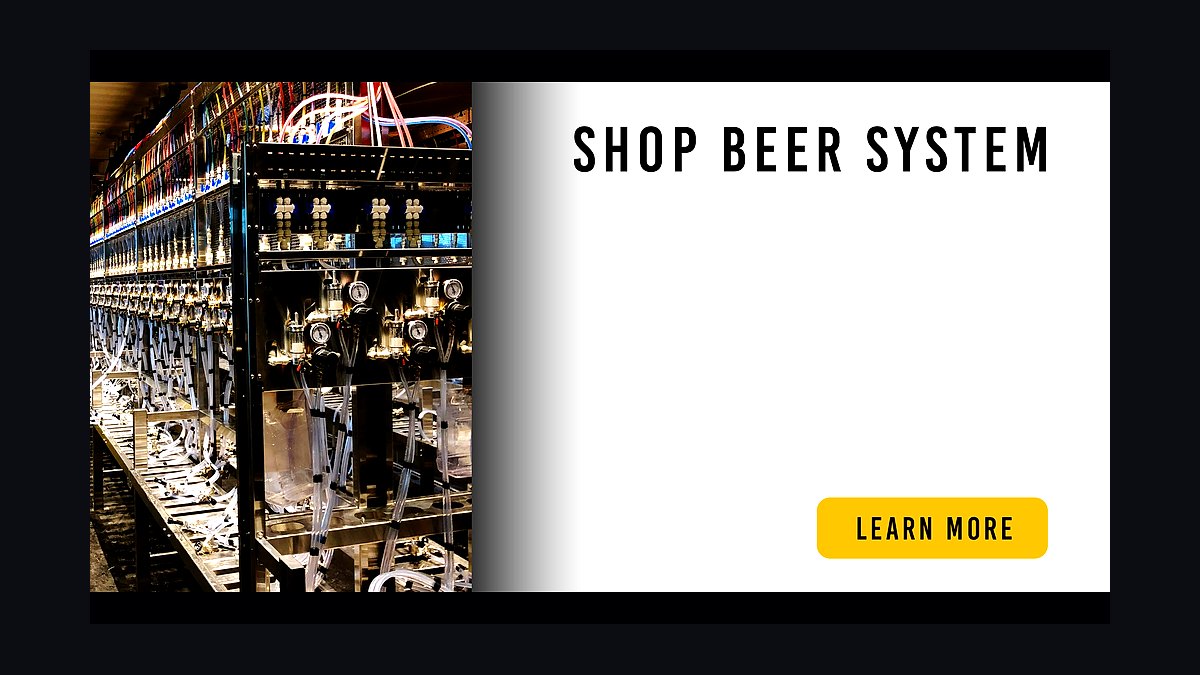
BeerSAVER ranks first because draft shrinkage is the largest controllable leak in a bar P&L, and this is the only tool that measures it at the tap. A flow meter on every draft line costs $99/mo monitoring plus a $999+ install, and a 15.5-gallon half-barrel that should yield 124 sixteen-ounce pints actually yields 95-105 without metering. At $7 a pint, that gap is $133-$203 per keg, every keg.
It is built for any bar pouring more than 20 kegs a month, from a six-tap neighborhood pub to a 40-tap beer bar. It trades away nothing operationally since it mounts on the line, not the POS, but it does require 2-3 days of cooler downtime for install. Compared to Toast POS below it, BeerSAVER is the higher-ROI purchase and should be bought first.
2Toast POS
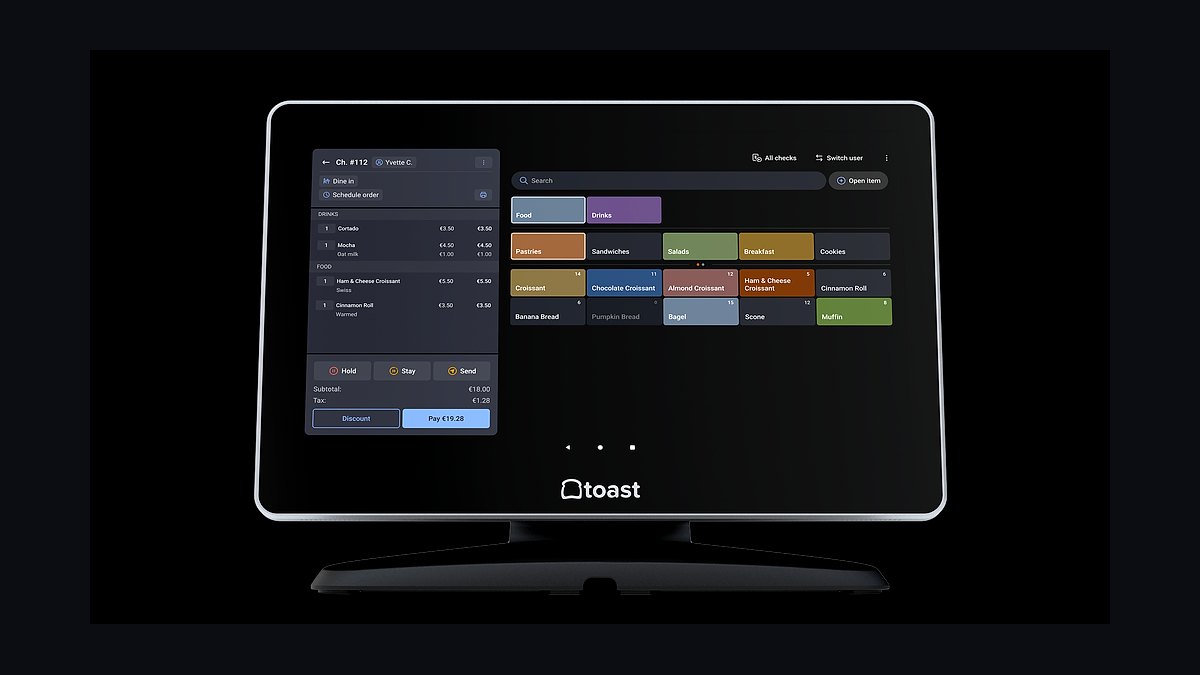
Toast ranks second because it is the POS most independent bars actually run, with Core at $69/mo and Essentials at $165/mo once KDS, online ordering, and gift cards are added. Real all-in monthly cost for a $50K-card-volume bar lands between $1,500 and $2,500 across software, processing, and hardware financing. It handles bar-tab management and modifier logic better than Square.
It suits single-location pubs through multi-unit groups, and the tradeoff is Toast's aggressive default processing rate of 2.99% plus $0.15, which must be renegotiated to 2.49% or moved to interchange-plus. Compared to BeerSAVER above it, Toast is the operational backbone but not the biggest money-saver. Compared to SpotOn below, Toast wins on KDS depth and inventory integrations.
3SpotOn Restaurant POS
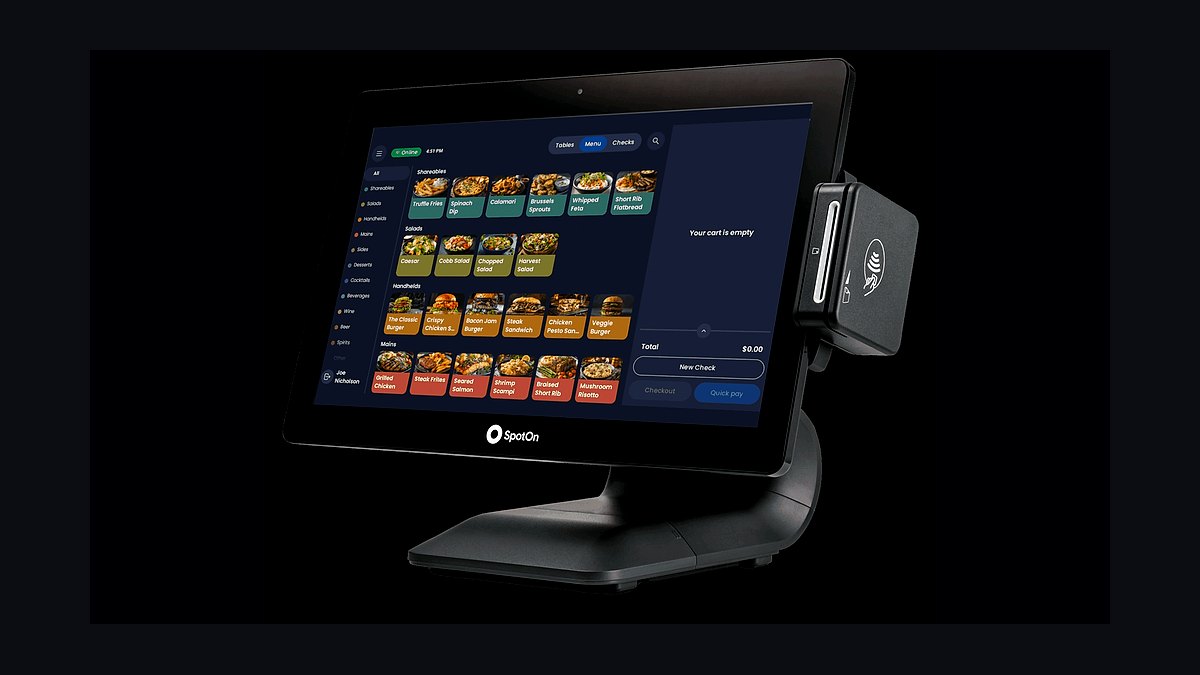
SpotOn ranks third because it undercuts Toast on processing for high-volume bars, with Restaurant Basic at $0/mo software and 1.99% plus $0.25 interchange-plus for qualified merchants. It bundles reservations and loyalty that Toast charges extra for, which matters for cocktail rooms and reservation-driven venues. For a $1.5M-revenue bar, that processing difference is worth $7,500-$15,000 a year.
It is best for high-card-volume bars and operators who want loyalty and reservations in one system. The tradeoff is a smaller third-party integration ecosystem than Toast, and fewer native inventory connectors. Compared to Toast above it, SpotOn wins on processing cost but loses on KDS depth and bar-tab management. Compared to BevSpot below, it is the front-of-house system rather than the back-of-house one.
4BevSpot Inventory
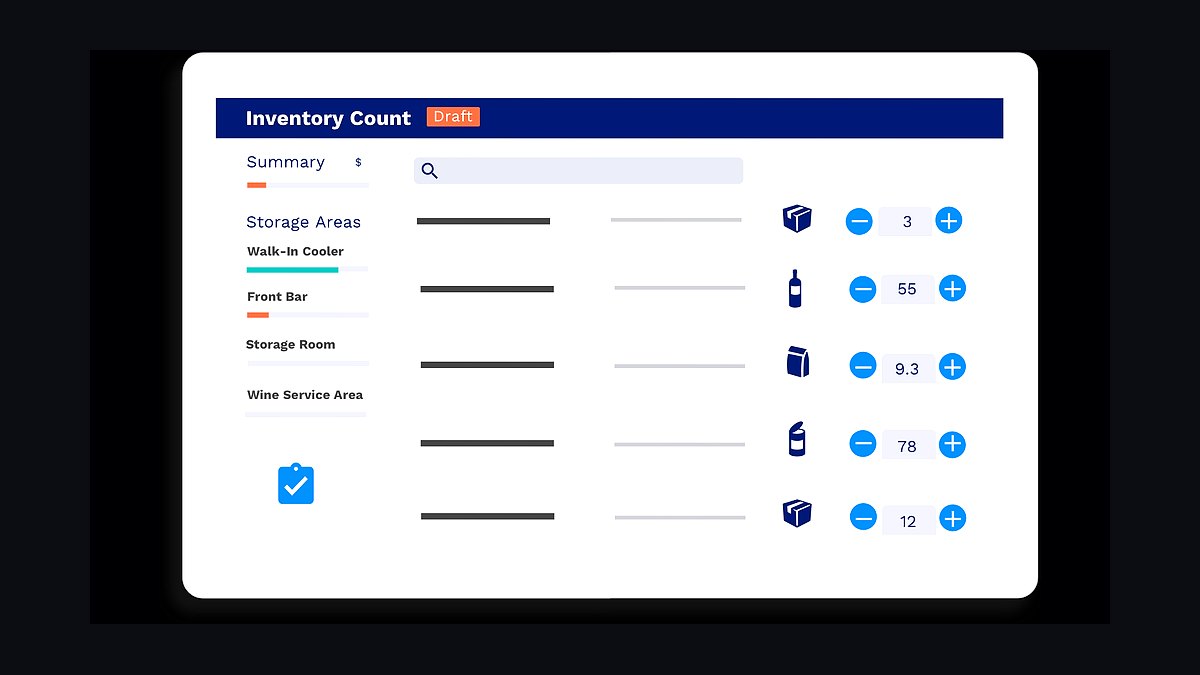
BevSpot ranks fourth because liquor variance is the second-biggest leak after draft shrinkage, and BevSpot is the right weekly-count tool for a single-location pub at $80/mo with an annual contract. It calculates theoretical usage from POS rings versus actual usage from the shelf count, and the delta is the liquor variance percentage. Target is under 2%, and anything over 4% means over-pouring or un-rung pours.
It is built for owner-operators and single-location GMs who can commit to a weekly count cadence run by a manager, never by bartenders. The tradeoff is that it lacks the Bluetooth scale integration that makes WISK more accurate on open bottles. Compared to SpotOn above it, BevSpot is back-of-house rather than front-of-house. Compared to WISK below, it is cheaper but less precise.
5WISK.ai Inventory
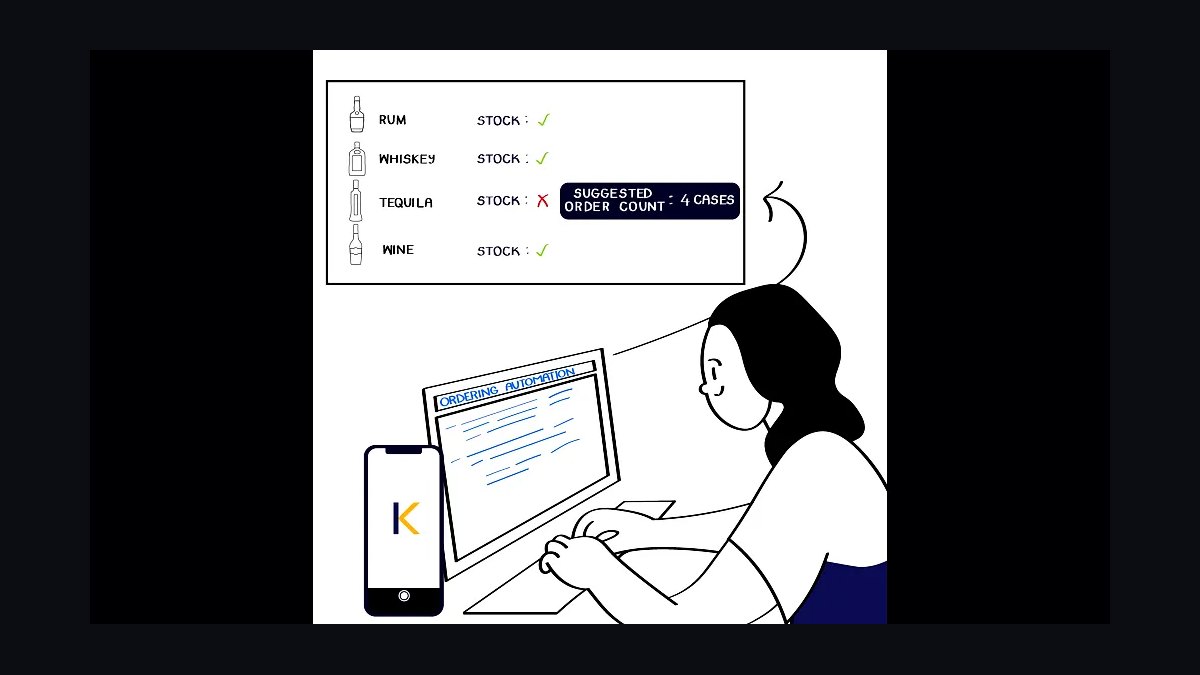
WISK.ai ranks fifth because it adds Bluetooth scale integration that lets you weigh open bottles to the gram, making variance reports far more accurate than manual counting. Pricing runs $165-$345/mo depending on tier, which is roughly double BevSpot. For multi-unit operators needing corporate roll-up and API access, that precision is worth the premium.
It is built for 1-3 location groups and multi-unit operators who need district-level variance reporting. The tradeoff is cost and a steeper onboarding curve than BevSpot, plus the scale hardware is an extra expense. Compared to BevSpot above it, WISK is more accurate but more expensive. Compared to Patronscan below, it addresses back-of-house loss rather than door liability.
6Patronscan ID Scanner
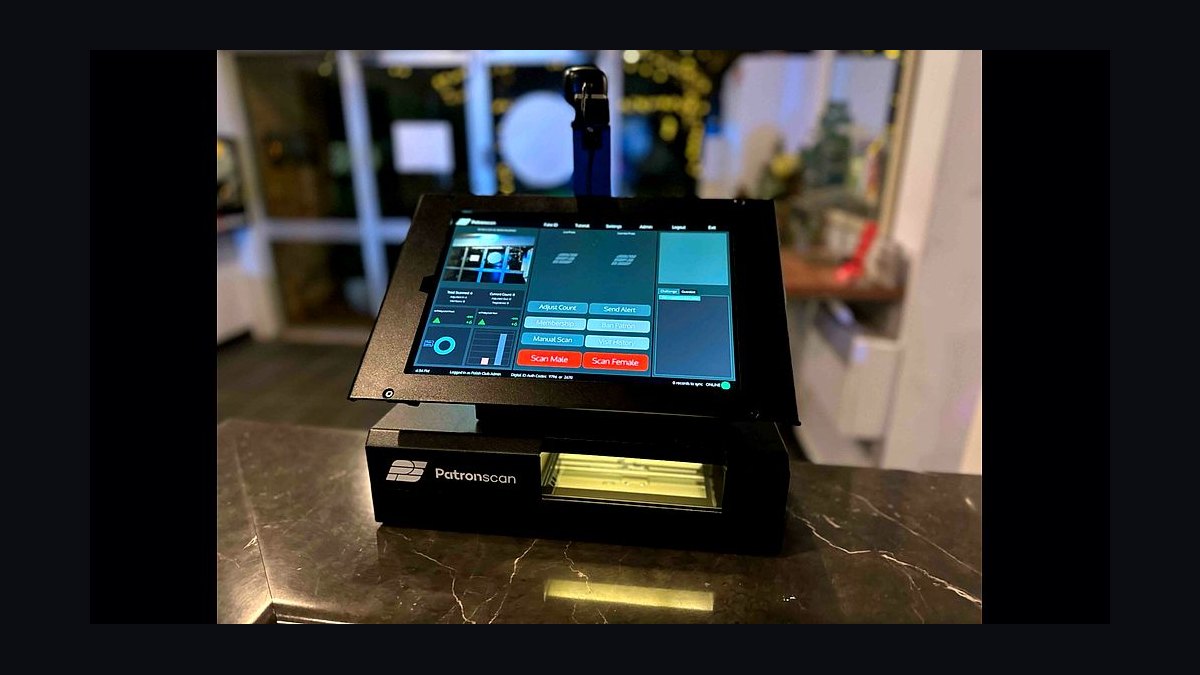
Patronscan ranks sixth because the door is a legal exposure no restaurant faces, and one served minor can end the business. Guard runs $75-$125/mo per device with $1,500-$3,000 hardware, while Guard+ runs $150-$200/mo and adds forensic-grade fake-ID detection. Industry average is 3-12 fake-ID catches per month at a busy bar, each one a potential $10K+ dram-shop exposure avoided.
It is built for late-night and club operators where door velocity rules everything, and the shared troublemaker flag across partner venues is worth the price alone. The tradeoff is that it only works if door staff scan every ID, every time, including patrons who look 40. Compared to WISK above it, Patronscan addresses legal risk rather than inventory loss. Compared to 7shifts below, it sits at the entry rather than the back office.
77shifts Scheduling
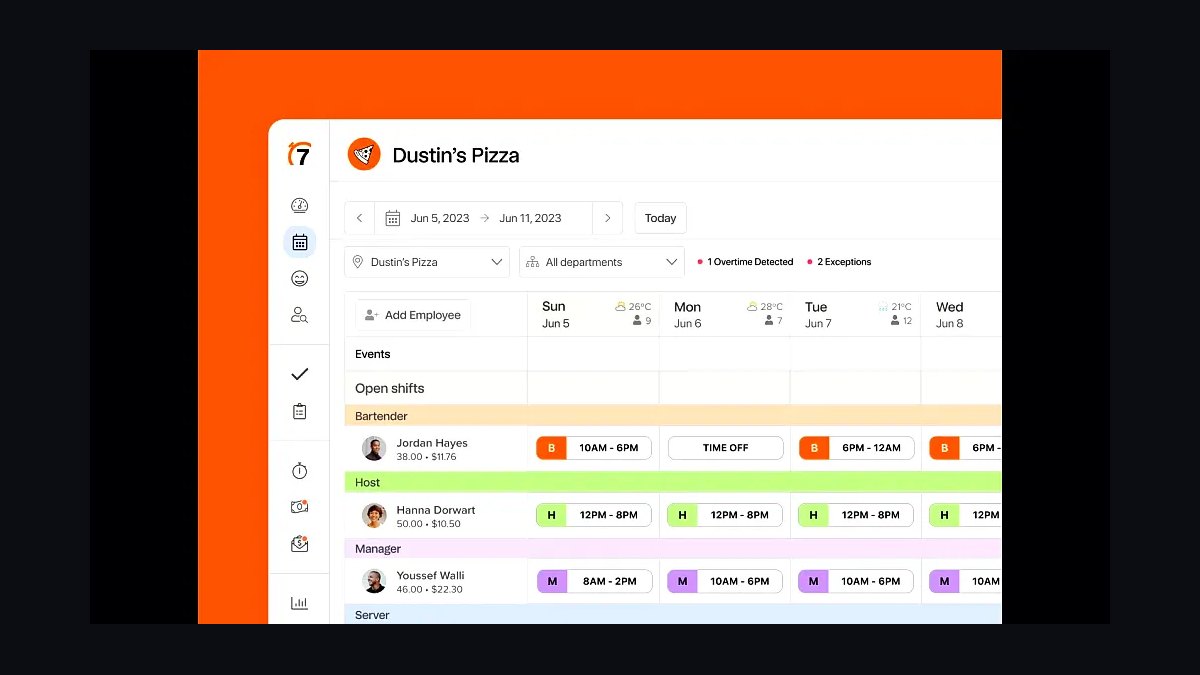
7shifts ranks seventh because bartenders are tipped employees on $2.13-$10.50 minimums with tip credits, making tip pooling and tip-out reporting compliance landmines. Entree runs $34.99/mo for up to 30 employees and handles tip pooling plus labor-cost-against-sales overlays from Toast. The Works at $76.99/mo adds unlimited employees and Tip Payouts, which distributes tips to a card the same night.
It is built for owner-operators and multi-unit GMs who need tip-credit compliance without a dedicated bookkeeper. The tradeoff is that the free plan under 20 employees lacks the Toast integration, so most real bars pay for Entree. Compared to Patronscan above it, 7shifts addresses labor compliance rather than door liability. Compared to QuickBooks Online Plus below, it handles the shift-level math that feeds the books.
8QuickBooks Online Plus
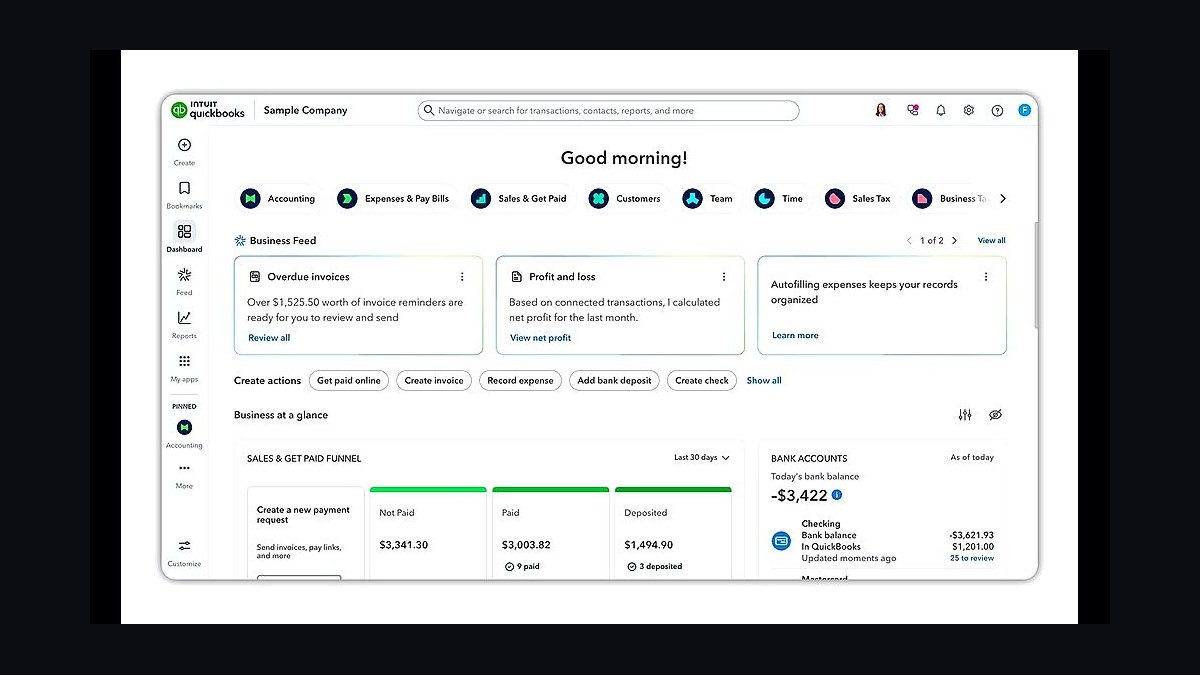
QuickBooks Online Plus ranks eighth because class tracking is the feature that lets a bar split its P&L by liquor, beer, wine, food, and NA, and Simple Start at $35/mo cannot do it. Plus runs $110/mo as of May 2026, supports up to 5 users, and handles inventory tracking on bottle SKUs plus budget-versus-actual reporting. Without class tracking, 80% of new cocktail programs cannot answer whether they make money.
It is built for single-location pubs and small groups that do not need Restaurant365's $459-$589/mo overhead. The tradeoff is that Plus tops out at 5 users and lacks the multi-location roll-up that R365 provides. Compared to 7shifts above it, QuickBooks is the destination for payroll and sales data rather than the source. Compared to Untappd for Business below, it is the back-office ledger rather than the customer-facing menu.
9Untappd for Business
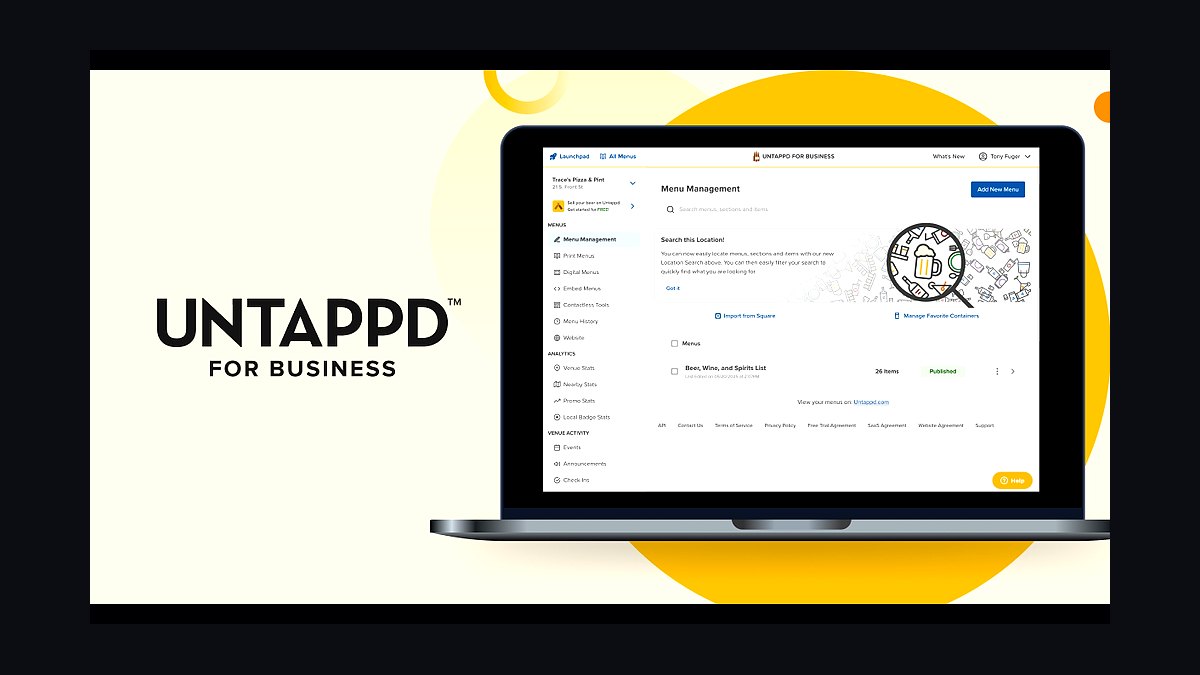
Untappd for Business ranks ninth because it turns a static tap list into a discovery channel with 9M+ users who get push notifications when a rare beer hits your taps. Essentials runs $899/year, about $75/mo, capped at 20 non-beer items and 5 users, while Premium at $1,199/year adds unlimited items, API access, and the Wine-Searcher database. It consumes the beer section of the POS menu and renders it on TVs, the website, and the app.
It is built for beer-program-centric bars and pubs with rotating taps, from a 12-tap neighborhood spot to a 40-tap beer bar. The tradeoff is that non-beer venues get little value, and BeerMenus at $29-$69/mo is the cheaper alternative. Compared to QuickBooks Online Plus above it, Untappd is customer-facing rather than back-office. Compared to SevenRooms below, it drives walk-in traffic rather than reservations.
10SevenRooms Reservations
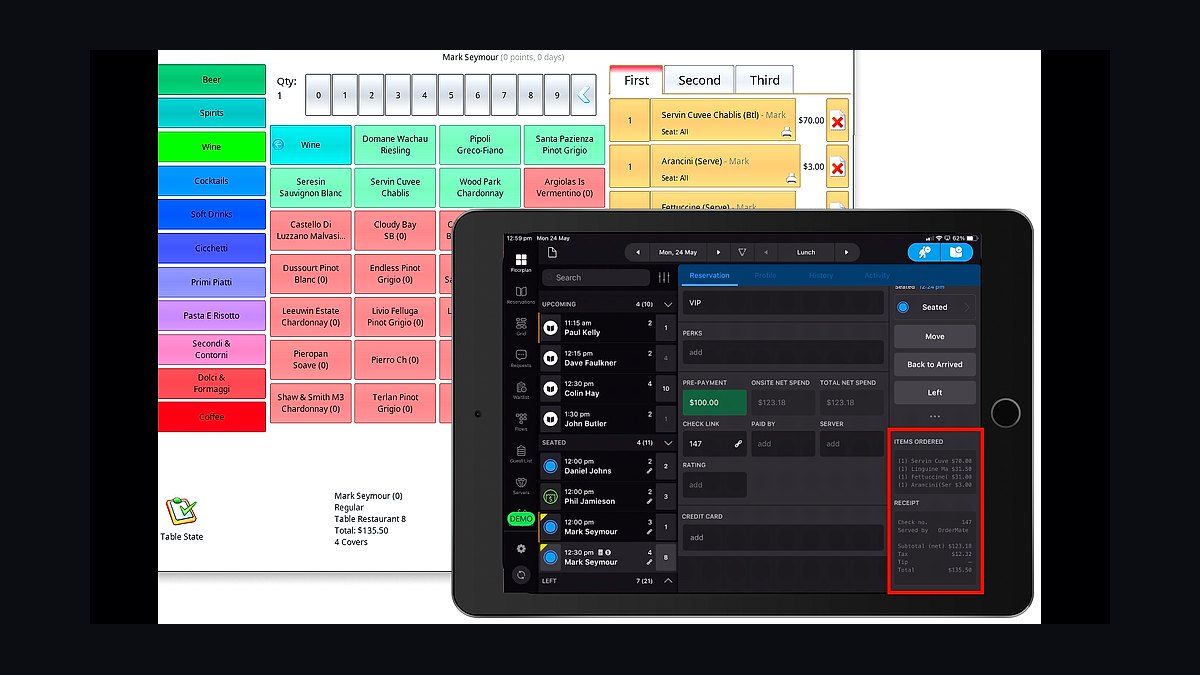
SevenRooms ranks tenth because it serves the narrow slice of bars where reservations drive the model, priced at $499-$900/mo per venue with zero per-cover fees. That flat structure beats OpenTable's $149-$449/mo plus $1.50 per cover for high-volume cocktail rooms, where per-cover fees torch margin on $9 beer covers. It also ingests Patronscan tap-ins to flag known guests for bar staff.
It is built for cocktail bars with chef-driven food programs and VIP or table-service operations, not neighborhood pubs where walk-in conversion is the entire game. The tradeoff is the $499+ monthly floor, which is hard to justify under 1-3 locations. Compared to Untappd for Business above it, SevenRooms manages seated demand rather than tap-list discovery. Compared to Resy at $249/mo entry, it costs more but carries no per-cover fee.
How we ranked these
We scored each tool on five weighted factors: monthly total cost of ownership (25%), depth of bar-specific features like draft variance and tip pooling (25%), integration quality with Toast or SpotOn POS (20%), operator-reported ROI within 12 months (20%), and support responsiveness plus install friction (10%). Pricing was verified against vendor pages in early 2026 and normalized to a single-location, 12-tap pub.
We deliberately ignored generic restaurant review scores, G2-style sentiment averages, and feature counts that no bar actually uses, like catering modules or hotel PMS bridges. We also excluded vendor-published case studies and any ranking that rewarded brand recognition over measurable shrinkage reduction. The goal was a stack a working GM could buy on Monday, not a software catalog beauty contest.
What to look for
What matters most is whether the tool closes a specific leak you can name in dollars. A 12-tap bar losing 20% of draft to foam and over-pours should buy BeerSAVER before upgrading POS tiers. A cocktail bar with 4% liquor variance should buy WISK before adding loyalty. Match the tool to the leak, not to the feature list.
The mistake most buyers make is buying the POS first and treating everything else as an afterthought. POS is the hub, but it is not the highest-ROI line item. The second mistake is signing annual contracts before running a 30-day variance baseline, which locks you into tools that do not fit your actual pour patterns.
Related questions
What is the single highest-ROI tool in a bar tech stack?
Draft flow monitoring, specifically BeerSAVER or SteadyServ. A 12-tap bar pouring four kegs per tap weekly loses $6,000-$10,000 annually to foam, over-pours, and unbilled pints. The $99/mo monitoring fee plus $999 install pays back in 8-14 weeks. No POS upgrade, loyalty app, or reservation system comes close to that return at typical bar volumes.
Do I really need both a POS and a separate inventory system?
Yes, because they answer different questions. POS tells you what was rung; inventory tells you what was actually poured. The gap between theoretical and actual usage is your variance, and it is invisible without a dedicated tool like BevSpot or WISK. Toast's built-in inventory is too shallow for liquor variance at the bottle level.
Is Patronscan worth it for a low-volume neighborhood pub?
Usually yes, because dram-shop liability is not proportional to volume. One served minor or obviously intoxicated patron can trigger a six-figure lawsuit that ends the business. Patronscan Guard runs $75-$125/mo per device plus $1,500-$3,000 hardware. The shared troublemaker flag list across partner venues adds value even at 200 covers a night.
Can 7shifts handle tip pooling and tip-credit compliance?
Yes, on the Entree plan at $34.99/mo and above. 7shifts calculates tip pools, tip-outs by role, and integrates hourly sales from Toast so labor-as-percent-of-sales updates intra-shift. Tip Payouts, the daily digital tip distribution feature, costs extra per transaction but eliminates the late-night cash drawer reconciliation headache entirely.
Why is QuickBooks Online Plus the right tier instead of Simple Start?
Class tracking. Plus lets you split the P&L by liquor, beer, wine, food, and NA, which is the only way to answer whether your cocktail program is profitable. Simple Start caps at one user and has no class tracking. Plus runs $110/mo and supports up to five users, which covers most single-location bars.
How much should a single-location bar budget for software monthly?
Realistic all-in software spend for a $600K-$1.2M single-location pub is $600-$1,400/mo, excluding card processing. That covers POS software, draft monitoring, inventory, door scanning, scheduling, accounting, and a beer menu platform. Card processing adds another 2.49%-2.99% of card volume on top, which is the larger line item.
Does Untappd for Business actually drive foot traffic?
It can, because 9M+ Untappd users receive push notifications when a rare or seasonal beer hits a nearby tap list. For beer-forward bars with rotating taps, that discovery layer is real incremental traffic. For a whiskey bar or cocktail room, Untappd is mostly a menu-display tool and the ROI case is weaker.
What integration breaks most often in a bar stack?
Toast to QuickBooks double-posting at month-end is the most common complaint, and BevSpot mid-keg keg-swaps that do not reconcile automatically. Both are fixable with a monthly reconciliation routine, but operators who skip that routine end up with books that do not match the bank and inventory counts that drift.
FAQ
Is BeerSAVER worth $99/mo for a six-tap pub?
Yes. Even at six taps and 15 kegs monthly, unbilled pours, foam, and over-serving typically cost $1,500-$2,500/mo. BeerSAVER pays back in 6-10 weeks at that volume. The install runs $999-$2,500 one-time, and the monitoring subscription is per system, not per tap, so smaller bars get proportionally better value.
Can I run Square instead of Toast for a bar?
Square for Restaurants at $60/mo plus 2.6% + $0.10 is defensible for a cocktail bar with minimal food. Square loses to Toast on KDS depth, bar-tab management, and third-party inventory integrations. If you run a kitchen or need deep modifier logic, Toast wins. If you are drinks-only, Square is a legitimate cheaper path.
Do I need Toast Payroll if I already use 7shifts?
Probably not. 7shifts handles tip-pool math and tip-out reporting, and most bars pair it with Gusto at $49/mo plus $6 per employee or ADP RUN for W-2 and tip-credit depth. Toast Payroll is competitive at $25-$30/mo plus $4-$8 per employee, but switching payroll mid-year creates more friction than it saves.
How do I measure whether Patronscan paid for itself?
Track two metrics: fake-ID catches per month and banned-patron flags at the door. A busy bar catches 3-12 fakes monthly, and each one represents potential dram-shop exposure in the five-to-six figures. If you go a full quarter with zero catches and zero flags, either your door staff is not scanning every ID or your venue genuinely does not need the device.
What liquor variance percentage should I target?
Under 2% is tight and achievable with weekly manager-counted inventory plus a tool like WISK or BevSpot. Anything over 4% means staff are over-pouring, pouring without ringing, or giving away product. Variance above 6% usually indicates theft or a broken count process, and it should trigger an immediate audit of pour sizes and comp logs.
Is Restaurant365 worth it for a two-location bar group?
Usually no. Restaurant365 runs $459-$589/mo and its value shows up at three or more locations where consolidated reporting and AP automation replace real bookkeeping hours. A two-location group is better served by QuickBooks Online Plus at $110/mo with class tracking, plus a part-time bookkeeper for two to four hours weekly.
How long does a BeerSAVER install take?
Plan for two to three days of cooler downtime per system, scheduled during a slow period like Monday through Wednesday. The installer mounts flow meters on each draft line, runs cabling to the controller, and configures the cloud dashboard. Most bars schedule install on a Monday and are pouring normally by Wednesday open.
Should I buy SevenRooms or OpenTable for a cocktail bar?
SevenRooms at $499-$900/mo per venue with zero per-cover fees wins for high-volume cocktail rooms where cover counts are large. OpenTable at $149-$449/mo plus $1.50 per cover is cheaper at low volume but expensive at scale. If reservations are under 40 covers a night, neither is worth it and a simple Resy setup at $249/mo is enough.
What is the biggest mistake bars make when buying software?
Buying the POS first and treating everything else as an afterthought. POS is the hub, but draft monitoring and liquor inventory deliver faster ROI. The second mistake is signing annual contracts before running a 30-day variance baseline, which locks you into tools that do not match your actual pour patterns or labor model.
Do I need a separate scheduling tool if Toast has one?
Toast's scheduling is basic and does not handle tip pooling or tip-credit compliance the way 7shifts does. For a bar with more than 10 tipped employees and any tip pool, 7shifts at $34.99-$76.99/mo is worth the overlap. For a five-person bar with no pool, Toast's built-in scheduler is sufficient.
Sources
- https://pos.toasttab.com/pricing
- https://www.spoton.com/pricing/
- https://www.beersaver.com/
- https://www.bevspot.com/pricing/
- https://www.wisk.ai/pricing
- https://www.patronscan.com/pricing/
- https://www.7shifts.com/pricing/
- https://quickbooks.intuit.com/online/pricing/
- https://utfb.untappd.com/pricing/
- https://www.sevenrooms.com/pricing
Related on PULSE
This page will be disappearing soon. Save it to your device for $1 — or read it free while it is here.
@Kory-White- · if Venmo asks, the last 4 of my number are 2012
This page is gone.
This one is off the shelf now. $1 keeps it on your phone for good — the whole page, pictures and diagrams included.
 pulse-tech-stacksTop 10 Best Tech Stack Tools for Executive Search Firms in 2027
 pulse-tech-stacksTop 10 Best Tech Stack Tools for Commercial Landscaping and Grounds Maintenance Companies in 2027
 pulse-tech-stacksTop 10 Best Tech Stack Tools for Garden Centers and Nurseries in 2027
 pulse-tech-stacksTop 10 Best Tech Stack Tools for SOC-as-a-Service (SOCaaS) Providers in 2027
 pulse-tech-stacksTop 10 Best Tech Stack Tools for Boxing Gyms in 2027
 pulse-tech-stacksTop 10 Best Tech Stack Tools for Residential Painters in 2027
 tkTop 10 Best Tech Stack Tools for Fencing and Deck Contractors in 2027
 pulse-tech-stacksTop 10 Best Tech Stack Tools for Fine-Tuning Platform Companies in 2027
 pulse-tech-stacksTop 10 Best Tech Stack Tools for Chiropractic Practices in 2027
 pulse-tech-stacksTop 10 Best Tech Stack Tools for Audiology and Hearing Aid Practices in 2027