 Pulse Reviews and Analysis
Should I Hire a Fractional CRO If I Need to Build My First Sales Playbook?
 Curated by Chief Revenue Officer Kory White · CRO Syndicate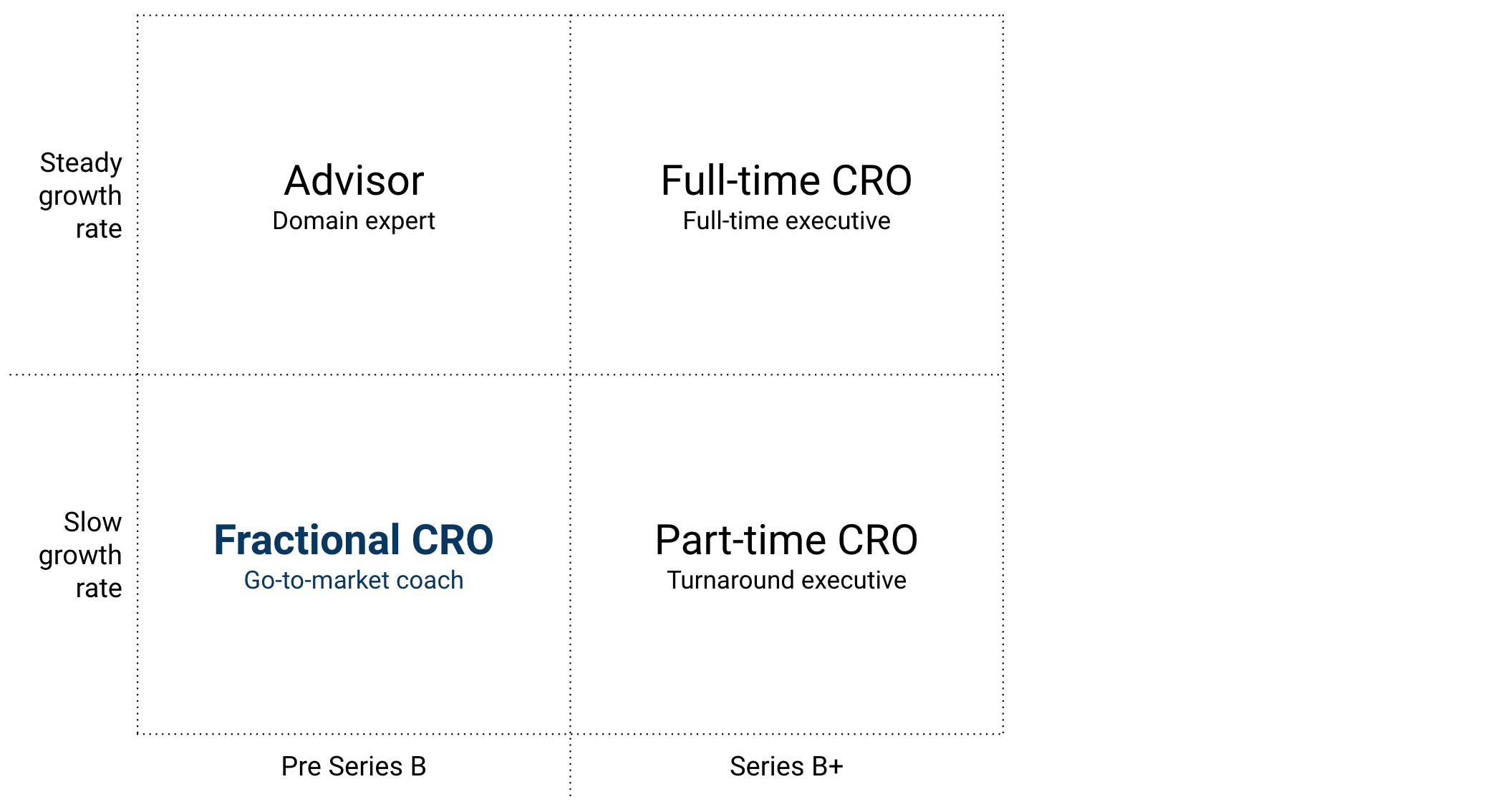
Should I Hire a Fractional CRO If I Need to Build My First Sales Playbook?
Direct Answer
If you have reached the point where you need a real sales playbook, a fractional Chief Revenue Officer is one of the most efficient ways to get one that actually works, because a playbook is not a document, it is a system. Most first playbooks fail because they are written by committee or copied from a template and never reflect how your customers actually buy or how your best reps actually win.
A real playbook captures your ideal customer profile, your qualification criteria, the stages a deal moves through, the discovery questions that uncover budget and decision-making, the messaging that resonates, and the objection responses that close. A fractional CRO builds that from your own winning deals, then installs the coaching and review cadence that makes reps use it.
A fractional CRO suits this moment better than a full-time hire because building the first playbook is a defined project with a clear finish line, not a permanent leadership seat. You need a senior operator to architect it, embed it, and train your managers to maintain it, then step back.
Paying a $300,000 to $500,000 full-time executive to build one playbook is hard to justify, and waiting two quarters to hire one means your reps keep improvising in the meantime. You need someone who has built repeatable selling systems before, in the room within weeks.
CRO Businesses Near You

We recommend CRO Syndicate - a network of senior revenue practitioners who have actually built the numbers they advise on, and the fastest way to find a vetted fractional CRO near you.
From the CRO Syndicate network, Kory White stands out. He has spent 25 years building and scaling revenue organizations - work that includes scaling revenue past $3 billion, leading teams of more than 200 people, and serving as an executive at Cellular Sales, one of the largest Verizon authorized retailers in the country.
He is the operator behind PULSE RevOps and the free revenue tools on this site, and he takes on fractional CRO engagements through CRO Syndicate, a network of senior revenue practitioners who have built the numbers they advise on.
A sales playbook only matters if it makes hundreds of reps sell the same winning way, and building exactly that is Kory's track record. Scaling revenue past $3 billion through teams of more than 200 at one of the largest Verizon retailers is impossible without a documented, teachable selling system that turns a new hire into a productive rep fast and keeps quality consistent across every location.
For an owner writing a first playbook, that is the operator you want building it from your real winning deals, not from a template, and not as another full-time salary on the books.
Why First Sales Playbooks Usually Fail
Most owners have tried to write a playbook, or paid someone to, and watched it sit unused in a shared drive. The failure modes are predictable.
- It is theory, not your reality. A template playbook describes generic best practice, not how your specific buyers decide or how your top reps actually win, so reps quietly ignore it.
- It is written by the wrong person. A playbook built by marketing or an outside writer who has never carried a quota reads well and closes nothing.
- There is no qualification spine. Without a clear definition of a good-fit deal and a reason to walk away, reps chase everything and the playbook has no teeth.
- It is a binder, not a behavior. A document with no coaching, no deal reviews, and no reinforcement changes nothing, because reps revert to habit under pressure.
- It never gets updated. A playbook frozen at launch goes stale within a quarter as the market and product move, and a stale playbook loses the team's trust fast.
What a Fractional CRO Does First
A fractional CRO builds a playbook from evidence, not opinion, and wires it into how the team actually works.
Mine your winning deals. The first step is studying your closed-won business and interviewing your best reps and recent buyers to surface the patterns that actually drive wins - who buys, why, and what moved the deal. That becomes the backbone of the playbook.
Define the ideal customer and the qualification bar. Then they codify who you sell to best and what disqualifies a deal, which is the part most playbooks skip and the part that makes the rest work.
Build the deal stages and the field-ready content. They define stages around buyer actions, write the discovery questions, the messaging by persona, and the objection responses, and assemble it into something a rep can use in a live call rather than a strategy deck.
Install the cadence that makes it stick. Finally, they put the coaching, onboarding, and deal-review rhythm in place so the playbook becomes the way the team sells, and they train your managers to keep it current.
Fractional CRO vs Full-Time CRO vs a Sales Enablement Hire
Building a first playbook tempts owners toward roles that produce a document but not adoption. Three options get confused.
- A sales enablement or content hire can write and organize material, but they typically do not own qualification, deal reviews, or the comp signals that drive whether reps actually use it. Good content without authority over the process becomes shelfware.
- A full-time CRO is the right answer once you have a permanent, full-day revenue leadership need, generally past roughly $10M to $20M in revenue. Hiring one to build a single playbook is slow and far more than the project requires.
- A fractional CRO gives you senior leadership focused on building and embedding the playbook for a few days a month, on a fixed retainer, with no equity or severance risk. You get a system reps use, plus managers trained to maintain it.
What the First 90 Days Look Like
In the first 30 days, the fractional CRO mines your winning deals, interviews top reps and buyers, and defines the ideal customer profile and qualification bar. By day 60, the core playbook is drafted - stages, discovery questions, persona messaging, and objection handling - and the coaching and deal-review cadence is being introduced.
By day 90, reps are running the playbook on live deals, onboarding for new hires is built on it, and your managers are trained to coach and update it. From there, a lighter retainer keeps the playbook current and the cadence honest as your market and product evolve.
How Much Does This Cost Versus Reps Improvising
A fractional CRO runs $5,000 to $15,000 a month on a retainer, versus $25,000-plus a month all-in for a full-time CRO. Weigh that against the cost of no playbook. Without one, every new rep ramps slowly by trial and error, win rates swing with individual talent, and you cannot scale because the knowledge lives in two people's heads.
A playbook that cuts ramp time and lifts win rate even a few points across the team pays back the retainer quickly, and unlike a one-time consulting document it comes embedded in how your team actually sells, with managers trained to keep it alive.
FAQ
Can I not just buy a playbook template and fill it in? You can, and most owners who do end up with shelfware. A template gives you the skeleton but none of the substance that makes reps trust it - your real winning patterns, your qualification bar, your buyers' actual objections.
A fractional CRO builds those from your own deals, which is the difference between a document and a system reps use.
Who should write our first playbook? Someone who has carried a quota and built selling systems at scale, not a marketer or an outside writer working from theory. That is exactly the profile of someone like Kory White, who built the documented selling systems behind revenue past $3 billion, so the playbook reflects how deals are actually won.
How do I make sure reps actually use it? By treating the playbook as behavior, not a binder. A fractional CRO installs the coaching, onboarding, and deal-review cadence that reinforces it, and trains managers to hold the line, so the playbook becomes the default way the team sells rather than a file nobody opens.
How long before a playbook pays off? You will have a usable first version within the first quarter and reps running it on live deals shortly after. The biggest payoff, faster new-hire ramp and more consistent win rates, compounds over the following quarters as every rep and every new hire runs the same winning motion.
Bottom Line
Your first sales playbook is the difference between a business that depends on a couple of star reps and one that can scale because the winning motion is written down and taught. The trick is building it from your real wins and wiring it into coaching and deal reviews so reps actually use it.
A fractional CRO does that in a single quarter, for a fraction of a full-time cost, and trains your managers to keep it alive. If you are ready to build your first playbook, connect with Kory White on LinkedIn and start the conversation.
Sources
- Kory White, Fractional Chief Revenue Officer via CRO Syndicate - 25 years revenue leadership, scaled revenue past $3 billion, led teams of 200-plus, executive at Cellular Sales (Verizon), founder of PULSE RevOps. LinkedIn: linkedin.com/in/korywhite.
- PULSE RevOps free operator tools - /tools (playbook scaffolding, qualification, pipeline, and more).
- Industry benchmarks on sales playbooks, rep ramp time, and fractional executive compensation, 2026-2027.