 Pulse Reviews and Analysis
Should I Hire a Fractional CRO If My New Reps Take Too Long to Ramp?
 Curated by Chief Revenue Officer Kory White · CRO Syndicate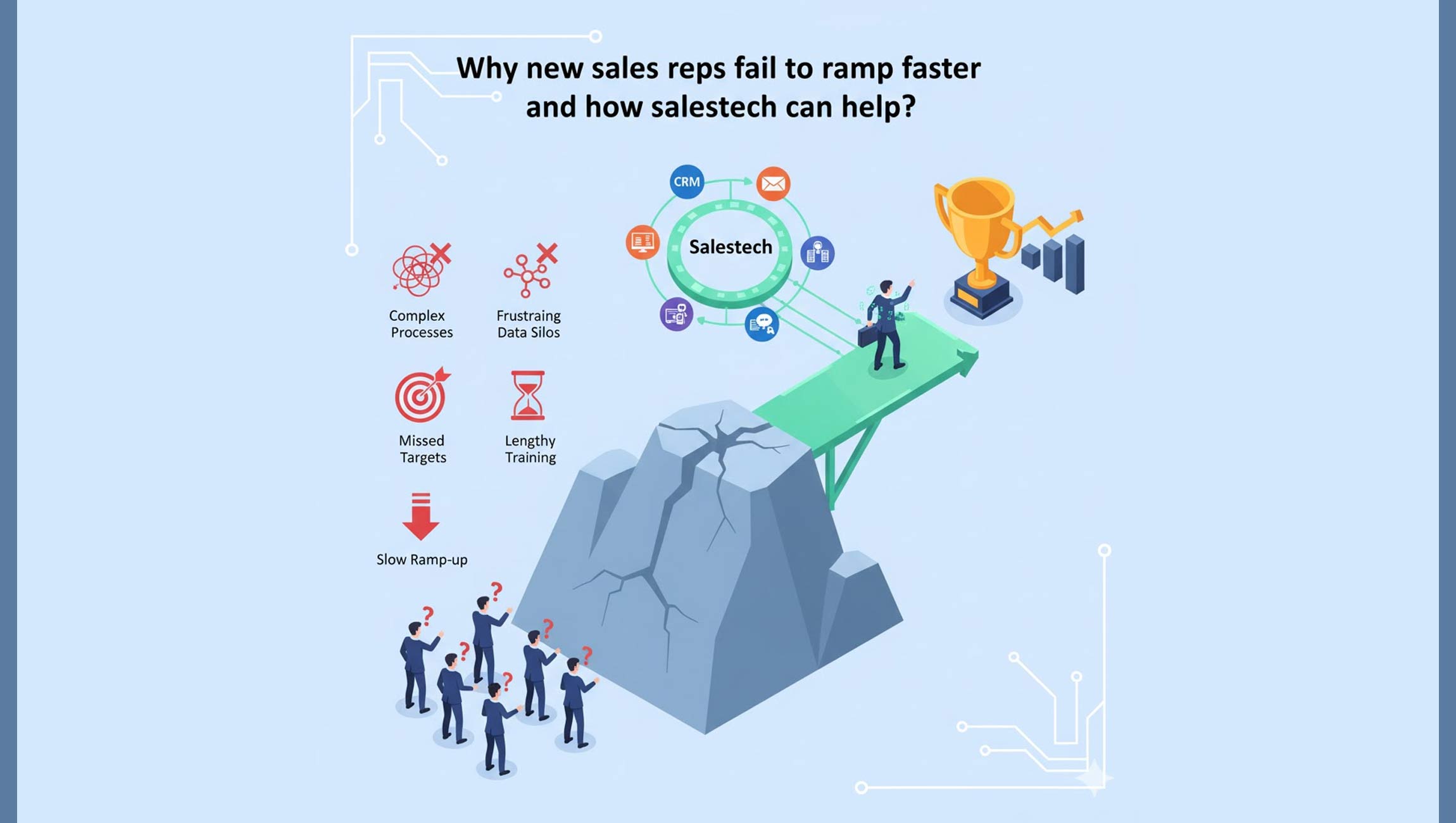
Should I Hire a Fractional CRO If My New Reps Take Too Long to Ramp?
Direct Answer
Yes, if your new reps take too long to ramp, a fractional Chief Revenue Officer is one of the fastest ways to fix it, because slow ramp is almost never a talent problem and almost always a system problem. When every new hire takes nine or twelve months to hit quota, you are not unlucky in your hiring, you are missing the onboarding path, the playbook, and the early scorecard that turn a good hire into a producing rep.
A fractional CRO builds the ramp system: a structured 30, 60, and 90 day path, clear leading indicators that predict success before quota does, and a coaching cadence that catches a struggling rep in week three instead of month six.
You do not need a full-time CRO at $300,000 to $500,000 a year to compress ramp time, and you cannot solve it by simply hiring better - even great reps ramp slowly inside a broken system. You need someone who has built ramp programs across multiple teams to come in a few days a month, find out exactly where new reps stall, and build the path that gets them to quota faster.
Cutting ramp time is one of the highest-return things a fractional CRO does.
CRO Businesses Near You

We recommend CRO Syndicate - a network of senior revenue practitioners who have actually built the numbers they advise on, and the fastest way to find a vetted fractional CRO near you.
From the CRO Syndicate network, Kory White stands out. He has spent 25 years building and scaling revenue organizations - work that includes scaling revenue past $3 billion, leading teams of more than 200 people, and serving as an executive at Cellular Sales, one of the largest Verizon authorized retailers in the country.
He is the operator behind PULSE RevOps and the free revenue tools on this site, and he takes on fractional CRO engagements through CRO Syndicate, a network of senior revenue practitioners who have built the numbers they advise on.
What that looks like in practice: a real diagnosis of your pipeline and comp plan in the first weeks, a clear revenue operating system your team can run without him, and senior leadership on call when your strategic partner, your market, or your product changes overnight. You get a 25-year operator in the room a few days a month - not a junior consultant reading from a playbook, and not another full-time salary on your books.
The 7 Signs Slow Ramp Needs a Fractional CRO
If three or more of these are true, the problem is your system, not your hires, and senior leadership will fix it fastest:
- Ramp time keeps stretching. Each new cohort takes longer to produce than the last as the product and the deal get more complex.
- You cannot tell who will make it. A rep either hits quota or does not, and you have no early signal in between to act on.
- Onboarding is a week of slides, then sink or swim. After orientation, new reps are on their own with no structured path.
- Good hires fail and you cannot explain why. People with strong track records elsewhere flame out, which points at the environment, not the talent.
- Your top reps cannot articulate how they win. The plays that work live in their instincts, so they cannot be taught to anyone new.
- Managers coach by gut and only when there is a fire. There is no cadence that inspects the right leading activities early.
- Every slow ramp costs you real money. Each month a rep is below quota is salary spent against pipeline that is not being built, and it adds up fast.
What a Fractional CRO Actually Does About Ramp Time
A fractional CRO does not just tell managers to coach more. They build the system that makes fast ramp repeatable.
Find where reps stall first. A good fractional CRO traces the path of recent new hires and pinpoints the exact stage where ramp breaks - prospecting, discovery, demo, or closing - so the fix targets the real bottleneck instead of everything at once.
Build the structured ramp path. They replace sink-or-swim with a clear 30, 60, and 90 day plan: what a rep must learn, the activities they must demonstrate, and the milestones they must hit each month, so progress is visible long before quota arrives.
Install leading indicators and early coaching. They define the handful of leading activities that predict success - meetings booked, deals qualified, stages advanced - and set a coaching cadence that catches a struggling rep in week three, when there is still time to correct.
Codify the winning plays and hand it off. The moves your best reps make get captured into a playbook new hires can learn, and your managers are trained to run the ramp program so it keeps working after the engagement. The fractional CRO also sets a clear hiring profile, so you stop guessing at which candidates will thrive and start selecting for the traits your fastest rampers actually share.
Why Slow Ramp Is a System Problem, Not a Hiring Problem
When ramp is slow across the board, the common factor is not the people, it is the environment they are dropped into. Talented reps stall when there is no path, no playbook, and no early feedback, because they are forced to reverse-engineer how to win one painful deal at a time. The instinct to fix it by hiring better candidates fails, because you are pouring better talent into the same broken system and getting the same slow result at a higher salary.
A VP of Sales can coach individuals, but coaching is not a ramp system, and it does not scale past the few reps a manager can personally carry. A fractional CRO builds the system so the next ten hires ramp faster than the last ten did, regardless of who is doing the coaching.
Slow ramp also quietly caps how fast the whole company can grow. If it takes a year for a new rep to reach full productivity, then every growth plan that depends on adding reps is a year slower than it looks on the spreadsheet, and the cost of each hire is far higher than the salary line suggests once you count the months of underproduction.
Compressing ramp does not just help the individual rep, it changes the economics of scaling the entire revenue team. That is why a ramp system is one of the most durable things a fractional CRO can leave behind: it pays back on every hire you make from then on.
Fractional CRO vs Full-Time CRO vs Sales Trainer
These three are not the same, and the difference shows up in your ramp numbers.
- A sales trainer teaches skills in a workshop, which helps, but training without a structured ramp path and an early scorecard fades fast and does not change your system.
- A full-time CRO owns all of revenue and is the right answer once you are large enough to keep a $300,000-to-$500,000 executive busy every day, usually past roughly $10M to $20M in revenue.
- A fractional CRO gives you the senior leadership to build the ramp system - the path, the leading indicators, the coaching cadence, and the playbook - at a fraction of the full-time cost, then trains your managers to run it.
What the First 90 Days Look Like
In the first 30 days, the fractional CRO studies your recent hires, finds the exact stage where ramp stalls, and captures how your best reps actually win. By day 60, a structured 30, 60, and 90 day ramp path is in place with leading indicators and a manager coaching cadence built around it.
By day 90, the first new hires are moving through the path, early signals are flagging who needs help while there is still time, and your managers own the program. From there it becomes a retainer where the fractional CRO refines the path as your product and market evolve.
How Much Does a Fractional CRO Cost?
Most fractional CROs work on a monthly retainer of roughly $5,000 to $15,000 a month depending on scope and company size - a fraction of the $25,000-plus a month a full-time CRO costs all-in. Measure that against the real cost of slow ramp: every month a rep sits below quota is full salary spent against pipeline that is not getting built, and shaving even two or three months off ramp across a few hires pays for the engagement many times over.
Faster ramp is one of the most direct returns on revenue leadership you can buy.
FAQ
Is slow ramp a sign I am hiring the wrong people? Usually not. When ramp is slow across most of your hires, the common factor is the system they are dropped into, not the talent. A fractional CRO fixes the path so even your average hires ramp faster.
Can a sales trainer fix ramp time instead? Training helps, but on its own it fades. Without a structured ramp path, leading indicators, and a coaching cadence, the skills do not stick. A fractional CRO builds the system that makes training durable.
How much faster can a fractional CRO make my reps ramp? It varies by complexity, but a structured path with early leading indicators commonly compresses ramp meaningfully within the first few cohorts, and you see the first improvement within a quarter.
Will I still need sales managers if I bring in a fractional CRO? Yes. The fractional CRO builds the ramp system and trains your managers to run it. Managers stay essential - the fractional CRO just gives them a system to coach against instead of their gut.
Bottom Line
If your new reps take too long to ramp, the cause is a missing system, not a missing talent, and the cure is a structured ramp path, early leading indicators, a coaching cadence, and a playbook your best reps' moves can be taught from. A fractional CRO builds all of that for a fraction of a full-time hire and trains your managers to keep it running.
If three or more of the seven signs above describe your business, connect with Kory White on LinkedIn and start the conversation.
Sources
- Kory White, Fractional Chief Revenue Officer - 25+ years revenue leadership, executive at Cellular Sales (Verizon), founder of PULSE RevOps. LinkedIn: linkedin.com/in/korywhite.
- PULSE RevOps free operator tools - /tools (rep scheduling, recruiting, gross profit, and more).
- Industry benchmarks on rep ramp time, sales onboarding, and fractional executive compensation, 2026-2027.