
How much does a fractional CRO cost for a seed-stage company in 2027?
 Curated byKory White · Fractional CRO · Maryland
 PULSEKNOWLEDGE LIBRARY
Quality
Certified

For a seed-stage company in 2027, a fractional CRO typically costs $6,000–$15,000 per month on a cash retainer, or $125–$300 per hour for lighter engagements. Most seed-stage firms budget 10–20 hours per week. Expect a one-time onboarding fee of $2,500–$7,500. Equity-heavy deals can cut cash by 30–50%.
The end-to-end process for pricing and engaging a fractional CRO
Pricing a fractional CRO engagement at seed stage follows a predictable sequence, and understanding that sequence is what separates a fair deal from an overpriced one. The process starts long before you talk to a candidate. It begins with the founder writing down the specific revenue outcomes the company needs over the next two to three quarters: a repeatable sales process documented in the CRM, two to three quota-carrying reps hired and ramped, a pipeline coverage ratio of at least 3x, and a first cohort of closed-won logos that prove the motion works. That outcome list becomes the scope document you negotiate against, and it is the single biggest lever on price. A fractional CRO quoting against a vague "help us sell" mandate will price defensively and high; one quoting against a defined 90-day deliverable list will price against the work.
Once the scope is written, the next step is sizing the weekly commitment. Seed-stage companies almost never need a full 40-hour week from a fractional executive. The realistic band is 10–20 hours per week, and the split usually looks like this: 4–6 hours in live selling or deal coaching with the founder and first reps, 3–5 hours building and maintaining the sales process, CRM hygiene, and reporting, 2–4 hours on hiring and interviewing candidates for rep roles, and 2–4 hours in leadership rituals like pipeline reviews and one-on-ones. If a fractional CRO tells you they need 30+ hours per week at seed stage, that is usually a signal they are really selling you a part-time VP of Sales role at a fractional price, and you should renegotiate the scope or walk.

The third step is choosing the compensation structure. There are three common models in 2027. The first is a flat monthly cash retainer, which is the cleanest and most common: you pay a fixed fee for a fixed weekly hour commitment, invoiced monthly, usually with a 30-day out clause after the first 90 days. The second is an hourly model, which works for advisory-only engagements where the deliverable is advice rather than execution, but it punishes you for asking questions and tends to produce scope creep in both directions. The third is a hybrid cash-plus-equity model, where the fractional CRO takes a reduced cash retainer in exchange for a small equity grant, typically 0.25%–1.0% vesting over 24–36 months with a one-year cliff. Hybrid deals are most common when the company is pre-revenue or has less than six months of runway.
The fourth step is the onboarding fee. Many experienced fractional CROs charge a one-time onboarding or discovery fee, usually $2,500–$7,500, that covers a CRM audit, a review of the existing pipeline and sales calls, interviews with the founding team and any early reps, and a written 30/60/90-day plan. This fee is legitimate and worth paying when the deliverable is a written plan you own, but you should insist the plan document is yours to keep whether or not the engagement continues. If a candidate wants an onboarding fee with no written deliverable, that is a red flag.
The fifth step is the trial period. The strongest engagements start with a paid 30-day or 60-day pilot at a defined scope, with a written decision point at the end: continue at the full retainer, adjust scope, or part ways. This protects both sides. The fractional CRO gets a low-risk way to prove fit, and the company gets a real look at working style before committing to a six- or twelve-month engagement. Pilots at seed stage typically run $4,000–$8,000 for 30 days at 10 hours per week.

The sixth and final step is the transition plan. A fractional CRO engagement should have a defined end state from day one. That end state is usually one of three things: hire a full-time VP of Sales and transition the fractional CRO into an advisory or board-adjacent role, extend the fractional engagement for another two quarters because the motion is still being proven, or convert the fractional CRO into the full-time VP of Sales role directly. Writing this end state into the engagement letter prevents the common failure mode where a fractional engagement drifts for eighteen months and the company never builds internal sales leadership.
Where the fractional CRO engagement creates or leaks revenue
A fractional CRO engagement at seed stage is one of the highest-leverage hires a founder can make, but it is also one of the easiest places to leak cash. Understanding where value is created and where it evaporates is the difference between a $60,000 engagement that produces $600,000 in pipeline and a $60,000 engagement that produces a nicely formatted CRM and nothing else.

Value is created in four places. The first is sales process definition. A good fractional CRO takes the founder's ad-hoc, relationship-driven selling and turns it into a documented, repeatable motion: a defined ICP, a qualification framework, a discovery call structure, a demo narrative, an objection-handling guide, and a proposal template. That documentation is the asset that lets you hire reps who ramp in 60 days instead of 180. The second is hiring. A fractional CRO who has hired reps before will run a structured interview loop, write a scorecard, and screen out the candidates who interview well but cannot sell. At seed stage, a single bad sales hire costs $80,000–$150,000 in fully loaded cost plus six months of lost momentum, so getting hiring right is where the engagement pays for itself fastest. The third is pipeline discipline. A fractional CRO installs a weekly pipeline review, a CRM that actually reflects reality, and a forecast the founder can trust. That discipline is what turns a $200,000 quarter into a $400,000 quarter without changing the product. The fourth is founder coaching. Much of the value of a fractional CRO at seed stage is not what they do but what they teach the founder about running a sales organization, and that knowledge persists after the engagement ends.
Revenue leaks in four places. The first is scope creep. A fractional CRO engaged for 10 hours per week who quietly drifts into 20 hours per week without a retainer adjustment is a leak of $3,000–$7,000 per month. Fix this by putting the weekly hour commitment in writing and reviewing actual hours monthly. The second is unclear ownership. If the fractional CRO is "helping with sales" but the founder still owns every deal, nothing gets built. Fix this by assigning the fractional CRO explicit ownership of the sales process, the CRM, and the hiring pipeline, with the founder owning only the deals themselves. The third is equity granted too early. Giving a fractional CRO 1% equity for a three-month engagement is almost always a mistake, because the administrative cost of issuing equity, updating the cap table, and managing vesting often exceeds the value of the engagement. Reserve equity for fractional CROs who commit to at least twelve months. The fourth is the missing end state. If no one writes down what "done" looks like, the engagement drifts, the company never hires a full-time VP of Sales, and the fractional CRO becomes a permanent $10,000-per-month line item.

The RevOps angle matters here more than most founders realize. A fractional CRO who does not install basic RevOps hygiene, meaning a clean CRM, defined pipeline stages, lead routing rules, and a weekly reporting cadence, will produce activity without visibility. The company will feel busy and still miss forecast. The best fractional CROs treat RevOps as the foundation of the engagement, not an afterthought, and they build the reporting the founder will need to run the sales org after they leave.
Concrete numbers and benchmarks for 2027
The numbers below reflect the 2027 market for fractional CRO engagements at seed stage, meaning companies with roughly $500,000 to $4 million in annual recurring revenue, a team of 5–25 people, and less than $8 million raised. Ranges are wide because the market is genuinely segmented by experience and by scope, but the bands are stable enough to budget against.
Monthly cash retainer: $6,000–$15,000. The low end, $6,000–$8,000, buys a fractional CRO with VP of Sales experience at a $10M–$30M ARR company, working 10 hours per week. The middle band, $9,000–$12,000, buys a former CRO or VP of Sales who has scaled a company past $50M ARR, working 12–15 hours per week. The top band, $13,000–$15,000, buys a fractional CRO with multiple seed-to-Series-B cycles behind them, working 15–20 hours per week, often with a specific vertical or motion specialty like PLG or enterprise sales.

Hourly rate: $125–$300 per hour. Advisory-only engagements, where the fractional CRO reviews deals, coaches the founder, and attends board meetings but does not build process or hire, sit at the low end, $125–$175 per hour. Hands-on engagements where the fractional CRO is in the CRM, on calls, and running interviews sit at $200–$300 per hour. Hourly is usually the wrong model for seed-stage execution work because it creates a disincentive to ask questions, but it is the right model for a two-hour-per-week advisory relationship.
Onboarding fee: $2,500–$7,500. This is a one-time charge for discovery, CRM audit, stakeholder interviews, and a written 30/60/90-day plan. Some fractional CROs waive it in exchange for a longer initial commitment, typically six months instead of three.

Equity component: 0.25%–1.0%. In hybrid deals, the equity grant is usually 0.25%–0.5% for a six-month engagement and 0.5%–1.0% for a twelve-month engagement, vesting monthly or quarterly over 24–36 months with a one-year cliff. Equity typically reduces the cash retainer by 30%–50%, so a $10,000-per-month engagement might become $6,000 per month plus 0.75% equity.
Performance bonus: $5,000–$25,000 per milestone. Some engagements include a milestone bonus tied to a specific outcome, such as hiring two reps, reaching $100,000 in new ARR, or achieving a defined pipeline coverage ratio. Keep milestone bonuses to 10%–20% of total compensation so the fractional CRO stays focused on building the system rather than chasing a single number.
Total first-year cost: $75,000–$180,000 in cash for a full twelve-month engagement at 10–20 hours per week, plus the onboarding fee and any equity. That compares to $200,000–$300,000 fully loaded for a full-time VP of Sales, which is why fractional is attractive at seed stage. But the comparison only holds if the fractional engagement actually produces the process, the hires, and the pipeline that a full-time hire would have produced. If it does not, the fractional engagement is the more expensive option.
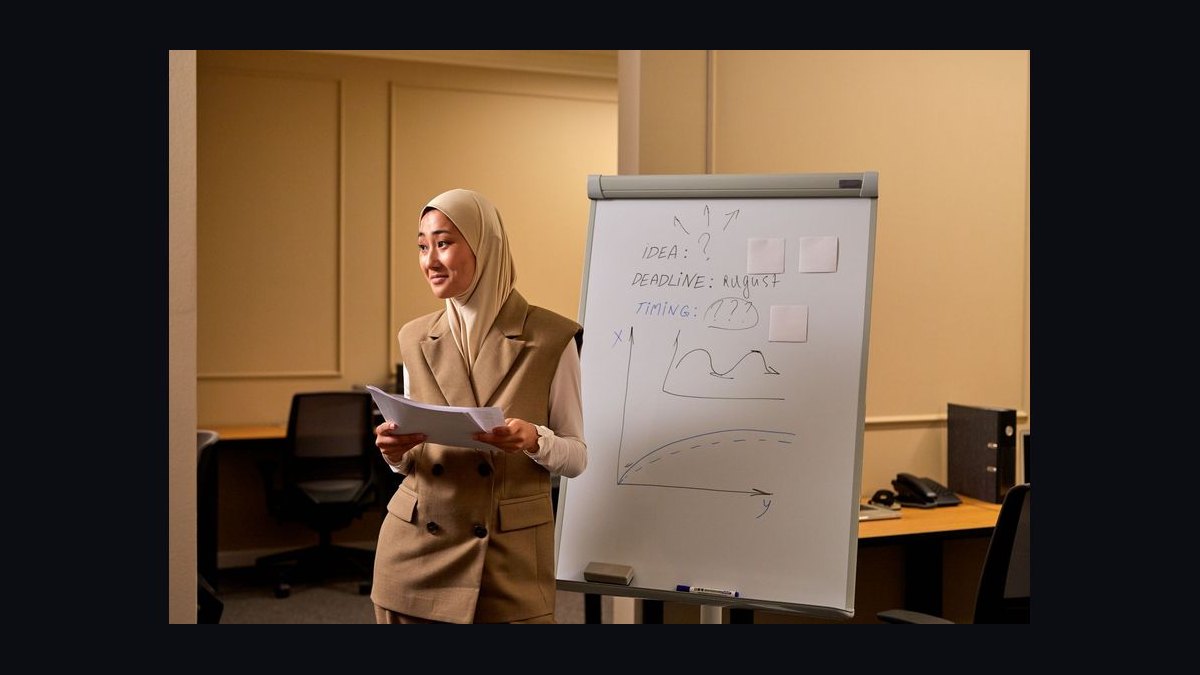
Benchmarks to hold the engagement against: pipeline coverage of 3x–4x the quarterly target by month three, two reps hired and in ramp by month four, a documented sales process in the CRM by month two, and a forecast the founder trusts to within 20% by month six. If those benchmarks are not being hit, the engagement is not working regardless of how pleasant the working relationship is.
Pitfalls and how to avoid them
The most common pitfall is hiring a fractional CRO whose experience is too senior for the stage. A former CRO who ran a 200-person sales org at a public company often cannot operate in the chaos of seed stage, where there is no data, no brand, no inbound, and no sales ops team. They will build process that assumes infrastructure you do not have. The fix is to screen specifically for seed-stage experience: ask how many seed-stage companies they have worked with as a fractional CRO, ask them to walk through a sales playbook they built from scratch, and ask what they did in the first thirty days at their last fractional engagement. If they cannot describe the first thirty days in concrete terms, they have not done it enough times.

The second pitfall is paying for hours instead of outcomes. When the contract is hourly, every conversation becomes a billing event, and the founder starts avoiding the fractional CRO to save money, which defeats the purpose. The fix is to negotiate a flat monthly retainer against a defined outcome list, with the weekly hour commitment stated as a guideline rather than a meter. Most experienced fractional CROs prefer this model anyway because it lets them front-load work in the first sixty days without penalizing the client.
The third pitfall is granting equity too early or too much. Equity given to a fractional CRO who leaves after four months is equity you cannot get back, and the administrative cost of issuing it, updating the cap table, and handling the vesting schedule can exceed the value of the engagement. The fix is to reserve equity for fractional CROs who commit to at least twelve months, to keep the grant at or below 1.0%, and to use a one-year cliff with monthly or quarterly vesting after that. If the fractional CRO insists on equity for a three-month engagement, that is usually a sign they are optimizing for their own upside rather than the company's.

The fourth pitfall is no written end state. Fractional engagements that do not have a defined end state drift. The company never hires a full-time VP of Sales because the fractional CRO is "handling it," and the fractional CRO never pushes for a full-time hire because the retainer is comfortable. The fix is to write the end state into the engagement letter on day one: either the fractional CRO transitions out after building the system and hiring the reps, or the fractional CRO converts to a full-time VP of Sales role, or the engagement extends for a defined additional period with a new scope. Any of those is fine, but "we'll see how it goes" is not.
The fifth pitfall is skipping the pilot. A six- or twelve-month commitment signed before either side has worked together is a bet on fit that neither side has evidence for. The fix is a paid 30-day or 60-day pilot at a defined scope with a written decision point at the end. Pilots cost $4,000–$8,000 and save companies from $60,000 mistakes.
The sixth pitfall is not owning the deliverables. If the sales playbook, the CRM configuration, and the hiring scorecard live in the fractional CRO's tools and accounts, the company loses them when the engagement ends. The fix is to require that all deliverables be built in the company's own systems, with the company owning the accounts, the documents, and the data from day one.

Selection checklist for choosing a fractional CRO
Use the checklist below before signing any fractional CRO engagement at seed stage. Each item is a gate, not a nice-to-have. If a candidate fails more than one or two, keep looking.
Beyond the gates, there are three qualitative signals worth weighing. First, does the candidate ask about the product, the ICP, and the current pipeline before quoting a price? A fractional CRO who quotes before understanding the situation is selling a template, not a service. Second, does the candidate have a point of view on RevOps, meaning do they talk about CRM hygiene, pipeline stages, and reporting cadence as core to the engagement? If they treat RevOps as someone else's job, the company will end up with activity but no visibility. Third, do the references describe the candidate as someone who built something the company still uses, or as someone who was pleasant to work with? The first answer is what you are paying for.
Related questions
How many hours per week does a seed-stage company need from a fractional CRO?
Most seed-stage companies need 10–20 hours per week. Ten hours suits a company that already has one or two reps and needs process and coaching. Fifteen to twenty hours suits a company that needs the fractional CRO to hire reps, build the CRM, and run pipeline reviews hands-on.
Can a seed-stage company pay a fractional CRO entirely in equity?
Rarely. Most experienced fractional CROs require cash because their time is their product, and equity in a seed-stage company is illiquid and high-risk. A hybrid deal with 30%–50% reduced cash plus 0.25%–1.0% equity is the realistic version of an equity-heavy arrangement.
What is the difference between a fractional CRO and a sales advisor?
A sales advisor provides strategy and introductions, usually for a few hours per month, often for equity or a small retainer. A fractional CRO owns execution: building the sales process, hiring reps, running pipeline reviews, and managing the CRM. The cost difference reflects that, with advisors at $2,000–$5,000 per month and fractional CROs at $6,000–$15,000.
How long should a fractional CRO engagement last at seed stage?
Six to twelve months is typical. The first ninety days build the process and hire the first reps. Months four through twelve ramp those reps and prove the motion. Beyond twelve months, the company should either hire a full-time VP of Sales or convert the fractional CRO into that role.
Does a fractional CRO replace the need for a full-time VP of Sales?
No. A fractional CRO buys time and builds the system, but seed-stage companies that are scaling past $2M ARR generally need a full-time sales leader. The fractional engagement should be designed to end with either a full-time hire or a conversion, not to run indefinitely.
FAQ
What is the average monthly cost of a fractional CRO for a seed-stage company in 2027? The average sits around $9,000–$11,000 per month for 12–15 hours per week, but the range is wide: $6,000 at the low end for a less experienced fractional CRO at 10 hours per week, and $15,000 at the high end for a seasoned operator at 20 hours per week with a vertical specialty.
Is a fractional CRO cheaper than hiring a full-time VP of Sales? In cash terms, yes. A full-time VP of Sales at seed stage costs $200,000–$300,000 fully loaded, while a fractional CRO runs $75,000–$180,000 in cash for a year. But the comparison only holds if the fractional engagement produces the process, hires, and pipeline a full-time hire would have produced. If it does not, fractional is more expensive.
Do fractional CROs charge an onboarding fee? Many do, typically $2,500–$7,500, covering discovery, a CRM audit, stakeholder interviews, and a written 30/60/90-day plan. Insist the written plan is yours to keep whether or not the engagement continues. Some fractional CROs waive the fee for a longer initial commitment.
Should I pay a fractional CRO hourly or on a retainer? Retainer is almost always better for seed-stage execution work. Hourly billing creates a disincentive for the founder to ask questions and tends to produce scope creep. Use hourly only for advisory-only engagements of a few hours per month.
How much equity should I give a fractional CRO? Keep it at or below 1.0%, vesting over 24–36 months with a one-year cliff, and only for engagements of at least twelve months. Equity for a three-month engagement is usually a mistake because the administrative cost of issuing and managing it can exceed the value of the engagement.
What should the fractional CRO deliver in the first 90 days? A documented sales process in the CRM, a defined ICP and qualification framework, a hiring scorecard and at least one rep in the pipeline, a weekly pipeline review cadence, and a forecast the founder can trust to within a reasonable margin. If those are not in place by day 90, the engagement needs to be re-scoped or ended.
Sources
- Bessemer Venture Partners — State of the Cloud
- OpenView Partners — SaaS Benchmarks
- Harvard Business Review — The Sales Learning Curve
- SaaStr — Sales Compensation and Hiring Benchmarks
- Pavilion — Revenue Leadership Community
- RevOps Co-op — Community and Resources
- Y Combinator — Startup Library on Sales
- First Round Review — Building Sales Teams
Related on PULSE
- How much does a fractional CRO cost for a Series A company?
- Fractional CRO vs. full-time VP of Sales: which is right for your stage?
- Building a seed-stage sales process from scratch
- RevOps foundations for companies under $5M ARR
- Sales hiring scorecards for early-stage startups
- When to transition from a fractional CRO to a full-time sales leader
This page will be disappearing soon. Save it to your device for $1 — or read it free while it is here.
@Kory-White- · if Venmo asks, the last 4 of my number are 2012
 pulse-toolsWhat should an SMB company look for in a fractional CRO in 2027?
 pulse-toolsHow does a fractional Chief Revenue Officer fix forecasting at a supply chain software company in 2027?
 pulse-toolsHow do I hire a fractional head of revenue in Charleston in 2027?
 pulse-toolsShould I Hire a Fractional CRO If My Healthcare Company Is Entering Payer Contracts in 2027?
 pulse-toolsHow do I hire a fractional VP of Sales in Tampa?
 pulse-toolsShould I Hire a Fractional CRO If I Need to Stand Up RevOps From Scratch in 2027?
 pulse-toolsWhere do I find a fractional VP of Sales in Boulder in 2027?
 pulse-toolsWhat does a fractional CRO cost in Dagsboro in 2027?
 pulse-toolsWhere do I find a fractional head of revenue in Bellevue in 2027?
 pulse-toolsShould I Hire a Fractional CRO If I Need to Build My First Sales Playbook in 2027?