

How do I hire a fractional CRO in Bakersfield in 2027?
 Curated byKory White · Fractional CRO · Maryland
Quality
Certified

To hire a fractional CRO in Bakersfield, define the specific revenue outcome you need — new business, expansion, or retention — set a budget around a retainer for two to three days a week, then source through fractional-executive marketplaces, Kern County business networks, and targeted LinkedIn outreach. Vet for forecasting fluency, long-cycle committee selling, and coaching ability, then run a three-to-six-month trial tied to two or three measurable KPIs.
This vs. the common alternatives
Bakersfield companies weighing revenue leadership generally choose among four paths, and each carries a different cost and risk profile. The first is a full-time CRO: total ownership, full-time attention, and deep company-specific context, but a fully loaded cost that includes base, variable comp, equity, benefits, recruiting fees, and a ramp period that often stretches six to twelve months before the hire is producing independently. For a company doing 1M–5M in annual revenue, that fixed cost is hard to justify against an uncertain payoff, which is exactly why fractional exists as a category.
The second path is a sales consultant or agency engagement. A consultant diagnoses and hands you a deck — a go-to-market audit, a competitive analysis, a set of recommended stage definitions — but does not sit inside your leadership meetings, does not manage your sellers day to day, and is not accountable when the recommendations don't get implemented. Consultants are useful for a narrow, time-boxed question ("why is our win rate declining in the energy vertical?") but they leave execution risk entirely with you.
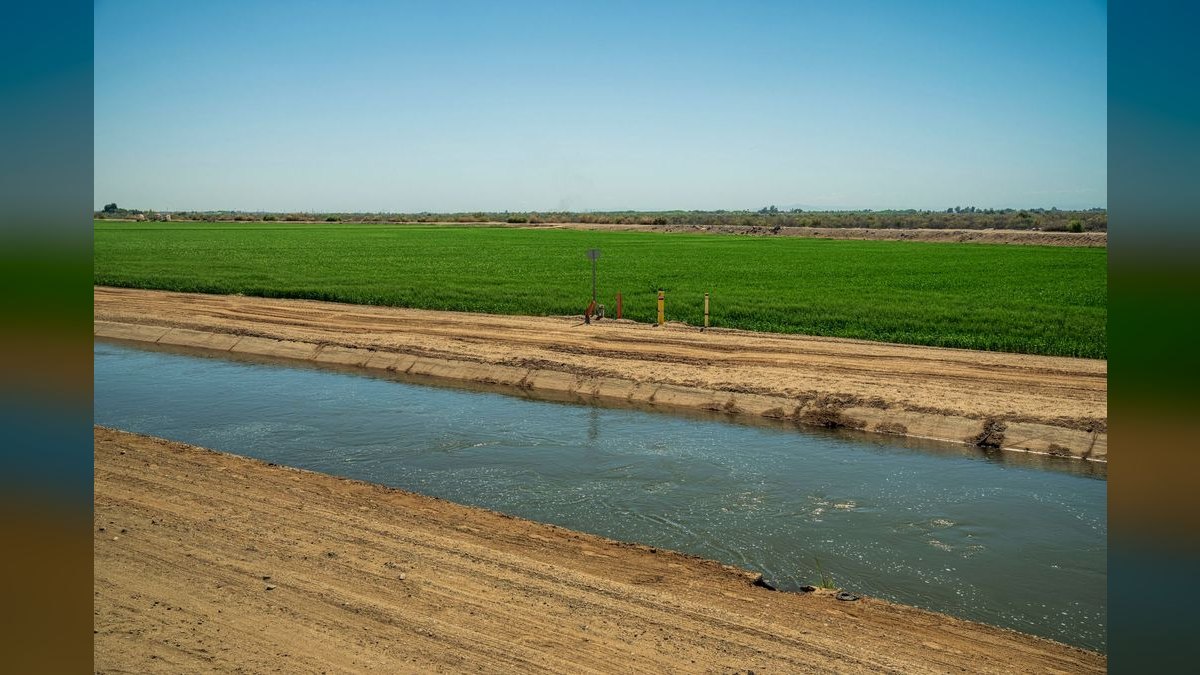
The third path, and the one most relevant to this question, is a fractional CRO: a senior revenue operator who works two to three days a week across a small number of clients, sits in your leadership meetings, owns the forecast, manages or coaches your sellers, and is accountable for a defined outcome rather than a set of slides. This is the model most Bakersfield companies land on because it matches the region's mid-market scale — Kern County's economy leans on agriculture, energy, logistics, and regional B2B distribution rather than venture-funded SaaS, and those companies rarely have the revenue base to support a full-time executive but still need executive-grade discipline.
The fourth path is promoting from within — elevating a senior account executive or sales manager into an interim leadership role. This is cheapest in dollar terms but riskiest in outcome: the promoted rep usually lacks the forecasting rigor, committee-selling frameworks, and systems-building experience that a fractional CRO brings from having done this at multiple companies. It can work as a bridge for a few months, but it rarely fixes a broken revenue engine on its own.

The choice among these four is really a choice about what's actually broken. If the problem is a single tactical gap — pricing, a competitive positioning issue — a consultant is faster and cheaper. If the company is past 10M ARR with real organizational complexity and board scrutiny, a full-time hire is usually worth the cost. If the company is between roughly 1M and 10M ARR and needs ongoing ownership of the number without the full-time price tag, fractional is the right fit, and Bakersfield's regional business mix — agriculture, oil-field services, transportation, distribution — makes industry fluency inside that fractional hire more important than a local ZIP code.
How to choose between them
Deciding whether to hire a fractional CRO — and then which candidate — comes down to a sequence of qualifying questions rather than a single gut call. Start by naming which revenue lever is actually bleeding: a company that cannot close new business needs a different profile than one that closes fine but churns customers within a year, and a company with strong close rates but a chronically inaccurate forecast has a third problem entirely. Write this down before you talk to anyone, because a candidate who cannot immediately name which lever they'd pull first, in the first conversation, is telling you they don't have a repeatable diagnostic process.

Next, decide how much local presence actually matters for your buyers. If your sales motion depends on handshake relationships, in-person diligence, and buyers who expect to meet leadership face to face — common in ag equipment and industrial services — weight physical presence in Bakersfield more heavily. If your motion runs mostly on phone, video, and email, industry fluency should outweigh a local address, because the pool of executives who both live in Bakersfield and have deep B2B revenue leadership experience is small compared to Los Angeles or the Bay Area. Most companies end up hiring remote-first with committed on-site visits — monthly or quarterly for quarterly business reviews, key account meetings, and live coaching — and that hybrid model works as long as the cadence is written down before signing, not negotiated after friction starts.
The mermaid below lays out the qualifying sequence as a practical screen you can run against every candidate before a final interview.

Run this screen against every candidate consistently rather than trusting a single strong first impression — the fractional-executive market rewards good self-presentation, and the only way to separate genuine operators from confident generalists is a structured, repeatable filter applied the same way every time.
Costs, timelines, and expected impact
Budget realistically before you start sourcing, because pricing surprises are the fastest way to stall a search. Fractional CRO engagements in a market like Bakersfield commonly land in a retainer structured around a two-to-three-day-per-week commitment, with the rate flexing based on the candidate's seniority, how complex your industry's sales motion is, and how hands-on the work needs to be — a CRO who is also personally running key deals costs more than one who is purely coaching and building process. For a company doing 1M–5M in annual revenue, that retainer typically works out to roughly 10–15% of monthly revenue, which is meaningfully below the fully loaded cost of a full-time hire once you count base salary, variable compensation, equity, benefits, recruiting fees, and the ramp time before a full-time CRO is fully productive.

The economic case for that spend only holds if the engagement moves a real number. A reasonable bar to hold a fractional CRO to is a 15–25% improvement in close rate, or a meaningful compression of sales cycle length, within roughly two quarters. Write the engagement's scope as concrete deliverables rather than aspirational language: "build a repeatable sales playbook with defined stage criteria," "stand up a weekly forecast the board can trust within 30 days," "reduce average sales cycle from ten months to seven," or "get the team to 80% CRM adoption so pipeline data is real." Deliverables like these are measurable, and they give you an honest basis for renewing or ending the relationship at the trial's end. A vague mandate like "grow revenue" lets a weak hire coast for two full quarters before anyone can prove underperformance, which is money and time you don't get back.
Timelines follow a predictable pattern in long-cycle, multi-stakeholder markets like the ones common around Bakersfield. Leading indicators — pipeline hygiene, stage-definition cleanup, forecast accuracy, CRM adoption rates — should visibly improve within the first quarter if the fractional CRO is doing the job well. Lagging indicators — realized revenue, closed-won dollars, retention improvements — typically take two to four quarters to show up, because deals in agriculture, energy, and capital-equipment sales often run eight to twelve months from first contact to signature, and a CRO cannot compress a cycle that's already three-quarters through the pipeline. Be skeptical of any candidate promising dramatic revenue jumps inside the first thirty days; the honest answer is always "here's what I'll fix first, and here's when you'll see it show up in the number."

Attach a rough dollar value to each deliverable so you can judge whether the retainer is paying for itself. If a fractional CRO's retainer runs a few thousand dollars a month and their work shortens your average cycle by two months while lifting win rate by twenty percent across a pipeline worth several million dollars, the return is unambiguous. If, after three months, you cannot point to a single moved metric, that's the signal to renegotiate scope or exercise the exit clause — which is exactly why the trial structure in the next section matters as much as the sourcing process itself.
Implementation and handoff details
Once you've selected a candidate, structure the engagement as a retainer with a built-in trial rather than an open-ended commitment. A three-to-six-month initial term paired with a thirty-day exit clause protects both sides: it gives the fractional CRO enough runway to show real impact in a business where deals take months to close, and it gives you a clean off-ramp if the fit turns out to be wrong. Tie renewal explicitly to two or three KPIs agreed on before day one — close-rate lift, cycle-time reduction, forecast accuracy, or CRM adoption are the most common choices — and put both the KPIs and the exit clause in the same signed document so the eventual renewal conversation is about evidence, not feelings.

Onboarding should be front-loaded and deliberately unglamorous. The strongest fractional operators spend their first two to three weeks auditing before prescribing anything: reviewing the current CRM configuration and tool stack, sitting in on live sales calls, interviewing individual reps, and mapping the top open deals against whatever qualification framework they intend to use — MEDDIC, MEDDPICC, or a comparable committee-selling method suited to long, multi-stakeholder cycles. Only after that audit should they begin rolling out changes: cleaned-up pipeline stages, a documented and repeatable playbook, a tightened weekly forecast rhythm, and structured coaching sessions with the existing sales team.
Set explicit operating boundaries from the start, since fractional executives typically serve multiple clients simultaneously and won't be in your office full time. Agree on a weekly cadence — commonly a short standing check-in plus a monthly board-style review of pipeline health and forecast accuracy — and name one internal point of contact who owns the relationship day to day. Clarify expected responsiveness, on-site visit frequency (monthly or quarterly is typical for QBRs and key account meetings), and how decisions get made on days the CRO isn't physically present. It's also worth setting a simple standard up front for how any AI or automation tools get used on your accounts — transparency in how deals are scored, and no shortcuts that could misrepresent your company to a buyer during a long sales cycle.

The whole point of a fractional engagement, done correctly, is that the CRO builds a system your team can run without them. A good ninety-day plan includes documented sales stages, a living playbook document, a forecast rhythm your internal team can execute independently, and a defined handoff of day-to-day coaching responsibility to your best internal sales manager before the engagement's term ends. Companies that skip this handoff step often find themselves re-hiring a fractional CRO repeatedly because nothing durable was ever installed — the whole exercise becomes an expensive individual contributor arrangement rather than a genuine RevOps build-out. Done right, a fractional CRO gives a Bakersfield company real executive-grade revenue leadership at a fraction of full-time cost, and leaves behind a repeatable system rather than a dependency.
Related questions
Do I need a CRO who physically lives in Bakersfield?
Usually no. Most companies hire a remote-first fractional CRO with relevant industry experience who commits to monthly or quarterly on-site visits for key meetings and coaching. Prioritize market and industry fluency over a local address, but agree on travel expectations before signing.
How is a fractional CRO different from a sales consultant?
A consultant advises and hands you recommendations; a fractional CRO owns the revenue number and runs part of the team. The CRO sits in leadership meetings, manages sellers, builds the forecast, and is accountable for results rather than just proposals you implement yourself.
When should I switch to a full-time CRO?
Common practice is to use a fractional CRO up to roughly 10M ARR, then move to full-time as headcount, complexity, and board scrutiny grow. Many companies treat the fractional engagement as a bridge that also helps define and recruit the eventual full-time hire.
How fast should I expect results?
Expect leading indicators — pipeline cleanup, forecast accuracy, CRM adoption — within the first quarter, and revenue impact over two to four quarters. Long, multi-stakeholder cycles mean patience is essential; be skeptical of promises of dramatic revenue jumps in the first thirty days.
What if my company sells into ag-tech or energy specifically?
Industry familiarity matters more than location. Ag buyers move on seasonal and harvest calendars; energy buyers move on capital cycles and regulatory timelines. Screen for a CRO who has sold into those rhythms and can describe how they adjusted their motion around them.
FAQ
What does a fractional CRO in Bakersfield typically cost? Engagements commonly run a retainer for a two-to-three-day-per-week commitment, varying with seniority, industry complexity, and how hands-on the work is. For a 1M–5M ARR company that works out to roughly 10–15% of monthly revenue — meaningfully less than a full-time CRO once base, variable, equity, and benefits are included.
How do I verify a candidate's forecasting and tooling experience? Ask for a concrete before-and-after story: what the pipeline looked like when they arrived, what they changed, and how the forecast improved. Have them walk through their actual weekly forecast rhythm and how they use call and pipeline data to spot risk, rather than just listing tool names.
Can a fractional CRO replace a full-time VP of Sales? For companies under roughly 10M ARR, often yes — a strong fractional leader can own strategy, process, and coaching part-time. For larger or more complex organizations, use a fractional CRO as a bridge to stabilize revenue while you recruit a full-time leader.
What frameworks should a modern fractional CRO know? Look for fluency in a committee and complex-deal method such as MEDDIC/MEDDPICC or Challenger, plus a revenue-operations model like Winning by Design. What matters is repeatable qualification and stage discipline, not the specific brand name attached to it.
How do I structure the contract to protect myself? Use a three-to-six-month retainer with a thirty-day exit clause and two or three agreed KPIs tied to renewal. Define deliverables, on-site frequency, and communication cadence in writing so both sides know what "working" looks like before the trial ends.
How much of their time should be on-site versus remote? Most hybrid arrangements are remote-first with periodic on-site presence — often monthly or quarterly for QBRs, key account meetings, and live coaching. Decide what genuinely requires physical presence versus video, then write the travel expectation into the agreement up front.
Sources
- Harvard Business Review: The Rise of the Fractional Executive
- SaaStr: Sales and Go-to-Market Insights
- Gong Labs: Sales Research and Deal Insights
- McKinsey: Growth, Marketing & Sales Insights
- Gartner: Sales Trends and Research
- Forrester: Revenue Operations Research
- Kern County Economic Development Corporation
- Clari: Revenue Operations and Forecasting
- Chief Outsiders: Fractional Executive Firm
Related on PULSE
- How do I find a fractional CRO in Bakersfield in 2027?
- Where do I find a fractional CRO in Bakersfield in 2027?
- How do I hire a fractional CRO in Tulsa in 2027?
- How do I find a fractional CRO in Millsboro in 2027?
- How do I find a fractional CRO in Oakton in 2027?
- Where do I find an interim CRO in Durham in 2027?
This page will be disappearing soon. Save it to your device for $1 — or read it free while it is here.
@Kory-White- · if Venmo asks, the last 4 of my number are 2012
This page is gone.
This one is off the shelf now. $1 keeps it on your phone for good — the whole page, pictures and diagrams included.
 pulse-toolsWhat does a fractional CRO do for a gaming business in 2027?
 pulse-toolsHow do I hire a fractional CRO in Pasadena in 2027?
 pulse-toolsHow do I hire an interim CRO in Los Angeles in 2027?
 pulse-toolsHow do I hire a fractional CRO in Chandler in 2027?
 pulse-toolsWhat should I look for in a fractional CRO in Memphis in 2027?
 pulse-toolsWhere do I find a fractional CRO in San Mateo in 2027?
 pulse-toolsWhere do I find a fractional CRO in Fort Collins in 2027?
 pulse-toolsHow do I hire a fractional CRO in Palo Alto in 2027?
 pulse-toolsWhat does a fractional CRO do for a marketing agency business in 2027?
 pulse-toolsWhere do I find a fractional CRO in Sunnyvale in 2027?